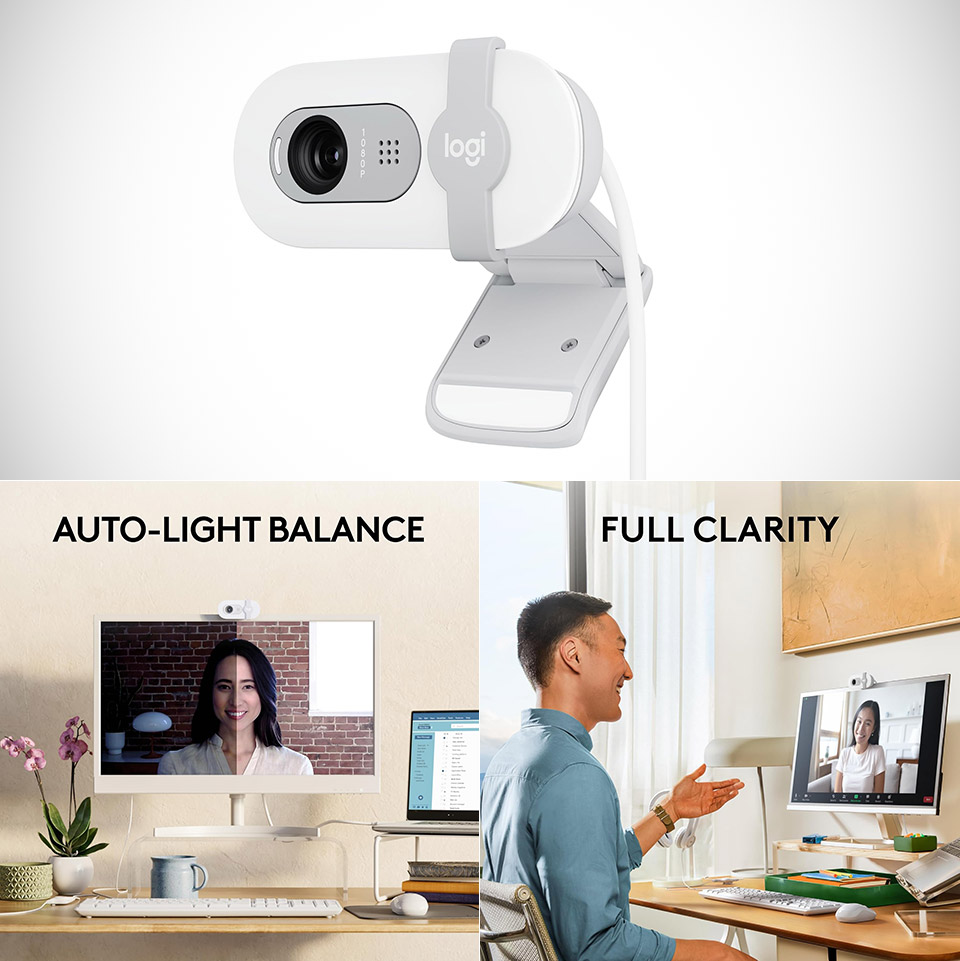
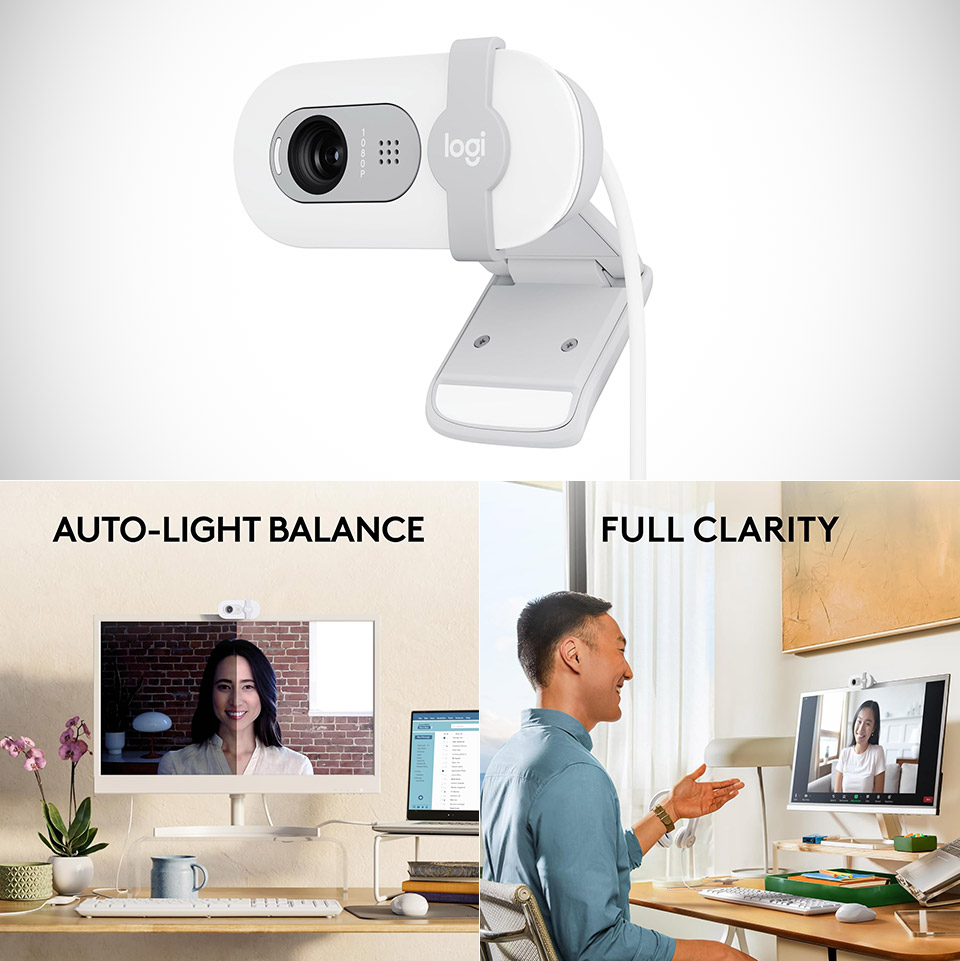
Daily video interactions have one essential requirement: good picture and sound. To be honest, most of us settle for our laptop cameras, which leave a lot to be desired in real-life circumstances. The Logitech Brio 100, priced at $25 (was $40), immediately raises the bar with its full 1080p resolution. Whether it’s a fast team meeting from a few feet away or some casual online gaming from the comfort of your workstation, faces appear natural, crisp, and all that.
Lighting may be a real challenge with video calls in home offices or streaming setups, but fortunately, the auto correction system keep your subjects looking illuminated without you having to mess with settings. The best part is that all of this happens whether you’re dealing with blinding afternoon daylight or just a gentle nighttime lamp.
In terms of sound, the built-in microphone handles spoken words expertly, without distorting them in common interior environments. On platforms such as Zoom or Microsoft Teams, conversations flow smoothly, and the loudness is sufficient to communicate across a regular room. Streamers who add a few basic overlays or chat overlays will be pleased to discover that the audio is fairly solid for entry-level broadcasts when crystal clear studio sound isn’t as vital as consistent reliability.
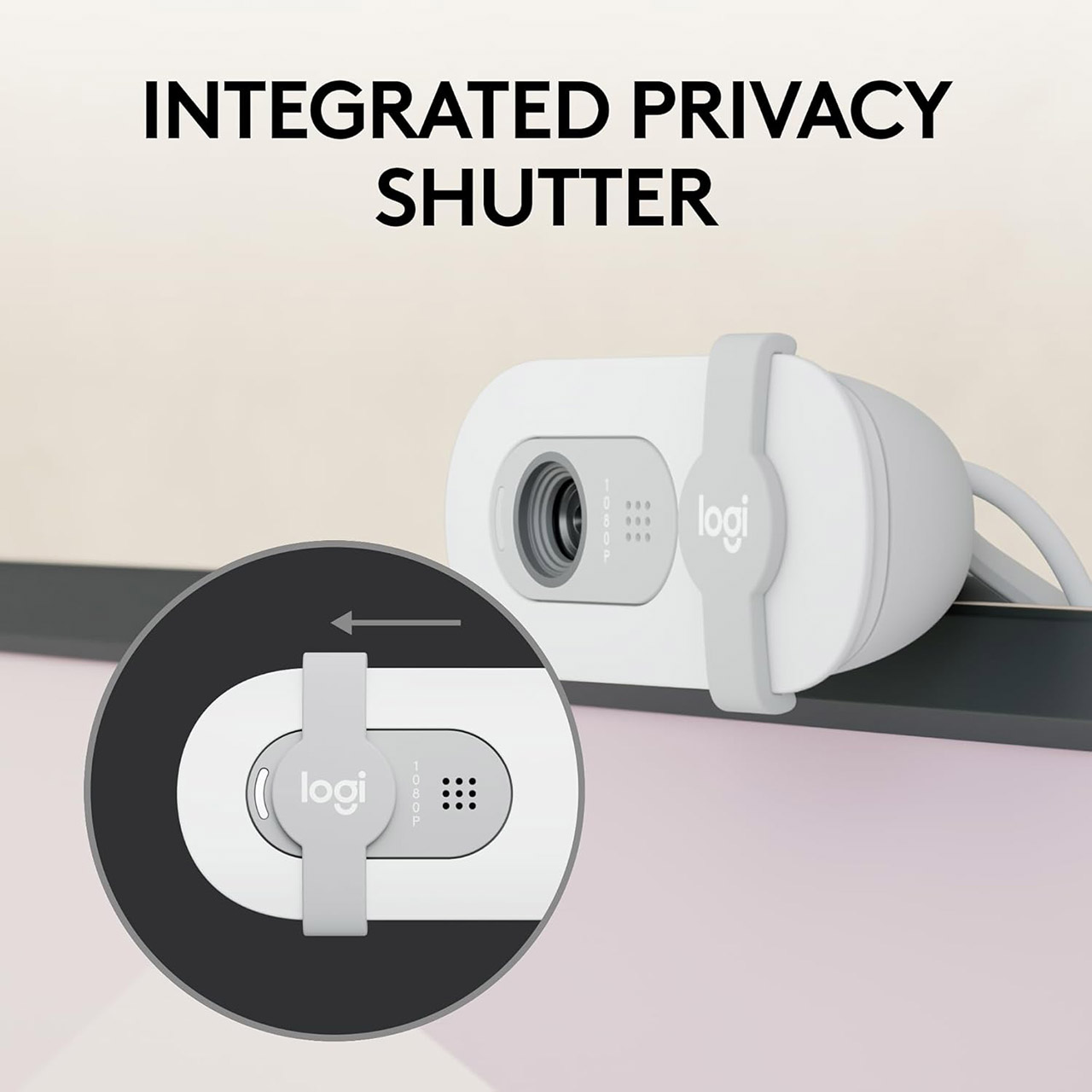
One common concern is privacy, particularly in shared flats or busy households, and the sliding cover on the lens addresses this with a pleasing click. With one simple motion, your view is fully hidden, providing you with some peace of mind before stepping away or having a sensitive talk. The cover stays in place while you use it, and there are no additional apps or processes to activate.
Attaching the camera takes only 2 seconds thanks to its handy clip, which is intended to suit most monitors or sit flat on a surface for more flexible perspectives. The design remains stable even on thinner laptop edges, and the fixed wire is long enough to extend across a regular desk without becoming tangled. Setting it up is as simple as plugging it in via USB and it’s ready to use on Windows, Mac, or Chrome.
One of the advantages of this camera is its wide compatibility, which means it’s ideal not only for business meetings but also for brief Nintendo Switch sessions or hobby streaming. If you need to modify things a little, there is some free software available to fine tune contrast or sharpness, but most people skip that step and enjoy solid results right away.
A deal would give Amazon’s Leo satellite programme access to Globalstar’s L-band spectrum and operational infrastructure, a shortcut in its race to rival SpaceX’s Starlink. Apple’s stake, which powers Emergency SOS on iPhones, has made negotiations significantly more complex.
Amazon is in advanced talks to acquire satellite telecommunications group Globalstar in a deal that would value the company at approximately $9 billion, the Financial Times reported on Wednesday, citing people familiar with the matter. Reuters confirmed the report.
Both Amazon and Globalstar declined to comment, and the two sides are still negotiating the complexities of a potential deal after what the FT describes as lengthy talks. Nothing has been signed.
The strategic rationale is straightforward. Amazon is building Amazon Leo, formerly known as Project Kuiper, a planned constellation of more than 3,200 low-earth-orbit satellites designed to rival SpaceX’s Starlink, the dominant player in satellite internet.
Advertisement
As of the time of the report, Amazon has launched more than 180 Leo satellites. Globalstar would accelerate that ambition considerably, bringing with it L-band and S-band spectrum licences, finite, strategically valuable radio frequencies that cannot simply be replicated by launching more satellites, along with decades of operational expertise and existing ground infrastructure serving enterprise, government, and consumer markets globally.
Globalstar turned profitable in 2025 and recorded $273 million in revenue.
The complication is Apple. In 2024, Apple invested $1.5 billion in Globalstar, acquiring a 20% stake in the company, in a deal that enabled Globalstar to order additional satellites and underpin Apple’s Emergency SOS via Satellite feature on iPhone 14 and later models and Apple Watch Ultra.
That stake has made Amazon’s negotiations considerably more complex, requiring Amazon to engage with Apple directly over the terms of any acquisition.
Apple’s reliance on Globalstar’s network for a core iPhone safety feature is not merely a financial stakeholder situation: it creates a genuine operational dependency that any acquirer would need to resolve.
Advertisement
Globalstar’s shares surged following the FT’s report, reaching an 18-year high in after-hours trading, driven in large part by investor recognition of the value of its spectrum holdings.
For Amazon, a successful acquisition would compress years of infrastructure development into a single transaction, providing a more immediate platform from which to challenge Starlink across individual consumers, businesses, and government customers, the same segments Starlink already serves, including US national security agencies through its Starshield variant.
Whether a deal can be structured that satisfies Apple’s operational requirements while serving Amazon’s competitive ambitions remains the central question.
An anonymous reader quotes a report from NPR: Responding to public health concerns about microplastics and pharmaceuticals in the nation’s drinking water, the Trump administration for the first time has placed them on a draft list of contaminants maintained by the Environmental Protection Agency. The EPA announced the move Thursday, touting it as a “historic step” for the Make America Healthy Again, or MAHA, movement, which often raises concerns about toxic chemicals and plastic pollution in our food and environment. Also Thursday, the Department of Health and Human Services announced a $144 million initiative, called STOMP, to develop tools to measure and monitor microplastics in drinking water and in a later stage, to remove them.
The Safe Drinking Water Act requires the EPA to publish an updated version of its Contaminant Candidate List every five years. This is the sixth iteration of the list. Microplastics and pharmaceuticals appear in the draft of the upcoming list, alongside per- and polyfluoroalkyl substances, or PFAS, and dozens of other chemicals and microbes. Their inclusion on the list gives local regulators a tool to evaluate risks in their water supply, the EPA says, and it can set the stage for more research and regulatory action — but doesn’t actually guarantee that will happen.
Tests conducted by Hardware Canucks show that the XPS 14 delivers exceptional battery life, lasting more than 43 hours on a single charge while browsing the web with variable refresh rate enabled. During the test, the screen refresh rate was reduced to 1Hz. The laptop tested features an Intel Core… Read Entire Article Source link
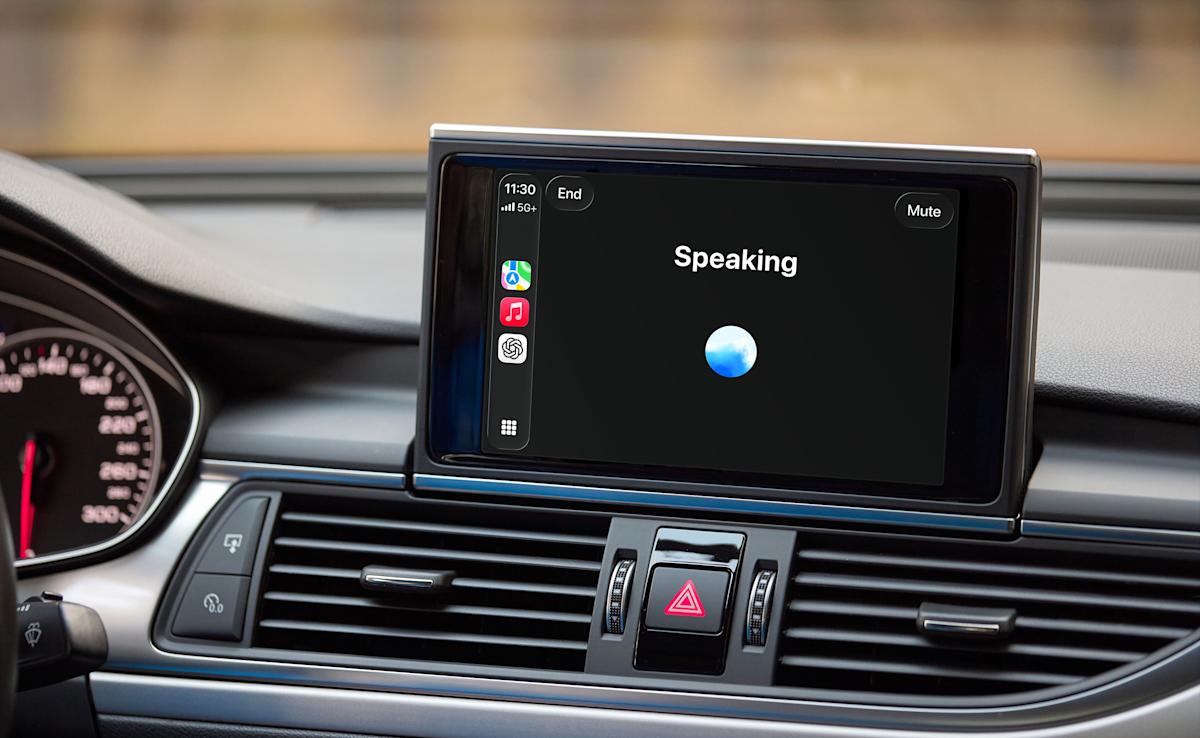
In a surprise release, OpenAI has made ChatGPT’s Voice mode available through Apple CarPlay. If you’re running the latest version of both iOS and the ChatGPT app, and own a CarPlay-compatible vehicle, you can check out the experience. To get started, download all the necessary software, connect your iPhone to CarPlay and select “New voice chat” from ChatGPT. When the in-app text indicates ChatGPT is “listening,” you can start a conversation.
There are some notable limitations to using ChatGPT Voice with CarPlay. For one, OpenAI’s chatbot can’t control car functions. If you want to adjust the cabin temperature or skip tracks, you’ll still need Siri for those tasks. Due to Apple’s restrictions, you also can’t start using ChatGPT through a wake word like you can Siri. For example, to resume a previous conversation, you need to open the ChatGPT app from CarPlay and tap a recent or pinned chat.
With those limitations in mind, OpenAI suggests you can use Voice mode to get how-to advice, brainstorm ideas and practice languages. Personally, I like to listen to podcasts and music when I’m driving, but if talking with ChatGPT is your thing, you do you.
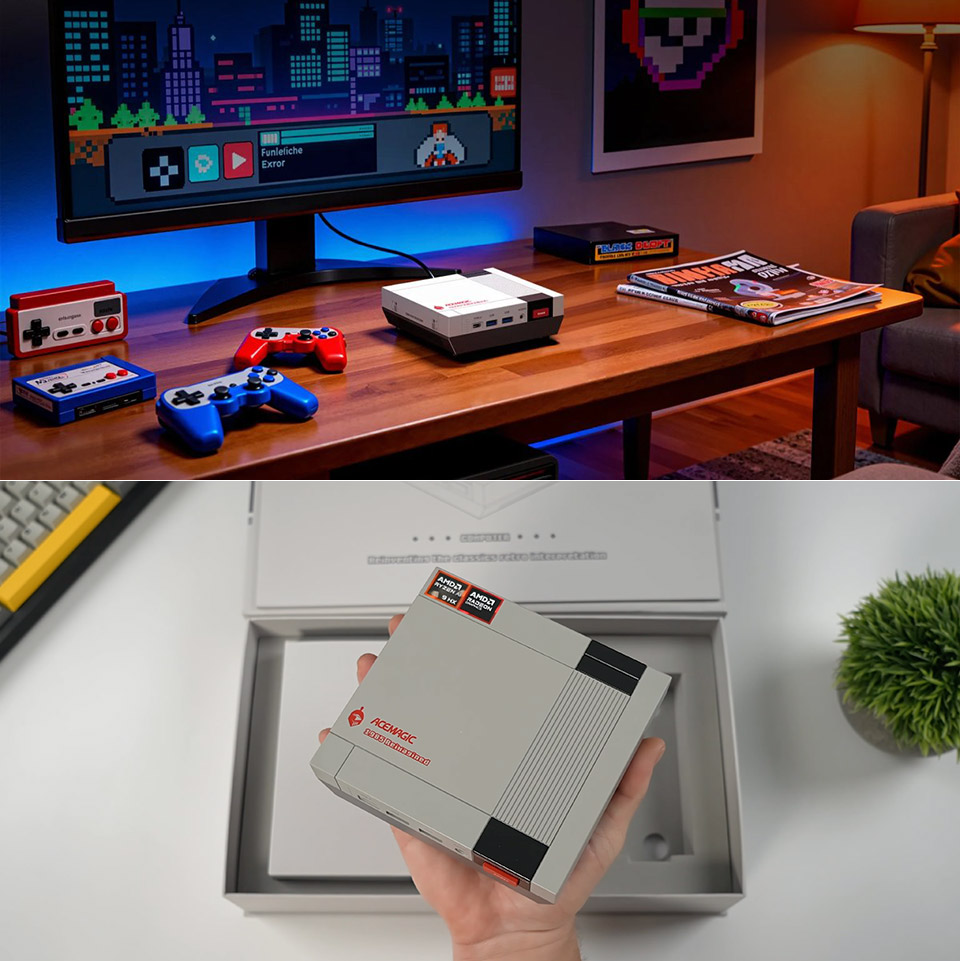
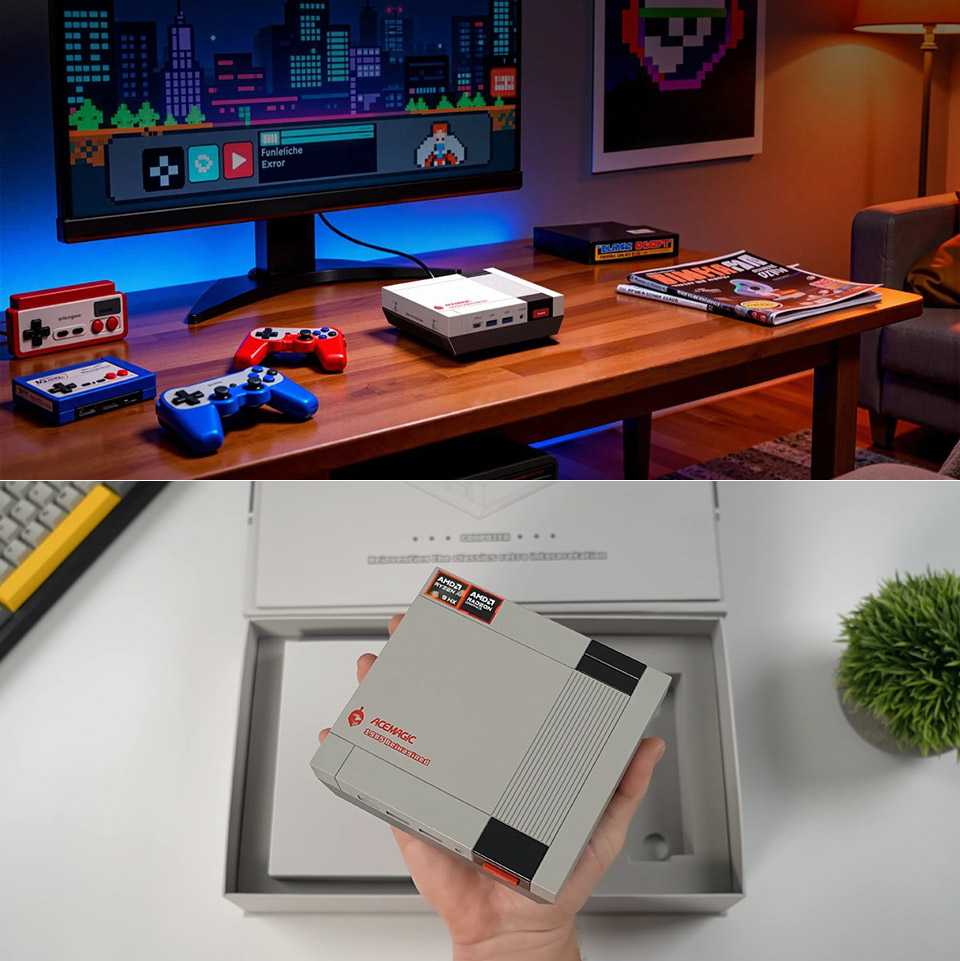
The ACEMAGIC Retro X5’s mere presence on a desk is enough to stop most people in their tracks and have them take a closer look. It’s a simple gray and black box that pays homage to the original NES console but is far smaller in size. It measures 5.5 inches wide, 5 inches deep, and is less than 2 inches tall, making it easy to fit into small areas or pack in a suitcase for travel.
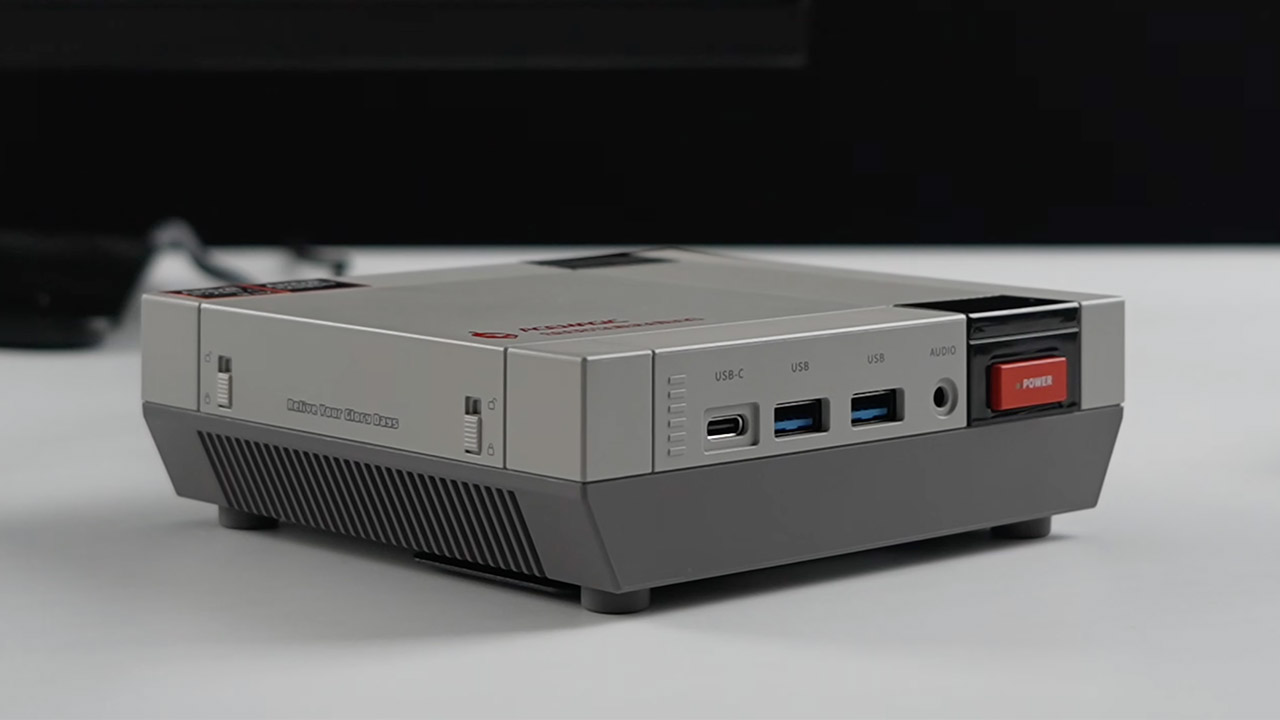
Up front, there are a handful of USB connections, a USB C slot, and a normal audio jack next to the red power button. To be honest, it has an old-school feel. When you press that button, the machine boots up quickly thanks to the solid state drive inside. Ventilation slots on either side keep it looking sleek, and the back panel provides a variety of connection options.
【AMD Ryzen 4300U Processor】KAMRUI Pinova P2 Mini PC is equipped with AMD Ryzen 4300U (4-core/4-thread, up to 3.7GHz), Based on the advanced Zen…
【Large Storage Capacity, Easy Expansion】KAMRUI Pinova P2 mini computers is equipped with 16GB DDR4 for faster multitasking and smooth application…
【4K Triple Display】KAMRUI Pinova P2 4300U mini desktop computers is equipped with HDMI2.0 ×1 +DP1.4 ×1+USB3.2 Gen2 Type-C ×1 interfaces for…
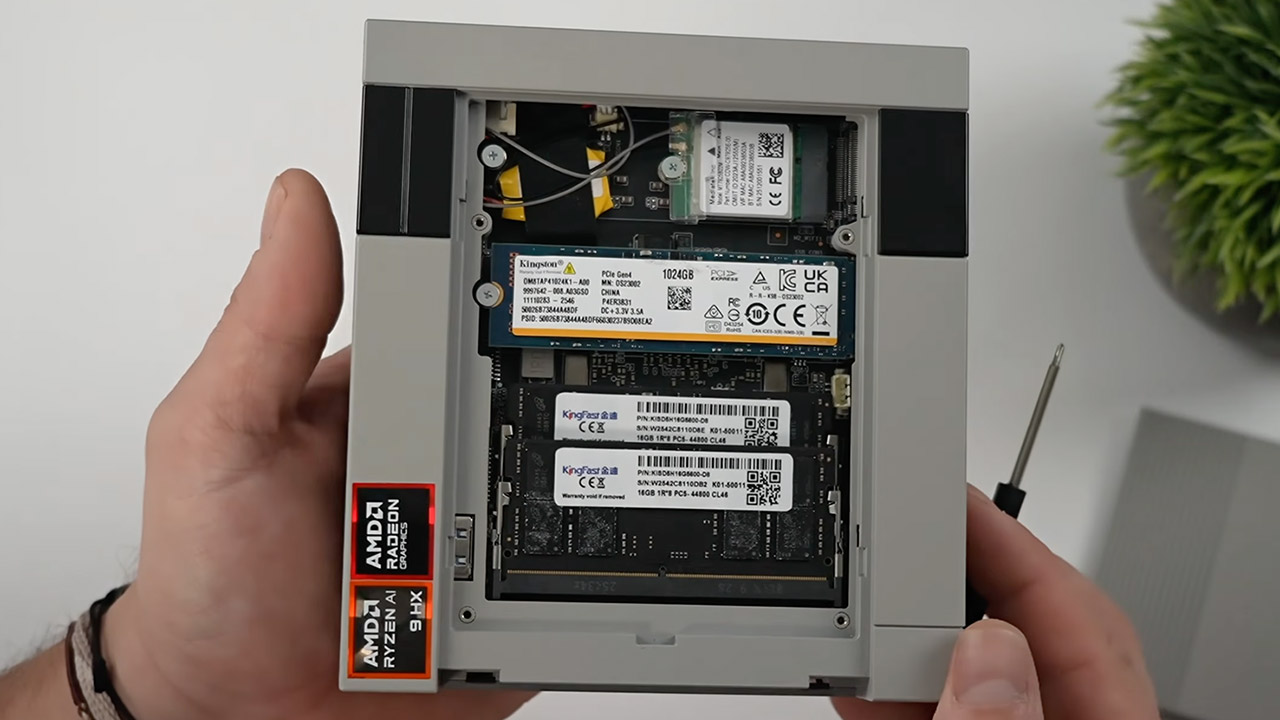
Inside, you’ll discover a powerful AMD Ryzen AI 9 HX 370 processor with 12 cores and 24 threads, while for graphics, it includes an integrated Radeon 890M unit with 16 compute units. It starts with 32GB of DDR5 RAM and a one-terabyte solid-state drive, which you can quickly update in one of two available slots by unscrewing the chassis and swapping in extra memory or storage as needed.
As soon as you turn it on, the Retro X5 demonstrates its true potential. Everyday chores like online browsing with dozens of tabs open go smoothly, and editing photographs or documents is simple. When it comes to gaming, the system provides seamless gameplay in a variety of current titles. With medium details and scaling turned on, Cyberpunk 2077 maintains a frame rate of roughly 70 frames per second. Racing games, such as Forza Horizon 5, provide frame rates in the 60-80 range at 1440p resolution, depending on how you configure the settings. If you enjoy retro gaming, you’ll be ecstatic because this device can run classic systems at full speed, including full-speed runs of PS3 and GameCube titles upscaled to 4K.
Connectivity covers almost every situation you can possibly encounter. Two 2.5 gigabit Ethernet ports provide speedy wired networking for downloading and playing online. Wireless access is provided via the most recent WiFi standard, with Bluetooth connectivity for controllers and headphones. Display outputs include HDMI and DisplayPort connections, allowing you to connect up to four high-resolution screens. To top it all off, you get one high-speed USB4 port that allows you to connect an external graphics card for more power as needed. [Source]
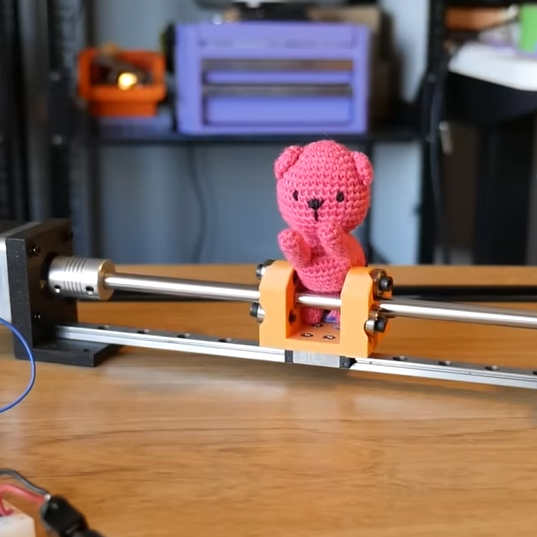
If you’ve never heard of the threadless ball screw, which was invented over sixty years ago, [Angus] of Maker’s Muse has a video demonstrating the whole thing, covering its history and showcasing both its strengths and weaknesses. If you like seeing mechanical assemblies in action, give it a watch.
The device — consisting of little more than a smooth rod and three angled ball bearings — is a way to turn rotational motion into linear motion. Not a single belt, thread, or complex mechanical assembly in sight. While a simple nut on a threaded rod can turn rotation into linear motion, those come with their own issues. The threadless ball screw was one effort at finding a better way.
While it lacks precision, the threadless ball screw nevertheless offers quiet and smooth motion with adjustable tension in a very DIY-friendly design.
Threadless ball screws never really took off, although they were given some consideration for use in 3D printers back in the RepRap days. Today one can purchase quality CNC components without leaving one’s web browser, but back in the early 2000s things like lead screws and ball screws were rather more specialized, less accessible, and more expensive than they are today. RepRap folks had to make their own solutions. But while the threadless ball screw is a very DIY-friendly design, it was ultimately lacking in performance.
The main problem is they’re just not precise enough for anything like CNC work. [Angus] does some back-and-forth tests with a 3D printed unit that shows serious drift after only a few minutes. Now, he knows perfectly well that his 3D-printed test unit is far from ideal, but the rapidity at which it drifted was still a surprise. Making a carriage with two threadless ball screws — one at each end — performed a lot better, but was ultimately still flawed.
It’s not all bad. There’s zero backlash. They are mechanically simple, remarkably smooth, and utterly quiet. Also, [Angus] discovered that the maximum force this setup can be made to apply is surprisingly significant, and is directly related to the tension on the bearings. That means one can trivially adjust how easily the carriage slips (or doesn’t) just by tightening or loosening the screw holding each bearing.
Advertisement
Sure, they’re not precise. But maybe you don’t need precision. Maybe you just need to move something back and forth in a strong & silent sort of way that can still slip gracefully (and quietly) if something goes awry, like bottoming out an axis. 3D printing makes it pretty easy to whip one up, so maybe there’s still a place for the threadless ball screw.
5G covers under 40% of landmass. This Whitepaper details how 3GPP Release 17 addresses six satellite challenges: delay, Doppler, path loss, polarization, spectrum, and architecture.
What Attendees will Learn
Why non-terrestrial networks are now integral to the 5G roadmap — Understand how the Third Generation Partnership Project (3GPP) Release 17 incorporates satellite-based connectivity into the 5G system, targeting ubiquitous coverage across maritime, remote, and polar regions where terrestrial networks reach less than 40% of the world’s landmass. Learn the distinction between New Radio non-terrestrial networks for mobile broadband and Internet of Things non-terrestrial networks for low-power machine-type communications.
How satellite constellation design shapes coverage, capacity, and latency — Examine how orbit altitude (low earth orbit, medium earth orbit, geostationary earth orbit), beam footprint geometry, elevation angle, and inclination determine coverage area, round-trip time, and differential delay across user equipment within a single beam. Explore the trade-offs between transparent bent-pipe and regenerative onboard-processing payload architectures.
What radio frequency challenges distinguish satellite links from terrestrial propagation — Explore the six major technical challenges: high free-space path loss, time-variant Doppler, differential delay across large beam footprints, Faraday rotation of polarization through the ionosphere, and spectrum coexistence between terrestrial and non-terrestrial bands in the S-band and L-band.
How 5G protocols must adapt to support non-terrestrial connectivity — Learn the specific amendments to hybrid automatic repeat request operation, timing advance control (split into common and user-equipment-specific components), random access procedure timing extensions, discontinuous reception power saving adaptations, earth-fixed tracking area management, conditional handover mechanisms, and feeder link switching for service continuity in a unique propagation environment.
Gateway Capital Partners, the venture firm founded by Dana Guthrie, announced the first close for its $25 million target Fund II earlier this week, the Milwaukee-based firm told TechCrunch. Gateway Capital declined to share the exact amount of the first close.
The first close means Fund II can begin its investment operations.
Guthrie said the firm began raising its Fund II in the middle of last year. Fund II’s average check size will be between $500,000 and $600,000.
It will be industry-agnostic, she said, though it will have “a bias toward Midwest industries that are ripe for disruption,” such as supply chain and logistics, and manufacturing AI. Guthrie said she hopes to back at least 20 companies from this fund.
Advertisement
Gateway Capital, launched in 2020, last raised a $13 million Fund I in 2020.
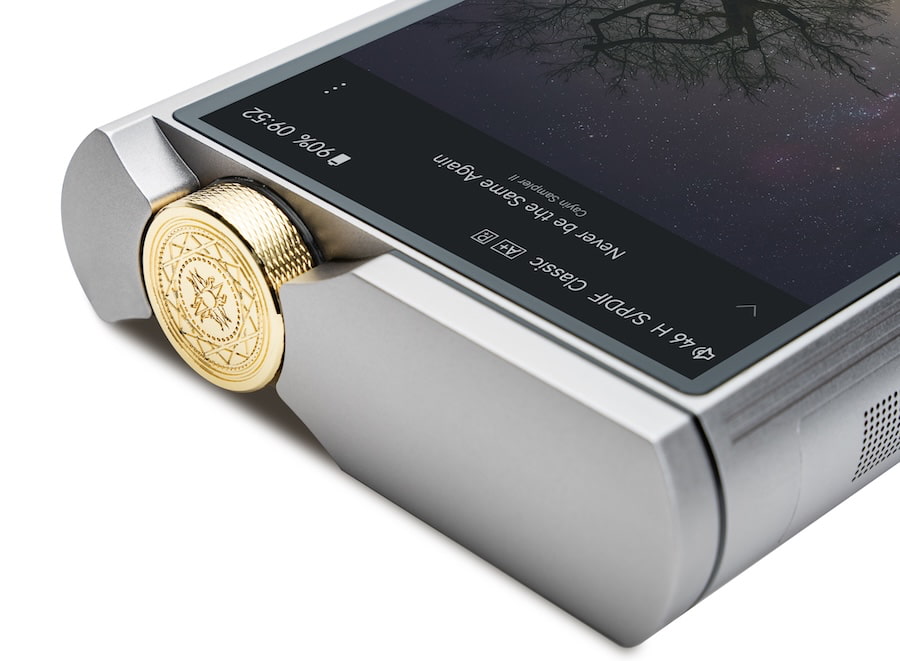
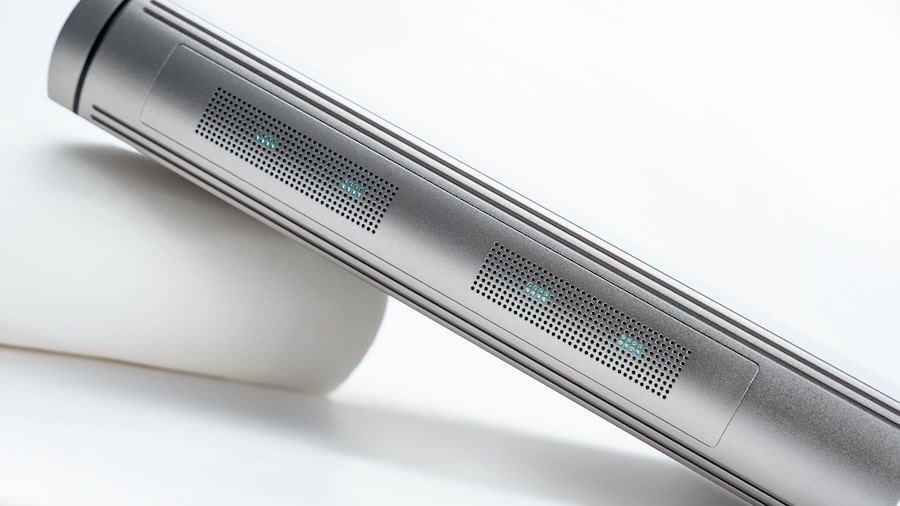
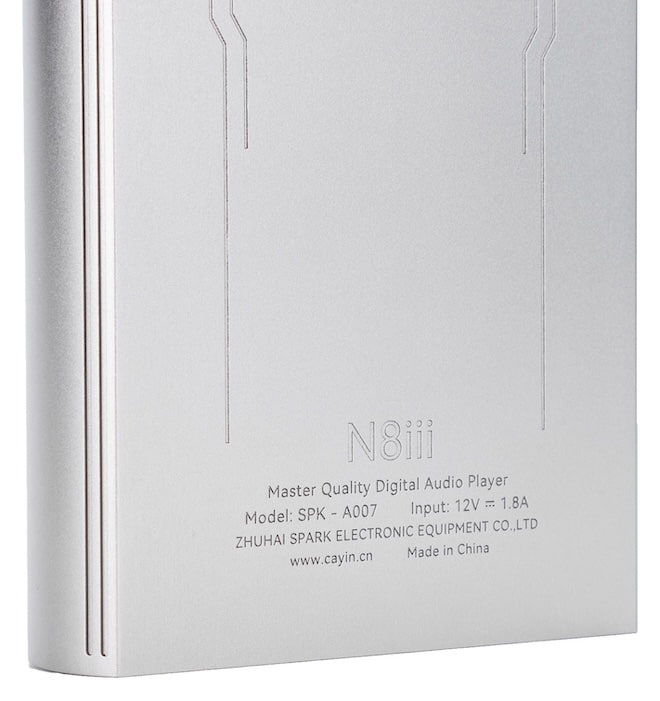
Cayin has officially taken the wraps off the N8iii, its next generation flagship digital audio player (DAP), and this time there is enough real information to move past speculation. The timing matters. Astell&Kern continues to dominate the premium tier with refined hardware and software, FiiO has become far more aggressive at the top end, and iBasso keeps pushing output and modular flexibility. Cayin is no longer competing in a niche it helped create. It is now part of a very crowded field where execution matters more than ambition.
Cayin is positioning the N8iii as a limited release with just 500 units worldwide and a suggested retail price of $3,999, placing it squarely in the upper tier of the DAP market and making it clear this is not intended for a broad audience.
A Flagship That Sticks With Tubes
Cayin is continuing with its hybrid tube and solid state approach. The N8iii introduces a Triple Timbre system with Tube Classic, Tube Modern, and Solid State modes. This is less about novelty and more about giving users different tonal options depending on the headphone and music. Cayin has been consistent here. It is one of the few brands willing to deal with the complexity of tube integration in a portable device, even if that comes with tradeoffs in size, heat, and battery life.
Power Output and Amplifier Design
The N8iii offers up to 900 milliwatts single ended and 1285 milliwatts balanced output, which translates to roughly 0.9 watts and 1.285 watts respectively. That is enough power for a wide range of headphones, including many planar magnetics and most dynamic designs in the portable category. It should not have any issue with efficient or moderately demanding full size headphones.
Where things get less certain is with high impedance dynamic headphones. Models in the 300 to 600 ohm range often require voltage swing as much as current, and Cayin has not provided enough detail yet to determine how the N8iii handles that. It is likely usable, but whether it offers full control and headroom is still an open question.
Advertisement
It is also worth stating the obvious. This is not designed for electrostatic headphones. That requires a completely different amplification approach, and Cayin is not trying to solve that problem here.
Cayin includes triple amplifier modes and dual output modes, which gives users some flexibility in how the player behaves, but it also adds complexity that will need to be justified in real world use.
DAC & Platform
Cayin is moving forward with a new flagship AKM DAC architecture, although full details have not been confirmed. That will appeal to listeners who prefer the AKM presentation, especially after several years where ESS dominated the category.
The N8iii runs on a Snapdragon 665 platform with 8GB of RAM and 256GB of internal storage. That is not cutting edge by smartphone standards, but it is in line with what most high end DAPs are using and should be sufficient for streaming and local playback without performance issues.
Advertisement
Software & Battery
The player uses a customized Android audio system with DTA, allowing SRC bypass for bit perfect playback across supported apps. This is expected at this level and Cayin is in line with the rest of the market here.
Battery capacity is listed at 13,500mAh with PD2.0 fast charging. That is a large battery, which makes sense given the use of tubes and relatively high output power. Actual runtime will depend on how those features are used, and Cayin has not provided estimates yet.
Advertisement. Scroll to continue reading.
The Competition
At this price and level, Cayin is up against established competition. Astell&Kern offers more polished industrial design and a mature user experience. FiiO is delivering strong performance with competitive pricing. iBasso continues to push output power and modular flexibility. These are complete products that balance sound quality with usability.
Cayin’s approach remains more specialized. The N8iii focuses on offering a different listening experience rather than trying to be the most practical option.
Advertisement
Cayin N8ii vs N8iii: What’s Actually Changed
Looking at the available data, the jump from the N8ii to the N8iii is not about reinventing the concept. Cayin is refining it, adding flexibility, and pushing output a bit further while trying to clean up some of the practical limitations that came with the earlier design.
The N8ii already established the blueprint. Snapdragon 660 platform, 6GB of RAM, 128GB storage, Android 9, ROHM DACs, and dual Nutube implementation. It was powerful for its time, but it also felt like a device that prioritized experimentation over usability. Battery life hovered around 8 to 11 hours depending on mode, the chassis was thick and heavy at around 442 grams, and while the output was respectable, it was not class leading.
On the output side, the N8ii delivered up to 420mW at 16 ohms from the single ended output in standard mode, and up to 720mW in its higher power setting. Balanced output pushed that further to 760mW standard and up to 1200mW in its higher power mode. That translates to roughly 0.76W to 1.2W balanced depending on how hard you push it. In practical terms, it could handle most headphones reasonably well, but it was not the last word in authority, especially with higher impedance dynamics where voltage swing matters more than raw wattage.
The N8iii moves that forward, but not dramatically. Cayin is now quoting up to 900 milliwatts single ended and 1285 milliwatts balanced output, which translates to roughly 0.9 watts and 1.285 watts respectively. That is enough power for a wide range of headphones, including many planar magnetics and most dynamic designs in the portable category. It should not have any issue with efficient or moderately demanding full size headphones.
Advertisement
Where things remain uncertain is with high impedance dynamic headphones. The increase in output is incremental, not transformative, and Cayin has not provided detailed voltage specs yet. That means headphones in the 300 to 600 ohm range may still be usable, but not necessarily driven to their full potential. And just to be clear, neither the N8ii nor the N8iii is designed for electrostatic headphones, so that remains outside the scope entirely.
The more meaningful change is in flexibility. The N8ii gave you tube or solid state. The N8iii expands that into Triple Timbre with Tube Classic, Tube Modern, and Solid State. That suggests Cayin is focusing more on user tuning and adaptability rather than just raw performance gains. It is a shift toward giving listeners more control over presentation depending on the headphone pairing.
Internally, there is also a shift in direction. The N8ii relied on dual ROHM BD34301 DACs, which offered a certain tonal character that some preferred over ESS implementations. The N8iii is moving to a new flagship AKM architecture, which likely signals a different tuning approach. That is not inherently better or worse, but it does indicate Cayin is responding to market preferences and the return of AKM supply.
Platform and usability are also getting a modest update. The N8iii moves to 8GB of RAM and 256GB of storage, along with a Snapdragon 665. That is not cutting edge, but it is an improvement and should make the device feel less constrained with modern streaming apps. The inclusion of a customized Android audio system with SRC bypass brings it in line with what competitors have already been doing, rather than pushing ahead.
Battery is another area where Cayin appears to be compensating for its design choices. The N8ii used a 10,000mAh battery rated at 38Wh and delivered between roughly 8 to 11 hours depending on mode. The N8iii increases that to 13,500mAh and adds PD fast charging. That suggests Cayin is trying to offset the power demands of tubes and higher output rather than fundamentally improving efficiency.
Advertisement
The rest of the design philosophy remains consistent. Both devices are heavy, complex, and not particularly concerned with being pocket friendly. Both are built around the idea that a portable device can approximate a desktop listening experience if you are willing to accept the tradeoffs.
Advertisement. Scroll to continue reading.
The Bottom Line
The Cayin N8iii builds on what the company has been doing with its flagship line. It keeps the tube hybrid concept, adds more flexibility in tuning, and delivers enough power for most headphones people are likely to use with a portable device. It is not intended to cover every use case. High impedance dynamics may still require more careful matching, and electrostatic headphones are not part of the equation.
At nearly $4,000 USD and with only 500 units available, this is a focused product for a specific audience. The competition is strong and more well rounded than it used to be. Cayin is relying on differentiation and sound tuning to justify its place at the top. Whether that is enough will depend on how it performs outside of the spec sheet.
What the charts from the previous model make clear is how much detail still has not been confirmed for the N8iii. The N8ii offered a very complete set of physical connections including both 3.5mm single ended and 4.4mm balanced headphone outputs, along with matching line outputs on both connections. It also included digital outputs over USB and I2S via a mini HDMI connection, plus coaxial S PDIF. That made it more than just a portable player. It could function as a transport or DAC in a larger system. With the N8iii, Cayin has not yet clarified whether all of those outputs carry over unchanged, or if anything has been added or removed. Given how important that flexibility is to this category, that is not a small omission.
Advertisement
Bluetooth is another area where details matter. The N8ii supported a wide range of codecs including LDAC, UAT, AAC, and SBC, with both transmit and receive capability. That placed it ahead of many competitors at the time, especially with UAT support for higher bandwidth wireless audio. So far, Cayin has not confirmed the codec support for the N8iii. If it remains unchanged, it is still competitive. If it has been updated, that could be a meaningful improvement. If it has been simplified, that would be a step backward. Right now, we simply do not know.
The digital section is where the lack of detail becomes harder to ignore. The N8ii supported PCM up to 32-bit/768kHz and DSD512 over USB and I2S, along with DoP support over coaxial. It could function as a USB DAC across multiple platforms and offered asynchronous USB audio with broad compatibility. Those are not niche features. They are part of what makes a flagship DAP viable as a hub in a desktop or transport based system. Cayin has confirmed a new DAC architecture for the N8iii, but has not yet outlined the full range of supported formats, digital input and output capabilities, or whether its USB DAC functionality has been expanded or refined.
MSRP: $3,999 (launch date not confirmed at en.cayin.cn).
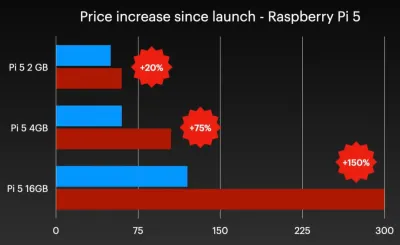
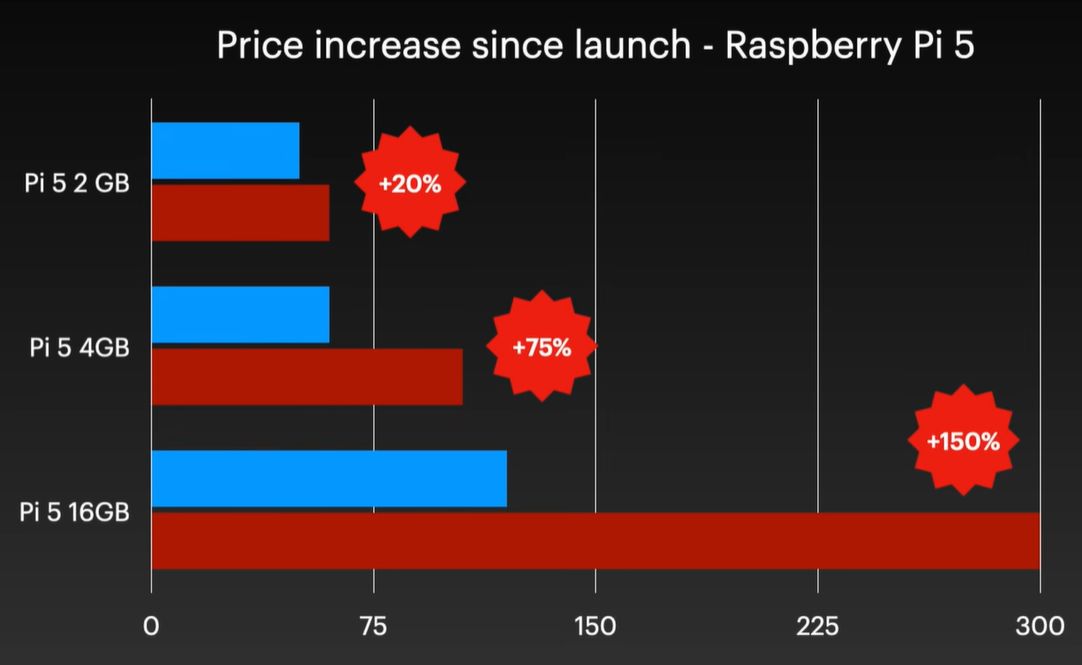
Raspberry Pi 5 price increases. (Credit: Jeff Geerling)
Although easily dismissed by some as another cruel April Fools joke, Raspberry Pi’s announcement of a new 3 GB model of the Raspberry Pi 4 along with (more) price increases for other models was no joke. Courtesy of the ongoing RAMpocalypse, supplies of LPDDR4 and LPDDR5 are massively affected, leading to this new RPi 4 model with two 1.5 GB LPDDR4 chips, as these are apparently cheaper to source.
Affected in this latest price increase across RP’s product range are RPi 4 and 5 models with 4 or more GB of RAM, with price bumps ranging from $25 on the low end to $150 for the Raspberry Pi 500+. If you wanted a Raspberry Pi 5 with 16 GB of RAM, you’re now paying $300 for the privilege.
Obviously, this news has got people like [Jeff Geerling] rather down in the dumps, essentially stating that using SBCs like the RPi is now beyond the means of many hobbyists. While you can still use SBCs that use e.g. LPDDR2 RAM, such as the older RPi Zero, 2 and 3 models, [Jeff] himself is now moving more towards wrangling with snakes on MCUs, as these boards are so far not significantly affected in terms of price.
With current projections in the RAM market being that this year will still see more price increases, it remains hard to tell exactly how ‘temporary’ this situation will be. That said, using readily available, powerful and cheap MCUs like the ESP32 variants for projects isn’t a bad idea if you really don’t need to be running more than perhaps FreeRTOS.


























































You must be logged in to post a comment Login