
Tech
Meta Removes Ads For Social Media Addiction Litigation


Meta has started removing ads from law firms seeking clients for social media addiction lawsuits, just weeks after a jury found Meta and YouTube negligent in a landmark case involving harm to a young user. “Lawyers across the country now are seeking new plaintiffs, in the hopes of bringing a class action lawsuit that could result in lucrative verdicts,” reports Axios. From the report: Axios has identified more than a dozen such ads that were deactivated today, some of which came from large national firms like Morgan & Morgan and Sokolove Law. Almost all of them ran on both Facebook and Instagram. Some also appeared on Threads and Messenger, plus Meta’s Audience Network — which distributes ads to thousands of third-party sites.
One such ad read: “Anxiety. Depression. Withdrawal. Self-harm. These aren’t just teenage phases — they’re symptoms linked to social media addiction in children. Platforms knew this and kept targeting kids anyway.” A few of the ads still remain active, including some that were posted earlier today. “We’re actively defending ourselves against these lawsuits and are removing ads that attempt to recruit plaintiffs for them,” a Meta spokesperson said in a statement. “We will not allow trial lawyers to profit from our platforms while simultaneously claiming they are harmful.”


France is moving on from Microsoft Windows. The country said it plans to move its government computers currently running Windows to the open-source operating system Linux to further reduce its reliance on U.S. technology.
Linux is an open-source operating system that is free to download and use, with various customized distributions that are tailored and designed for specific use cases or operations.
In a statement, French minister David Amiel said (translated) that the effort was to “regain control of our digital destiny” by relying less on U.S. tech companies. Amiel said that the French government can no longer accept that it doesn’t have control over its data and digital infrastructure.
France did not provide a specific timeline for the switchover, or which distributions it was considering. Microsoft did not immediately comment on the news.
This is the latest effort by France to reduce its dependence on U.S. tech giants and use technology and cloud services originated within its borders, known as digital sovereignty, following growing instability and unpredictability on the part of the Trump administration.
Lawmakers and government leaders across Europe are growing more aware of the looming threat facing them at home, and their over-reliance on U.S. technology. In January, the European Parliament voted to adopt a report directing the European Commission to identify areas where the EU can reduce its reliance on foreign providers.
Since taking office in January 2025, Trump has upped his attacks on world leaders — straight out capturing one and aiding in the killing of another. He has also weaponized sanctions against his critics, who include judges on the International Criminal Court, effectively cutting them off from transacting with U.S. companies. Those who have been sanctioned have reported having their bank accounts closed and access to U.S. tech services terminated, as well as being blocked from any other U.S. service.
France’s decision to ditch Windows comes months after the government announced it would stop using Microsoft Teams for video conferencing in favor of French-made Visio, a tool based on the open-source end-to-end encrypted video meeting tool Jitsi.
The French government said it also plans to migrate its health data platform to a new trusted platform by the end of the year.

Not everyone needs a $1,000 soundbar. It’s easy to argue the sonic superiority of those flagship models from Samsung, Sonos and Sony, but for some people a simple boost to their TV speakers can provide a world of difference. As part of its 2026 soundbar lineup, Sony debuted the Bravia Theater Bar 5: a $350 entry-level model that covers the basics and comes with a wireless subwoofer in the box. The real question here is how many features are you willing to live without.

Sony
Sony’s latest compact soundbar can boost TV volume, but it has constrained directional audio and offers limited features.
- Compact design
- Crisp, clear sound with boomy bass
- Constrained Atmos performance
- Limited features
The good: Sound quality, bass performance and setup
The Theater Bar 5 is the most compact soundbar among Sony’s new models, measuring just 35.5 inches wide. For comparison, that’s still about 10 inches wider than the second-gen Sonos Beam, but nearly 16 inches smaller than Sony’s flagship Theater Bar 9. This stature makes the Bar 5 well-suited for smaller spaces with smaller TVs. In fact, Sony says the soundbar will fit between the legs of Bravia TVs with multi-position stands. Plus, the Bar 5 is just over 2.5 inches tall, slightly shorter than the Beam, so it won’t block the bottom edge of most TVs.
Despite its small size, the Bar 5 cranks out some excellent sound. There’s plenty of crisp, clear audio from the 3.1-channel configuration, and the included subwoofer provides an ample amount of booming bass. The Bar 5 supports Dolby Atmos and DTS:X, but it doesn’t have up-firing drivers. Instead, the soundbar relies on Sony’s Vertical Surround Engine and S-Force Pro Front Surround tech to virtualize much of the directional and overhead audio. More on that in a bit.
While watching Netflix’s Drive to Survive, I experienced the excitement of F1 cars zooming around various circuits as the Bar 5 does well with general movement. The soundbar’s wide soundstage, excellent detail and booming bass provide some degree of immersion that doesn’t rely on audio projected overhead. That overall clarity and powerful bass are also great for listening to music, as the Bar 5 can handle a range of genres with ease.
The Bravia Theater Bar 5 has a basic, compact design (Billy Steele for Engadget)

From Kieran Behden & William Tyler’s acoustic/electronic 41 Longfield Street Late ‘80s to Thursday’s screamo masterpiece Full Collapse, the soundbar performs admirably. Although with heavier genres, I preferred to dial down the bass slightly. Tucker Rule’s kick drum on Full Collapse, for example, was a bit much for the standard tuning here.
After struggling with the setup on LG’s Sound Suite, I was thankful that configuring the Bar 5 was super easy. It’s very much a plug-and-play situation, and the Bravia Connect app guides you through the initial steps. It takes about five minutes to get up and running and I’d wager even the least tech-savvy person in your life can probably figure this out. You can also opt for Night mode (less bass), Sound Field (enhanced audio) and Voice mode (louder dialogue) in the Bravia Connect app.
All of this certainly makes the Bar 5 a solid option for someone who doesn’t need a lot of features, but stands to benefit from augmenting the sound from their TV alone.
The not so good: Constrained Dolby Atmos and limited features
While the Bar 5 supports Dolby Atmos and DTS:X immersive audio, Sony’s virtualization tech was a disappointment. There’s some side-to-side directional sound, but I noticed almost no simulated overhead noise. The Bar 5’s sonic clarity makes it a solid option for boosting living room audio, just don’t expect the enveloping effects that more robust (and more expensive) soundbars would offer.
There are several features you won’t find on the Theater Bar 5, starting with the lack of onboard controls. I’m well aware that those buttons on top of soundbars don’t get used much, but if you’re like me, you still reach for them occasionally. There were several times during my testing when I tried to blindly tap the non-existent volume controls on the Bar 5. Other than a power button on the right side, your options for controlling this soundbar are a remote and the Bravia Connect app.
The power button on the right side (Billy Steele for Engadget)

You also won’t find a Wi-Fi connection on the Bar 5. This means that AirPlay and Google Cast aren’t available to easily beam audio from your devices to the soundbar. There is Bluetooth 5.3, so you do have an option for music and podcasts from your phone or laptop if you need it. However, pairing your devices to the soundbar via Bluetooth isn’t as quick as selecting the soundbar in your streaming app when AirPlay or Cast are on the spec sheet.
Lastly, Sony doesn’t offer any type of room calibration on Theater Bar 5. Sure, a smaller soundbar like this is better in smaller spaces, but it would still be nice to have the system dial in the audio for the aspects of the room. After all, not every living room is a perfect rectangle. I can understand why the company left this feature out of a $350 model, since the tool would require extra components like microphones. This is certainly one of the more noticeable trade-offs for saving some money.
Wrap-up
Sometimes the basics are all you need. Sony’s Bravia Theater Bar 5 provides an entry-level boost to TV audio that will be fine for people looking for just that. While there is support for immersive audio, the soundbar’s 3.1-channel setup isn’t the best for Dolby Atmos and DTS:X performance, and that’s really the biggest knock against the Bar 5. However, this model’s excellent audio quality, especially the powerful bass, will suffice for customers just looking to hear their TVs better.
The Bravia Theater Bar 5’s included subwoofer (Billy Steele for Engadget)

If you want a compact soundbar that provides respectable Atmos performance, the second-gen Sonos Beam is your best bet. Sure, it’s more expensive at $499 and it doesn’t come with a subwoofer, but its additional drivers, tweeter and passive radiators offer more robust audio from the soundbar alone. You also get Trueplay room calibration and Wi-Fi connectivity there.
The Theater Bar 5 will certainly improve your living room audio compared to your TV speakers alone, but with a few more features and improved Atmos virtualization, Sony could’ve had a real winner.
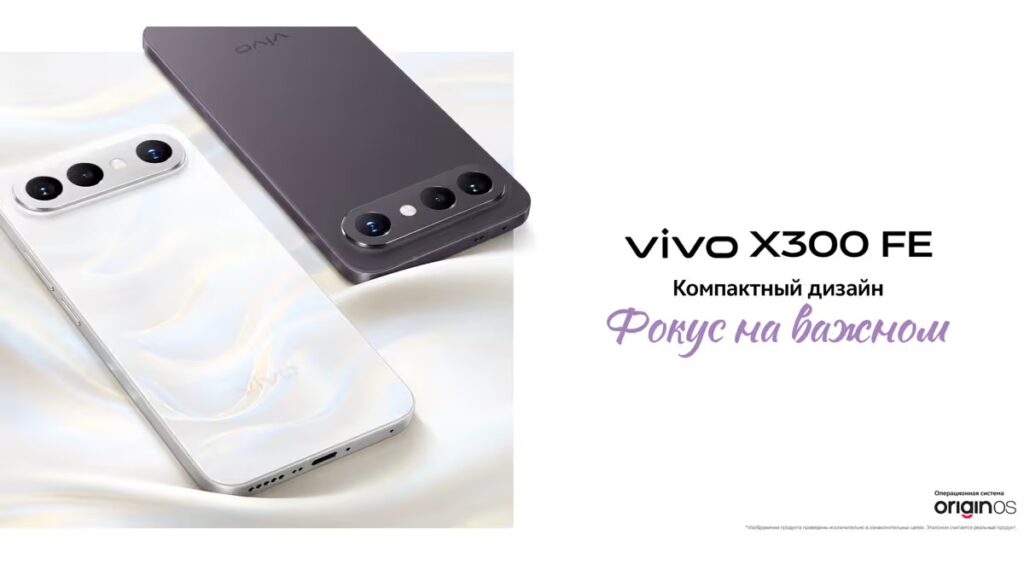
vivo may soon launch its X series lineup in India with the vivo X300 FE. The smartphone debuted globally earlier this year, and reports now suggest its India release is not far away. According to the latest leaks, the vivo X300 FE might launch in India in early May. The expected timeline has been shared by a trusted tipster, giving a fair idea of when to expect it. However, without official confirmation, the launch date is still not final.
Another important highlight of the vivo X300 FE includes its new green color variant. The green color variant of the phone will reportedly be available only in India, and hence, it will provide something special to the Indian users. Apart from the green variant, it is also available in black and purple.
Design, Display, and Software

In the upcoming vivo X300 FE, you are going to get a 6.31-inch LTPO AMOLED display. In addition, the phone might have a 120Hz refresh rate, which should ensure a smooth experience when scrolling through pages and playing games. It could also be protected by IP68/IP69 ratings against dust and water damage.
In terms of performance, it may feature the Snapdragon 8 Gen 5 processor. It is also expected to offer 12GB of RAM and up to 512GB of storage for a smooth, fast experience. The device could run on OriginOS 6 based on Android 16. Overall, this combination should be good enough for gaming and daily use.
Camera and Battery
The vivo X300 FE is likely to come with a strong camera setup. It may include three rear cameras: a 50MP primary sensor, a 50MP telephoto lens, and an 8MP ultra-wide camera. Zeiss branding is also expected, which generally improves image quality. On the front, users could get a 50MP selfie shooter. Moreover, there have also been reports of a telephoto kit.
Battery performance could be another strong point of the vivo X300 FE. The phone is expected to include a 6,500mAh battery along with support for 90W wired and 40W wireless charging. This combination should help users get long usage time without worrying much about charging.
Expected Price in India
In international markets, the vivo X300 FE comes with an introductory price tag of around RUB 60,299 (equivalent to Rs 71,000). Similar pricing can be expected in the Indian market as well; however, the exact figure has not yet been confirmed. vivo is likely to reveal the final pricing details during the official launch.
Tech
Cambridge Audio MSX Series Reborn: The Modular Naughty Minx Speaker System Returns with a Modern Edge
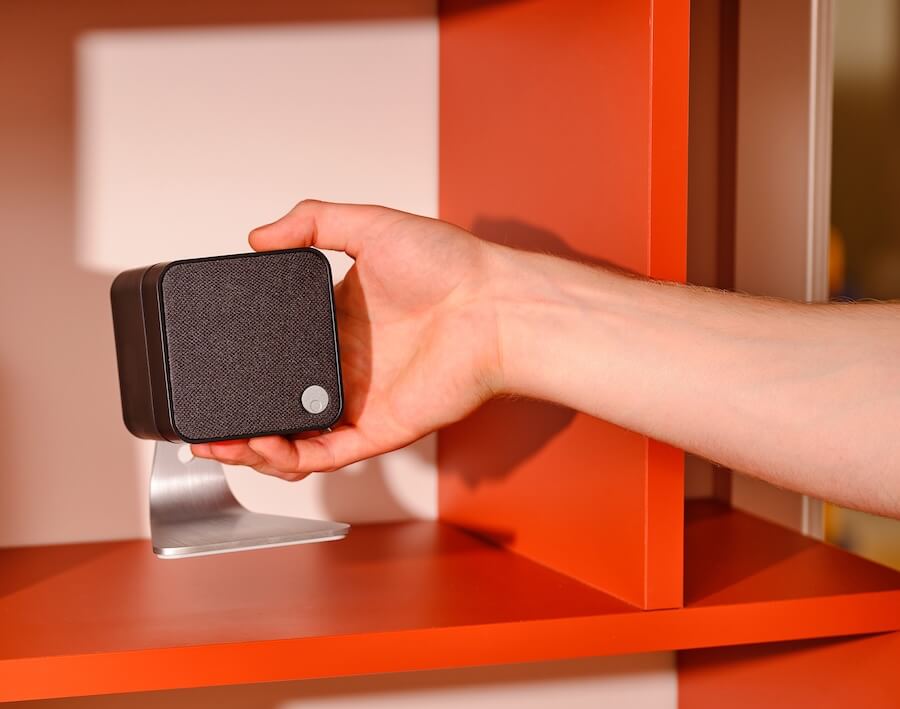
Cambridge Audio isn’t reinventing the wheel here. It’s doing something far more sensible, which already puts it ahead of half the industry. The new MSX Series is a clean reboot of the long running Minx lineup, keeping the formula intact while dragging the naming and design into the present day without unnecessary theatrics. Same idea: ultra compact satellites, wide dispersion, and sound that refuses to behave like it lives in a tiny little box.
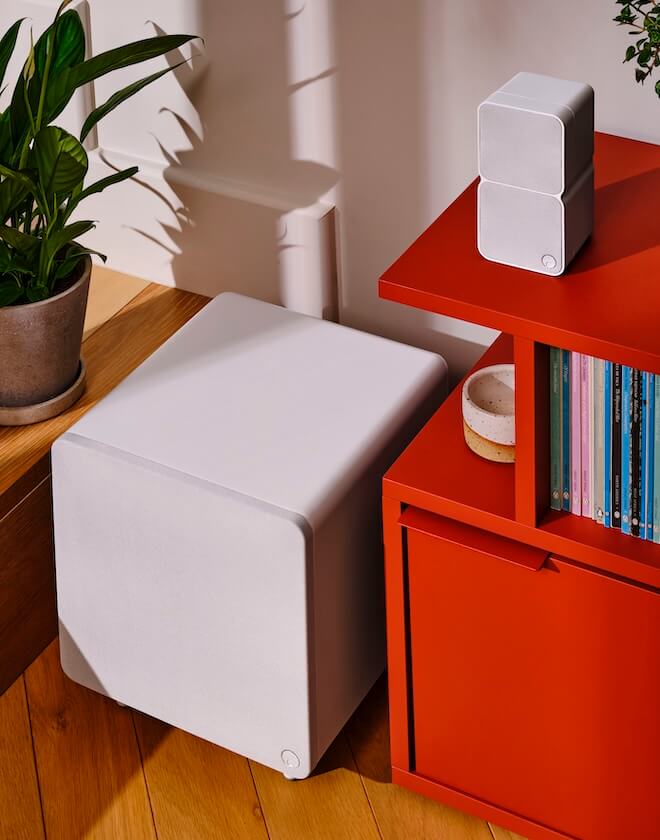
What’s changed is mostly what needed changing. The branding now aligns with Cambridge’s current range, the finishes are properly modern in matte black or white, and the lineup has been streamlined into MSX10 and MSX20 satellites with Sub 200 and Sub 300 handling low end duties. It’s modular, flexible, and designed for people who want real stereo or surround sound without turning their living room into a shrine to oversized cabinets.
Cambridge Audio has kept the MSX Series firmly in the affordable lane, with pricing that makes a full system far more attainable than most compact hi-fi or home theater setups. The MSX10 starts at $99 each, the MSX20 at $129 each, while the Sub 200 and Sub 300 come in at $399 and $499 respectively.
That puts a flexible stereo or surround system within reach without immediately crossing into four figure territory. It also undercuts most of Cambridge’s newer L/R wireless range, which leans more premium overall, with the exception of the L/R S at $549 per pair.
The trade off is clear: the L/R Series offers a simpler, all in one path with amplification and streaming built in, fewer boxes, and arguably better out of the box performance. The MSX system takes the more traditional route, requiring an external amp or receiver, but gives users more control over how the system is built and expanded over time.
Compact Cabinets, Engineered for Wide Dispersion and Real World Placement
At the core of the MSX Series is Cambridge Audio’s Balanced Mode Radiator (BMR) driver. It combines conventional driver movement with bending wave dispersion, allowing a single driver to cover a wider range while maintaining consistent output across the room. The goal is straightforward: more even sound distribution without relying on a narrow listening position.
The MSX10 uses a fourth generation BMR driver, with refinements aimed at improving efficiency, extending treble response, and smoothing overall integration. At 8cm, it remains very compact and easy to place in smaller spaces.
The MSX20 builds on that platform by adding a dedicated woofer alongside the same BMR driver. This provides additional low frequency support and improved dynamic range, making it better suited for larger rooms or listeners who want a fuller presentation.
Compact Subwoofers with DSP Control
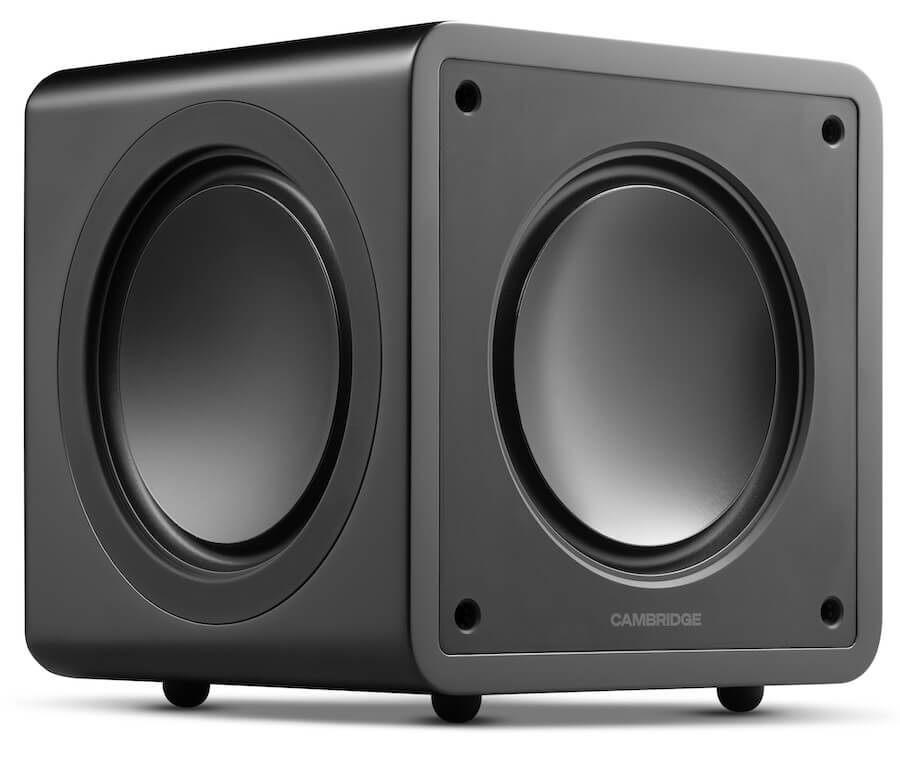
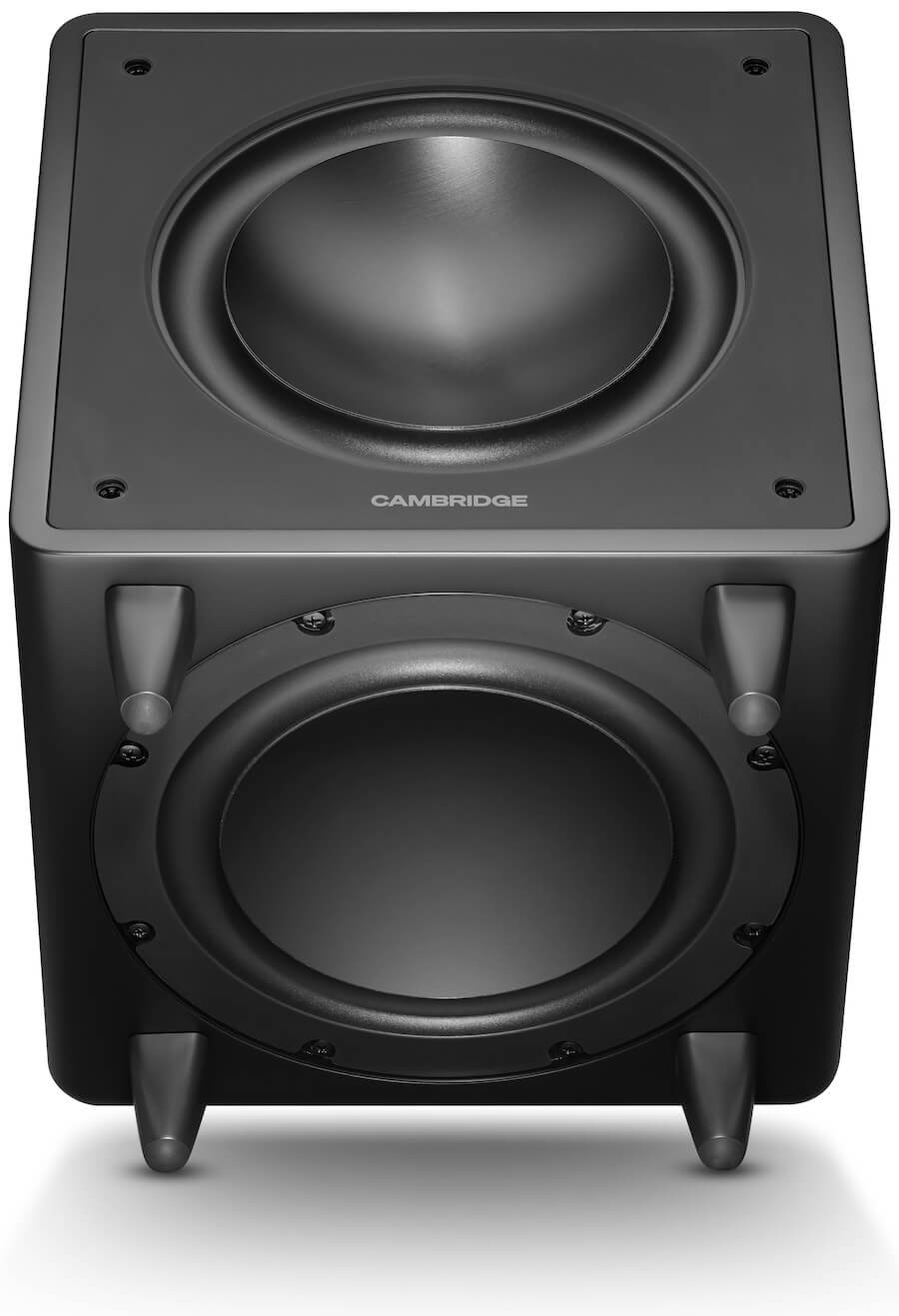
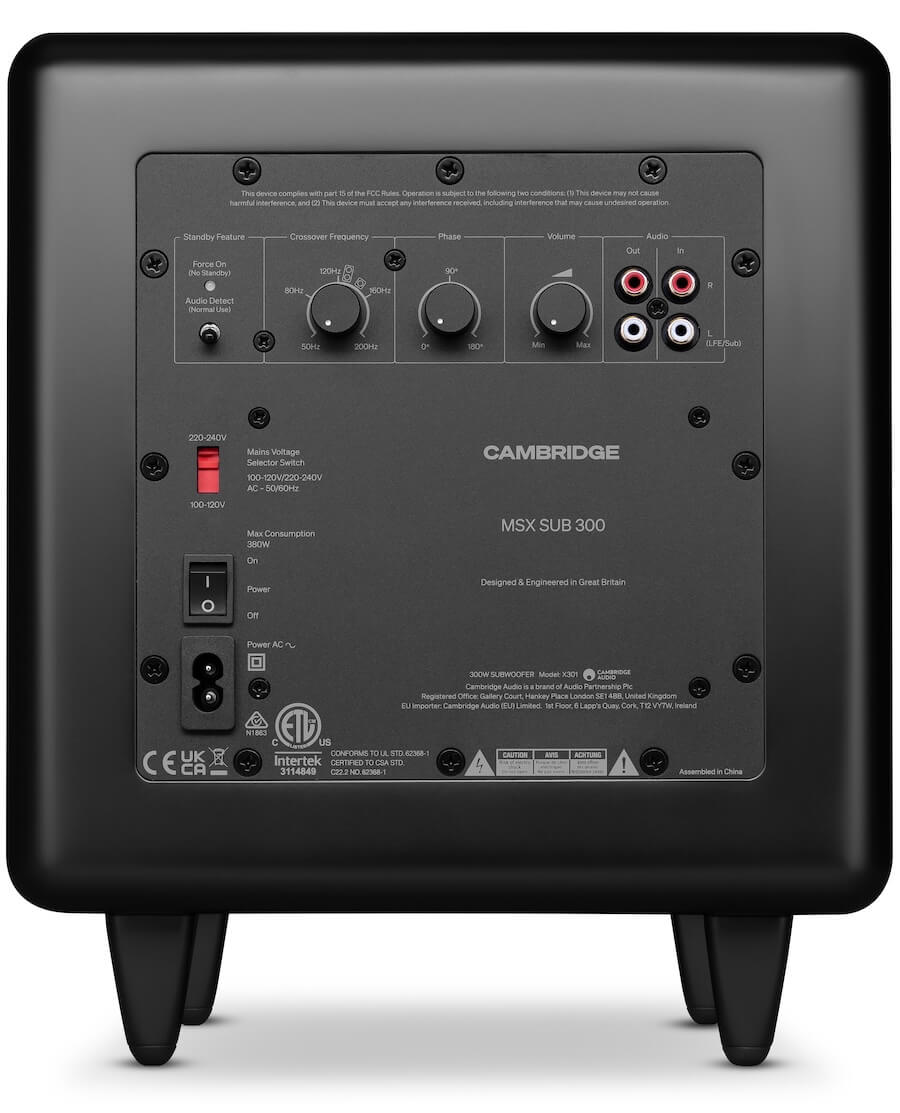
Low frequencies are handled by the MSX Sub 200 and MSX Sub 300, two compact subwoofers designed to add depth without taking over the room. Both use forward firing drivers, auxiliary bass radiators, and DSP to keep output controlled and consistent, even as volume increases.
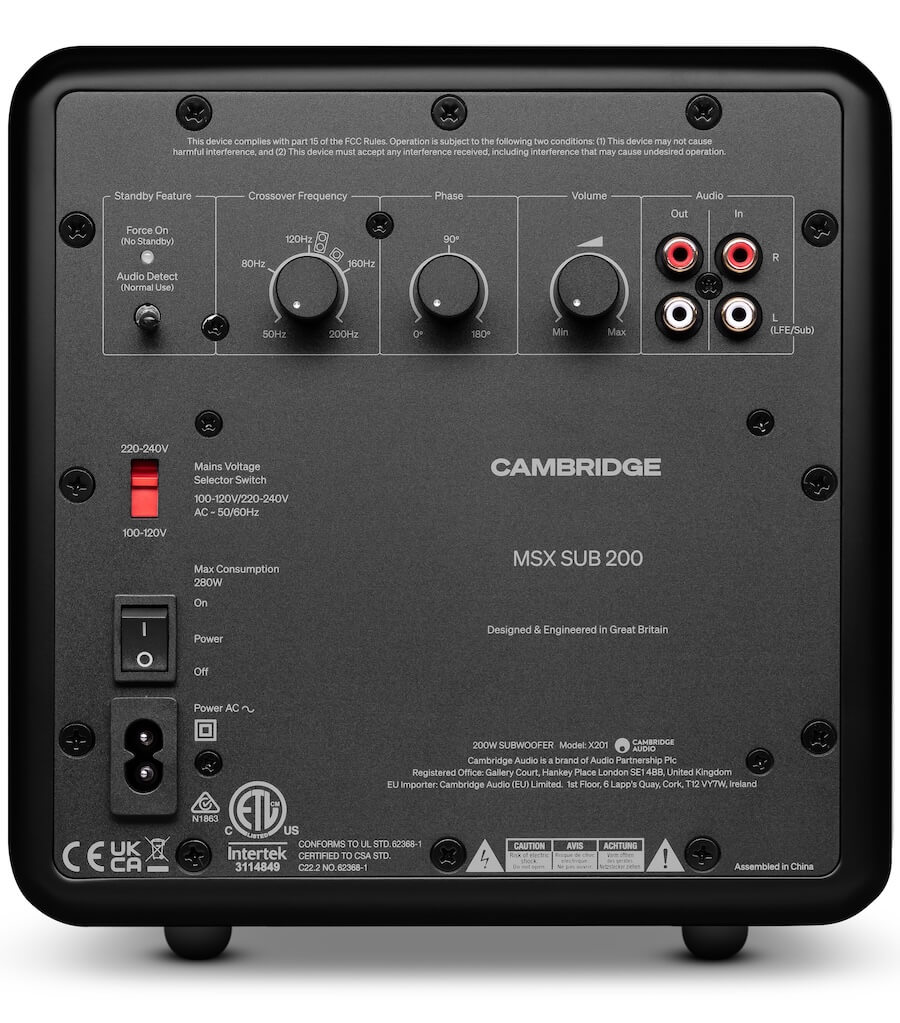
The MSX Sub 200 pairs a 200 watt amplifier with a 6.5 inch active woofer and dual ABRs. It is the smaller option, aimed at tighter spaces where placement and restraint matter as much as output.
The MSX Sub 300 increases power to 300 watts and moves to an 8 inch active woofer in a larger cabinet. It delivers more low end extension and headroom, making it a better fit for bigger rooms or systems where a bit more impact is required.
Clean Design. Flexible Placement. Passive by Design.
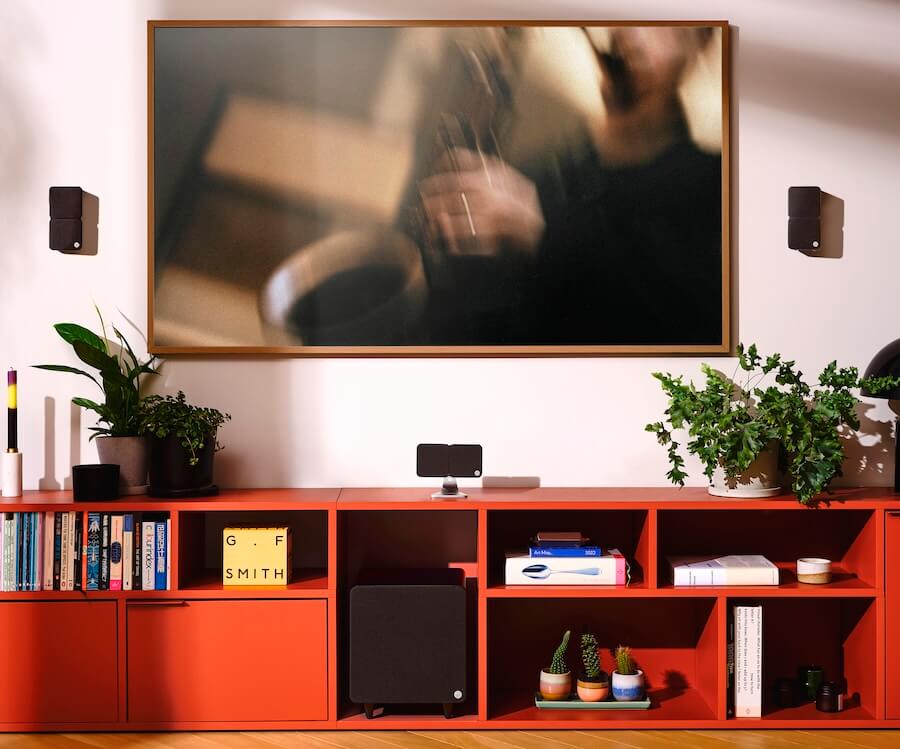
Not every room is built around speakers, and Cambridge Audio has designed the MSX Series to integrate easily into shared living spaces.
Finish options are limited to matt black or matt white, keeping the look simple and consistent whether the speakers are placed on a shelf or mounted on a wall. These are passive speakers, so they require an external amplifier or AV receiver. There is no built in amplification or streaming.
Connections are standard. The terminals support 4mm banana plugs, with no proprietary cabling required. Each satellite can be wall mounted or placed on furniture as standard, with optional pivoting mounts and table stands available for more flexible positioning.
The Bottom Line
The MSX Series keeps things simple on the surface, but system matching still matters. These are passive speakers paired with active subwoofers, so your amplifier or receiver needs to support proper sub integration. That means a dedicated subwoofer output or usable pre-outs. Without one of those, you’re not getting the system to behave as intended.
Within Cambridge Audio’s own lineup, models like the CXA61, CXA81, and EXA100 make the most sense, offering proper subwoofer outputs and system flexibility. The AXR100 can also work, but its fixed crossover limits how precisely you can integrate the subwoofers.
You are not locked into Cambridge, however. Amplifiers and streaming amps from NAD, Arcam, Rotel, and Audiolab all offer compatible options with subwoofer outputs or pre-outs. Even newer entries like WiiM’s streaming amplifiers can work in a compact system like this, provided they include proper bass management or sub connectivity.
The takeaway is straightforward: the MSX system is flexible, but only if the electronics are chosen with the same level of care.
Price & Availability
Cambridge Audio MSX will be available from April 2026 at Cambridge Audio’s website and approved retailers at the following prices:
Related Reading:

Meta released its new Muse Spark AI model on Wednesday as part of a major overhaul of its AI efforts. It’s do-or-die time for Meta — the company cannot afford another billion-dollar investment into something that doesn’t pan out, like the metaverse. Well, maybe they literally can afford it, but it’d be pretty damaging, not to mention embarrassing.
Speaking of embarrassing: imagine a bunch of your friends, family, and strangers you met once in college getting a notification that you use the Meta AI app. I have lived this humiliation, and I am here to warn you that it could happen to you, too.
Meta’s Muse Spark model might be new, but the Meta AI app is not. It came out last April, and at the time, I wrote an article about the app’s launch. As one does when reporting on an app, I downloaded the app. I used it.
At some point, Meta started sending people Instagram notifications about which of their friends were using the Meta AI app, presumably to encourage them to download it. It has been almost a year. I continue to get texts from my friends in which they alert me that Instagram told them I am on the Meta AI app. This is generally considered to be uncool behavior.

In its first month and a half in the App Store, only 6.5 million people had downloaded the app, market intelligence provider Appfigures told us at the time. That’s a lot of people, but not for a company that counts an estimated 42% of the entire world as daily users of at least one of its apps.
Perhaps that’s why in the early days of the Meta AI app, I stuck out on my friends’ Instagram notification feeds. (Yes, your friends will get a whole notification devoted to your use of the app, displayed as prominently as a new follower.)

Things are looking up for the Meta AI app, though. It is seeing a spike in downloads after releasing its revamped chatbot, now charting at No. 5 on the U.S. App Store, up from No. 57, per Appfigures. That’s also why I must warn you now about the horrors you may face if you use this app and Instagram tells your friends.
As much as I don’t want people to know I installed an app with an AI-generated “vibes” feed, this issue runs deeper. Meta’s apps are so interconnected that it’s hard to keep up with what data we’re sharing, where, and with whom. Why would I think that my Instagram mutuals would know I’m on the Meta AI app? (At least X didn’t tell people that I used Grok’s anime waifu — which was also for work.)

In order to access the Meta AI app, you have to log in with a Meta account — so, I joined using the same account I’ve had since I was a teenager, which connects to my Instagram and Facebook. Meta will continue to use whatever I do on Instagram, Facebook, and yes, now even the Meta AI app, to show me targeted ads. So, if I were to confide in Meta AI about an issue with my menstruation, Instagram might show me ads for period panties.
The Meta AI app never asked permission to notify people about my use of the app, nor has it asked if I want my AI chats to be used as advertising fodder. But it doesn’t have to, because I probably implicitly opted into it in some terms of service agreement that I never actually read. I mean, I also learned via Instagram that my brother was weirdly invested in Eurovision last year, since we can all see each other’s liked Reels. We all know too much about each other, and yet, Meta knows even more.
In a sense, I’m lucky that the only thing that people knew about my Meta AI usage was that I was on the app. Some users had unwittingly shared much more incriminating information about themselves: their AI chatlogs.
As a grizzled veteran of the Meta AI app, I can tell you that back in my day (over the summer), Meta experimented with a Discover feed on the app. Meta did not account for the fact that a lot of boomers use its app, and they are sometimes bad at using technology. Combine that with the fact that, since AI is not real, people will use chatbots to discuss things that they find too intimate or embarrassing to share with others. Then, you have a disaster on your hands.
Soon, people like a16z partner Justine Moore began to notice that the Meta AI discover feed was mostly filled with older users who didn’t realize that they were sharing their AI conversations with the world.
Sometimes, these shared conversations were benign: at the time, I encountered a man with a Southern accent who asked, “Hey, Meta, why do some farts stink more than other farts?” In other cases, we saw people share their personal home address, information about medical issues, and intimate concerns about their marriage.
To give Meta some credit, these users did have to manually press publish on these chats. But enough people seemed to accidentally share private information that, clearly, there was a design issue to address. (Meta has since removed this Discover feed.)
At least if using the Meta AI app turns out to be a hot new trend, I will get to rub it in my friends’ faces that I was there first. But I would not bet on that future. There is still that “Vibes” feed, after all.

1: Intelligentsia House Blend
Trendy Intelligentsia coffee isn’t worth the steep price.
Intelligentsia is a Chicago-founded roaster that’s become a widespread specialty coffee brand in grocery stores coast to coast. At $20 for a 12-ounce bag of whole beans at my local Brooklyn grocery store, Intelligentsia House Blend coffee can be considered an investment. The lack of a “roasted by” date on the bag, however, means freshness is a gamble. This tester ended up with a whisper of flavor with three months left on the “best by” date. It lacked any noticeable tasting notes, potentially due to an overstay in the grocery aisle. The Intelligentsia House Blend bag also lacks any tasting note descriptors or instructions whatsoever on the packaging.
Even with low expectations, the beans still produced a bland cup of coffee, firmly placing it in the “low” category. If you’re interested in drinking Intelligentsia coffee, I’d recommend heading to the brand’s coffee shops or purchasing a fresh bag straight from the roaster.
What to try instead: Groundwork
Groundwork’s Organic Bitches Blend was a standout for its deep flavor and notes of dark chocolate and caramel.
For specialty coffee from the grocery store, instead look for brands that include a “roasted by” date, such as Verve or Partners coffee. The closer to the roast date, the better, but because packaging helps protect coffee, it could take three to six months before flavor degradation results in a lackluster brew. Otherwise, Groundwork Organic Bitches Brew was a standout for deep flavor and its notes of dark chocolate and caramel even without a roasted date. It also includes a ratio of coffee to water on the bag for anyone who wants a launching point.
2: Maxwell House House Blend
I’d suggest politely declining your invitation to Maxwell House.
The first sip of Maxwell House House Blend was bitter, and the progressive sips didn’t improve. Like other value-driven blends, this one tastes as if the manufacturer never expected anyone to drink it without copious amounts of cream and sugar. I don’t believe you should need to drown out the notes of burnt beans and organic fillers to make it drinkable.
The Maxwell House instructions recommend only 1 tablespoon for 6 ounces of water. Once the Maxwell House started to cool, the flavor was milder and less offensive, but I didn’t find it more enticing since any true tasting notes fell flat. I also noticed an acidity that made me nervous about a stomachache. For a household brand, I had hoped for a better showing.
What to try instead: Chock Full O’ Nuts Original
Chock Full o’ Nuts’ original blend was a surprise hit among the budget set.
Avoid the kind of coffee that makes people say, “bean juice is not for them.” If you want an affordable, approachable can of coffee, reach for the original Chock Full O’ Nuts for a slightly sweet, mild variety. You could also reach for Lavazza Tierra Organic for a similarly priced medium roast or Café Bustelo for a more robust roast in a familiar canned packaging.
3: Great Value Classic Roast by Walmart
Walmart’s Great Value coffee is cheap for a reason.
The Great Value Classic Roast brand is a generic offering akin to Folgers, where value and quantity are top priorities. I wanted to test this option since Walmart is one of the largest grocery store chains in the US and a staple at my parents’ house. That said, I’d best equate the flavor of this blend with church-basement or airplane coffee. The beans offer a burnt yet bland flavor that begs for extra creamer. Still, the sheer volume is hard to beat at 25.4 ounces per can. When it comes to coffee, I’m a pragmatist, not a purist, so I understand that some of us treat it as fuel rather than a specialty beverage. I’m here to say there’s a better way forward.
What to try instead: Whole Foods Early Bird Blend
Early Bird is one of the best value coffees I tested.
Anyone looking for value should consider subscribing to Whole Foods Market coffee deliveries for an additional discount and savings on both time and gas. Great Value Classic Roast isn’t 100% arabica, so it likely contains cheaper, more caffeinated robusta beans. Another option is Café Bustelo espresso grounds for a rich cup that still packs plenty of kick thanks to its robusta blend.
4: Chock Full o’ Nuts French Roast
Chock Full o’ Nut’s French roast left something to be desired.
Chock Full o’ Nuts is, for many, an iconic grocery store coffee brand, yet it doesn’t have the ubiquity of Folgers or Maxwell House. My taste test revealed a slightly sweet finish and a very mild flavor. I anticipated a more robust cup of coffee; however, that wasn’t the case, despite the French Roast descriptor. The “best by” date on the can I purchased had five months remaining. Based on that alone, I can’t recommend buying this one if you’re expecting something hearty and deep-roasted, as the packaging suggests. The fact that it’s still quite drinkable means it’s a safer option than some others on this list.
What to try instead: Café Bustelo
Café Bustelo is versatile and smooth — a true dark roast.
If you’re looking to try a dark roast, then grab a can of Cafe Bustelo, which I detailed in full in the “best” grocery store coffee list above. It’s versatile, smooth and a true dark roast as an espresso blend. Of course, you can also stick with the original Chock Full O’ Nuts blend for a sweet yet nutty flavor in a canned grocery store coffee, too.
5: Eight O’Clock Original Blend
I found Eight O’clock’s signature blend flat and acidic.
The Eight O’Clock Original blend ground coffee was passable, though uninspired. The medium roast shares a certain sweetness with Chock Full O’ Nuts but offers a more robust finish. I started with a small, half-batch since the bag recommends 2 to 3 tablespoons of coffee to 12 ounces of water. I then tried a full 2.5:12 oz ratio. The resulting brew was somewhat flat and acidic, with a thin body and a flavor profile that was immediately forgettable after each sip. The “best by” date on the bag was eight months out, suggesting that despite the manufacturer’s optimistic shelf-life projection, the quality had not held up.
What to try instead: Lavazza Tierra Organic
Lavazza’s Tierra blend provided a robust flavor without much bitterness.
For something reasonably priced and available at big-box stores, try Lavazza Tierra Organic coffee. A ratio of 1 tablespoon of coffee to 6 ounces of water provided a robust flavor without bitterness, maintaining a heavier roast profile than the light roast, with full-bodied descriptors noted on the bag. Alternatively, you can rely on Caribou Coffee Daybreak Blend in the Midwest or Peet’s Coffee House Blend at most big-box grocery stores.


OpenAI is making moves to try and court more developers and vibe coders (those who build software using AI models and natural language) away from rivals like Anthropic.
Today, the firm arguably most synonymous with the generative AI boom announced it will begin offering a new, more mid-range subscription tier — a $100 ChatGPT Pro plan — which joins its free, Go ($8 monthly), Plus ($20 monthly) and existing Pro ($200 monthly) plans for individuals using ChatGPT and related OpenAI products.
OpenAI also currently offers Edu, Business ($25 per user monthly, formerly known as Team) and Enterprise (variably priced) plans for organizations in said sectors.
Why offer a $100 monthly ChatGPT Pro plan?
So why introduce a new $100 ChatGPT Pro plan, then?
The big selling point from OpenAI is that the new plan offers five times greater usage limits on Codex, the company’s agentic vibe coding application/harness (the name is shared by both, as well as a lineup of coding-specific language models), than the existing, $20 monthly Plus plan, which seems fair given the math ($20×5=$100).
As OpenAI co-founder and CEO Sam Altman wrote in a post on X: “It is very nice to see Codex getting so much love. We are launching a $100 ChatGPT Pro tier by very popular demand.”
However, alongside this, OpenAI’s official company account on X noted that “we’re rebalancing Codex usage in [ChatGPT] Plus to support more sessions throughout the week, rather than longer sessions in a single day.”
That sounds a lot like OpenAI is also simultaneously reducing how much ChatGPT Plus users can use its Codex harness and application per day.
What are the new usage limits for the new $100 ChatGPT Pro plan vs. the $20 Plus?
So, what are the current limits on the $20 Plus plan? The new Pro plan gives you 5X greater than…what?
Turns out, this is trickier than you’d think to calculate, because it actually varies depending on which underlying AI model you are using to power the Codex application or harness, and whether you are working on code stored in the cloud or locally on your machine or servers.
OpenAI’s Developer website underwent several updates today, so we’ve only reflected the latest pricing structure and offerings below as of Thursday, April at 10:45 pm ET. It notes that for individual users, Codex usage is categorized by “Local Messages” (tasks run on the user’s machine) and “Cloud Tasks” (tasks run on OpenAI’s infrastructure), and those limits share a five-hour rolling window.
It also says additional weekly limits may apply. The current Codex pricing page now shows lower displayed usage ranges than the older version, and it measures Code Reviews in a five-hour window rather than per week. For Pro 5x specifically, OpenAI says the currently shown limits include a temporary 2x usage boost that ends May 31, 2026.
ChatGPT Plus ($20/month)
-
GPT-5.4: 20–100 local messages every 5 hours.
-
GPT-5.4-mini: 60–350 local messages every 5 hours.
-
GPT-5.3-Codex: 30–150 local messages and 10–60 cloud tasks every 5 hours.
-
Code Reviews: 20–50 every 5 hours.
ChatGPT Pro 5x ($100/month)
-
GPT-5.4: 200–1,000 local messages every 5 hours.
-
GPT-5.4-mini: 600–3,500 local messages every 5 hours.
-
GPT-5.3-Codex: 300–1,500 local messages and 100–600 cloud tasks every 5 hours.
-
Code Reviews: 200–500 every 5 hours.
Note: The limits shown for Pro 5x include a temporary 2x usage boost that ends May 31, 2026.
ChatGPT Pro 20x ($200/month)
-
GPT-5.4: 400–2,000 local messages every 5 hours.
-
GPT-5.4-mini: 1,200–7,000 local messages every 5 hours.
-
GPT-5.3-Codex: 600–3,000 local messages and 200–1,200 cloud tasks every 5 hours.
-
Code Reviews: 400–1,000 every 5 hours.
-
Exclusive access: Includes GPT-5.3-Codex-Spark in research preview for ChatGPT Pro users only. OpenAI says it has its own separate usage limit, which may adjust based on demand.
And as OpenAI’s Help documentation states:
“The number of Codex messages you can send within these limits varies based on the size and complexity of your coding tasks, and where you execute tasks. Small scripts or simple functions may only consume a fraction of your allowance, while larger codebases, long running tasks, or extended sessions that require Codex to hold more context will use significantly more per message.”
The larger strategic implications and context
OpenAI’s sudden move toward the $100 price point and expanded agentic capacity comes amid the unprecedented financial ascent of its chief rival, Anthropic.
Just days ago, Anthropic revealed its annualized run-rate revenue (ARR) has topped $30 billion, surpassing OpenAI’s last reported ARR of approximately $24–$25 billion.
This growth has been fueled by the massive adoption of Claude Code and Claude Cowork, products that have set the benchmark for enterprise-grade autonomous coding.
The competitive friction intensified on April 4, 2026, when Anthropic officially blocked Claude subscriptions from being used to provide the intelligence for third-party agentic AI harnesses like OpenClaw.
To be clear, Anthropic Claude models themselves can still be used with OpenClaw, users just must now pay for access to Claude models through Anthropic’s application programming interface (API) or extra usage credits, rather than as part of the monthly Claude subscription tiers (which some have likened to an “all-you-can eat” buffet, making the economics challenging for Anthropic when power users and third-party harnesses like OpenClaw consume more than the $20 or $200 monthly user spend on the plans in tokens).
OpenClaw’s creator, Peter Steinberger, was notably hired by OpenAI in February 2026 to lead their personal agent strategy, and has, since joining, actively spoken out against Anthropic’s limitations — advising that OpenAI’s Codex and models generally don’t have the same restrictions as Anthropic is now imposing.
By hiring Steinberger and subsequently launching a Pro tier that provides the high-volume capacity Anthropic recently restricted, OpenAI is effectively courting the displaced OpenClaw community to reclaim the professional developer market.

from the dominating-the-skies dept
Elon Musk is desperate to dominate the Low-Earth-Orbit (LEO) satellite broadband market. So is Jeff Bezos. And now the two billionaires are engaged in proxy fights at Trump’s FCC over who’ll get the honor.
Amazon’s LEO offering, Project Leo, is significantly behind Musk’s Starlink, and has been rushing to build out its LEO satellite constellation. To slow down their pace, Musk’s Starlink has started complaining to the FCC, insisting that Amazon violated orbital debris requirements by launching satellites into orbital altitudes that are too high, increasing the risks to other satellites and spacecraft.
Amazon has responded by basically saying Musk’s Starlink is lying to slow the arrival of a competitor to market:
“SpaceX only objected to the launch parameters after moving its Starlink satellites into nearby altitudes, Amazon said. Changing the altitude of a recent Leo launch would have delayed it by months, according to Amazon. Both Amazon and SpaceX have accused each other of using Federal Communications Commission proceedings to delay the other’s satellite launches at various times over the years.”
Hoping to avoid harming “free market innovation,” it took years for the FCC to finally recently implement some bare bones “space junk” LEO collision guidance, though enforcement has been sporadic, and I’m doubtful two billionaire Trump donors will ever see much in the way of accountability.
Both billionaires are hoping to leverage their ongoing support of Trump to their own benefit. Both have already had significant success on that front; Musk and Bezos convinced the Trump administration to redirect billions in infrastructure bill subsidies (earmarked for reliable, faster fiber) over to their LEO satellite broadband businesses for service they already planned to deploy.
I’m not inclined to believe either billionaire or their companies. Nor am I inclined to believe that FCC boss Brendan Carr has the integrity or competence to manage this dispute or to protect the public longer term. Starlink has recently seen several satellites blow up in orbit and has been very murky about the reasons for it. Tens of thousands more LEO satellites are slated for launch in the next few years.
The grand irony is that the mad dash toward LEO satellite broadband doesn’t really deliver on the promise of significantly better broadband. LEO satellite connectivity is great for folks who have no other option, but the technology comes with a long list of caveats.
The resulting networks will be too congested to truly scale or provide real competition for local telecom monopolies. The resulting services are also routinely too expensive for the folks who currently can’t afford access. Then there’s the problem of LEO satellite launches harming astronomy research and the ozone layer, issues I suspect won’t be a priority for Bezos, Musk, or Carr.
I’d expect to see much more orbital (and terrestrial consumer) chaos in the years to come, given absolutely none of these folks tend to think too deeply about the public interest.
Filed Under: brendan carr, elon musk, fcc, jeff bezos, leo, leo satellites
Companies: amazon, project leo, spacex, starlink
Microsoft has rolled out a Notepad update for Windows Insiders that removes the Copilot branding and icon from within the app, Windows Central has reported. The old Copilot menu has been replaced with “writing tools,” but it’s worth noting that the tools are still powered by AI and are pretty much identical to the selection found in the old menu. Microsoft has just replaced the Copilot button with a pen icon. In addition, the company has removed mentions of AI in the Settings menu and has placed the option to disable the AI-powered writing tools within the “Advanced features” section.
The company first announced that it was dialing back its Copilot branding last month, most likely in response to all the criticisms against the AI assistant. It’s not very well-liked, with people complaining that Microsoft is forcing them to use the assistant inside all its apps and that Copilot doesn’t provide a consistent experience across different applications. “You will see us be more intentional about how and where Copilot integrates across Windows,” said Windows and Devices EVP Pavan Davuluri. Microsoft also promised to remove “unnecessary Copilot entry points,” starting with Notepad, Snipping Tool, Photos and Widgets. According to The Verge, Microsoft has already stopped showing the Copilot button when selecting areas to capture with the Snipping Tool, as well. Clearly, the company has been making good progress on yanking at least the visual reminders of Copilot from its apps.

While Aventon is known first and foremost as an ebike brand, the company started by making fixies in 2013. That gives it some bona fides when it comes to making enjoyable rides for experienced cyclists. (In addition to the Current ADV, there’s also a higher-end model, the Current EXP, with a more expensive carbon frame and better components.) Since its first venture into e-MTBs with the Ramblas in 2024, the company has continued to develop very nicely specced electric mountain bikes for the price.
The designers behind the newest iterations did a masterful job. The Current ADV looks 100 percent the part of contemporary mountain bike. With its 6061 aluminum frame, SRAM Eagle groupset, tubeless-ready Maxxis Minion tires wrapping a pair of double-walled 29-inch wheels, a 170-mm X Fusion Manic dropper post, a Rockshox Psylo Gold front suspension that boasts 150 mm of travel, and a Rockshox Deluxe Select+, it’d be easy to confuse the Current ADV for a traditional analog mountain bike.
Photograph: Michael Venutolo-Mantovani

It’s worth noting that while the motor is proprietary to Aventon, the components are not. It might be difficult to get your local bike shop to look at the battery and motor, but assuming those are fine, it won’t be hard to swap anything else out should you need to repair it.
Despite its design and ride feel, all of which can make you easily forget you’re riding electric, the Current ADV is a class 1 e-MTB (which can be toggled to a class 3 via the brand’s app), and one that gives hours and hours of riding on a single charge.
The 800-watt-hour battery is tucked neatly into the bike’s relatively small downtube, giving a claimed range of up to 105 miles. Of course, I didn’t get nearly that, as I was constantly switching through any of the Current ADV’s five power modes (Auto, Eco, Trail, Turbo, and a new, 30-second Boost Mode for extra torque on big hills). Still, the longest day I spent in the bike’s super-comfy Selle Royal SRX saddle was about three hours. In that time, the battery dropped only about 20 percent.
Eyes Up
The biggest flaw I found in the Current is small and seemingly simple, but it nonetheless had a major impact on my rides. That is the fact that, when clicking through power settings, the bike beeps, and all those beeps sound the same.
When I’m mountain biking (and probably when you’re mountain biking, too), the last thing I want to do is to take my eyes off the trail. Having those beeps be the exact same tone meant I instinctively kept looking down at the top-tube-mounted display to see which mode I was in.

Five tips to make your memory work more effectively

Lockheed Martin secures $4.7 billion Patriot interceptor missile production contract

RR vs RCB LIVE Score, IPL 2026 Cricket Match Live Updates: Covers Coming Off As Rain Stops In Guwahati; RCB Make Big Change


![[KLPGA 2026] iM Financial Group Open 2026 / Round 2 (ENG Commentary)](https://wordupnews.com/wp-content/uploads/2026/04/1775832050_maxresdefault-80x80.jpg)

-

 Fashion7 days ago
Weekend Open Thread: Spanx – Corporette.com
-

 Business5 days ago
Three Gulf funds agree to back Paramount’s $81 billion takeover of Warner, WSJ reports
-

 Sports6 days ago
India men’s 4x400m and mixed 4x100m relay teams register big progress | Other Sports News
-

 Business6 days ago
Expert Picks for Every Need
-

 Tech3 days ago
How Long Can You Drive With Expired Registration? What Florida Law Says
-

 Business5 days ago
No Jackpot Winner, Prize to Climb to $231 Million
-

 Fashion4 days ago
Massimo Dutti Offers Inspiration for Your Summer Mood Board
-

 Fashion3 days ago
Let’s Discuss: DEI in 2026
-

 Crypto World2 days ago
Bitcoin recovers as US and Iran Agree a Ceasefire Deal
-

 Business6 days ago
Akebia Therapeutics, Inc. (AKBA) Discusses Pipeline Progress and Strategic Focus on Kidney Disease Treatments at R&D Day – Slideshow
-

 Crypto World1 day ago
Canary Capital Files SEC Registration for PEPE ETF
-

 Politics6 days ago
The UK should not pay a penny in slavery reparations
-

 Tech4 days ago
Samsung just gave up on its own Messages app
-

 Tech4 days ago
Haier is betting big that your next TV purchase will be one of these
-

 Tech7 days ago
Flat tire? Dead battery? Speedy’s serves stranded Seattle riders as a quicker e-bike picker-upper
-

 Fashion7 days ago
Weekly News Update, 4.3.26 – Corporette.com
-
Sports7 days ago
A Kevin O’Connell Theory Can Now Be Retired
-

 NewsBeat7 days ago
Kemi Badenoch talks ‘spring cleaning’ Reform defections
-

 Tech4 days ago
Gamer Restores the Original PlayStation Portal From Two Decades Ago
-

 Tech4 days ago
The Xiaomi 17 Ultra has some impressive add-ons that make snapping photos really fun
You must be logged in to post a comment Login