Tech
Meta’s newest AI features aren’t here yet, but you can try them early

Meta showed off a bunch of new things coming to Muse at Connect 2026 earlier this week. If some of those features caught your attention, you might not have to wait for the wider rollout to try them. Meta has opened an early access program for upcoming Muse features, and signing up is very simple. All you need to do is ask Muse.
The company shared a prompt on X that users can send directly to the AI assistant: “Can you let the Muse team know I want to be part of the Muse early access program?” Send that message, and the team will receive your interest in joining the program. That doesn’t necessarily mean you’ll immediately get every new Muse feature Meta is developing. But it does put you in line to potentially try some of them before they’re released more widely.
There’s a lot coming to Muse
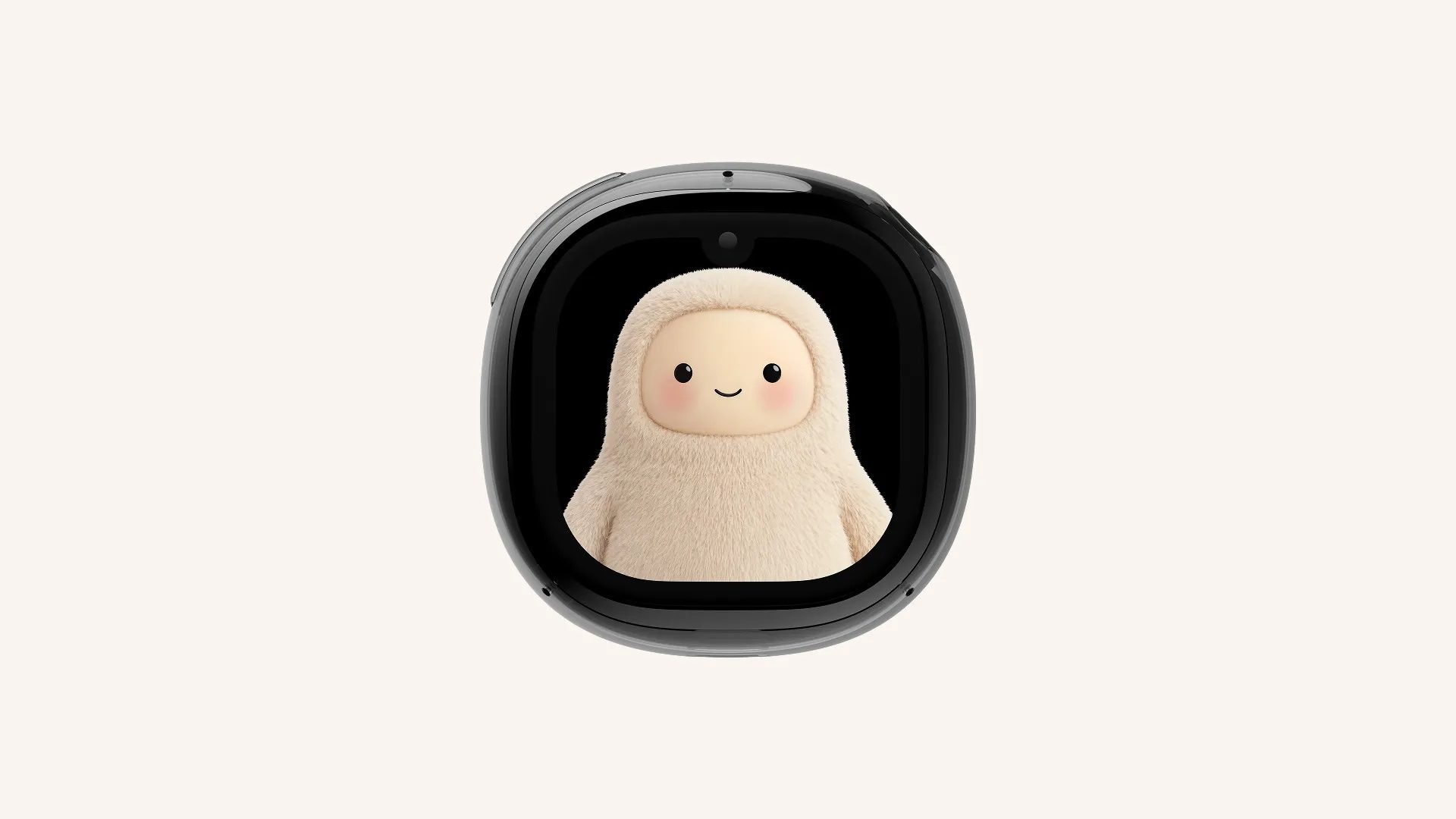
The timing makes sense, given just how much was announced at Connect. One of the more unusual additions is a digital avatar, which will let you have an actual video conversation with the AI instead of being limited to text or voice. But the bigger changes are about what it can do for you. More shopping partners and connectors are on the way, while the Mac app will soon be able to interact with your computer and complete tasks on your behalf. The idea is to make the assistant feel like something you can give a job to and leave it.


And you won’t necessarily need your phone or computer to use it, either. Muse is also headed to Meta’s AI glasses, where a wake word will be enough to get its attention before giving it a command. Put it all together, and it’s a pretty substantial expansion for an AI assistant that only arrived earlier this month.
Meta wants the AI crowd to try it first
Early access programs are nothing new. What makes this one a little more interesting is who Meta seems to be looking for. Instead of testing these features with a random group of people, the company is inviting users to put their hands up themselves. That naturally attracts people who are already curious about AI, probably use several different assistants, and have a pretty good idea of what works and what doesn’t.

That could be particularly useful when you’re trying to catch up in an increasingly crowded space. We’ve already seen how Muse compares with ChatGPT and Gemini in areas like AI image generation. Getting upcoming features in front of that same AI-savvy crowd could give the team genuinely useful feedback before everyone else gets them. And if you happen to be part of that crowd, there’s no complicated sign-up process to worry about. All you have to do is ask.
You must be logged in to post a comment Login