Tech
Miles Davis Miles ’56 Review: Craft’s Prestige Box Set Makes the First Great Quintet Essential Again

Miles Davis’ 1956 Prestige sessions are 70 years old, which feels mildly absurd considering how alive this music still sounds. Craft Recordings is marking the anniversary with Miles ’56: The Prestige Recordings, a new 4-LP box set that gathers the material behind Cookin’, Relaxin’, Workin’, and Steamin’, along with an earlier session from the same year featuring Sonny Rollins and Tommy Flanagan.
This is not unexplored territory. These recordings have been reissued on vinyl, CD, SACD, and digital more times than most jazz catalogs can claim. Nobody needs to be convinced that the music matters. The question for collectors is more practical: does this version bring something meaningful to a shelf already crowded with Miles Davis reissues?
Craft is certainly treating it like a major archival release. The audio was transferred from the original analog tapes, restored by Plangent Processes, remastered by Paul Blakemore, and cut for vinyl by Kevin Gray at Cohearent Audio. The 180-gram 4-LP edition is joined by 3-CD and hi-res digital versions, while both physical formats include a new essay by Ashley Kahn and track notes by the late Dan Morgenstern.
Craft’s previous Miles ’55 box set created a high bar for both presentation and sound. Miles ’56 has a tougher assignment. These are arguably the most familiar recordings in the Davis catalog outside of Kind of Blue, and there are already excellent versions of much of this material in circulation.
Related Reviews:
The Sessions That Made the First Great Quintet Permanent
1956 was not the year Miles Davis suddenly became Miles Davis. That work had already been done. What changed was the level of execution.
By then, the working quintet of John Coltrane, Red Garland, Paul Chambers, and Philly Joe Jones had become a real band rather than a promising collection of young musicians. They had recorded Miles: The New Miles Davis Quintet in late 1955, spent months on the road, and built a repertoire around standards, blues, bebop burners, and Davis originals.
The material was not especially exotic. “My Funny Valentine,” “Surrey With the Fringe on Top,” “Salt Peanuts,” “Well, You Needn’t,” “Oleo,” “Four,” and “Half Nelson” were all part of the book. What made the group different was how naturally everyone fit together. Garland’s elegant, blues-informed piano gave the band space. Chambers kept the floor moving. Philly Joe Jones pushed from underneath without ever turning the rhythm section into a demolition project. Coltrane was still developing, but his intensity and restless lines gave Davis a productive counterweight.

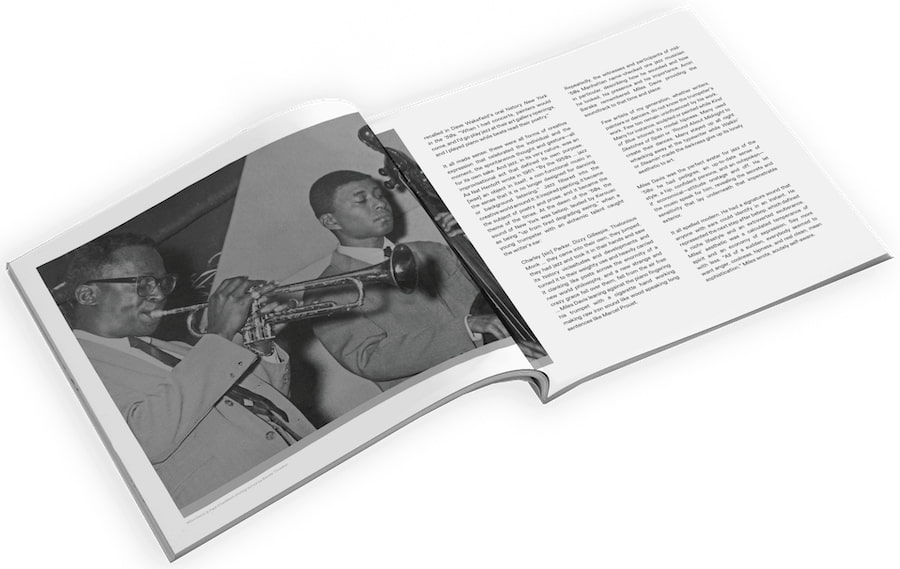
Davis had signed with Columbia while still contractually tied to Prestige. With Bob Weinstock’s blessing, he returned to Rudy Van Gelder’s Hackensack studio on May 11 and October 26, 1956, to fulfill his obligations to the label. The plan was bluntly efficient: record the music the band already knew, move quickly, and let Prestige spread the results across multiple albums.
That is exactly what happened.
The two marathon dates were closer to live sets than traditional studio productions. Most of the performances were first takes, with the band relying on familiarity, instinct, and the kind of communication that comes from actually playing night after night. There was no elaborate production concept and very little polishing. They walked in, played the tunes, and got out of the way.
Nobody appears to have documented whether the band stopped at Hiram’s in Fort Lee after those long Hackensack sessions, but it would have been geographically sensible. Anyone who did not appreciate the local hot dog situation could have continued on to Rutt’s Hutt in Clifton. New Jersey has always taken its priorities seriously.
The resulting music was eventually divided among Cookin’, Relaxin’, Workin’, and Steamin’. The albums were released separately over several years, but they were never conceived as isolated studio statements. They are chapters from the same extended performance, captured while one of jazz’s most important groups was operating at full strength.
The Earlier Session Matters More Than You Might Expect
Miles ’56 also includes a March 16 session that sits slightly outside the core First Great Quintet narrative. Sonny Rollins joins Davis on tenor saxophone, with Tommy Flanagan on piano, Paul Chambers on bass, and Art Taylor on drums.
It was Davis’ final studio date with Rollins and his only recorded session with Flanagan, which gives the material real historical value beyond its inclusion as bonus content. “Vierd Blues,” “No Line,” and the earlier version of Dave Brubeck’s “In Your Own Sweet Way” provide a different view of Davis in 1956: less settled, perhaps, but no less compelling.
That session also helps make Miles ’56 feel like a true document of the year rather than a repackaging of four albums everyone already owns in some form. The May and October recordings remain the main event, but the March material broadens the story.
And that story is the reason this box deserves attention.
These recordings are not buried treasure. They have been revisited endlessly because they are foundational: the sound of Miles Davis building a path toward Columbia, John Coltrane beginning to separate himself from the pack, and a rhythm section establishing a vocabulary that still defines small-group jazz.
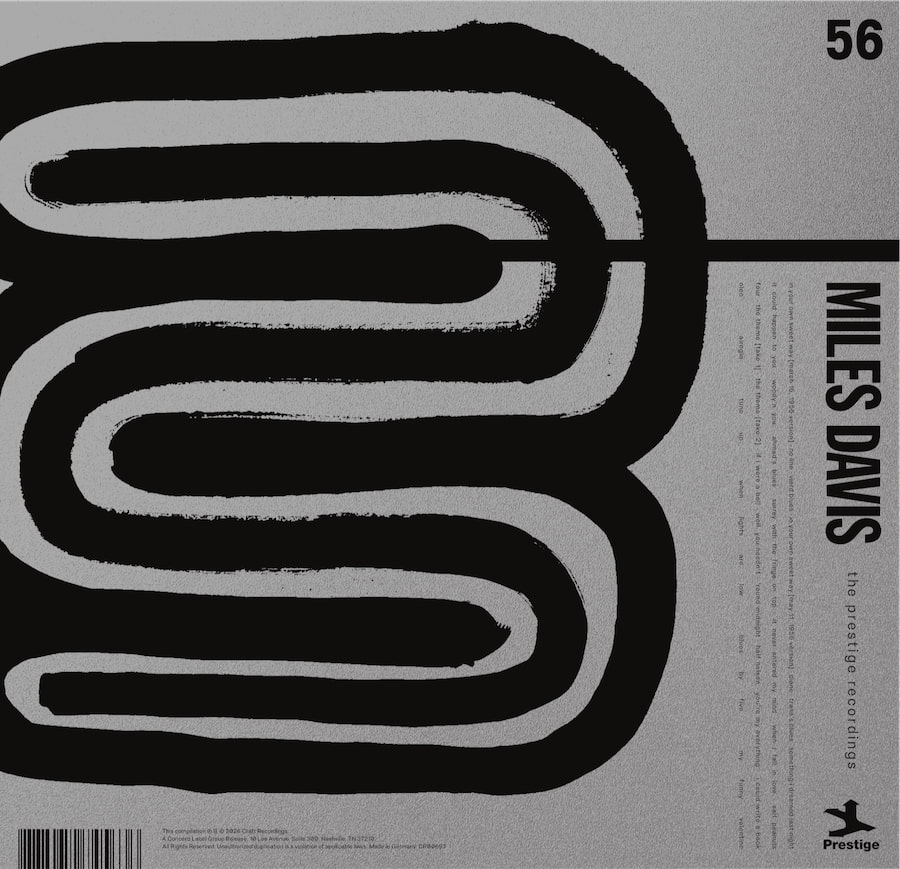

For newcomers, Miles ’56 offers a remarkably complete entry point into the Prestige era. For collectors with several versions already on the shelf, the question is tougher. This is not a purchase driven by rarity. It comes down to the mastering, the pressing quality, the presentation, and whether Craft has found more life in music that has already been given the audiophile treatment repeatedly.
That is where this box set will earn its keep, or become another handsome reminder that Miles Davis collectors are an easily tempted bunch.
Worth the Money?
I own the original OJC versions of all four albums, which remain very good and considerably more attainable than clean Prestige originals. But they predate the Plangent Process used for Miles ’56, so they were never subject to the same tape-speed correction and restoration work. I cannot compare this box to the 1996 Analogue Productions set, but against my OJCs, Miles ’56 sounds cleaner, fuller, and more relaxed up top. There is better instrumental decay, more tonal weight through piano, bass, and trumpet, and a deeper, more convincing soundstage.
The presentation is not bright or aggressively detailed; it is simply very clean, with more space around the players and a greater sense of the room. The 180-gram pressings are flat, perfectly centered, and impressively quiet after a cleaning.
For the money, Craft has delivered a handsome and serious physical package. The four LPs come in black paper, plastic-lined audiophile inner sleeves, while the sturdy outer shell uses a modern silver design that looks far more stylish than another stack of generic reproductions. The box set was manufactured in Germany, likely at Optimal, though Craft does not appear to name the plant directly.
This is not the box for collectors who insist on the original jackets or want to hear the albums in their original running order. But for listeners who want these landmark 1956 sessions presented as one cohesive archival project, with excellent pressing quality and meaningful sonic improvements over more affordable older editions, Miles ’56 is a very worthwhile package.
Our Ratings
★★★★★★★★★★ Album
★★★★★★★★★★ Sound Quality
★★★★★★★★★★ Pressing Quality
You must be logged in to post a comment Login