Tech
Modder Builds PixelVision AV1000 MkII, a Multi-Input Monitor His Retro Desk Actually Needed

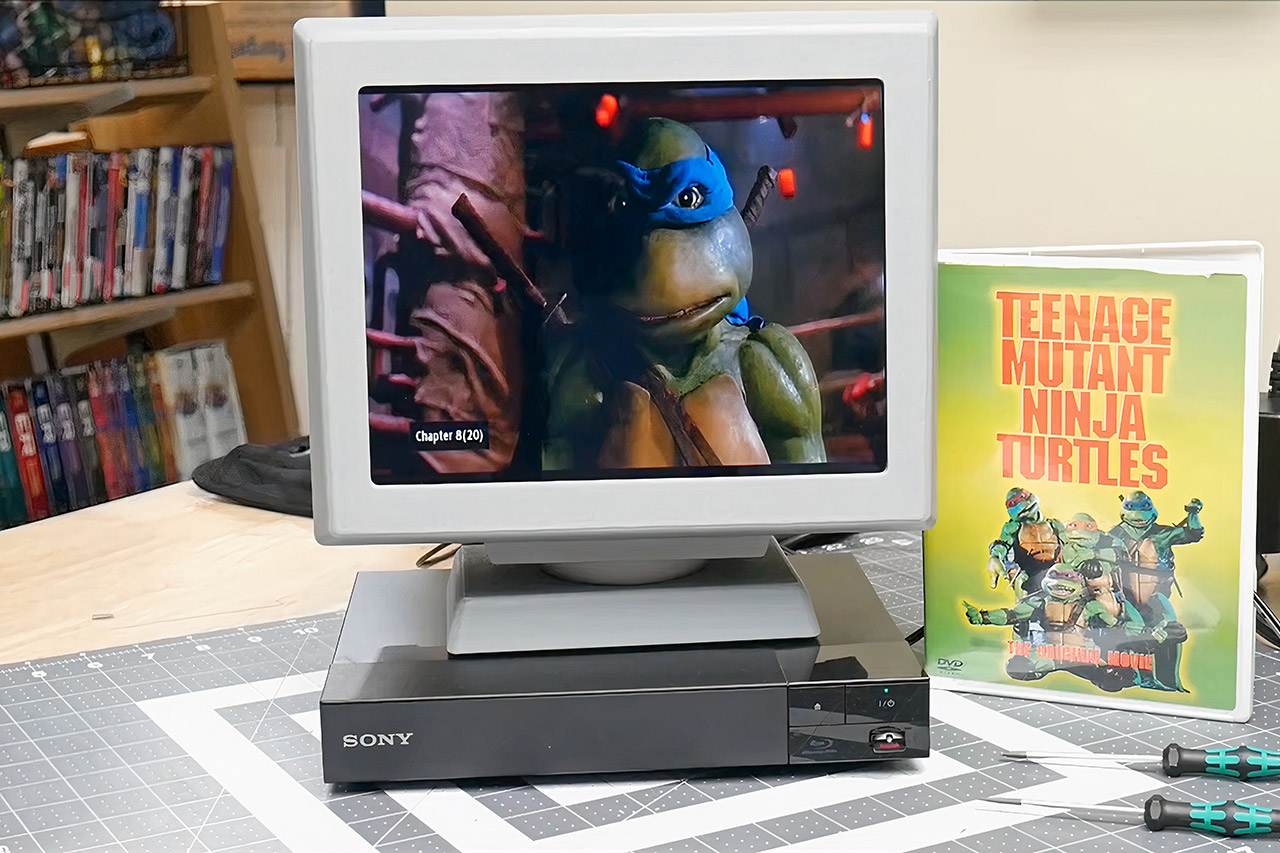
Ryan spent months chasing a single display that could sit on a desk and handle every signal his collection threw at it. The result is the PixelVision AV1000 MkII, a compact 9.7-inch screen that looks like it belongs next to an Amiga 1000 yet accepts modern HDMI alongside the older analog standards most people still keep around.


The heart of this monitor is an IPS panel, specifically an old iPad 3 or 4. It measures 9.7 inches diagonally and has a resolution of 2048 x 1536, giving you 264 pixels per inch and a 4:3 aspect ratio. It’s quite bright at 440 nits, looks beautiful from all angles, and maintains a stable refresh rate of 60Hz. Because to its high pixel density, pixels from antique TVs from the 1980s and 1990s remain crisp and do not become fuzzy blobs.
Sale

Lenovo Idea Tab – College Tablet – 11″ 2.5K IPS Touchscreen Display – 90Hz – MediaTek Dimensity…
- POWER YOUR STUDY, FUEL YOUR PLAY – Discover smarter learning with the Lenovo Idea Tab. Stay campus-ready with all-day battery life, AI-powered apps…
- SMOOTH, POWERFUL, IMMERSIVE – The MediaTek Dimensity 6300 processor is more powerful than ever, with the AI-enhanced multitasking you need to stay…
- CIRCLE IT, SEARCH IT – Use your Lenovo Tab Pen or fingertip to circle items for instant search results or to translate other languages without…
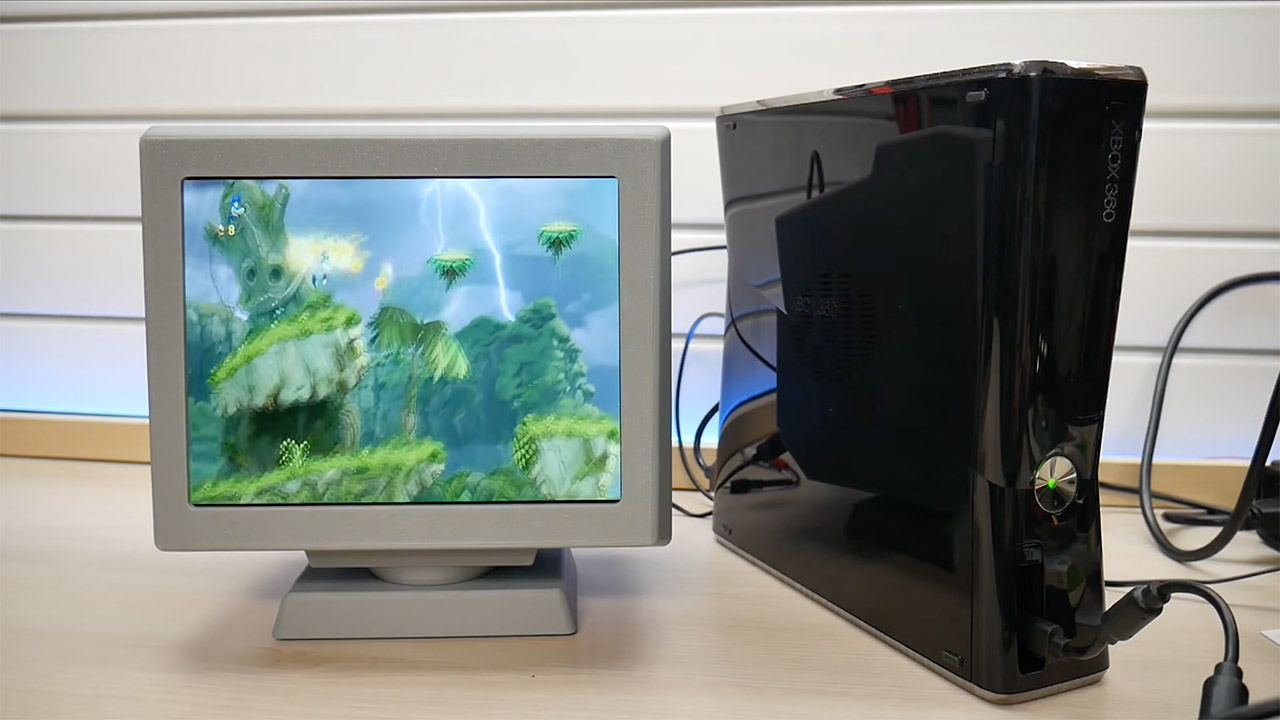
Ryan used a scan-line converter board to make this thing function. It’s essentially a RetroTINK clone that allows you to feed the panel in native resolution using HDMI. You can also give it VGA up to 1920 x 1080, but component, S-Video, and composite all come in at 480p, which is probably sufficient for what this gadget is designed to accomplish. The cords are very neat and short, with no tangles on the back. For music, the PAM8406, a small amplifier, drives two full-range speakers – a 2.5-inch Visaton and a pair of smaller Dayton drivers – providing approximately 5 watts of stereo sound. A 3.5mm jack lets you input and output audio as needed. The power source is simple: a 12v 3amp brick powers everything, consuming about 10 watts when active and 2 watts when in sleep mode. On the back, there is a huge switch and a DC jack set on the panel.

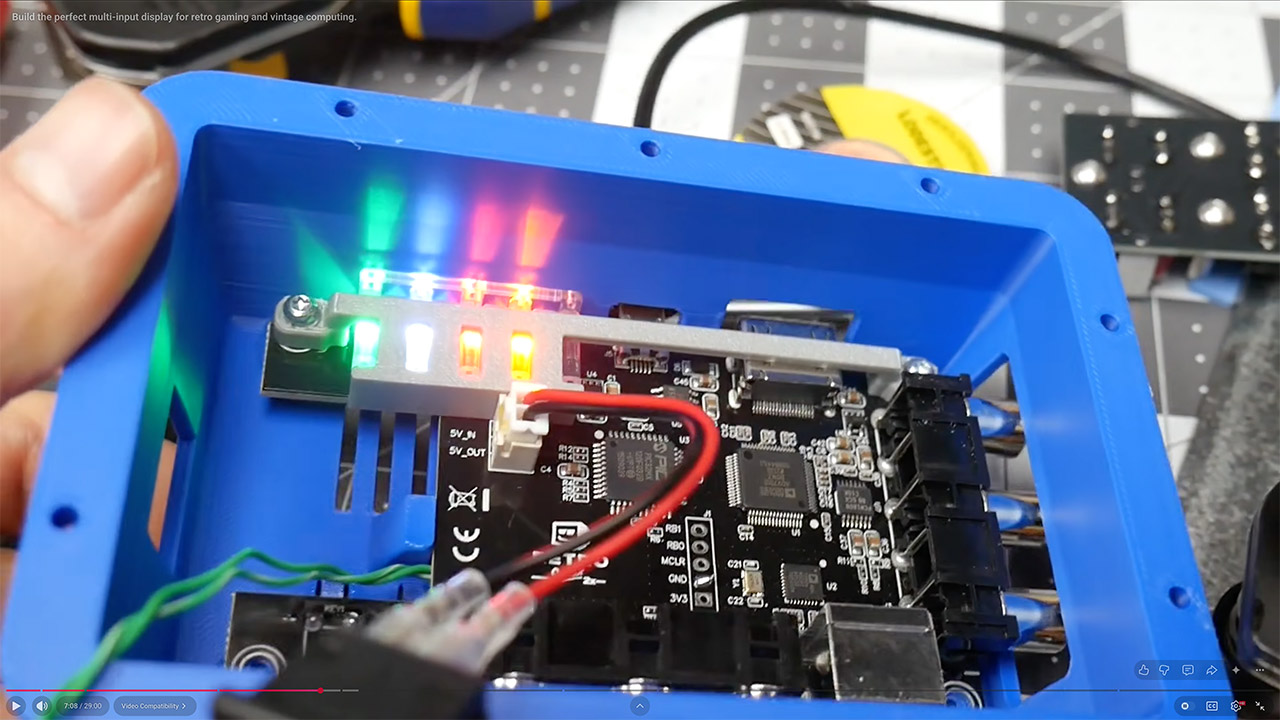
The case is entirely 3D printed in PLA, and Ryan engineered each component so that the most visible parts print flat on the bed. He also made an effort to keep supports to a minimal and went back and altered pieces if he encountered anything that felt difficult to assemble. The back, front bezel, and speaker mounts all attach with standard M2.6 and M3 screws. That strange thing on the rear is where the converter board lives, and there’s enough space in there to easily swap in a single-board computer if you wanted to make this an all-in-one device.
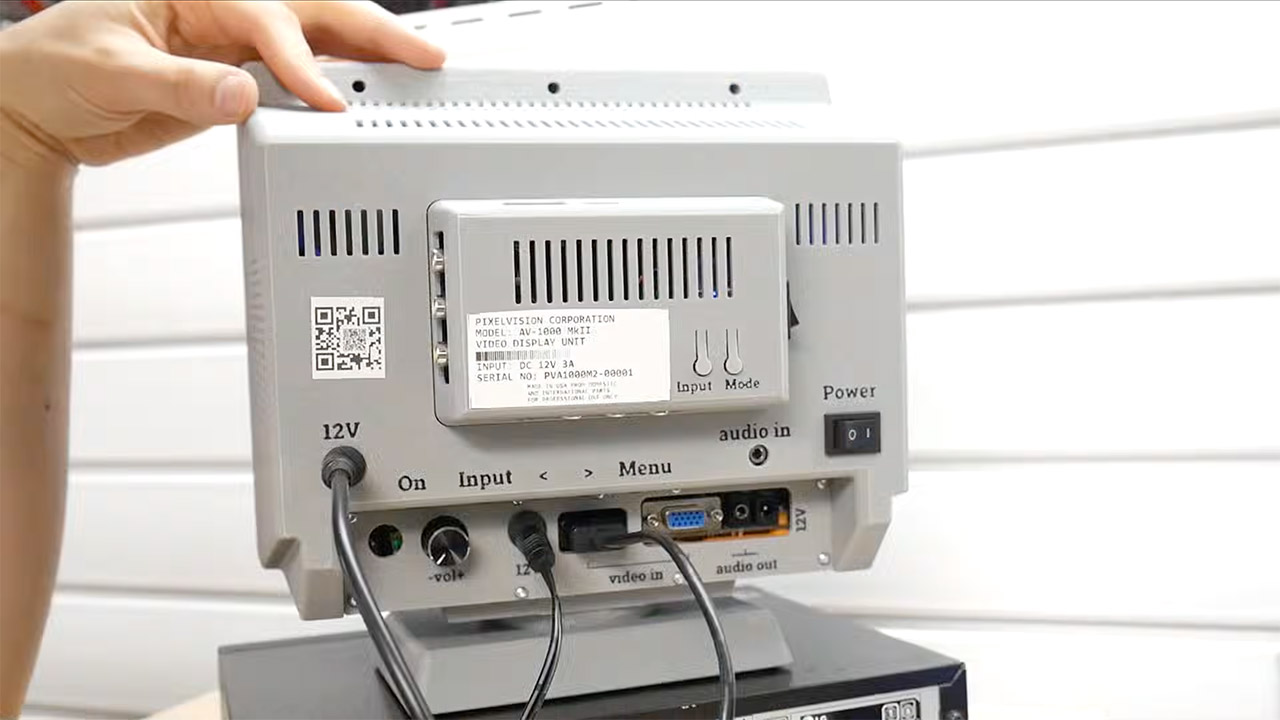
The entire thing features a spring-loaded swivel base, allowing you to tilt and rotate it like previous CRTs did. Four rubber feet protect it from sliding about, and when finished, the item measures around 9.8 by 8.1 by 7.6 inches and weighs slightly more than three pounds. The design files, STEP models, a PCB or two, and the full bill of materials are all available on GitHub, allowing you to print and build your own. There’s a really detailed build video that leads you through the entire process, demonstrating when a long-reach Torx bit comes in handy and how to handle the mirrored LCD brackets so you don’t mess it up.
[Source]
You must be logged in to post a comment Login