Connect with us

Tech

NASA Delays Launch of Artemis II Lunar Mission Once Again

Published

on

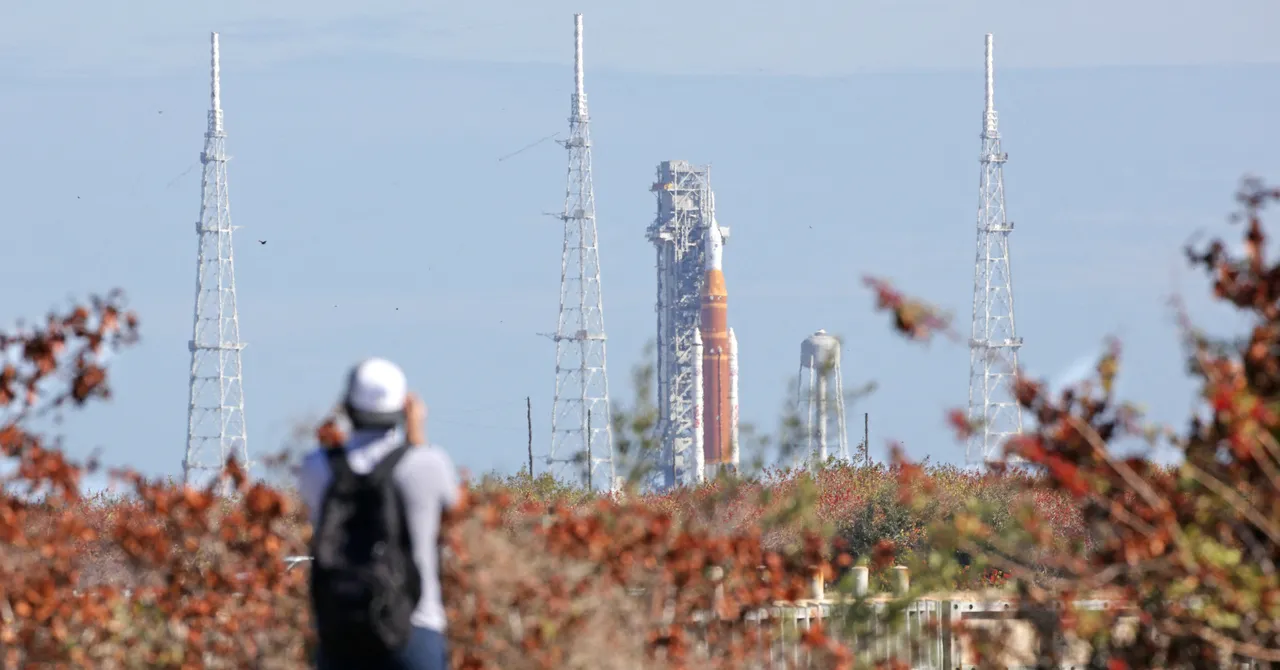
NASA has once again postponed the launch of Artemis II, the crewed lunar flyby mission, setting a new launch window for April. Although March 6 had been tentatively planned as the launch date, the US space agency revealed that a problem with the rocket has caused further delay.

According to NASA administrator Jared Isaacman, the failure was due to an interruption in the helium flow in the interim cryogenic propulsion stage of the Space Launch System (SLS). The helium flow is essential for purging the engines and pressurizing the fuel tanks. This system had functioned correctly in the two dress rehearsals conducted this month, but the failure occurred during a routine operation.

Due to the nature of the problem, NASA engineers will have to fix it from the Vehicle Assembly Building (VAB), so there’s no way to proceed with the March launch window. The rocket is on its way back to the hangar.

“I understand people are disappointed by this development,” the official stated on his X account. “That disappointment is felt most by the team at NASA, who have been working tirelessly to prepare for this great endeavor. During the 1960s, when NASA achieved what most thought was impossible, and what has never been repeated since, there were many setbacks.”

Advertisement

Will Artemis II be able to embark on its mission in April? NASA reported that rapid preparations have allowed it to potentially preserve the April launch window in the event of a reversal. It all depends on what the data, the repair efforts, and how the schedule comes together in the coming days.

Artemis II: The Setbacks

The mission had its first launch window between February 6 and 11. However, during the wet dress rehearsal (WDR), which is a full rehearsal with fuel, the team detected small hydrogen leaks during refueling and some minor technical glitches. After analyzing the situation, NASA concluded that the risk was considerable and could endanger the lives of the astronauts, so it decided to postpone the launch.

A second dress rehearsal, conducted on February 19, was successful. In a statement, the space agency explained that it loaded 700,000 gallons of liquid propellant with no leaks. “During the test, teams closely monitored liquid hydrogen fueling operations, which proved challenging during previous tests. Hydrogen gas concentrations remained under allowable limits, giving engineers confidence in new seals installed in an interface used to route fuel to the rocket,” NASA said.

At a subsequent press conference, mission representatives confirmed to the media that the new tentative liftoff date would be March 6. However, on February 20, the team failed to get helium to flow through the vehicle, a failure that also occurred during testing of the Artemis I mission. Isaacman noted that the cause could be due to a faulty filter, valve or connector plate.

Advertisement

“There are many differences between the 1960s and today, and expectations should rightfully be high after the time and expense invested in this program,” Isaacman said in his post. “I will say again, the President created Artemis as a program that will far surpass what America achieved during Apollo. We will return in the years ahead, we will build a Moon base, and undertake what should be continuous missions to and from the lunar environment.”

When it eventually launches, the Orion capsule will travel farther than any other manned spacecraft during its 10-day mission, surpassing on the sixth day the record of 400,171 kilometers set by Apollo 13. The return will conclude with Orion’s landing in the Pacific Ocean off the coast of San Diego, California.

Although there will be no lunar landing—that feat will fall to the Artemis III mission—the second launch is of crucial importance. Its success will demonstrate that NASA has the technical capabilities to return to the moon and begin a new phase of space exploration.

This story originally appeared in WIRED en Español and has been translated from Spanish.

Advertisement

Source link

Continue Reading
Click to comment

Leave a Reply

Your email address will not be published. Required fields are marked *

Tech

Perplexity's Comet AI browser is coming to iPhone soon

Published

on

Perplexity has confirmed that its AI-powered web browser Comet will finally come to the iPhone in March 2026. Expect to have to make significant in-app purchases to maybe make it better than Safari.

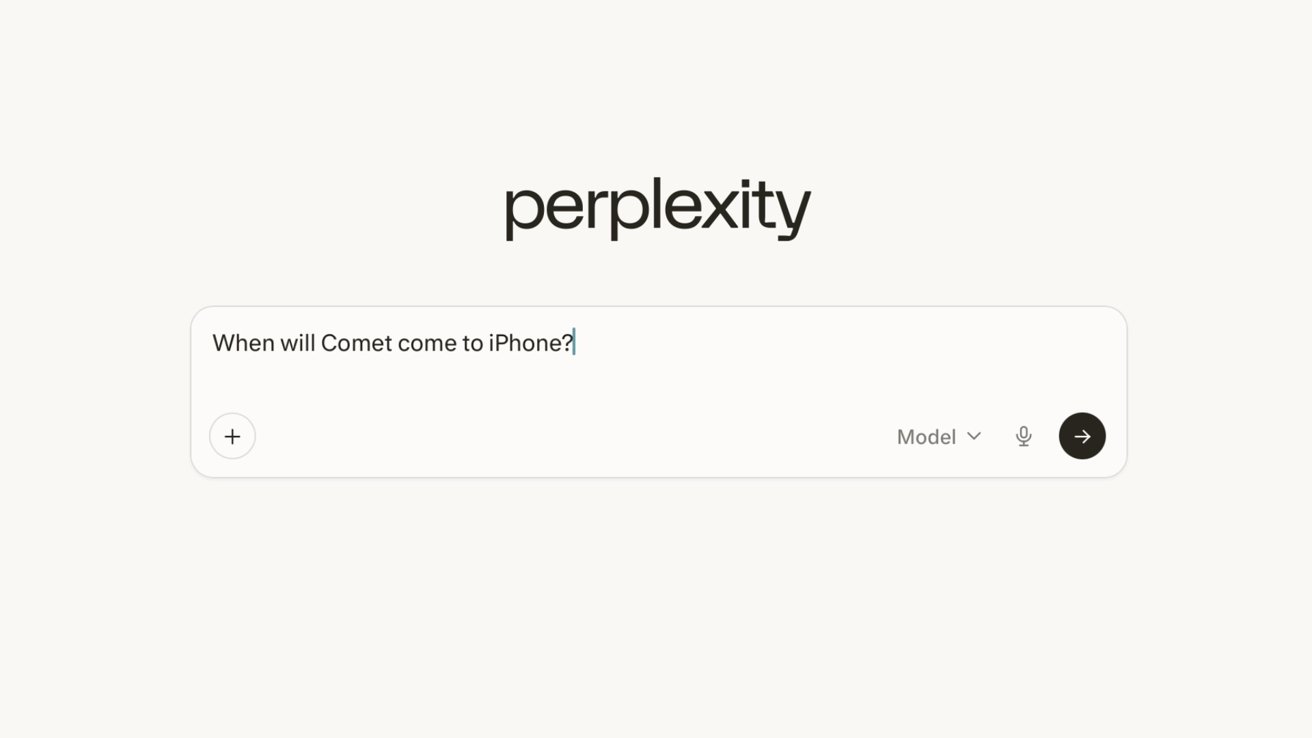
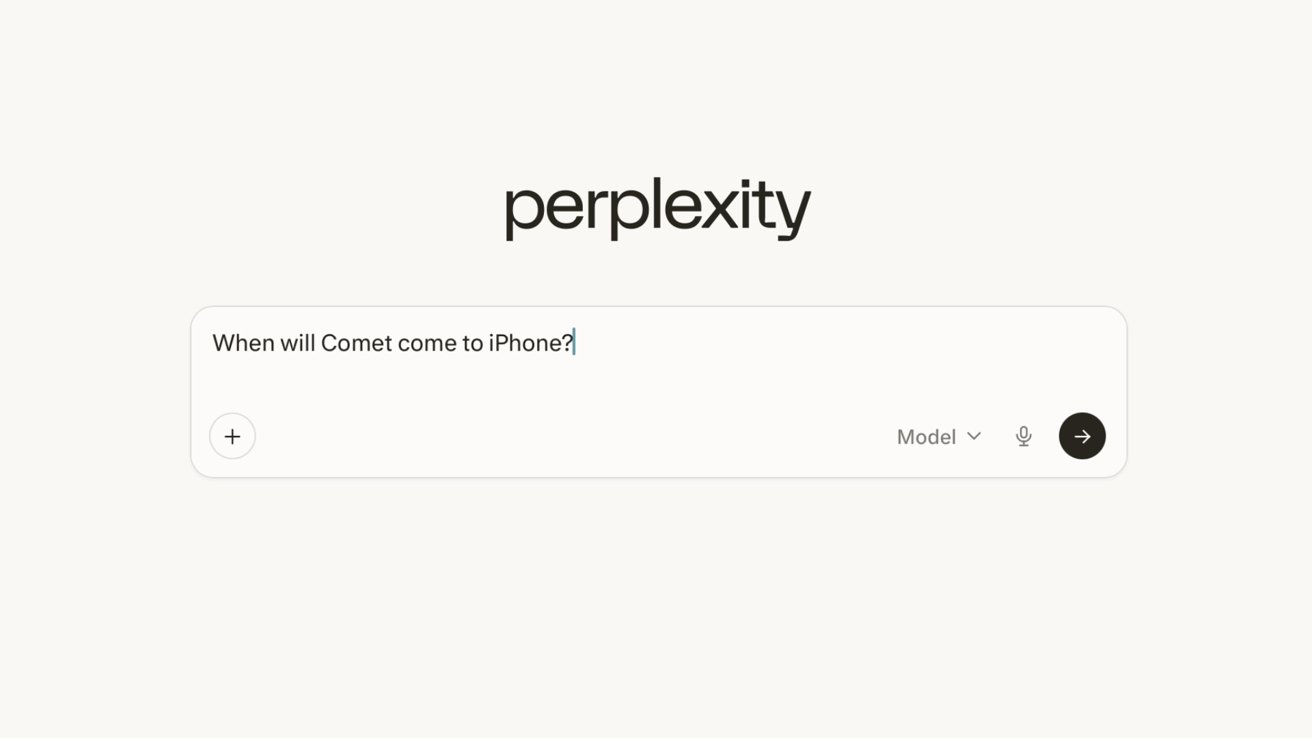
Perplexity AI search interface on a light background, showing a text box with the typed question When will Comet come to iPhone and controls for model selection, voice, and submit button
Perplexity’s Comet browser comes to iPhone on March 11, 2026

The browser, which is already available to Mac users, is available for preorder from the App Store. However, while the iPhone version is set to release on March 11, the iPad version doesn’t appear to be ready just yet.
While Comet can be used to browse the web just like Safari and other browsers, Perplexity believes its built-in AI makes its app more powerful. Users will be able to open a webpage and ask Perplexity’s AI questions around its content, ask for a summary, and more.
Continue Reading on AppleInsider | Discuss on our Forums

Source link

Continue Reading

Tech

Samsung Galaxy S26 Ultra Gets First Hands-On Unboxing Before Official Reveal

Published

on

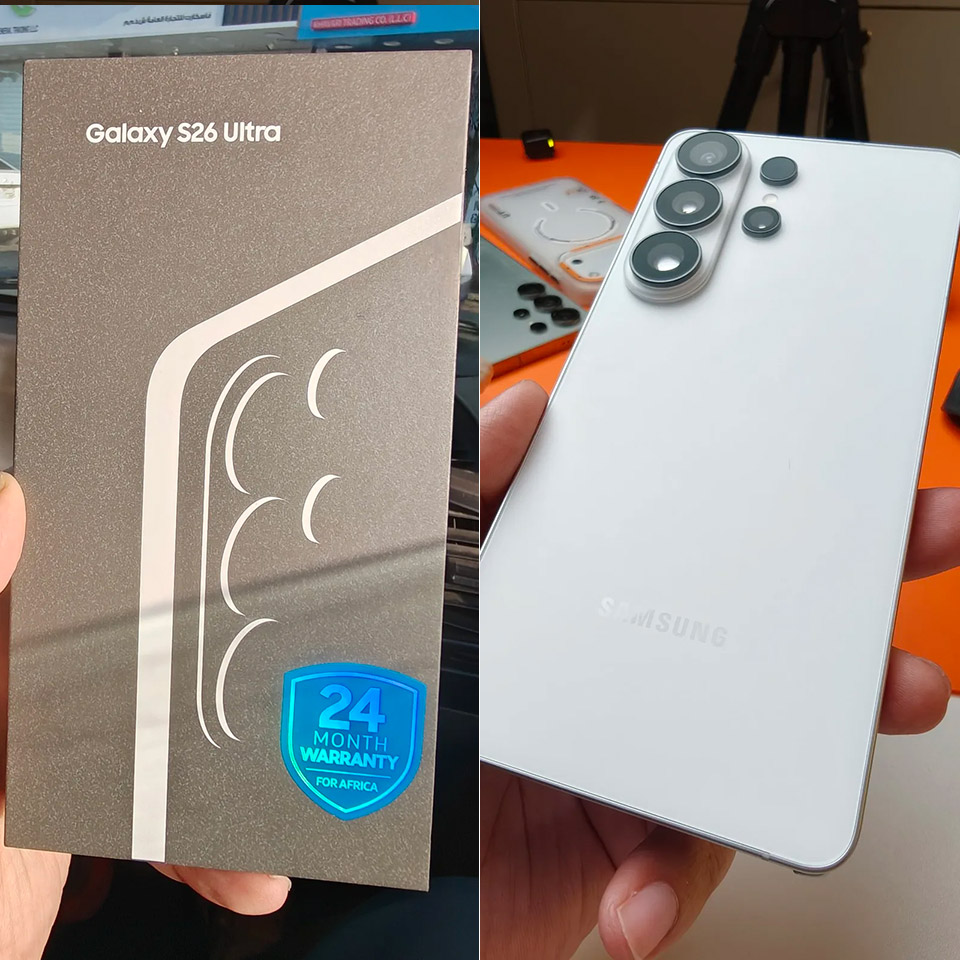
Samsung Galaxy S26 Ultra Unboxing
Photo credit: Karoul Sahil
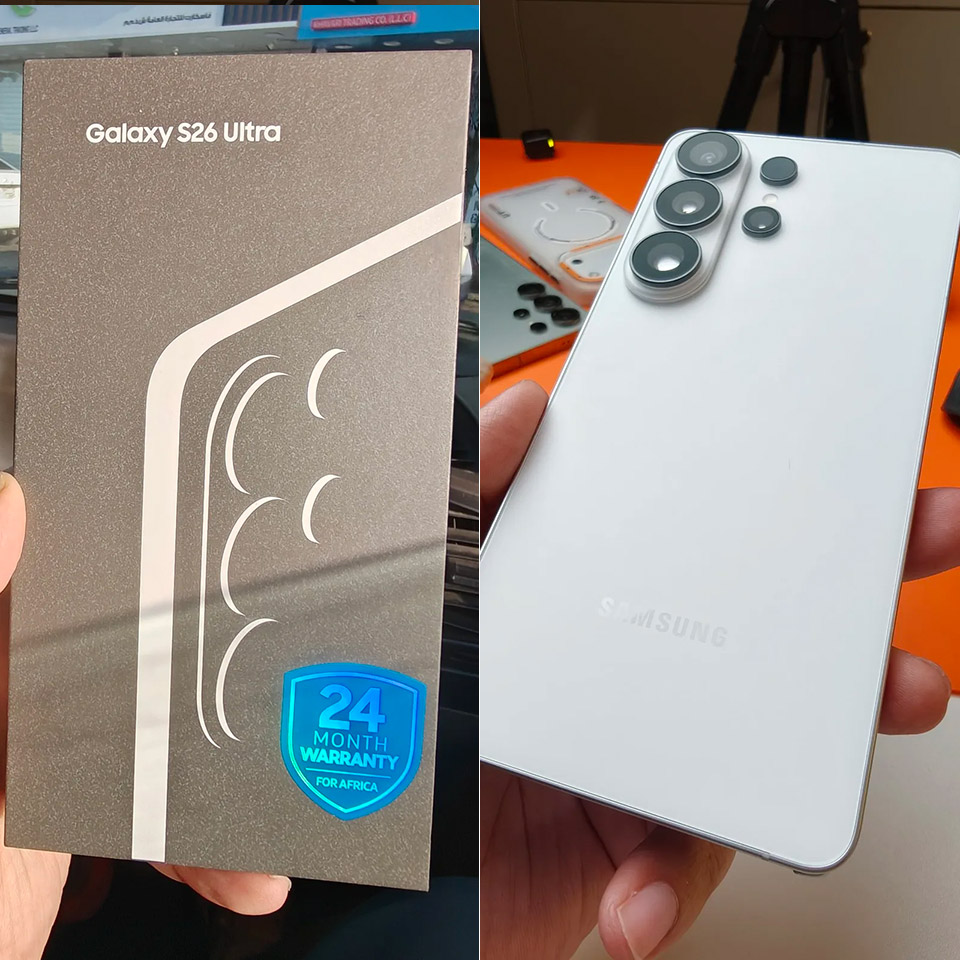
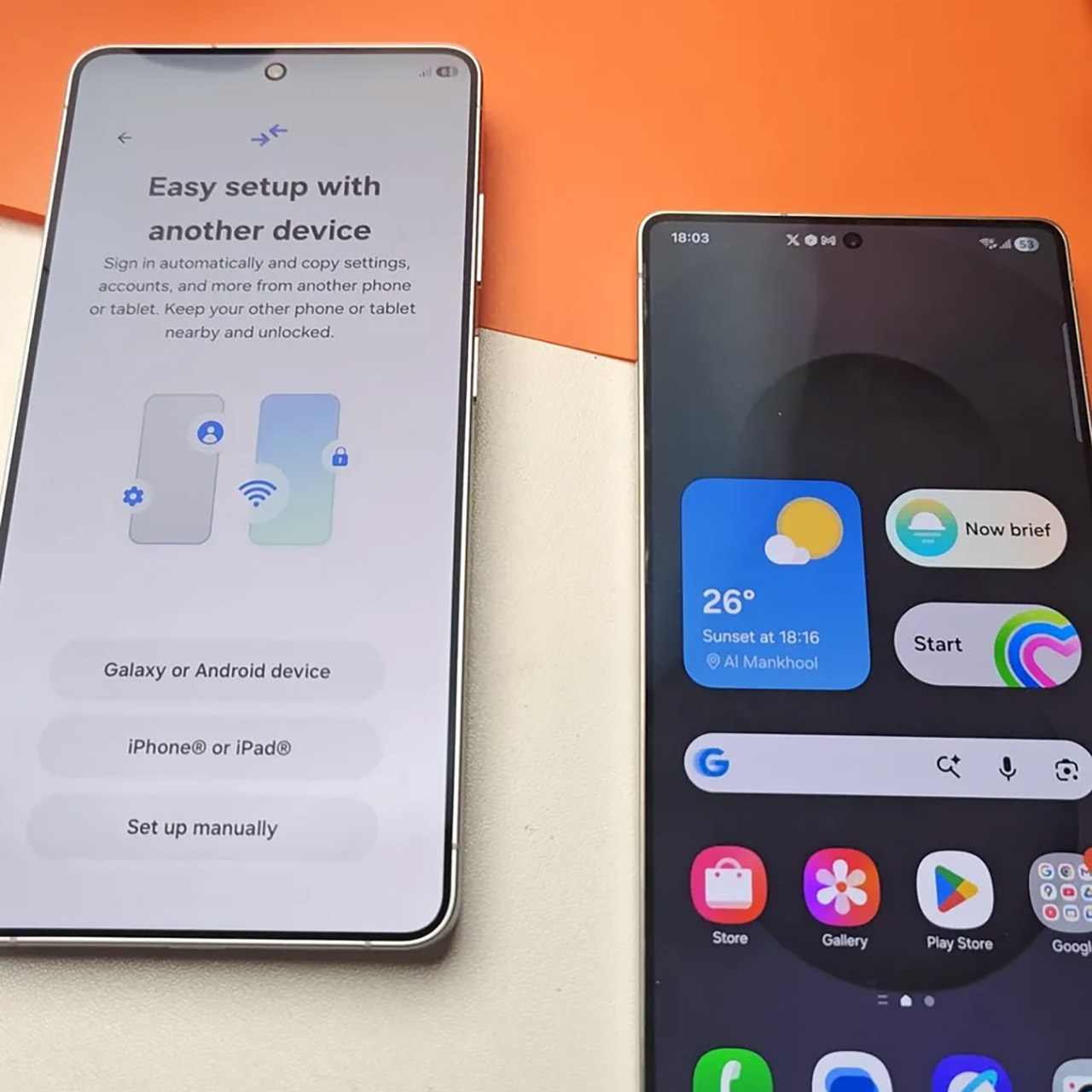
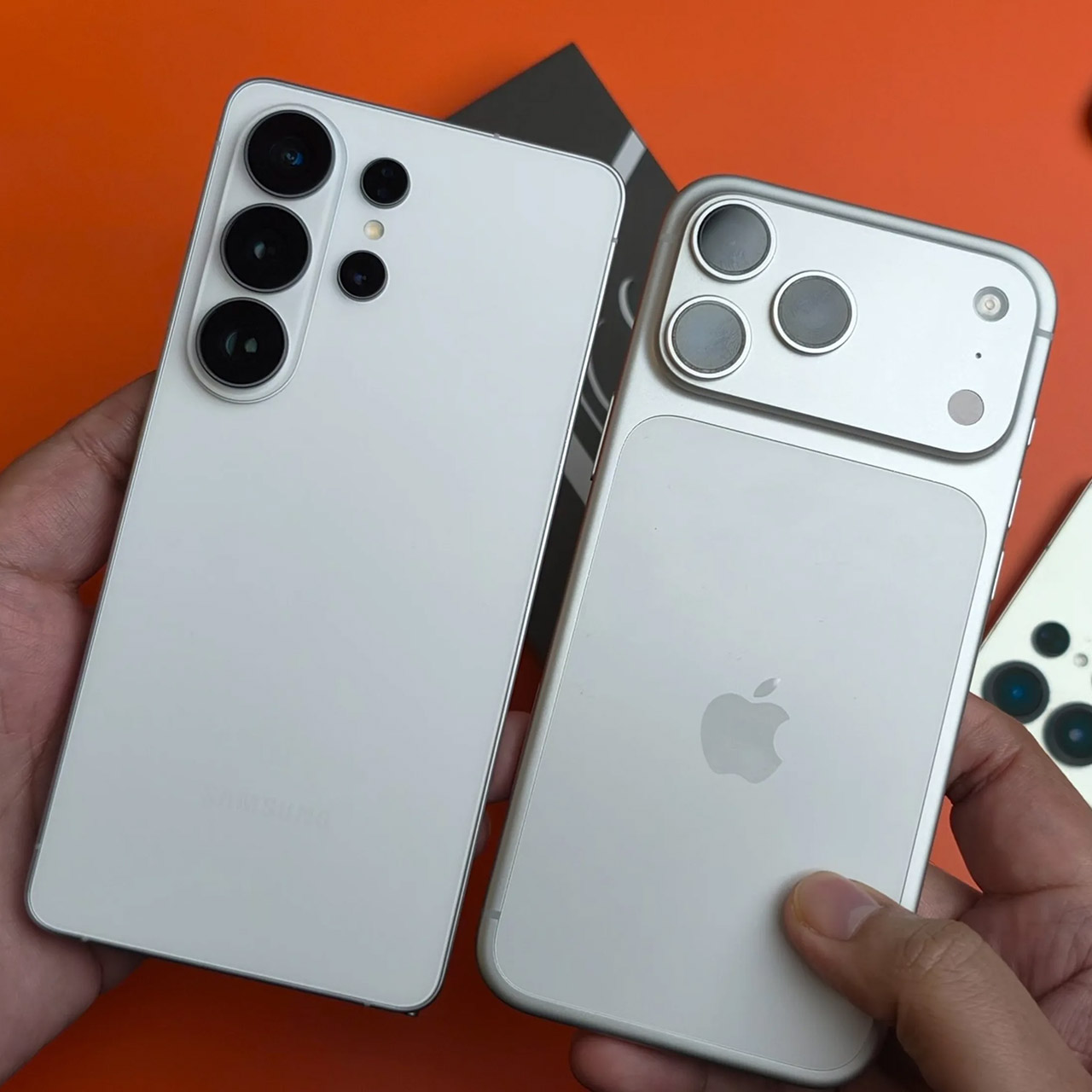
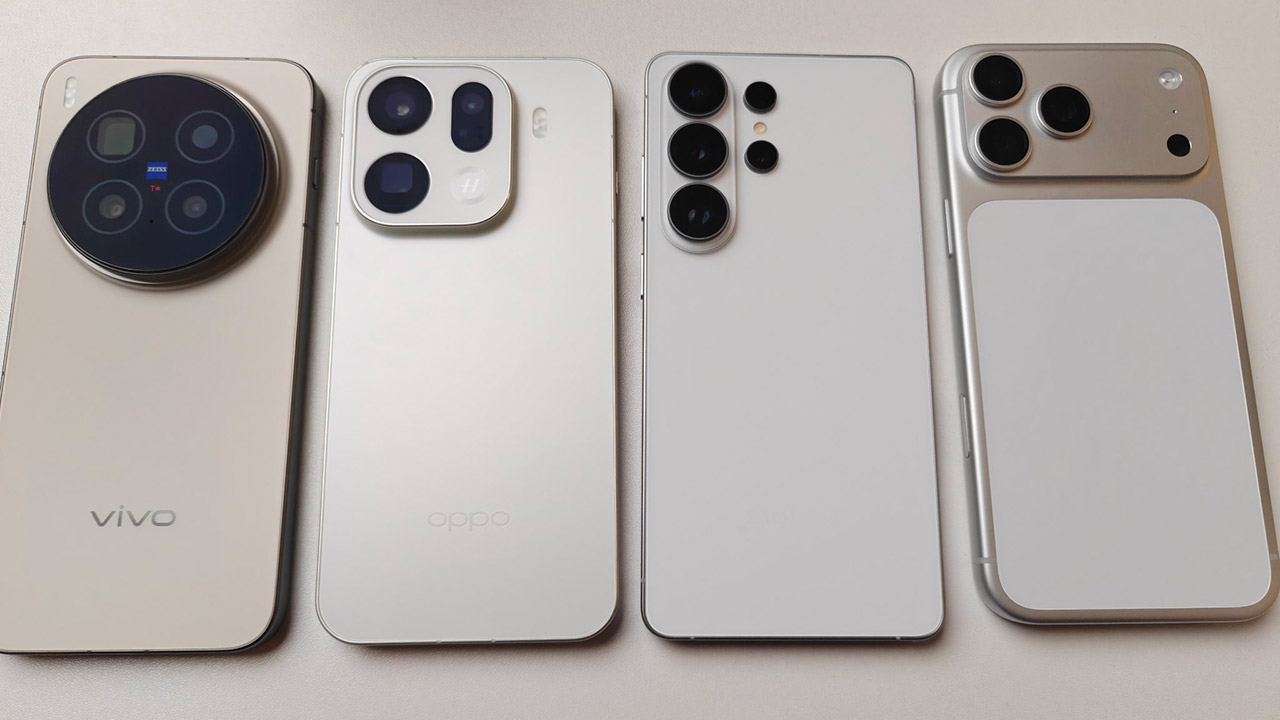
The surprise arrival of the Samsung Galaxy S26 Ultra in some stores has got people really excited, with one very good unboxing video from a customer that allegedly shows the device in hand a good few days before the official Unpacked event on February 25, 2026.


The S25 Ultra’s elevated camera module replaces the flat camera layout, bringing back some of the concepts seen in previous Samsung phones but with a more modern feel this time. The corners are slightly rounded, making the enormous phone easier to hold. Despite its substantial size and weight, it feels the same as before, with only a few small changes to the measurements. It’s still a huge phone, but you wouldn’t notice.

Sale


Motorola Moto G 5G | 2024 | Unlocked | Made for US 4/128GB | 50MP Camera | Sage Green
  • Immersive 120Hz display* and Dolby Atmos: Watch movies and play games on a fast, fluid 6.6″ display backed by multidimensional stereo sound.
  • 50MP Quad Pixel camera system**: Capture sharper photos day or night with 4x the light sensitivity—and explore up close using the Macro Vision lens.
  • Superfast 5G performance***: Unleash your entertainment at 5G speed with the Snapdragon 4 Gen 1 octa-core processor.

The build still utilizes premium materials, thus it’s most likely the same titanium frame as in previous models, providing more durability without adding bulk. As for colors, we have the white variant from the leaks, as well as the black units seen in some of the early film. Despite the large camera housing on the back, the rear panel features a rather clean design that manages to include all of the extra gear without dominating the phone’s appearance.

Advertisement


The screen size remains at 6.9 inches, but it is still a top-of-the-line Dynamic AMOLED 2X panel with QHD+ resolution and a 120Hz refresh rate. The M14 10-bit display has replaced the M13 version from the S25 Ultra, and it has an even better anti-reflective coating, allowing you to see what you’re doing in bright conditions. They have added a new feature called Privacy Display mode. When you switch it on, the screen goes dark from the side, so you can’t see what’s on it unless you stare directly at it.

Samsung Galaxy S26 Ultra Unboxing
The camera layout is a familiar quad setup similar to the last few Ultras. The 200MP primary sensor remains the star of the show, but it now has a larger aperture, which should allow it to produce better low-light shots. The periscope telephoto lens has also been redesigned, and it is now a bit rounder than previously; it will provide 5x optical zoom. The other two sensors on the back are the 50MP ultra-wide and 10MP 3x telephoto, while the selfie camera has a wider lens, making it simpler to capture everyone in a group image. The hardware modifications aren’t exactly revolutionary, but the improvements to optics and processing should make a visible impact, particularly in zoomed photographs and video. Samsung has also hinted at doing something clever with video zoom, which might let you to move even further away from your subject without compromising quality.

Samsung Galaxy S26 Ultra Unboxing
The Snapdragon 8 Elite Gen 5 will handle processor duties across all markets, earning the ‘For Galaxy’ badge in the process, however there are some rumored minor clock speed increases as well. The RAM has also been increased to 16GB in the top-tier versions, while storage starts at 256GB and goes all the way up to 1TB, eliminating the old 128GB base models in the process. As you’d expect from a high-end Ultra device, all of this should provide you with the performance you need to tackle whatever demanding tasks come your way, from gaming to AI features that are now integrated into One UI 8.5.

Samsung Galaxy S26 Ultra Unboxing
Battery capacity should remain at 5,000mAh, but the real change is charging, as wired speeds have finally begun to receive the upgrade we’ve been waiting for, jumping from 45W to a whopping 60W, which must be a welcome relief for anyone tired of slow top-ups. Meanwhile, wireless charging has reportedly increased to 25W.
[Source]

Source link

Advertisement
Continue Reading

Tech

How to watch Paradise season 2 online from anywhere

Published

on

Xavier (Sterling K Brown) ventures out into the world beyond the bunker in search of his wife Teri (Enuka Okuma), and things start to take a distinctly sci-fi turn. The sophomore season of a planned trilogy introduces two key characters: former Graceland tour guide Annie (Shailene Woodley) and clued-up outsider Link (Thomas Doherty).

Swipe to scroll horizontally

Three years on from The Day, pockets of people are still clinging on – which is about as much that can be said about Sinatra (Julianne Nicholson) in the wake of her shooting by Xavier’s fellow Secret Service agent Jane (Nicole Brydon Bloom). She’s alive, but in her severely weakened state she’s going to struggle to maintain her grip on the bunker’s precarious social order.

Source link

Continue Reading

Tech

Today’s NYT Connections: Sports Edition Hints, Answers for Feb. 23 #518

Published

on

Looking for the most recent regular Connections answers? Click here for today’s Connections hints, as well as our daily answers and hints for The New York Times Mini Crossword, Wordle and Strands puzzles.


Today’s Connections: Sports Edition is a tough one. The purple category requires you to twist the spelling of certain team names. If you’re struggling with today’s puzzle but still want to solve it, read on for hints and the answers.

Connections: Sports Edition is published by The Athletic, the subscription-based sports journalism site owned by The Times. It doesn’t appear in the NYT Games app, but it does in The Athletic’s own app. Or you can play it for free online.

Advertisement

Read more: NYT Connections: Sports Edition Puzzle Comes Out of Beta

Hints for today’s Connections: Sports Edition groups

Here are four hints for the groupings in today’s Connections: Sports Edition puzzle, ranked from the easiest yellow group to the tough (and sometimes bizarre) purple group.

Yellow group hint: “You stink!”

Advertisement

Green group hint: 1996 movie.

Blue group hint: Sunshine state.

Purple group hint: Football teams, with a twist.

Answers for today’s Connections: Sports Edition groups

Yellow group: Heckle.

Advertisement

Green group: Characters in “Space Jam.”

Blue group: Florida college teams.

Purple group: NFL teams, with the first letter changed.

Read more: Wordle Cheat Sheet: Here Are the Most Popular Letters Used in English Words

Advertisement

What are today’s Connections: Sports Edition answers?

completed NYT Connections: Sports Edition puzzle for Feb. 23, 2026

The completed NYT Connections: Sports Edition puzzle for Feb. 23, 2026.

NYT/Screenshot by CNET

The yellow words in today’s Connections

The theme is heckle. The four answers are boo, hiss, hoot and jeer.

The green words in today’s Connections

The theme is characters in “Space Jam.” The four answers are Bugs, Jordan, Lola and Tweety.

Advertisement

The blue words in today’s Connections

The theme is Florida college teams. The four answers are Bulls, Gators, Owls and Seminoles.

The purple words in today’s Connections

The theme is NFL teams, with the first letter changed. The four answers are bolts (Colts), crowns (Browns), hackers (Packers) and paints (Saints).

Source link

Advertisement
Continue Reading

Tech

How to Tell If Content Was Written by AI (A Simple, Reliable Guide for Everyday Internet Users)

Published

on

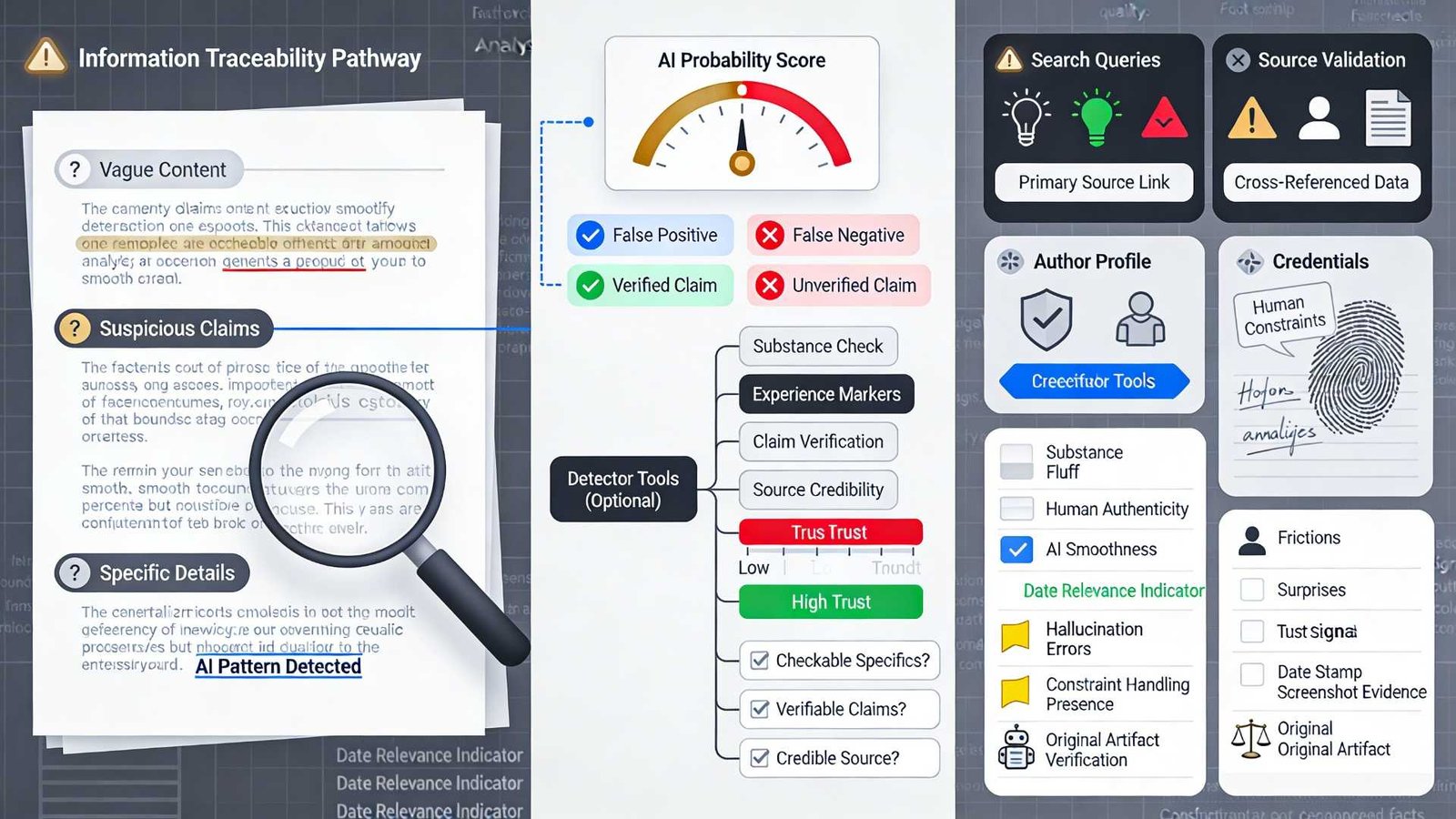
You usually can’t prove something was written by AI just by reading it—you can only estimate likelihood and then verify the claims. AI detectors also aren’t definitive: they can misclassify text (false positives and false negatives), so treat any score as a clue, not a verdict.

A useful mindset: “Is this content trustworthy?” is often a better question than “Was this made by AI?”

The 2-minute AI-content triage (works on posts, emails, reviews)

Follow this in order—each step catches a different failure mode.

Advertisement
  1. Scan for substance in 20 seconds
    Look for specific, checkable details: names, dates, numbers, locations, screenshots, first-hand constraints, or citations. AI-written fluff often sounds complete while staying vague.
  2. Check for “experience fingerprints.”
    Humans usually include small frictions: what went wrong, what surprised them, what they tried first, what they’d do differently. AI text often skips the messy middle and jumps to a neat conclusion.
  3. Do a single claim-verification search
    Pick one concrete claim and search it (or search a unique sentence in quotes). If you can’t corroborate anything meaningful, lower trust.
  4. Look at the source, not just the words
    Is there an author? An about page? A real profile history? A site with contact details and editorial standards? Provenance beats vibes.
  5. Only then use a detector (optional)
    Use tools as a second opinion—especially when you’re deciding whether to spend money, share the post, or follow advice. Remember: detectors are probabilistic and inexact.

Common “tells” in AI-written content (and what they really mean)

These signals aren’t proof. They’re patterns that should push you toward verification.

1) Over-structured, over-smooth writing
AI text often reads like it was optimized for clarity: tidy headings, balanced bullet points, and evenly paced sentences. That’s not inherently bad—some humans write that way—but if it’s paired with low specificity, be cautious.

2) Generic certainty without evidence
Watch for strong claims with no sources, no data, and no “how we know.” A trustworthy human post usually signals uncertainty where appropriate (“in my case,” “depends on,” “I couldn’t verify X”).

3) Repetition without adding new information
A classic pattern is to rephrase the same point 3–4 times to appear comprehensive. If each paragraph could be deleted without losing meaning, you’re likely reading generated filler.

4) “Perfectly neutral” tone in emotionally loaded contexts
Customer complaints, medical scares, legal advice, and crisis updates written in flat, generic language can be a red flag. People typically exhibit context-specific emotion or urgency.

Advertisement

5) Hallucination-shaped errors (confident but wrong details)
AI systems can produce plausible-sounding details that don’t exist. This is why verifying one claim is so powerful: it quickly distinguishes “well-written” from “reliable.”

Stronger signals than writing style: information quality checks

If you want one upgrade that beats most “AI detectors,” it’s this: evaluate the information.

  • Source traceability: Are there links to primary sources, and do they actually support the claim (not just “related reading”)?
  • Date relevance: Does the post clearly match the current year/version/product model?
  • Constraint handling: Does the advice mention prerequisites, edge cases, and failure modes—or does it pretend everything works smoothly?
  • Original artifacts: screenshots, logs, benchmark tables, photos, and code snippets with context (not just copy-and-paste blocks).

Using ZeroGPT (and other detectors) responsibly

If you decide to use an AI detector, use it like you’d use a spell-checker: helpful, but not authoritative.

ZeroGPT offers features such as sentence highlighting, an “AI percentage” gauge, multi-language support, file uploads, and reports—useful for reviewing where a detector identifies AI-like patterns, not for “proving” authorship.

Its site also describes a multi-stage detection approach intended to optimize accuracy while minimizing false positives/negatives, but it’s still making an estimate—not establishing ground truth.

Advertisement

A practical way to use a detector score

  • Low score: Don’t assume it’s human; still verify important claims.
  • Medium score: Treat as “uncertain”; rely more on provenance and claim-checking.
  • High score: Assume it might be AI; verify before sharing/acting, and avoid using it as the sole basis for accusations.

Why you shouldn’t rely on one tool
Even major AI detection efforts have struggled with accuracy—OpenAI discontinued its own AI text classifier in 2023, citing low accuracy. More broadly, AI detection is not foolproof; false positives and negatives are possible, and results should be treated as probabilities rather than proof.

What to do when content seems AI-written

Your response should match the risk.

  • Low stakes (entertainment, casual opinions): Ignore the authorship question and focus on whether it’s enjoyable or useful.
  • Medium stakes (product recommendations, “how-to” guides): Cross-check key claims, prefer sources with transparent authorship, and look for primary documentation.
  • High-stakes (health, finance, legal, safety, security): Don’t act on it without independent verification; prefer official sources and credentialed experts; consider consulting a professional.

When not to accuse someone of using AI
If you don’t control the platform (e.g., social media) or the decision has consequences (employment, education, reputation), don’t treat detector scores as evidence. AI detectors can misclassify human writing, and overreliance can cause unfair harm.

A simple decision framework (bookmark this)

Ask three questions:

  1. Does it contain checkable specifics? (If no → suspicious)
  2. Can I quickly verify one key claim? (If no → lower trust)
  3. Is the source credible and transparent? (If no → treat as untrusted)

If 2 out of 3 fail, assume it’s low-trust content—whether it’s AI-written or just low-effort human writing.

Source link

Advertisement
Continue Reading

Tech

How to View the ‘Blood Moon’ Total Lunar Eclipse on March 3

Published

on

The first major astronomical event visible in 2026 is a total lunar eclipse, or “blood moon.” This phenomenon is highly prized by stargazers because the entire lunar disk takes on a reddish color for a few moments.

The total lunar eclipse will occur on March 3. It will be clearly visible in North and Central America, while in Central and South Asia it will only be partially visible. It will not be visible in Europe or Africa.

Although the eclipse will begin in the early morning, totality will occur almost at dawn on March 3. A few hours before sunrise, the full moon will take on its characteristic reddish color for just 12 minutes.

Times of the Total Lunar Eclipse or “Blood Moon”

  • Los Angeles: 3:04 am
  • Denver: 4:04 am
  • Chicago: 5:04 am
  • St. Louis: 5:04 am
  • New York: 6:04 am
  • Washington, DC: 6:04 am

It’s safe to view a total lunar eclipse, unlike a solar eclipse. You don’t need any special equipment; just go to a high vantage point and dress warmly. Keep in mind that at the time of totality, the moon will be almost touching the horizon, about to disappear. That’s why it’s necessary to view it from a high place, with no buildings or trees blocking your view.

Explicación sobre la Luna de Sangre.

The little light from the sun filters through the Earth’s atmosphere and impacts the moon, giving it its orange color.

Advertisement

NASA

Why Does the Moon Turn Red?

During a total lunar eclipse, the moon does not lose its brightness completely, but takes on a dull red hue. This happens because the Earth is positioned between the sun and the moon and casts its shadow on the lunar surface.

Unlike the moon, the Earth is surrounded by an atmosphere, which filters sunlight. Thanks to it, we see the blue sky, the orange sunset, or distant objects in opaque tones. The light coming from the sun and passing through the Earth’s atmosphere manages to reach the moon, although in a smaller proportion. Those already filtered rays impact the satellite, painting it red. “It’s as if all the world’s sunrises and sunsets are projected onto the moon,” NASA explains.

Total lunar eclipses are slightly rarer than total solar eclipses. A blood moon occurs every 2.5 years on average, while a total solar eclipse happens about every 18 months, according to NASA’s astronomical catalogs.

Total lunar eclipses seem more frequent because they can be observed from anywhere it is nighttime. In contrast, to see a total solar eclipse it is necessary to be exactly in the narrow band of totality. For example, an observer can see a total lunar eclipse every two to three years, but might have to wait about 375 years to see a total solar eclipse from his or her city.

Advertisement

This story originally appeared on WIRED en Español and has been translated from Spanish.

Source link

Continue Reading

Tech

The Bosch Series 6 7.2L air fryer is now priced just shy of its Black Friday low

Published

on

The Bosch Series 6 Air Fryer XXL is an incredibly versatile piece of kit that can make meal prep a breeze, and it’s on offer today.

While it might seem like a great idea to fill your kitchen cupboards with as many different appliances as possible, it’s far more sensible to make use of a single great device that can save you a lot of time, cooking a wide array of dishes.

If that sounds like a change you want to make, then this Bosch air fryer is the one to buy right now, as it’s just £89.99 (was £140.25), with 36% off.

It was just £5 less on Black Friday, so if you missed out back then, the £50.26 saving today will be most welcome.

Advertisement
Deal Bosch Series 6 Air Fryer XXLDeal Bosch Series 6 Air Fryer XXL

The Bosch Series 6 7.2L air fryer is now priced just shy of its Black Friday low

The Bosch Series 7.2L air fryer has dropped to a price that’s edging remarkably close to its Black Friday low, making it a strong moment to upgrade your kitchen setup.

View Deal

Not only is it perfect for whipping up some crispy chips with a steak to the side, but it’s also great for frying off some burgers or grilling a few skewers for a more traditional barbecue feel when the summer hits.

Advertisement

Advertisement

It can even roast a whole chicken, so you can indulge in a hearty Sunday roast without having to rely on the oven all weekend.

Beyond the multifunctionality, Bosch’s air fryer also has a gigantic 7.2-liter capacity, which is more than enough to cater for larger families.

There are a total of seven preset programmes to make things even easier, plus features like an illuminated viewing window and a shake alarm (let’s just say, it’s best not to read too deeply into this one).

The Whatsapp LogoThe Whatsapp Logo

Get Updates Straight to Your WhatsApp

Join Now

Advertisement

You can toggle between functions via the appliance’s intuitive digital touchscreen, but for a quick look at what’s going on inside the fryer, Bosch has included a handy illuminated viewing window, so you don’t even need to open anything up mid-cycle to know whether or not your food is looking good.

It’s also worth mentioning that when compared to an oven, air fryers can cook your food up to 65% faster, meaning you save on time and potentially energy costs in the process.

Advertisement

For those who would prefer to peruse some other options for the time being, here are the best air fryers we’ve tested and tracked for ourselves.

Advertisement

SQUIRREL_PLAYLIST_10148964

Source link

Continue Reading

Tech

Bill Gurley says that right now, the worst thing you can do for your career is play it safe

Published

on

For nearly three decades, Bill Gurley has been among of the most influential voices in Silicon Valley — a general partner at Benchmark whose early bets on companies like Uber, Zillow, and Stitch Fix helped define what modern venture capital looks like. Now, having moved to Austin and stepped back from active investing, the native Texan is channeling that same pattern-recognition instinct into something different: a book, a foundation, and a policy institute aimed at problems he thinks he can actually help solve.

The book is Runnin’ Down a Dream — a nod to Tom Petty and also an argument that following your passion isn’t just romanticized career advice but a true competitive strategy, one that becomes only more urgent as AI rapidly reshapes the workforce. The foundation, which he’s calling the Running Down a Dream Foundation, will award 100 grants of $5,000 a year to people who need a financial cushion to make a leap they’ve been afraid to take.

We caught up with Gurley to talk about all of it — including what he makes of the somewhat surreal reality that several of his former peers in tech now hold enormous sway in Washington, why he thinks the 996 grind culture many young founders have adopted is less alarming than it sounds, and what AI really means for your career. The following has been edited for length and clarity. Our full conversation with Gurley drops Tuesday on TC’s StrictlyVC Download podcast.

Why write this book?

Advertisement

I went through a phase where I was reading a lot of biographies — people from very different fields, different time windows — and I started noticing patterns the way I would notice patterns in a market evolving. I wrote them down. A couple years later I got invited to speak at the University of Texas, dusted off the notes, built a presentation. They posted it on YouTube, and James Clear — who wrote Atomic Habits — noticed and posted about it. That’s what got me thinking about a book. And when I went through my own process of moving away from venture and thinking about what I wanted to do next, it became obvious I didn’t want to write about VC or Uber or any of that. I wanted to do something that could have a bigger mission.

Your research with Wharton found that roughly 60% of people would do things differently if they could start their careers over. That shocked you. Why?

When we first ran it as a SurveyMonkey poll we got seven out of ten. When we did it more rigorously with Wharton, we got six out of ten. One of the things that strikes me is that we have a phrase in the book — life is a use it or lose it proposition — and when you’re young, it’s just hard to have that framing. It’s hard to fast-forward through all of your time and recognize how precious it is. Daniel Pink has done a lot of work on what he calls regrets of inaction — the thing that weighs on people most as they get older is the thing they didn’t try, the stone left unturned. That holds across multiple geographies and cultures. And I think a lot of well-intentioned parents feel more responsibility to create economic stability for their kids than to encourage them to truly explore their passion. Especially with AI out there, that may not have been the right call.

Techcrunch event

Advertisement

Boston, MA
|
June 9, 2026

Exploring your passion sounds like easier advice for people who have financial runway. What do you say to someone working paycheck to paycheck?

Advertisement

A few things. First, the book profiles people who started on the very bottom rung and climbed to the top — [celebrity hairstylist and entrepreneur] Jen Atkins moved to LA with $200 in her pocket. There’s nothing in the book that says you need to start anywhere other than right at the beginning. Second, if you’re living paycheck to paycheck, I wouldn’t encourage you to quit. I’d encourage you to use your free time to build a little document on your phone about what your thing might be. Learn. Prepare to jump before you jump. And third — this is why I’m launching the foundation. The last page of the book talks about it: we’re going to give 100 grants a year of $5,000 to people who are in exactly that position, who can convince us in an application that they’ve thought long and hard about where they want to go but need a little help getting there.

You’ve been outspoken for years about regulatory capture — the idea that big companies use regulation to entrench themselves.

I gave a speech on regulatory capture a few years back — it was at the All-In Summit — and at the time I said I had a fear that the AI companies would try to use regulation to protect themselves. I think that’s happening now. The flip side is that there are legitimate questions: Jonathan Haidt’s book Anxious Generation has been on the bestseller list for almost two years, arguing social media has been really bad for children, with academic research to back it up. People would say we should have gotten in front of social media and need to do it with AI. The problem is that the people begging for regulation the most in AI are the actual companies themselves, and that makes me skeptical. There’s also the global dimension — if US AI gets entangled in state-by-state regulation and Chinese models are running free, we’re going to paint ourselves in red tape. I always ask people: what are your favorite five regulations of all time, and how were they successful? Do you have any confidence that people at the state level in a random state know how to write good AI regulation that will actually work?

It’s a little surreal that several prominent figures from your world now hold enormous influence in Washington. What do you make of that?

Advertisement

It’s very ironic. If you go back and watch that regulatory capture talk, who would have thought a few years later David Sacks would actually be [special advisor for AI and crypto in the White House]?

Back in 2018, Mike Moritz of Sequoia wrote in the FT that Americans would lose to China if they didn’t start working harder. It was controversial at the time, but a lot of young founders here seem to have since embraced a punishing work culture — the 996 ethos. What are your thoughts about what’s happening?

I kind of love it, honestly. I think Silicon Valley got really lazy during COVID — people weren’t coming into the office, the culture got soft in a way I hadn’t seen in all my years there. And I’ve been to China six times. I know what Michael Moritz was describing when he said we’re going to lose not because they’re smarter but because they have a better work ethic. But here’s the thing: if you study successful people across a lot of fields, we think it’s wonderful when an athlete practices 12 hours a day or when an artist works obsessively on their craft. Nobody says Jordan didn’t have work-life balance. We just don’t extend the same logic to building a company. If those founders love what they’re doing that much, and they feel like this is the moment to go hard, that’s actually precisely the point of the book: find the thing that makes you feel that way.

You talk about mentorship in the book. What makes a great mentor relationship and how do people find one?

Advertisement

The number one thing is to get out of your head this ideal that gets passed around in the self-help world: ‘go get a mentor,’ and everyone runs out and cold calls someone that’s ridiculously too high and unachievable, and it doesn’t work. For all those people that are really out of reach right now, I call them aspirational mentors — create a persona of them, just like I was talking about with the dream job folder. Get clips of all the books they’ve written, podcasts they’ve done, interviews they’ve done, and study them. You can learn a lot from people without talking to them directly, especially in the modern age. And then for your real mentors, go two levels down from where you thought you were going to aim. Discover somebody — tools like LinkedIn make this so easy — and be the first person to ever call them and ask them to be a mentor, because they’ll be flattered. They’ll be flattered that you knew who they were. Imagine anyone getting their first call to be a mentor. It’s a great feeling. You’re going to have way more success with that interaction than shooting too high.

I’ll tell you a funny story: I started getting so many calls from people who wanted to break into venture that I wrote a three-page PDF called “So You Want to Be a VC,” and hidden in the third page was basically — go do X, go do Y, go do Z, come back and tell me how that went. The number of people that actually ended up talking to me after getting that document was a fraction of the number I sent it to. It’s funny how much it thinned when you gave them a little homework to do.

You started working on this book before the impacts of AI became clearer. Does that at all change how people should think about their careers?

If you’re following the traditional path — going through the career center at your university, signing up on a list, waiting for a recruiter to sit through 30 people in 20-minute slots — you look like a cog. You look mass-produced. For that group, AI looks frightening, and maybe it should. But if you are blazing your own trail, using the techniques in the book, becoming what I call a candidate of one — someone whose path looks completely unique because you’ve built it intentionally — then every tool in this book is amplified by AI. Learning has never been easier than right now, in the entire history of the world. If you’re running toward it, if you’re becoming the most AI-aware person in your field, this thing is nothing but a superpower.

Advertisement

Source link

Continue Reading

Tech

Asus and Acer block German users from drivers and BIOS updates after patent fallout

Published

on


Asus and Acer enthusiasts in Germany are frustrated after being cut off from support for their high-end systems. Tom’s Hardware reports that the companies’ German sites no longer serve product pages, downloads, or support content.
Read Entire Article
Source link

Continue Reading

Tech

Apple prepares new MacBooks, iPhone 17e and more for early March rollout

Published

on

Apple is gearing up for one of its most packed launch cycles in years, with five new products set to debut in the days leading up to the company’s March 4 “Apple Experience” event. The information comes from Mark Gurman’s latest Power On newsletter for Bloomberg, which outlines Apple’s multi-day rollout strategy and its broader push across Macs, iPhones and iPads.

Major lineup incoming

According to Gurman, Apple plans to reveal a new low-cost MacBook, updated MacBook Air and MacBook Pro models, a refreshed iPhone 17e, and at least one new iPad between March 2 and March 4. This staggered set of announcements marks a shift from Apple’s usual single-keynote approach, highlighting a more global, experiential strategy.

The March 4 event itself will take place simultaneously in New York, London, and Shanghai, with hands-on sessions expected to play a bigger role than traditional stage presentations.

Gurman notes that the centerpiece of this wave is the low-cost MacBook

This has been designed to compete directly with entry-level Windows laptops and Chromebooks. Instead of using an M-series chip, the device is expected to run on the A18 Pro, the same processor class used in iPhones – a move that allows Apple to drive down cost while keeping performance competitive.

Advertisement

At the same time, the refreshed MacBook Air and Pro models will continue Apple’s premium performance push, likely using the newest generation of its M-series chips. This positions Apple to hit both ends of the market: affordability for casual and education-sector users, and high-end options for creators and professionals.

For buyers, this rapid-fire launch cycle signals a major refresh window

Anyone considering upgrades across the Mac, iPhone or iPad lineup may benefit from waiting until the rollout is complete. Gurman’s reporting suggests the low-cost MacBook could become one of Apple’s most important products of 2026, potentially reshaping the laptop landscape by offering a full macOS experience at a lower entry point.

Meanwhile, the iPhone 17e and new iPads could help Apple strengthen its mid-range offerings, an increasingly competitive segment in global markets.

Broader strategic context

Though the March 4 event won’t focus on wearables, Gurman writes that Apple’s longer-term roadmap includes a significant push into AI-driven wearables and visual intelligence. This aligns with CEO Tim Cook’s recent hints that AI-first hardware will define Apple’s next decade. The company is accelerating development of smart glasses and next-generation wearables that integrate deeply with Apple Intelligence software.

Advertisement

What’s next

The next two weeks are expected to deliver a steady stream of announcements, culminating in Apple’s global showcase. Analysts will be watching closely for pricing, performance claims and how Apple positions the low-cost MacBook against the broader market. As Gurman emphasizes, this rollout marks the start of a transformative year for Apple, blending aggressive hardware refreshes with a growing shift toward AI-centric product design.

Source link

Advertisement
Continue Reading

Trending

Copyright © 2025