Tech
NASA’s Curiosity Rover Captures Miraflores Rising Alone Above a Sea of Martian Honeycombs

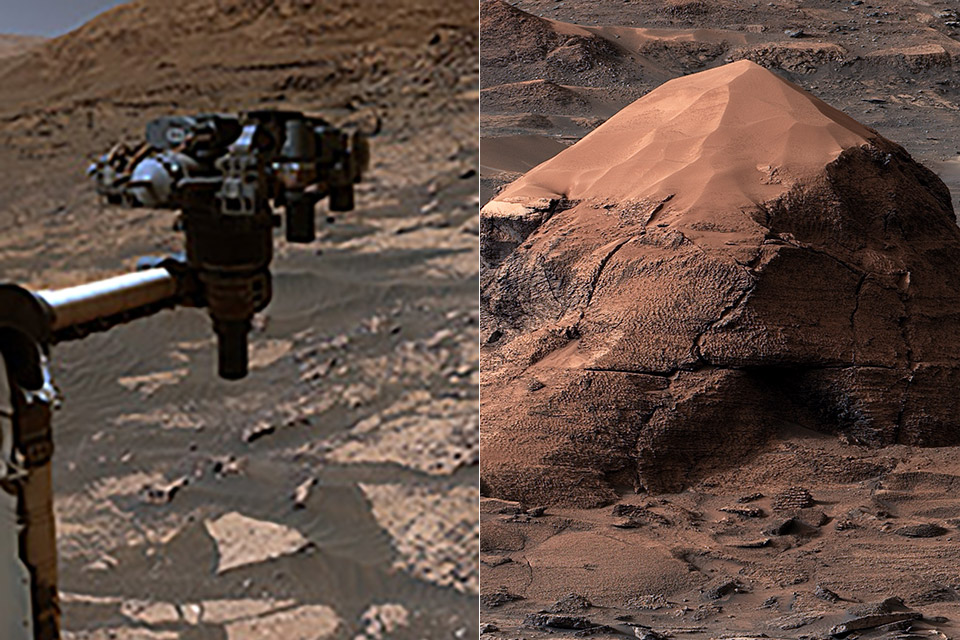
Curiosity has been climbing the broad valley nicknamed Valle Grande for weeks when its cameras locked onto something that stopped the science team cold. On June 11, 2026, the 4,923rd Martian day of the mission, the rover’s Mastcam stitched together eleven frames into a clean panorama of a solitary butte standing roughly 20 feet tall. Mission planners named it Miraflores. A thick layer of dark sand sits on its flat top like a natural crown, while the rock faces below show the slow work of wind and time carving away everything that once surrounded it. That erosion left the butte standing and deepened the valley the rover is now driving through.

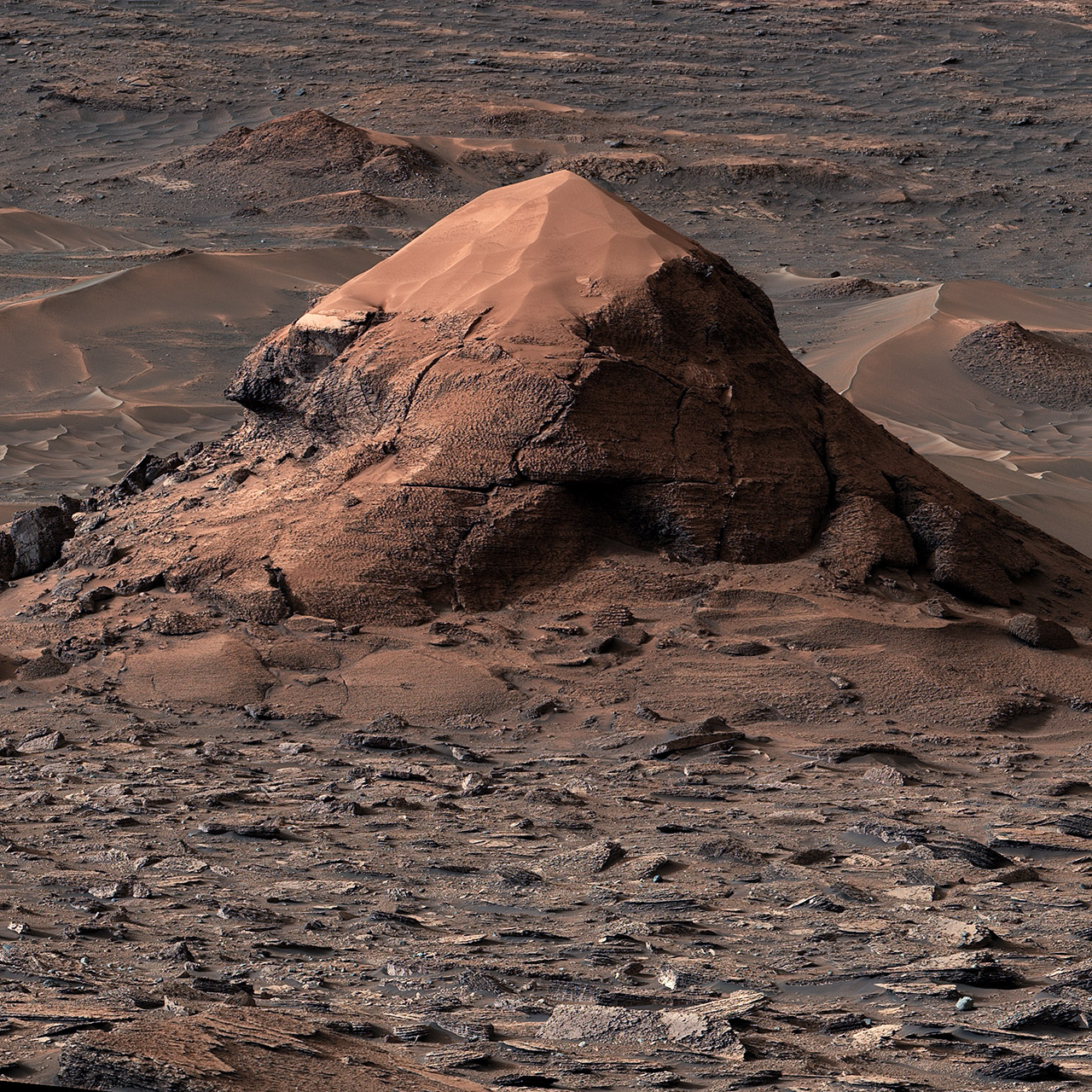
From the ground, the vista feels almost uncomfortably personal, as the slope slopes away in all directions, as if blown away by the wind. Dark sand is drawn into every low spot and gradually works its way up the lower slopes. The distant horizon resembles the stratified landscape we’ve been investigating with Curiosity on the lower part of Mount Sharp for over a decade. The ground immediately surrounding Miraflores catches your attention. A never-ending blanket of small many-sided cracks stretches out in every direction the camera can see, with each polygon measuring little more than 3 inches across. The edges of those tiny fissures rise up to form an extremely tight honeycomb pattern that wraps all the way up the sides of the butte.


LEGO Technic NASA Mars Rover Perseverance Building Toys – STEM Model Kit for Boys & Girls, Ages 10+ Years…
- Feed a passion for science and technology – Kids can learn more about the challenges of space exploration with this LEGO Technic NASA Mars Rover…
- Conduct a test flight – This advanced building kit for kids ages 10 and up includes a buildable toy version of NASA’s Ingenuity helicopter, which…
- AR brings the mission to life – The accompanying augmented reality app experience lets kids dive into the details of the rover and its mission
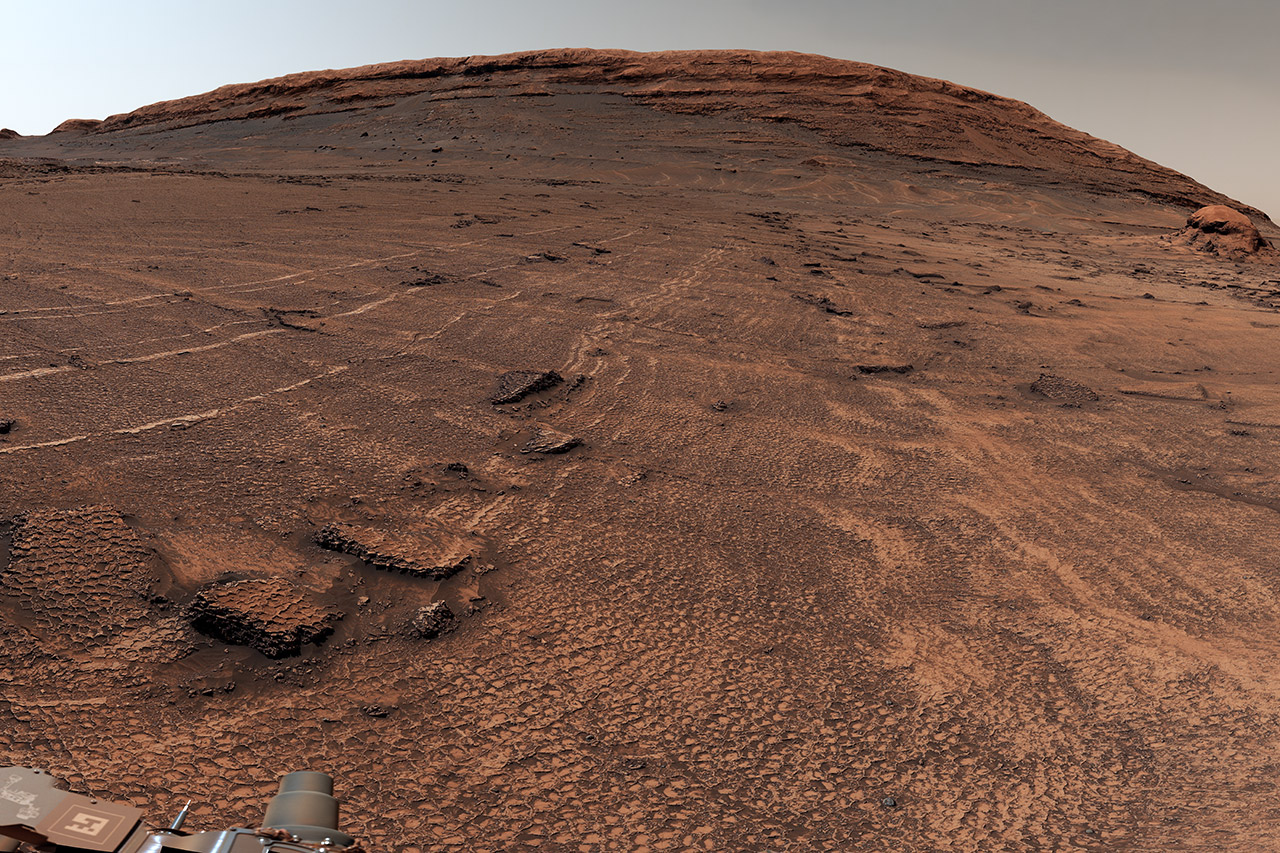
The puzzle of how those shapes developed remains, as when the team first noticed them on the trip, they appeared as mud cracks when the wet sand dried out and shriveled away. Other items, however, can leave behind the same pattern. Repeated heating and cooling might cause the surface to break completely. Alternatively, compression on anything still buried can force the water out of the silt, leaving a network of fissures in its wake. Now, teams on Earth are reviewing the measurements and readings from the rover’s instruments to try to narrow it down even more. Then there are the dark pebbles and cobbles sprinkled around the region, which provide an extra depth of mystery to the mix. Some of them could just be bits of higher-up rock that slid down. Others could be impact debris swept up from the side and tossed here, or perhaps meteorites, given the nickel in a few of the samples.

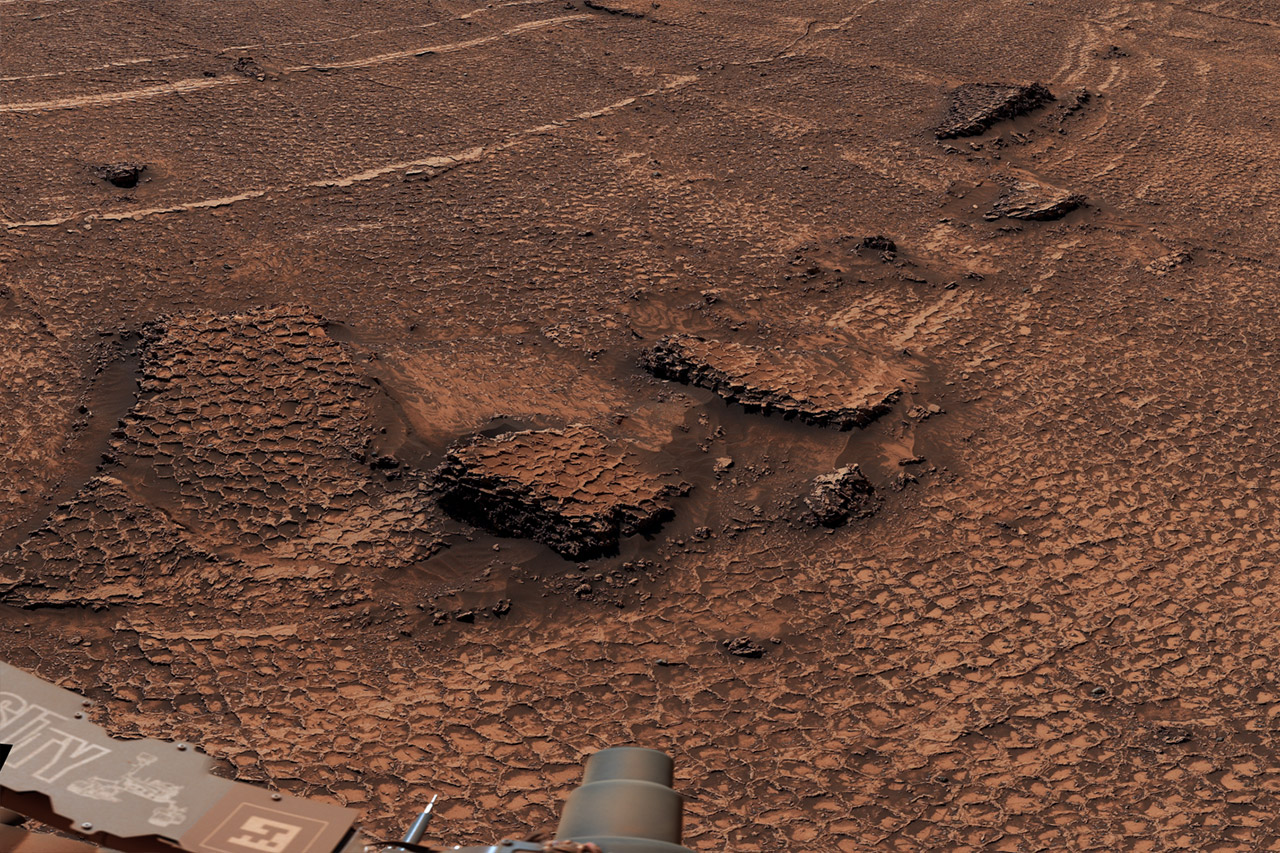
A second, wider 360-degree panorama taken a week later, on sols 4,930 and 4,931, showed the same pattern stretching farther than the rover’s cameras could resolve. Mission scientists had spotted similar geometric shapes in small patches several times before. Never had they found an expanse this large. Project scientist Ashwin Vasavada put the feeling into words: “We’ve seen a lot of fascinating landscapes through Curiosity’s eyes, but this sea of polygons took our breath away. We measured their shapes and chemistry carefully and are hopeful there are clues in the data as to how these features formed.”
You must be logged in to post a comment Login