TL;DR
Modern EVs keep 95 percent of their range after five years, yet US sales fell 28 percent in June as policy and perception lag the technology





Modern EVs keep 95 percent of their range after five years, yet US sales fell 28 percent in June as policy and perception lag the technology
Modern electric vehicles retain an average of 97 percent of their original range after three years and 95 percent after five years, according to a new analysis by EV data company Recurrent. For a 2026 model with a rated range of 325 miles, that means roughly 309 miles would remain after half a decade of driving. A separate Recurrent study found that the battery replacement rate for EVs built from 2022 onward is just three in every thousand vehicles.
A study from vehicle data company Geotab, drawing on more than 22,700 vehicles, reached a similar conclusion, finding an average annual degradation rate of just over two percent. Viet Nguyen-Tien, an EV researcher at the London School of Economics, told The Wall Street Journal that improvements in battery chemistry, thermal regulation, and battery-management systems have made today’s batteries far more durable than those in early-generation models like the Nissan Leaf, which developed a reputation for rapid degradation after its 2010 launch. In a 2026 AAA survey, 56 percent of people who said they were unlikely to buy an EV cited the high cost of repairing or replacing the battery as their top concern.
The data suggests that concern is increasingly unfounded, but it has not translated into sales. Cox Automotive estimates that Americans bought roughly 75,000 new EVs in June, down nearly 28 percent from a year earlier, giving electric vehicles just over five percent of total new-vehicle sales during the month. A Deloitte survey from earlier this year found that only seven percent of Americans want their next car to be electric, and used EV sales told a different story, rising more than 20 percent in June compared with the previous year, according to Cox Automotive.
The sales decline is largely a policy story. The Trump administration allowed the $7,500 federal EV tax credit to expire last September and rolled back emissions regulations, a shift that Ford CEO Jim Farley warned at the time could cut demand for EVs in half. Several automakers have since cancelled or paused EV models in the US market, and while Edmunds reported that rising gas prices had started nudging consumer interest upward earlier this year, the shift was not enough to reverse the broader trend.
The gap between what the technology can do and what consumers believe it can do is now the central obstacle for the American EV market. The batteries work, the replacement rates are negligible, and the used market is growing, but new sales are falling because federal policy removed the price incentive that made EVs competitive with combustion alternatives. Until that changes, the industry is left selling a product that has answered its biggest technical question to a market that either has not heard the answer or no longer has the financial reason to care.
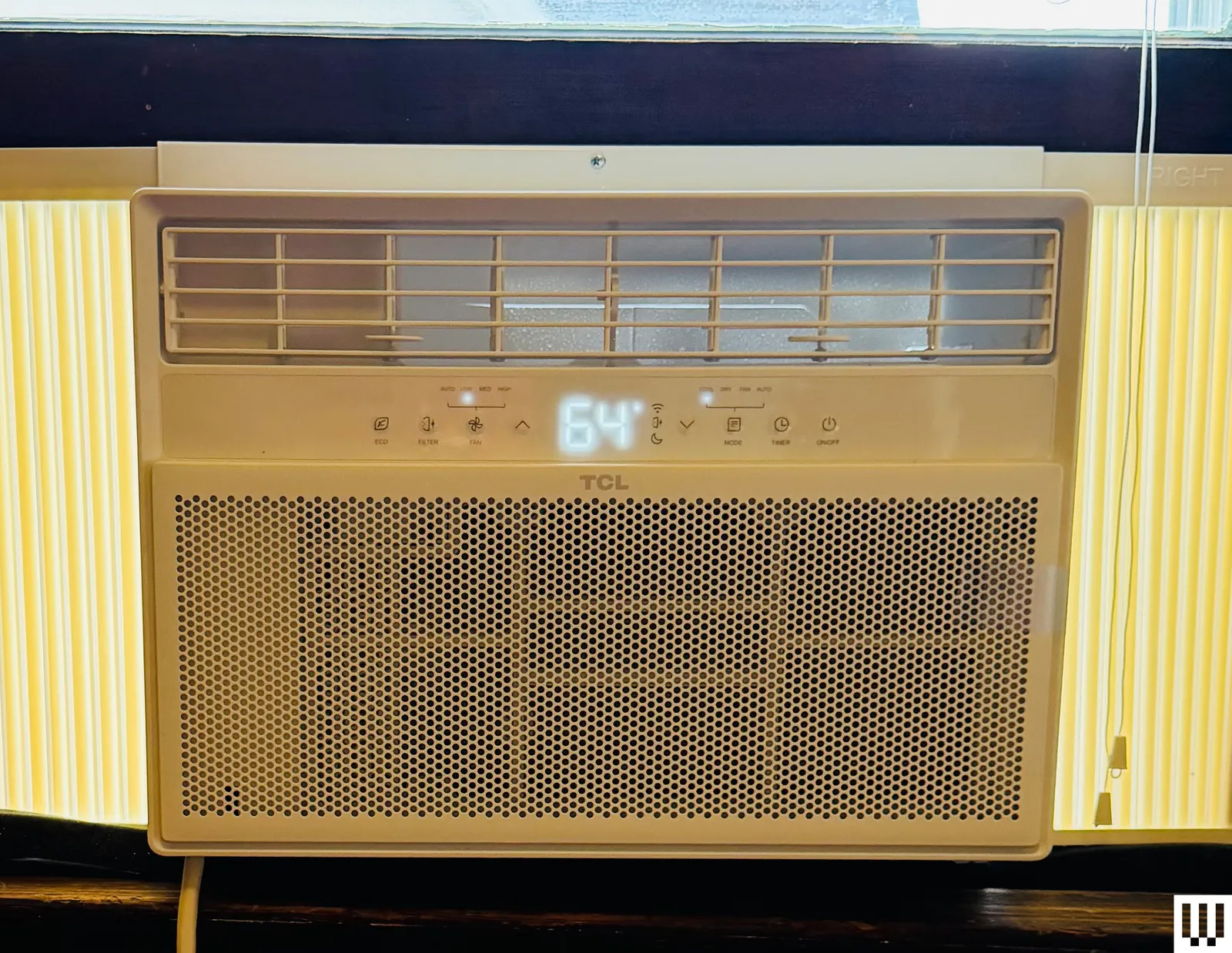

Photograph: Martin Cizmar
TCL Q-Series Air Conditioner (10,000 BTU) for $369: Chinese electronics company TCL has been making air conditioners for only five years, but it is tackling the category the way it did for TVs—that is, by quickly conquering turf with excellent value. I tested the 10,000-BTU version of the Q Series window AC in an 120-square-foot upstairs bedroom that gets very little flow from my home’s central AC. It took three hours to drop the temperature by 10 degrees from a sweltering 78, but as it operated at a fairly quiet 60 decibels, I didn’t mind it. Installation was a breeze thanks to the included frame. The TCL has Matter connectivity, but I was not able to get it to connect to my Apple Home app, apparently a common issue. There is a remote that has all the controls from the unit itself. The thermostat is accurate within one degree, and the unit reliably turns itself on and off to keep the room temperature on its mark. The CEER rating ranks an impressive 15.0, equaling WIRED’s top-pick Midea, and the TCL costs $100 less at the same power output. But while quiet compared well with many other models, this TCL is still louder than the Midea and doesn’t offer the U-shaped device’s superior insulation. Easy install may be a selling point over the U-Shaped model. —Martin Cizmar
Dreo Portable Air Conditioner 740S (10,000 BTU) for $700: Look, I’m loving the new generation of portable air conditioners but not because they’re portable. Fact is, wheels aside, they’re pretty big and heavy, and the thick hoses make them bulky in a room. But they’re easy to install without lifting into a window frame, a real boon for solo residents. And because the only thing that needs mounting in a window is a bracket for the hoses, these ACs can be used on pretty much any window shape—a boon especially for those in older buildings. The Dreo has all these virtues, plus a respectable 12 CEER rating, courtesy of dual hoses and a smart inverter. (In general, avoid portable units without dual hoses, as this can cause a depressurization effect that lowers efficiency.) I’ve been using this portable in the difficult-to-access window in my 150-square-foot office, and its effects are basically instant. The evaporative cooling tech also means I don’t have to drain water. But our top-pick Zafro offers a lower price, and a slightly better CEER efficiency rating at a similar operating noise level of around 60 to 65 decibels on high fan speeds. Still, this is an excellent portable AC unit. If you see a deal, snap it up.
GE AWAS05BBA Window Air Conditioner Unit (5,000 BTU) for $231: This 5,000 BTU unit is less powerful than our favorite budget window air conditioner pick from GE. There’s no app and no remote, and airflow options are limited: You can’t direct air up and down, only left and right. But it’s the cheapest model we recommend, relatively easy to install, and much quieter than you’d expect for the price. It’ll cool a small 150-square-foot space quickly and mostly frictionlessly. But we haven’t tested it as long as for our top budget pick.
LG Window Air Conditioner Unit (12,000 BTU) for $379: The LG 12,000 BTU Smart Window Air Conditioner offers efficient large-room cooling at a surprisingly low price. It weighs 90 pounds and requires professional installation with a bracket. Its 60-decibel operation places it squarely in the middle of the pack on noise. This said, WIRED reviewer Lisa Wood Shapiro found it blends into a room well with its white-on-white design, and that the filter replacement indicator light is useful. The app was laggy and difficult to use during Wood Shapiro’s testing, but there is a remote.
Friedrich Kuhl Air Conditioner for $1,228: This unit from Friedrich is among the most expensive we’ve tested, and one of the heaviest—in part because of a metal chassis designed to provide easy maintenance access and deter first-floor break-ins. This model allows adding a custom Friedrich FreshAire MERV 13 filter to clean the air as it cools. The screen is easy to read, and the device comes with a remote. An app lets you schedule the unit’s use over the course of the week, but note that connection with the smart app was a little janky, and it paired only with 2.4 GHz signals.
EcoFlow Wave 2 for $1,299 (but usually on sale for much less): Wood Shapiro tested the newest model, but previous models of the EcoFlow are often available at steep discounts. After happily testing the EcoFlow Wave 1 for more than a year in his wife’s office, WIRED senior editor Julian Chokkattu far preferred the EcoFlow Wave 2 (8/10, WIRED Recommends) because it’s both lighter and more cost-friendly, with a higher 5,100 BTU rating (up from 4,000). A heating mode rated at 6,100 BTU means you can keep using it in the winter to warm up. The company says it’s best for rooms up to 107 square feet. You do need to place it near a window to have one of the included ducts connected to the vent to take hot exhaust from the back of the unit out of the room. What makes this unit versatile is its alternate power sources. You can use a standard AC outlet, but you can also buy an add-on battery to keep it working when you don’t have access to electricity, or hook it up to solar panels.
Zero Breeze Mark II for $999: With its 2,300 BTU, the Zero Breeze (7/10, WIRED Review) won’t have the same cooling power as the EcoFlow Wave, but it’s much lighter at 17 pounds. This bundle includes a battery that makes the whole thing weigh about 30 pounds, but you’ll get four hours of use without needing to be near a wall outlet. Like the EcoFlow, you get a few vent pipes to direct exhaust away and direct cool air to a specific area, but unlike the EcoFlow, you can’t charge the battery and use the AC at the same time.
Zero Breeze Mark III for $1,399: As WIRED reviewer Chris Null notes, the Mark III (7/10, WIRED Review) is both larger than the Mark II and quite a bit heavier, now at 22 pounds. Add on the 1,022-Wh battery pack and you’ll pack on another 14 pounds, though that frees you from having to be near a power outlet. New for the Mark III is the fact that batteries can now be stacked and charged in sequence, each daisy-chained to the next (though at $600+ per battery, this can get pricey fast). Each Mark III battery also has extra outputs that can be used for other devices—one USB-C port, one USB-A port, and a 12-volt DC socket. However, the Mark II battery had all of the above plus a second USB-A port. No word on why this was removed. However, the new version is a bigger, punchier unit by most standards and a worthwhile buy for outdoors enthusiasts
What Size Air Conditioner Do I Need?
Look for the BTU, or British thermal unit. In the case of air conditioners, the number of BTUs per hour measures how much heat the compressor can remove from a room. It’s a quick and easy way to figure out whether an AC unit is powerful enough to cool your space.
The BTU rating also helps you avoid using a too-powerful unit, which will cool too quickly without dehumidifying, and possibly lead to mold formation in the room and within the device.
To find the right power air conditioner for your room, you’ll want to find the square footage of your room by multiplying its length and its width. The US Department of Energy’s guidelines call for a minimum of 20 BTUs for every square foot of space. But this figure also assumes optimal conditions and good efficiency. For a 150-square-foot room, more typical recommendations are to opt for a 5,000 BTU AC unit. If the room is especially sunny, high-ceilinged, or has poor insulation, you may even want a 6,000 to 7,000 BTU unit for that space.
When in doubt, your best bet is to use a BTU calculator. For a truly precise estimate, here’s a complex whole-house BTU calculator that takes into account building layout and construction, plus your location and climate. For a fast and dirty rule-of-thumb BTU calculator, try here.
Check the combined energy-efficiency ratio (CEER) rating. The specs on any air conditioner you buy should list a CEER rating, which is one of the best ways of checking the energy efficiency of a unit. You’ll usually see a number between 9 and 15. The higher the number, the less you’ll pay when the electricity bill comes around. A cheap window AC unit will save you money at first, but you may end up shelling out more in the long run. The US Energy Star program has a website that lets you browse AC units based on their CEER ratings.
Check local laws. Some cities, like New York, require installing brackets to support your window AC. A simple one like this model should do the trick, though we haven’t tried it out. You may also need to head to a hardware store for some plywood to make sure your windowsill sits flat, but this depends on the type of windows you have and the AC model you buy. Get a friend to help you out with installation. These units can be heavy and difficult to hold, and the last thing you want is to drop one out the window.
Measure your window. Before you buy, read up on the supported window types and sizes for the AC unit you’re looking at, and measure your window to be safe. Make sure to seal any gaps as best you can with the included foam. (You can always buy more if you need it.)
Power up with unlimited access to WIRED. Get best-in-class reporting that’s too important to ignore. Includes unlimited digital access and exclusive subscriber-only content. Subscribe today.


A company spokesperson said that it’s “still exploring all our options for the best approach.”
If you’re an owner of any of Meta’s AI glasses, you should take advantage of the Conversation Focus feature while you can. As first reported by The Verge, Meta is pausing its rate limits for the accessibility feature that uses the glasses’ speakers to amplify the voice of who you’re talking to. Meta spokesperson Tyler Yee told The Verge, “we heard the feedback so we’re pausing its subscription tests for now,” adding that “Conversation Focus will remain available for free through our Early Access Program for early testers while we work on a better approach.”
Last month, Meta discreetly added rate limits to its Conversation Focus feature for its smart glasses. The feature would be free to use until you surpassed three hours a month, after which you would have to pay for a $20-a-month Meta One Premium Plan, which still had a cap of 15 hours of use per month. It’s still unclear why Meta added rate limits to the Conversation Focus feature, since it was proven by The Verge to run on device and without an Internet connection.
While Meta made the choice to keep the Conversation Focus feature free for now, there’s no clarity on its future yet. According to Yee, Meta wants “to make sure we get it right” when talking about the feature, and that the company is “still exploring all our options for the best approach.” Even more vague, the Meta spokesperson told The Verge that “some premium features will be subscription-based over time,” attributing this to how charging for certain features helps Meta sustain its strategy of subsidizing hardware prices.
DreamScapes A/V didn’t arrive at Southwest Audio Fest 2026 with a soundbar, a folding table and a bowl of mints. They showcased a 32,000-watt, 11.8.6 home theater featuring Alcons Audio CRMSQ Series with eight infrasonic subwoofers, Trinnov audio processing, Kaleidescape movie playback, Lumagen video processing, Christie 4MK15 projector and 150-inch Stewart Filmscreen G3 2:05:1 screen. The system is one of two immersive theaters and five two channel hi-fi systems being demonstrated by DreamScapes during the three day show.
That 32,000-watt figure comes from DreamScapes and has not been independently measured by eCoustics. Even so, eight infrasonic subwoofers should provide sufficient evidence that someone checked the hotel’s insurance policy.
The main DreamScapes theater took over the Press Club, adjacent to event registration. DreamScapes says the installation improved upon the theater it created with Keith Yates Design at Capital Audiofest 2025, adding a larger room, more loudspeaker channels and further software updates.

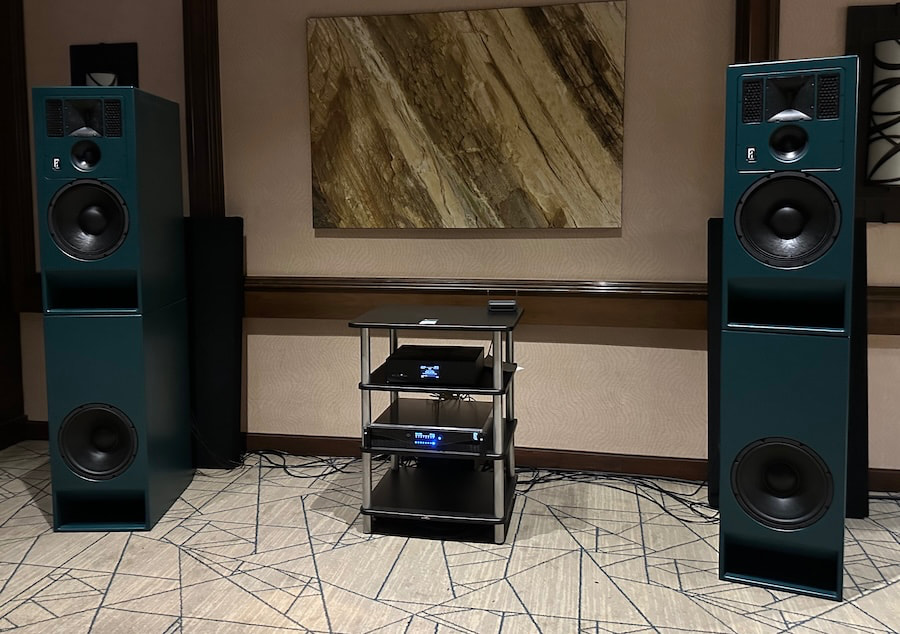
DreamScapes also demonstrated Alcons MR12 monitors with MB12 bass units for two channel listening to reveal how proprietary Pro Ribbon transducers from the company’s cinema and professional monitoring products could sound in your home. The complete system only included two more components. The Grimm Audio MU2 for streaming, digital conversion, and preamplifier duties, which fed the external Alcons ALC amplified loudspeaker controller that power and actively crossover the MR12 monitors and MB12 bass modules.
The second DreamScapes theater featured a less expensive Theory Audio Design 9.2.4 system in Room 1043. It combined Theory loudspeakers, subwoofers and controllers with Kaleidescape Strato V playback, Trinnov AltitudeCI processing, Lumagen video processing, Epson QL7000 projector and a 135-inch Stewart Filmscreen Harmony G3 acoustically transparent screen.
Having installed and reviewed a Theory Audio Design system, I know the company’s loudspeakers can deliver considerable output, dialogue intelligibility and dynamic impact without becoming aggressive. Theory’s new DLC and PLC loudspeaker controllers also add Dante and AES67 networking, DSP and substantially greater channel capacity.
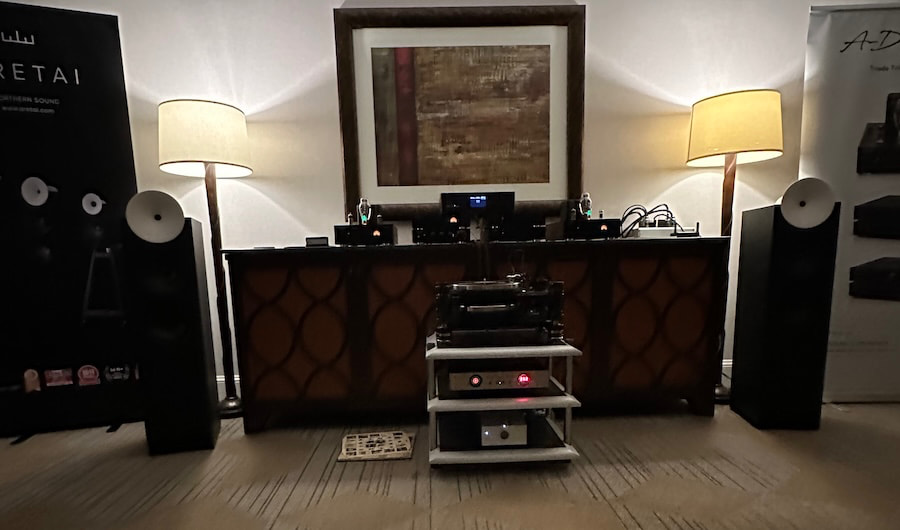
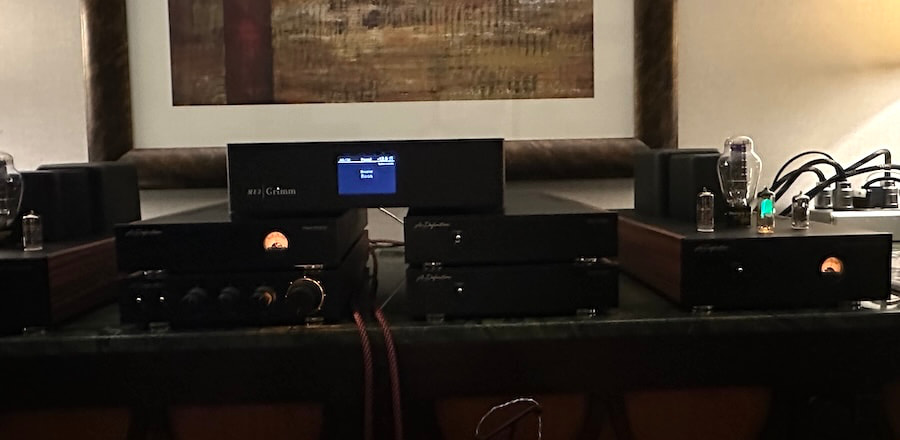
The 10th Floor Presidential Suite featured five additional two channel systems, including Aretai loudspeakers, Benchmark Electronics, A-Definition tube electronics, Kronos analog components, the Mola Mola Lupe phono stage and active loudspeakers from Norway’s Sigberg Audio.
The Sigberg Audio Manta, Saranna and 10D are covered separately because their active architecture and controlled directivity deserve more than a brief mention beneath 32,000 watts of home theater mayhem.
Southwest Audio Fest is primarily associated with two channel audio, but the DreamScapes rooms demonstrate why properly designed home theater belongs at events like this.
The Alcons installation combines a large channel count, eight infrasonic subwoofers, sophisticated audio and video processing and professional cinema technology inside a hotel demonstration room. The separate Theory Audio Design theater provides a second look at what an integrated immersive system can achieve without requiring a commercial auditorium.
Will either system fit inside the average living room? Probably not.
That is hardly the point. The best audio show systems should demonstrate what is possible when engineering, installation expertise and budget are permitted to operate without much adult supervision.
All components are currently available from DreamScapes A/V, but we haven’t been able to verify all pricing. Once provided, this article will be updated.
For more information: dreamscapesav.com

Big news from Comic-Con 2026:
But several geek favorites are being filmed as TV series…
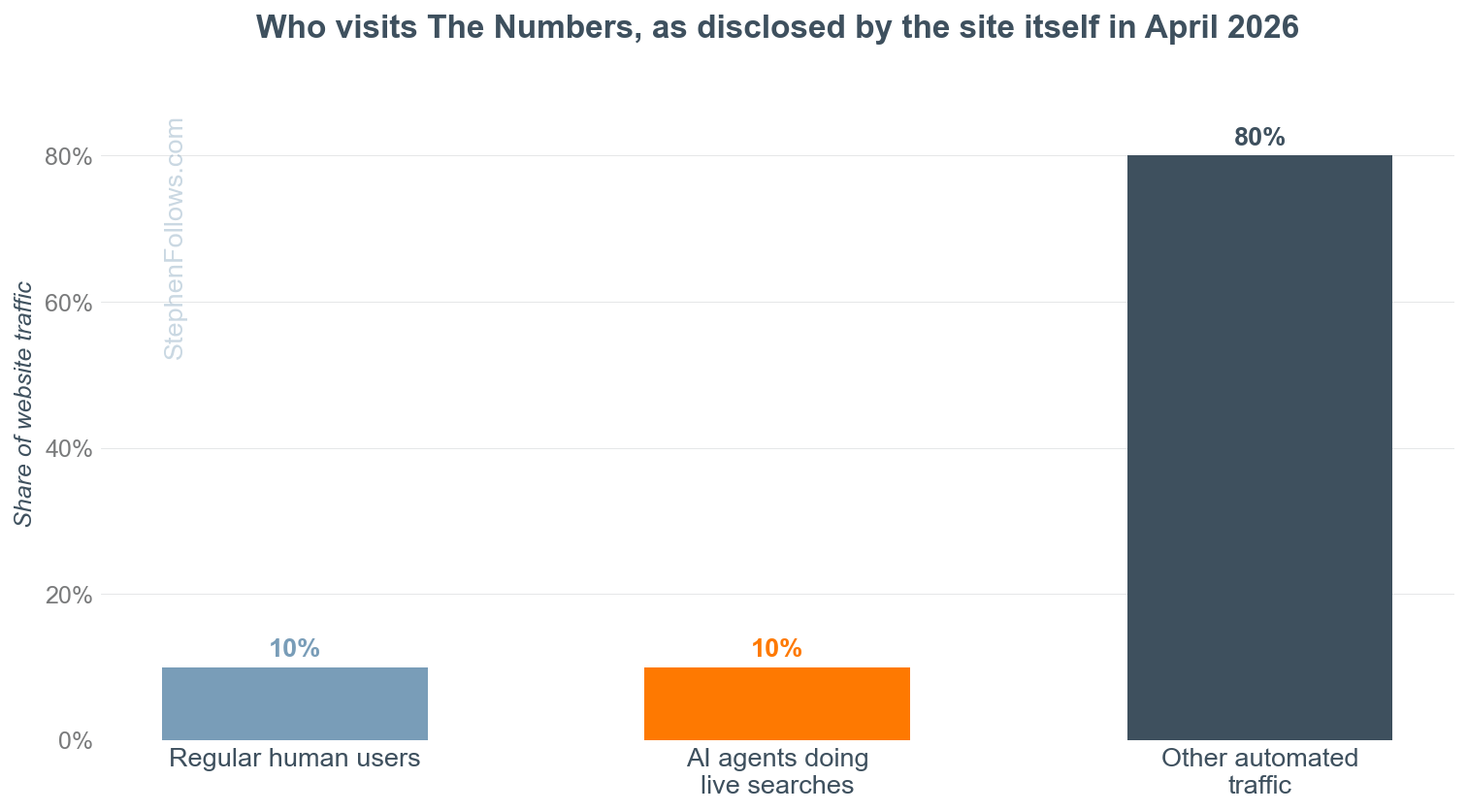
A lot has been made about the increase of automated traffic on the Internet, with the past years LLM-related crawlers having quite literally swarmed the picture here. Not only does this drive up traffic, it also increases load on web servers, whose owners find themselves faced with increased hosting costs. This recently led to The-Numbers.com going offline for a while as automated traffic was quite literally destroying their bottom line.
This saga is covered by [Stephen Follows], who had a chance to talk with the founder and CEO of the site, [Bruce Nash], after the site went basically offline for a few months. Since the website both licenses data for commercial purposes as well as offering the free access on its website, there were accusations of this being a ‘rug pull’.
The site was started in 1997, as a static HTML site on Geocities where [Bruce] provided box office analyses for investment purposes. Since that beginning traffic was generally polite, with human visitors and usually well-behaved search engine crawlers. Then around 2024 the first wave of scraper bots arrived, followed by a larger wave around December of 2025.
Despite implementing a few mitigations, such as LLM-targeted text, the increased traffic and the resulting load on a site architecture that was never designed for this ultimately led to a collapse. One of the major sources of traffic turned out to be from so-called ‘prediction markets’, like Polymarket, whose bots absolutely hammered the site.
Fortunately for [Bruce] and his team they do not rely on the free website for income, but they have had to massively rework the site’s architecture to bring back a semblance of the original features. As noted in the article, the amount of crawling traffic by these LLMs and ‘agentic AI’ tools is logarithmically more than that for search engines, which makes this a major challenge.
Issues like these is why services such as Cloudflare are offering blocking features for such automated traffic. After all, unless such traffic is of use to you, you may as well treat it like a DDoS attack and cut it off at the root.
Thanks to [Ben] for the tip.
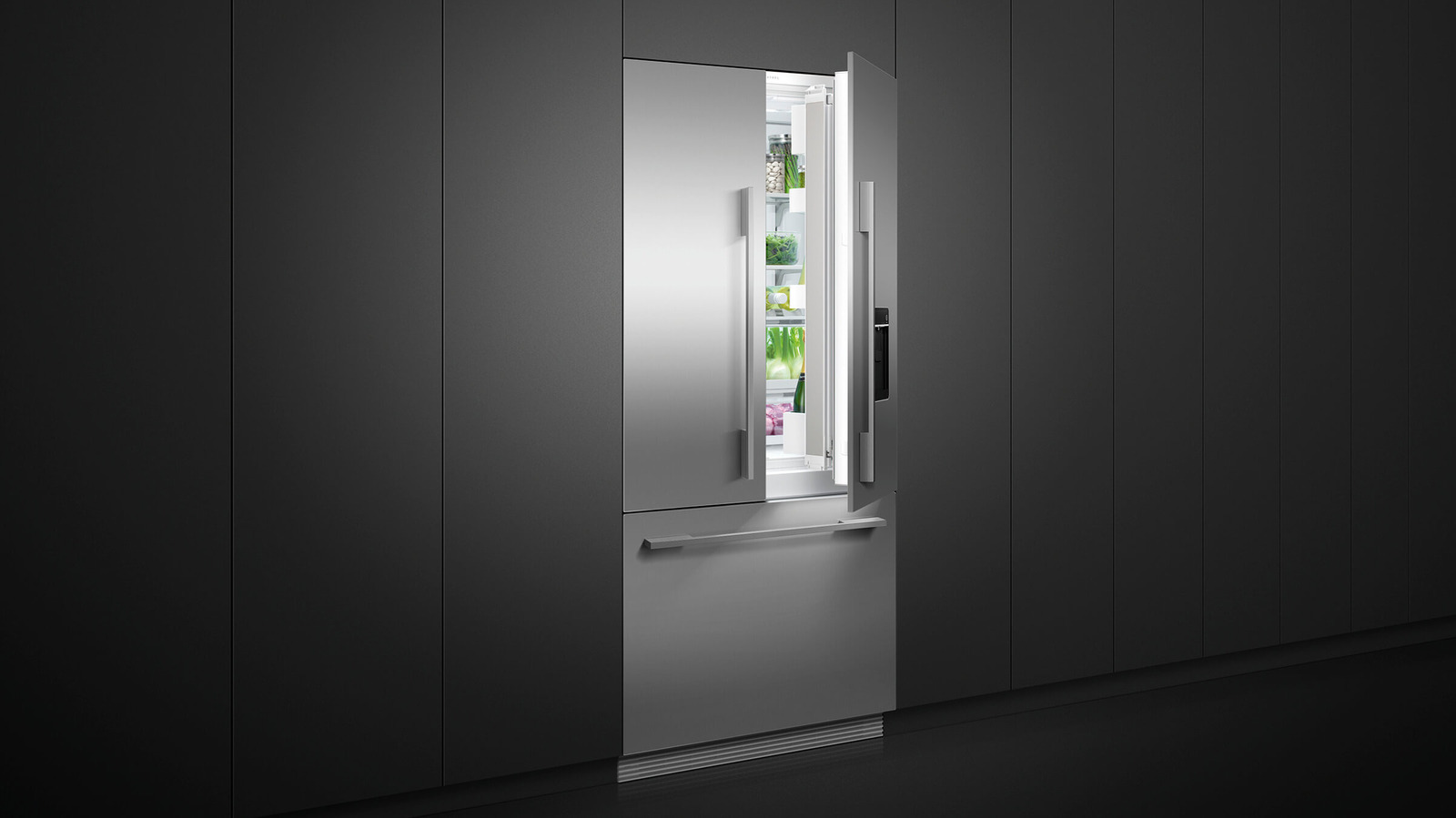
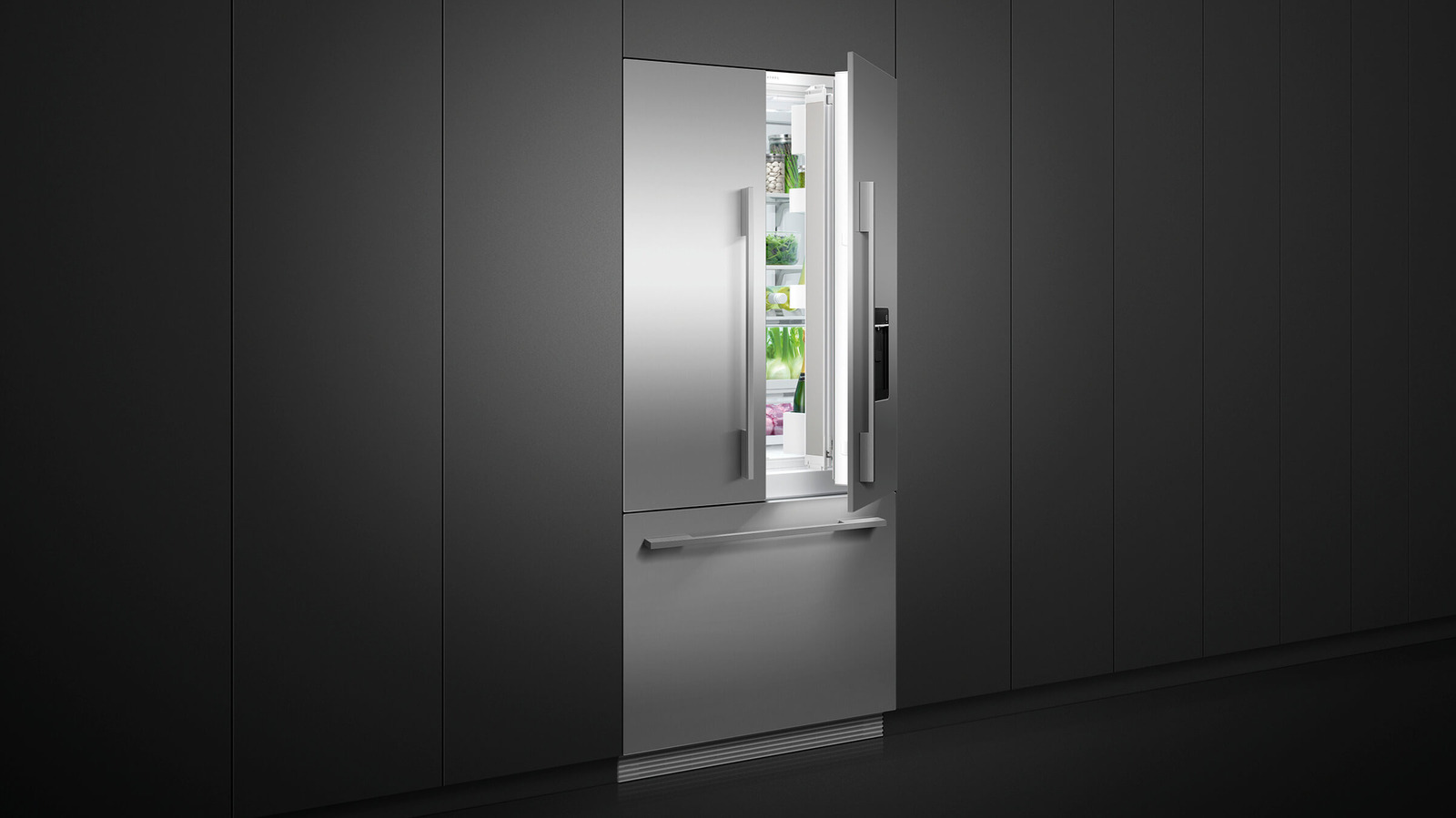
When an appliance like a refrigerator breaks, the first thing to decide is whether it’s more cost effective to repair or replace it. Decide to get a new one and you’ll need to navigate the crowded domestic appliance market, which currently hosts a bevy of different manufacturers both familiar and new. One brand you might come across is Fisher & Paykel, which is one of the more historic names in the market.
The company was founded back in 1934 in New Zealand, when Maurice Paykel and Woolf Fisher first decided to import appliances like refrigerators to their homeland. They later began manufacturing their own appliances after the country’s government banned imports, first building them under license before eventually creating their own designs.
After decades as an independent company, Fisher & Paykel was acquired by Haier Group in 2012. Haier was founded in Qingdao, China, in 1984, and remains headquartered there today. It also owns the GE Appliance brand in the U.S., alongside a portfolio of other brands including Candy, Casarte, and Leader. As well as being owned by a Chinese company, some of Fisher & Paykel’s appliances are also made in China. It has additional manufacturing facilities in Italy, Mexico, and Thailand.
In the U.S., Fisher & Paykel offers a range of different refrigerators catered towards the upper end of the market. As well as the typical selection of column refrigerators, French door refrigerators, and bottom freezer fridges, the company also sells wine refrigerators and other specialist undercounter appliances.
Within its lineup are a selection of smart refrigerators, although the features offered generally aren’t anything that makes its products stand out from those sold by other major smart fridge brands. Instead, where Fisher & Paykel shines is in the durability of its high-end refrigerators — in fact, some studies have crowned it the most reliable refrigerator brand on the market.
None of its products are cheap, with its basic refrigerators starting from just over $2,000 and larger, smarter models quickly increasing in price from there. For its Red Dot award-winning 36-inch Series 11 fridge-freezer, buyers can expect to pay at least $11,499. For their money, they’ll receive features like a variable temperature drawer which can be adjusted to better suit a wide variety of fresh foods, a steel-lined interior compartment, and a slimline water dispenser.
When looking at motorcycle engines, one of the first things to note is the engine’s displacement, as this usually has a strong correlation with the bike’s overall weight and power output. But that isn’t the only factor worth considering. It’s also worth taking a look at the number and orientation of the engine’s pistons.
Most of the motorcycles being made these days use either a parallel-twin or an inline triple-cylinder engine. These are affordable to manufacture and offer a unique blend of power and efficiency. Then there are the inline-four motorcycle engines, which are also sometimes called ‘screamers.’ These became very popular starting in the late ’60s, with that popularity seeming to peak in the mid-2010s. It’s only recently that these have started to slow down in production, and we have begun seeing fewer and fewer of them coming out each year. Many riders still consider these bikes highly desirable for their high-RPM power, smooth balance, and racetrack competence, but there’s no denying they’re slowly slipping out of vogue.
There are a few reasons why you’re seeing fewer inline-four engines coming out than before, and it isn’t just because they’re more expensive to make. There are several other disadvantages that might make them less appealing to the rider. You can still find a fair few affordable inline-4 motorcycles being made even now, but you might want to stop and consider the drawbacks before seeking one out.
Most of the arguments in favor of the inline-four engine model primarily cite performance. The bikes that use them are known for delivering a large amount of power smoothly during acceleration, pushing the bike harder at higher speeds. That said, performance isn’t exactly a zero-sum game. While it’s true that inline-four engines are well known for their ability to output incredible amounts of horsepower at high RPMs (which is one of the reasons they are still so popular at the racetrack), this comes at a slight cost.
Inline-fours produce slightly less low-to-mid-range torque than some other engine types. This means riders often discover that they have a little less get-up-and-go when accelerating from a stop than if they were riding a bike with something like a parallel twin in its chassis. This makes them less than ideal for a daily driver, especially for those living in cities with plenty of traffic lights.
So, what qualifies as performance can vary depending on the type of bike and how it’s being ridden. An ultra-lightweight sport bike might have no trouble getting up to speed using an inline-four, while a heavy cruiser might struggle. Likewise, those who primarily ride in urban areas might prefer a bit more low-end torque, while those who prefer to push the red line at the track might prefer something with more power at higher speeds. This makes the inline-four a less practical choice for those seeking a commuter who aren’t looking to get any speeding tickets on the highway.
Motorcycles that use inline-four engines are exceptionally well balanced. This is because the pistons move in pairs along a single plane, so there’s always one in the up position and one in the down position on each side, creating a smooth counterbalance. That said, they aren’t exactly petite.
It’s true that the pistons themselves are generally smaller in an inline-four than they are in a two- or three-cylinder motorcycle, but there are more of them, which means that they still end up having more parts and taking up more space overall. That means the casing has to be bigger, which means more metal, which means more weight. That alone can cause a ripple of other issues, such as lowering fuel efficiency and making the bikes feel a little more intimidating to smaller or less confident riders who want something light.
What’s more, the vast majority of modern inline-four engines are mounted transversely. As a result, the straight row of four cylinders is mounted perpendicular to the bike’s frame, not parallel. This effectively makes the engine wider, with each side protruding farther from the centerline than you might get in a two- or three-cylinder engine. That, in turn, means the bike needs a wider frame to accommodate it. This is another factor that might be detrimental to smaller riders, as it can be difficult for them to comfortably place their feet flat on the ground when stopped if they need to straddle a significantly wider seat.
Inline-four engines are complex machines that are meticulously engineered for smooth acceleration and raw horsepower. Four smaller pistons being attached to the crankshaft in a row create a constant state of balance within each revolution as the bike is consistently receiving power. This is how these engines can accelerate with minimal thumping, and it’s also why they produce that signature screaming exhaust sound. Getting this to work properly requires that all four cylinders be perfectly balanced to prevent them from ever falling out of sync, but that complexity comes at a cost.
We’ve already mentioned that inline-four engines are being used less because they are more expensive to manufacture than parallel twins and some other design styles, but it isn’t actually the manufacturers who swallow that cost. The 2026 Kawasaki Ninja 650, for instance, has a 649cc parallel-twin engine and retails for $7,599. Compare that to the 2026 Honda CBR650R, which runs on a 649cc inline-four. Both are Japanese sport bikes with the same displacement as well as comparable designs and features, but the Honda starts at $9,199. Then take a look at the supersports. The 2026 Kawasaki Ninja ZX6R has a 636cc inline-four engine and retails for $11,599. But despite having a lower displacement, it costs more than the $9,399 2026 Yamaha YZF-R7, which runs on a 689cc parallel-twin. Perhaps one of the most extreme examples might be within Kawasaki’s own line. The 2026 Ninja 500 has a 451cc parallel-twin and starts at $5,799 for the ABS model. The 2026 Ninja ZX-4RR has a 399cc inline-four cylinder engine and costs $9,999.
While we’ve discussed the fact that manufacturing costs drive up the prices of the bikes that run on inline-fours, you also might find that you’re spending a lot more at the mechanic than you were on your last motorcycle. The very intricacy of the inline-four’s design that makes it such a powerhouse can also drive up maintenance costs.
Part of this is simple math. More cylinders mean more parts that require maintenance (twice as many valves), so your mechanic will need to spend twice as long checking the cylinders simply because there are twice as many. This also means more expendable parts like spark plugs and gaskets, but this is only a small part of it. The bigger issue is the effort required to get inside the engine. The inline-four sitting horizontally across the motorcycle’s frame means that it isn’t easy to access from the outside. Mechanics will often need to remove the fairings and tank from the bike just to get to it, which can drive up labor costs quite a bit.
Then there’s the additional complexities of the design. A routine valve adjustment, for instance, might cost between $300 and $600 for an inline-four engine, which usually requires a shim-under-bucket style valve adjustment. That would only run you between $150 and $400 on a V-twin that uses a screw and locknut valve adjustment system. Some of them even use a hydraulic lift valve adjustment system that is self-adjusting and doesn’t need to be serviced at all unless it breaks.
Fuel efficiency wasn’t as big of a consideration for a lot of riders back in the inline-four’s heyday, but it’s definitely become a major factor in how people choose their motorcycles now. Unfortunately, inline-fours sacrifice a fair amount of fuel efficiency in favor of high-RPM power. This might not be that big a deal for the kinds of riders who only use their motorcycles at the track, but it’s definitely something to think about if you’re planning on riding one of these bikes for your daily commute.
Take a look at some of the most fuel-efficient motorcycles on the market, and you’ll quickly find that all of them, except of course for the electric and hybrid models, are powered by one- or two-cylinder engines. Of course, fuel efficiency can be affected by other factors, such as overall weight, gearbox type, chain drive, throttle control, tire pressure, modifications, cargo, and the rider’s weight. There are a few examples of inline-four bikes that are more fuel efficient than you might think, like the Kawasaki Z900, which can get up to 49 MPG. As a rule, however, inline-four bikes are consistently less fuel-efficient than most other engine types and often get city miles closer to those of an SUV than an economy vehicle. Even Honda, which is exceptionally well known for efficiency, can only offer about 40 MPG on its inline-four CBR600RR, while its parallel-twin CBR500R boasts over 65 MPG. Even the larger parallel-twin Kawasaki Ninja 650 is able to hit over 51 MPG.
Inline-four engines are immensely popular, and they certainly have a lot of great things going for them. However, there are certain weaknesses that riders who are thinking about getting one should be aware of. There is a wide variety of inline-four engines that have been released over the years, and they are attached to an even wider variety of motorcycles. As such, it is difficult to make any universal claims about design or performance that won’t be disproven by at least one exception. That said, there are certain general rules of thumb that one can apply to the vast majority of them when looking at these weaknesses.
By taking a look at several different professional reviews, motorcycle forums, mechanic forums, and the raw stats of many of the inline-four motorcycles that are on the market today, we have rooted out five key weaknesses that appear to apply to most of them. Once we had our list of weaknesses, we sought to corroborate these claims by verifying them against specs, price comparisons, and reports from trusted sources. We then explained these weaknesses, breaking down why they are tied to the design and how they can serve as a detriment to the rider. In this way, we hope to arm prospective buyers with as much information as possible when weighing the pros and cons of a purchase.

Marvel capped off Saturday evening’s Hall H presentations at San Diego Comic-Con, giving audiences a small taste of what’s next on the menu. And we mean small. Kevin Feige and cast members teased out some movies (no TV shows, today), and we’re breaking it down for you here.
Footage from Avengers: Doomsday was shown, with Doom commanding sentinels and a history lesson on the dynamic between the Fantastic Four and the doctor. But there were only two other major announcements, and nothing for X-Men, and no chart outlining Phase 6 or Phase 7.
Johnny Blaze is making his MCU debut with Ryan Gosling in the role, which has been rumored for some time among Marvel’s fandom. Shawn Levy will be directing the new movie for the MCU after his successful run with Deadpool & Wolverine. Could this eventually segue into Midnight Sons? Fingers crossed, my friends.
Hayley Atwell is now officially confirmed to be in Avengers: Doomsday as Agent Peggy Carter, who was first introduced in the MCU in Captain America: The First Avenger. She was in Hall H during Marvel’s presentation for the film.
Feige pretended to exit the stage for the night but then walked back out with one more update: Black Panther 3 will arrive in Dec. 2028. Actor David Jonsson will play T’Challa Jr. in the film, which is directed by Ryan Coogler. Jonsson is best known for roles as Andy in Alien: Romulus, Peter in The Long Walk and as Gus Sackey in Industry.


Warner Bros. Discovery filed a lawsuit this week accusing Amazon of interference with contractual relations, breach of contract, and unfair competition.
As reported by Deadline, the lawsuit alleges Amazon has been “hurriedly seeking to pirate away a number of contracted employees,” including Pia Barlow, an HBO Max marketing executive who recently joined Amazon MGM Studios. Warner Bros. (whose pending acquisition by Paramount has been paused for at least a few months) said Barlow’s employment contract was “not set to expire until October 31, 2027.”
“In blatant disregard of established California law, Amazon has gone rogue by attempting to induce Plaintiffs’ employees with term employment agreements to breach those agreements with impunity, backed up with the ready assurance that Amazon will defend and indemnify them should they be held to account for their blatantly unlawful acts,” Warner Bros. said.
The company also accused Amazon of seeking to “tortiously induce another WBD employee to breach their term employment agreement, which was not set to expire until December 2027,” although that executive (believed to be HBO programming executive Francesca Orsi) ultimately stayed at Warner Bros.
Deadline noted that this lawsuit is likely to renew debates about whether term employment agreements are actually enforceable under California law.
Amazon MGM Studios declined to comment.

Both 13-inch and 15-inch MacBook Air laptops are on sale at B&H this week, with new markdowns slashing up to $200 off a variety of configurations and color options.
Each of the triple-digit MacBook Air discounts highlighted below also includes free 2-day shipping within the contiguous U.S. so you can begin using your new laptop right away.
Save up to $200 on M5 MacBook Airs
The models range from the 13-inch spec with 16GB of memory and 512GB of storage to an upgraded 15-inch config with 24GB of RAM and a 1TB SSD. You can also compare prices in our 13-inch M5 MacBook Air Price Guide and 15-inch MacBook Air Price Guide.
Our roundup of the best MacBook Air deals is also home to discounts across new and closeout models.




Weekend Open Thread: Brooks Brothers


Democrats look to World Cup watch parties to register thousands of voters


Big Money Is Entering XRP


Sail Virtually Aboard The “Itanic” With IA-64 Emulator

Turtle Beach Command Series KB7 review: a nifty screen-equipped gaming keyboard


Grayscale Files For Worldcoin ETF, WLD Registers Sharp Rise


Unregistered fitter used Gas Safe logo on business flyers

New Jersey voter registration controversy explained: How 6,600 noncitizens got on the rolls, and what happens next

Johnny Depp’s R-Rated Gothic Cult Classic Gets New Release Ahead of Sydney Sweeney Remake


Ethics, other provisions in crypto Clarity Act to be further discussed


Watch Flock Safety CEO Garrett Langley discuss the future of surveillance at TechCrunch Disrupt 2026

Shanghai science forum photos show China’s AI and robotics advances in rivalry with US


Circle’s President Sold Over 360,000 Shares, The Filings Explain Why


Subway Sandwich Computers Get a Second Life as Gaming Machines


2026 3M Open leaderboard: Scottie Scheffler finds putter in Round 1, sits three back


The Peugeot Family: How 200 Years of an “Old Money” Dynasty Died in A Boardroom


16 Dresses for the High Summer Event


How To Use Claude’s Reflect Dashboard And Learn When It’s Time To Touch Grass


The 35 Best Board Games for Family Game Night


Stephen Colbert Returns to Social Media After Late Show End



You must be logged in to post a comment Login