Tech
New Laws Change The Rules For California EV Chargers


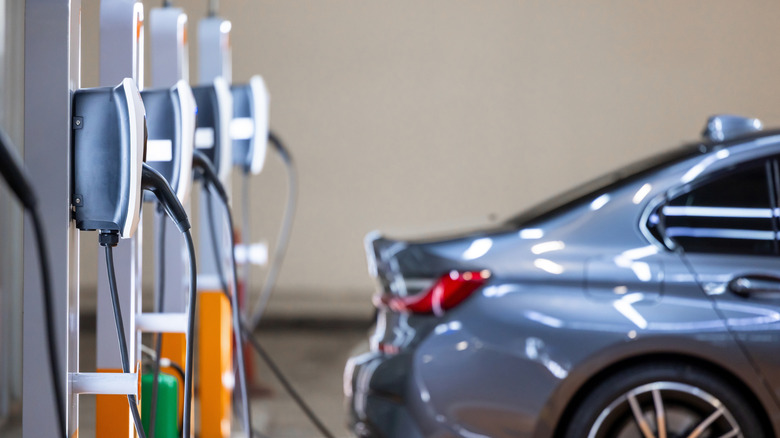
If you live in a state that doesn’t have that many EV chargers, then you may have a hard time recharging your vehicle on long trips. But you might have more of an advantage if you live in California, especially after Governor Gavin Newsom’s September 20 legislation signing that will change some of the rules regarding EV charger installation and availability.
SB 969 changes the inspection process for certain public chargers that have already been tested by their manufacturers. This could potentially allow those chargers to start operating sooner instead of having to wait on an outdated inspection step. Additionally, SB 1283 makes the state’s streamlined permitting process apply to work that goes along with a charger station. This includes digging trenches, upgrading electrical equipment, and adding battery storage. By simplifying these parts of the installation process, California could make it easier for more charging projects to get moving.
The new laws also make it easier to install chargers where people live, especially in apartments and developments that combine housing with stores or other businesses. AB 1820 reduces permitting obstacles and fees for these charging projects, which could make it easier for residents without a private garage or driveway to access a charger at home. The new legislation also includes SB 1267, which addresses EV charging access for people living in homeowners associations, while SB 615 provides consumers with clearer battery information when shopping for an EV.
What led to California’s new EV charger laws
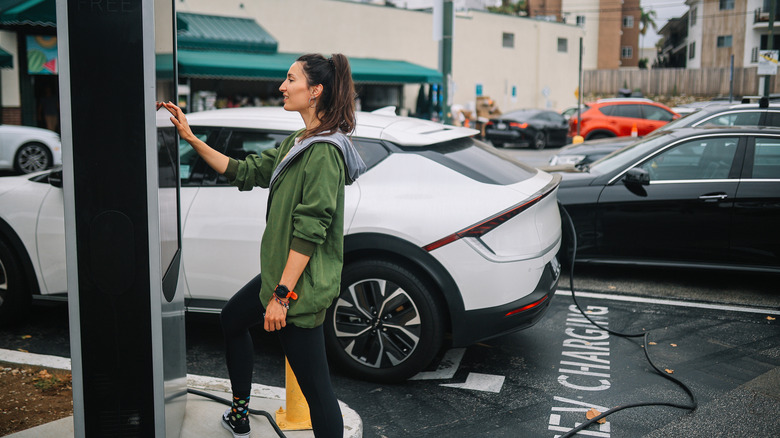
California had already taken steps to speed up EV charger permitting, but the cost of getting a charging station approved could still vary depending on its location. Supporters of AB 1820 argued that some local permit fees had increased sharply without a similar increase in the cost of reviewing the projects, which could make chargers more expensive to install. But other groups disagreed, saying the proposed fee limits could be lower than the actual cost of both review and inspection.
There were even questions about how consistently the state’s permitting rules were being applied. California had already introduced EV programs and passed laws requiring both cities and counties to create streamlined processes for EV charging stations, but a state review found that 77 jurisdictions were only partially streamlined and another 105 jurisdictions had not been streamlined at all. The Electric Vehicle Charging Association (EVCA) also claimed that some local governments were continuing to make it tougher for more complicated charging projects to get off the ground.
But Governor Newsom’s new legislation is now tackling those issues, and the response has been supportive. The EVCA welcomed the new legislation, saying it addresses permitting delays and unnecessary costs, while the California Electric Transportation Coalition said the laws will make it easier to build the charging infrastructure California needs. The EVCA estimates that the state will need to add more than 400 new chargers every day through 2030 in order to meet its clean-transportation goals.
You must be logged in to post a comment Login