Tech
New York City to ban deceptive subscription practices and force companies to offer easy cancellation

What just happened? The long-running effort to introduce the click-to-cancel policy will end this October – for those living in New York City. Consumers will no longer be forced to jump through so many hoops when trying to cancel a subscription that they’re encouraged to give up, and the process will be carried out via the same method they used to sign up.
Mayor Zohran Mamdani and the Department of Consumer and Worker Protection (DCWP) announced that the city’s final Click-to-Cancel Rule will take effect on October 1. New York will become the first US city to impose this type of requirement at the municipal level.
“Whether it’s hidden fees that suddenly appear at checkout or subscriptions that take one click to sign up for and a dozen steps to cancel, the result is the same: working people pay more while corporations profit,” said Mayor Mamdani. “That ends now.”
The regulation covers automatic renewals and continuous-service subscriptions, including streaming platforms, gyms, subscription boxes, and free trials that turn into paid plans.
Businesses must clearly disclose the price, billing frequency, renewal terms, cancellation deadline, and available cancellation methods before asking for payment details or consent.
Companies must allow customers to cancel at any time using a process as easy as the one used to subscribe and through the same medium – so no being forced to cancel over the phone. A business that accepts sign-ups through several channels must offer cancellation through all of them. Even subscriptions started in person must have an online cancellation option.
The rule also targets those all-too-familiar retention tactics. Companies can’t hang up on customers, hide or misrepresent cancellation instructions, lie about the consequences of leaving, or unreasonably delay a request. Consumers cannot be charged to return items supplied for free without their affirmative consent.
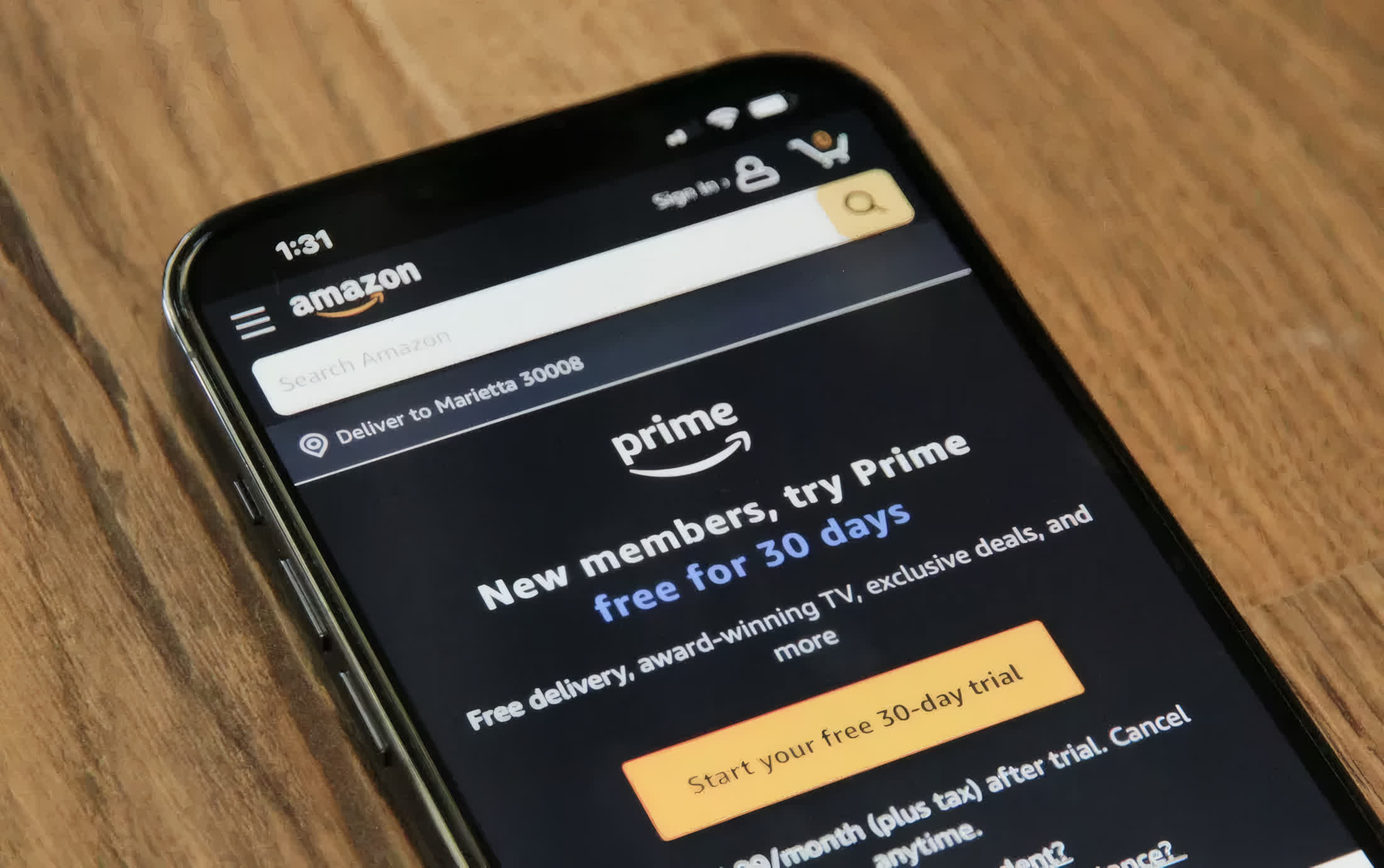
Subscriptions with terms of at least six months will require a reminder 15 to 45 days before the cancellation deadline. Businesses must also warn users before free trials lasting more than a month become paid-for and provide notice of material changes, including price increases.
Violations can bring restitution and civil penalties starting at $525 and rising to $1,050 for a second offense and $3,500 for subsequent violations. The city estimates the rule could save residents between $21.5 million and $162.5 million annually.
We previously reported on the FTC approving a nationwide click-to-cancel rule in 2024, its decision to delay enforcement in May 2025, and an appeals court vacating it two months later because the agency skipped a required preliminary economic analysis. The FTC restarted the rulemaking process in March.
States have continued filling the federal gap. California’s expanded Automatic Renewal Law mandates simple online cancellation and renewal reminders, while Colorado, Connecticut, Massachusetts, Minnesota, and Utah have also strengthened their automatic-renewal rules, although the details differ.
The click-to-cancel measure is final, but New York City’s companion proposal requiring businesses to display all mandatory “junk fees” in the advertised price must still go through a public-comment period and a hearing.
You must be logged in to post a comment Login