Tech
Nikon Z5IIC Leaves the Viewfinder Off and Brings Full Frame Down to Fourteen Hundred Dollars

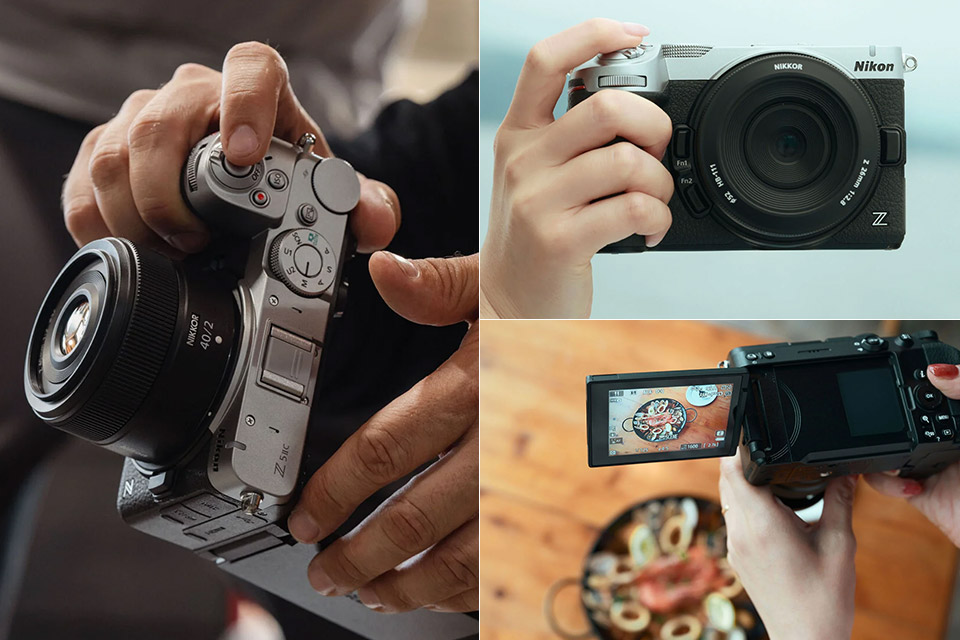
Nikon used the same 24.5-megapixel backside-illuminated full-frame sensor and EXPEED 7 processor found in the Z5II, then cut the electronic viewfinder so the body could sit flatter, weigh less, and sell for $1,399.95. That price is $450 under the current Z5II list, and a kit with the NIKKOR Z 24-50mm f/4-6.3 lands at $1,699.95. Shipping is set for mid-October, with pre-orders already open and B&H listing an October 15 date. Black and silver finishes are both available, the silver version pairing a light top plate with a dark body.


The C model of Nikon’s camera is based on removing the finder and overall bulk. They call that letter ‘Casual,’ and the result is a relatively compact package that measures 134 by 80.5 by 72 millimeters, barely two centimeters shorter than the Z5 II, and weighs 538 grams on its own, or 620 grams with a battery and memory card jammed inside. The magnesium alloy remains in the stress points where it belongs, weather sealing is retained, and the grip extends far enough down to be secure even when a long lens is mounted. There is now a little light on top of the redesigned top plate to alert people in front of the camera when video is actually being recorded. You compose on a 3.2-inch vari-angle touchscreen that isn’t as sharp as the 2.1 million-dot one on the Z5 II – it has 1.04 million dots – and as a result, you focus on the multi-selector without the use of a separate autofocus joystick.


Canon EOS Rebel T7 DSLR Camera Double Zoom Lens Kit
- Improved Dual Pixel CMOS AF and eye detection AF 24.1 Megapixel CMOS (APS-C) sensor with is 100–6400 (H: 12800)
- Built-in Wi-Fi and NFC technology working temperature range: 32-104°F/0-40°C
- 9-Point AF system and AI Servo AF

Despite the more compact body, all of the important tech stayed the same. According to the CIPA 2024 test with a 24-120 f/4 S lens on the long end, five-axis in-body stabilization still achieves 7.5 stops in the center of the frame and 6.0 stops at the edges. Instead of relying on an electronic shutter, you can use a real mechanical shutter, which prevents the rolling shutter from being too severe as compared to other compact full frame devices that solely have an electronic shutter. The mechanical shutter allows you to shoot at a fairly steady 14 frames per second. JPEG files achieve this rate, whereas RAW files achieve 11 frames per second, and High-Speed Frame Capture+ achieves 30 frames per second using the electronic shutter. Pre-Release Capture allows you to capture up to one second’s worth of images before pressing the button, but only for JPEG Large files at regular quality. The natural sensitivity allows you to shoot from ISO 100 to 64,000, with plenty of room to go beyond that. The EN-EL15c battery provides around 350 shots on the back screen, and USB power delivery allows you to keep the camera running for an extended period of time.

Autofocus in the Z7IIC relies on the same deep learning subject detection as the Z5II, and it holds up down to -10 EV, an impressively low light level. People, dogs, cats, birds, vehicles, and aircraft are all on the list, with Nikon now also throwing in fish as a tenth type to include. This last one needs plenty of light on the subject and is mainly useful in fish tanks and similar setups. In Auto mode the camera can read the scene, set the aperture, shutter speed, ISO, and focus all on its own without needing any extra input. For the first time on a full frame Nikon mirrorless camera, there are 15 scene modes sitting on the dial, and these can be used to shift white balance, brightness and color profiles for portraits, pets, food, nighttime landscapes and other common scenarios. Then theres the Imaging Recipes button which lets you download looks from Nikon’s Imaging Cloud – including film-style treatments – and a Film Grain control that lets you adjust size and strength to your hearts content, even if you’re working on a clip. Product Review Mode does a great job of pulling focus from a presenter to an object held near the lens – its been designed with unboxing and tabletop clips in mind.
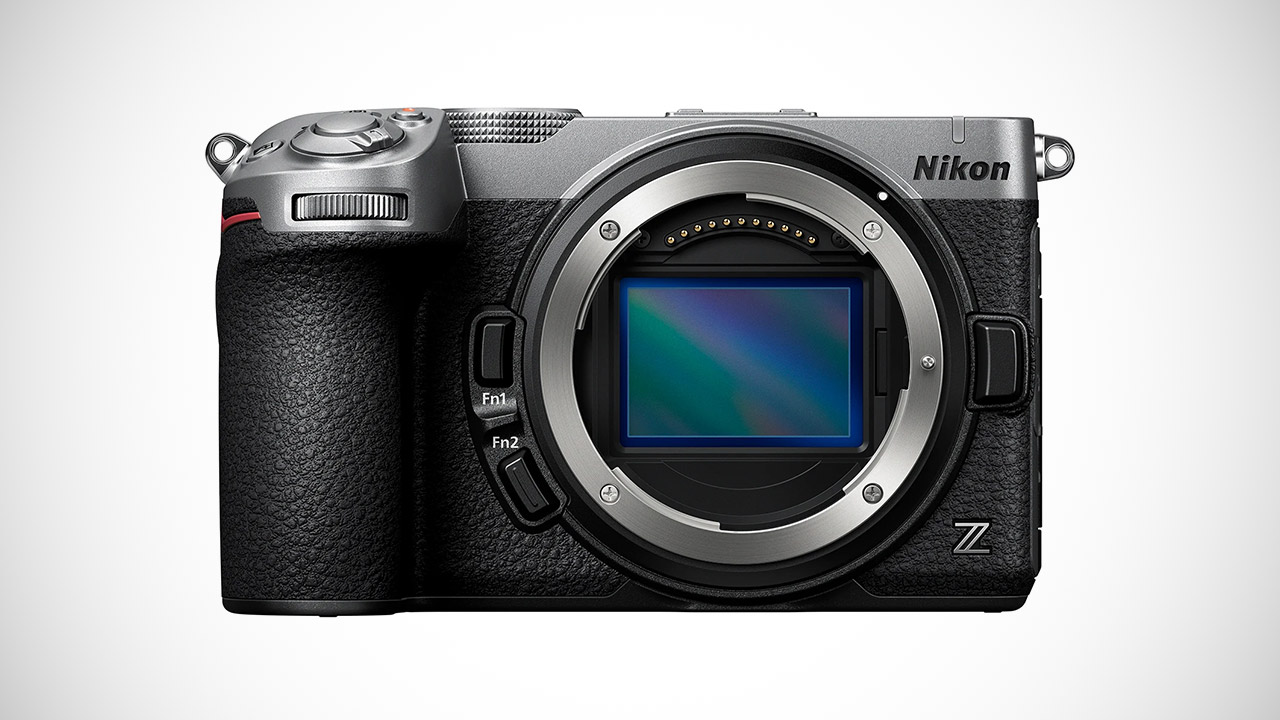
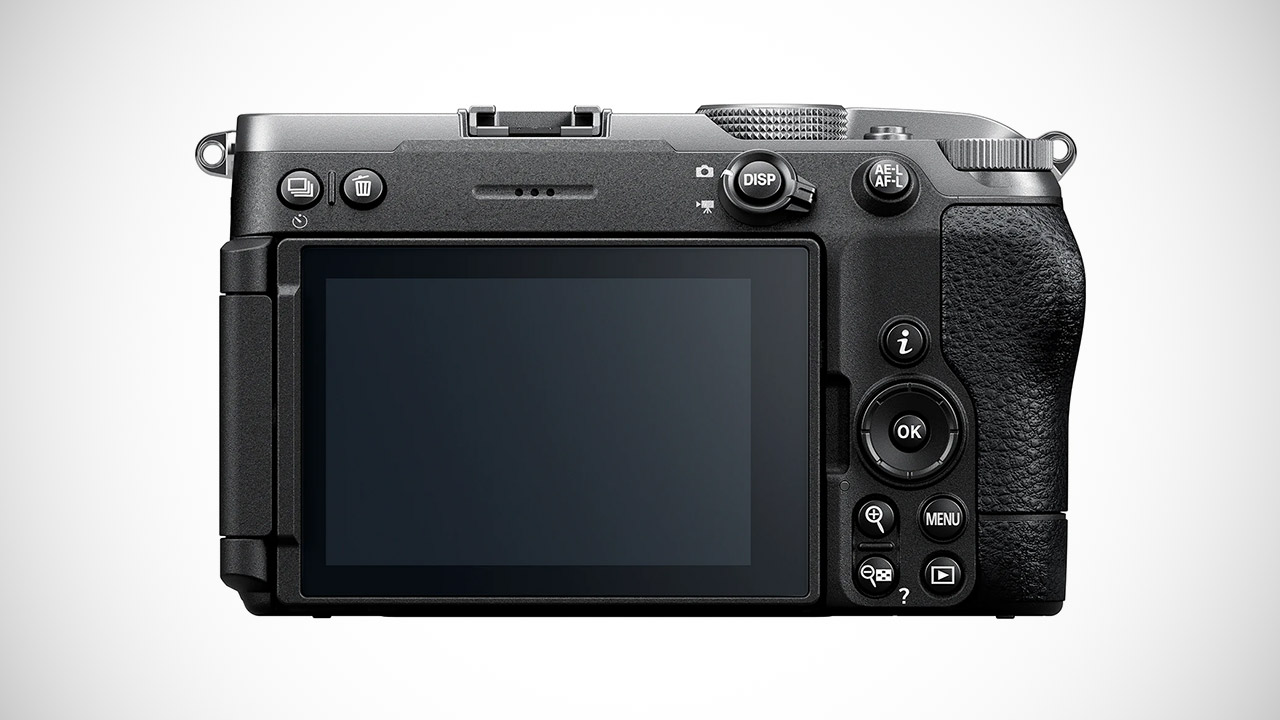
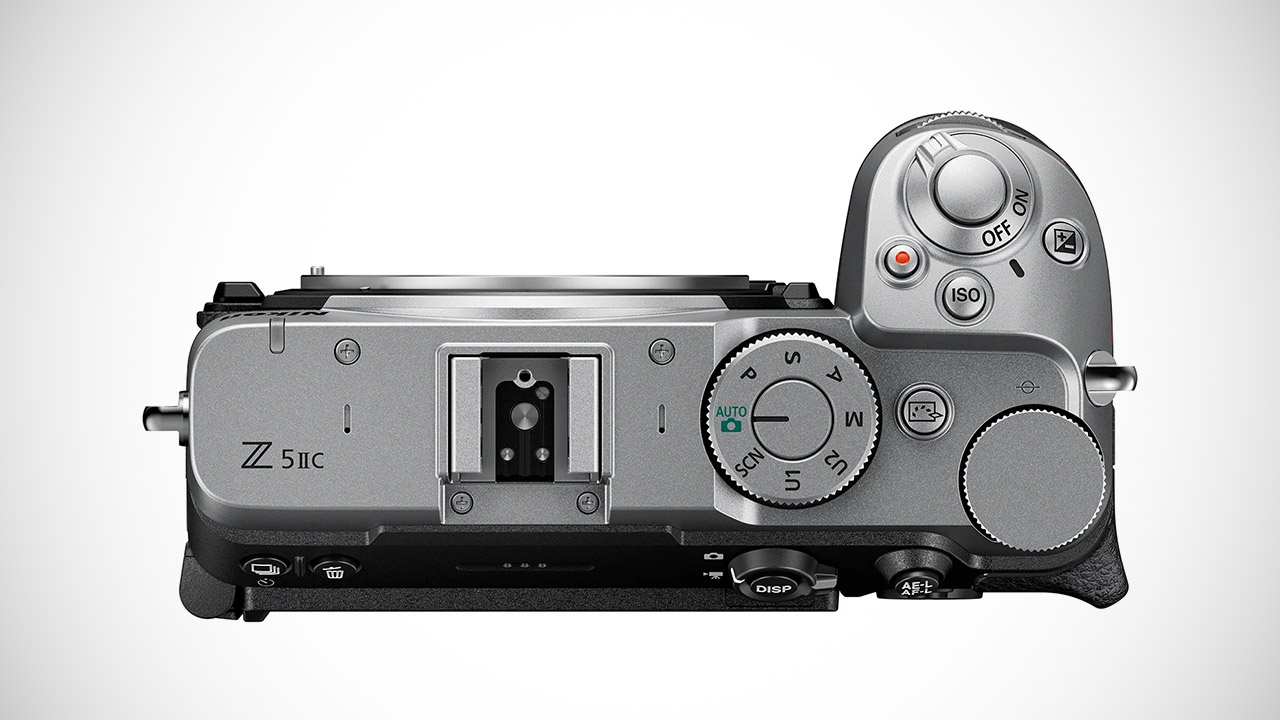
Even though the Z7IIC is less expensive than some of Nikon’s high-end models, the video quality appears quite impressive. You get full width 4K UHD at 30p with oversampling, which is usually a plus, but if you want 4K at 50 or 60 frames per second, you’ll have to settle for a DX reduction of about 1.5x in size. If you want the highest frame rates, full HD may run up to 120 frames per second, and the in-camera slow motion is a wonderful touch, allowing you to play back 1080p at 4x or 5x depending on your base frame rate. The internal codec options are also quite extensive, with 10-bit H.265 in MOV files, 8-bit H.264, N-Log, and HLG in MOV files, as well as 12-bit N-RAW transferred to an SD card in NEF format. N-RAW at 4K is limited to 24, 25, and 30 frames per second, and Nikon recommends using a V90 card for this purpose. If you prefer to work with pristine 10-bit 4:2:2 images, you can send them over HDMI. Recording can last for up to 2 hours and 5 minutes, which is handy for those without extra batteries.



Recording also has all of the standard shooting aids, such as a waveform display, zebras, focus peaking, a front REC lamp, and a red border on the screen to help you set up. You may also link the USB-C port into a computer and use the camera as a UVC/UAC webcam for live feeds, which is a useful choice for individuals who enjoy live streaming. The camera also includes ports for headphones and microphones.


The Z7IIC has a slightly less generous approach to storage, with only a single UHS-II SD slot to call on, meaning that if one card breaks in the middle of a job, there is no backup. The lower-resolution screen, the lack of a finder, and the single card slot all point to Nikon cutting expenses to reach a $1400 price point. However, you still get N-RAW, a mechanical shutter, and flagship-class processing, which is a good price. Nikon also designed the camera to operate nicely with tiny Z prime lenses such as the 26mm f/2.8, 28mm f/2.8, and 40mm f/2, with soft bundles expected in the future. SnapBridge 2.14 allows you to send files to your phone and contains a useful camera simulation tool and a few brief training. Nikon Imaging Cloud will handle recipe downloads and file management following the shoot.
[Source]

You must be logged in to post a comment Login