Tech
Nintendo’s Virtual Boy Rides Again on Switch, Here’s How it Stacks Up Against the Original

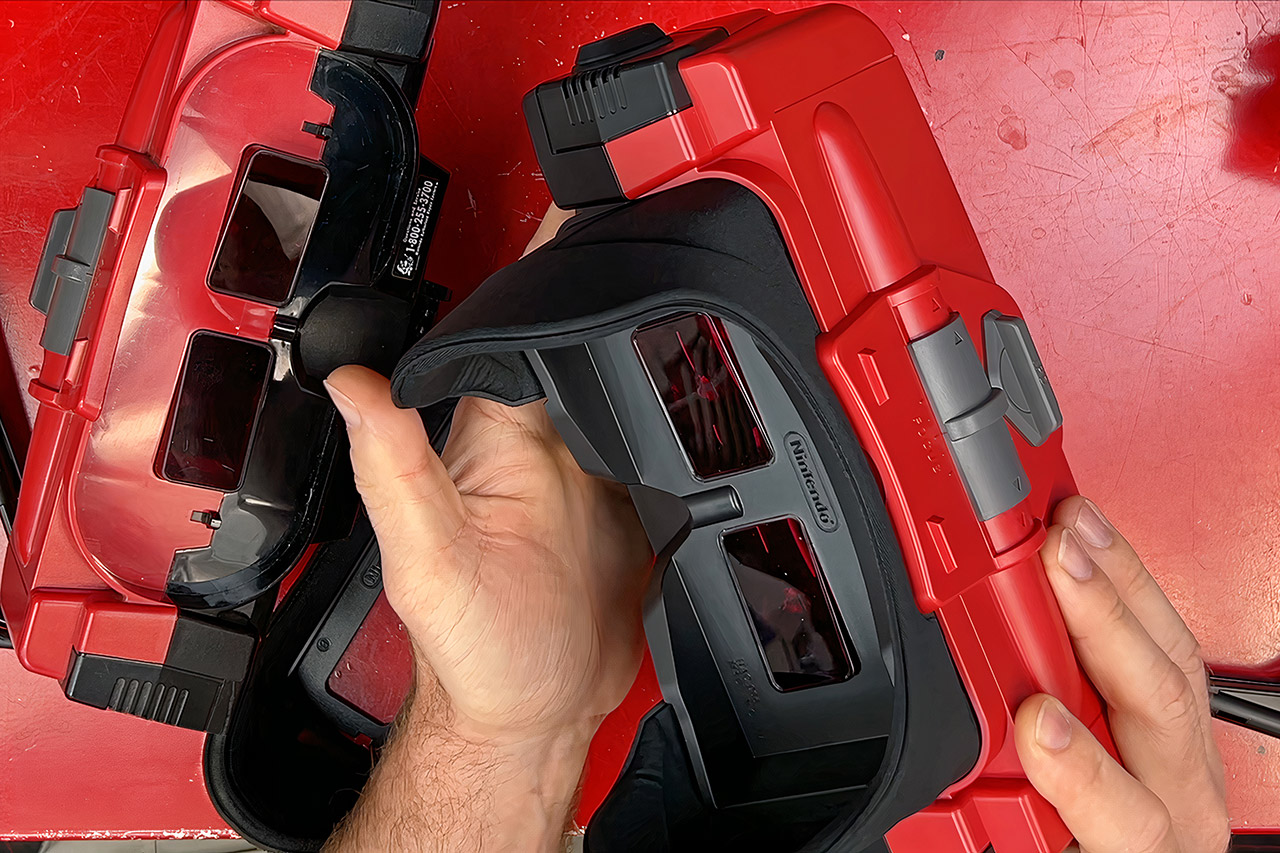
Nintendo has resurrected a 1995 oddity and incorporated it into the Switch family, literally, as the original Virtual Boy sat on a table like a curiosity, a set of goggles perched on spindly legs offering 3D gaming without the need for glasses. Three decades later, almost to the day, a near-identical recreation of that table-top oddity is accompanying your Switch or Switch 2 console, launching the same old library via Nintendo Switch Online’s expansion pack.


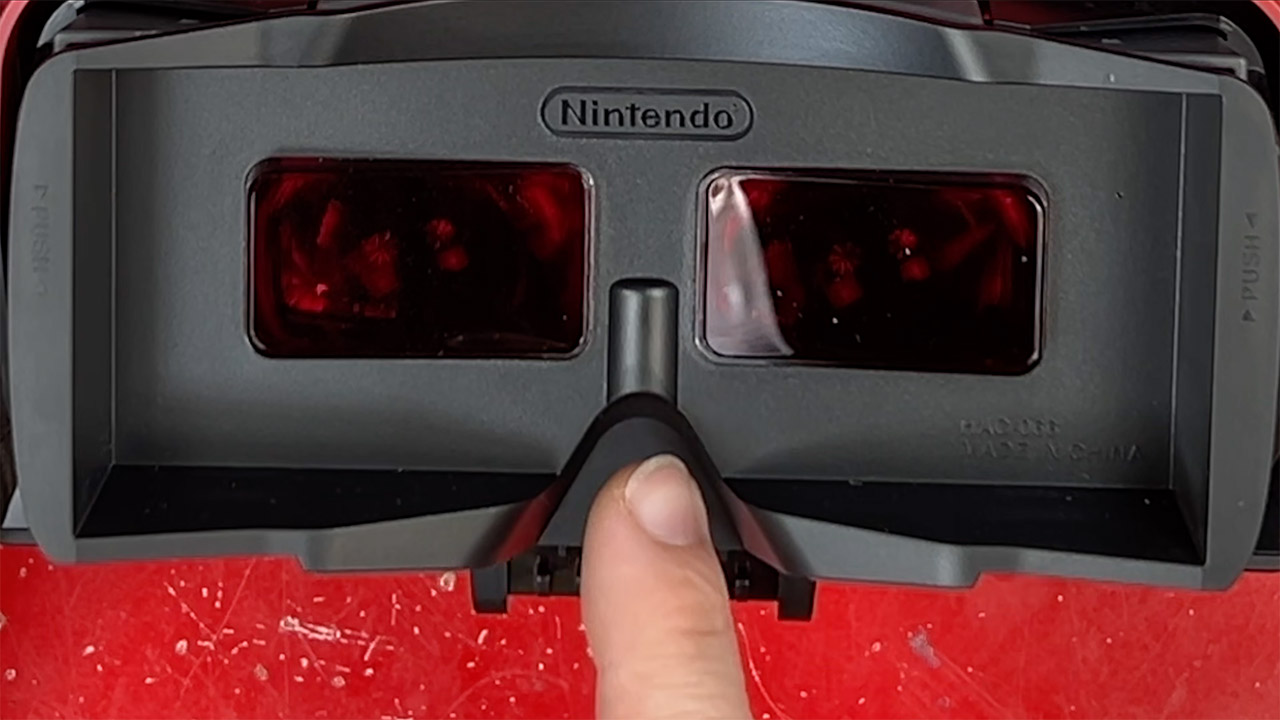
When you place the Switch in its $100 plastic case, a pair of red-tinted glasses split the screen into separate images for each eye. The effect, or rather the ‘depth’, stands out in stark monochrome. Pixels still dominate the view, forming a lattice of black lines over a blazing red backdrop, just like the originals. It’s the vision of Gunpei Yokoi, Nintendo’s hardware genius and the creator of the Game Boy. He and his colleagues constructed the original with a single line of LEDs reflected off oscillating mirrors. In those days, the resolution was 384 by 224, with an amazing 50 hertz flicker rate. The Switch screens now use IPS LCDs, which produce a considerably sharper and more stable image, however the higher-resolution panels on the Switch 2 make those individual dots stand out a little more.

The original hardware was a fragile beast, with a 20 MHz CPU and minimal graphics RAM held together in a frame that did not inspire confidence. As a result, several of them ended up with dried glue or snapped ribbon wires. That stand would frequently collapse under the weight of use, resulting in unsightly lines on the screens. This latest revival has skipped all of that, as there are no more oscillating mirrors to strain the eyes, and software modifications have ensured that the focus and eye spacing operate as well as they did back then. Finally, save states and the rewind capability have improved the old password system significantly. Some of the games also display a rest warning every 20 minutes, similar to how the original’s built-in timer would alert you to take a break.
In terms of controls, the Joy-Cons have replaced the original’s strange dual-D-pad controller. It can be remapped, but remains an odd fit for games designed for two analog sticks. Wario Land is a true standout, with caves twisting and turning into 3D space. Red Alarm is a Star Fox-inspired shooter through haunting corridors, Teleroboxer punches with the same beat as Punch-Out, and 3D Tetris requires you to stack blocks in floating levels. The majority of the titles are brief and experimental, and the complete catalog, with only about 24 games, isn’t exactly bursting at the seams.

However, the way the accessory is set up has not changed; players are still bent over that low stand, their necks cramping after only a few minutes. Light still leaks in around the edges, and the flicker persists, but you no longer suffer from headaches. They only sold about 770,000 units before Nintendo discontinued the console. The new model retains the tabletop design, the old stands are still compatible, and the face wipes clean easily, with a little extra space above the nose, but…it’s still a bit of a strain on the neck, and that pressure builds up quickly. However, in a dark setting, it’s much gentler on the eyes.
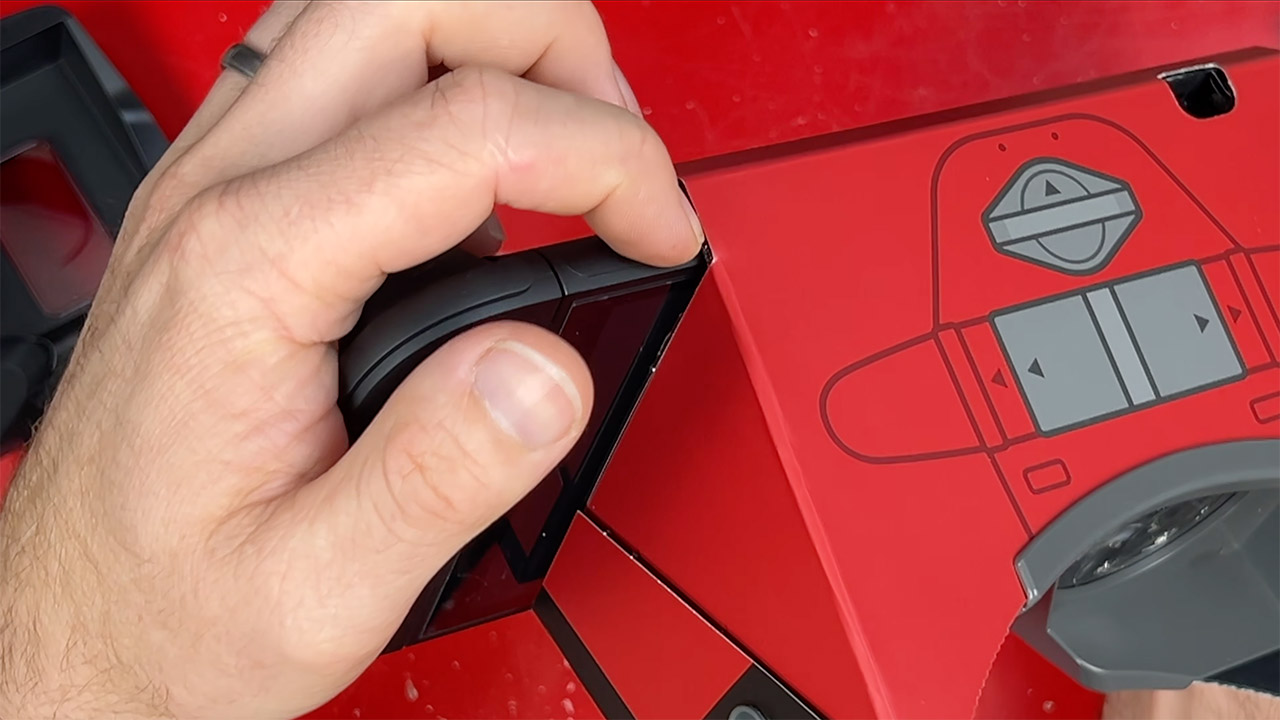
Fake knobs that pretend to be volume and port controls are simply ornamental, as you can still plug in your wireless headphones and the Switch delivers audio across the air. The lenses pop out so you can clean them or change them out for a different color, which was something to look forward to at launch, but none of them ever arrived. You can buy a cardboard bundle for $25 that bypasses the stand and allows you to play in your hands with Labo VR goggles, but you’ll need to use the complete Nintendo Switch Online + Expansion Pack subscription, which costs $50 per year.

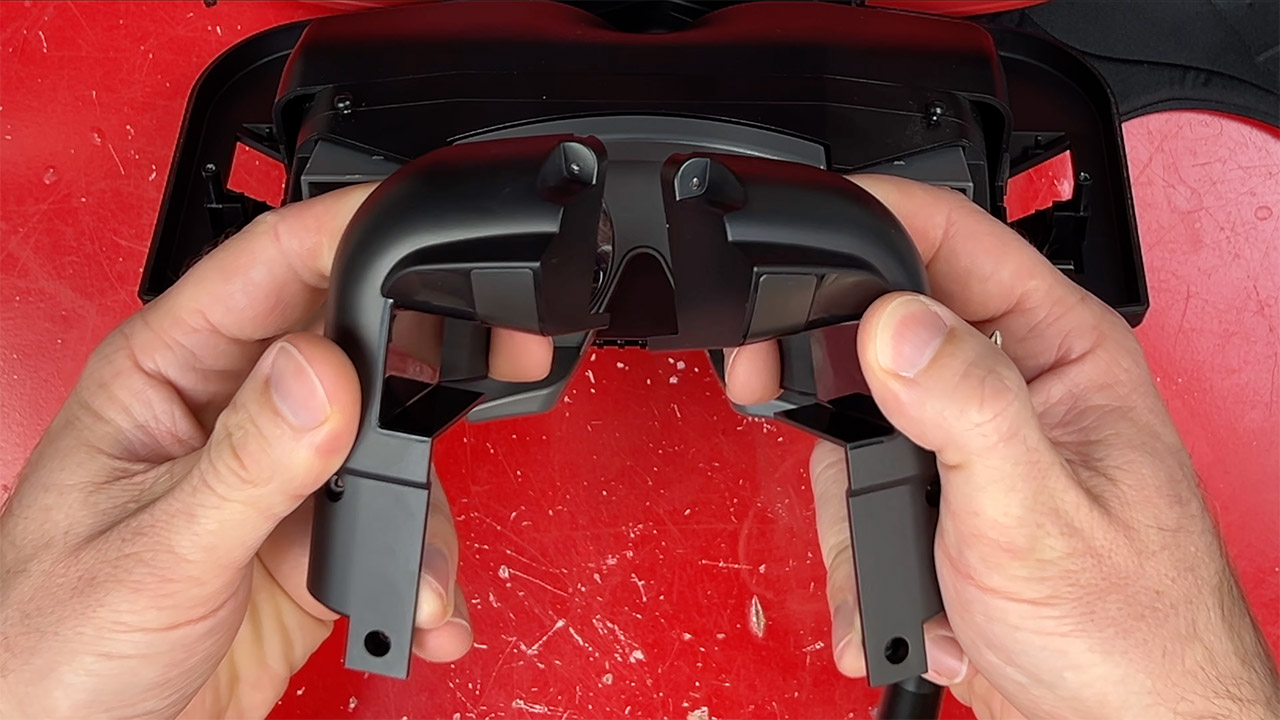
Side by side, the originals and replicas are quite similar, nearly indistinguishable in silhouette, since the rubber bumpers line up neatly and the stands can be swapped over with a little fiddling, but when you get underneath the surface, everything comes apart. There are no electronics in these imitation replicas, just a cradle that centers the console with some very strong springs. The lenses are all one piece and glued in place, unlike the adjustable sliders from the 1990s, which have all gone digital now. On the plus side, Switch OLED panels glow a little brighter than the normal model, getting closer to matching the original in terms of brightness.