Security teams log 54% of successful attacks and alert on just 14%. The rest move through your environment unseen.
The Picus whitepaper shows how breach and attack simulation tests your SIEM and EDR rules so threats stop slipping by detection.




The North Carolina Ports Authority has confirmed that a cyberattack disrupted IT systems and slowed operations at the Port of Wilmington, Port of Morehead City, and Charlotte Inland Port.
The three facilities are all part of the port, constituting two principal commercial deepwater seaports and an inland hub.
The Port of Wilmington, which is the most significant of the three, has nine berths and a 600,000 TEU annual container capacity, handling an average of 5,000 container gate moves per week.

Wilmington and Morehead together handle 4.4 million short tons of bulk/breakbulk cargo yearly, serving as significant regional logistics hubs.
The attack was reportedly detected on August 4, and the authority responded by activating its cybersecurity contingency plan, beginning recovery on the morning of August 5.
The incident caused a systems-wide outage, forcing gates at all three facilities to open at 8 a.m. on August 5 and delaying port operations and truckers.
The authority did not attribute the attack to a known threat actor and didn’t specify whether any sensitive data had been stolen.
A notification on the port authority’s website indicates that operations are gradually returning to normal, but delays should still be expected, as work to restore affected systems and services is ongoing.
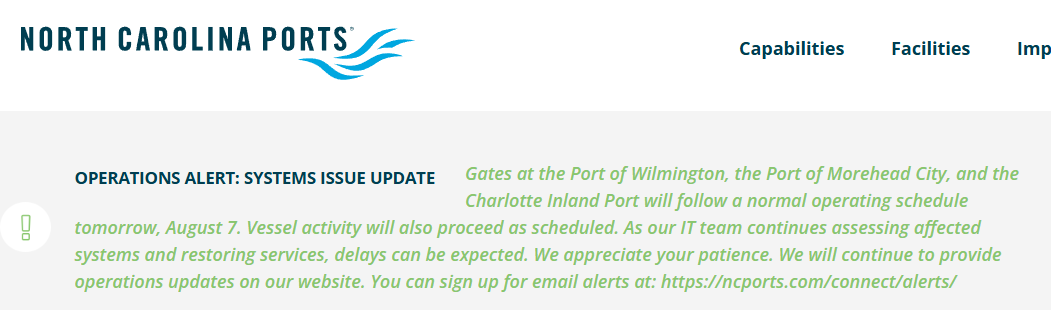
“Gates at the Port of Wilmington, the Port of Morehead City, and the Charlotte Inland Port will follow a normal operating schedule tomorrow, August 7,” reads the latest status update.
“Vessel activity will also proceed as scheduled. As our IT team continues assessing affected systems and restoring services, delays can be expected. We appreciate your patience.”
BleepingComputer has contacted the North Carolina Ports Authority to ask for more details about the incident, but we have not received a response as of publication.
At the time of writing, no threat groups have publicly assumed responsibility for the attack.

Security teams log 54% of successful attacks and alert on just 14%. The rest move through your environment unseen.
The Picus whitepaper shows how breach and attack simulation tests your SIEM and EDR rules so threats stop slipping by detection.

When Erica Schwartz was first nominated for Director of the CDC, you could almost hear both a gasp of surprise and a collective sigh of relief from healthcare providers throughout the country. Schwartz is well qualified for the role, after all, and many took her nomination as a sign that the White House was attempting to rein in RFK Jr. Then came Schwartz’s confirmation hearings. While there was some good in Schwartz’s performance during those hearings, there was a lot of bad. The kind of bad that suddenly has a whole bunch of people who were previously sighing in relief suddenly nervous, and even pulling their endorsements. The biggest issue was Schwartz not affirming that she would refuse Kennedy’s influence and desires in favor of good science.
Well, Schwartz is now the confirmed Director of the CDC, so it seems what she did to ruin her reputation with a whole lot of people didn’t matter in the end.
Perhaps the most disturbing aspect of Schwartz’s testimony came when senators repeatedly asked her what she would do if (or when) she’s put in the same position as Monarez. Schwartz responded as if it hadn’t happened and would never happen. “I do not believe that the president or the secretary would ever do what you just mentioned,” she told Sen. Bernie Sanders (I-Vt.) at one point, prompting him to reply: “Really?”
While senators expressed their disappointment with her responses, health experts dropped their endorsements.
And if you want to get really, really pissed off, allow me to tell you how Bill Cassidy was a key and potentially deciding vote when it came to Schwartz’s confirmation. Cassidy has the ear of other reasonable GOP senators in these hearings and in Senate generally when it comes to health-related concerns. And it may start to sound familiar when I tell you that Cassidy first indicated he was very troubled by Schwartz’s response in her confirmation hearings, but had been assured privately afterwards that his concerns were unfounded.
Critical to Schwartz’s confirmation was support from self-proclaimed vaccine advocate Sen. Bill Cassidy (R-La.), who also cast a critical vote to confirm Kennedy as health secretary. While Cassidy called Schwartz’s performance in the confirmation hearing “disappointing,” he later said he had been reassured. He said he had spoken with her more after the hearing as well as with her former colleagues. “I’m confident that she knows what she is doing,” he said, according to Stat News.
If I dialed the clock back to 2025 and replaced Schwartz’s name with Kennedy’s, it’d be the exact same story.
I hope I’m wrong. I hope that Schwartz’s qualifications rule the day and she can resist Kennedy’s nonsense and make good, scientifically sound decisions and hires. But so long as Kennedy is at the helm, I have my doubts.
Filed Under: bernie sanders, bill cassidy, cdc, erica schwartz, health & human services, rfk jr.

IT Search’s David Shanahan explores how modern technologies are impacting the age-old recruitment process.

Artificial intelligence has impacted almost every job known to man. Not just in how the work is engaged with and carried out, but even in how roles are discovered and applied for in the first place. And it isn’t just employees using AI shortcuts, employers too are frequently turning to advanced tech to ease a heavy workload.
“AI is now being used across every stage of the recruitment process”, explained David Shanahan, a director at Irish recruitment agency IT Search, which is a member of the Vertical Markets Group.
He said, “Candidates are using it to tailor CVs, create cover letters, prepare for interviews and process job applications at scale. Employers are using AI to write job descriptions, support sourcing outreach and screen and rank applications.”
Shanahan finds currently he is hearing more negatives than positives about the use of AI in the recruitment process, from clients and candidates, but it is important to remember that “AI is simply a tool”.
He said, “When used correctly, it can improve productivity, reduce administration and help both candidates and employers. Used poorly, it can create more noise, more applications and make it harder to assess genuine capability. The issue is not the technology itself but how it is used.”
Noting AI’s value in research, for summarising information, administrative tasks and data analysis, for Shanahan, the goal should be ensuring AI supports decision-making rather than replacing it. This is possible when employers establish clear guidelines around acceptable use, maintain human oversight and review outputs for accuracy and bias.
He said, “Transparency is essential. If employers are using AI for candidate screening, assessments or interview tools, candidates should be informed. Equally, candidates should feel comfortable raising concerns if they believe AI is having a negative impact on the process.
“Clear expectations create trust and help ensure everyone understands how decisions are being made.”
As with any technology that moves from experimentation to mass implementation and popularity, there are going to be right and wrong ways of engaging. For Shanahan, the issue is not solely the use of AI by candidates during the application process.
Rather it is when AI masks a candidate’s true level of knowledge, judgement or experience.
He explained, “There is nothing necessarily wrong with candidates using AI, the issue is when it ends up misrepresenting their experience. Employers should focus less on whether AI was used and more on how candidates approach problem solving, judgment and how this experience can be used in real-world environments.”
He has also noticed the increased use of AI tools by applicants in live interviews, which for hiring managers is becoming more and more frustrating. Products such as Cluely, LockedIn AI and InterviewCoder can analyse questions in real time and provide responses during the interview, however, he is of the opinion that face to face interviews will always be preferable.
He added, “Rather than attempting to eliminate AI altogether, consider introducing a clear AI transparency policy that details whether AI is permitted during assessments, whether AI can be used for interview preparation, whether AI assistance during live interviews is prohibited and how authenticity and individual capability will be assessed.
For an employer or recruiter, one of the simplest measures would be to move away from questions based on a single ‘correct’ answer and instead focus on areas that require real judgement and critical thinking.
“Rather than relying solely on question-and-answer interviews, ask candidates to solve problems in real time. People who genuinely understand a subject can explain their thinking, adapt when new information is introduced and justify their decisions.
Concerned employers can also ask candidates to share their entire desktop rather than a single application or browser window, as many AI interview products are browser extensions, overlays or separate desktop applications.
Ultimately, it is often about finding a balance between embracing new technologies and respecting the processes and people that are already in place.
Shanahan said, “The real objective is to design hiring processes that consistently reveal a person’s genuine capability, regardless of whether AI is used. Recruitment is ultimately about people, judgement and relationships. The organisations that gain the greatest advantage from AI will be those that successfully combine technology with human insight.”
Don’t miss out on the knowledge you need to succeed. Sign up for the Daily Brief, Silicon Republic’s digest of need-to-know sci-tech news.
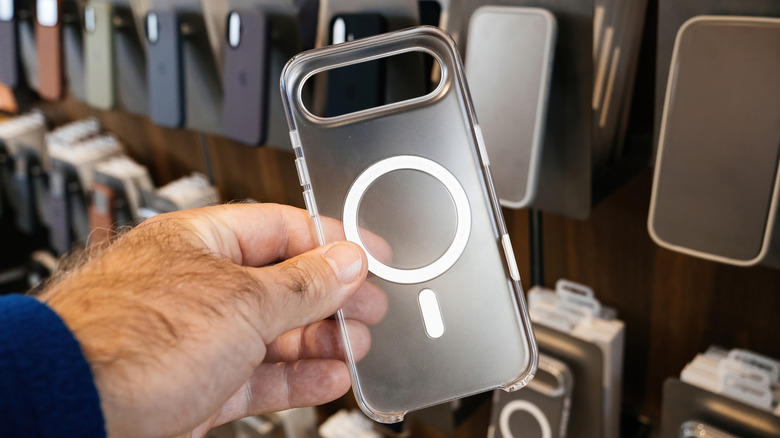
If your wireless charger is slow, the problem might be your case.
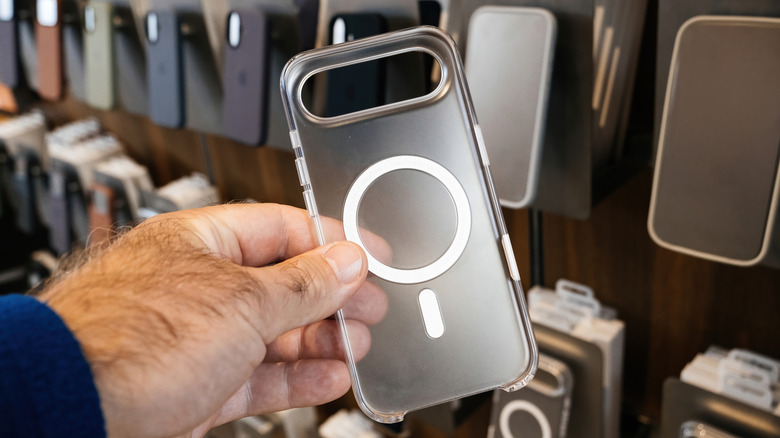
Wireless charging is all the rage these days, but it took a while to become mainstream. The feature was originally introduced in 2009 on the Palm Pre (one of many features that helped the device become a holy grail for smartphone nerds to this very day). Ironically, the Pre used a magnetic charging stand to align its wireless charging coils, an idea that would fall by the wayside for 11 years before surging to widespread popularity when Apple introduced MagSafe charging on the iPhone 12.
In the years between those two iconic smartphones, wireless charging was more niche. Nokia included it on the Lumia 920, and that 2012 device was the first phone to use the Wireless Power Consortium’s Qi standard, which remains the de facto standard for wireless charging even today. It was quickly followed by the Samsung Galaxy S3, which could be retrofitted with a sold-separately wireless charging accessory. But the Google Nexus 4, manufactured by LG, was the first Android phone to come with Qi charging out of the box. In 2017, the iPhone 8 became the first of the company’s smartphones to support wireless charging, giving the tech a shot in the arm.
But for the entire time we’ve had wireless charging, we’ve also been shoving our phones into cases of varying quality. And not all case manufacturers factor wireless charging into their designs. Many of the most common issues people have with wireless charging, from inconsistent connections to frustratingly slow charging speeds, can often be chalked up to a case that’s not playing nice. Of course, cases are important as phone prices continue to increase and replacements become unaffordable, and you don’t need to leave your phone naked in order to reap the benefits of wireless charging. Here’s how to pick a case that’s conducive to induction charging.

Wireless charging is a technology riddled with challenges that have yet to be overcome. The convenience of wireless charging outweighs these issues for some users, but understanding them can help you get the most out of your Qi charging experience. Wireless charging is inefficient and leaks energy, since the power isn’t transferring metal-to-metal but is instead passing through your phone’s backplate and the casing of the charger, which in turn creates a lot of excess heat. That also means wireless charging is slower than wired charging. Whereas some smartphones charge at 80W or more with proprietary chargers, the top wireless charging speed is currently 25W, and even that is only possible with a Qi2 or MagSafe magnetic ring to align the charging coils more precisely with the charging pad.
The wrong kind of case can compound those issues. If a case is too thick, energy will have an even harder time getting from the pad to the device, and the heat will get trapped by the thicker material. If the case uses metal in the wrong place, it can prevent wireless charging entirely. Ditto for improperly placed magnets (unless we’re talking about Qi2/MagSafe magnets; more on those below).
PopSockets and other phone-back accessories can introduce similar issues, since they add material that can hamper wireless charging. Even if an accessory claims to support wireless charging, be careful. I’ve been a big fan of the OhSnap! Snap Grip. Unfortunately, those grips don’t stick properly to the back of newer Samsung phones, which means I’ve had to install mine on top of a case. While I did have some luck wirelessly charging my phone despite the added bulk, I eventually managed to cook the phone enough to loosen the adhesive holding the backplate in place. As a result, my Galaxy S25 Ultra is most likely no longer water-resistant.
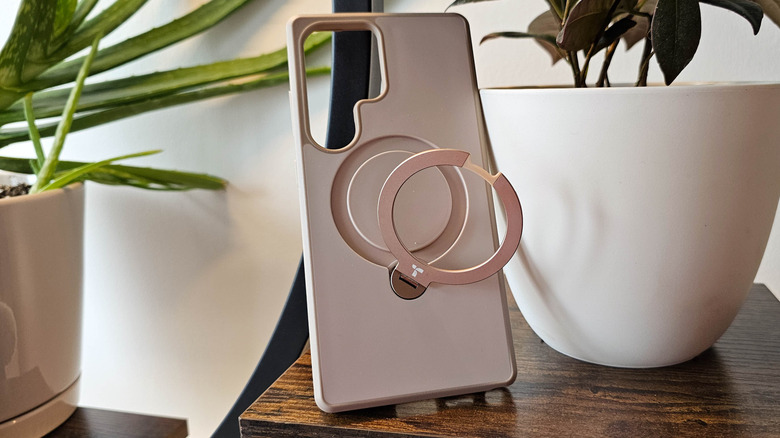
Once you’ve ruled out cases with design choices that limit wireless charging, you can focus on the best cases for iPhone and Android that more actively facilitate it. As is likely obvious, you’ll need a case with a Qi2 magnetic charging ring if you want to use your phone with MagSafe and Qi2 chargers. However, don’t assume a case will work well with Qi2 chargers just because it has a magnet ring. One case I own has a magnet ring that can be pulled out into a convenient grip and kickstand, but the hinge became less stiff over time. Eventually, pairing it with my Qi2 car charger resulted in the ring coming loose from the frame of the case while driving, breaking the connection.
Again, the less material in the way, the better. I’ve had great results with cases like the Spigen MagFit, which has a thin layer of TPU plastic on its backside, and the Speck Presidio 2, which has a circular cutout on the inside to do away with an entire layer of plastic around a phone’s charging coils. It’s especially important to find a thin case if you want to use Qi2 and MagSafe accessories with a phone like the Samsung Galaxy S26 Ultra that doesn’t have magnets built in, as a case is the only way to enable that functionality (unless you want to put an adhesive magnet ring directly on the back of the phone, thereby preventing yourself from using a case entirely).
The best advice, especially if you’re shopping online, is to browse customer reviews of a particular case and look for YouTube videos which discuss the case’s compatibility with wireless chargers. What looks like it checks all the relevant boxes in a product listing may not hold up under real-world use.

When OnePlus announced its exit from North America and Europe last month, it also confirmed that all devices eligible for the next platform upgrade would switch from OxygenOS to ColorOS, marking an end to the Android skin that helped define the OnePlus brand for more than a decade. Although it did not share a definite timeline for this switch, OnePlus has now set things in motion by launching a closed ColorOS beta program for the OnePlus 15 and OnePlus 15R.
According to Android Authority, the closed beta is currently limited to Indian variants of both phones, so anyone in the US or Europe won’t be able to join this round. OnePlus has also capped the program at 300 testers per device, and applying takes more than just owning the right phone.

OnePlus requires you to have an active OnePlus Community account, sign a non-disclosure agreement, and be willing to participate in a Telegram group and interact with OnePlus’ software team. The application window is short too, open only on August 6 and August 7.
OnePlus hasn’t confirmed the Android version underneath, but Android 17 is the likely candidate, since reports say the company has been testing it internally on the OnePlus 15 since March.
Last year’s OxygenOS 16 beta followed the same pattern, staying limited to Indian devices for its entire run before the stable release eventually reached other markets. So the chances of users in the US and Europe getting a beta release are slim.
OnePlus has been consistent about why it’s making this change. The company has previously said that the switch to ColorOS will help it combine engineering resources with parent company Oppo and speed up future updates. If speedy updates are indeed the real reason, you may not have to wait long to get stable ColorOS on your OnePlus 15 or 15R in the US or Europe.
Back in May I noted how the Trump FCC had unveiled a brand new plan to “stop robocalls.”
I also noted how the plan doesn’t actually stop robocalls because a well-lobbied U.S. government (1) refuses to hold big companies accountable or collect fines, (2) constantly embraces weak rules that make telemarketers and debt collectors happy through endless loopholes, and (3) has an unhealthy fixation with undermining regulatory oversight at the behest of large companies.
Worse; buried in the Trump FCC plan are several initiatives that would harm U.S. privacy and help ICE and other government domestic surveillance efforts. The biggest being a plan to crack down on burner phones by forcing telecoms (the ones bone-grafted to our domestic surveillance operations) to dramatically scale up the information they collect from consumers.
More specifically, the Trump FCC is planning to expand the agency’s Know Your Customer (KYC) requirements by imposing a requirement to “at a minimum, obtain and retain the name, physical address, government issued identification number, and an alternate telephone number of any new and renewing customer.”
That’s unsurprisingly raised concerns among privacy advocates and civil rights groups well aware that greater surveillance will be abused by the Trump administration and beyond. It also ignores that there’s often very good reasons why abuse victims, whistleblowers, journalists, refugees, and others might be seeking an anonymous prepaid burner phone.
On the off chance they might be able to sway Brendan Carr’s thinking, sixteen privacy groups including the Electronic Frontier Foundation have fired off a letter to the agency warning the FCC to avoid undermining public privacy:
“Beyond creating acute privacy risks for all subscribers, the proposal would endanger anonymous communications that have long protected whistleblowers, activists, journalists, and domestic violence survivors. A survivor of domestic violence fleeing an abuser should not have to create a record that leads back to their door in order to get a phone. Nor should a whistleblower or a survivor escaping a trafficking situation. Further, the FCC is responsible for protecting privacy of customer information through its telecom privacy provisions and laws like the Safe Connections Act. This proposal undercuts those protections.”
The additional requirements would also push anonymity out of reach for untold millions of unhoused
individuals, low-income Americans, older adults, foster youth, and others who need anonymity but may struggle to provide required identifiers. The groups note it also puts even greater private information in the hands of companies with some of the worst track records on privacy in America.
“In 2021, a T-Mobile breach exposed the Social Security numbers and driver’s license numbers of approximately 77 million people and, in 2024, an AT&T breach exposed the call and text records of nearly all its wireless customers (roughly 110 million subscribers).
Mandating that thousands of originating providers, including small carriers with limited resources to protect the privacy and security of such an extensive amount of information, collect and retain government IDs for the life of the customer relationship plus four years creates significant new exposure.”
Of course the Trump administration doesn’t really care about “fixing robocalls.” If it did, it would hold the biggest scam callers (large legitimate companies and debt collectors) accountable, actually follow through on penalties, stop embracing mindless deregulation, and take aim at the biggest domestic telecoms that have historically dragged their feet on enforcement (and adopting anti-spoofing authentication technology) because they’ve profited from the scams and harassment of their own customers.
Brendan Carr isn’t the type of guy who cares about holding large U.S. companies accountable for anything. He’s more into broadly gutting corporate oversight at the behest of monopolies, dismantling the First Amendment, and expanding domestic surveillance — especially of vulnerable populations being targeted and brutalized by ICE.
Filed Under: anonymity, authentication, domestic abuse, fcc, robocalls, shaken/stir, surveillance, telecom

An anonymous reader quotes a report from The Guardian: Scientists have made the first viruses designed by artificial intelligence in a milestone that raises hopes for new medicines but also concerns over how to ensure the technology remains safe. The viruses are specific kinds known as bacteriophages, which only infect bacteria and are used around the world to treat patients with persistent infections. In lab tests, a cocktail of the AI-designed viruses killed E coli bugs that were resistant to natural bacteriophages.
Dr Brian Hie, a chemical engineer at Stanford University in California, used genome language models, the genetic equivalent of the large language models behind AI chatbots, to design functioning genomes for bacteriophages. The viruses were then made in the laboratory and pitted against E coli in a dish. The ability to “rapidly design” genomes and tune them for specific bugs while overcoming resistance could “transform phage therapy” and “expand biotechnological toolkits,” the researchers wrote in the journal Science.
But beyond the potential benefits, the scientists said the work raised “important biosafety, biocontainment and biosecurity considerations” and urged others who were designing whole genomes to “consult both safety and security professionals throughout the project.” In an accompanying article, Prof Tom Inglesby and Dr Moritz Hanke at the Center for Health Security at Johns Hopkins University in Baltimore, reinforced the warning, writing: “Although this is promising for life sciences applications, it also raises urgent biosafety and biosecurity questions. The ability to compose viral genomes using generative AI now exists; the governance to safely steer it does not.” Tom Ellis, a professor of synthetic genome engineering at Imperial College London, said the work was impressive, but revealed how hard it would be to make more complex genomes. “This is literally the smallest and easiest genome to make,” he said. An AI trained on the genetic code of dangerous bugs could be used to design more harmful viruses, Ellis said, but controlling access to genetic data and having restrictions on making genomes that look dangerous would help. “Governments are working hard to do this already,” he added. “But honestly,” he said, “the threat from full AI design and writing of a genome of a virus or bacteria is very overblown when we consider that just taking existing pathogens and making gain-of-function changes to their genomes is so much easier and much more likely to be a real pathogenic threat.”
Dr Filippa Lentzos, a reader in science and international security at King’s College London, said the most important point to intervene at the moment was when DNA was being manufactured. “It’s important to see the bigger governance picture and not focus regulation solely on the AI model,” she said. “A layered approach makes more sense: safeguards around model development and access, responsible research review, synthesis screening, and established laboratory biosafety and biosecurity.”


Read more of this story at Slashdot.


Research showed that the device remained fully functional for up to 70 days with zero implant-related complications.
Researchers based at the University of Galway have developed a new implant that could better deliver next-generation therapies for ovarian cancer.
The project was carried out by a team at Cúram, the Research Ireland Centre for Medical Devices based at the Galway university, along with collaborators from the University of Minnesota, Massachusetts Institute of Technology and the Wyss Institute.
The implant, made out of a flexible biomaterial, conforms to the body’s internal contours and sits inside the peritoneal cavity – the space surrounding the abdominal organs of a person assigned female at birth where ovarian cancer predominantly occurs. The porous material and allows medicines to diffuse into the tissue surrounding the affected area.
The device is also connected to an external port through the skin, meaning therapies can be added as often as needed without further surgery or intrusion, and allows for continues monitoring to see how the disease responds. The team’s research was published earlier this year on the scientific journal Device.
“One of the most frustrating aspects of treating ovarian cancer is that we know localised delivery of therapy works better, but the tools we’ve had until now weren’t built for the job,” said Dr Aoibhín Sheedy, a PhD graduate with Cúram and the lead researcher on the project.
“We designed this implant with ovarian cancer patients in mind. We wanted an implant that can deliver living cell therapies repeatedly, reliably, and with real precision to the tumour site.”
Ovarian cancer is often diagnosed at late stages, the researchers say, with treatment often involving surgeries to remove as much of the tumour as possible. Currently, targeted treatment and ways to detect the cancer’s reoccurrence is impossible, they add.
Preclinical research was able to demonstrate that the team’s device remained fully functional for up to 70 days with zero implant-related complications compared to conventional treatments. The team thinks that the device can deliver a range of living cell or non-cell based therapies.
“The tricky part about working with novel therapies, such as immunotherapies, in the setting of ovarian cancer is that repeated delivery is done with outdated materials that are not designed for this setting,” said Dr Martin Felices, an associate professor in medicine at the University of Minnesota.
Dr Eimear Dolan’s lab at the University of Galway developed the delivery system for the implant. She is an associate professor in biomedical engineering at the University.
“What excites us most is the two-way nature of this approach. Clinicians could use this to track how the immune cells are performing, whether the tumour is responding, and then adapt treatment accordingly,” Dolan said.
“That kind of real-time intelligence is something we’ve never had access to before in this setting.”
“It is also very difficult to sample through these systems. The delivery system, created by Dr Dolan’s laboratory, allows for safer repeated delivery of cellular and biologic therapies in the context of the peritoneal cavity,” Felices added.
Last year, €28m was set aside to fund the second phase of Ireland’s largest cancer research programme involving top universities, charity and industrial partners.
Funding from the programme, and otherwise, has helped researchers in the country make numerous advancements in the field in recent months, including identifying specific enzymes that lead to better treatment outcomes and developing compounds capable of damaging cancer cell DNA.
Don’t miss out on the knowledge you need to succeed. Sign up for the Daily Brief, Silicon Republic’s digest of need-to-know sci-tech news.

[This is a sponsored article with Chocolate Finance]
For decades, Singaporeans were taught that good financial habits meant putting money into a savings account, or locking it away in a fixed deposit.
That approach made sense when bank interest rates were competitive and the choices were limited.
But today’s savers face a very different landscape.
Traditional savings accounts often require salary crediting, minimum spending, or multiple banking products to unlock their highest interest rates. Fixed deposits, meanwhile, ask customers to trade liquidity for returns.
As more Singaporeans become comfortable managing their own money, many are starting to ask the same question: Why let cash sit in a bank account earning little when it could potentially earn more—without locking it away?
It’s a question that entrepreneur Walter de Oude believes the financial industry hadn’t answered well enough. His solution is Chocolate Finance, a Singapore-based cash management platform designed to help people put their spare cash to work without the lock-ins or complexity typically associated with investing.
The idea has clearly resonated. Since launching in 2024, Chocolate Finance has amassed more than 150,000 users and S$1.5 billion in assets under management.

The idea behind Chocolate Finance can be traced back to Walter de Oude’s previous venture, Singlife, which he founded in 2014.
In 2019, Singlife introduced the Singlife Account, an insurance savings product that gave customers a place to park their cash while earning a higher rate than many traditional bank accounts.
It quickly became one of the company’s most popular products, confirming the demand Walter had expected: Singaporeans weren’t necessarily looking for more investment products, they simply wanted a better place for their spare cash.
The product gained 60,000 customers within its first year. However, according to Walter, the Singlife Account was deprioritised as a customer acquisition tool once Singlife acquired Aviva due to its “very low profit margin and high capital costs.”
Spotting an opportunity for a platform dedicated entirely to cash management, he founded Chocolate Finance. The company claims to have “consistently delivered bank beating returns” since it launched.
But Walter’s ambition was not to build just another cash product.
His vision was to create a simpler way for people to manage all of their money, helping customers choose the right home for different types of savings, from everyday cash to longer-term goals, without unnecessary complexity.
Rather than operating as a bank, Chocolate Finance is a licensed fund manager offering a cash management account. Customer funds are invested in a professionally managed portfolio of high-quality, short-duration fixed-income and money market funds.
The aim is to generate competitive returns while keeping funds accessible, with no lock-in period or withdrawal penalties. Customer funds are also held in segregated accounts, meaning they are kept separate from the company’s own operating funds—and hence ringfenced and protected.

At the time of writing, Chocolate Finance offers 2% p.a. on customers’ first S$20,000 and 1.8% p.a. on the next S$80,000, with balances above S$100,000 up to 1.8% p.a.
It has also rolled out a US dollar account, offering 4.1% p.a. on customers’ first US$20,000 and 3.8% p.a. on the next US$80,000 with balances above US$80,000 up to 3.8% p.a.
Imagine returns better than a fixed deposit, but you could take it out anytime. That’s exactly the problem Chocolate Finance was built to solve: helping people get better returns on short-term cash without locking it away.
Walter de Oude, founder of Chocolate Finance
It’s worth noting that, as a fund management platform, Chocolate Finance does not guarantee investment returns.
Customer funds are invested in a managed portfolio, meaning both returns and principal are subject to market movements, and deposits are not protected under the Singapore Deposit Insurance Corporation.
That said, to provide greater certainty, Chocolate Finance’s Top Up Programme supports the advertised returns on the first S$100,000 and US$100,000 if portfolio performance falls short during the qualifying period, which has been extended to Dec 31, 2026, or until the company reaches S$2 billion in assets.
Its Visa debit card, which offers zero foreign exchange fees, HeyMax miles perks and the option to convert cash returns into miles, has also made it a favourite among frequent travellers and miles collectors.

The company also has since expanded into helping businesses in Singapore get better returns on their spare cash with the launch of its business account, which offers eligible companies 1.5% p.a. returns on their first S$300,000.
While its cash account remains the foundation, Chocolate Finance sees it as the first step. The company plans to introduce more products tailored to different savings goals and investment horizons, while keeping its core promise of making money management simple.
With no account fees, no minimum investment amount and a straightforward sign-up process, Chocolate Finance lowers the barriers for consumers looking to make better use of their spare cash.
It comes at a time when many Singaporeans are reassessing where they keep their savings.
Fixed deposit rates have fallen from their 2023 highs—the best 12-month rates now sit around 1.5% p.a.—while many bank savings accounts continue to offer low base interests. As a result, significant amounts of household cash remain in low-yield accounts.
S$50,000 in a basic savings account earns roughly S$25 a year, but the same amount in a cash management solution could earn S$1,350–1,500 with no lock-in.
For those looking beyond traditional savings products, Chocolate Finance offers an alternative worth considering.
If you’d like to learn more, visit Chocolate Finance and see why more than 150,000 users have chosen to rethink where they keep their spare cash. After all, when it comes to managing your money, leaving cash idle can come with an opportunity cost.
[Disclaimer: Chocolate Finance is a brand of Chocfin Pte Ltd (UEN 202347190R). Chocfin Pte Ltd is licensed and regulated by the Monetary Authority of Singapore (CMS101452) to perform fund management activities. Chocolate’s returns are subject to change based on market conditions, with Chocolate top-up support offered as an incentive during the Qualifying Period, and it does not constitute a guarantee of return or capital. Returns are calculated on a compounded basis. Terms and conditions apply. This advertisement has not been reviewed by the Monetary Authority of Singapore. Past performance is not indicative of future results. All investments involve risk, including the risk of losing all of the invested amount and may not be suitable for everyone.]
Featured Image Credit: Chocolate Finance
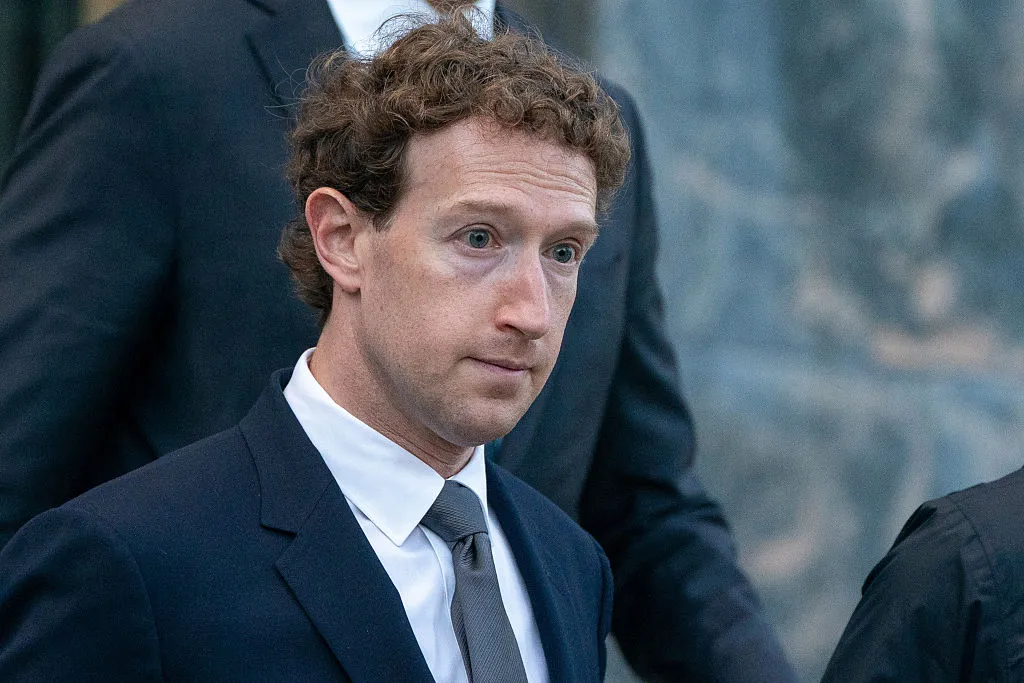
A New Mexico Court judge on Thursday ordered Meta to pay a fine of $567 million, on top of the $375 million levied in March, in a case regarding social media harms and addiction. This brings the total fines the company has to pay to $942 million.
The court also ordered Meta to make changes to how its platforms function in the state: it wants the company to remove Like counts, and only show such metrics to children under 18 with approval from a parent or a guardian. Push notifications to underaged users in the state are also to be paused between 10 p.m. and 7 a.m, and their usage should be limited to 90 hours a month, which amounts to roughly three hours per day.
“Significant numbers of people in New Mexico experience harm from Meta’s products due to risks of sexual exploitation, interference with education, and adverse mental health outcomes,” the order said.
The judge acknowledged that Meta is not the only platform causing a mental health crisis among youth in the state, but maintained that its platforms play a significant part. He said that the company has caused a significant “public nuisance” in New Mexcio, and is required to abate that.
Meta said that it is going to appeal the judgment.
“We work hard to keep people safe on our platforms and have been transparent about the challenges of identifying and removing bad actors and harmful content. We remain confident in our record of protecting teens online and will continue to defend ourselves against claims that misrepresent the facts,” company spokesperson Andy Stone said in an emailed statement.
“For years, Meta knew its platforms were harming New Mexico’s kids, from feeding a youth mental health crisis to connecting predators with children, and it chose engagement and profit over their safety,” state Attorney General Raul Torrez said in a statement.
“Today, Meta is paying for that choice. This judgment holds the company accountable for the damage it caused to our children, our families, and our schools, and it forces real changes to how Meta operates in New Mexico,” he added.
The ruling comes in the wake of another loss in Los Angeles in March, where the court also ruled against the social media company for creating addictive patterns.
Meta is facing several other cases in the country. One of the notable cases is a joint lawsuit by 33 states, which was consolidated in an Oakland, California federal court. Several other states, like Tennessee, have brought their own cases against the company.
When you purchase through links in our articles, we may earn a small commission. This doesn’t affect our editorial independence.

Samsung’s upcoming “budget” flagship has been making the rounds in the rumor mill over the past couple of weeks. From disappointing camera leaks to build refinements, nearly everything about the Galaxy S26 FE has been revealed. Now, another fresh leak has even given us a proper look at the phone along with its color options.
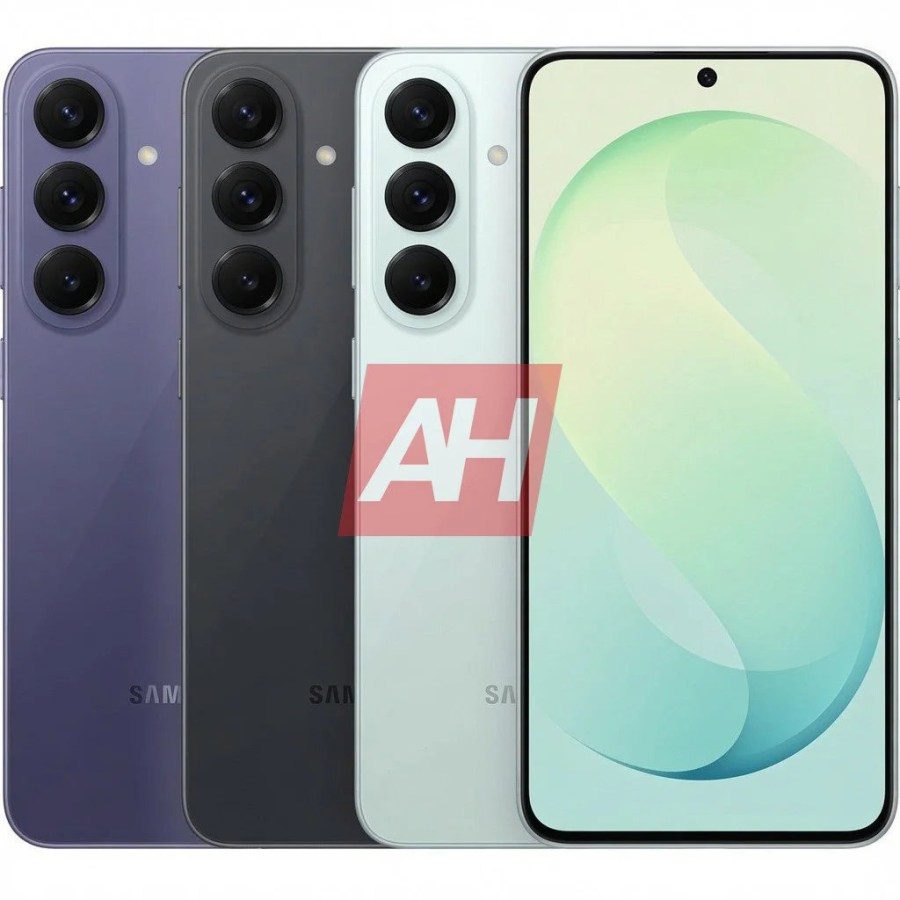
A fresh set of leaked renders from AndroidHeadlines gives us a clear look at the Galaxy S26 FE in all three of its expected color options. The images line up with an earlier color leak pointing to Graphite, Aqua Green, and a third finish sitting somewhere between blue and purple.
Graphite is exactly what you would expect from a modern Samsung phone. It is the dark, understated, and safe look. Aqua Green brings more life to the lineup, while the blue-purple option is easily the most distinctive of the three in the leaked renders. The latter also looks close to the new color that debuted along with the Galaxy S26.

There could still be additional Samsung.com-exclusive finishes that have yet to leak, but the current reporting points specifically to these three colors for the main lineup. Samsung has not officially confirmed any of them.
The renders also reinforce the biggest visual change we had already seen in earlier leaks. The Galaxy S25 FE’s three individually protruding rear cameras are now being replaced by the new design language as seen in the Galaxy S26 lineup.
Previous leaks have pointed toward an Exynos 2500, 8GB of RAM, and Android 17. But this is still just unconfirmed rumors so far. We covered the alleged Exynos 2500 benchmark recently, where the S26 FE trailed the newer Exynos 2600 inside the standard Galaxy S26 by a sizeable margin.
Samsung is also expected to launch the phone around September, which would line up closely with last year’s Galaxy S25 FE release. This is still just a leak, so we’ll have to wait for an official Samsung announcement to know if these colors are actually confirmed.




Weekend Open Thread: Wit & Wisdom


Meta enters AI-training agreement with far-right ‘propaganda rag’ Newsmax


Zack Polanski: an incitement to murder Nigel Farage?


MicroStrategy Post-Earnings CLARITY Act Push Could Add New Catalyst for Its Stock


XRP Ledger v3.3.0 brings five institutional features


New York sues Kalshi over prediction market gambling


Crypto PAC spending tops $2M in Michigan House race


DTCR: Deleveraging And A Hedge Fund Collapse Point To A Possible AI Bottom


ESET tracks rise in malicious AI skills and adaptable malware


3 Fed Officials Just Explained Their Rate Hike Vote: Is Inflation Winning?


France Cricket implodes: letters hidden in a drawer and a board at war
XRP Ledger urges node upgrade after manifest flood


Moneyflip CEO charged in $40K murder-for-hire plot

Bruno Fernandes decision made as Man United ‘discuss’ striker transfer option
FIFA has scrapped $20 billion World Cup sell-off plan, New York Post reports


Financial Crash Expert: The 90-Day Collapse Timeline They Are Desperately Hiding.


Jordan Coyle & Cordiamo take Laya Arena Stakes at RDS


Commonwealth Games 2026 Live Updates | Day 9 CWG 2026: Lovlina Borgohain, Sachin Siwach Enter Final After Indian Judokas Script History


US Tech Stocks See Largest 5-Week Inflow in History: Can Nasdaq Break Its Downtrend?

Tourist plane on sightseeing flight in Peru crashes into a field, killing all 13 people on board



You must be logged in to post a comment Login