



Connect with us

Tech

Nvidia could launch its first laptops with its own processors later this year

Published

on

Nvidia is preparing to re-enter the consumer PC market with laptops powered by its own processors, potentially launching before the end of this year. The development, first reported by the Wall Street Journal, marks a significant expansion for the company, which currently dominates graphics chips and AI data-center hardware.

Nvidia’s shift toward full PC processors

Nvidia is developing Arm-based system-on-a-chip processors tailored for laptops. Unlike its traditional role of supplying discrete GPUs that work alongside CPUs from Intel or AMD, these new chips combine CPU, GPU, and dedicated AI acceleration into a single unit. According to the report, major PC manufacturers such as Dell and Lenovo are already working on laptop models that integrate Nvidia’s new processors.

The goal is to build lighter, more power-efficient laptops capable of delivering strong AI performance and competitive battery life. These systems are expected to directly challenge Apple’s MacBooks, which have set the benchmark for energy-efficient performance through Apple Silicon.

This move represents a major strategic shift for Nvidia

While the company has become the backbone of modern artificial intelligence, its presence inside everyday consumer computers has decreased over the last decade. By introducing complete laptop processors, Nvidia is positioning itself to compete directly with Intel, AMD, and Qualcomm as AI-powered computing becomes the new standard.

The broader industry is transitioning to architectures optimized for on-device AI tasks such as real-time language processing, image generation, and local inference. Nvidia’s entry into full laptop processors aligns with this shift and could significantly reshape the Windows PC landscape.

Advertisement

What users can expect

For consumers, Nvidia-powered laptops could mean thinner designs, longer battery life, and improved AI features integrated directly into Windows. While Nvidia’s graphics capabilities have always been a strength, the real advantage could come from cohesive hardware integration similar to what Apple achieved with its unified memory architecture.

However, early devices may face challenges, especially around software compatibility and balancing thermal efficiency with performance – common issues for first-generation platforms.

The first laptops featuring Nvidia’s processors are expected to arrive later this year, with broader availability in 2026. Analysts will be watching closely to see how Nvidia prices these systems and how they perform against established competitors. If successful, Nvidia could rapidly become a major force in consumer PCs once again, marking one of the most significant shifts in the PC processor market in more than a decade.

Source link

Advertisement
Continue Reading
Click to comment

Leave a Reply

Your email address will not be published. Required fields are marked *

Tech

NSW Police Takes to the Skies with Remote Drones in a Quiet Outback Trial

Published

on

NSW Police Australia Drones
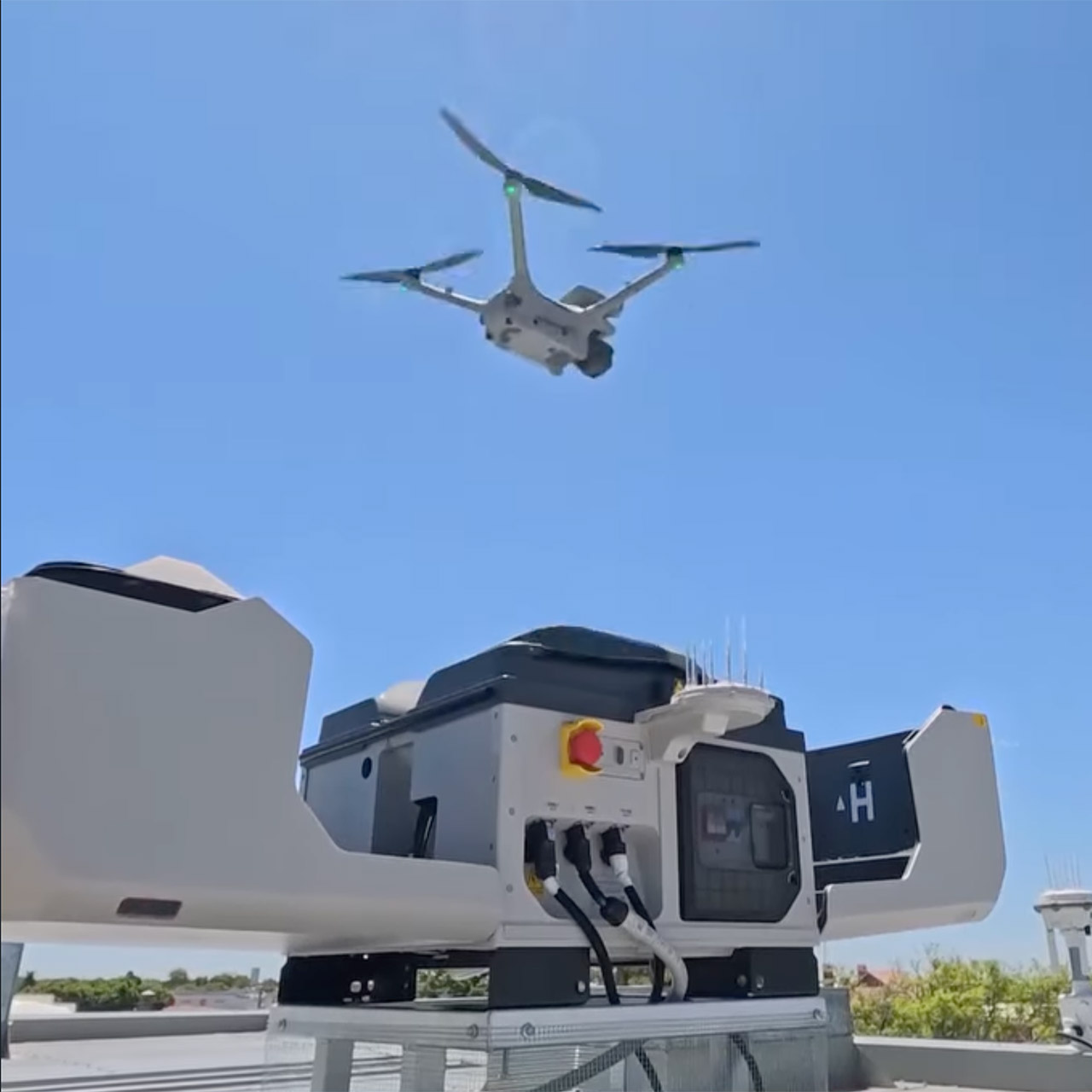
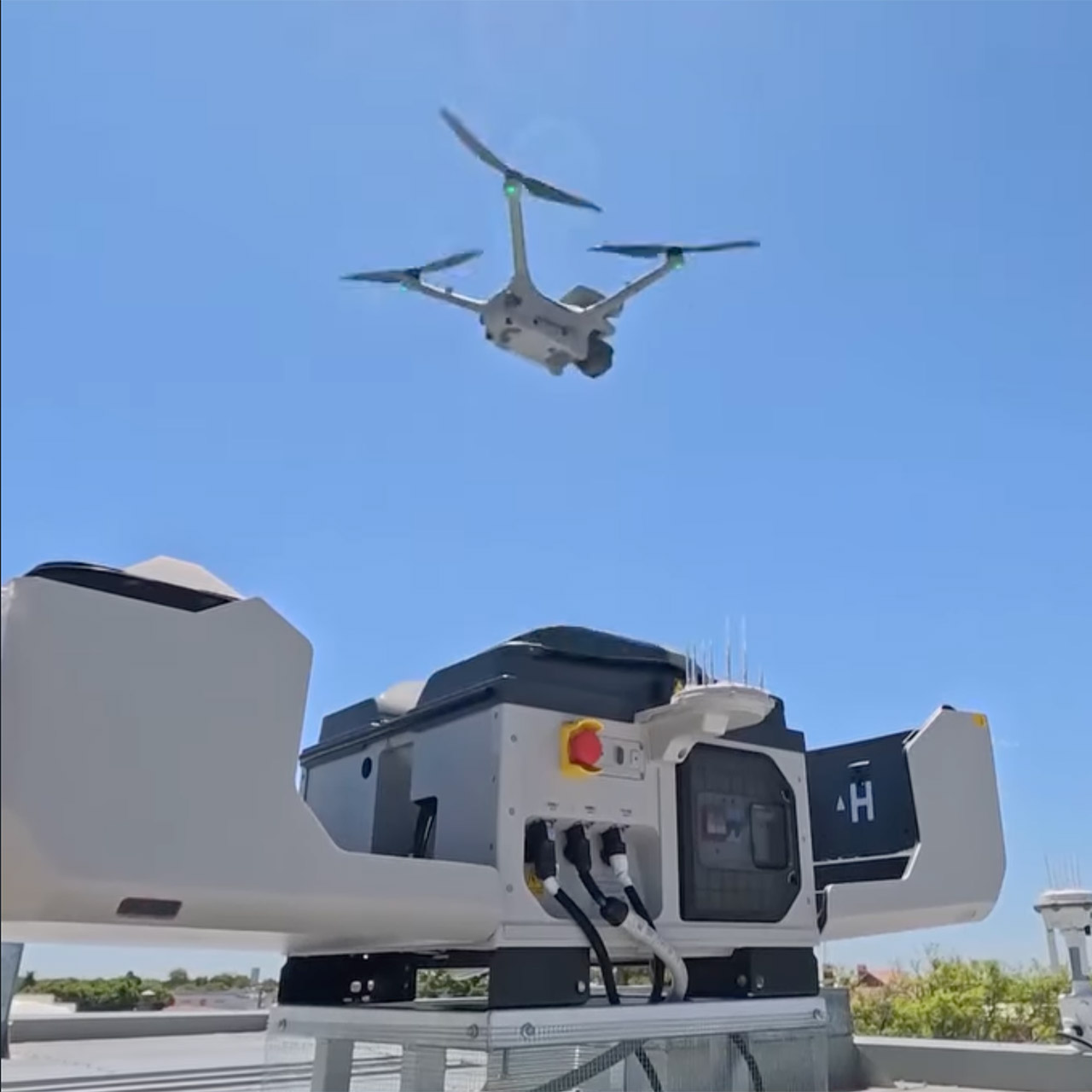
Moree, in the northwest of New South Wales, has become a trial ground for something new in Australian policing. There are now two drones sitting atop the local police station, ready to take flight at a moment’s notice, but there is a catch: they are being guided by pilots hundreds of kilometers away in Sydney. This marks the start of PolAir-rural, a six-month experiment that will discreetly alter the way police manage crime in rural areas.


Moree is almost 600 kilometers from Sydney and is a tiny regional hub of around 7100 people. It has a rather high prevalence of property crime, theft, and break-ins. The police picked Moree because, bluntly, locals were fed up with all of the crime, and traditional techniques were frequently falling short due to the distance from Sydney and limited resources. By January 2026, the first drones had arrived, and what a sight they were, mounted in a self-contained box on the station’s roof. They launch, fly, land, and recharge without assistance from anyone on-site.

Sale


DJI Neo, Mini Drone with 4K UHD Camera for Adults, 135g Self Flying Drone that Follows You, Palm Takeoff…
  • Due to platform compatibility issue, the DJI Fly app has been removed from Google Play. DJI Neo must be activated in the DJI Fly App, to ensure a…
  • Lightweight and Regulation Friendly – At just 135g, this drone with camera for adults 4K may be even lighter than your phone and does not require FAA…
  • Palm Takeoff & Landing, Go Controller-Free [1] – Neo takes off from your hand with just a push of a button. The safe and easy operation of this drone…

The control room is located in Bankstown, and the pilots can view live video footage of where the drones are. The NSW police are thrilled to announce that this is the first time this has been done in Australia, and no operator is needed on site, as all of this is being done from a remote location hundreds of kilometers away. They are using DJI Matrice 4-TD drones equipped with cameras that transmit clear footage to the officers on site and in the control room.

Advertisement

These are only deployed when something serious is happening, like when there is a break-in and they can be deployed upwards to get a bird’s eye view of what is happening. They can also track stolen cars from the air, which helps in the recovery of the cars without the dangers involved in high-speed chases. Already, the system has been used to locate a few of stolen automobiles, including one stolen from a motel and driven away in the owner’s SUV. The drone was able to find the abandoned automobile near a river. When a bunch of criminals stole not one, but two cars from an old couple’s home, the police deployed the drone to provide overhead support, and days later they were able to retrieve both vehicles and arrest the perpetrators.

They’ve even been used in fires, detecting blazes throughout the town and sending out timely alerts to firemen who can go in and extinguish them before spreading. They’ve also been utilized in several assaults and other disruptions. In the month after the system was launched on January 8, the drones have been used to respond to several reports, including at least two stolen vehicles, with positive results. Deputy Commissioner Paul Pisanos says so far so good, and he credits the pilot with providing regional officers with more operational support.

The Police Commissioner, Mal Lanyon, and the Police Minister, Yasmin Catley, have made it plain that these drones will only be used in emergency situations, not for regular surveillance. They won’t be flying over backyards seeking for nothing in particular. Lanyon stated unequivocally that the purpose is to achieve some action quickly in response to a crime, not to monitor everything. The drones operate in the same way that police helicopters and planes have for years, but at a fraction of the cost, just $100,000 for the experiment versus thousands per hour to fly a manned aircraft.
[Source]

Advertisement

Source link

Continue Reading

Tech

Colorado is working on a bill that would make it illegal to 3D print firearms and gun parts

Published

on

A collective of Colorado lawmakers wants to put an end to “ghost guns” and their rising popularity. Earlier this week, the state’s House Judiciary Committee voted in a 7-4 majority to pass the bill, HB26-1144, along for a decision with the full House of Representatives. The proposed law would “prohibit the use of a three-dimensional printer, or similar technology, to make a firearm or a firearm component.”

Ghost guns are typically made from 3D printers or similar machines without serial numbers, making them virtually impossible to trace and allowing users to skirt the federal requirements for purchasing a firearm. While the bill targets using a 3D printer to make guns, large-capacity magazines and other related components, it even bans possessing and distributing the instructions to manufacture guns in this way. However, these rules would be exempt for federally licensed firearm manufacturers.

“These ghost guns are increasingly found at crime scenes, making it harder for law enforcement to track down a suspect because the gun isn’t traceable,” the bill’s sponsor, Lindsay Gilchrist, said in a press release.

Prior to this proposal, Colorado passed a law in 2023 that banned owning ghost guns or making frames for them. While SB23-279 laid the groundwork, HB26-1144 can be seen as the next step since it’s much more encompassing by targeting ghost guns even before they’re made. According to the bill, first-time violations will be treated as a misdemeanor, while repeat offenses will be upgraded to a felony charge. Looking ahead, HB26-1144 still has to secure a vote from both the Colorado Senate and House of Representatives before being delivered to the governor to be signed into law.

Advertisement

Source link

Continue Reading

Tech

Can the creator economy stay afloat in a flood of AI slop?

Published

on

Online creators and their business models were on our mind this week after mega-popular YouTuber MrBeast announced that his company is buying fintech startup Step, followed by Hollywood studios sending a flurry of cease-and-desist letters to ByteDance over the launch of its new video generation model Seedance 2.0.

Those seemingly unconnected headlines suggest a media landscape in the midst of transformative change, as popular YouTubers look to diversify their business models, with the threat and promise of increasingly powerful generative AI tools on the horizon.

On the latest episode of TechCrunch’s Equity podcast, Kirsten Korosec, Rebecca Bellan, and I debated what’s next for the creator economy, and whether there will be any room for the next generation of creators to stand out.

Advertisement

“What’s the next saturation point?” Kirsten wondered. “Not all of these folks can go out and spin off products. So then does the pool of successful creators just simply get smaller? Or will something else happen, technologically speaking, or a different medium that will allow them to find an audience to make money off of?”

You can read a preview of our conversation, edited for length and clarity, below.

Anthony: [The news] led our colleague Lauren to do this great piece talking about the creator business model in general, and this sense that they aren’t just relying on ad revenue anymore. I think it’s still a pretty big part of their business, but she broke down a number of the most popular YouTubers and noted that each of them is expanding — usually into e-commerce, but also into other revenue streams.

Mr. Beast, for example, actually has this line of food products, including chocolate, that is making hundreds of millions of dollars and it was actually profitable for him in 2024, whereas his media business was losing money. All that was pretty wild to me.

Advertisement

Techcrunch event

Boston, MA
|
June 9, 2026

Advertisement

Kirsten: If Mr. Beast can’t be profitable with his media company, who can? To me, that was a stunning stat.

I am not surprised that the whole ad revenue biz game is not working out necessarily for creators and influencers because it’s just reached a saturation point. I guess my big question is, what’s the next saturation point? Not all of these folks can go out and spin off products. So then does the pool of successful creators just simply get smaller? Or will something else happen, technologically speaking, or a different medium that will allow them to find an audience to make money off of?

Rebecca: It’s interesting, there’s a lot of ways you can think about what else could happen, right? Maybe they’ll create digital twins of themselves and put their digital twins into a bunch of different situations that can make them [other kinds of] money.

But again, going back to this not being surprising, these people are now celebrities, right? Someone told me on the phone recently that a lot of [the] younger generation, they don’t know our celebrities, they know TikTok celebrities. And we’ve seen celebrities for years pass off products and make money off of them, right? I used to watch Rachel [Ray], she was a celebrity chef and she sold her EVOO or her olive oil.

Advertisement

We Slow Ventures on [Equity] sometime last year. They have a creator fund and basically what they’re doing is they’ve raised a VC fund to essentially back creators with their businesses, if they have maybe a niche following, maybe they’re really into woodworking and here’s their collection of chisels, I don’t know.

I think it’s an interesting path forward and it’s something that we see as journalists: How do we also try to be creators and make a brand of ourselves that we could diversify our revenue. It sounds horrible to say it out loud like that.

Anthony: I’m smiling, but it’s the smile of somebody whose soul is slowly turning into ash inside.

So we took a break from talking about AI, but I will obligatorily bring AI back into the conversation. Obviously one of the other related developments over the past week or so is that ByteDance, which is the Chinese company that launched TikTok and is still an investor — we won’t get into all of that — they launched a new version of their model, Seedance 2.0, which at least initially was primarily only available to Chinese users.

Advertisement

But you started to see people posting videos generated by Seedance, including this viral video of Brad Pitt fighting Tom Cruise. That prompted both this general conversation of: Is Hollywood doomed? And then more concretely, a bunch of Hollywood studios, including Netflix, sending ByteDance letters being like, “You cannot do this, you’re basically allowing all your users to generate videos using all of our IP, all of our movie stars.” And for a couple of days, there was no response at all from ByteDance, but then they did say, “Sorry, sorry, sorry, for some reason we launched this without any real guardrails, but we’re gonna do better in the future.”

Kirsten: So the timing of this is just perfect because I happen to be editing a story right now that Rebecca wrote. It has nothing to do with Seedance, but it does have to do with AI and filmmaking. So I’m going to give a future ]rops to Rebecca for being timely about that. Rebecca, I know you have a lot to say on that, besides that Hollywood is upset. Is it more complicated than that?

Rebecca: Yeah, definitely. I mean, tying this back to the creators thing, I think that a lot of people are going to be using these tools to produce all kinds of content and we’re just going to be absolutely flooded. And that’s going to be intense. 

But when we talk about, whether it’s creating films or ads or just content in general using AI video tools, I think there’s this tension between one, this is going to produce a whole lot of low effort slop versus two, it could also democratize access for a lot of people who don’t have funds or budgets or teams to share a lot of the stories that they want to tell. 

Advertisement

And also, if you’re a small business and you want to create a little shampoo ad — to be on the nose about it, because there’s a shampoo ad that’s going viral — or you sell coffee and you want to make a little ad for it, [this] could give you the tools to do that. Is that a bad thing? Is it not a bad thing? Do we need more content in the world? There’s a few avenues to walk down. 

Kirsten: Is it a bad thing, Anthony?

Anthony: In terms of the creator side of it, my general feeling is [that] the response to a lot of this kind of slop — frankly, a lot of it is slop, and I think that’s going to continue to be the case — is going to be this valuing of authenticity. And so there is the opportunity for these big creators is be less about the idea of like, “I have digital twins of myself,” but [instead,] “No, I’m the real Mr. Beast, not the digital simulacra wandering around.” 

And I think it’s also telling that – of course, every social network has ups and downs, but that OpenAI’s Sora, from what I understand, had skyrocketed at the beginning and then has been struggling to hold on to users more recently, because there is a certain emptiness to the experience when you just feel like there’s not an authentic human being on the other side. 

Advertisement

But I think it’s also going to make the landscape much more challenging, both for the established creators to monetize […] and then I think it’s going to be especially hard for new creators because there’s just going to be so much more stuff. Trying to actually break out is going to become super difficult.

Source link

Advertisement
Continue Reading

Tech

Best Electric Toothbrush, Backed by Real-Life Testing (2026)

Published

on

Battery life is excellent—lasting about two weeks per charge in our tests—and unlike Oral-B, the 4100 shuts off after the two-minute timer. It’s also designed with BrushSync technology, which tracks how long you’ve been using your brush head and how much pressure you’re applying. A light on the handle and a beep remind you when it’s time for a replacement—a thoughtful touch.

Unlike the Oral-B brush’s standard black and white, the Sonicare 4100 also comes in pink, azure blue, and dark forest green, which might not seem like much, but even the smallest pop of color can make a mundane task feel a little less … mundane.

Best Oscillating

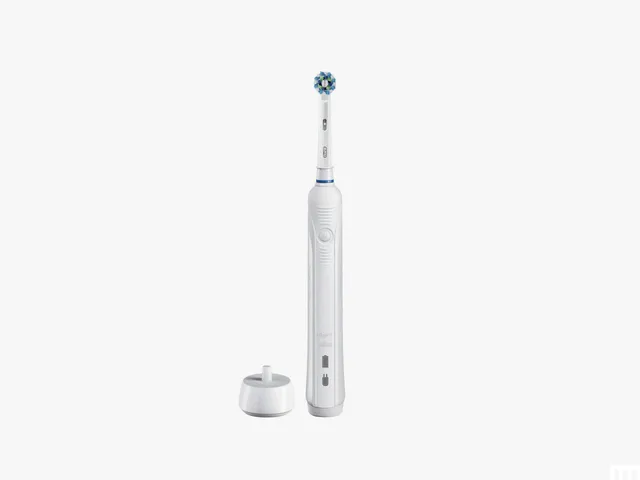
Oral B Pro 1000 toothbrush

WIRED

  • High-power motor
  • Built-in 2-minute timer with quadrant pulses
  • Small round brush head to reach molars
  • Durable build

TIRED

  • Shorter battery life than its competitors
  • Can feel intense

The Oral-B Pro 1000 has been around since 2012, outlasting and outperforming flashier models because it’s powerful and priced right. The high-power motor stays focused on your teeth, so you won’t feel that hand-numbing vibration along the handle. If you’re switching from a manual toothbrush, the intensity might be startling initially, but you’ll adjust.

With just one button and three brushing modes (Daily Clean, Whiten, and Sensitive), the Pro 1000 keeps it simple. A built-in timer pulses every 30 seconds to remind you to move to another quadrant of your mouth, with a triple pulse at the two-minute mark. Unlike some competitors, it won’t shut off automatically, which is handy if you like to keep brushing. Oral-B says the battery lasts about a week, but we squeezed out 10 days in testing. That’s decent, though not as long as some other models.

Advertisement

Like all of Oral-B’s electric brushes, the Pro 1000 uses an oscillating brush head, which is a small, circular design that gets between teeth more effectively than larger oval-shaped bristles. Round brush heads tend to be easier to maneuver for those with smaller jaws, and they reach the back of the farthest molars. Though we haven’t tried all of them, most Pro models are a good bet.

Source link

Continue Reading

Tech

Apple might take a new approach to announcing its next products

Published

on

Apple has invited the tech press to a “special Apple experience” on March 4, but it might unfold a bit differently than the company’s standard press event.

Bloomberg’s Mark Gurman reports that instead of announcing everything at a single keynote, Apple is planning a “three-day flurry of announcements” — presumably announced online, and culminating in the March 4 “experience” that will consist of be three events in New York, London, and Shanghai, where the press will be offered a chance to get hands-on with the upcoming products.

Similarly, Daring Fireball’s John Gruber speculated that the experience could be “a hands-on thing with in-person demos.”

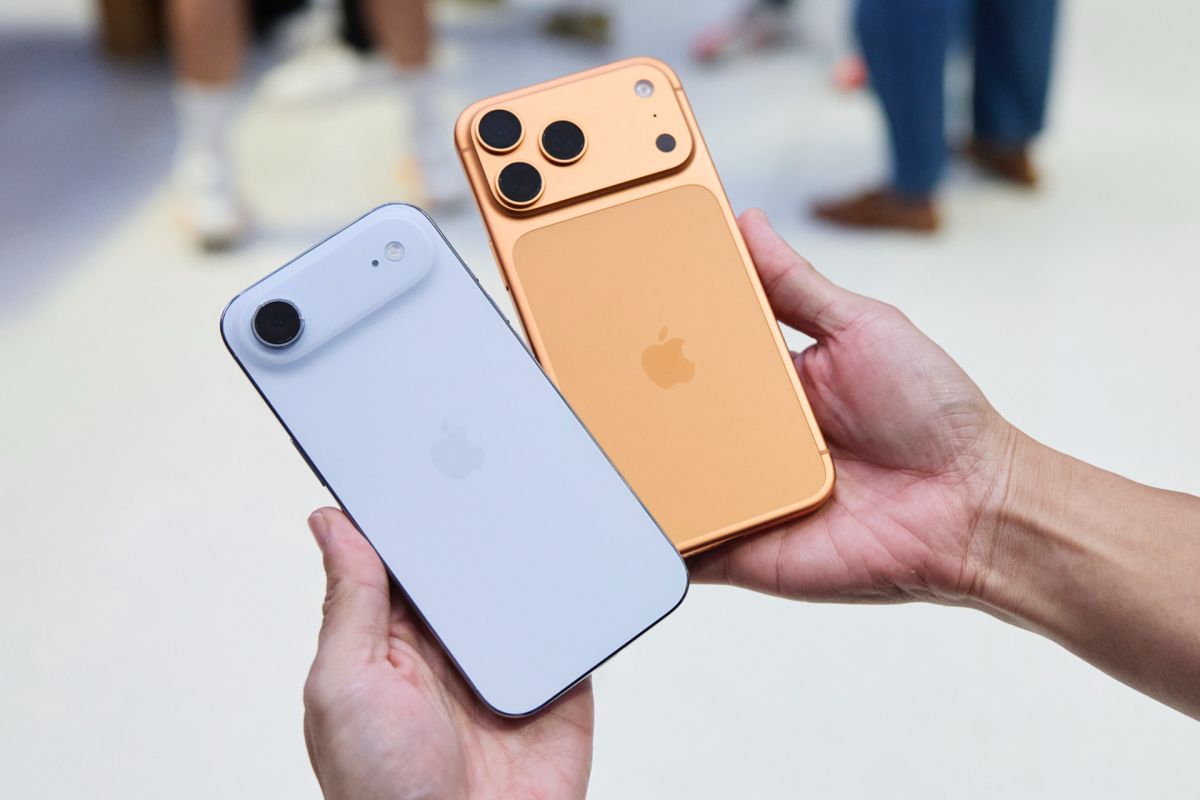
Apple will reportedly be announcing at least five new products during that time, including a low-cost MacBook. Other reported possibilities: the iPhone 17e, an iPad Air with an M4 chip, a new entry-level iPad, and an upgraded MacBook Air and new MacBook Pro models. Gurman said all of those products are due this spring, but he sounded less certain about which ones will be announced when.

Advertisement

Source link

Continue Reading

Tech

A Knight of the Seven Kingdoms season 1 ending explained: what happens to Dunk and Egg, will there be a season 2, and more

Published

on

A Knight of the Seven Kingdoms episode 6 is out now and, with its arrival, the show’s debut season has come to a close.

Six weeks after the increasingly popular show premiered, fans — including you, I bet — have fallen in love with its underdog pairing of Dunk and Egg. So, HBO would be silly to call time on their Westerosi adventures, right?

Advertisement

Source link

Continue Reading

Tech

Microsoft warns U.S. tech firms to prepare for Chinese AI models fueled by massive state subsidies and low-cost infrastructure

Published

on


  • Government-backed funding gives Chinese firms significant operational advantages
  • Lower-cost AI models from China appeal to developing nations worldwide
  • Microsoft is investing billions to strengthen AI tools and infrastructure globally

Microsoft President Brad Smith has warned American technology companies may face growing challenges from Chinese competitors that benefit from substantial state subsidies.

Beijing has provided multi-billion-dollar support, including a national AI fund and energy vouchers, to reduce operational costs for domestic companies.

Advertisement

Source link

Continue Reading

Tech

I can’t go to the Six Nations this year, but this $2.50 per month solution means I’ll be watching on the go

Published

on

Two years ago, I got my first taste of the Six Nations watching Wales fall to France at the Principality Stadium. But this year I’m potentially missing the Six Nations 2026 entirely.

Fortunately, Norton VPN is currently on offer. Two-year plans start at $2.49 per month, paid upfront as $59.76 for the Standard plan, while the Plus and Ultimate plans now cost $83.76 and $107.76, respectively.

Advertisement

Surfshark or Proton VPN.

Although Norton VPN isn’t quite breaking into our top 5 VPNs yet, it’s getting close. It’s also currently around 50 cents a month cheaper than the likes of Proton and NordVPN, though Surfshark remains the best cheap VPN.

Advertisement

If you’re new to VPNs and are unlikely to push it to its limits, you’ll rarely notice the difference, though ExpressVPN and NordVPN are faster if you’re focused on performance.

What Norton does bring is potential. The rate at which the provider is adding features and improving its performance is unmatched. So, by signing up now, you could be getting a bargain deal on a VPN that’s surpassing the very best in a matter of months.

Source link

Continue Reading

Tech

Hackaday Links: February 22, 2026

Published

on

We’ll start things off this week with some breaking news from NASA: just days after the space agency announced the Artemis II crew was preparing to blast off towards the Moon as soon as March 6th, a new problem with the Space Launch System rocket has pushed the launch back indefinitely. According to NASA Administrator Jared Isaacman, problems encountered while loading helium into the Interim Cryogenic Propulsion Stage (ICPS) necessitate rolling the massive rocket back to the Vehicle Assembly Building (VAB) for diagnosis and repair.

The logistics of shuffling the vehicle 6.8 kilometers (4.2 miles) from the pad to the VAB is going to eat up at least a week, and sending it back the other way is naturally just as much of a production. Add in the time they’ll need to actually figure out what’s wrong with the ICPS and make the necessary repairs, and it’s easy to see why a March launch is almost certainly off the table. It’s frustrating to see the Artemis II mission get delayed this close to launch, but sending humans into space isn’t the sort of thing you can cut corners on.

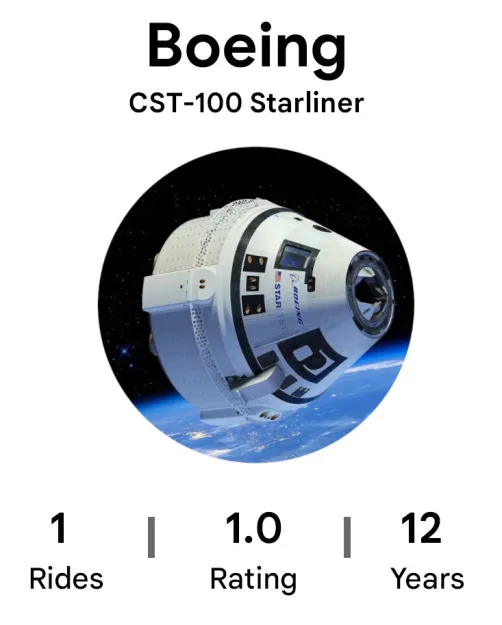
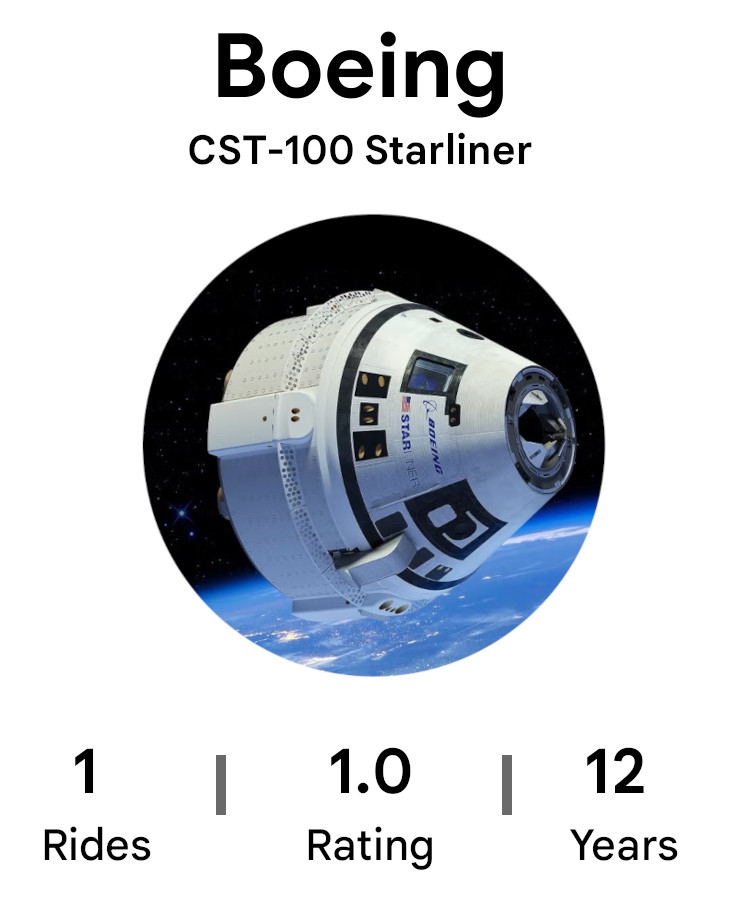
Boeing’s Uber rating is in shambles.

Well, you’d think so at least. This week NASA also released a scathing report detailing the multitude of technical issues that came up during the 2024 test flight of Boeing’s CST-100 Starliner spacecraft. While astronauts Butch Wilmore and Suni Williams eventually made it back home safely aboard a SpaceX Dragon, the space agency has still categorized it as a Type A mishap — their highest incident classification and the same rating given to the losses of Apollo 1, Challenger, and Columbia.

On the subject of companies we love to hate, a recent post by Brian Merchant on his blog Blood in the Machine (awesome band name, called it) points out the precipitous rise in Flock attacks. That is, folks are taking matters into their own hands and destroying the surveillance devices all over the US. Now Hackaday certainly isn’t condoning the destruction of anyone’s property, but we definitely appreciate the rebellious cyberpunk vibe.

Before you go out hunting for Flocks, keep in mind that at least one person has caught a charge already. In fact Jefferey Sovern picked up thirteen charges, as that’s how many Flock cameras he managed to bag before the law caught up to him. According to reports, he also admitted to “keeping some of the wiring, batteries and solar panels taken from the cameras.” Sounds like Jeff would fit in just fine around these parts.

Advertisement

Looking for some new wheels? Got a handy source of hydrogen? If so, you might be in luck. According to CarBuzz, the resale value of Toyota’s Mirai has absolutely cratered. When they were sitting on the lot a new Mirai would have cost you a bit more than $50,000, but on the second-hand market you can get last year’s model for as little as $15,000. If you’re not too picky, you can get one even cheaper. We did a little searching of our own, and found a 2021 Mirai with less than 40K miles for just $9,000. That’s an insane price for a mid-size luxury car, but of course it doesn’t really matter how cheap the car is if you can’t find anywhere to fill the thing up.

Finally, the folks at F-Droid have sounded the alarm about some concerning changes Google has planned for Android. As we first covered back in October, anyone looking to develop applications for the world’s most popular mobile operating system will soon have to register with Google through a process which is still not entirely clear. Although the search giant has hinted that the system will feature some special consideration for students and hobbyists, F-Droid isn’t convinced. Until there is more transparency, they are urging developers and Android users to push back via keepandroidopen.org.


See something interesting that you think would be a good fit for our weekly Links column? Drop us a line, we’d love to hear about it.

Advertisement

Source link

Continue Reading

Tech

Samsung’s Galaxy Tab A11+ Proves You Don’t Need to Spend More for a Great Tablet

Published

on

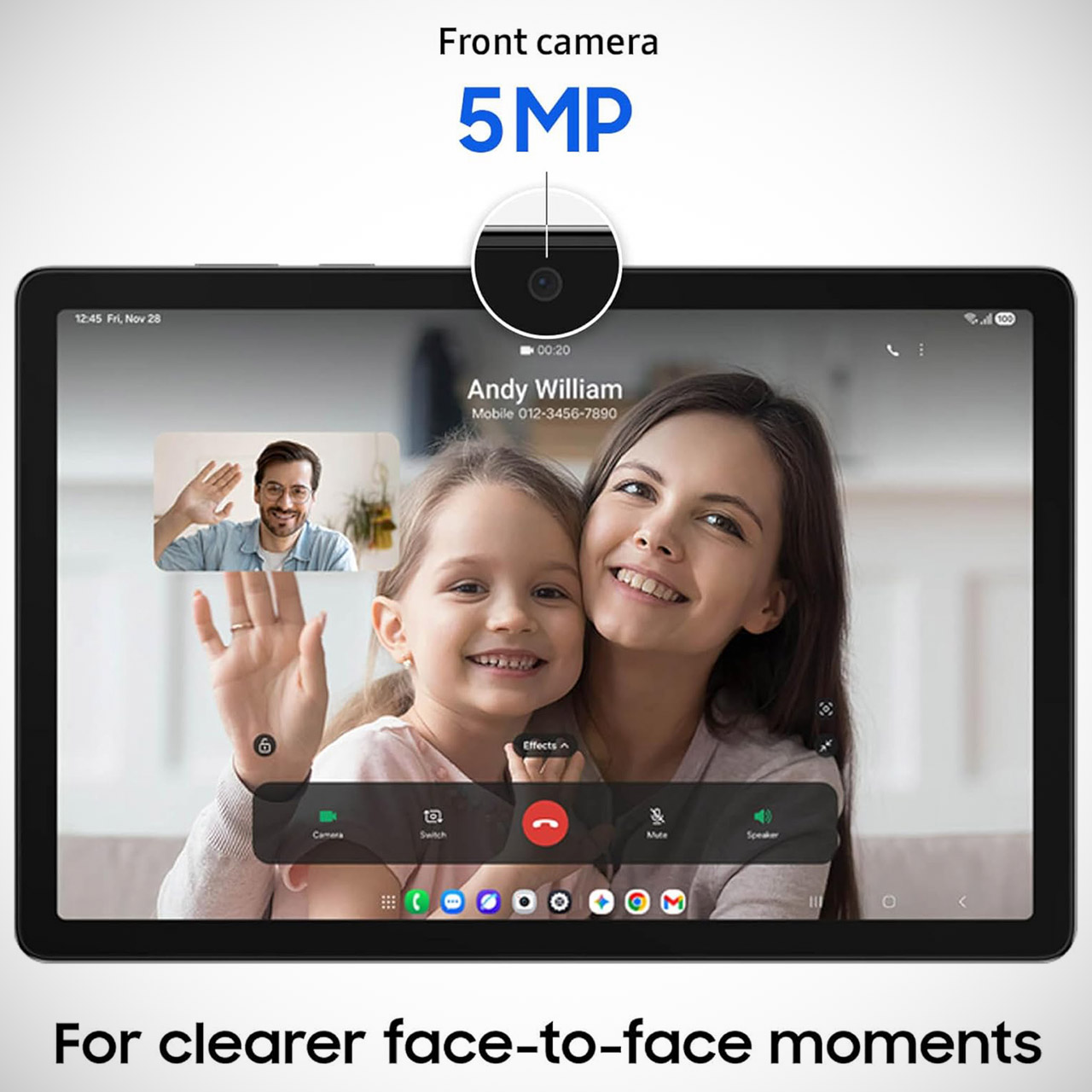
Samsung Galaxy Tab A11+ Tablet
Samsung released the Galaxy Tab A11+ late last year, and it quietly exceeded people’s expectations with what it does at a reasonable price for an Android tablet. Priced at $210 (was $250) for the 6GB RAM and 128GB storage edition, this 11-inch slate includes a slew of enhancements that feel like a game changer in a market where corners are typically cut.


Let’s start with the basics: an 11-inch display with 1920 x 1200 resolution and a refresh rate of up to 90Hz. Scrolling is smooth as silk, movies play without judder or stutter, and the larger screen is ideal for binge watching, reading, or light surfing, which is far superior to many other low-cost options with smaller screens that do not refresh as quickly. The brightness and colors remain decent for indoor use, even if the LCD screen can never equal the deep contrast of the more expensive AMOLED devices.

Sale


Samsung Galaxy Tab A11+ 6GB RAM, 128GB Storage, Optimized Performance, Long Lasting Battery, Expandable…
  • POWER FOR ALL YOU DO: Galaxy Tab A11+ gives your family the optimal performance they need for all their day-to-day activities. Power through tasks…
  • CHARGES UP FAST. LASTS FOR HOURS: Galaxy Tab A11+ keeps your family going with a long-lasting battery that’s perfect for browsing, streaming and…
  • MEMORY AND STORAGE THAT KEEP UP: With up to 8GB of memory and 256GB⁶ of storage, Galaxy Tab A11+ gives your family the space and speed to multitask…


Performance is centered around a MediaTek Dimensity 7300 chipset, which is paired with 6GB of RAM. The benchmarks indicate significant improvements over prior budget Samsung tablets, and as a bonus, you get 128GB of storage that can be upgraded by microSD card up to a whopping 2TB. This alleviates much of the worry of running out of space for images, apps, or downloaded information.

Advertisement

Samsung Galaxy Tab A11+ Tablet
Another factor that contributes to the tablet’s appeal is its battery life; the 7,040mAh cell will last you a full day of mixed use and, if you’re lucky, 15 hours of video playback or light use. When you run out of power, you can put it in and get 25W fast charging. Samsung’s quad speakers, which are calibrated with Dolby Atmos, offer rich, room-filling sound that truly outperforms the tablet’s weight class. So you can fully enjoy your movies or music sessions without feeling the need to plug in your headphones.

Samsung Galaxy Tab A11+ Tablet
Samsung has also included some thoughtful features that truly enhance the experience. Google Gemini integration adds a great AI assistant that allows you to perform rapid searches, get summaries, and receive creative prompts directly on the device. Circle to Search allows you to circle anything on the screen to obtain instant context. To top it all off, you get security updates for a full 7 years, which is a rather unusual offer at this price point and a major deal for keeping your tablet safe and up to date long after you’ve purchased it.

Source link

Continue Reading

Trending

Copyright © 2025