

Tech
Nvidia’s Deal With Meta Signals a New Era in Computing Power

Ask anyone what Nvidia makes, and they’re likely to first say “GPUs.” For decades, the chipmaker has been defined by advanced parallel computing, and the emergence of generative AI and the resulting surge in demand for GPUs has been a boon for the company.
But Nvidia’s recent moves signal that it’s looking to lock in more customers at the less compute-intensive end of the AI market—customers who don’t necessarily need the beefiest, most powerful GPUs to train AI models, but instead are looking for the most efficient ways to run agentic AI software. Nvidia recently spent billions to license technology from a chip startup focused on low-latency AI computing, and it also started selling stand-alone CPUs as part of its latest superchip system.
Yesterday, Nvidia and Meta announced that the social media giant had agreed to buy billions of dollars’ worth of Nvidia chips to provide computing power for its massive infrastructure projects—with Nvidia’s CPUs as part of the deal.
The multiyear deal is an expansion of a cozy ongoing partnership between the two companies. Meta previously estimated that by the end of 2024, it would have purchased 350,000 H100 chips from Nvidia, and that by the end of 2025 the company would have access to 1.3 million GPUs in total (though it wasn’t clear whether those would all be Nvidia chips).
As part of the latest announcement, Nvidia said that Meta would “build hyperscale data centers optimized for both training and inference in support of the company’s long-term AI infrastructure roadmap.” This includes a “large-scale deployment” of Nvidia’s CPUs and “millions of Nvidia Blackwell and Rubin GPUs.”
Notably, Meta is the first tech giant to announce it was making a large-scale purchase of Nvidia’s Grace CPU as a stand-alone chip, something Nvidia said would be an option when it revealed the full specs of its new Vera Rubin superchip in January. Nvidia has also been emphasizing that it offers technology that connects various chips, as part of its “soup-to-nuts approach” to compute power, as one analyst puts it.
Ben Bajarin, CEO and principal analyst at the tech market research firm Creative Strategies, says the move signaled that Nvidia recognizes that a growing range of AI software now needs to run on CPUs, much in the same way that conventional cloud applications do. “The reason why the industry is so bullish on CPUs within data centers right now is agentic AI, which puts new demands on general-purpose CPU architectures,” he says.
A recent report from the chip newsletter Semianalysis underscored this point. Analysts noted that CPU usage is accelerating to support AI training and inference, citing one of Microsoft’s data centers for OpenAI as an example, where “tens of thousands of CPUs are now needed to process and manage the petabytes of data generated by the GPUs, a use case that wouldn’t have otherwise been required without AI.”
Bajarin notes, though, that CPUs are still just one component of the most advanced AI hardware systems. The number of GPUs Meta is purchasing from Nvidia still outnumbers the CPUs.
“If you’re one of the hyperscalers, you’re not going to be running all of your inference computing on CPUs,” Bajarin says. “You just need whatever software you’re running to be fast enough on the CPU to interact with the GPU architecture that’s actually the driving force of that computing. Otherwise, the CPU becomes a bottleneck.”
Meta declined to comment on its expanded deal with Nvidia. During a recent earnings call, the social media giant said that it planned to dramatically increase its spending on AI infrastructure this year to between $115 billion and $135 billion, up from $72.2 billion last year.

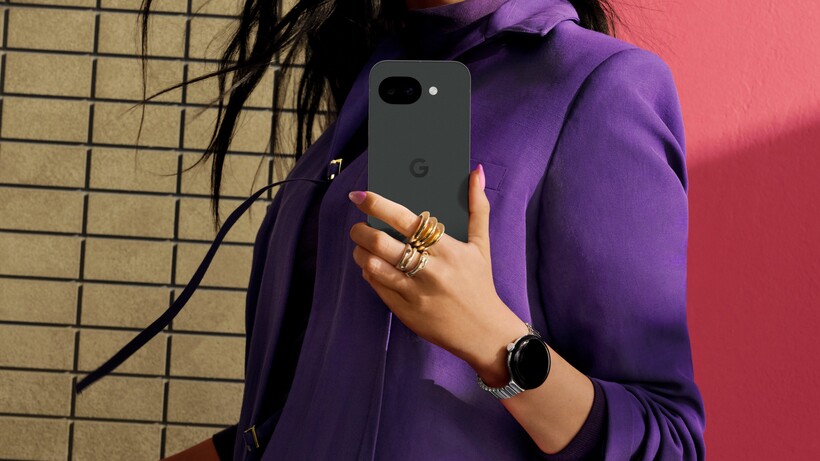
The Pixel 10a might be Google’s latest affordable phone, but on paper it feels more like a gentle refresh than a true upgrade – especially when last year’s Pixel 9a is now cheaper than ever.
Both phones share the same core specs, the same Google-made Tensor chip and a near-identical design, yet one of them regularly dips well below its original asking price while the other launches at £499/$499.
Unless you’re absolutely set on having the newest model for the sake of it, the Pixel 10a has to work much harder than this to justify its existence.
SQUIRREL_PLAYLIST_10208265
The Pixel 10a is a very familiar phone
You’ll be forgiven if you can’t tell the difference between the Pixel 10a and last year’s Pixel 9a when looking at the spec sheet – the two phones are practically the same in key areas.
That extends to the chipset, with both the Pixel 9a and 10a sporting the same Tensor G4 chipset – a chipset that first debuted on the Pixel 9 collection in 2024. It was a solid addition to the Pixel 9a in 2025, as it represented the latest in Google’s processing power, but the absence of the G5 found in the Pixel 10 series means the same can’t be said here.
There’s no justification for Google not to include the chipset, aside from a way to protect the sales of the regular Pixel 10. The entry-level Pixel is often compared to the ‘a’ alternative, and much of the time, the ‘a’ alternative is the better buy. With an older chipset, that recommendation is no longer quite as easy.
It would’ve been an easier pill to swallow had Google introduced new game-changing features to balance that decision, but there isn’t really much else new about the Pixel 10a.

Generally, it looks a lot like last year’s Pixel 9a, sporting the same flat-edged, rounded-corner design with a completely flat rear – a stark contrast to the bar-style camera housing present on the flagship Pixel 10 range. It would’ve been easy for Google to score a win in this department by including support for PixelSnap magnetic accessories, but that’s sadly not the case.
There’s also an identical camera offering with a 48MP primary lens and a 13MP ultrawide on the rear and a 13MP selfie snapper up front, with no discernible changes to the underlying hardware.
Now, Google could’ve improved its image processing to provide a tangible boost, but I’d argue that the company’s processing tech was already pushed to the limits by the 9a’s hardware last year. It’ll be interesting to see how, if at all, it differs in actual performance.
You likely won’t see a battery life boost either; it uses the same 5100mAh battery as its predecessor, with Google claiming the same ‘over 30 hours’ battery life estimate. Another downside to not using a newer, more energy-efficient chipset.
Upgrades that don’t exactly get the heart racing
Despite all the above, the Pixel 10a does come with a few key upgrades – but these are what I’d describe as bog-standard niceties rather than trying to truly tempt consumers to the newer phone.
That’s best exemplified by the only tangible design difference aside from the new Berry finish and slightly improved IP68 dust- and water-resistance: a completely flat rear camera housing.
You might think ‘well, that was the case with the 9a too’, but there was an ever so slight bump around the edges of the module. That’s gone this year. It does mean that the 10a should sit completely flush on a table and not wobble at all, but the 9a’s wobble isn’t exactly egregious compared to some phones.

There are also improvements in the screen department; it’s still a 6.3-inch 120Hz AMOLED screen, but Google has slimmed down the infamously thick bezels of the latest ‘a’ series handset, giving it a more premium look in line with 2026 mid-range rivals. It’s also brighter at 3000nits, though that’s only a 300nit jump compared to the Pixel 9a.
The Pixel 10a should also charge a little faster than its predecessor despite using the same 5100mAh cell, thanks to boosted 30W charging, though again, this is only a 7W increase compared to the 9a and far from true fast-charging mid-rangers like the Xiaomi 15T Pro and its 90W charging.
Google is also keen to point out that the Pixel 10a will be ‘the first’ in the ‘a’ series to get flagship Pixel 10 AI features like Auto Best Take and Capture Coach – but the ‘first’ wording there suggests that the Pixel 9a may get the features in the future.

After all, it’s not like Google can rely on the usual excuse of needing the latest Tensor chipset to power the features – if they’re on the 10a, they can definitely run on the 9a. That’d be a massive win for existing Pixel 9a winners, but it’d mean one less reason to opt for the newer, more expensive model.
The Pixel 9a seems like the smarter buy
With that all in mind, it seems like the Pixel 9a is the smarter buy – especially when you can pick it up for as little as £345/$399 at the time of writing, compared to the £499/$499 price tag of the newer Pixel 10a.

The Pixel 9a offers an oddly familiar experience to the new model, complete with the same chipset, RAM configuration and storage, same design, same camera hardware and same battery.
Sure, the Pixel 10a has a slightly better screen, a reduction of the already unnoticeable camera bump and slightly faster charging, but without the Pixel 10’s G5 chipset, it’ll remain an unusually hard sell for what is usually one of the best mid-range smartphones around.
If you are tempted by the newer model, you can pre-order the Pixel 10a now via the Google Store ahead of release on 5 March.
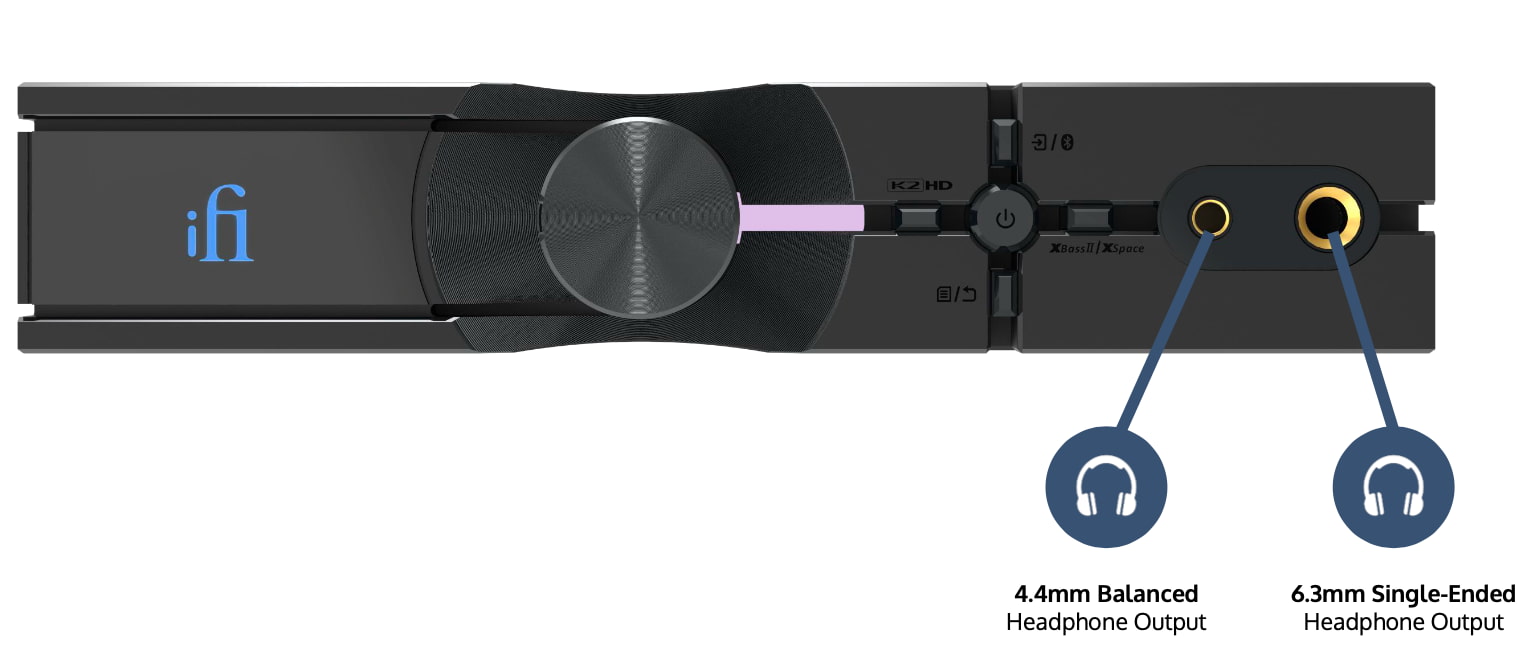
At $999, the iFi Audio NEO iDSD 3 lands in a price bracket that’s starting to feel less taboo in 2026, and that’s not an accident. In a Head-Fi market crowded with competent boxes chasing the lowest possible number, iFi is playing a slightly different game: value through consolidation. The NEO iDSD 3 isn’t trying to be the cheapest DAC/headphone amp on your desk. It’s trying to be the one that makes you stop shopping. With serious output power, lossless Bluetooth, full-tilt hi-res playback, and both analog and digital flexibility in a single chassis, iFi is betting that “affordable” no longer means stripped down, but the last box you are likely to need for many years. Which is probably not a thing for some people, but it’s a concept worth thinking about.
Yes, you can spend less with brands like Shanling, FiiO, Schiit Audio (once you start stacking boxes), Topping, or Fosi Audio. The argument isn’t whether $1,000 is cheap—it isn’t. The real question is whether any of those alternatives deliver this level of power, codec support, DAC performance, and feature depth in one box without meaningful compromises. That’s where the NEO iDSD 3 makes its case: not as a bargain-bin hero, but as a compact, do-everything desktop component that treats flexibility and sound quality as non-negotiable.
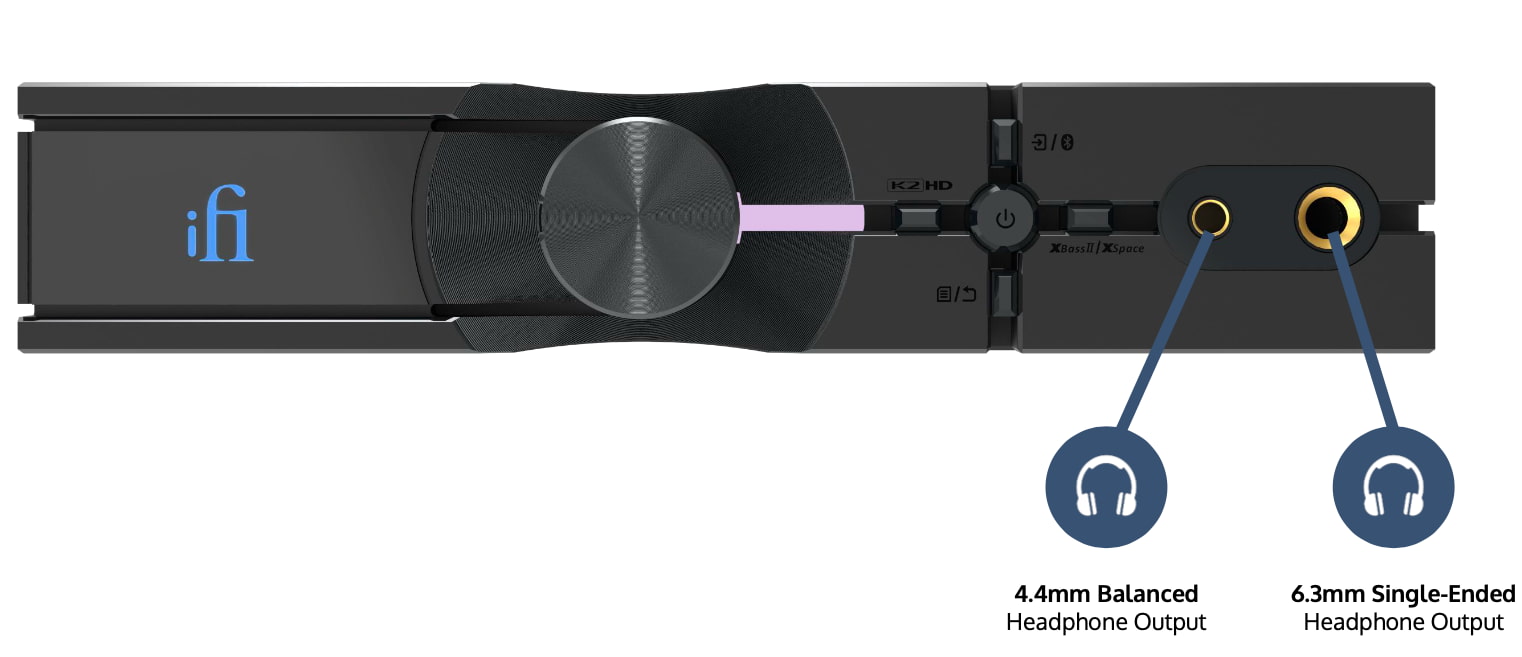
What the iFi NEO iDSD 3 Actually Is
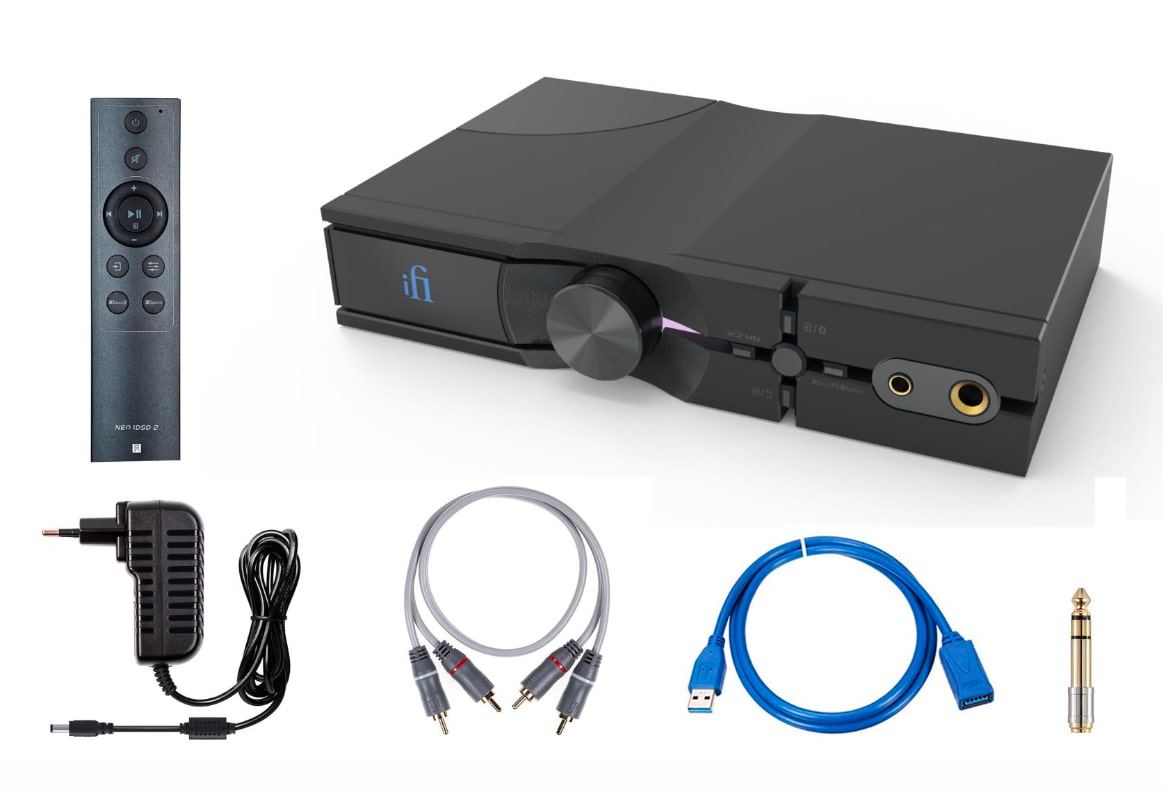
The iFi Audio NEO iDSD 3 is a compact desktop DAC and headphone amplifier designed to cover a lot of ground without forcing users into a stack of separate boxes. At $999, it sits squarely in the middle of a crowded category, but its pitch is straightforward: combine high-power headphone amplification, full hi-res wired playback, and current-generation lossless Bluetooth support in a single, flexible component that works equally well on a desk or in a traditional hi-fi system.
At its core is iFi’s custom Burr-Brown DAC stage, supporting PCM up to 768kHz and DSD512, paired with revised internal circuitry aimed at improving accuracy rather than adding coloration. JVCKENWOOD’s K2HD Technology is included to restore harmonic content in digital recordings, while the headphone stage delivers up to 2,532mW RMS (5,551mW peak).
Wireless is treated as a primary input, not an afterthought. Bluetooth 5.4 with aptX Lossless, LDAC, and LHDC allows the NEO iDSD 3 to function as a serious wireless DAC. Analog-domain tuning is handled via XBassII and XSpace, for users who want subtle low-frequency reinforcement or a broader presentation without relying on DSP.
Practical details round out the package. The iFi Nexis app enables OTA firmware updates and remote control, and a 2-inch rotating color display allows the unit to be positioned vertically or horizontally depending on system layout.
The NEO iDSD 3 doesn’t try to redefine desktop audio. It focuses on consolidation: strong output power, modern wireless support, broad format compatibility, and real-world usability in one box. Whether that justifies $1,000 depends on your specific priorities, but in terms of scope, it’s clear what iFi is aiming to deliver.
Connectivity
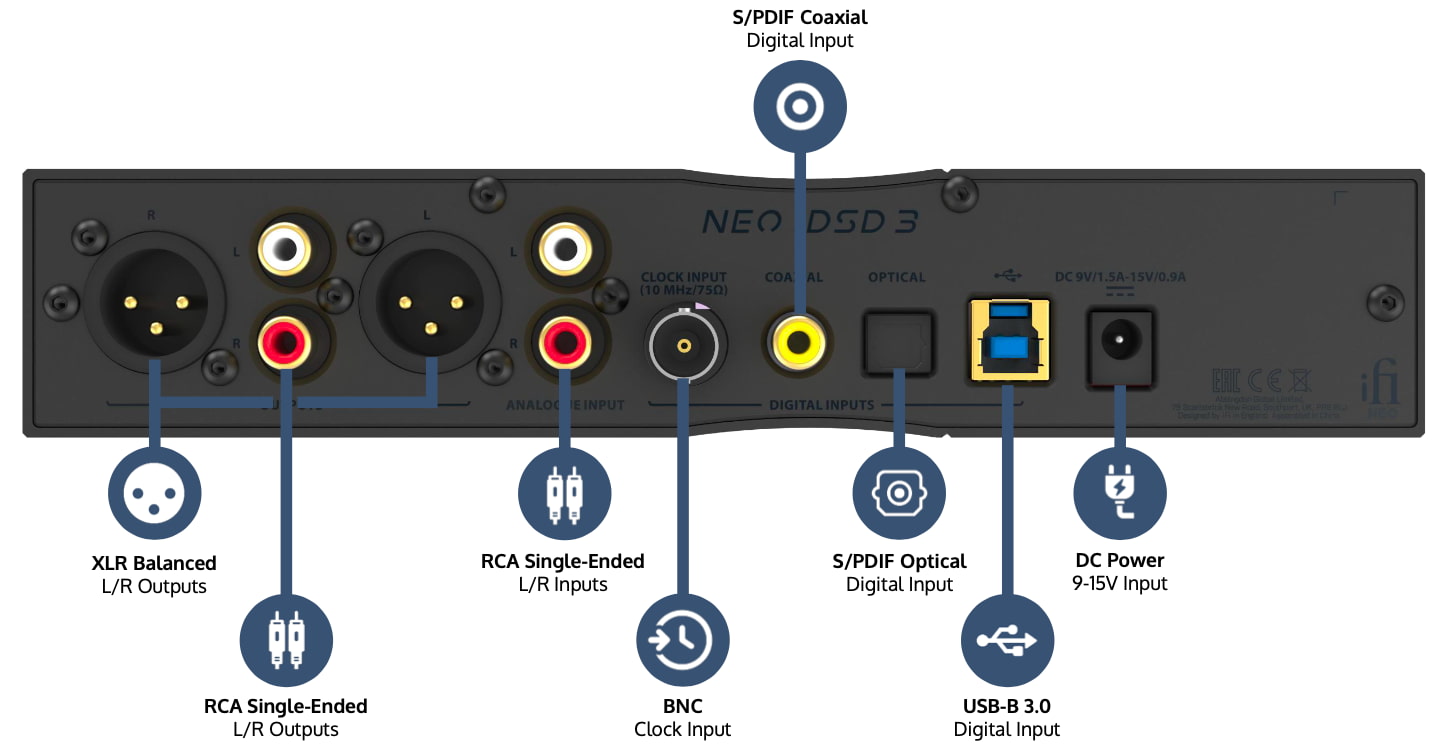
The NEO iDSD 3 is designed to handle both modern digital sources and older analog gear without adapters or workarounds. Digital inputs include USB-B 3.0, S/PDIF coaxial, and S/PDIF optical, covering computers, streamers, TVs, and disc players with digital outputs.
For system integration, the NEO iDSD 3 offers balanced XLR and single-ended RCA line outputs, selectable as fixed or variable, allowing it to function as a DAC, preamp, or headphone amp depending on the setup. A BNC clock input is also included for users running an external master clock.
One notable change from earlier models is the removal of the 3.5mm analog input, replaced by a single-ended RCA line input. This makes the NEO iDSD 3 far more practical for traditional sources such as a turntable with a built-in phono preamp, an external phono stage, a tuner, or older CD players without digital outputs. Yes, that includes legacy gear that still works perfectly fine but predates modern digital connectivity.
Power and Physical Specs
The headphone amplifier section is built to cover a wide range of loads. Output power reaches 2,532mW RMS (5,551mW peak) from the 4.4mm balanced output, with the 6.3mm single-ended output also providing substantial drive. Output impedance is kept low at ≤1Ω, with iEMatch available for sensitive earphones, allowing the unit to work equally well with IEMs, dynamic headphones, and demanding planar designs.
Physically, the unit is compact but solidly built, measuring 214 x 158 x 41mm (8.4 x 6.2 x 1.6 inches) and weighing 916g (2.0 lbs).
The Bottom Line
The NEO iDSD 3 is a DAC and headphone amplifier that focuses on doing fewer things well, rather than trying to be an all-in-one. What’s unique is the combination of high headphone output power, lossless Bluetooth support, broad digital format compatibility, and a proper RCA analog input in a compact chassis. That last point matters if you’re connecting an external phono stage, a turntable with a built-in phono preamp, or older sources that don’t offer digital outputs.
What it doesn’t include is a built-in streamer or phono stage, by design. If you want network playback, you add one upstream—such as iFi’s ZEN Stream 3 or NEO Stream 3—and keep the DAC and amplifier roles clearly defined.
The NEO iDSD 3 is best suited for listeners who want one capable desktop or rack-friendly component to handle headphones, active speakers, wired sources, and modern wireless playback, without stacking multiple boxes or paying for features they won’t use.
For more information: ifi-audio.com
Related Reading:


Microsoft’s Windows 11 ISO is the most flexible way to install or reinstall the company’s latest desktop OS, whether you’re setting up a new PC, fixing a broken system, or upgrading without touching the Media Creation Tool. It lets you create a bootable USB, run an in-place upgrade, or install…
Read Entire Article
Source link

Uber plans to invest $100 million in EV charging infrastructure to support current and future robotaxi fleets in cities like Los Angeles, the Bay Area, and Dallas, “eventually partner[ing] with multiple robotaxi companies on actual robotaxi deployment — WeRide, Waabi, Lucid, Nuro, May Mobility, Momenta, and Waymo of course,” reports CleanTechnica. From the report: “Cities can only unlock the full promise of autonomy and electrification if the right charging infrastructure is built for scale. That infrastructure needs to work for today’s drivers and the fleets of the future,” said Uber’s global head of mobility, Pradeep Parameswaran. In addition to building some infrastructure itself, the company is making “utilization guarantee agreements” with EVgo for various major US cities as well as Electra, Hubber, and Ionity in Europe.
On Uber’s latest shareholder call, CEO Dara Khosrowshahi said that the company would make “targeted growth-oriented investments aligned with the 6 strategic areas of focus.” That includes self-driving vehicles/robotaxis. “With the benefit of learning from multiple AV deployments around the world, we’re more convinced than ever that AVs will unlock a multitrillion-dollar opportunity for Uber. AVs amplify the fundamental strengths of our platform, global scale, deep demand density, sophisticated marketplace technology, and decades of on-the-ground experience matching riders, drivers, and vehicles, all in real time,” Khosrowshahi added.
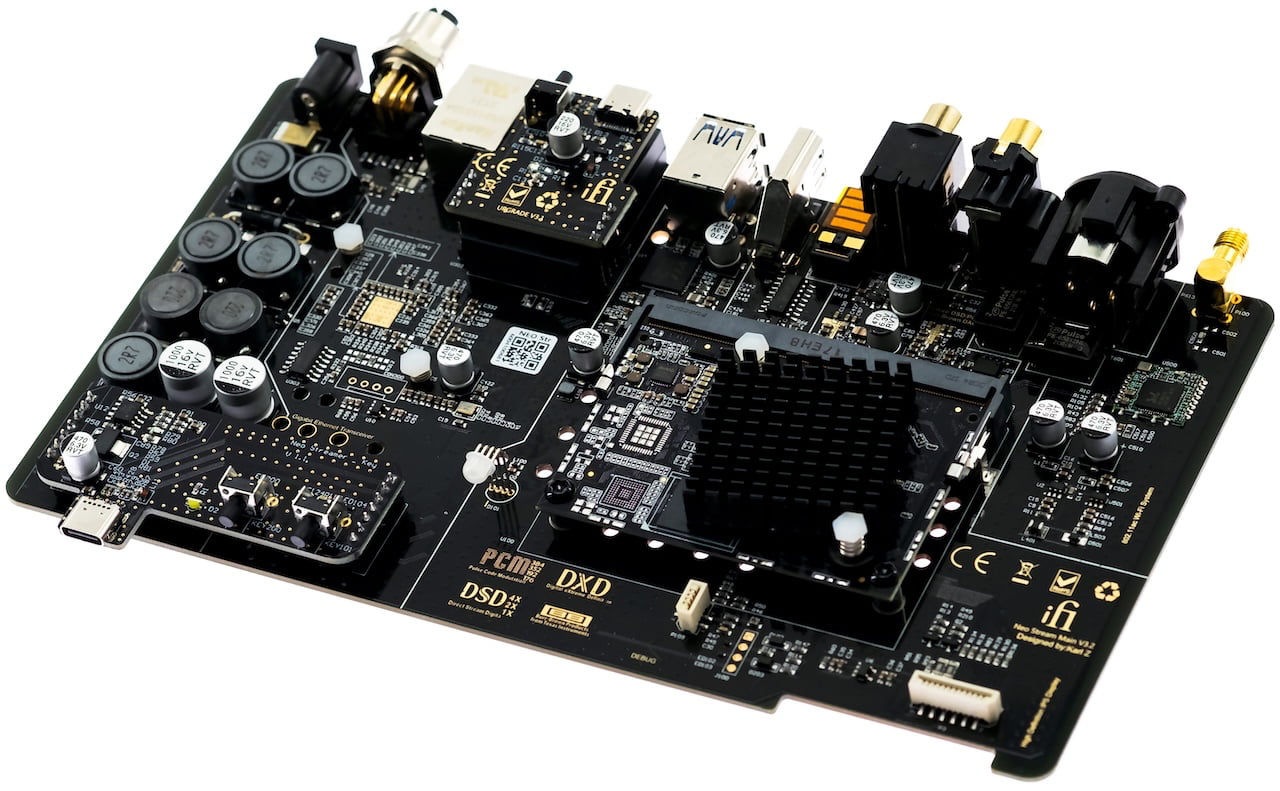
The sub $1,000 network streaming market is no longer short on options. Between WiiM, Eversolo, Bluesound, and Cambridge Audio, buyers can choose from a wide range of compact streamers that handle modern services cleanly and integrate easily into existing systems. Most now cover the basics well. What separates them is how they integrate into real world systems, the flexibility they give users, and their performance in everyday listening.
That is where iFi Audio positions the $999 NEO Stream 3 and $399 ZEN Stream 3. Both are built around a modern streaming platform that supports Qobuz Connect, TIDAL Connect, Spotify Connect, and Apple AirPlay 2, allowing users to stream directly from native apps without workarounds or proprietary control layers. Setup is handled through a straightforward IoT process, and ongoing updates are managed through iFi’s Nexis platform rather than requiring users to chase firmware manually.
In practical terms, the NEO Stream 3 is designed for listeners who want a single box that can act as the digital front end of a system, handling streaming duties and conversion without external hardware. The ZEN Stream 3 takes a different approach, focusing on being a quiet and reliable network transport for systems that already have a DAC the owner likes and does not want to replace. Both models lean on improved power design and noise reduction to keep the signal path stable, an area where iFi has traditionally focused its engineering effort.
But is that enough to compete below $1,000? Let’s take a look at what both offer straight out of the box.
NEO Stream 3 and ZEN Stream 3 Share the Same Core Streaming and Noise Control Architecture
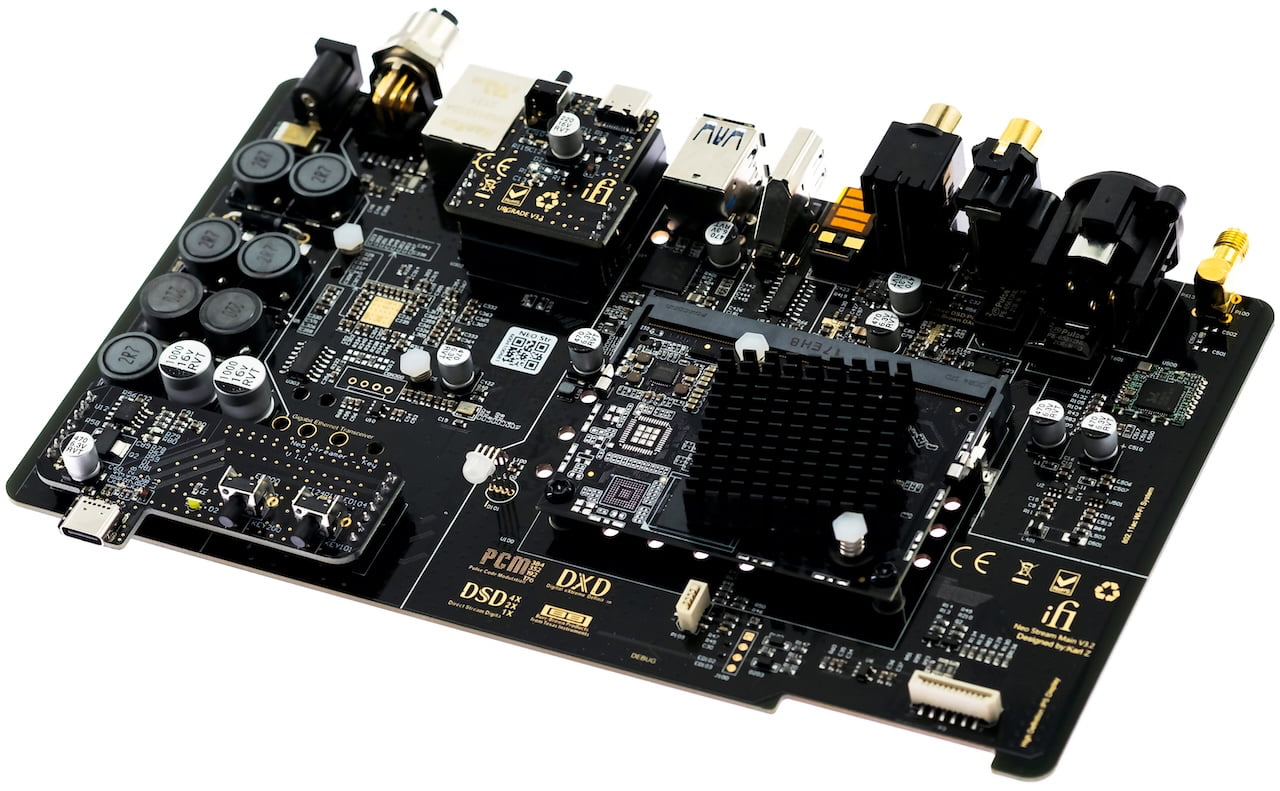
Both the NEO Stream 3 and ZEN Stream 3 are built on the same core streaming and noise-control platform, with differences that are deliberate rather than cosmetic. At a baseline level, both models receive refinements to their power supplies, including upgraded polymer capacitors for lower noise delivery and the continued use of ELNA Silmic II capacitors in the audio path. The goal here is consistency and stability, not tonal revoicing, with iFi focusing on cleaner power and predictable behavior in long-term use.
Setup and system management are also shared. Both streamers now include iFi’s updated IoT hardware, enabling faster initial configuration and smoother day-to-day operation.Firmware updates and system control are handled through either a browser based interface or the iFi Nexis app, streamlining setup and ongoing maintenance compared with earlier manual update processes. Exclusive Modes return on both units as well, allowing users to disable unused background processes during playback to minimize potential noise sources.
Noise mitigation remains a defining design priority across both products. Each includes iPurifier2 technology on the S/PDIF outputs and Active Noise Cancellation on the USB ports, specifically aimed at reducing interference from connected storage devices or computers when feeding an external DAC.
The NEO Stream 3 goes further by retaining the OptiBox optical isolation system from the original NEO Stream, which isolates the wired network connection and prevents network-borne electrical noise from entering the audio system. The ZEN Stream 3 does not include OptiBox as one its connectivity features.
On the software side, both units use the latest version of iFi’s ultra-resolution streaming engine. This platform supports Qobuz Connect, TIDAL Connect, Spotify Connect, and AirPlay 2, with improvements focused on stability, smoother web radio playback, and a cleaner interface with deeper configuration options. Control is handled through native apps rather than forcing users into a proprietary ecosystem. Support for Spotify Lossless, however, is still not finalised but we’re told it’s coming.
Where the two models clearly diverge is in system role. The NEO Stream 3 is designed as an all-in-one digital front end, combining network streaming with an integrated DAC capable of handling up to 768 kHz PCM and DSD512. It is intended for users looking to modernize an existing hi-fi system without adding external digital components. The ZEN Stream 3, by contrast, is a dedicated network transport. It supports up to 384 kHz PCM and DSD256 and is meant to slot into systems where a preferred external DAC is already in place.
Both models also incorporate K2 technology developed in collaboration with JVCKENWOOD. This processing is designed to restore harmonic information often lost during recording, mastering, or encoding. Two modes are available: K2, which preserves the original file resolution, and K2HD, which optionally upsamples PCM content to 192 kHz 24-bit. With this generation, K2 processing is no longer limited to internal DACs. Any external DAC connected to either streamer can benefit from K2 processing, while the NEO Stream 3 adds the ability to apply K2HD upsampling internally to PCM material below 192 kHz.
NEO Stream 3
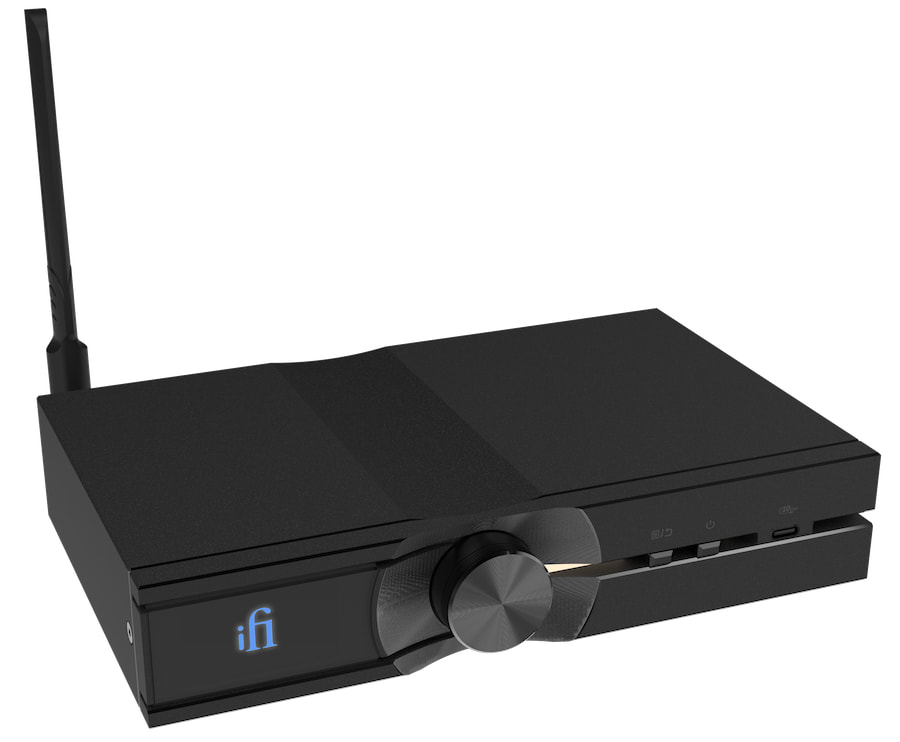
The NEO Stream 3 is a combined network streamer and DAC designed to function as a complete digital source component. It supports Wi-Fi and wired networking via RJ45 Ethernet as well as iFi’s M12-X optical network input. Digital inputs include USB-A for storage or DAC use and a front-mounted USB-C port. Digital outputs are comprehensive, with dual USB-A, S/PDIF optical, S/PDIF coaxial, AES/EBU, and I2S, allowing the unit to operate either as a DAC or as a dedicated digital transport. Analog outputs are provided via a balanced 4.4 mm connection and single-ended RCA.
Internally, the NEO Stream 3 uses a Burr-Brown DAC stage derived from the NEO iDSD 2 and supports high-resolution audio up to 768 kHz PCM and DSD512. Balanced output voltage is rated at 4 V RMS, with 2 V RMS available from the RCA outputs.
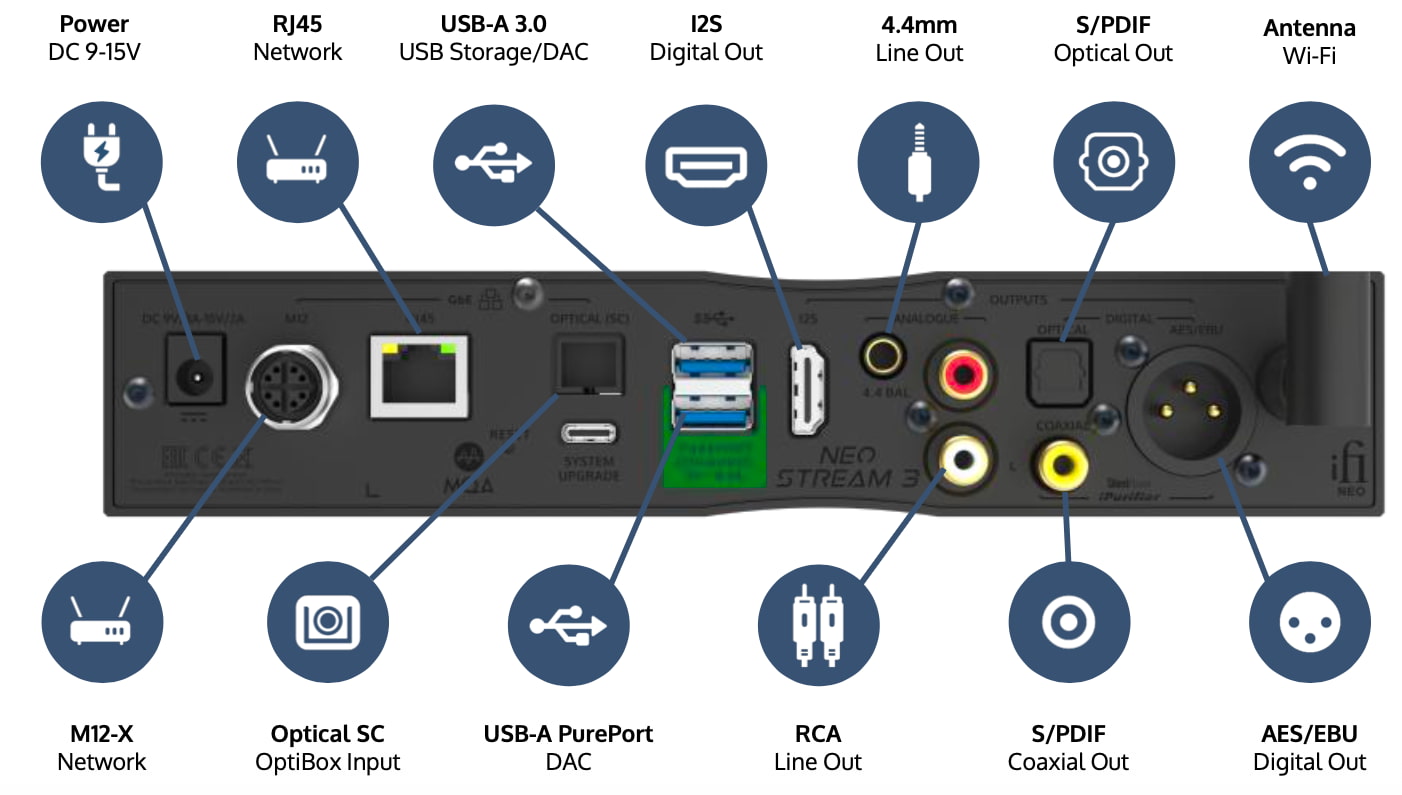
Power is supplied via a DC input supporting 9 to 15 volts, with internal regulation using upgraded polymer capacitors and ELNA Silmic II capacitors. Power consumption is under 0.5 watts at idle and approximately 14 watts at maximum load.
Setup and ongoing updates are handled through a simple browser-based interface or the iFi Nexis app, made possible by the new IoT hardware, so there is no need to fuss with manual update routines. With a compact chassis measuring 214 x 151 x 41 mm (8.4 x 5.9 x 1.6 inches) and weighing just 1 kg (2.26 lbs), the NEO Stream 3 is easy to place on a desk or equipment shelf without demanding much space.
Comparison
| NEO Stream 3 | NEO Stream | |
| Price | $999 | $1299 |
| Digital Inputs | Wi-Fi; Ethernet (RJ45, M12-X, Optical); 2xUSB-A; USB-C (front) | Wi-Fi; Ethernet (RJ45, M12-X, Optical); 2xUSB-A; USB-C (front) |
| Digital Outputs | 2x USB-A; S/PDIF Optical; S/PDIF Coaxial;AES/EBU; I2S | 2x USB-A; S/PDIF Optical; S/PDIF Coaxial;AES/EBU; I2S |
| Analogue Outputs | 4.4mm Balanced, SE RCA | 4.4mm Balanced, SE RCA |
| Operating System | Volumio 3 | Volumio 2 |
| Bluetooth Setup | Yes | No |
| Controllable via Nexis | Yes | No |
| K2HD Technology | Yes | No |
| Upgraded Capacitors | Yes | No |
| Chassis Colour | Matte Black | No |
Tip: There was never a NEO Stream 2 product.
ZEN Stream 3
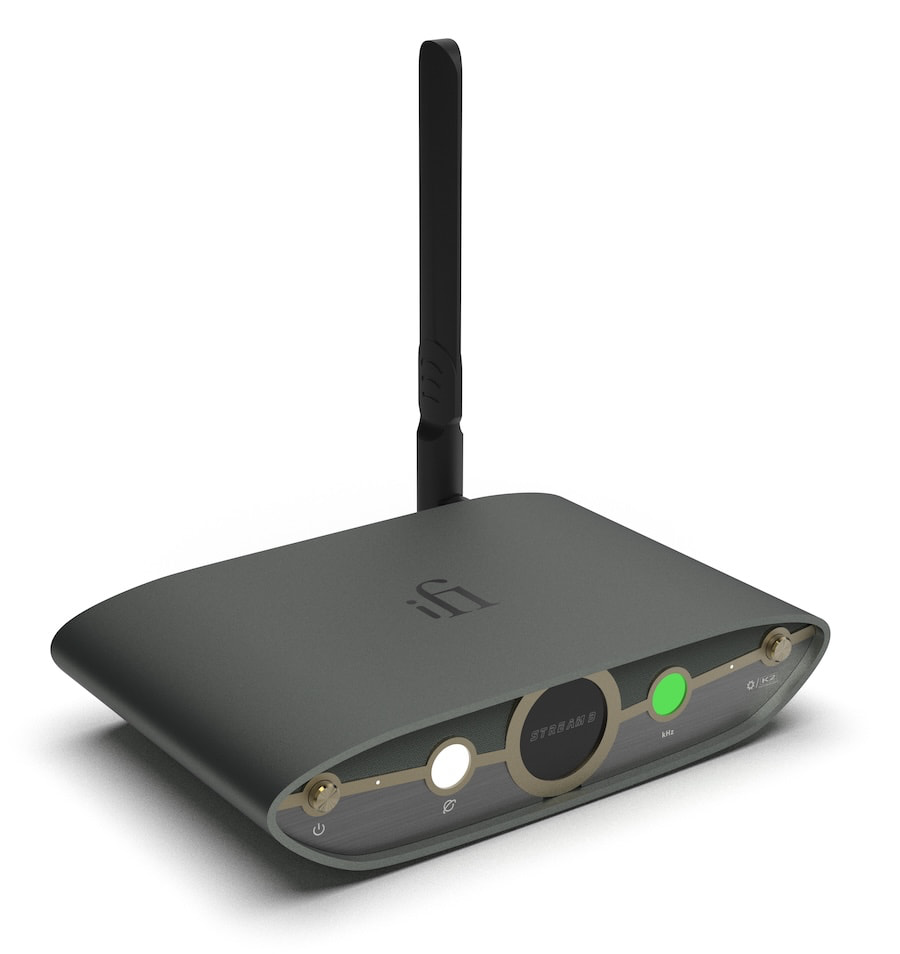
The ZEN Stream 3 is designed as a dedicated network transport for systems where digital conversion is handled elsewhere. It focuses entirely on getting a clean, stable digital signal out to an external DAC rather than duplicating functionality already present in many higher-end systems. Networking is handled via Wi-Fi or RJ45 Ethernet, with two USB-A ports available for local storage or DAC output.
Digital output options include two USB-A outputs for DAC connection and a coaxial S/PDIF output, each incorporating iFi’s iPurifier and Active Noise Cancellation technologies to reduce electrical noise before the signal reaches the DAC. There are no analog outputs and no internal DAC, which keeps the signal path simple and aligned with its role as a transport.
High-resolution support extends up to 384 kHz PCM and DSD256, handled by the same next-generation streaming engine used in the NEO Stream 3. Streaming is managed directly through native apps with support for Qobuz Connect, TIDAL Connect, Spotify Connect, and AirPlay 2, avoiding reliance on proprietary control software. K2 processing is included to restore harmonic information lost during recording or encoding and is applied before the digital output, allowing connected DACs to benefit without altering their internal architecture.
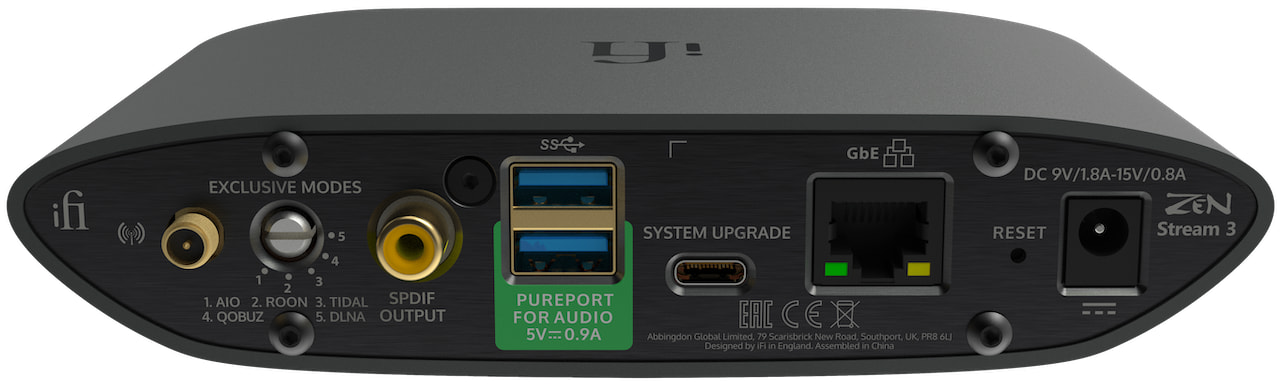
Power delivery has been revised with upgraded polymer capacitors and ELNA Silmic II capacitors to improve stability and reduce noise under load. Power is supplied via a DC input supporting 9 to 15 volts, with idle consumption under 6 watts and a maximum draw of approximately 10 watts. Firmware updates and system setup are handled through a rear USB-C service port, using either a browser-based interface or the iFi Nexis app, enabled by the updated IoT hardware platform.
Physically, the ZEN Stream 3 is compact and lightweight, measuring 158 x 100 x 35 mm (6.2 x 3.9 x 1.4 inches) and weighing 578 g (1.27 lbs). It is sized to sit easily on a desktop or equipment shelf alongside an external DAC, making it a practical drop-in upgrade for your existing system.
Comparison
| ZEN Stream 3 | ZEN Stream | |
| Price | $399 | $399 |
| Inputs | Wi-Fi; Ethernet (RJ45); 2x USB-A | Wi-Fi; Ethernet (RJ45); 2x USB-A |
| Outputs | 2x USB-A; S/PDIF Coaxial | 2x USB-A; S/PDIF Coaxial |
| Operating System | Volumio 3 | Volumio 2 |
| Bluetooth Setup | Yes | No |
| Controllable via Nexis | Yes | No |
| K2 Technology | Yes | No |
| Upgraded Capacitors | Yes | No |
| Chassis Style | Updated to ZEN 3 | Previous generation ZEN |
Tip: There was never a ZEN Stream 2 product.
The Bottom Line
With competition this strong, iFi is not trying to win by simply piling on features. The strategy here is differentiation through system role, execution, and the details that tend to matter after the initial setup. That includes easy integration into existing systems, app-native control rather than closed ecosystems, and a design that stays below the psychological $1,000 threshold while still targeting more demanding listeners.
That approach comes with tradeoffs. Brands like WiiM have shown that a comprehensive, frequently updated operating system can win over a large segment of the market, especially when paired with features such as room calibration and broad device compatibility. At this point, support for the major streaming platforms is largely table stakes across the category.
Where these products are ultimately judged is not on spec lists or feature counts, but on how smoothly they operate day to day, whether firmware updates are painless rather than disruptive, and how they actually sound once they are part of a real system. iFi is betting that its focus on noise control, power integrity, and flexible system roles will resonate. Whether that is enough to stand out in a crowded sub-$1,000 field will be up to listeners to decide.
Price & Availability
- NEO Stream 3 – $999
- ZEN Stream 3 – $399
For more information: ifi-audio.com
Related Reading:


Chinese robotics leader Unitree took full advantage of the nation’s Lunar New Year celebrations this week to show off the impressive skills of its G1 humanoid robot.
A video (top) of the event shows numerous G1 robots participating in what Unitree described as “the world’s first fully autonomous humanoid kung fu performance.” There’s a spot of breakdancing in there, too.
Performing alongside kids from the Tagou Martial Arts School for the Spring Festival Gala on China Central TV, the robots displayed incredible agility and coordination, moving at around 3 meters per second while performing flips, table vaults, somersaults, and rapid formation changes, blending martial arts with robotics innovation.
The robots were recently upgraded with improved, more dexterous hands, which during this week’s performance supported rapid switching and stable gripping of martial arts props such as nunchaku, Global Times reported.
Unitree founder and CEO Wang Xingxing said the robots executed many of their moves while running at high speed, claiming it as a first for high-dynamic, highly coordinated cluster-control technology.
Wang described the innovations as “very practical” and said they will “facilitate large-scale group deployment of robots in the future.”
The 132-centimeter-tall G1 robot was unveiled in May 2024 and made available three months later for $16,000. The bipedal bot is targeted for research, education, entertainment, and light industrial applications, with researchers, students, and developers encouraged to program and customize the the robot for different tasks.
Unitree also has a full-size humanoid robot called H1, which is about 180 centimeters tall. The H1 is more robust and powerful and is aimed at industrial deployment, while the more compact G1 prioritizes agility and affordability, and is geared more toward research and entertainment.
Unitree is aiming to ship in the region of 20,000 humanoid robots this year, nearly four times last year’s number.
It’s competing with a slew of robotics companies in China, the U.S., and beyond, with all of them racing to find meaningful and manageable roles for their humanoid robots in industrial settings.
The G1 also hit the headlines earlier this month when it took on an autonomous walking challenge in deep snow and brutally cold conditions.
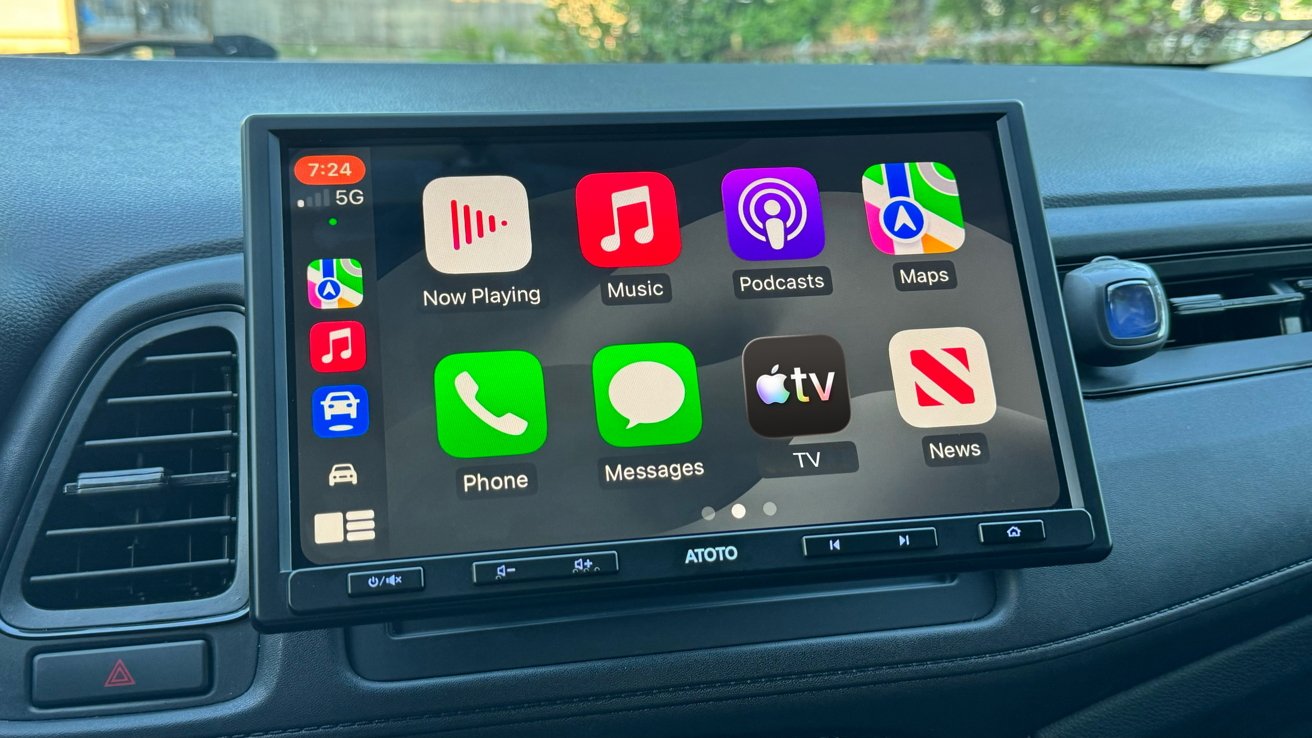
Apple is formally making room for AI agents in the car, adding a new voice-based conversational app category to CarPlay in iOS 26.4.
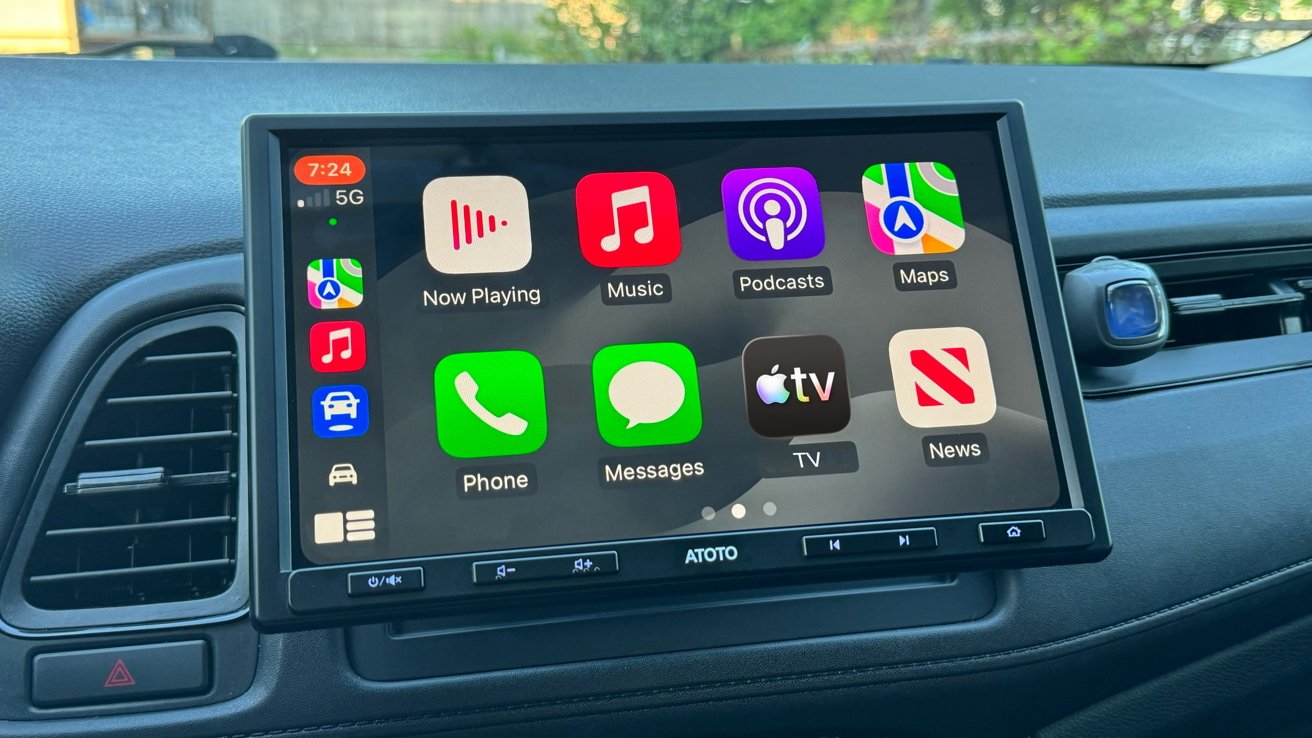
Siri remains the system-level voice assistant in CarPlay
Apple’s February 9, 2026 update to the CarPlay Developer Guide introduces a new CarPlay entitlement category for voice-driven conversational apps. The move creates an official path for third-party AI assistants to operate inside CarPlay rather than relying solely on Siri.
The change arrives as generative AI becomes more embedded across Apple platforms. CarPlay is next, but Apple is setting clear boundaries.
Continue Reading on AppleInsider | Discuss on our Forums


Airbnb is incentivizing people to open up their homes this summer to FIFA World Cup visitors, offering $750 to new hosts in Seattle and other cities hosting soccer matches.
The short-term rental platform says millions of fans are expected to attend the tournament across 16 cities in the U.S., Mexico and Canada, June 11 – July 19. Officials expect an estimated 750,000 people to visit Seattle during that period, and Airbnb says its hosts will welcome 23,000 guests in the city.
Airbnb says Seattle hosts could earn roughly $3,800 by renting space during the tournament. Searches for Airbnb accommodations in host cities have jumped by an average of 80% compared to the same period last year, the company said Wednesday.
A new host sign-up page provides details about how to publish a listing and terms related to reservations. Eligible zip codes in Seattle are also listed.
Airbnb is also hosting a workshop in Seattle on Thursday for interested property hosts. The afternoon event at RailSpur in Pioneer Square (419 Occidental Ave. S.) will include strategies to boost visibility and secure bookings during the FIFA World Cup; best practices in pricing, calendar management, and guest communication; tips on catering to international fans; insights from Airbnb managers; and networking with fellow Seattle hosts.
Visit Seattle projects nearly $1 billion will be generated for King County over the six matches played at Seattle’s Lumen Field between June and July. The projection includes more than $100 million in direct state and local tax revenue and the creation of more than 20,000 full-time and part-time jobs.
A bill to tax short-term rentals returned to the Washington State Legislature this session and failed to advance again. The legislation sought to allow counties, cities and towns to impose a tax of up to 4% on short-term rentals used by vacation guests on platforms such as Airbnb and Vrbo. The bill also failed to advance during the 2025 session.
Etsy is selling Depop, a secondhand clothing app popular with Gen Z and millennials, to eBay for $1.2 billion in cash, the company announced on Wednesday. Etsy says the deal will allow it to focus on its own marketplace.
The deal comes nearly five years after Etsy acquired Depop for $1.62 billion, at a time when secondhand clothing apps were gaining in popularity.
Founded in 2011, Depop generated approximately $1 billion in gross merchandise sales — the total value of goods sold through its platform — in 2025. In the U.S., the company saw nearly 60% year-over-year growth. As of December 31, 2025, the marketplace had seven million active buyers, nearly 90% of whom were under 34, and more than three million active sellers.
“Depop has built a trusted, social-forward marketplace with strong momentum in the pre-loved fashion category, and we are confident that as part of eBay, Depop will be even more well-positioned for long-term growth, benefiting from our scale, complementary offerings, and operational capabilities,” said eBay CEO Jamie Iannone in the press release.
The move comes as Etsy has struggled to grow its business after the pandemic-era e-commerce boom, competing with marketplaces like Temu and Shein, as well as Amazon.
The company’s year-over-year revenue grew 2.2% in 2024, down from 7.1% growth reported in 2023. Etsy is scheduled to release its 2025 earnings on Thursday.
“We are excited that this transaction allows us to focus exclusively on the compelling opportunity we see in front of us: to grow the Etsy marketplace in ways that matter most to our buyers and sellers,” said Etsy CEO Kruti Patel Goyal in the press release. “We are proud of what the Depop team has built – a truly differentiated brand and product, grounded in clear purpose and strong community – becoming one of the fastest-growing fashion resale marketplaces in the U.S. I am confident that Depop is well-positioned for its next phase of growth as part of eBay.”
Techcrunch event
Boston, MA
|
June 23, 2026
The sale is the latest in a pattern of Etsy acquiring and then divesting niche online marketplaces. Etsy’s sale of Depop comes as the company has purchased and then sold other niche online marketplaces in recent years, including Brazilian e-commerce company Elo7 and musical instrument marketplace Reverb.
The deal is expected to close in the second quarter of this year.
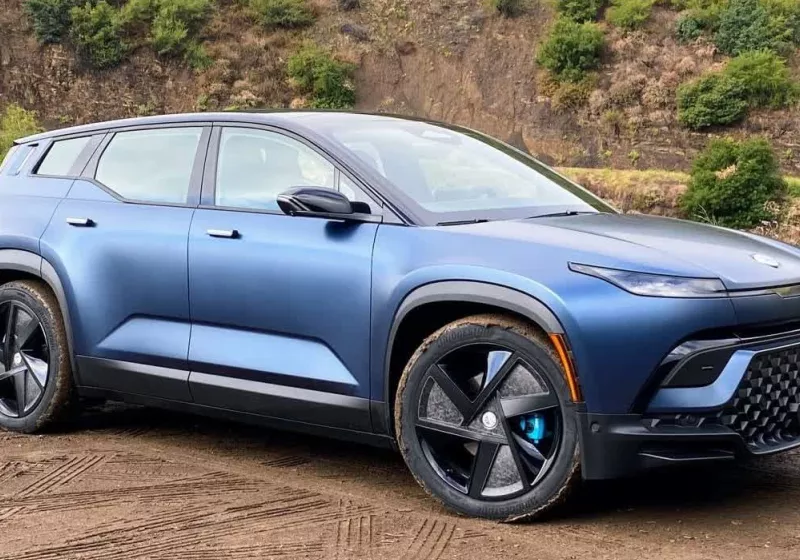
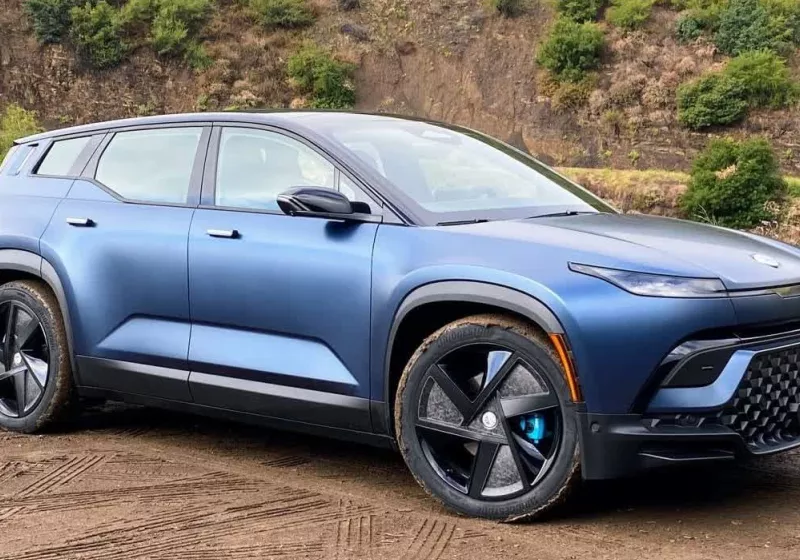
The value of a modern vehicle no longer lies primarily in mechanical reliability but in software continuity. Increasingly, the difference between “runs” and “doesn’t run” depends on whether a remote authentication system or over-the-air patch remains active. From entry-level hatchbacks with app-based keyless entry to luxury EVs with cloud-connected diagnostics,…
Read Entire Article
Source link

ITV confirms replacement for Grantchester as season 10 comes to an end

Premier admits his tobacco laws fall short

American Bitcoin Corp Joins Top 20 Bitcoin Holders With 6,039 BTC

Smart energy pays enters the US market, targeting scalable financial infrastructure

Why Israel is blocking foreign journalists from entering

Software stocks enter bear market on AI disruption fear with ServiceNow plunging 10%

bajaj finance, bajaj housing finance, jio finance share latest news, bajaj finserv, share anelysis

Carl Hartley Explains Why Pagani Customization Beats Every Supercar Brand! #cars #money #pagani

RIPPLE XRP BEING USED BY SWIFT IS FACT. PRICE PREDICTION BY GROK $16,000 TO $165,000! IF 100% USED.
-

 Video2 days ago
Bitcoin: We’re Entering The Most Dangerous Phase
-

 Tech4 days ago
Luxman Enters Its Second Century with the D-100 SACD Player and L-100 Integrated Amplifier
-

 Crypto World2 days ago
Can XRP Price Successfully Register a 33% Breakout Past $2?
-

 Sports2 days ago
GB's semi-final hopes hang by thread after loss to Switzerland
-

 Video6 days ago
The Final Warning: XRP Is Entering The Chaos Zone
-
 Tech2 days ago
The Music Industry Enters Its Less-Is-More Era
-

 Business1 day ago
Infosys Limited (INFY) Discusses Tech Transitions and the Unique Aspects of the AI Era Transcript
-

 Entertainment14 hours ago
Kunal Nayyar’s Secret Acts Of Kindness Sparks Online Discussion
-

 Video2 days ago
Financial Statement Analysis | Complete Chapter Revision in 10 Minutes | Class 12 Board exam 2026
-

 Tech19 hours ago
Retro Rover: LT6502 Laptop Packs 8-Bit Power On The Go
-

 Crypto World5 days ago
Bhutan’s Bitcoin sales enter third straight week with $6.7M BTC offload
-

 Video7 days ago
Prepare: We Are Entering Phase 3 Of The Investing Cycle
-

 Entertainment6 hours ago
Dolores Catania Blasts Rob Rausch For Turning On ‘Housewives’ On ‘Traitors’
-
 NewsBeat3 days ago
The strange Cambridgeshire cemetery that forbade church rectors from entering
-

 Business7 days ago
Barbeques Galore Enters Voluntary Administration
-

 Business20 hours ago
Tesla avoids California suspension after ending ‘autopilot’ marketing
-

 Crypto World6 days ago
Kalshi enters $9B sports insurance market with new brokerage deal
-

 Crypto World9 hours ago
WLFI Crypto Surges Toward $0.12 as Whale Buys $2.75M Before Trump-Linked Forum
-
 Crypto World6 days ago
Ethereum Price Struggles Below $2,000 Despite Entering Buy Zone
-
 NewsBeat4 days ago
Man dies after entering floodwater during police pursuit