Tech
NVIDIA’s Drive Hyperion System Gains Three New Allies in the Push for Cars That Handle Themselves

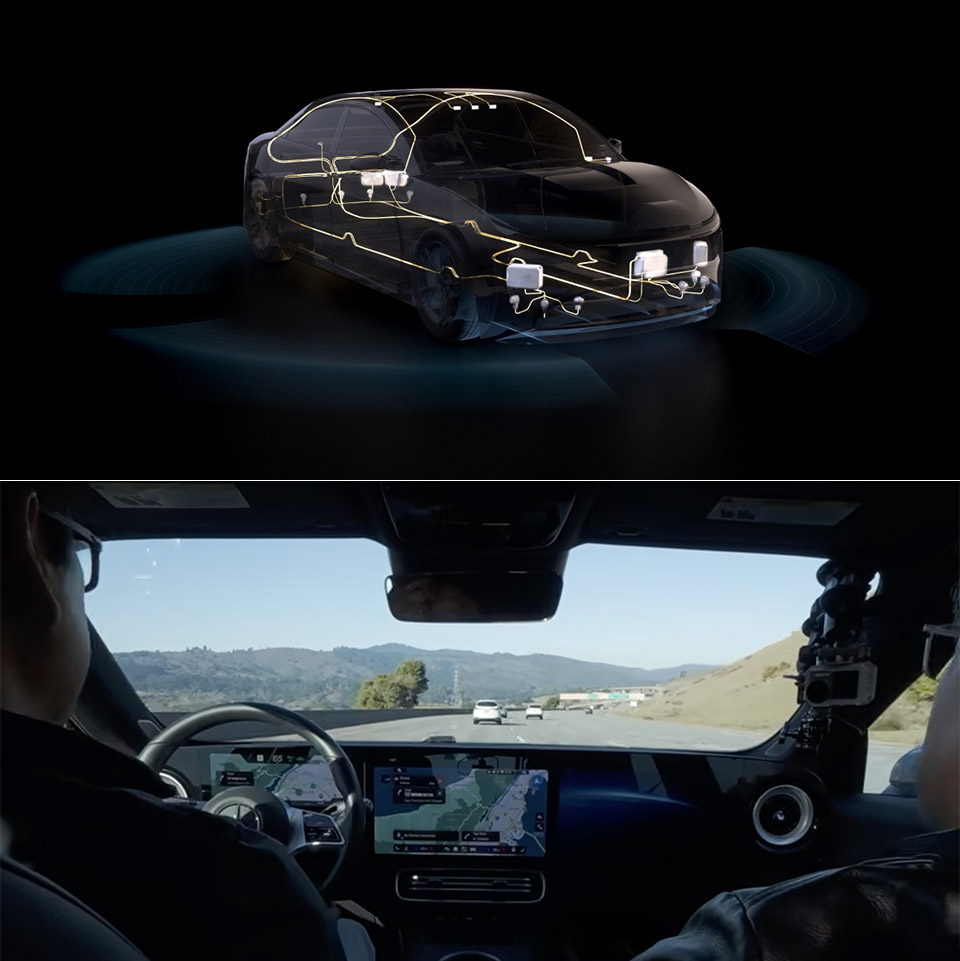
GTC 2026 brought some news that caught a lot of people off guard. Three major automakers have signed on to work with NVIDIA to bring autonomous driving to their vehicles in defined conditions, and sooner than most would have expected. BYD, Nissan, and Isuzu are all on board, each bringing their own strengths to the table as the technology edges closer to becoming an everyday reality on public roads.”.


BYD is no stranger to pushing technology forward, and they plan to roll the system out across their next generation of models, the ones already turning heads on the road. Nissan is taking a broader approach, bringing it to their entire passenger vehicle lineup, while Isuzu is focused on the commercial side of things, teaming up with TIER IV to keep their buses running smoothly with minimal need for human supervision.”
Drive Hyperion is a full system that includes sensors, processing units, and software that are ready to use right out of the box. That means automakers don’t have to start from scratch; instead, they can take the parts that work and modify them to their own vehicles. It all adds up to L4 autonomy, in which the car does all of the driving in particular scenarios such as highways or mapped urban areas, eliminating the need for someone to be on high alert at all times.

Fourteen high-definition cameras provide a continuous 360-degree picture of everything around the automobile, while nine radar units monitor distances and speeds even in bad weather. One LiDAR scanner creates precise 3D images of the environment around the car, while twelve ultrasonic detectors handle short-range tasks such as parking and merging. At the center of it all are two computers powered by the latest NVIDIA chips, capable of handling over 2 trillion operations per second. And if one of them fails, there is a backup system in place to keep everything going smoothly.

Raw sensor data is fed directly into the computers, where software develops an understanding of the vehicle’s location and surroundings. Then separate parts of the system weigh the options by looking at what the cameras show, what the vehicle has done before, the planned route, and even what the navigation system says, and they have an open model called Alpamayo that shows how all of this works, tracing out every step of the decision-making process, making it easier for developers to refine things and ensure they’re doing the right thing.
In real life, engineers can test the system in a digital environment before installing it in a real car. They use real-world data to reproduce difficult or unique circumstances, which helps them detect issues that would otherwise arise years later. One of the most important aspects is ensuring that the system is safe, and to that end, they’ve created an operating system called Halos that puts a few layers of safety around the entire thing. It is designed to meet the strictest automobile standards and incorporates active monitoring, which acts as a constant safety net to prevent anything from going wrong. Users have already begun to put the platform into action. Ride sharing services are preparing to debut fleets of robotaxis and delivery cars in dozens of locations beginning in 2027.
You must be logged in to post a comment Login