Tech
O House Becomes Japan’s First Fully Seismic-Approved 3D-Printed Reinforced Concrete Home

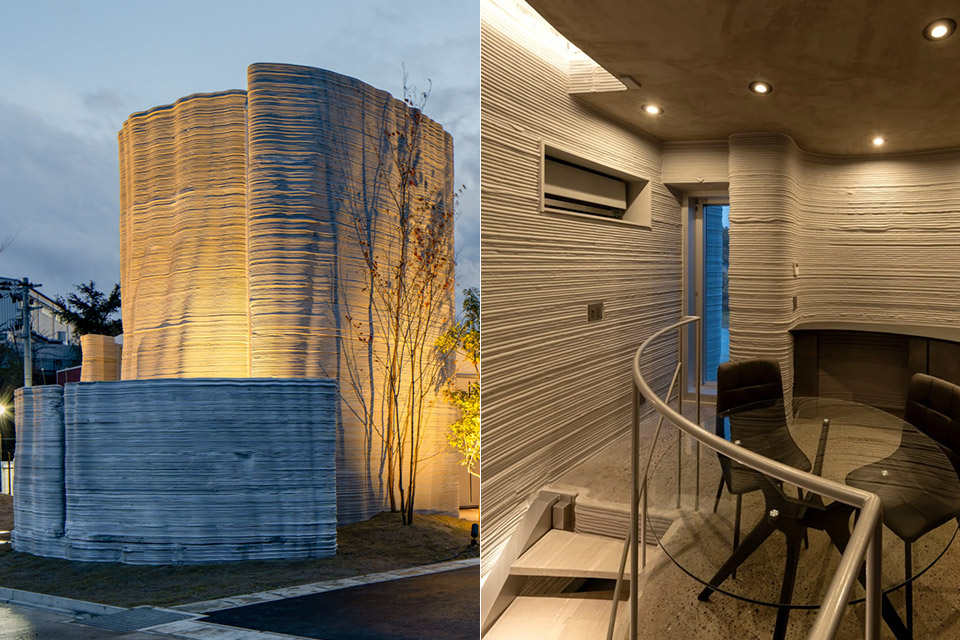
Photo credit: Onocom
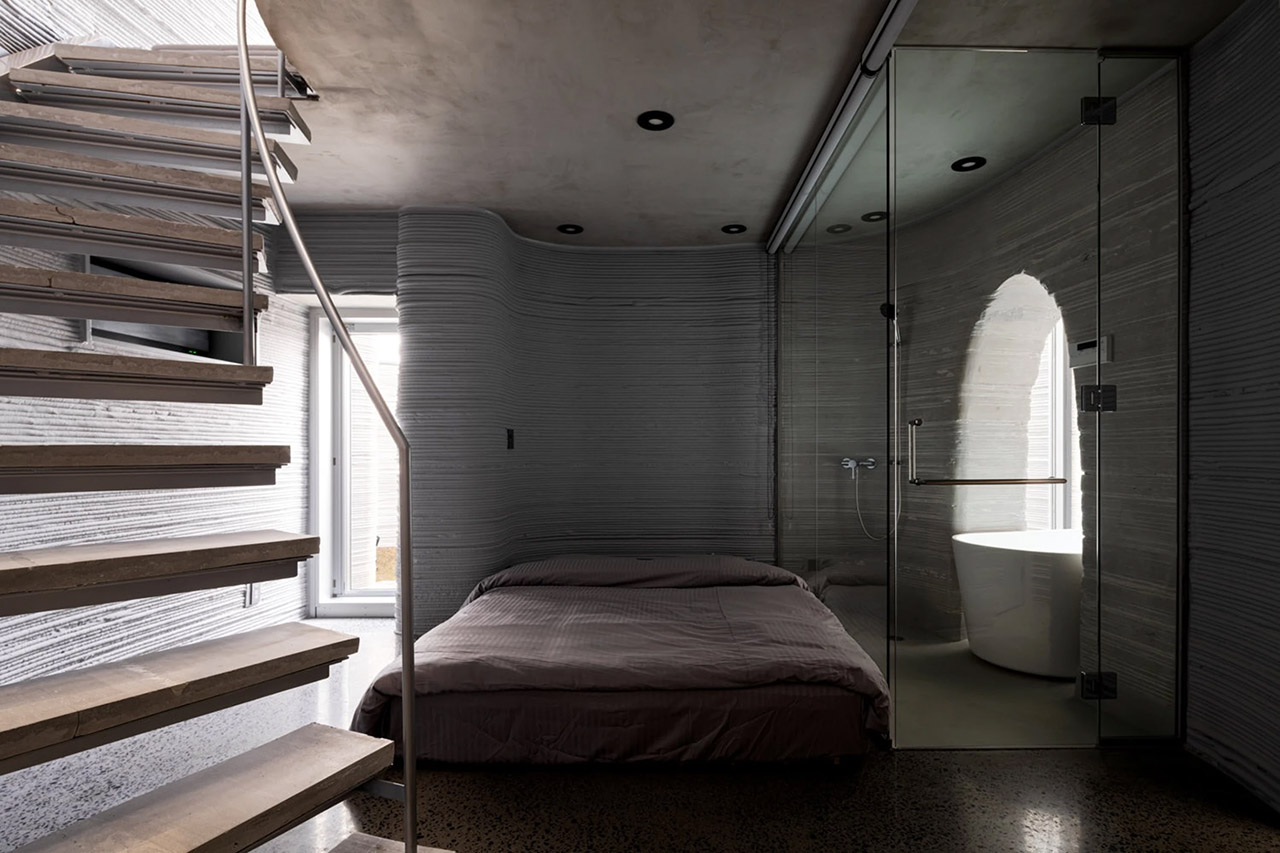
O House, finished in late 2025 within Kurihara, Miyagi Prefecture, is a 50-square-meter, 3D-printed two-story home. The 31-square-meter ground floor holds a master bedroom and bathroom, while the 19-square-meter upper level hosts the kitchen, dining, and living areas. Curved walls rise 7 meters, stacked like bricks and set half a meter below ground for stability, while skylights let natural light pour into every corner.

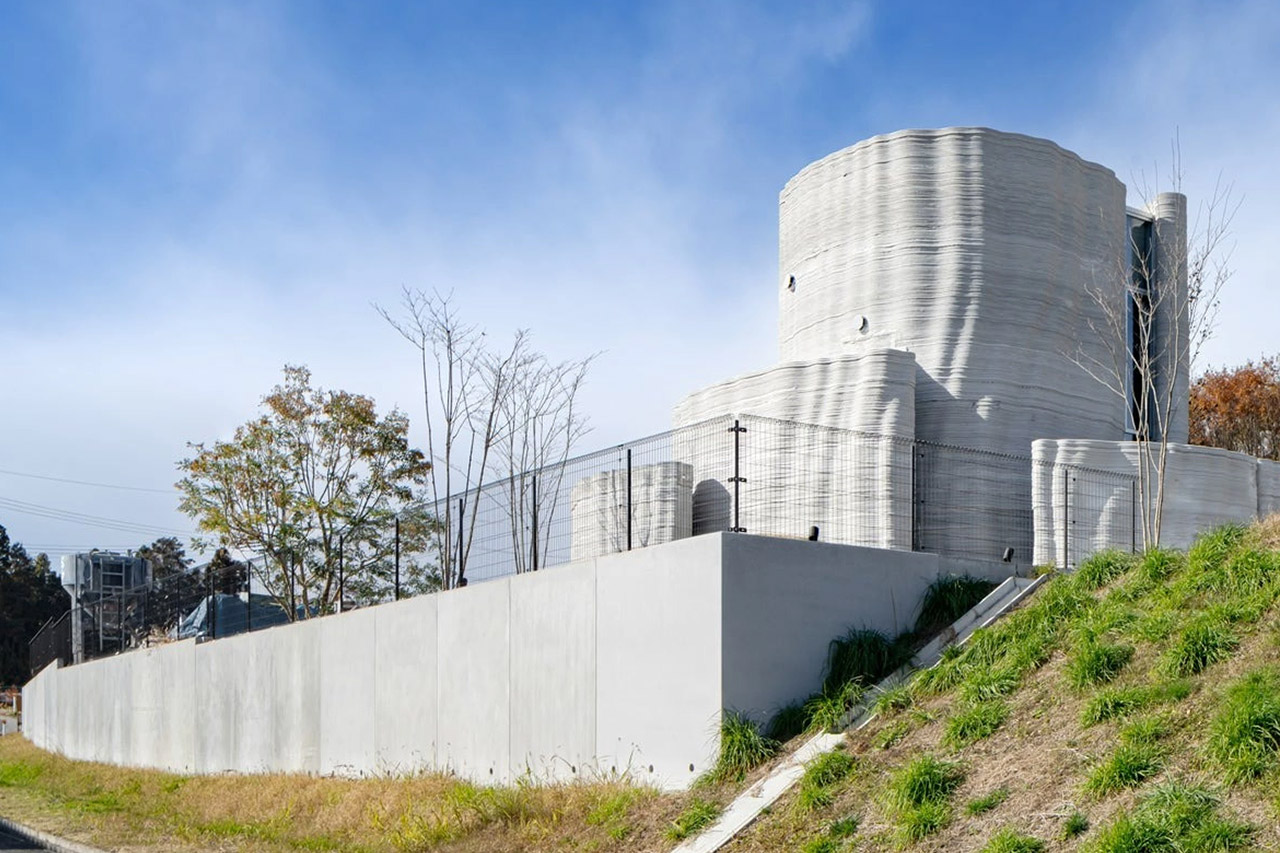
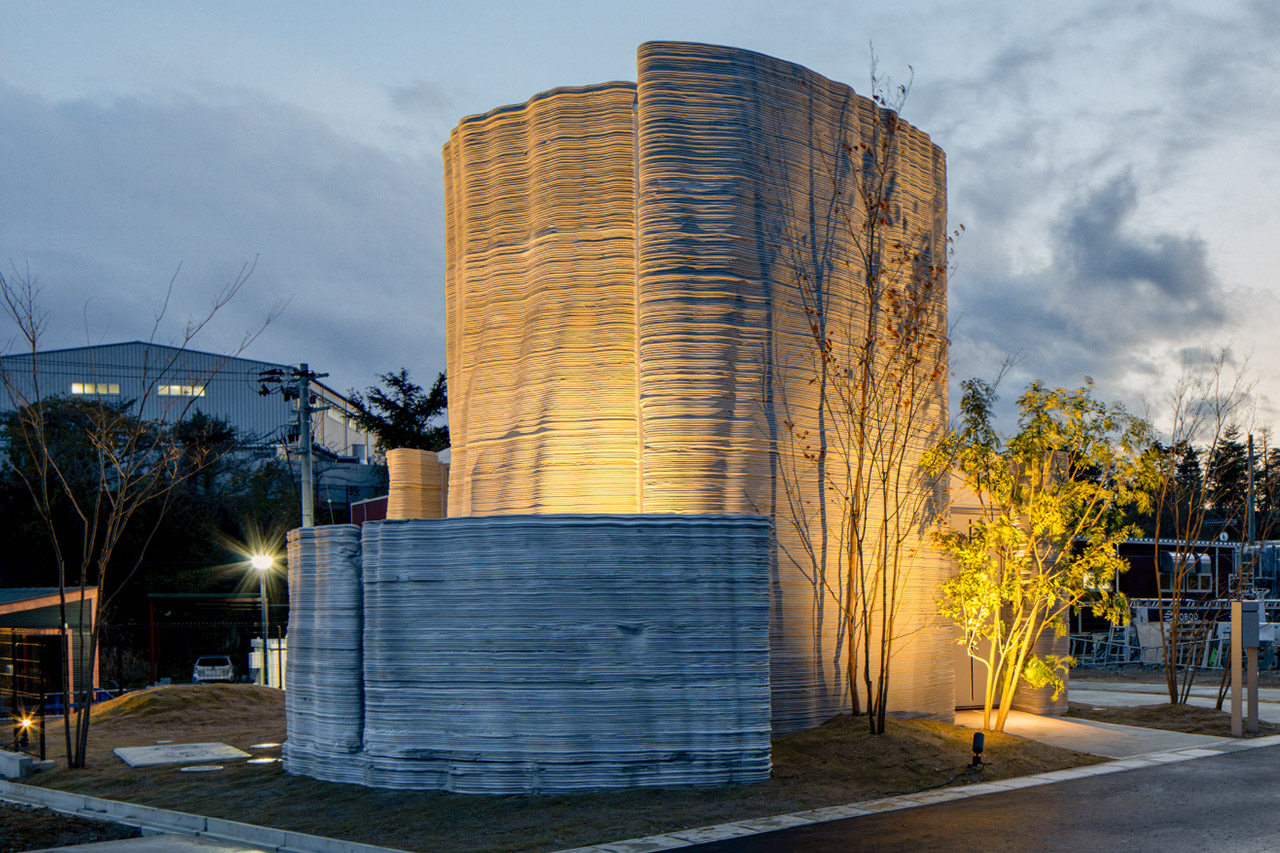
Kizuki Co. Ltd. and Onocom Co. Ltd. jointly led this project, while COBOD International handled the printing technology. A modified version of their BOD series printers was exactly what they needed to get the job started. Working layer by layer, the printer built the inner and exterior walls, floor slab, roof, and a few inside elements. The printer handled on-site work, however some components were manufactured off-site. To cap it off, the crew installed custom-cut styrofoam for those problematic overhangs and arches that the printer couldn’t handle and increased as the process progressed. Finally, the team gave some of the wall parts a shining polish to get the smooth marble appearance.


Bambu Lab A1 3D Printer, Support Multi-Color 3D Printing, High Speed & Precision, Full-Auto Calibration…
- High-Speed Precision: Experience unparalleled speed and precision with the Bambu Lab A1 3D Printer. With an impressive acceleration of 10,000 mm/s…
- Multi-Color Printing with AMS lite: Unlock your creativity with vibrant and multi-colored 3D prints. The Bambu Lab A1 3D printers make multi-color…
- Full-Auto Calibration: Say goodbye to manual calibration hassles. The A1 3D printer takes care of all the calibration processes automatically…
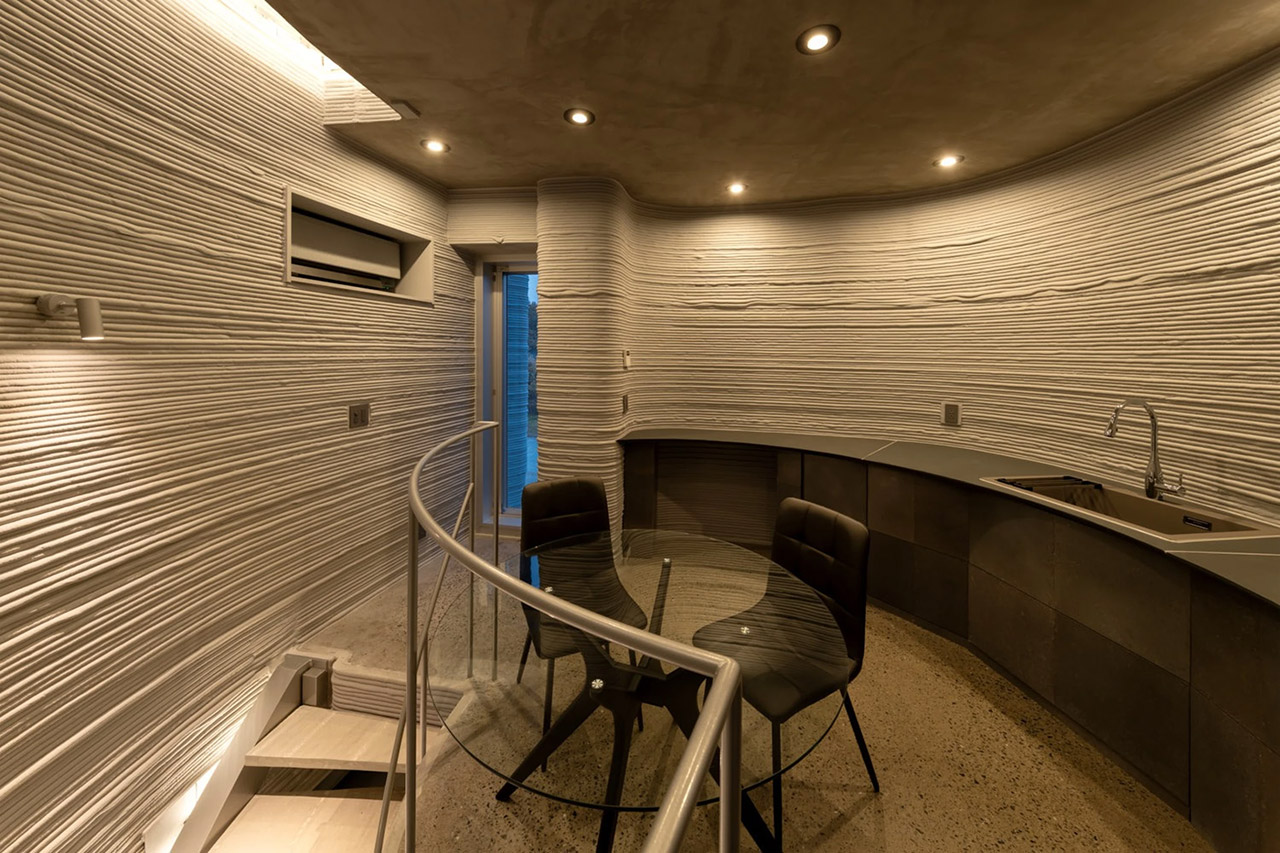
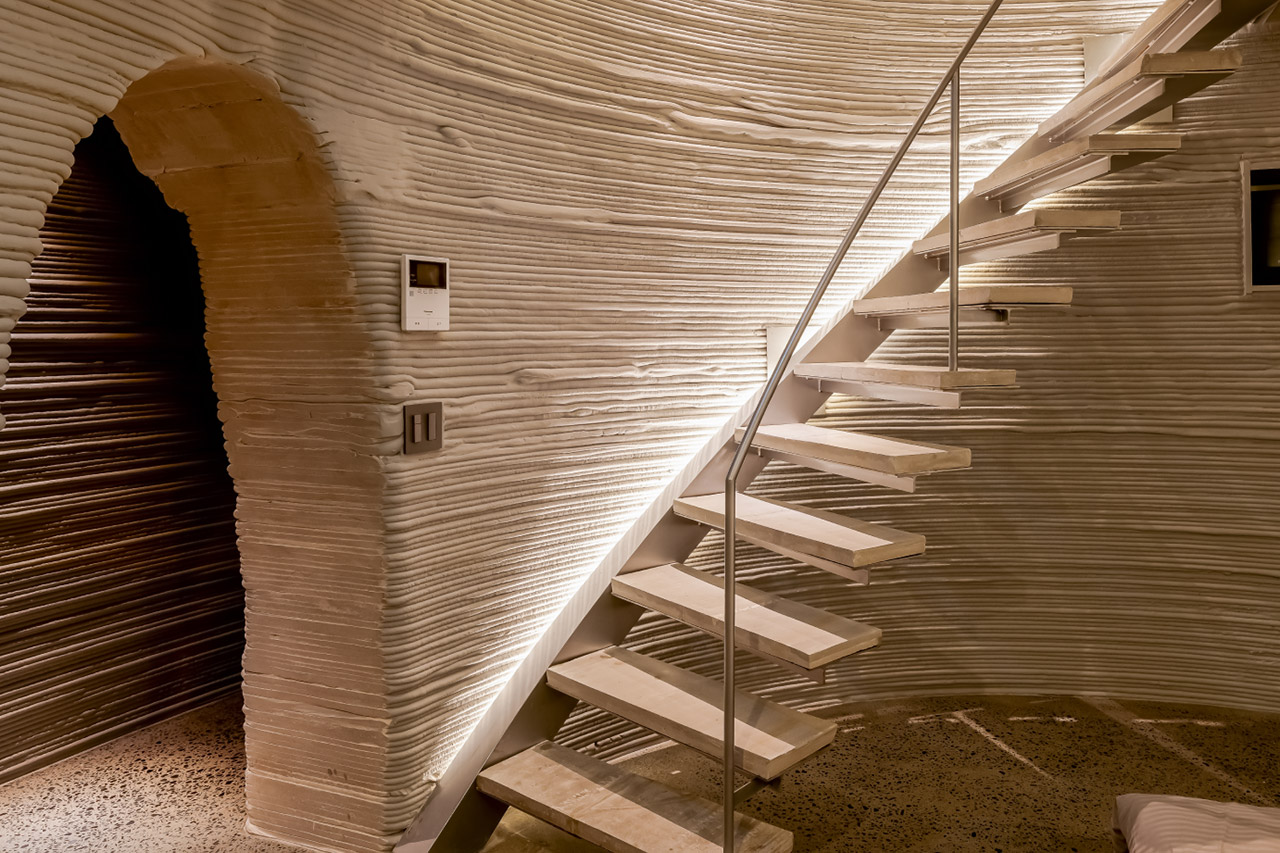
They used a combination of rebar inserted directly inside the layers of concrete and good old-fashioned reinforced steel, all linked together by a steel frame that bears the primary loads. With a firm anchor in the ground thanks to some ground-improvement piles, this hybrid technology enabled the construction to exceed Japan’s stringent seismic regulations, which are among the strictest in the world. All of this demonstrates that in earthquake-prone regions, printed reinforced concrete is a viable alternative to timber framing.
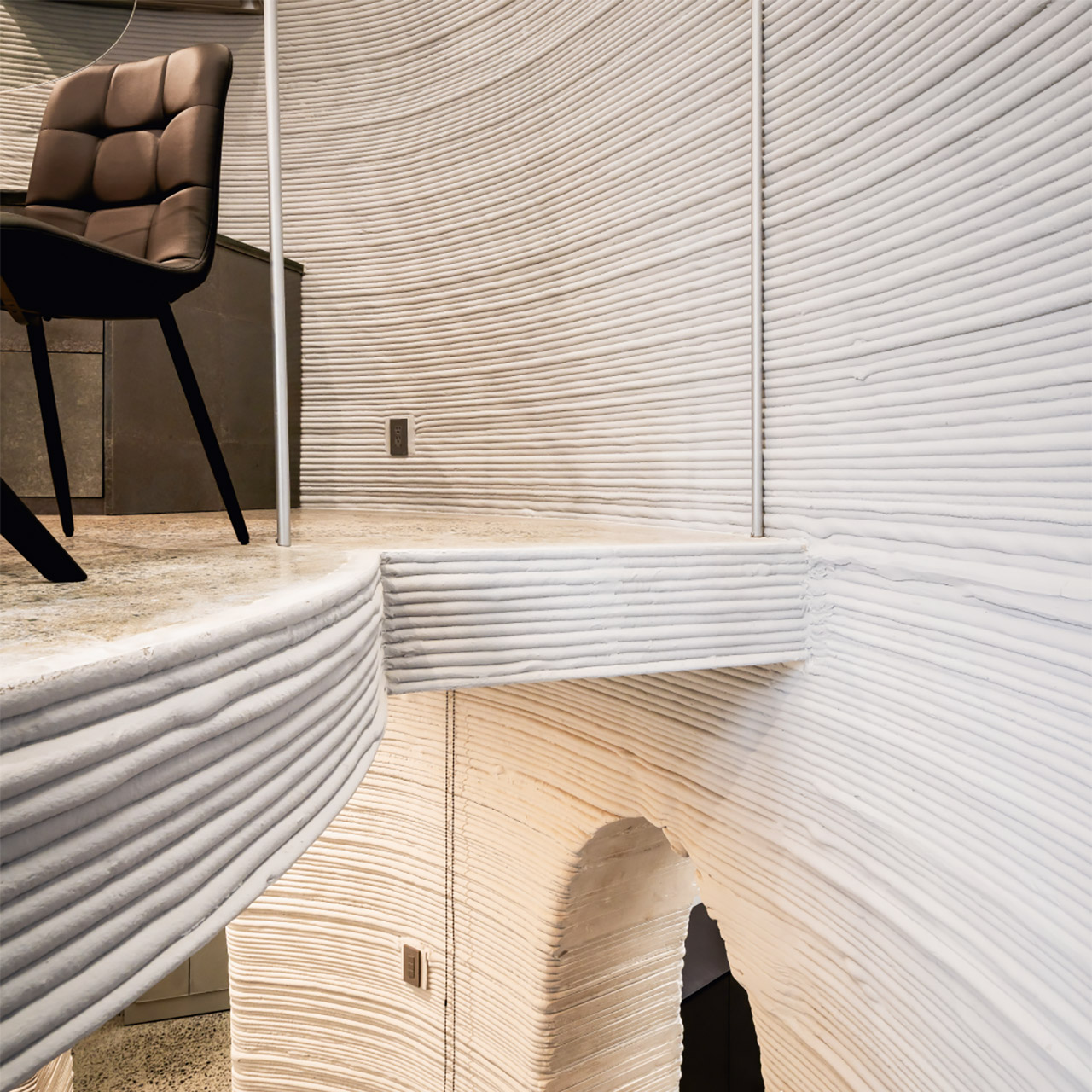
Rounding up a crew of only four in challenging winter conditions made things tough, with freezing temperatures below 10 degrees demanding heated water be added to the mix to keep things flowing, while hot summers of 30 to 35 degrees required careful temperature control to stop the material from setting too fast, but they kept going, working continuously from below ground to the top, and creating multi-purpose walls with an aesthetic finish, structure, and hidden services.
[Source]
