In Singapore, few snack brands are as ubiquitous as Old Chang Kee. Chances are, you’ve grabbed a curry puff, sotong head, or fried chicken wing from them at some point.
After all, the brand operates more than 80 outlets across Singapore, and nearly 30 more overseas—a scale that cements its status as one of the country’s most recognisable homegrown F&B brands.
But what many might not know is that the company’s international ambitions haven’t always gone according to plan. After tasting failure in its earlier overseas push, it took years before Old Chang Kee decided to venture out again—this time, more careful and far more calculated.
So what went wrong the first time around? And what is it doing differently now to avoid repeating history?
Advertisement
An aggressive expansion push
Old Chang Kee initially began modestly in 1956, when Hainanese immigrant Chang Chuan Boon set up a small curry puff stall at Koek Road. After stints at Albert Street and later Mackenzie Road near Rex Cinema, its puffs, sold at S$0.35 each, became affectionately known as the “Rex curry puffs.”
Old Chang Kee stall in the ’50s vs its flagship coffee house at Rex today./ Image Credit: Old Chang Kee
The turning point for the business came in 1986, when Chang retired and sold the business to Han Keen Juan. With S$70,000 pooled from investors, Han took over the Mackenzie Road stall and set about modernising what had been a humble hawker operation.
He rebranded the business with a new logo and the tagline “Old Chang Kee—it’s a better puff,” standardised recipes, mechanised production, and slowly expanded across Singapore.
By 1991, the company had 12 outlets and revenue had more than doubled to S$1.6 million. A factory in Ubi was also set up, churning out over 10,000 curry puffs a day.
Then came the brand’s aggressive overseas push.
Advertisement
Between 1993 and 1997, Old Chang Kee rapidly expanded through franchises into eight countries, including Malaysia, Indonesia, China, Japan, India and even South Africa. Sales in Indonesia and Malaysia alone surpassed S$1 million by 1994.
Declining sales & mounting quality complaints
While the growth was rapid, it was unfortunately difficult to sustain.
Overseas franchisees began facing declining sales and mounting complaints over product quality and consistency.
Image Credit: Old Chang Kee
The brand’s CFO, Song Yeow Chung, told Vulcan Post that during its first overseas push, Old Chang Kee exported only curry powder, leaving franchisees to prepare the rest of the spice mix on their own, a model that led to variations in taste across markets.
Brand familiarity was another challenge.
Advertisement
Song noted that in the 1990s, international travel was far less common than it is today. Consumers in overseas markets were largely unfamiliar with Old Chang Kee and had little prior exposure to its products or brand identity.
By 2002, the overseas outlets had eventually become unprofitable. Han made the decision to terminate all 24 franchises, incurring losses of around S$50,000.
Doubling down on Singapore
Image Credit: Old Chang Kee
While its international ventures faltered, Old Chang Kee doubled down on its Singapore growth, recording S$14 million in sales that year.
Today, the brand operates 77 Old Chang Kee outlets, alongside two sub-brands, including Curry Times, a curry‑themed restaurant concept, and Dip N Go, a grab‑and‑go concept focused on snack items paired with sauces, bringing its total footprint in Singapore to around 82 outlets.
Image Credit: Dewi Abiha, Anderson Ooi via Google Reviews
Consistency is at the heart of its strategy. The curry puff recipe—a core trademark—has remained unchanged over the years, so much so that it is locked in a safe, inaccessible even to the CFO.
While the curry puff remains the brand’s flagship product, Old Chang Kee has also gradually diversified its offerings and expanded its menu.
Advertisement
“We have products like the steamed curry bao, big curry buns, and we’ve collaborated with other players to introduce a curry sandwich. We’re trying to innovate beyond the core product, but not moving too far away from it,” explained Song.
Seasonal ranges, like the chicken mushroom puff, are tested in small batches. If they resonate with customers, they are added permanently to the menu.The brand leverages its large central kitchen, capable of producing up to 50,000 curry puffs daily, to run these experiments.
“It is a constant series of small experiments,” Song said. “The experiments don’t cost us a lot, and are easily reversible in case they don’t work out.”
These efforts earned Old Chang Kee the Overall Winner Award in the Product Excellence category at the Singapore Manufacturing Federation’s inaugural Singapore Innovation and Manufacturing Excellence Awards (SIMEA) 2026, recognising its commitment to quality, innovation, and pushing boundaries in the manufacturing sector.
Advertisement
A more measured overseas strategy
The same approach now guides the brand’s overseas strategy.
When the company officially re‑entered international markets in 2005, it prioritised strict quality control, establishing regional factories to ensure its curry puffs tasted consistent across borders.
Instead of shipping curry powder, the company now sends ready-made curry paste, reducing preparation steps for franchisees. Products are also adapted for local tastes, with roughly 70% of offerings maintaining the core identity and 30% customised.
Old Chang Kee outlets in Indonesia./ Image Credit: RnC Studio via Shutterstock.com
Markets are also chosen more strategically, with a focus on countries like Malaysia and Indonesia, where fried foods are popular, and curry flavours resonate with local palates. The company operates around 30 outlets in Indonesia, run by a master franchisee, and three in Malaysia.
London is another market the company has targeted. While it may seem unconventional, the move into the country in 2017 is part of Old Chang Kee’s strategy to experiment internationally while leveraging Singapore’s culinary reputation.
Advertisement
The move seems to have worked out: the company has been in London for nearly a decade, appealing to consumers with a taste for curry.
Old Chang Kee’s London outlet./ Image Credit: Tripadvisor
But not all international experiments have been as successful for Old Chang Kee, such as its expansion into Perth.
While the market was initially chosen for its large population of Malaysians and Singaporeans, the specific outlet location—a suburban shopping centre with limited footfall—ultimately failed to attract enough customers, leading to its closure.
The company is now exploring whether relocating to a city-centre location could make the venture viable.
Growing in the retail & non-retail space
Image Credit: Michelin Guide/ United Square
As a homegrown F&B brand with decades of experience, these lessons have played an important role in shaping Old Chang Kee’s strategy, guiding its decisions both at home and abroad.
When asked about future overseas ventures, the company remains open to new opportunities—albeit with a more careful and calculated approach.
Advertisement
At the same time, maintaining and growing its Singapore footprint remains just as important, particularly in a competitive and ever-changing F&B landscape.
“Currently, we have 82 outlets in Singapore,” Song said. “For comparison, Starbucks has around 140 outlets and McDonald’s, over 150. So there’s still leeway for us to grow to 140 or 150 outlets—there’s promise in Singapore for further expansion.”
Beyond just retail, Old Chang Kee is also exploring other revenue streams to drive growth.
While over 90% of revenue still comes from its stores, the brand’s non-retail segments, including delivery, catering, and event services, are expanding “much faster,” and are seen as key areas for future growth.
Advertisement
Delivery and packaged meals allow the company to reach more customers without the constraints of storefront manpower, while catering ranges from small office orders to full-scale corporate events. The brand’s O’ My Darling food truck also participates in national initiatives, such as the National Day Parade, offering free snacks to participants while boosting brand visibility.
Song noted that these non-retail initiatives are supported by Old Chang Kee’s strong brand recognition and Halal certification.
“Businesses already know and trust Old Chang Kee, so they’re willing to order our bento meals or catered snacks. Being Halal-certified also means our products can be served to everyone, which is a big advantage for corporate clients.”
Read other articles we’ve written on Singaporean businesses here.
Featured Image Credit: Old Chang Kee/ @eileen_eats_alotvia Instagram
Google Messages is getting a small but genuinely meaningful feature that can help with cleanups and accidental inputs. The app now has a proper trash folder to let you get back to conversations you recently got rid of.
Why this is a handy new feature
Nadeem Sarwar
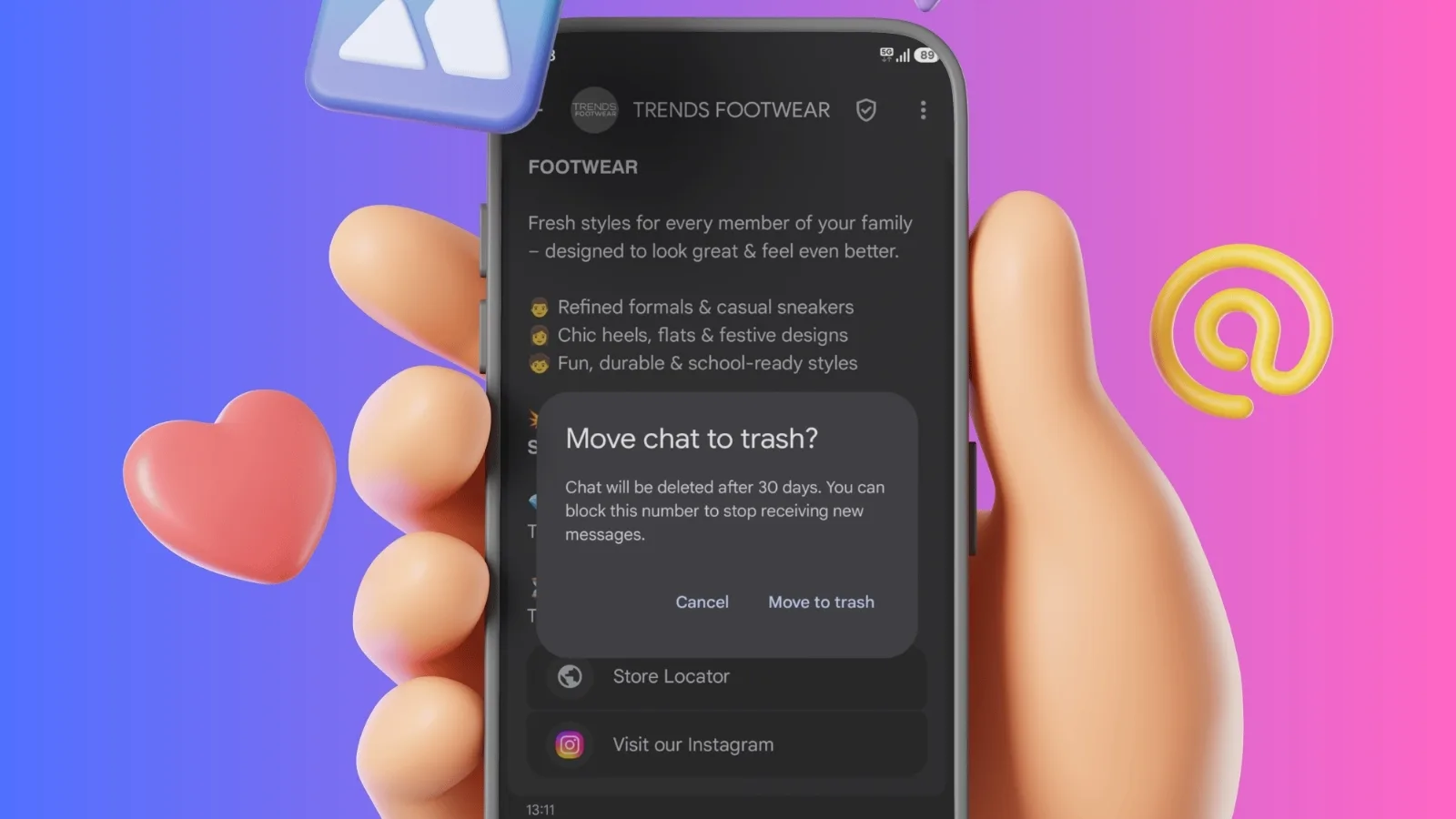
The company’s official support documentation revealed the new Trash folder that lets users recover deleted conversations within 30 days. This adds a buffer that should help cut down on accidental message loss. But after this month-long window ends, the conversation is permanently deleted.
Though, the feature is still very useful. Instead of a deleted conversation vanishing for good right away, it goes into Trash first, similar to Google Drive‘s Bin folder. From there, users can restore individual chats, restore all of the deleted chats, or permanently wipe selected conversations. Google says that each trashed conversation shows an individual countdown indicating how many days remain before they are truly removed.
There’s more than one way to send chats to Trash
Nadeem Sarwar
Google built this feature to be easily accessible. Users can move conversations into Trash either by setting up a swipe action or by touching and holding one or more chats and tapping the Trash icon. To enable the swipe shortcut, users need to head into Messages settings, open Swipe actions, and assign Trash to either the left of right swipes.
There is also one small catch.
If you receive a new message in a conversation that is currently in Trash, that incoming message can appear as a new conversation in your inbox. So Trash is not necessarily a holding area for chat threads you are trying to avoid.
Apple TV has earned five nominations for the 86th Peabody Awards, honoring the streamer across entertainment, children’s, and factual programming.
Pluribus — image credit: Apple
The Peabody Awards exist to celebrate storytelling across different media, and across different forms from television to radio and podcasts. Apple TV won its first Peabody in 2021, getting it for “Ted Lasso” and specifically the show’s radical optimism. For the 86th annual Peabody Awards, Apple TV has been nominated across three categories. The nominations announced by the Peabody Awards are: Continue Reading on AppleInsider | Discuss on our Forums
On April 2, Sony increased the price of all of its PlayStation 5 consoles. The standard disc edition now costs $650, the digital edition up to $600, and the Pro model is a hefty $900. However, when you take a step back and look closely at the PlayStation Portal, things begin to make a lot more sense.
It debuted in 2023 as a way to stream games from your PS5 to your TV, but you required your enormous PS5 connected in and nearby, which didn’t work out too well. If you were on the run or sharing a living space with others, it was a big pain, but that changed in November 2025 when Sony released a huge software upgrade. If you have the right PlayStation Plus Premium subscription, you may stream over 600 titles directly to your Portal, without the need for a PS5 or local consoles. The variety is also amazing, with recent PS5 releases and several older PS4 successes available in full 1080p and 60 frames per second as long as your internet connection is stable.
Play Your Game Collection with Remote Play – PlayStation Portal Remote Player can play compatible games you have installed on your PS5 console…
Cloud Streaming from the Game Catalog and Classics Catalog – Discover an awesome library of PS5 games on the PlayStation Portal Remote Player with…
Cloud Streaming for PS5 Games in Your Library – With PlayStation Plus Premium, stream select digital PS5 games in Your Library from PlayStation Store…
The Portal is no longer just a stylish accessory. Throw in the $250 price tag and the $160 yearly Premium subscription, and you’re still considerably below the price of a new $650 PlayStation 5. Heck, you’ll save a few hundred bucks right away, and that’s only the beginning, especially because you won’t have to pay for extra controllers or a separate TV setup.
Sony is blaming the PS5 price increase on a global economic squeeze and memory chip shortages, and to be fair, this has been going on for a long. The Portal avoids these issues entirely because it does not require the same amount of hardware because the actual graphics-heavy stuff is handled by the cloud server. On the other hand, you avoid all of the supply chain issues and rising production costs that are driving price increases in traditional consumer products.
Advertisement
After some hands-on time with the Portal, you’ll agree that it feels just how you’d expect. The portable features an 8-inch LCD screen sandwiched between two classic controller halves, as well as adjustable triggers and haptic feedback. The built-in speakers are also rather powerful, producing superb spatial music that allows you to avoid using headphones for shorter play durations. With a battery life of about two hours on a single charge, it’s perfect for lazing on the couch.
Plus, the user interface has seen significant improvements since early 2026. Your buddy invites and trophy celebrations appear in the corner of the screen without pulling you out of the game. You simply scan a fast QR code, and new accounts are created in a flash.
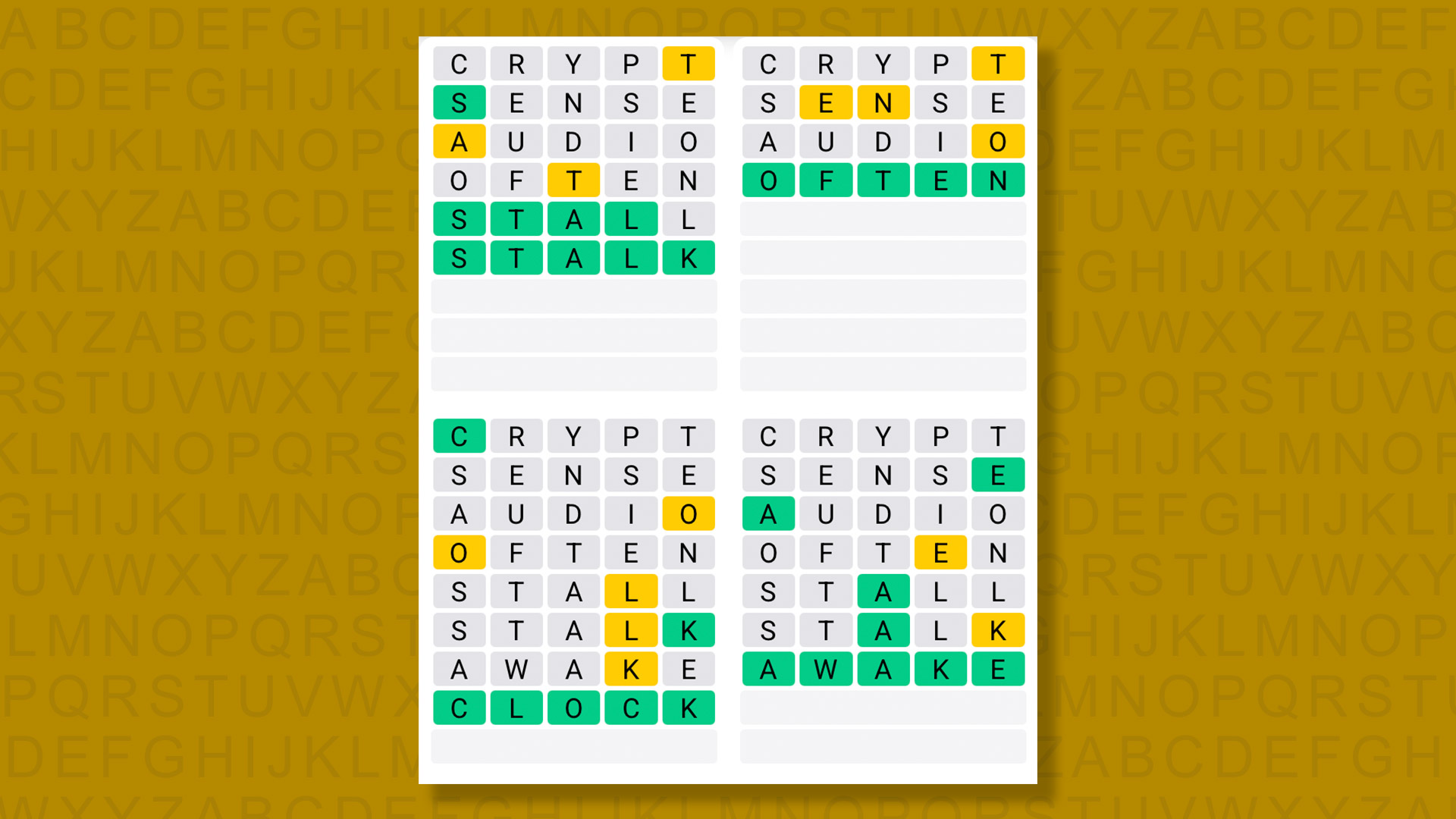
A new Quordle puzzle appears at midnight each day for your time zone – which means that some people are always playing ‘today’s game’ while others are playing ‘yesterday’s’. If you’re looking for Saturday’s puzzle instead then click here: Quordle hints and answers for Saturday, April 11 (game #1538).
Quordle was one of the original Wordle alternatives and is still going strong now more than 1,500 games later. It offers a genuine challenge, though, so read on if you need some Quordle hints today – or scroll down further for the answers.
Enjoy playing word games? You can also check out my NYT Connections today and NYT Strands today pages for hints and answers for those puzzles, while Marc’s Wordle today column covers the original viral word game.
Advertisement
SPOILER WARNING: Information about Quordle today is below, so don’t read on if you don’t want to know the answers.
Article continues below
Quordle today (game #1539) – hint #1 – Vowels
How many different vowels are in Quordle today?
• The number of different vowels in Quordle today is 3*.
* Note that by vowel we mean the five standard vowels (A, E, I, O, U), not Y (which is sometimes counted as a vowel too).
Advertisement
Quordle today (game #1539) – hint #2 – repeated letters
Do any of today’s Quordle answers contain repeated letters?
• The number of Quordle answers containing a repeated letter today is 2.
Quordle today (game #1539) – hint #3 – uncommon letters
Do the letters Q, Z, X or J appear in Quordle today?
• No. None of Q, Z, X or J appear among today’s Quordle answers.
A new NYT Strands puzzle appears at midnight each day for your time zone – which means that some people are always playing ‘today’s game’ while others are playing ‘yesterday’s’. If you’re looking for Saturday’s puzzle instead then click here: NYT Strands hints and answers for Saturday, April 11 (game #769).
Strands is the NYT’s latest word game after the likes of Wordle, Spelling Bee and Connections – and it’s great fun. It can be difficult, though, so read on for my Strands hints.
Want more word-based fun? Then check out my NYT Connections today and Quordle today pages for hints and answers for those games, and Marc’s Wordle today page for the original viral word game.
Advertisement
SPOILER WARNING: Information about NYT Strands today is below, so don’t read on if you don’t want to know the answers.
Article continues below
NYT Strands today (game #770) – hint #1 – today’s theme
What is the theme of today’s NYT Strands?
• Today’s NYT Strands theme is… Get ready
NYT Strands today (game #770) – hint #2 – clue words
Play any of these words to unlock the in-game hints system.
Advertisement
SURE
MIRTH
TRUE
BRIAR
MERGE
THEME
NYT Strands today (game #770) – hint #3 – spangram letters
How many letters are in today’s spangram?
• Spangram has 11 letters
NYT Strands today (game #770) – hint #4 – spangram position
What are two sides of the board that today’s spangram touches?
First side: top, 3rd column
Last side: bottom, 4th column
Advertisement
Right, the answers are below, so DO NOT SCROLL ANY FURTHER IF YOU DON’T WANT TO SEE THEM.
Advertisement
NYT Strands today (game #770) – the answers
(Image credit: New York Times)
The answers to today’s Strands, game #770, are…
COMB
BRUSH
PREEN
GROOM
BEAUTIFY
STYLE
SPANGRAM: INTHEMIRROR
My rating: Easy
My score: Perfect
You know when you get a word in the first second that you are in for an easy run and that was the case for me today after getting COMB the instant I looked at the board.
Sign up for breaking news, reviews, opinion, top tech deals, and more.
That’s not to say I didn’t hit a couple of bumps in the road.
For starters, I could see that the spangram began with I-N-T-H-E but it took me a while to complete INTHEMIRROR. Then, I got snagged on “beauty” coming back as a non-game word, not initially realizing we were looking for BEAUTIFY.
Advertisement
Yesterday’s NYT Strands answers (Saturday, April 11, game #769)
BERET
SOMBRERO
DERBY
BOWLER
FEDORA
BEANIE
TOQUE
SPANGRAM: TOPGEAR
What is NYT Strands?
Strands is the NYT’s not-so-new-any-more word game, following Wordle and Connections. It’s now a fully fledged member of the NYT’s games stable that has been running for a year and which can be played on the NYT Games site on desktop or mobile.
I’ve got a full guide to how to play NYT Strands, complete with tips for solving it, so check that out if you’re struggling to beat it each day.
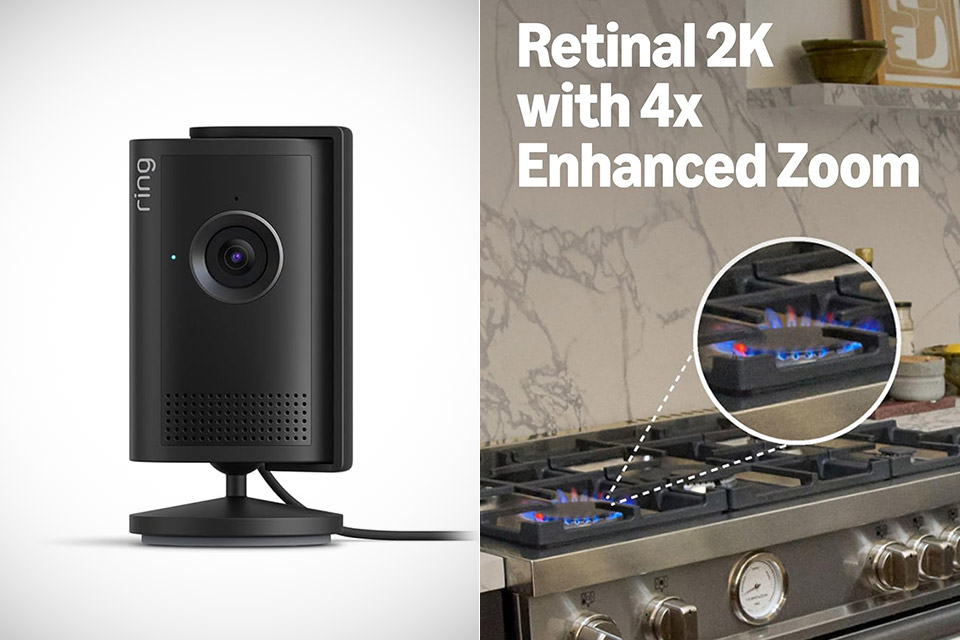
Home security gets a quiet boost when the details are clear regardless of time of day or lighting conditions. The newest Ring Indoor Cam Plus, priced at $35 (was $60), delivers on that promise with its Retinal 2K resolution, allowing you to see a misplaced key on the kitchen counter or a sleeping pet in the corner without having to squint at blurry corners.
Clarity like that goes much beyond simply capturing a great photo. You can place one in the doorway to record the precise moment a delivery arrives, then zoom in several times to read the label on the box. You could put another one in the living room to see if the kids finished their homework or if the poor old dog tripped over a plant again, and all of that detail appears in bright, vivid color during the day and remains the same when the evening comes around.
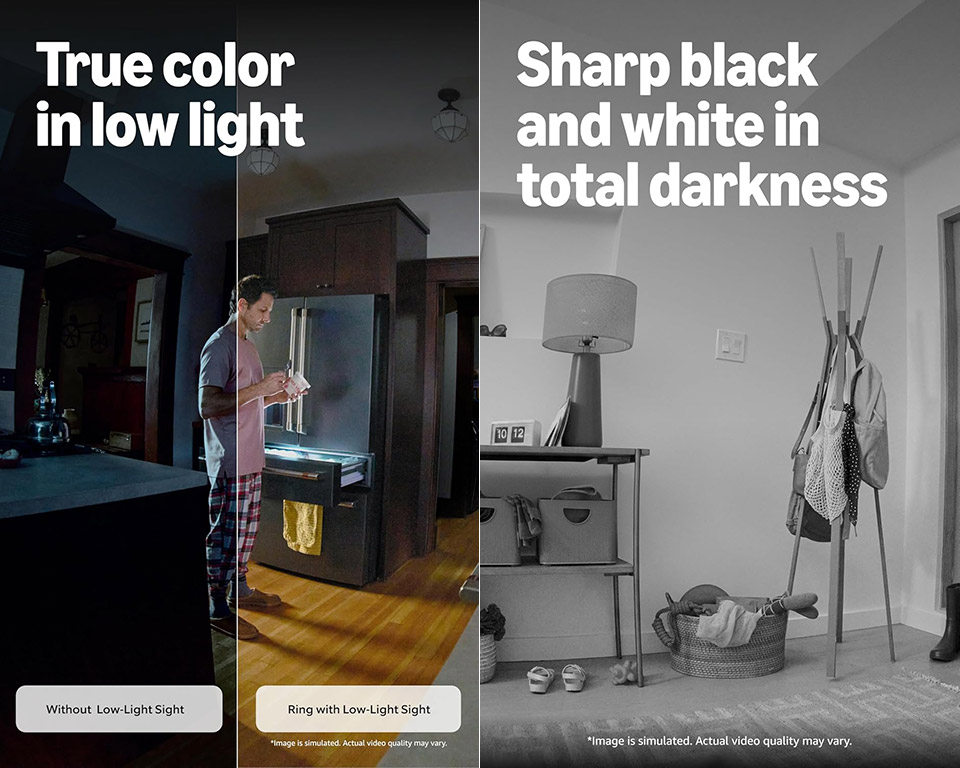
The Low-Light Sight function dramatically improves nighttime monitoring. A hallway lit just by a distant nightlight nevertheless displays good and realistic colors on screen, while complete darkness provides clear black and white detail that cuts right through the shadows. Homeowners no longer have to question if a noise was made by the cat or something else because the feed distinguishes between the two right away.
Having many cameras throughout the house provides a more complete image of what’s going on. You can place one in the nursery and look at a sleeping infant from the sofa or the store. Another one near the back door allows you to keep track on who is arriving and exiting without constantly checking. The flexible mount allows you to place it on a shelf, on the wall, or even on the ceiling, allowing you to set it anywhere you need it and then move it to a different location as your needs change.
Real-time alerts appear on your phone as soon as motion passes a preset zone. You can configure those zones to ignore the hallway fan except when it is near the safe or medicine cabinet. Two-way audio is also useful because it provides good voice on both ends, allowing you to remind the adolescent to lock up or simply say hello to a neighbour who has stopped by. Of course, there are simple privacy controls, both in the app and on the camera itself. Simply slide the removable lens cover over to conceal the view and turn off the microphone when the room must remain off-limits. You can also utilize custom zones to black out critical areas, such as your home office desk or a restroom doorway, so that the camera only monitors what is truly vital.
Advertisement
Getting everything up and running takes only a minute or two, and all you need is a standard power outlet and the Ring app on your phone. Views load quickly, and the system continues to grow as more cameras are added to cover new locations. People who start with one frequently add a second or third because the ease simply builds up, as each new camera fills another gap without generating any more difficulty.
After a painful four-year wait for fans, Euphoria returns this Sunday and we can finally find out what Rue, Cassie, Nate and the rest have been up to since we last caught up with them. Viewers can tune into Euphoria season 3 on HBO in the US, with episodes streaming online through HBO Max in countries where the platform is available. Read on for how to watch Euphoria S3 onlinefrom anywhere with a VPN.
Just like in real life, half a decade has passed in the lives of Euphoria’s main characters since season 2’s climax – which leaves some catching up to do. High School may be a distant memory, but Rue (Zendaya) still seems to be haunted by her drug-afflicted past. Cassie (Sydney Sweeney) and Nate (Jacob Elordi) have been married in the intervening years, but the S3 trailer (watch below) suggests the honeymoon period may be long gone. While Lexi (Maude Apatow) is trying to get a foothold in the TV industry and Jules (Hunter Schafer) is making her way at art school.
There will also be a return for Cal played by Eric Dane, who completed his scenes before his untimely death earlier this year. And a series with this much hype will not be without its guest stars; Hollywood legend Sharon Stone, singer Rosalía and Poker Face star Natasha Lyonne are all confirmed.
Advertisement
Below we have all the information you need on where to watch Euphoria S3 online and stream every episode from wherever you are.
Can I watch Euphoria season 3 for free?
Yes. While HBO Max doesn’t offer a free trial, YouTube TV is free to watch thanks to its 21-day FREE trial. All of its current plans come with the ability to add the HBO Max streaming service.
That means you can watch the first few episodes of Euphoria S3 completely free.
Outside the US right now? Access your YouTube TV account with NordVPN…
Advertisement
Use a VPN to watch Euphoria from anywhere
A VPN is a handy piece of software that can make your device appear as if it’s back in your home country and unlock your usual streaming services. The best VPN right now? We recommend NordVPN – it does everything and comes with a 73% discount.
How to watch Euphoria season 3 online in the US
Euphoria season 3 premieres on HBO at 9pm ET/PT on Sunday, April 12. Further episodes will go out one at a time in the same slot weekly.
Advertisement
If you don’t already have access to HBO, you can still watch Euphoria and all of its programming online thanks to the HBO Max streaming platform. Plans start from $10.99 per month, or you can pay more to add live sports and bundle in other streaming services like Disney Plus and Hulu.
HBO is also available with different OTT cord cutting services, often as an added extra. YouTube TV, for example, lets you add HBO Max and is available to try before you buy thanks to its free trial.
Have one of these subscriptions but away when Euphoria is on? You can still access your usual streaming services from anywhere by using a VPN.
Advertisement
How to watch Euphoria season 3 online in the UK
Euphoria season 3 is going out on Sky Atlantic in the UK. Note that episodes in the UK will air a day after their US release, with a first showing at 2am and then again later at 9pm on Mondays.
Episodes will also be available on catchup on Sky, as well as on the recently launched HBO Max service. It comes free with Sky TV plans, or you can get a standalone subscription from just £5.99 a month.
Away from home? You can still connect to your usual streaming services by downloading a VPN and pointing your location back to the UK.
Advertisement
How to watch Euphoria season 3 online in Canada
In Canada, Euphoria season 3 will air on Crave. It will go out at the same time as south of the border, at 9pm ET/PT on Sundays from April 12.
Crave plans start from $11.99 per month, with pricier tiers available if you want to ditch ads or bundle in other platforms like Disney+ or TSN.
Away from Canada now? Use NordVPN to watch your usual streaming service when overseas.
Advertisement
How to watch Euphoria season 3 online in Australia
If you’re used to Euphoria episodes going out on Binge in Australia, that has now changed. Folks Down Under will need HBO Max to watch season 3, with prices starting from $11.99 a month and episodes landing there weekly from Monday, April 13.
Outside Australia? Aussies away from home can use a VPN to unblock HBO Max and watch Euphoria as they would at home.
Season 3 of Euphoria will premiere in the US and Canada on Sunday, April 12 and continue weekly for eight episodes.
In the UK and Australia, episodes will arrive a day later starting from Monday, April 13.
Euphoria S3 episode guide
Season 3 of Euphoria is set to consist of eight episodes, which will premiere in North America on the following schedule:
Advertisement
Episode 1 – Sunday, April 12
Episode 2 – Sunday, April 19
Episode 3 – Sunday, April 26
Episode 4 – Sunday, May 3
Episode 5 – Sunday, May 10
Episode 6 – Sunday, May 17
Episode 7 – Sunday, May 24
Episode 8 – Sunday, May 31
Euphoria season 3 cast
Zendaya as Rue Bennett
Hunter Schafer as Jules Vaughn
Nika King as Leslie Bennett
Eric Dane as Cal Jacobs
Jacob Elordi as Nate Jacobs
Sydney Sweeney as Cassie Howard
Alexa Demie as Maddy Perez
Maude Apatow as Lexi Howard
Dominic Fike as Elliot
Martha Kelly as Laurie
Chloe Cherry as Faye
Adewale Akinnuoye-Agbaje
Asante Blackk as Kidd
Melvin Estes as Bruce
Paula Marshall as Marsha Jacobs
Zak Steiner as Aaron Jacobs
Sophia Rose Wilson as Barbara Brookes
Daeg N. Faerch as Mitch
Alanna Ubach as Suze Howard
Colman Doming as Ali Muhammad
Rosalía
Sharon Stone
Colleen Camp
Danielle Deadwyler
Eli Roth
Kwame Patterson
Matthew Willig
Natasha Lyonne
We test and review VPN services in the context of legal recreational uses. For example: 1. Accessing a service from another country (subject to the terms and conditions of that service). 2. Protecting your online security and strengthening your online privacy when abroad. We do not support or condone the illegal or malicious use of VPN services. Consuming pirated content that is paid-for is neither endorsed nor approved by Future Publishing.
Fresh reports suggest that the next-generation PlayStation console, widely expected to be the successor to the PlayStation 5, may not be as expensive as previously feared. Despite ongoing concerns around rising memory and component costs, early estimates indicate that the PlayStation 6 could launch at a price closer to current PS5 levels rather than crossing the $1,000 mark.
Pricing Expectations Remain Lower Than Worst-Case Fears
According to recent analysis based on supply chain estimates and leaks from a known insider Moore’s Law Is Dead, the PS6 could carry a launch price of around $749.
Digital Trends
The report suggests that manufacturing costs for the console may reach roughly $743 per unit, with memory alone accounting for a significant portion of that expense. In fact, around $300 of the cost could come from RAM, while storage components like SSDs also remain expensive.
Even with these pressures, the projected retail price is still relatively close to the PS5’s positioning, especially compared to earlier fears that the next-gen console could exceed $1,000.
Rising Memory And Chip Costs Continue To Pressure Pricing
The biggest uncertainty around PS6 pricing remains the global memory and chip market. Over the past year, demand for AI infrastructure has driven up the cost of RAM and storage components significantly.
Advertisement
Reports indicate that DRAM and SSD prices have surged due to increased demand from data centers and AI companies, limiting supply for consumer electronics.
In some cases, RAM prices have risen dramatically, with certain components seeing multiple-fold increases.
This trend has already impacted current-generation consoles. Sony recently increased PS5 prices globally, citing rising component costs, signaling how deeply supply chain volatility is affecting the gaming industry.
Why The Price Still Might Stay Controlled
Despite these challenges, analysts believe the PS6 may avoid extreme pricing due to a combination of factors.
Advertisement
First, companies like Sony are likely to optimize component choices and production efficiency over time. There is also an expectation that some component prices, particularly memory, could stabilize before the PS6 launches, which is currently rumored for 2027 or later.
Additionally, tariffs and geopolitical factors play a major role. Estimates show that import duties alone could push the console price closer to $900 or more, depending on market conditions at launch.
However, if these external pressures ease, the final retail price could remain within a more consumer-friendly range.
What This Means For Gamers
For gamers, the takeaway is cautiously optimistic. While next-generation hardware is expected to become more expensive due to advanced components and AI-driven features, the PS6 may still remain within a familiar pricing bracket.
Advertisement
Giovanni Colantonio / Digital Trends
That said, the volatility of the supply chain means nothing is guaranteed. Pricing could shift significantly depending on memory costs, tariffs, and global demand closer to launch.
What Comes Next
Sony has yet to officially reveal any details about the PlayStation 6, and a launch is still several years away. Reports suggest the company may delay announcements until market conditions stabilize, particularly around memory supply and pricing.
In the meantime, the industry continues to grapple with rising costs and supply chain uncertainty. As AI demand grows and chip shortages persist, the next few years will likely play a crucial role in determining not just the PS6’s price, but the future affordability of gaming hardware as a whole.
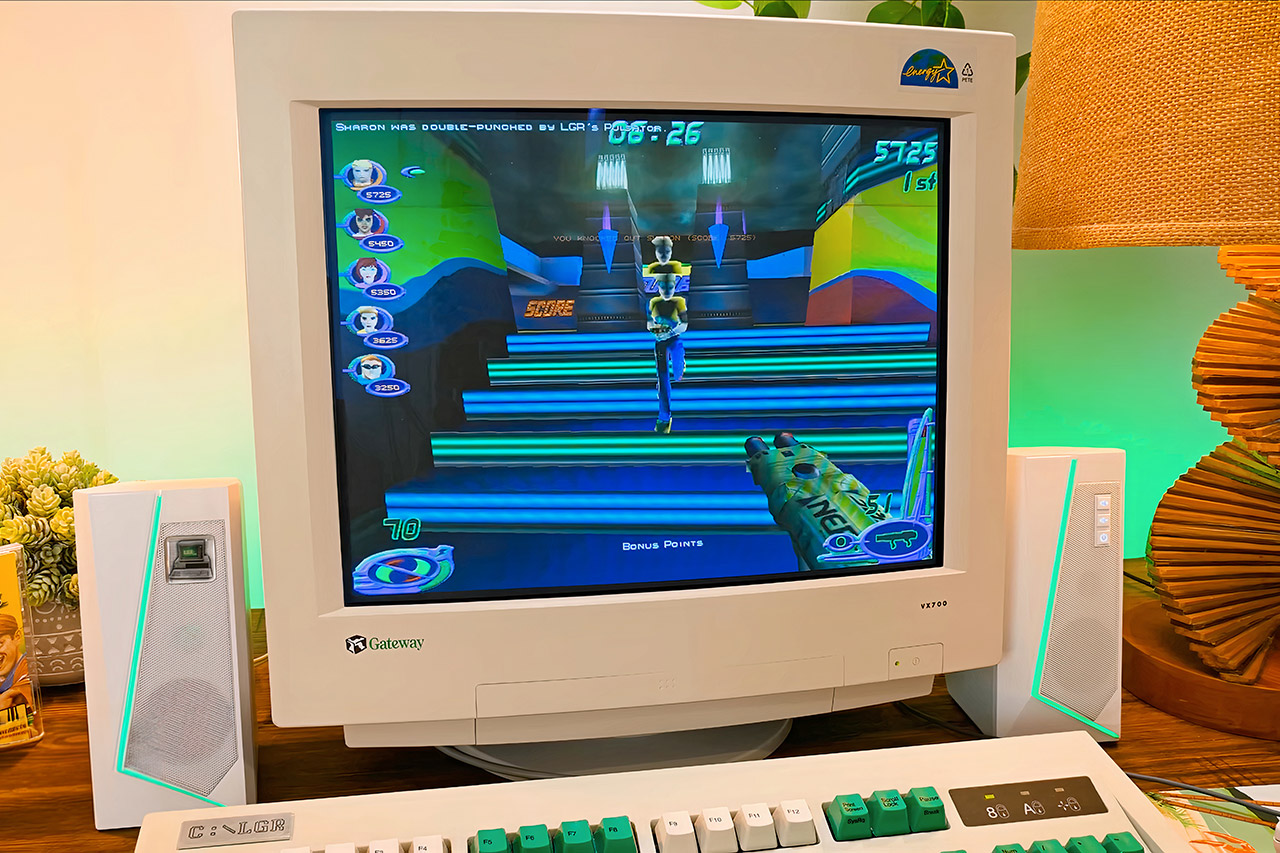
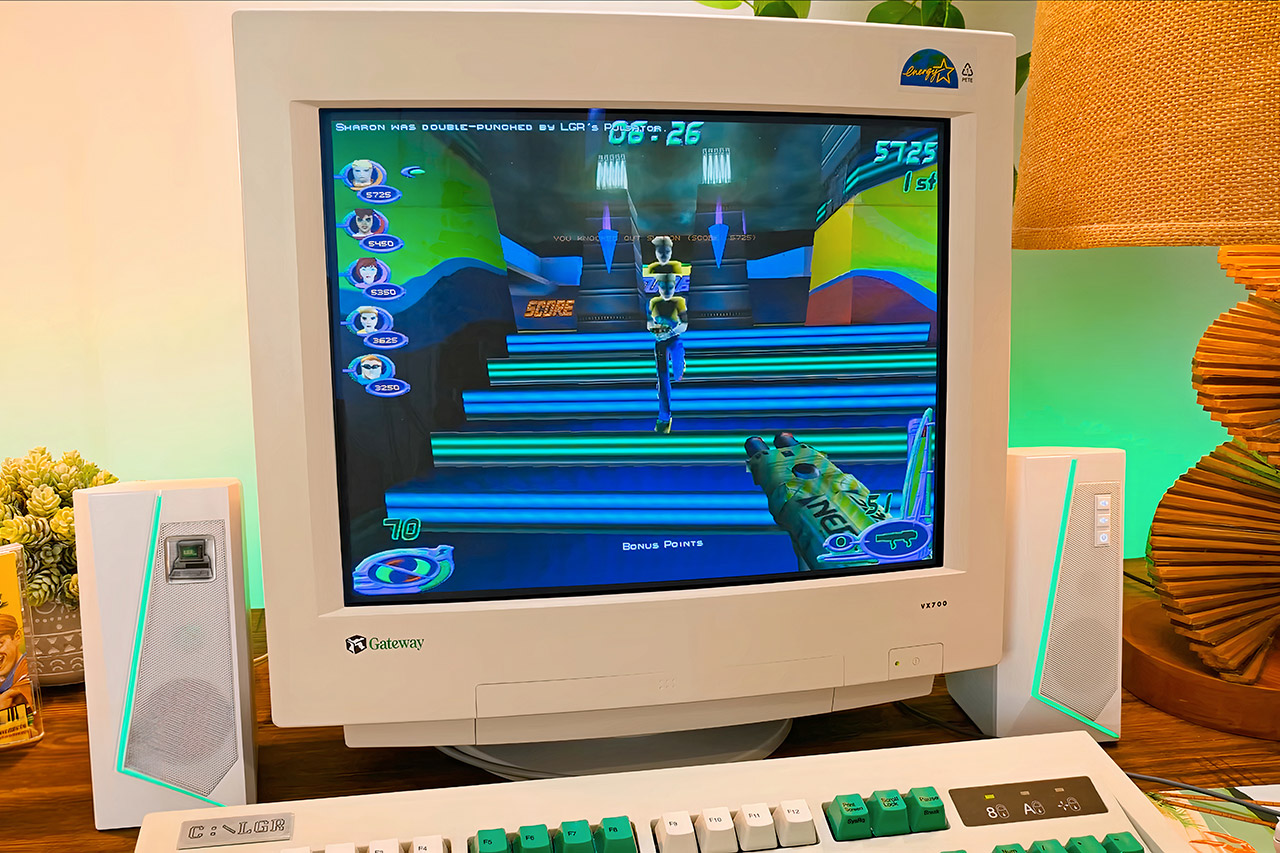
Jumping back into Nerf Arena Blast today provides the same adrenaline that captivated players all those years ago in 1999. People are still loading patched versions of the game onto their modern machines and connecting to active servers, where matches are quickly filling up. This game has always managed to transform what would otherwise be a bunch of kids playing with foam darts into full-fledged digital competition that still feels new 27 years later.
The guys at Visionary Media did an excellent job designing the game around Nerf gear. Every blaster in the game is an exact replica of the one you can purchase at the store. The Wildfire, for example, can just spit out darts in fast bursts, whereas the Ballzooka releases these clusters that spread all over the place when they impact, and because ammo is limited, you can bet your bottom dollar that whoever runs out will be left hanging out to dry. Throwing in some secondary fire modes, such as tighter spreads or faster reload times, adds another layer of strategy to each of those Nerf guns, so practice pays off.
XBOX EXPERIENCE BROUGHT TO LIFE BY ROG The Xbox gaming legacy meets ROG’s decades of premium hardware design in the ROG Xbox Ally. Boot straight into…
XBOX GAME BAR INTEGRATION Launch Game Bar with a tap of the Xbox button or play your favorite titles natively from platforms like Xbox Game Pass…
ALL YOUR GAMES, ALL YOUR PROGRESS Powered by Windows 11, the ROG Xbox Ally gives you access to your full library of PC games from Xbox and other game…
Instead of simply racing around and gunning like most other arena games, Nerf Arena Blast offers three separate events to pick from. PointBlast is all about scoring hits on both your opponents and stationary targets, as well as collecting bonus tokens that appear when someone is tagged out. SpeedBlast is all about racing through colored flags in the correct order, and if you get tagged out, you get a free pass to reset your progress to the last checkpoint. Then there’s BallBlast, in which 7 random colors are scattered all over the map and players must run around grabbing these balls and shooting them into the goals, but the golden ball is the real game changer. These formats make every second of gameplay worthwhile since points matter far more than simply knocking someone out.
Advertisement
As you go through the single-player campaign, new arenas will unlock in phases. Early levels involve winding through tight passages and water slides inside the Amateur Arena, but later levels take you to forest platforms in Sequoia or zero-gravity chambers on an orbital station. There are power-ups everywhere to give you a momentary speed boost or a shield that renders you nearly invulnerable for a short period of time, and you’ll be relieved to hear that health pickups only go up to 200 points, putting your survival skills to the test.
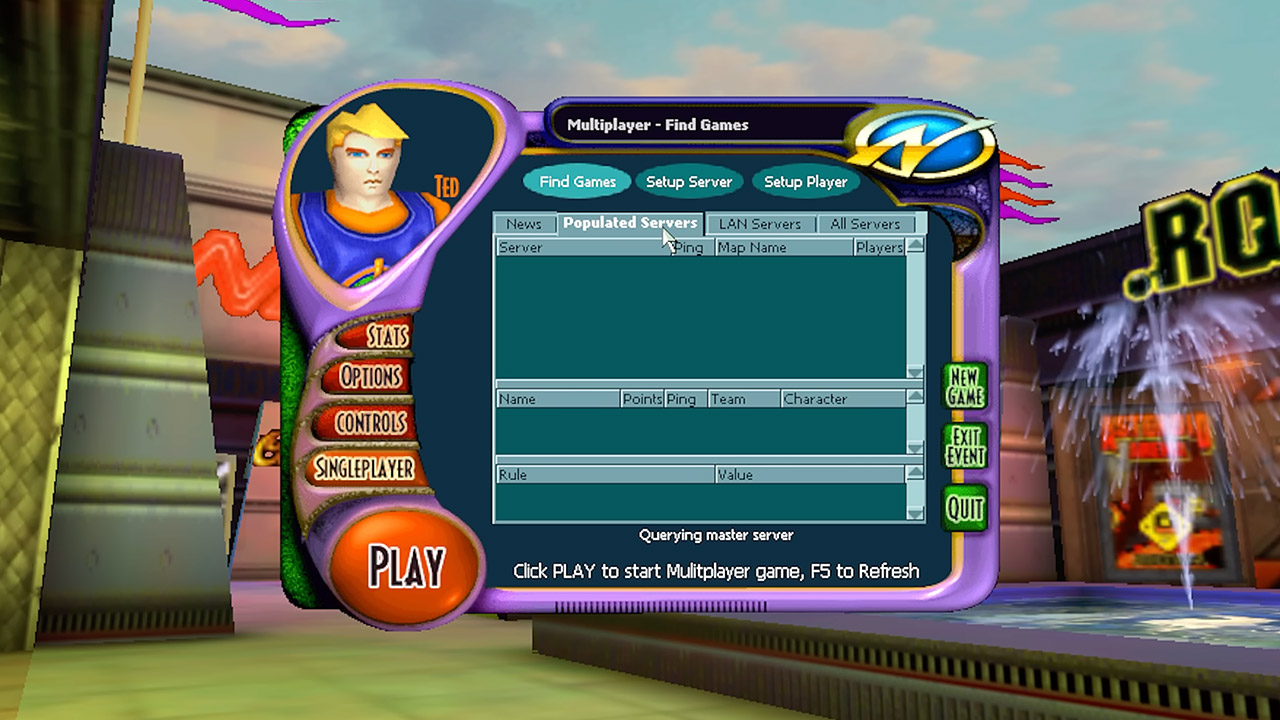
The Multiplayer modes, however, are what keep Nerf Arena Blast going. Local splitscreen now works out of the box, but fan-hosted servers bring strangers together for intense team battles on dozens of custom maps created by community members. Who could have predicted that one of the fans would add capture-the-flag to the game back then? Hundreds of custom venues and game adjustments are now included in a single small community patch that simply bundles all of the repairs and improves compatibility. As it is now officially abandonware, anyone can download the original files and begin playing without the need for any old disks.
The game’s scoring system is also designed to promote some innovation. Tag someone out, and the points go to whoever finishes them off, keeping everyone in the fight until the end, and double-damage pickups are the best, since they glow orange until someone whacks the holder, after which the effect is passed on to the next person to grab it. These minor touches keep games going in a continual push-pull, with no one giving up.
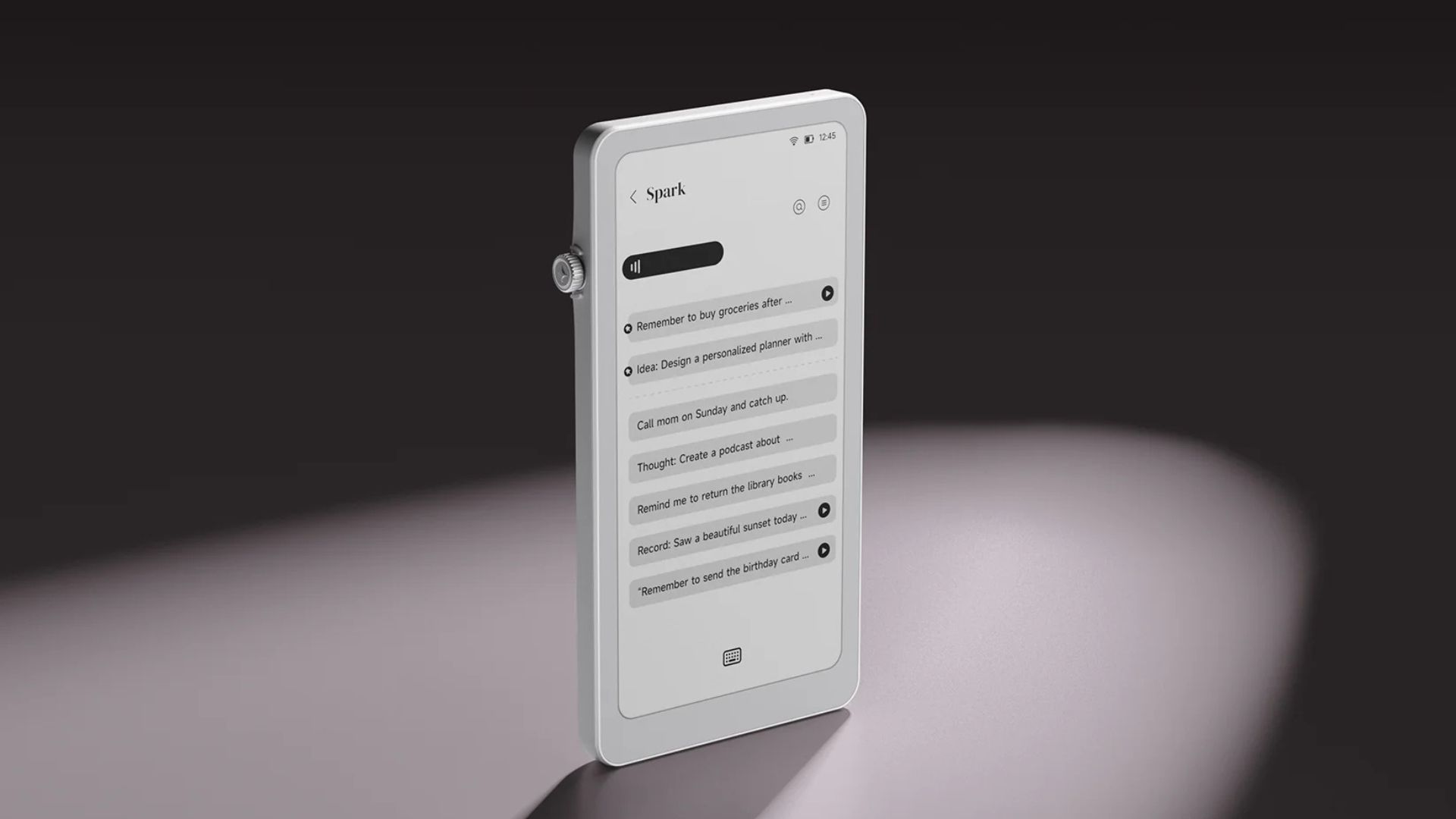
Durobo’s compact Krono e-note is finally available after a short delay. It brings a slightly different take on the e-reader formula, going head-to-head with the popular Boox Palma.
Priced at $279.99, the device combines a 6.13-inch e-ink display, Android 15, and a physical smart dial designed to streamline everyday tasks.
At its core, the Krono is still built for reading. However, it leans into versatility more than most devices in this category. It runs Android 15 with full access to the Google Play Store. This means users can install everything from e-book platforms to music streaming apps. That gives it a broader use case than a typical Kindle-style reader. Still, it stops short of replacing a smartphone.
The display uses an E Ink Carta 1200 panel with 300 PPI, paired with a front light for reading in low-light conditions. The standout feature, though, is the Smart Dial on the side. It can be used to adjust brightness on the fly. Additionally, with a press, it can trigger shortcuts like recording voice memos or launching the built-in AI assistant.
Advertisement
Advertisement
Beneath the surface, Krono runs on an octa-core processor with 6GB of RAM and 128GB of storage. This should be more than enough for reading, note-taking, and light app use. It also includes Wi-Fi, Bluetooth, stereo speakers, microphones, and a USB-C port. Therefore, it is a fairly well-rounded portable device.
There are some clear limitations. There’s no modem, no camera, and no speaker above the display. So it won’t double as a phone. But that seems intentional as the Krono is more about offering a focused, distraction-light experience with a few smart extras layered on top.
With its mix of e-reader simplicity and Android flexibility, the Durobo Krono feels like a device aimed at users who want more than just books. Yet, it does this without going all the way to a full tablet.




































































You must be logged in to post a comment Login