Tech
One Clever Mod Turns a 1995 Virtual Boy Controller Into a Wireless Nintendo Switch 2 Gamepad

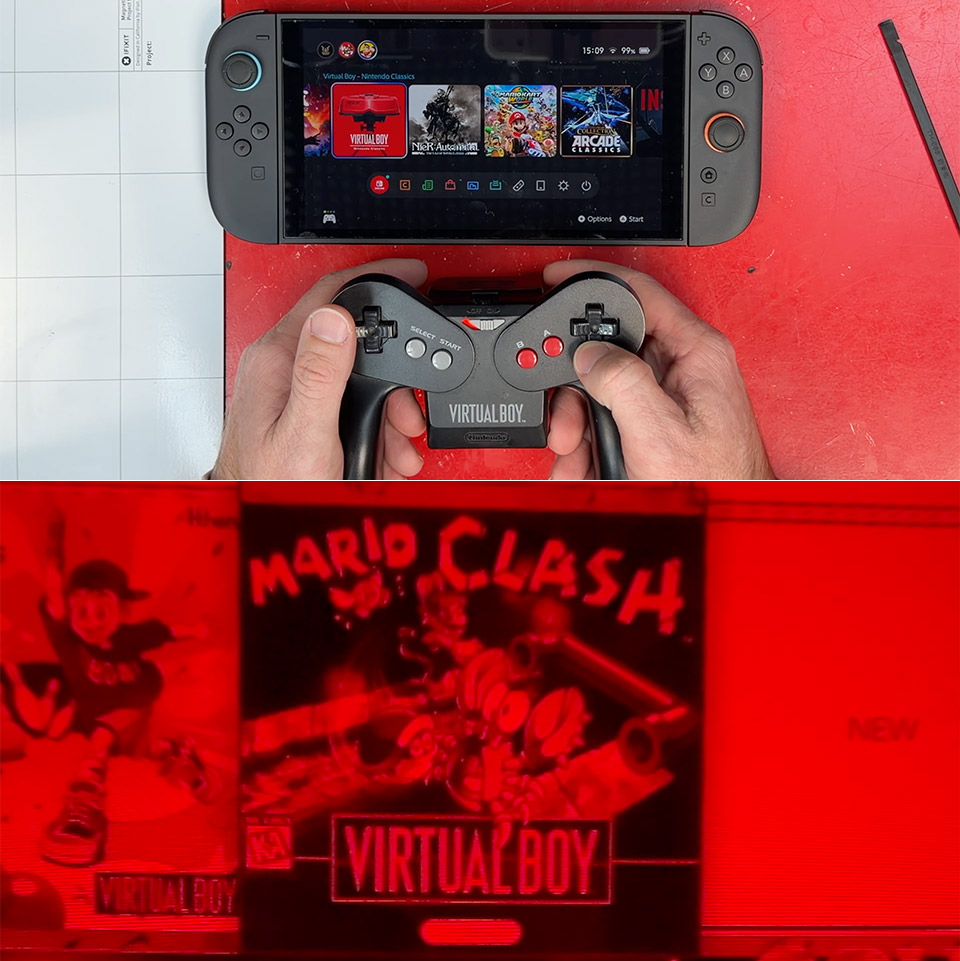
Nintendo brought Virtual Boy games to Switch and Switch 2 owners through its online service earlier this year. The collection lets players experience the red-tinted stereoscopic titles without digging out the original bulky headset. Yet something important stayed missing from the official offering. The service provides no dedicated controller, and standard Switch pads force awkward compromises that dull the precision the old hardware once delivered.


The original Virtual Boy controller is one of Nintendo’s most eye-catching designs from the 1990s, and there are still quite a few floating around. Anyone who has used the peripheral on its stand will recognize the two large grips protruding from the body. One directional pad is on the left, while another is on the right. The red A and B buttons cluster next to the right pad, while the grey Start and Select buttons hang around near the left one. Plus, the rounded L and R triggers are quite distinct. Some games used to use a dual-pad layout to create the illusion of depth in what was otherwise a beautiful 2D environment, but when you translate all of that to a current analog stick or single pad, you end up with dead zones or jittery responses that really mess up the vibe.

Nintendo Switch 2: Choose Your Game Bundle
- Kick off the fun with a Nintendo Switch 2 system, your choice of a select digital game, and a savings* of up to $29.99!
- Includes choice of either the Mario Kart World, Donkey Kong Bananza, or Pokémon Pokopia digital game download
- One system, three play modes: TV, Tabletop, and Handheld

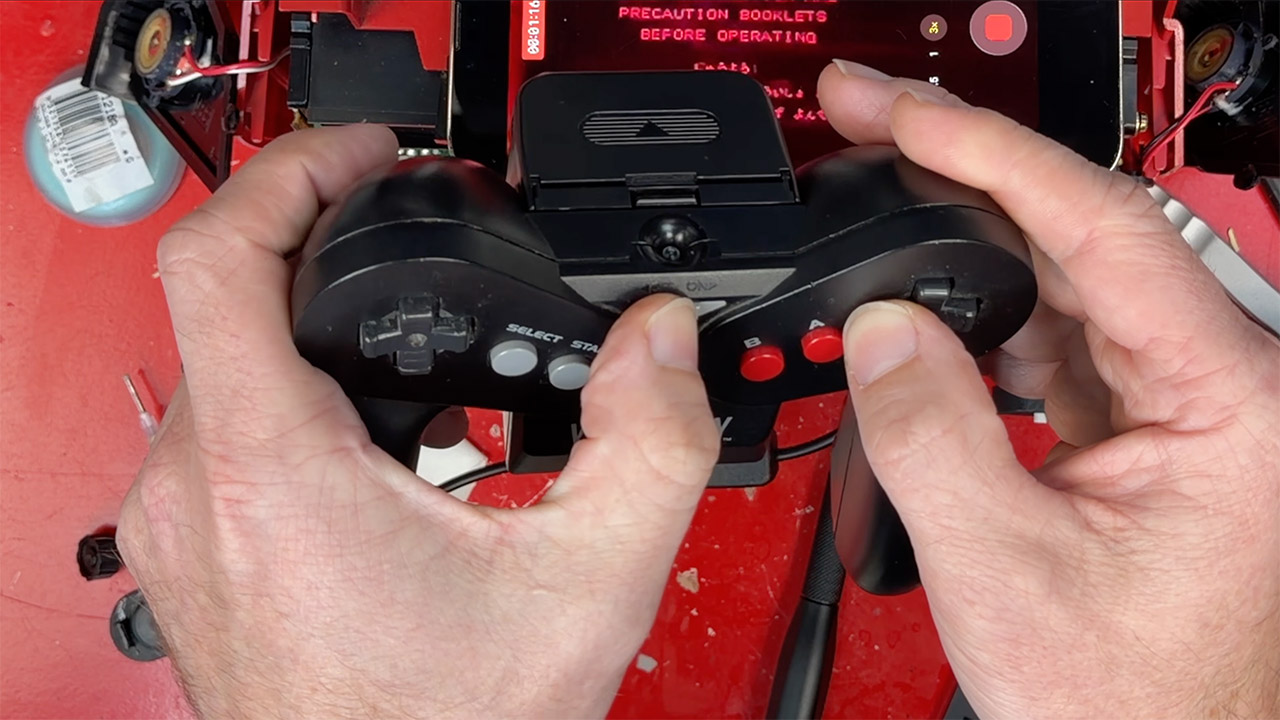
RetroOnyx’s new circuit board is game-changing. This board can be inserted directly into an original Virtual Boy controller and replaces almost everything inside it. The ESP32 microcontroller is at the heart of it all, handling all wireless communications and button translation. What about the remaining original hardware? Nothing gets affected. The controller case itself has not been touched; there are no permanent cuts or new holes. It is entirely possible to revert this thing to its original state.
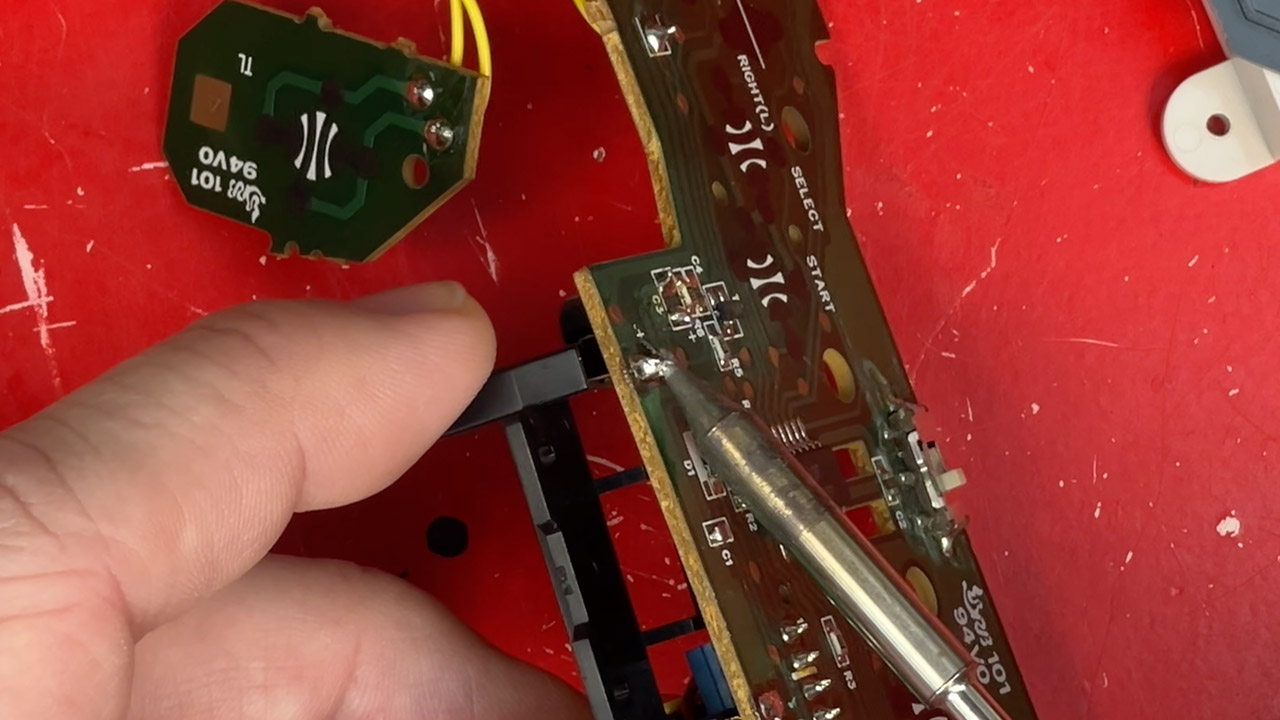
Installing this new board only involves a few simple tools and some soldering. Screw the shell open, remove the old board after you’ve added some new solder points to the battery terminals, and that’s all. The new board is installed with the power switch matched up with the existing slider and a small 3D printed plug that sends a light pipe into the old cable exit hole. Nothing really complicated. After that, reassembly takes only a few minutes if you’ve positioned the board correctly, and the result? Every physical button and pad remains in its factory position and spacing.

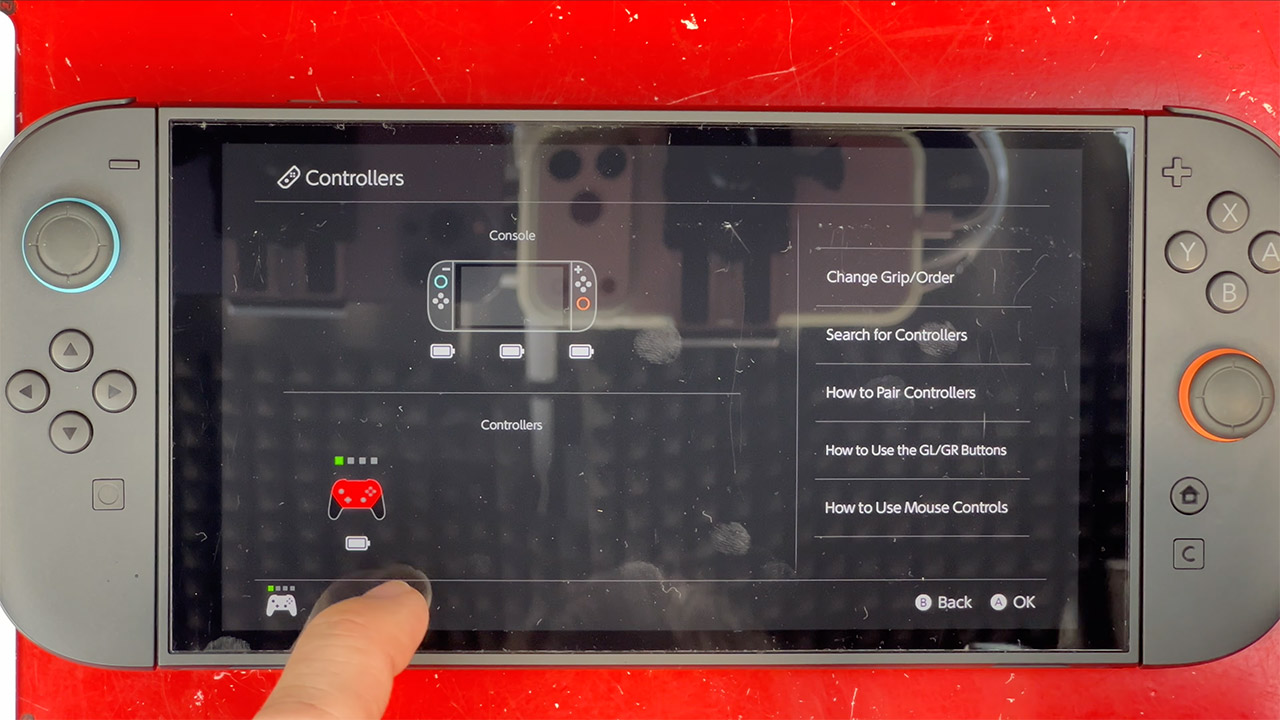
On a Switch or Switch 2, the upgraded controller appears as a normal Pro Controller. Pairing is a typical Bluetooth procedure; just follow the usual steps. A simple button push at power-on allows you to select the operating mode; the default is Virtual Boy on Nintendo Switch online, but you may hold the button for a second to switch to PC use or some experimental mappings that resemble vintage SNES or N64 layouts. Once you’ve paired everything up, the left directional pad appears as the left pad on the Switch side, while the right directional pad appears as the right analog stick. Face buttons swap over in a fairly straightforward manner to preserve muscle memory, and L and R triggers simply map to their modern counterparts as is.
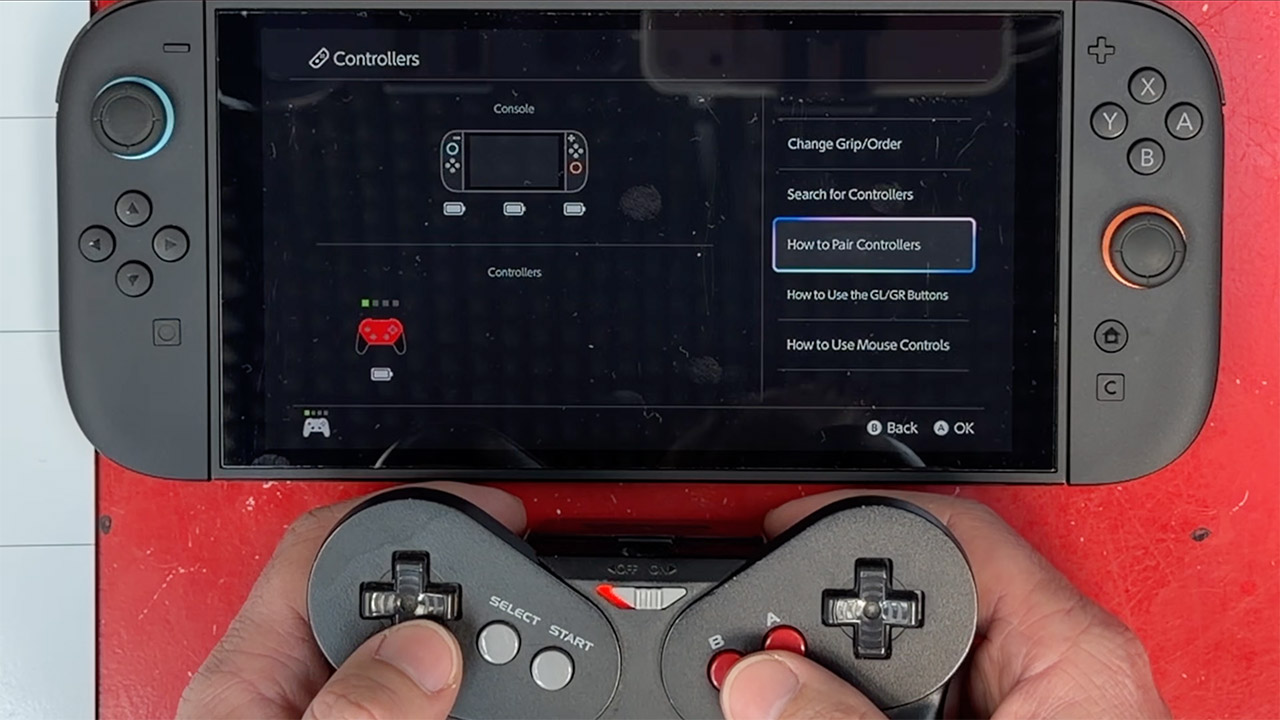
Additional button combinations will enable a host of features that the Switch is actually anticipating. Holding specific buttons on the controller will access the home menu, increase the volume, modify the brightness on the emulated display, initiate a rewind (if supported), or even start a capture. The ESP32 handles all of these commands on its own, with no additional software required on the console, and best of all, the latency is low enough that the games feel extremely responsive. Most gamers agree that after you get past the first few minutes of adjusting, the entire experience feels very natural.
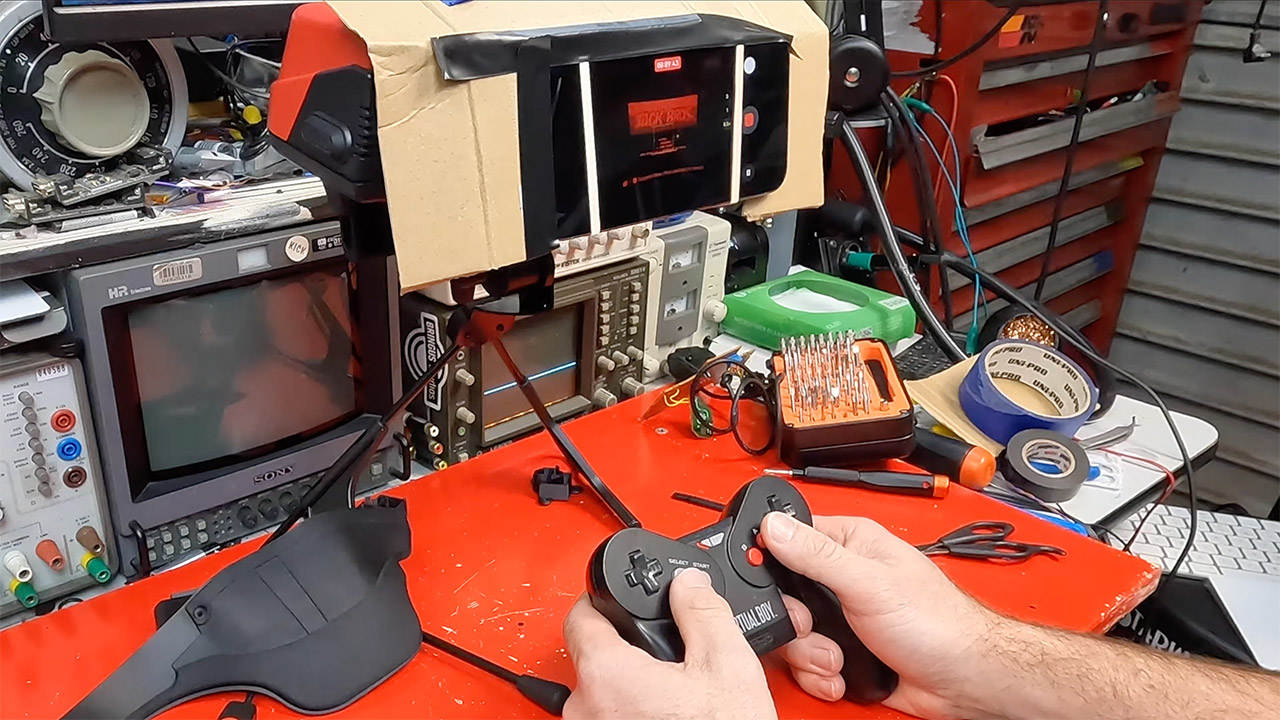
The same hardware breathes new life into the original Virtual Boy system, but this time wirelessly. All you need is a separate BlueRetro adapter that fits into the console’s controller port and pairs with the improved controller. As a result, depending on which of the two receivers is nearby, one controller can now serve as hardware for both the original 1995 system and the current Nintendo products. However, if Nintendo decides to enable haptic rumble on the Virtual Boy collection, subsequent updates may include haptic modules inside the grips.
RetroOnyx sells the board as a kit for $99, but you must provide your own donor controller and battery pack. They’ll occasionally have assembled versions available if they can find secondhand controllers. This project is actually pretty cool, because it fills a gap that Nintendo left open when they released all those games without any accompanying hardware, and it demonstrates how far a well-designed replacement board can extend the life of a really cool, but otherwise largely forgotten peripheral that would otherwise collect dust on a shelf.
You must be logged in to post a comment Login