Tech
Origami-Inspired Mori3 Robot Boasts Modular Design That Can Shape-Shift

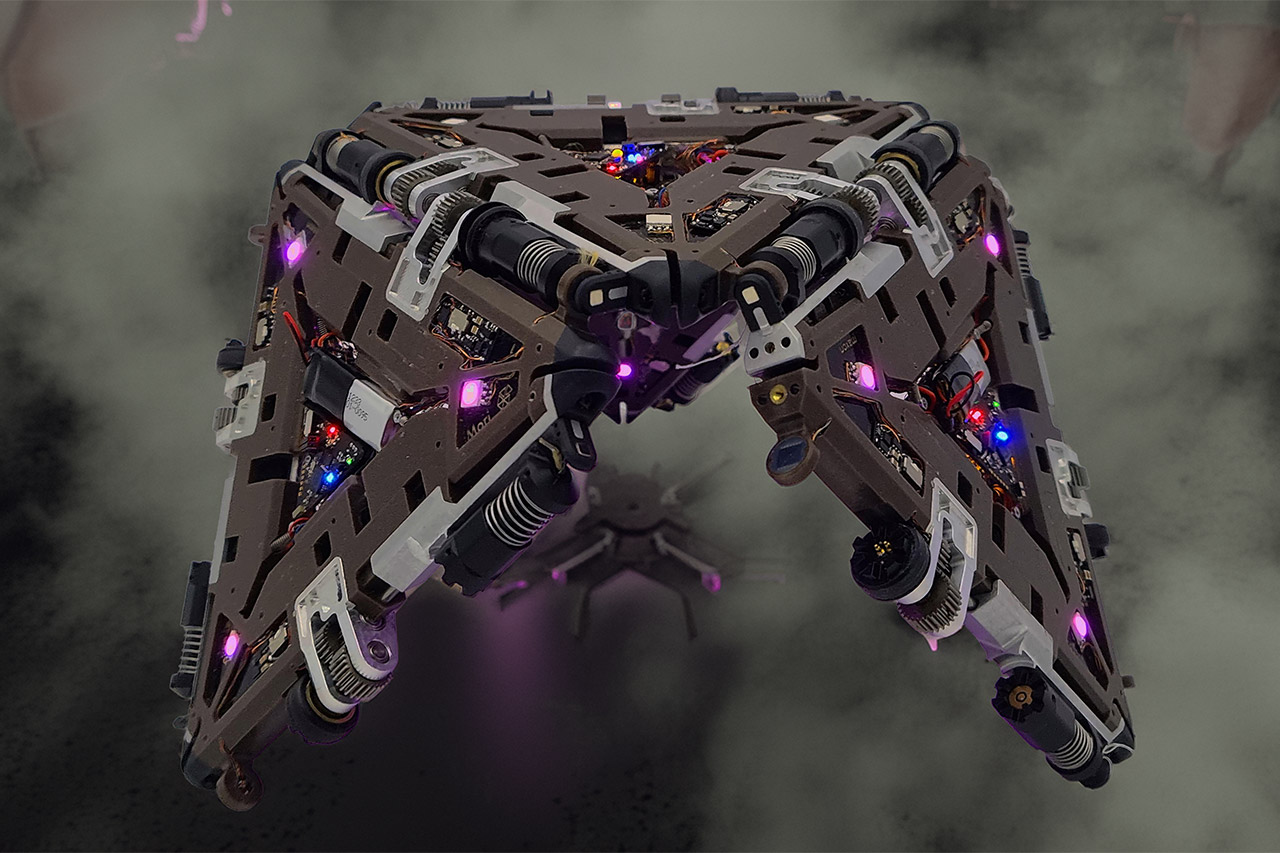
Mori3, a modular robot developed by the bright minds at EPFL in Lausanne, Switzerland, is made up of four triangular modules stacked in an origami-inspired pattern that is actually pretty ingenious. Each module communicates with its neighbors, establishing a little team that can change shape, move about, and be useful in a variety of ways.


Mori3’s approach to reliability is what truly sets it apart. Traditional modular robots begin to come apart, literally, as the number of units increases, because all of the extra connections offer a slew of potential weak points. The EPFL team performed the inverse. Power, communication signals, and sensor data are shared directly between modules. This results in hyper-redundancy: the entire system has access to a pool of shared resources, rather than each module doing its own thing. And when additional modules are added, it becomes much more reliable.


LEGO Disney & Pixar Wall-E & EVE Building Set for Adults, Ages 18+ – Home Office, Book Shelf, or Room…
- LEGO SET FOR ADULTS – The WALL-E and EVE (43279) building set offers adults 18 years old and up an immersive construction challenge featuring…
- 4 DISNEY PIXAR CHARACTERS – Builders can create iconic robots WALL-E, EVE, M-O and Hal from the hit movie—each with authentic functionality like…
- MINDFUL BUILDING EXPERIENCE – This detailed construction set lets builders practice advanced construction techniques for an immersive and relaxing…
Engineers tested the concept by actively attempting to destroy the central module, cutting its power, blocking its wireless communications, and turning off its sensors. That would be disastrous in any normal system; the entire thing would collapse. But not in Mori 3. The remaining three modules just stepped in and took over. They provided power, conveyed data, and transmitted sensor readings to the disabled device. The entire robot continued to function as if nothing had happened.
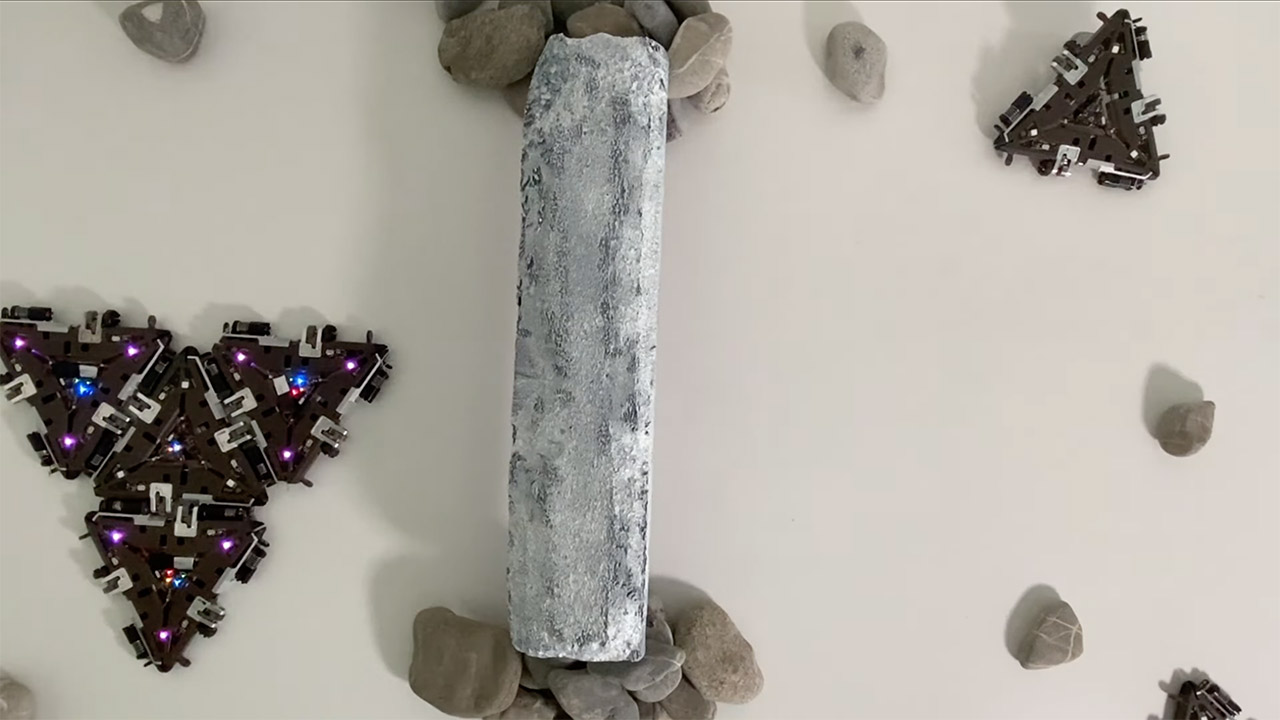
In a demonstration, the robot walks across tough, uneven terrain with simulated damage and just kept going. When it encountered a low obstacle, the modules altered their layout and managed to slip beneath it, and it just continued marching on the other side. The purportedly “dead” central module was fully functioning and contributed to the effort the entire time; no separate backup hardware was required, only the shared resources of the other modules.

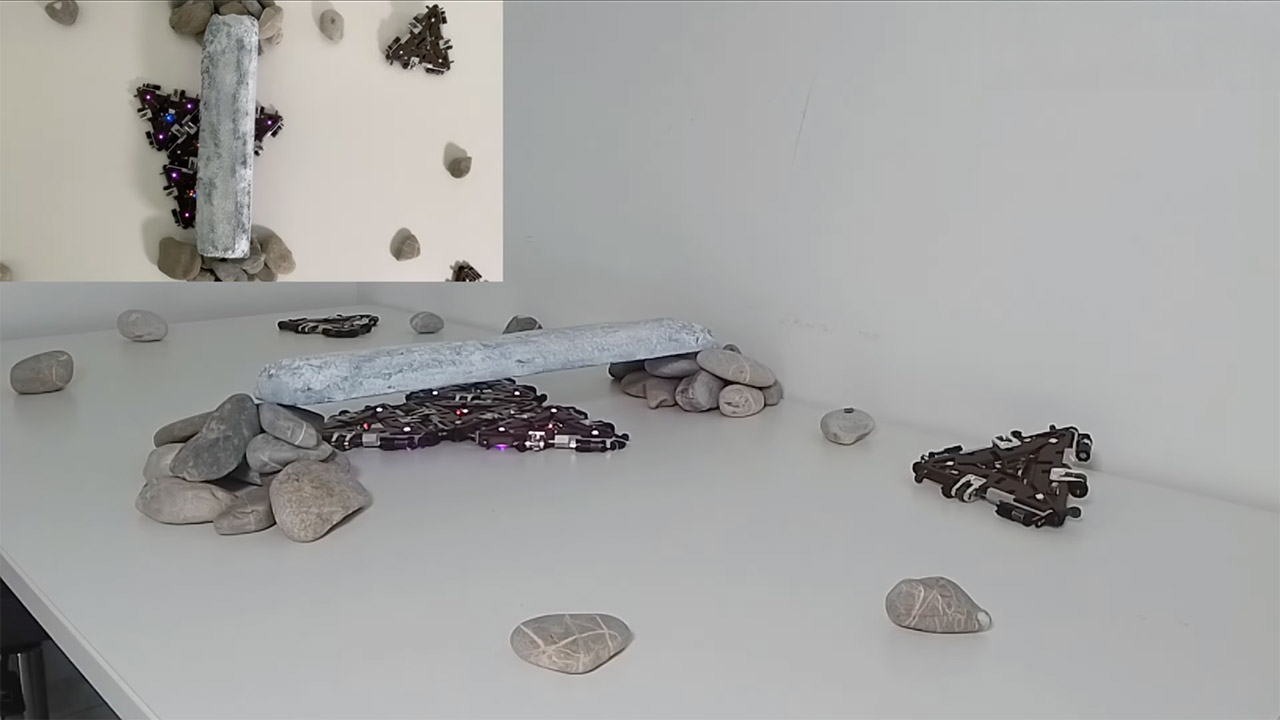
The modules’ triangular form makes them extremely adaptable, allowing them to be moved in a variety of ways. They can walk, flatten out to fit through narrow spaces, and the current configuration of just four units is only the beginning. The approach scales up, so you could picture a group of many modules sharing resources over several connections, making the entire system more resilient as additional units are added.
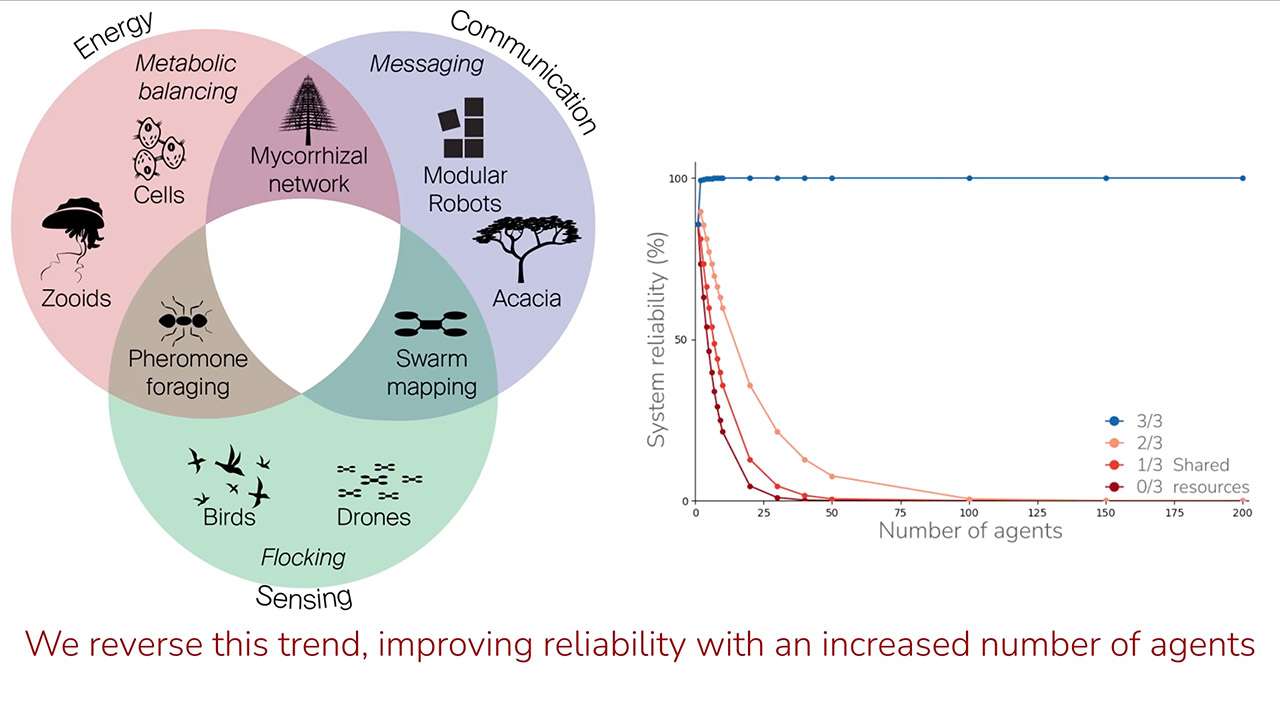
This technology has a wide range of possible uses, such as a swarm of autonomous robots that can dock together quickly to exchange energy and data. If one unit is damaged, the others can take up the burden, and the entire swarm can continue on. The research demonstrates that it is totally possible to create machines that will not quit up, even when severely injured.
[Source]
You must be logged in to post a comment Login