Tech
Oriveti Dynabird Review: Premium Build at $99, But Does the Tuning Hold It Back?

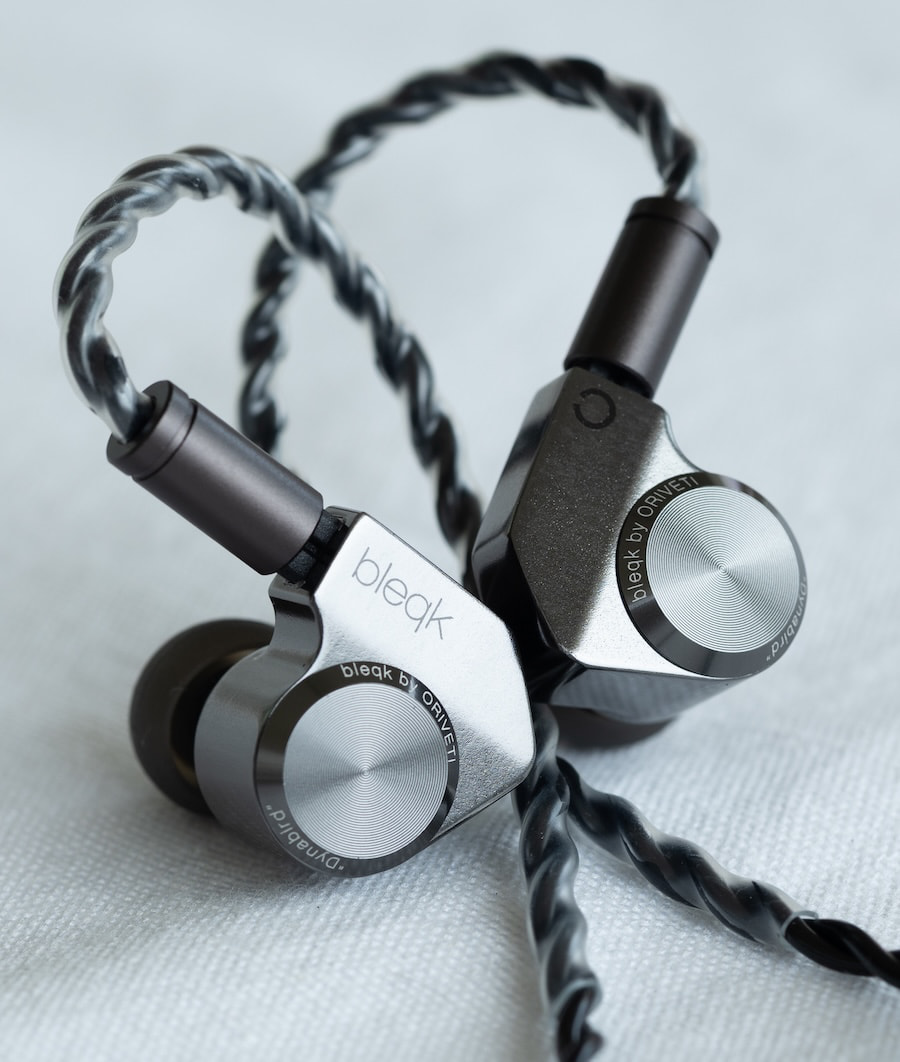
Oriveti, based in Hong Kong, is expanding its lineup with the Dynabird, a $99 in-ear monitor and one of the first models under its new “bleqk” sub brand, which stands for “Basic Line Exquisite Quality Kept.” The Oriveti Dynabird follows the recently reviewed Purecaster and takes a more stripped down approach, pairing an all-metal shell with a minimalist design and a clear focus on value. Oriveti has built a steady presence in the midrange segment with IEMs that emphasize balanced tuning and solid construction, competing with Moondrop, FiiO, and DUNU for listeners who want strong performance without stepping into flagship pricing.
About My Preferences: This review is a subjective assessment and is therefore tinged by my personal preferences. While I try to mitigate this as much as possible during my review process, I’d be lying if I said my biases are completely erased. So for you, my readers, keep this in mind: I prefer solid sub bass, textured mid bass, a slightly warm midrange, and extended treble, with mild sensitivity to higher frequencies.
Testing equipment and standards can be found here.
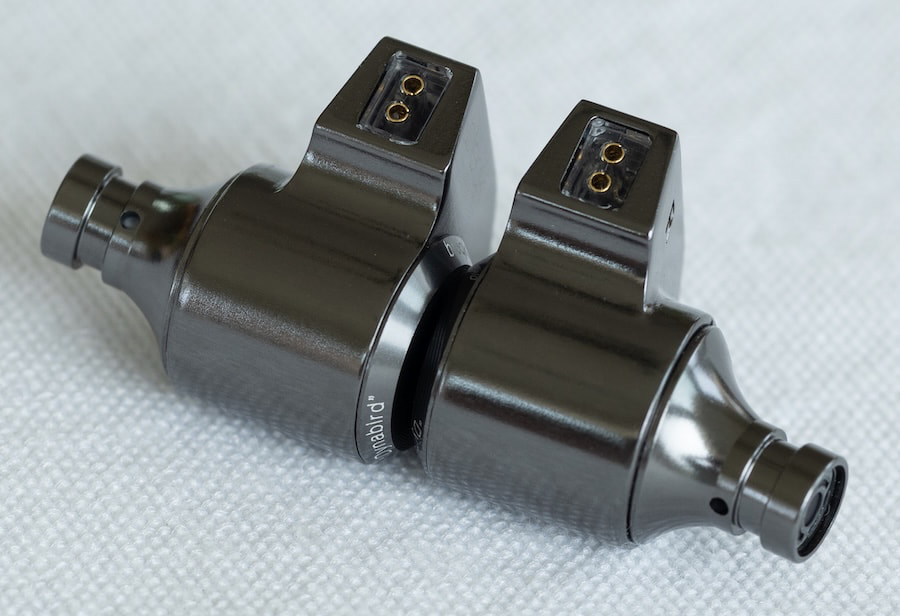

Oriveti Dynabird Key Specs:
- Driver: 1 x 9.2mm dynamic driver with beryllium coating
- Impedance: 16 ohms
- Sensitivity: 108 ±3 dB/mW at 1000 Hz
- Frequency Response: 20 Hz to 20 kHz
- Distortion: 0.08%
- Cable: 0.78 mm 2 pin detachable cable
- Termination: Gold plated 3.5 mm stereo plug
- Shell: CNC machined aluminum
Build
The Dynabird features metal shells with detachable 2-pin cables. The top of the Dynabird’s shells host its 2-pin sockets, and they’re secured firmly in place.
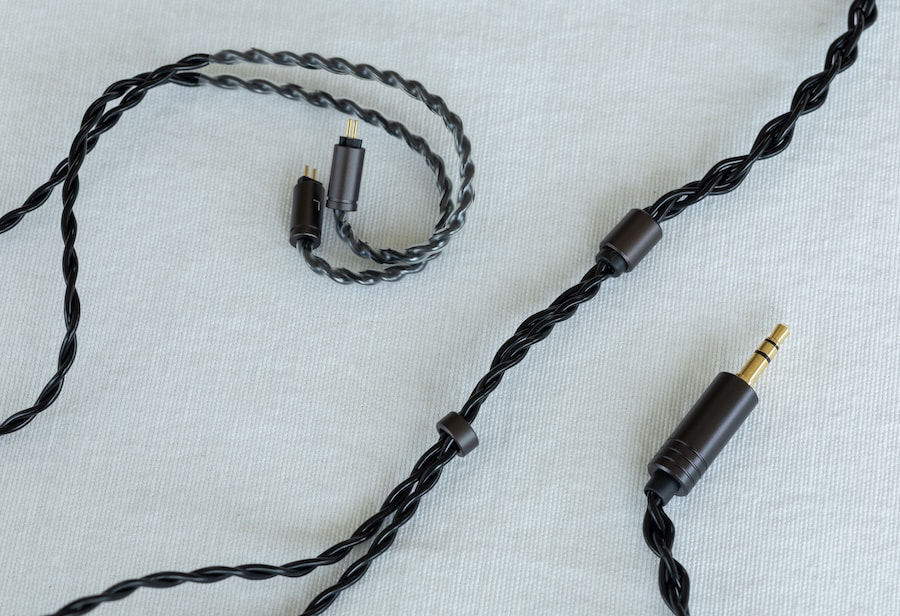
The Dynabird’s cable is fairly thick, soft, and doesn’t retain memory. Strain relief is used generously, which inspires confidence in long term durability. It only comes with a 3.5 mm termination, so if you need USB-C or 4.4 mm you’ll have to go aftermarket.
Comfort
Comfort is a metric that relies heavily on factors influenced by your individual ear anatomy. Mileage will vary.
I found the Dynabird to be of average comfort. It didn’t particularly offend my ears, but if I wasn’t careful with how I positioned it, its angular metal shells could easily create irritation over time. I was able to get a decent passive seal, but would have really liked to use foam eartips to better secure it in place.
Accessories

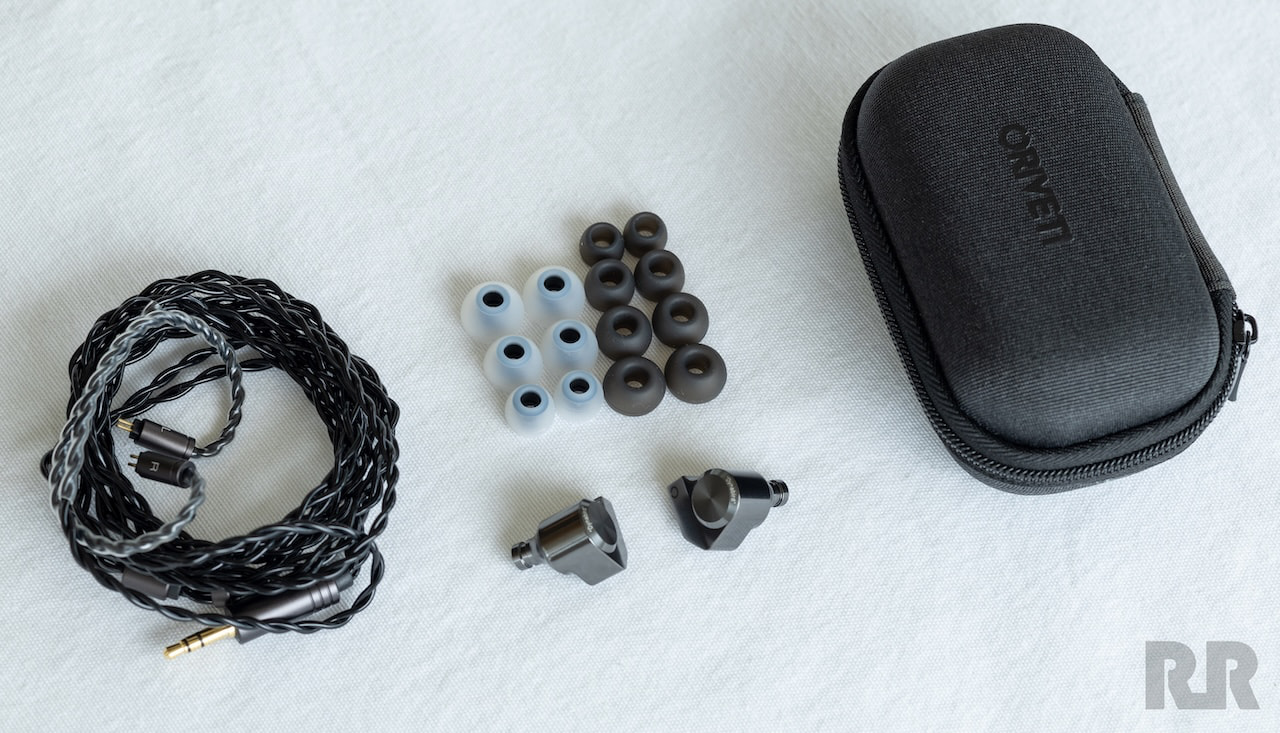
Inside the box you’ll find:
- 1x Semi-hard carrying case
- 1x 2-pin 3.5mm cable
- 7x Pairs silicone eartips
For $99, this is an acceptable, if not somewhat underwhelming, accessory package. The included carrying case is sufficiently-spacious to store the IEMs, spare eartips, and even a compact discrete Dongle DAC. It is also pretty well-padded, meaning it will protect from both drops and someone bumping into you on the train well. The included eartips get the job done, but don’t seal perfectly in my ears. I quite liked the wide-bore silicone eartips and found that they helped open up the bottom-end of the Dynabird’s frequency-response. I’d have really liked to see Oriveti include a pair or two of foam eartips, as that would have greatly improved the ergonomics for me.
Listening
The Dynabird has a mild V-shaped sound signature. Sub-bass and mid-bass are both lifted, with slightly more emphasis on the mid-bass. There is some sub-bass roll-off that begins around 50 Hz, so it has punch, but not the deepest foundation.
The midrange has a touch of warmth, which gives vocals a reasonable amount of body. The upper-mids are pushed forward and peak around 2 to 3 kHz without going completely off the rails. From there, the Dynabird moves into a bright and active treble, with additional peaks above 8 kHz and 12 kHz. That gives it air and perceived detail, but also some upper-midrange and upper-treble grain.
Compared with the Purecaster, the Dynabird is bassier, but it is not especially warm or rich. There is still some sterility to its presentation, made more obvious by the forward midrange. Vocals and instruments can sound a little artificial or thin depending on the recording, and I did find myself skipping tracks when the Dynabird clashed with a song’s mastering or tonal balance.
The Dynabird is not offensive, but it does need refinement. As a single dynamic-driver IEM, it feels like Oriveti could have pulled more weight from the low-end to better balance the brightness and energy in the upper-mids and lower-treble. The technical ability is clearly there. The tuning just needs more seasoning and less lab coat.
Comparisons
Comparisons are selected solely based on what I think is interesting. If you would like me to add more comparisons, feel free to make a request in the comments below.
KBear SR-8


The SR-8 a four-driver hybrid IEM with resin shells and metal nozzles. The Dynabird costs the same as the SR-8 and comes with nicer-feeling metal shells. The SR-8 features removable 2-pin cables and comes with a fixed 3.5mm termination. The Dynabird has a thicker, but simpler-looking cable that also features 3.5mm termination. Both IEMs come with decent accessories, though I like the case and eartips that come with the Purecaster a little more.
Sonically, the SR-8 is more U-shaped than the Dynabird. The Dynabird delivers less sub-bass and slightly less mid-bass impact, giving it a leaner lower-register across-the-board. The Dynabird has a tighter, more precise mid-bass, occasionally allowing it to generate a greater sensation of tactility than the SR-8. The SR-8 leans warm, but the Dynabird’s mids are warmer-still. The SR-8 doesn’t have as much upper-midrange emphasis and lacks the occasional graininess sometimes found on high-pitched vocals on the Dynabird. The SR-8 has less lower-treble and a small decrease in upper-treble presence, compared to the Dynabird. The Dynabird is brighter and grainier-sounding than the SR-8, and the SR-8 demonstrates a more-natural airiness.
Between the two IEMs, I’m going with the SR-8. Its smoother timbre and less-dramatic upper-register make for much easier listening. Its bass is comparatively-lifted, giving it a deeper and more-substantial presence in bass-heavy genres. This greater flexibility and tonal completeness make it the more-appealing choice, even considering the Dynabird’s superior construction and material choices.
Kefine Klean SV
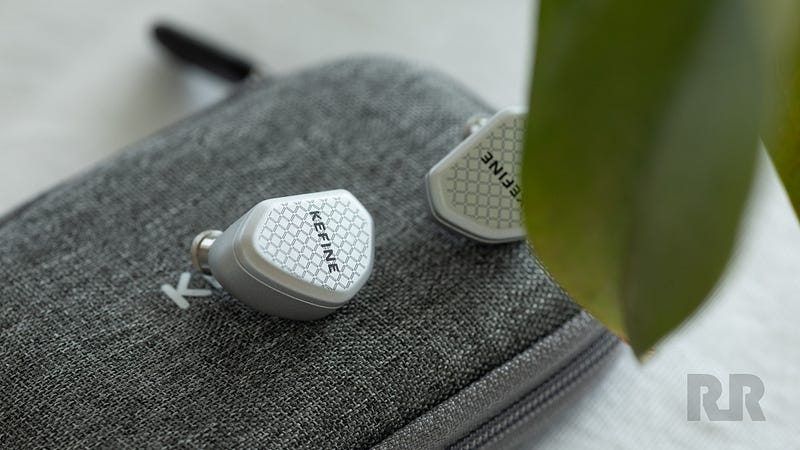
The Kefine Klean SV is a single dynamic-driver IEM with metal shells and swappable tuning nozzles. It costs $55 and includes a detachable cable with your choice of a 3.5mm, 4.4mm, or USB-C termination. The Dynabird costs roughly twice what the Klean SV costs, coming in at $99. The Klean SV comes with similar-quality accessories, though its cable is a bit thinner and its case is a bit smaller.
Compared to the Klean SV with its black nozzles, the Dynabird has a warmer midrange, and slightly forward lower-treble. The Dynabird has a broadly more-emphasized upper-treble, though the Klean SV does lean a little harder in to the 10KHz-12KHz range. The Klean SV has a less-forward mid-bass and sub-bass, though it does demonstrate similar levels of bass extension. The Dynabird matches the Klean SV’s technical capabilities in the lower-register, delivering sufficient levels of tactility and control to render bass-bound textures.
The Dynabird, while warmer and bassier than the Klean SV, lacks a bit of its finesse. The Klean SV, as forward as its upper-register is, still feels a bit more cohesive and put-together than the Dynabird. The Klean SV’s smoother delivery of treble and vocal detail makes it less-tiring companion for longer listening sessions too. For those reasons, I’m going with the Klean SV.
Juzear Defiant
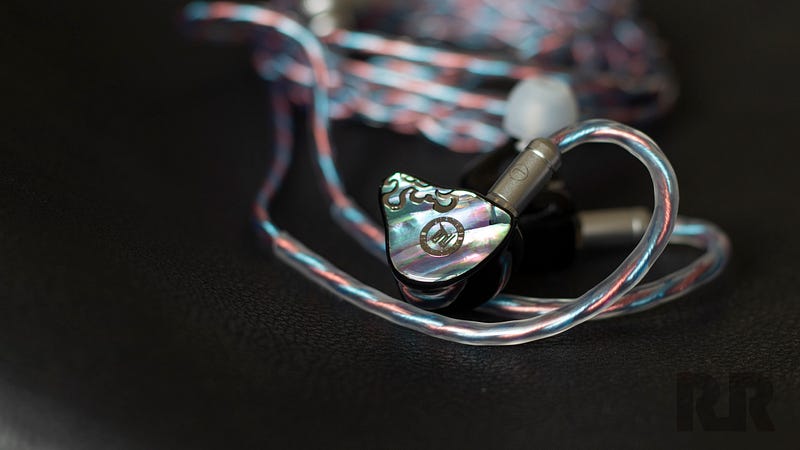
The Juzear Defiant is a $99 hybrid IEM featuring resin shells and metal nozzles. It has a modular detachable 2-pin cable that is similar in thickness to the Dynabird’s cable. The Defiant comes with a similar-useful case as the Dynabird, but has a wider and higher-quality selection of eartips. The Defiant is lighter and more ergonomic than the Dynabird, delivering greater comfort and isolation during longer listening sessions.
Sonically, the Dynabird has a thicker midrange, but a softer, less-precise mid-bass than the Defiant. The Defiant has a similar level of extension to the Dynabird, while the Dynabird picks up a little additional weight below 50Hz. The Defiant has a less pushed-up upper-midrange, giving a more natural and cohesive vocal and instrumental presence, relative to the Dynabird. The Dynabird has a greater amount of upper-treble presence, giving a brighter, bloomier disposition. The Defiant has a less-aggressive upper-treble and lacks some of the grain found on the Dynabird.
The Dynabird, while built better than the Defiant, is my second-choice. The Defiant represents a more-natural tuning that is far more flexible across mastering styles and disparate genres. That, combined with the Defiant’s more-robust accessory package make it the more-appealing IEM out of the box.

The Bottom Line
The Dynabird gets the fundamentals right but stumbles where it matters most. Build quality is strong, the metal shells feel durable, and the driver has the technical ability to deliver a solid performance. At $99, it’s clearly positioned as a value play, and the intent is obvious.
The issue is tuning. The elevated upper-mids and energetic lower-treble can push vocals and instruments too far forward, sometimes sounding thin or unnatural depending on the recording. There is enough mid-bass punch to keep things engaging, but not enough low-end weight to balance out the brightness.
This is best suited for listeners who prefer a mid-forward, brighter presentation and prioritize clarity over warmth. If you are sensitive to treble or looking for a more natural, fuller sound, there are better options in this price range. The Dynabird shows promise, but it needs more refinement to stand out in a very competitive field.
Pros:
- Well-built metal shells that feel durable and look the part
- Practical carrying case that actually earns its keep
- Mid-bass has punch and decent texture
- Vocals cut through clearly and remain intelligible
- Works across a wide range of genres without falling apart
- $99 pricing keeps it within reach
Cons:
- Sub-bass rolls off earlier than it should
- No foam tips included, which feels like a miss at this price
- Ergonomics are average at best
- Upper mids can come across grainy
- Vocals and instruments are pushed forward in a way that can sound unnatural
- Treble can bloom at times and draw too much attention
You must be logged in to post a comment Login