

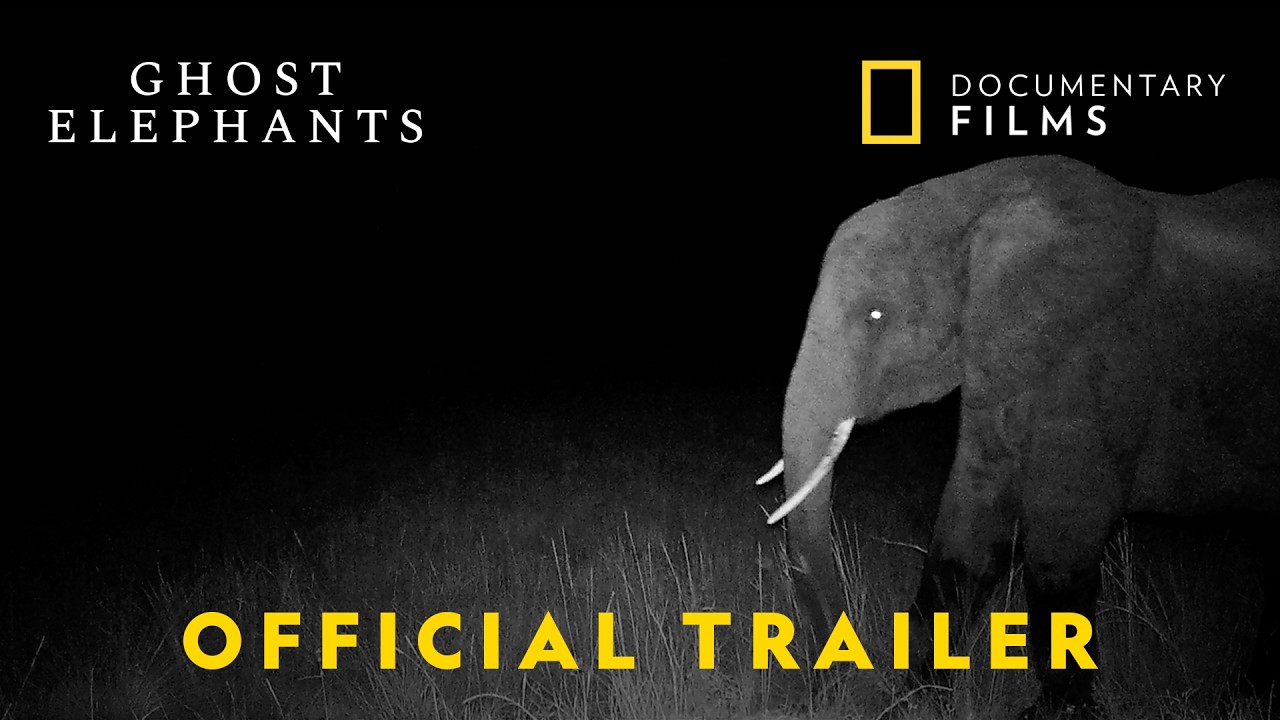
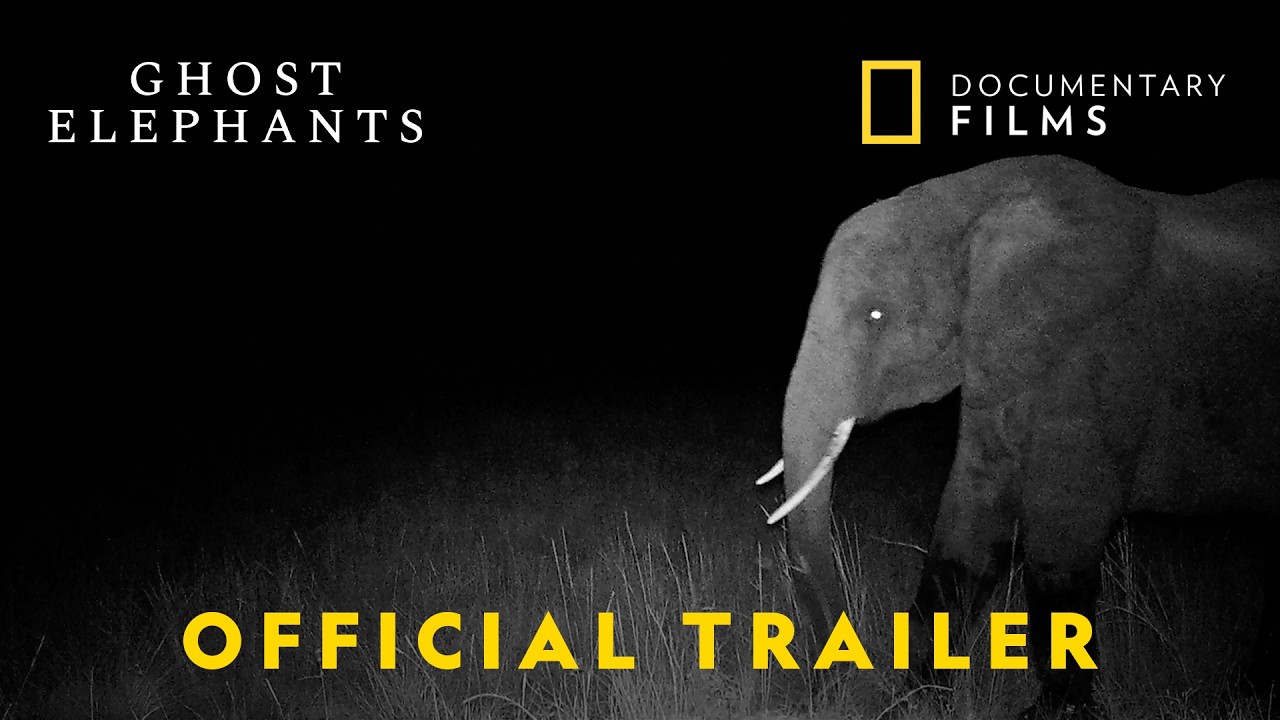
When Dr Steve Boyes first saw himself in Werner Herzog’s new film Ghost Elephants at the Venice International Film Festival in August last year, he saw an intensity within himself that he didn’t always realize was there.
The conservation biologist and National Geographic Explorer has devoted the past decade of his life to finding a mysterious, elusive herd of elephants in the highlands of Angola with such dedication that it immediately caught the attention of Herzog, who has since chronicled the epic journey in a National Geographic documentary.
“Watching it I thought, ‘wow — I look completely deranged’,” Boyes told TechRadar. For the record, Boyes is anything but deranged. He was more so referring to Herzog’s filmmaking style, which often focuses on chasing what the director calls “static truth” through protagonists with obsessive, almost mythic passions.
Despite not having seen may of Herzog’s acclaimed documentaries (the two biggest are Aguirre, the Wrath of God and Fitzcarraldo), Boyes immediately hit it off with the filmmaker after a meeting in “the strangest place imaginable”.
That place was a restaurant in Beverly Hills, where the two didn’t just talk about Boyes’ search for the elephants but the meaning of life, philosophy and even their personal experiences of loneliness.
“Eventually [Herzog] came to Namibia as a creative adviser. I’d invited him out at the last minute after we received a small grant from National Geographic. Within the first two days it became clear to everyone that he needed to tell this story himself. And then this unstoppable creative force just took over.”
One of the few Herzog documentaries that Boyes remembers most is Grizzly Man, which funnily enough follows a very similar story to his own about a conservationist that lived with wild grizzly bears on an Alaskan reserve.
It’s these stories stories centered around obsession that tend to gravitate towards Herzog in a peculiar way, Boyes reveals. “Werner has a funny way of describing how stories come to him. He says it’s like hearing a noise downstairs in your kitchen and realizing that someone has broken in and when you go down there you find four burglars and one big one runs straight at you and that’s the story you have to deal with. That’s the film you make.”
This intangible link also extends to Ghost Elephants, which showcases how cutting-edge tools like motion heat-sensing cameras failed where the wisdom of Indigenous master trackers succeeded.
“Technology is really about measurement. Cameras and acoustic sensors are measuring things. Even a photograph is just a measurement of a moment. But it’s incredibly limiting. We tried everything. Camera traps, acoustic sensors listening for elephants, drones, satellite imagery. None of it worked.
“When the master trackers joined us, everything changed. Someone like [a master tracker] interacts with an elephant footprint the way we interact with a human face. He sees a track once and then again the next day and instantly recognizes it as the same individual. Very quickly he starts naming the elephants and building stories about them,” Boyes said.
The documentary isn’t just about finding an elusive animal, it’s about spotlighting what Boyes believes is the most endangered human resource on the planet right now: traditional ecological knowledge. “Our world is full of these wild ghosts,” Boyes revealed.
Ghost Elephants will premiere on National Geographic on March 7, and be available to stream the following day on Hulu (US) and Disney+ (internationally).
Follow TechRadar on Google News and add us as a preferred source to get our expert news, reviews, and opinion in your feeds. Make sure to click the Follow button!
And of course, you can also follow TechRadar on YouTube and TikTok for news, reviews, unboxings in video form, and get regular updates from us on WhatsApp too.































































You must be logged in to post a comment Login