Connect with us

Tech

Phishing campaign targets freight and logistics orgs in the US, Europe

Published

on

Phishing campaign targets freight and logistics orgs in the US, Europe

A financially motivated threat group dubbed “Diesel Vortex” is stealing credentials from freight and logistics operators in the U.S. and Europe in phishing attacks using 52 domains.

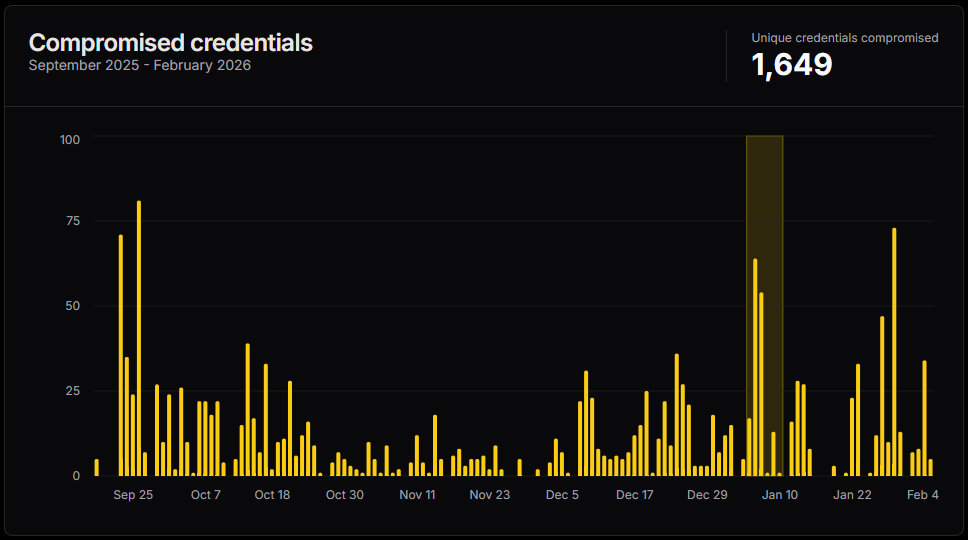
In a campaign that has been running since September 2025, the threat actor has stolen 1,649 unique credentials from platforms and service providers critical in the freight industry.

Some of the Diesel Vortex victims include DAT Truckstop, TIMOCOM, Teleroute, Penske Logistics, Girteka, and Electronic Funds Source (EFS).

Wiz

Researchers at the typosquatting monitoring platform Have I Been Squatted uncovered the campaign after finding an exposed repository containing an SQL database from a phishing project that the threat actor called Global Profit and marketed it to other cybercriminals under the name MC Profit Always.

The repository also included a file with Telegram webhook logs that revealed communications between the phishing service operators. Based on the language used, the researchers believe that Diesel Vortex is an Armenian-speaking actor connected to Russian infrastructure.

Advertisement

Have I Been Squatted’s analysis efforts were joined by tokenization infrastructure provider Ctrl-Alt-Intel, which connected the dots between operators, infrastructure, and connections to various companies using open-source intelligence.

In a lengthy technical report, the typosquatting protection provider states that it uncovered nearly 3,500 stolen credential pairs, with 1,649 of them being unique.

Volume of Diesel Vortex credential theft
Source: Have I Been Squatted

The researchers say that they also found a link to a mind map created by a member of the group, which describes a “highly organised operation” complete with a call-centre, mail support, programmer rols, and staff responsible for finding drivers, carriers, and logistics contacts.

Furthermore, the map provided details about acquisition channels that included the DAT One marketplace, email campaigns, rate confirmation fraud, and revenue for various operational tiers.

“The [Diesel Vortex] group built dedicated phishing infrastructure for platforms used daily by freight brokers, trucking companies, and supply chain operators. Load boards, fleet management portals, fuel card systems, and freight exchanges were all in scope,” Have I Been Squatted researchers say.

Advertisement

“These platforms sit at the intersection of high transaction volumes and the targeted workforce isn’t typically the primary focus of enterprise security programs, and the operators clearly knew it.”

The attacks involve sending phishing emails to targets via a phishing kit’s mailer, using Zoho SMTP and Zeptomail, and combining Cyrilic homoglyph tricks in the sender and subject fields to evade security filters.

Voice phishing and infiltration into Telegram channels frequented by trucking and logistics personnel were also used in the attacks.

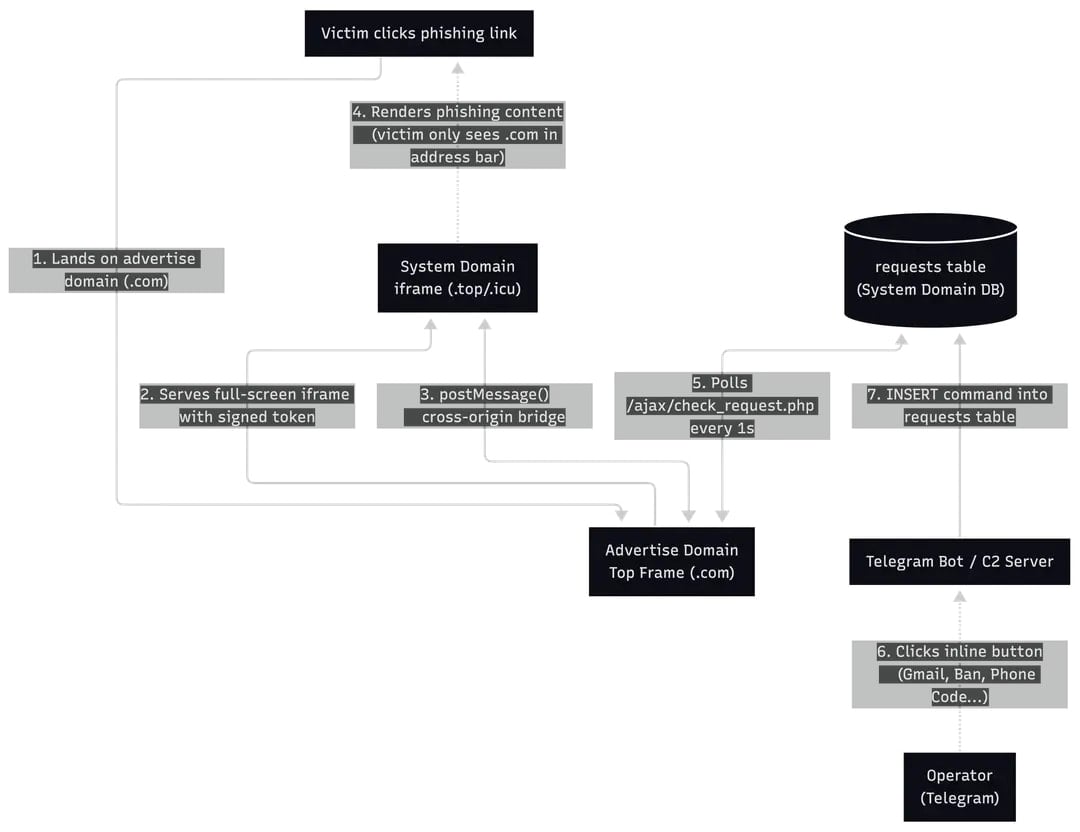
When a victim clicks a phishing link, they land on a minimal HTML page on a ‘.com’ domain with a full-screen iframe that loads the phishing content, followed by a 9-stage cloaking process on the system domain (.top/.icu).

Advertisement

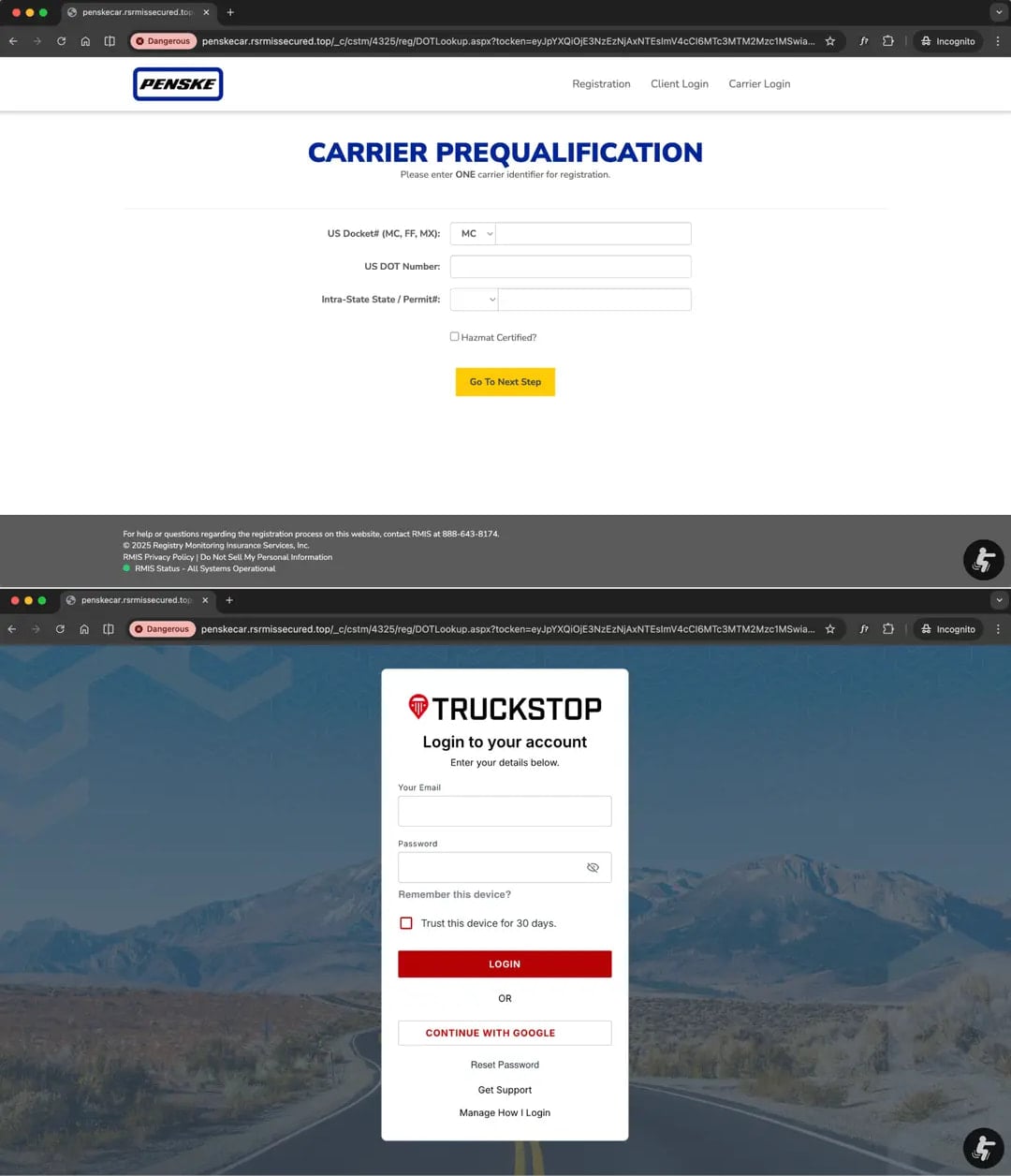
The phishing pages are pixel-level clones of the targeted logistics platforms. Depending on the target, they may capture credentials, permit data, MC/DOT numbers, RMIS login details, PINs, two-factor authentication codes, security tokens, payment amounts, payee names, and check numbers.

Two phishing pages used in the same attack string
Two phishing pages used in the same attack
Source: Have I Been Squatted

The phishing process is under the operator’s direct control, who decides when to approve steps and activate the next phases via Telegram bots.

Possible actions include requesting a password for Google, Microsoft Office 365, and Yahoo, 2FA methods, redirecting the victim, or even blocking them mid-session.

Overview of the attack
Source: Have I Been Squatted

The researchers state that the Diesel Vortex operation, including panel and phishing domains and GitLab repositories, was disrupted following a coordinated action involving GitLab, Cloudflare, Google Threat Intelligence, CrowdStrike, and Microsoft Threat Intelligence Center.

For its part, Ctrl-Alt-Intel conducted an OSINT investigation starting from operators’ Telegram chats in Armenian about stealing cargo or funds, and an email address.

Along with a domain name found in the phishing panel’s source code, the researchers revealed connections to individuals and companies in Russia involved in wholesale trade, transportation, and warehousing.

Advertisement

The researchers noted that “the same email identified used to register phishing infrastructure appears in [Russian] corporate filings for logistics companies operating in the same vertical targeted by Diesel Vortex.”

Based on the uncovered evidence, the researchers determined that Diesel Vortex stole credentials and also coordinated activities related to freight impersonation, mailbox compromise, and double-brokering or cargo diversion.

Double brokering refers to the use of stolen carrier identities to book loads and then reassigning or diverting freight cargo, which allows sending the goods to fraudulent pickup points so they can be stolen.

The full indicators of compromise (IoCs), including network, Telegram, infrastructure, email, and cryptocurrency addresses, are available at the bottom of the Have I Been Squatted report.

Advertisement

Modern IT infrastructure moves faster than manual workflows can handle.

In this new Tines guide, learn how your team can reduce hidden manual delays, improve reliability through automated response, and build and scale intelligent workflows on top of tools you already use.

Source link

Continue Reading
Click to comment

Leave a Reply

Your email address will not be published. Required fields are marked *

Tech

How BYD is redefining automotive spaces in Singapore

Published

on

[This is a sponsored article with BYD by 1826.]

Singapore’s physical spaces are shifting from purely transactional retail to experience-led destinations.

Consumers, especially younger and urban audiences, increasingly seek places where they can linger without pressure, connect socially and experience a brand through food, design and culture.

Across industries, retail, food and lifestyle brands are rethinking how space functions—not just to sell, but to shape how they are experienced.

Advertisement

From individual brands like Louis Vuitton x Takashi Murakami’s pop-up, where potential customers can pamper themselves with a cinema, cafe and carestation to creative precincts like New Bahru that feature retail brands in a design-led and cultural environment, physical environments are becoming strategic branding tools.

Now, the automotive industry is catching up. BYD by 1826, which claims to be Singapore’s first integrated automotive lifestyle brand, wants to lead the way in enhancing how car showrooms can appeal to customers.

BYD is transforming the car-buying experience

byd by 1826 cafe specialty coffee zen garden imm hubbyd by 1826 cafe specialty coffee zen garden imm hub
BYD by 1826’s IMM hub features locally roasted specialty coffee in a tranquil setting./ Image Credit: BYD by 1826

While lifestyle-first spaces are common in fashion, food, and retail, automotive retail spaces have largely remained transactional. Traditional showrooms can feel intimidating or high-pressure, especially for first-time buyers.

As electric vehicle (EV) adoption grows and car ownership becomes a lifestyle choice rather than a status symbol, expectations around how people engage with car brands are shifting, alongside the global move towards experiential spaces. 

This is evident from how two-thirds of people globally expect the places and spaces where they live, work and play to provide more enjoyment, diverse activities, and add value to the time they spend there.

Advertisement

As such, BYD has been experimenting with spaces that blend automotive retail with lifestyle experiences. Over the years, it has launched several of these spaces, including the first BYD-themed restaurant, BYD by 1826, which opened at Boat Quay in 2023. 

These outlets have helped the brand understand how Singaporeans interact with cars in relaxed, everyday settings and refine its automotive-lifestyle retail model.

Michelle Ho, Chief Brand Officer & Chief Culinary Officer, shared: “Each outlet sharpened our understanding of how different communities engage with us.”

byd by 1826 zhongshan park exteriorbyd by 1826 zhongshan park exterior
BYD by 1826 Zhongshan Park./ Image Credit: BYD by 1826

For instance, while BYD by 1826’s Zhongshan Park outlet demonstrated the strength of inclusive, pet-friendly environments that encourage longer stays, the Suntec and Tanjong Pagar outlets reinforced the need for accessibility and seamless integration into the routines of professionals. 

On the other hand, BYD by 1826 at Waterway Point highlighted the power of neighbourhood familiarity and repeat visits driven by coffee culture.

Advertisement

Armed with these insights, its latest IMM outlet, located in the West, draws inspiration from local identity and daily routines. The outlet combines electric vehicles, a café, design elements, and community-focused activities.

Alongside its accessible EVs, BYD by 1826 at IMM also includes DENZA, a premium electric‑vehicle brand owned by the Chinese automaker. 

BYD by 1826’s IMM hub represents the evolution of the concept from hybrid showroom to experiential hub… [it] signals a deeper commitment to embedding BYD within the social fabric of the neighbourhood.

Michelle Ho, Chief Brand Officer & Chief Culinary Officer of BYD by 1826

What you can expect at BYD by 1826’s IMM hub

byd by 1826 pets food imm hubbyd by 1826 pets food imm hub
BYD by 1826’s IMM outlet is pet-friendly and serves Singapore fusion dishes./ Image Credit: BYD by 1826

At the BYD by 1826 IMM hub, visitors can enjoy speciality coffee and Singaporean fusion fare, from Chilli Crab Shiok-shuka to Tiger Prawn Risotto Pao Fan, in a pet-friendly, family-oriented space designed for lingering.

While they enjoy the ambience and food, they can also browse cars from BYD and DENZA. 

Advertisement

Together, these elements form a “café-first” environment where food, conversation, and community unfold alongside automobiles, according to the brand. 

This reinforces BYD by 1826’s vision of automotive-lifestyle integration, where they aim to position cars as part of a place of familiarity and belonging.

byd by 1826 performance local business artistes cafe imm hubbyd by 1826 performance local business artistes cafe imm hub
(Left): The cafe at BYD by 1826’s IMM hub; (Right): The space also hosts curated cultural programmes, spotlighting local musicians, creatives and small businesses./ Image Credit: BYD by 1826

The brand has noticed that because customers are not in a sales-driven environment, they feel comfortable asking questions at their own pace, which piques their curiosity. 

In several cases, repeat visits have led to spontaneous test drives and eventually to serious purchase considerations.

When people experience the brand in a relaxed, lifestyle setting, trust builds organically. That sustained engagement has proven far more impactful than a single transactional interaction.

Advertisement

“Each location we open is not just about showcasing cars—it’s about creating experiences that belong to Singaporeans,” said Davin Ongsono, CEO of BYD by 1826. 

The future of automotive spaces

Image Credit: BYD by 1826

In Singapore, it’s clear that retail spaces are no longer just about transactions—they’re evolving into experience-driven destinations. 

BYD has embraced this trend by creating spaces that combine cars, cafés, and community activities, offering a more relaxed and engaging way for people to explore automotive options.

It’s a notable disruption in the automotive industry, which has long relied on traditional, transactional showrooms. 

From the West to the East, the brand wants Singaporeans to experience what the future of automotive spaces can look like. You can check out BYD by 1826 at IMM here, and discover its other lifestyle spaces across the city-state here.

Advertisement

Featured Image Credit: BYD by 1826

Source link

Advertisement
Continue Reading

Tech

Linux 7.0 rc1 arrives with major hardware enablement and performance gains

Published

on

Linux 7.0 is officially taking shape with the release of the first release candidate. The new kernel lays the groundwork for upcoming distros like Ubuntu 26.04 LTS and Fedora 44, while delivering broad hardware enablement for Intel’s next-gen CPUs, AMD Zen 6 and new GPUs, and expanding support for Qualcomm Snapdragon platforms. Beyond hardware, Linux 7.0 brings meaningful file system and performance improvements, continued Rust integration, and a long list of under-the-hood optimizations.

Read Entire Article
Source link

Continue Reading

Tech

World’s largest SSD has tripled in price in just nine months and now costs more than a new car

Published

on


  • The price of Solidigm’s monster 122.88TB SSD has increased by nearly 200% in just nine months
  • The drive was originally listed at $12,399 and now costs $37,128 at Tech-America
  • The U.2 PCIe 4.0 SSD is built for enterprise servers, storage arrays, and cloud data centers

Originally announced back in November 2024, Solidigm’s 122.88TB D5-P5336 SSD officially went on sale in May 2025.

Early estimates had suggested it would retail for close to $14,000, but as we reported, the enterprise drive became available through Tech-America for “just” $12,399, seriously undercutting market expectations.

Source link

Advertisement
Continue Reading

Tech

3 Big Changes Are Coming To Milwaukee Tools In 2026

Published

on


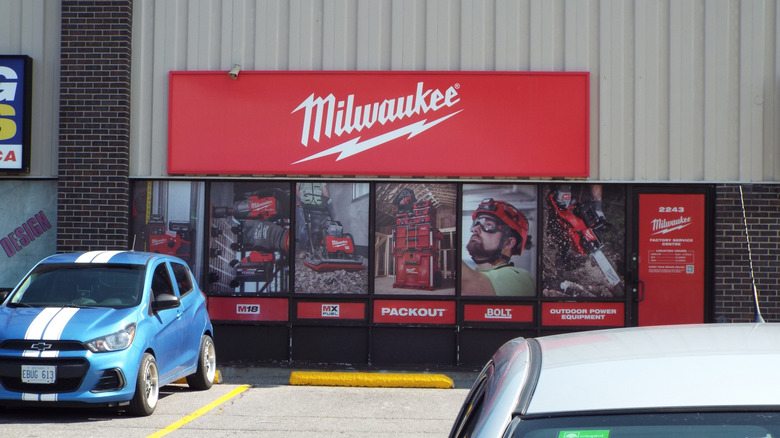
Milwaukee Tool, a subsidiary of Hong Kong’s Techtronic Industries, is one of the biggest names in the tool trade, particularly in the United States. Cognitive Market Research reports that the brand is projected to have a market size of $2.72 billion in the U.S. by 2033. In order to retain its commanding position, it’s vital that the company continues to expand, develop, and produce new things. 

In 2026, a wide range of new products is coming to the Milwaukee brand beyond power tools. However, new products aren’t the be-all and end-all of a company’s development. There are also some big business moves, both planned and underway on Milwaukee’s part, that are aimed at growing even further still in the industry in 2026. They include the development of existing distribution centers and facilities in the United States and brand new buildings to develop operations in Canada. 

On top of that, the brand has also kicked off an ambitious effort intended to raise the company’s profile and offer new industry training opportunities further afield, in a dedicated new center in the United Kingdom. Let’s take a look at each of these substantial projects and what they might mean. Not only for the brand, but for all those around the world who use Milwaukee products to get the job done and often save their backs in the process.

Advertisement

A high-profile expansion in Menomonee Falls

In February 2026, the Milwaukee Journal Sentinel reported that the Menomonee Falls Village Board met to discuss a historic proposal from Milwaukee Tool. The newspaper reported that the board “unanimously approved a tax incremental financing proposal” that would allow the long-wished-for facility revamp in the region to go ahead. Alongside that, no less than four new Milwaukee Tool buildings would be created in Menomonee Falls. This expansion, in one of the biggest and most significant regions to the company, would provide stability, jobs, and sizeable property taxes, while allowing the brand to ramp up operations. 

According to the newspaper, the renovation and the work on the new building are estimated to be worth approximately $200 million, and as part of the developments, “the Heritage Reserve building is to be remodeled into an electric lab and research and development facility.” This could be the new nerve center for innovation at Milwaukee Tool, serviced and facilitated by a new private road. Though the plan is taking significant steps forward in 2026, it’s still some distance from completion.

Advertisement

All in all, it’s reported that these facilities will represent about 750,000 square feet of new workspace for the company. Needless to say, it’s a huge project that won’t be completed this year, or even this decade. According to WTMJ-TV Milwaukee, it’s estimated as of the time of writing that the four distinct phases of construction that the project represents will be completed in 2038. A spokesperson for Milwaukee Tool told the outlet, “We are continuing to invest in and grow our Menomonee Falls campus, and the agreement provides flexibility to support that growth over the long term.” 

Advertisement

More huge growth in Canada

Milwaukee is a huge part of the tool manufacturing landscape of not only the U.S., but North America as a whole. So it isn’t too surprising that the brand is also developing its Canadian presence significantly in 2026. For one thing, Canada represents a sizable area of growth and customers for the company; the Great White North does not have its own dedicated distribution center in the country. That is set to change in 2026, with the construction of a center high on the agenda. The town of Georgina’s Keswick Business Park is set to be the location for a new multi-purpose facility for the company, which will have a huge role in boosting delivery times for consumers, efficiency throughout the manufacturing process, and more. 

Georgina reports that the site was chosen for its proximity to major highways in the region and Toronto Pearson International Airport, making it a key strategic position for the expansion. As Milwaukee Tool Canada president John Myers put it, according to Georgina, “By establishing this new Service Hub here, we are doubling down on our investment in Canada and enhancing our ability to support users of our brands nationwide.” The Service Hub will house a wide range of operations and services in one complex, but perhaps the distribution center will have the biggest impact on Milwaukee’s customers. 

Local access to Milwaukee products will get them into the hands of professionals and DIY enthusiasts in the country much faster than before. It’s perhaps the company’s biggest development in the region to date. It’s targeted to come to fruition soon, too, with late 2026 being the estimated time frame for operations to begin at the new Milwaukee Tool Service Hub. 

Advertisement

A potential British breakthrough in staff training

Milwaukee Tool’s efforts to expand in 2026 aren’t just concentrated on North America. In the town of Aylesbury, in the southeast of England, a new facility will become home to something very special in January 2026. As the name suggests, it’s a place where those in the industry can sample Milwaukee products in a realistic setting, rather than in glamorous, controlled demonstrations. But it’s also much more than that. It will also be a training hub for employees in the use and maintenance of a vast range of products.

Torque Expo reports that an estimated 300 employees will train there every year. They can develop the experience they need to advance their careers with the company and in the industry, and provide invaluable expertise for customers. This will be ideal for those who aren’t familiar with the many new Milwaukee tools and accessories coming in 2026. According to Builders Merchant News, Milwaukee Tool U.K. Head of Training, Dan Stringer, said that “investing in this hub demonstrates our growing support of the British trades sector.” It’s one thing to make such a claim, of course, and quite another to demonstrate it. 

That’s exactly what Milwaukee has done, with a decade-long lease on the building indicating that the region’s value for the company is long-term. It’s set to be carbon-neutral and to allow access to the full Milwaukee product ecosystem, which is an important way for the company to let its products truly do the talking. It’s not a small, tentative facility, either: At 13,250 square feet, and with the capacity to test tools in outdoor and indoor environments, it’s sure to serve as a big part of the company’s efforts across the Atlantic. 

Advertisement


Source link

Advertisement
Continue Reading

Tech

Inventor James Bruton Builds Self-Balancing, One-Ball Bike

Published

on

James Bruton Self-Balancing One-Ball Bike
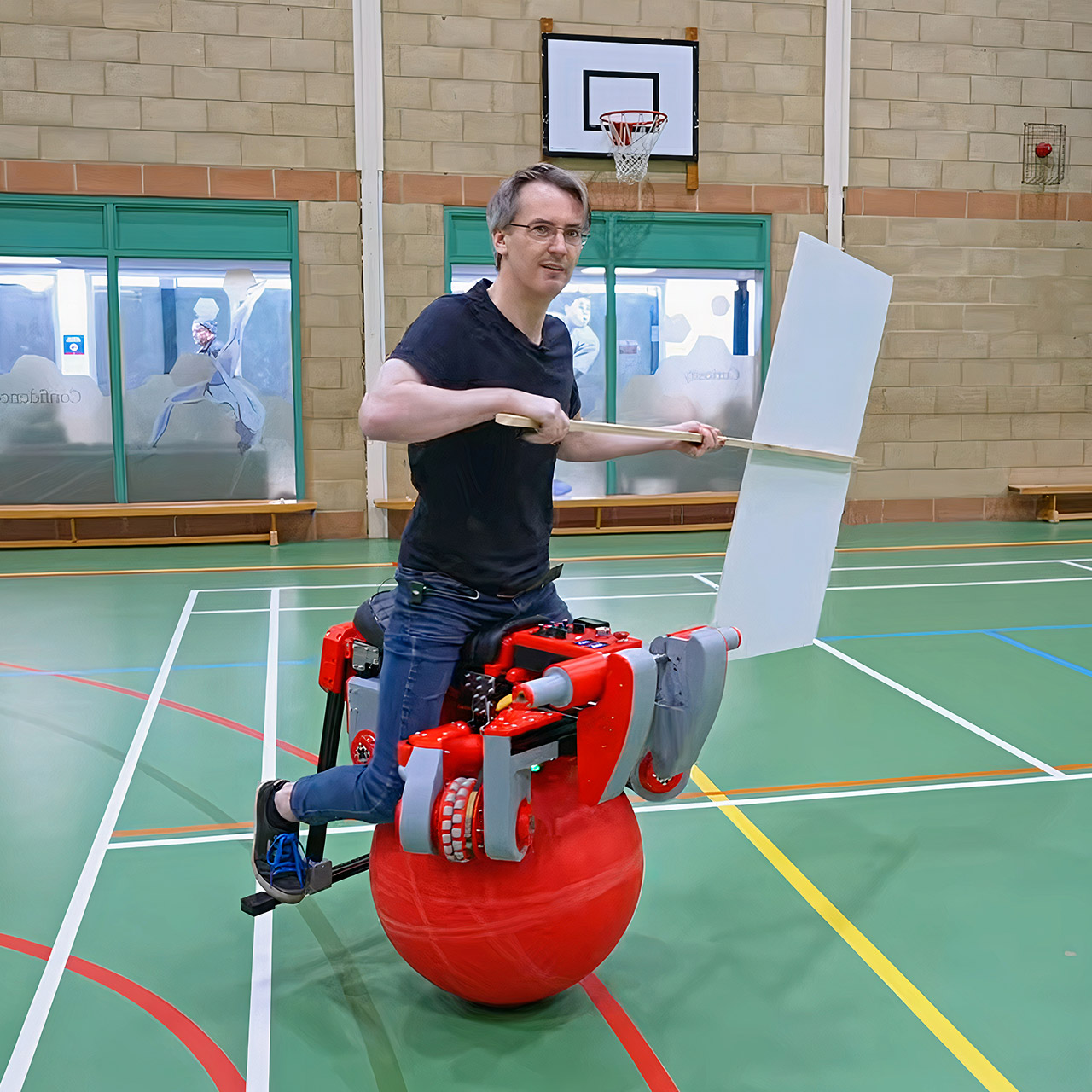
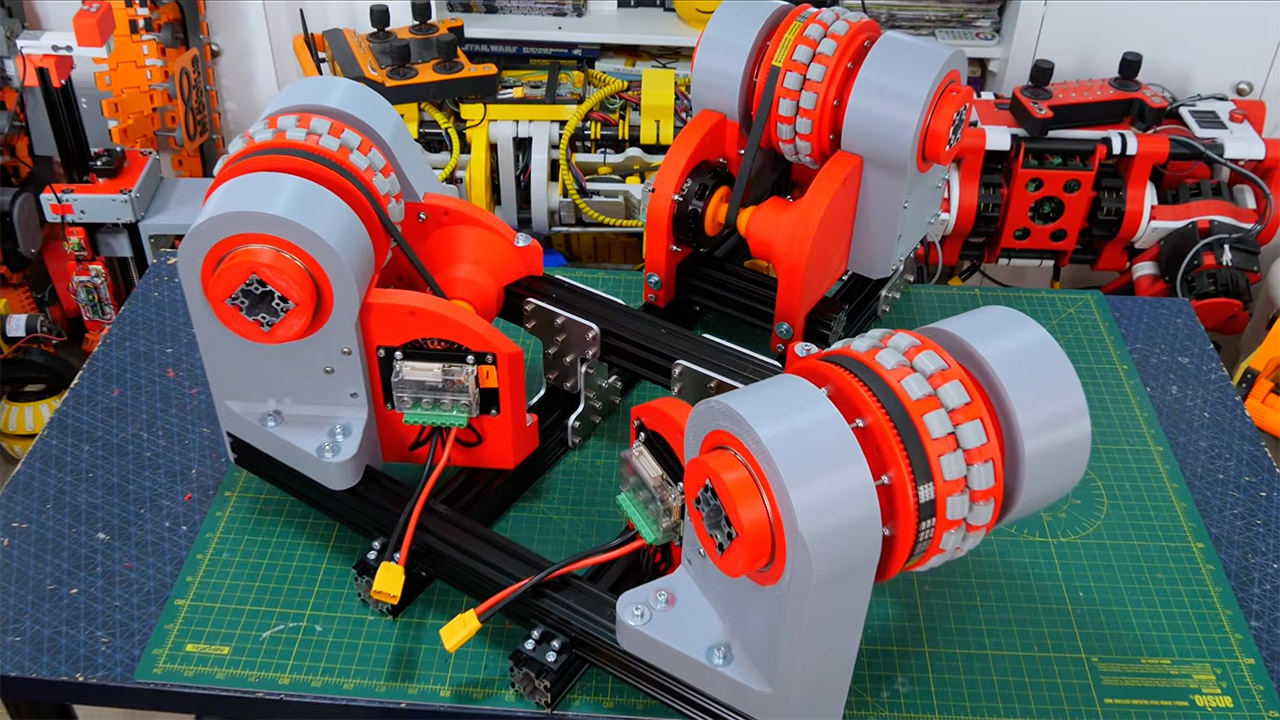
Inventor James Bruton has done it again, creating a machine that challenges our perceptions of balance and motion. His latest creation rolls on a single huge ball, maintains its upright position with an endless stream of computer corrections, and cruises in whatever direction the rider chooses.


People who enjoy engineering and experimenting with devices are familiar with Bruton’s never-ending search for unusual vehicles. A year ago, he showed us a version that used two large red balance balls, similar to those used by circus artists, along with wheels that could spin in any direction. This allowed the rider to move their weight in any direction. Now that he has reduced it to a single ball, he must deal with stability in two axes at the same time.

Sale


Segway Ninebot S2 Electric Self-Balancing Scooter – Master Your Commute w/t 11.2 mph Max. Speed, 21.7 Mi…
  • Speed & Range: Experience exhilarating rides with the Ninebot S2’s impressive top speed of 11.2 mph and range of 21.7 miles.
  • Beginner-Friendly: Perfect for riders aged 16-50, the Segway S2 features a user-friendly learning mode, providing a smooth and gradual introduction.
  • Adjustable & Supportive: Enjoy a customized fit tailored to your needs, as the Segway S2 accommodates heights ranging from 4’3″ to 6’6″ and supports…

Three custom-made omni-wheels cradle the ball in a compact triangular frame. Each has an aluminum core encased in two rows of teeny-tiny rollers for a total of 216 bearings, which are covered with gripping 3D printed TPU tires. Commercial omni-wheels failed in earlier experiments due to overheating and excessive drag, so Bruton attempted to create his own for more strength and less friction. The wheels are crammed in vertically as a deliberate choice to prevent them from colliding at high speeds.

Advertisement

James Bruton Self-Balancing One-Ball Bike
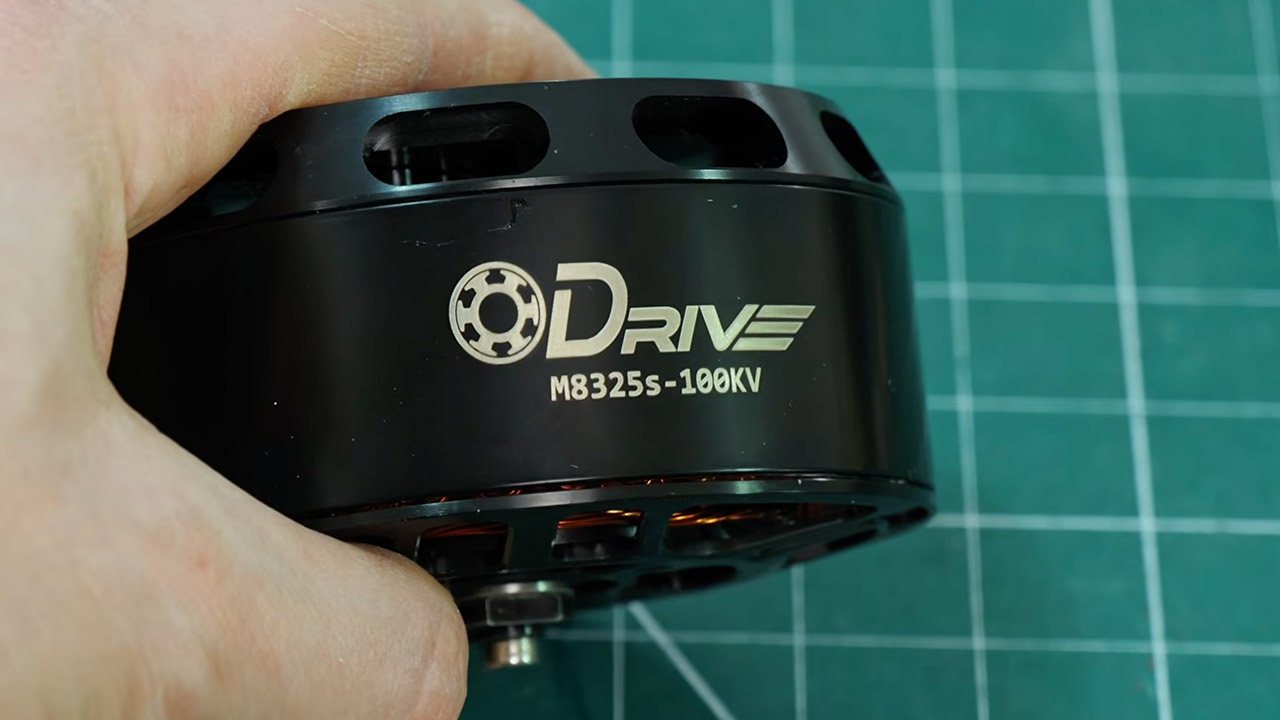
ODrive’s powerful motors, rated at 2kW each, spin the wheels directly via 1:1 belt drives. Six 6S lithium batteries provide 50 volts, with separate batteries for the electronics to ensure everything runs properly. A robust chassis composed of 40/40 aluminum extrusion is what holds everything together. It must to support the rider’s weight while also keeping the ball in the center.

James Bruton Self-Balancing One-Ball Bike
To keep the machine upright, it utilizes a Teensy 4.1 microprocessor and a BNO086 IMU. That IMU tracks pitch and roll in real time, and a PID control loop uses those angles to modify the speed of the wheels, pushing back against any lean and keeping the rider steady as a rock. There are also twist grips on the handlebars that allow the rider to shift the balance point roughly 10 degrees and send it off in any direction they like.

James Bruton Self-Balancing One-Ball Bike
Once you get started, the movement begins to seem natural. Lean slightly, and the system responds by sending the ball in that direction. The single-ball design ultimately allows the machine to move in all directions, as there is no requirement for differential speeds like in the two-ball version.

James Bruton Self-Balancing One-Ball Bike
Steering is the major puzzle here, as with only one ball and straight up and down wheels, you lose all of the natural balance control that comes in handy when steering a bike, but leaning the bike helps a lot when you need to change direction while in motion; it’s the best way to do so. The difficulty arises while attempting to spin or do extremely tight turns. For the time being, Bruton has devised a temporary solution: a large foam wing attached directly behind the rider. As the bike accelerates, the wing begins to generate drag, which helps pull the bike into a turn as the rider leans, and curiously enough, it appears to perform well in tests. He describes it as a temporary solution, yet it works remarkably effectively.

James Bruton Self-Balancing One-Ball Bike
There were also some teething issues with the electronics, particularly the ball. It was producing a lot of static electricity, causing the entire bike to misbehave at random. However, the problem was easily resolved with a short layer of nickel shielding spray on the electronics box. Now you’ve got a bike that is just begging for you to try and balance on it at high speed, and for which a lot of skill and experimentation are going to be rewarded. Bruton has also uploaded all of the code and CAD files on GitHub, allowing anyone to join in and try their hand at it.
[Source]

Source link

Continue Reading

Tech

Adventurer Drops Insta360 Ace Pro 2 Camera Into Waters Off Black Magic Island, Captures Rarely Seen Creatures

Published

on

Insta360 Ace Pro 2 Camera Black Magic Island Barny Dillarstone
Photo credit: Barny Dillarstone
Barny Dillarstone is an adventurer who enjoys traveling to distant bodies of water and placing baited camera systems in places that most don’t even think of. He chose a location near Nusa Penida, a small Indonesian island nicknamed the “Black Magic Island” due to its murky legend and hazardous tides. Over the course of a few days, he was able to get his beloved Insta360 Ace Pro 2 down to about 170 metrers / 600 feet, where the water is so forceful that only the most desperate life can cling to the bottom.


Using squid as bait, which allegedly smells like the dinner bell for these animals, as well as some lights and weights to attract anything in the vicinity, Dillarstone was surprised to snag a western highfin spurdog right immediately. This is a shark with a serious expression on its face, a short snout, large dorsal fins, long spines, and a stunning tail with white edges. They’ve developed enormous eyes to cope with the lack of light, which is essentially what you need to exist in this pitch dark planet. What’s even more astounding is that, unlike certain predators found in shallower water, these creatures can locate their prey using their sense of smell before pouncing on it. Unsurprisingly, and perhaps unexpectedly, they didn’t take off when they noticed the light. That might differ from a few species you encounter at shallower waters.


Insta360 Ace Pro 2 Single Battery Bundle – 8K Waterproof Action Camera Co-Engineered with Leica…
  • NEW 1/1.3″ 8K SENSOR & LEICA SUMMARIT LENS: Unparalleled imaging with 13.5 stops of dynamic range and 2.4μm equivalent pixel size. Legendary Leica…
  • DUAL AI CHIP: The first action camera with a dedicated Pro Imaging Chip for noise reduction and image processing, plus a 5nm AI Chip for further…
  • LOW LIGHT EXCELLENCE: PureVideo Mode redefines low light shooting in an action camera, now supported up to 4K60fps. AI noise reduction ensures crisp…

Dillarstone captured a number of western highfins in the area, some of which had suffered serious injuries but still showed up for the party, as well as a couple with gear that would not be spotted in deep water. He also saw a houndshark drifting by at a safe distance; later, he noticed an Indonesian wobbegong, a carpet shark with a flat body and mottled patterning that allows it to lie down and attack any unwary prey that passes by. Interestingly, this shows it prefers colder, deeper water than you might expect.

Insta360 Ace Pro 2 Camera Black Magic Island Barny Dillarstone
One of the absolute highlights he managed to record on camera was a stunning purple eagle ray that appeared. In gliding smoothly closer, he revealed a flat, mottled brown and purple body, a pretty standard eagle ray head and snout, a teeny little dorsal fin, and a pair of barbs on the end of its tail that were just as lethal as they appeared and ready to unleash at a moment’s notice. It flew by the rig a couple of times, doing these rapid bursts of speed that made it appear to be stumbling around for a second at a time – it appeared disoriented from where I was standing, and was this possible the first time this species had ever been seen on camera in the wild? Could be.

Insta360 Ace Pro 2 Camera Black Magic Island Barny Dillarstone
Other species were going about their daily activities all throughout the region. There were jobfish and deep water snappers that appeared to have legs inspecting the bait. Squat lobsters burst out on all sides, hot on the tails of the scraps, little urchins clinging to the sand, catching everything that came falling down, and the occasional sandperch would spring up, hanging around with its nose twisted up as if it was trying to figure something out. And just when you thought it was getting too much, schools of fusiliers would dart into view from above.
[Source]

Advertisement

Source link

Continue Reading

Tech

Trump made tax day more complicated. ChatGPT and Claude can make it easier.

Published

on

Tax season starts early this year. Or at least it should for you, because this one is a doozy. Thanks to the One Big Beautiful Bill Act (OBBBA), which Congress passed in 2025, there are some significant and potentially confusing changes coming to your tax return. Don’t be afraid to ask for help, even if you’re asking an artificially intelligent chatbot.

Whenever a friend asks me about using AI, I say the same thing: Treat it like a capable coworker who never gets tired and sometimes gets things wrong. You can ask a chatbot a thousand questions, and with the latest frontier models — ChatGPT 5.2 Thinking and Claude Opus 4.6 — you’re going to get better answers than you might have last year, presumably with fewer hallucinations. They’re even getting better at doing math, which has historically been a weak spot for LLMs. Still, you wouldn’t let your energetic but slightly dishonest coworker file the final draft of an important report.

Treat ChatGPT and Claude the same way, especially when it comes to tax season. These tools aren’t designed to file your taxes for you, and you shouldn’t be uploading your forms for proofreading before submitting to the IRS. Your tax documents — namely your W2 and any 1099s — include sensitive personal information like your social security number and address. It’s generally a good rule not to upload those anywhere, unless you’re sure the site is private and secure. (The consumer versions of ChatGPT and Claude, by default, are not.)

Even if you are using an accountant, ChatGPT and Claude can help you get up to speed on all the tax code changes this year. Think of them as tax prep tools, a way to learn what kinds of questions to ask and which deductions to seek out. (The two big tax filing software companies offer their own chatbots — Turbotax has its Intuit Assist assistant and H&R Block has its AI Tax Assistant — that promise to make navigating the accounting labyrinth easier. In my experience, their functionality is limited and the sites tend to steer you toward paying for other financial products, like loans and banking services.) You can ask ChatGPT and Claude to explain particular rules based on your situation, a task that’s much harder if you’re just Googling or reading FAQs.

Advertisement

Before I go any further, however, I want to make something super clear: There’s a difference between using AI for tax research and using AI for financial advice. The former is a helpful information-gathering exercise. The latter is a great way to lose money. Chatbots sound smart but they are ultimately text generation machines, not certified financial planners or certified public accountants.

You certainly don’t have to use AI on your taxes this year. But much in the same way you might have Googled something like the child tax credit in the past, you might try chatting with the bots, asking them questions, and double-checking all their answers. Here’s how to get the most out of them this tax season.

One Big Beautiful Bucket of Confusion

Regardless of your political leanings, it’s important to know that the changes to the tax code ushered in by the OBBBA are pretty major: There are a lot of them, and they are quite specific. If you’re used to doing your taxes a certain way, you should know that your tax return this year will not just look like an updated version of last year’s tax return. There will be meaningful changes to the types of deductions and credits you can claim, and if you don’t take advantage of them, you could miss out on some free money. Here’s a breakdown, although I very much encourage you to check out the IRS page on the subject as well as the surprisingly helpful guides put together by Turbotax and H&R Block.

Advertisement

Some of the changes from the bill took effect in 2025 and will apply to the tax returns you’re filing now. They include deductions for taxes on tips and taxes on overtime, which don’t actually amount to no taxes on these streams of income as Trump has argued, but will save some people money. If you have kids, you’ll want to note that there’s a slight bump to the Child Tax Credit (from $2,000 to $2,200), and an expansion of 529 plans for education expenses. This year is also when you can claim your Trump Child Savings Accounts, also known as Trump Accounts. If you’re eligible, your tax filing software or account might prompt you to set them up by filling out the proper IRS form, but you can also fill it out here.

One other significant change: The IRS Direct File, which allowed people in 25 states to file their taxes online for free, is now gone. There are still a couple options to file for free through the IRS, but suffice it to say many more people will be using tools like Turbotax and H&R Block this year.

Again, those are just a few of the many changes ushered in the OBBBA. Learning about how new rules apply to your specific situation is difficult, especially if you, like me, feel like you’re allergic to accounting. This is where the chatbots come into play.

ChatGPT: good at chatting, bad at math

Advertisement

When it comes to your taxes, chatbots like ChatGPT and Claude are great for talking through questions and scenarios. If you’re a W-2 employee and your spouse is a freelancer, you’ve got two kids and a house, and your Jeep doubles as a delivery vehicle for your smoked meats side hustle, where you make a killing on tips, there’s a lot ChatGPT can tell you about the tax rules that apply to you — especially the new rules. Think of this less as advice and more as information that can help you get better organized for your actual tax preparation experience, whether that’s on Turbotax or in a conversation with a human accountant.

To be honest, when it comes to saving money, I don’t think you can ask enough questions. Start by telling your chatbot about your family’s situation, your ages, what you do for work, how you invest your money, and even what kind of car you drive, then ask what you should do differently on your taxes this year.

You could also keep a chatbot open in a window while you’re filing your taxes and ask it about the steps you don’t understand. The AI tools from H&R Block and Turbotax are designed to assist here, but in my experience, they don’t tailor the explanation to your situation, which makes them less helpful. If you’re working with an accountant, they’re probably using AI to make their jobs easier and save time. Being at least more familiar with the technology could improve those interactions, too.

Let me put it another way: You could use all the help you can get this year. There are enough new rules and changes to the tax code that not totally understanding how they apply to you could lead to mistakes or, worse, missed opportunities.

Advertisement

Everyone in this process could use all the help ,in fact; the Internal Revenue Service lost 25 percent of its workforce in the months after Trump took office, and it’s apparently chaos there now. Like I said, this year’s a doozy.

Source link

Continue Reading

Tech

UK brings streaming giants under broadcaster-style regulation

Published

on

The UK government announced new regulatory requirements that will bring major video-on-demand (VoD) platforms under tighter oversight by Ofcom, aligning them more closely with traditional television broadcasters.

The changes are part of implementing the Media Act 2024 and mark one of the most significant shifts in how online streaming services are governed in the UK.

Under plans laid out by the Department for Culture, Media and Sport, VoD services with more than 500,000 average monthly UK users, including Netflix, Amazon Prime Video, Disney+, ITVX and Channel 4’s on-demand service, will be designated as Tier 1 services and required to comply with a new VoD accessibility code.

The new accessibility code will introduce minimum standards around subtitles, audio description, and signing for content on these platforms. According to government guidance, services must ensure at least:

Advertisement
  • 80 percent of their total catalogue is subtitled.
  • 10 percent has audio description for viewers with sight loss.
  • 5 percent includes sign language support.

The 💜 of EU tech

The latest rumblings from the EU tech scene, a story from our wise ol’ founder Boris, and some questionable AI art. It’s free, every week, in your inbox. Sign up now!

These thresholds mirror accessibility requirements that traditional UK broadcasters have long followed, helping ensure that visually impaired and deaf or hard-of-hearing audiences have better access to streamed content.

Platforms will have four years to meet the standards, with interim targets after two years.

Advertisement

Why this matters?

Streaming services have overtaken broadcast TV as the dominant way people consume video entertainment in the UK, with research showing that a large majority of households now subscribe to at least one major streaming platform.

Traditional broadcasters have long been subject to Ofcom’s Broadcasting Code, which includes accessibility and audience protection measures. The shift to extend similar rules to VoD services reflects how viewing habits have changed and aims to close a regulatory gap.

Until now, many of the biggest streaming platforms were either unregulated in the UK or faced only limited oversight.

The upcoming rules will also give Ofcom broader data-gathering powers and the responsibility to review audience protection tools, from age ratings to parental controls, used by these services.

Advertisement

The changes come as the broader regulatory framework for UK media is being updated. The Media Act 2024 amended parts of the Communications Act 2003 to allow the designation of Tier 1 VoD services and introduce codes that better reflect modern media consumption.

What comes next?

Ofcom will launch consultations on the new VoD standards, giving platforms, creators and audiences a chance to weigh in on the details before enforcement begins.

The government says the new rules are a step toward a more consistent media landscape in which streaming services are accountable for audience protection and accessibility just like traditional broadcasters.

Advertisement

Source link

Continue Reading

Tech

Meet As2, a robot dog that runs on batteries not belly rubs

Published

on

If you’re looking to get a dog but have reservations about all the poop, pee, and chewed shoes that you’ll have to deal with, then how about getting a robot one instead?

Unitree has brought the idea a step closer with the launch on Tuesday of the impressive-looking As2 quadruped.

The Chinese robotics giant already has plenty of experience building robot dogs, but the newly unveiled As2 stands out from its other models as a lighter, more agile consumer-grade contraption with a superior runtime of more than 4 hours, a walking range of 8 miles, and a top speed of 11 mph. It even supports large AI models for embodied AI interaction and autonomous decision-making.

Features include a high-definition front camera, a built in mic and speaker, remote control and intelligent following modes, and a lighting system to aid night walks. It also has an IP54 rating, making it resistant to dust and rain.

Advertisement

A video (top) accompanying the launch positions the As2 as a companion pet, with clips showing it being taken for a walk and running to its owner. It also shows off the robot’s strength and balance, as the 18-kg machine is able to stay standing and remain steady with a 105-kg human standing on its back.

The As2 has a few tricks up its sleeve, too, taking it far beyond what a regular dog can do. Like play tennis. It’s true — if you attach the optional seven-axis robotic arm, you can stick a tennis racket in its gripper and have a knockabout.

It looks like a lot of fun, though if you think you might miss all of the cuteness, slobbering, and quirky behavior that comes with a regular flesh-and-blood mutt, then the As2 probably isn’t for you.

Unitree has yet to publicly reveal pricing for its new robot dog, asking interested folks to “contact sales.”

Advertisement

Source link

Continue Reading

Tech

Anthropic says Claude Code transformed programming. Now Claude Cowork is coming for the rest of the enterprise.

Published

on

Anthropic opened its virtual “Briefing: Enterprise Agents” event on Tuesday with a provocation. Kate Jensen, the company’s head of Americas, told viewers that the hype around enterprise AI agents in 2025 “turned out to be mostly premature,” with many pilots failing to reach production. “It wasn’t a failure of effort, it was a failure of approach, and it’s something we heard directly from our customers,” Jensen said.

The implicit promise: Anthropic has figured out the right approach, and it starts with the playbook that made Claude Code one of the most consequential developer tools of the past year. “In 2025 Claude transformed how developers work, and in 2026 it will do the same for knowledge work,” Jensen said. “The magic behind Claude Code is simple. When you can delegate hard challenges, you can focus on the work that actually matters. Cowork brings that same power to knowledge workers.”

That framing is central to understanding what Anthropic announced on Tuesday. The company rolled out a sweeping set of enterprise capabilities for Claude Cowork, the AI productivity platform it first released in research preview in January. Scott White, head of product for Claude Enterprise, described the ambition plainly during the keynote: “Cowork makes it possible for Claude to deliver polished, near final work. It goes beyond drafts and suggestions — actual completed projects and deliverables.”

The product updates are dense but consequential. Enterprise administrators can now build private plugin marketplaces tailored to their organizations, connecting to private GitHub repositories as plugin sources and controlling which plugins employees can access. Anthropic introduced new prebuilt plugin templates spanning HR, design, engineering, operations, financial analysis, investment banking, equity research, private equity, and wealth management. The company also shipped new MCP connectors for Google Drive, Google Calendar, Gmail, DocuSign, Apollo, Clay, Outreach, SimilarWeb, MSCI, LegalZoom, FactSet, WordPress, and Harvey — dramatically extending Claude’s reach into the software ecosystem that enterprises already use. And Claude can now pass context seamlessly between Cowork, Excel, and PowerPoint, including across multiple files, without requiring users to restart when switching applications.

Advertisement

White emphasized that the system is designed to feel native to each organization rather than generic. “We’ve heard loud and clear from enterprises — you want Claude to work the way that your company works, not just Claude for legal, but Cowork for legal at your company,” he said. “That’s exactly what today’s launches deliver.”

Real-world results from Spotify, Novo Nordisk, and Salesforce hint at what’s coming

To ground the product announcements in measurable outcomes, Anthropic showcased three enterprise deployments that illustrate both the scale and the variety of impact the company claims Claude can deliver.

At Spotify, engineers had long struggled with code migrations — the slow, manual work of updating and modernizing code across thousands of services. Jensen explained that after integrating Claude directly into the system Spotify’s engineers use daily, “any engineer can kick off a large-scale migration just by describing what they need in plain English.” The company reports up to a 90% reduction in engineering time, over 650 AI-generated code changes shipped per month, and roughly half of all Spotify updates now flowing through the system.

At Novo Nordisk, the pharmaceutical giant built an AI-powered platform called NovoScribe with Claude as its intelligence layer, targeting the grueling process of producing regulatory documentation for new medicines. Staff writers had previously averaged just over two reports per year. After deploying Claude, Jensen said, “documentation creation went from 10 plus weeks to 10 minutes. That’s a 95% reduction in resources for verification checks. Medicines are reaching patients faster.” Jensen also noted that Novo Nordisk used Claude Code to build the platform itself, enabling contributions from non-engineers — their digitalization strategy director, who holds a PhD in molecular biology rather than engineering, now prototypes features using natural language. “A team of 11 is operating like a team many times its size,” Jensen said.

Advertisement

Salesforce, meanwhile, uses Claude models to help power AI in Slack, reporting a 96% satisfaction rate for tools like its Slack bot and saving customers an estimated 97 minutes per week through summarization and recap features. The partnership reflects Anthropic’s broader ecosystem strategy: Jensen described the companies featured at the event as “Claude partners and domain experts with the data and trusted relationships that make Claude work in the real world.”

Enterprise leaders reveal the messy reality behind AI transformation

Perhaps the most illuminating segment of the event was a panel discussion featuring executives from Thomson Reuters, the New York Stock Exchange, and Epic, who provided candid assessments of AI’s enterprise reality that went well beyond the polished case studies.

Sridhar Masam, CTO of the New York Stock Exchange, described his organization as “rewiring our engineering process” with Claude Code and building internal AI agents using the Claude Agent SDK that can take instructions from a Jira ticket all the way to a committed piece of code. But he also identified fundamental shifts in how leaders must think. “The accountability is shifting,” he said. “Traditionally, we are so used to building deterministic platforms. You write code requirements and build. And now, with AI being probabilistic, the accountability doesn’t end when the project goes live, but on a daily basis, monitoring the behavior and outcomes.” He described a new paradigm beyond “buy versus build” — what he called “assembly,” the practice of combining multiple models, multiple vendors, platforms, data, and internal capabilities into solutions. And he noted that highly regulated industries must shift “from risk avoidance to risk calibration,” because simply avoiding AI is no longer a competitive option.

Steve Haske from Thomson Reuters, whose Co-Counsel product has reached a million users, was frank about the gap between what the technology can do and what organizations are ready for. “The tools are in many senses ahead of the change management,” he said. “A general counsel’s office, a law firm, a tax and accounting firm, an audit firm, need to rewire the processes to be able to take advantage of the benefits that the tools provide. And I think it’s 18 months away before that sort of change management catches up with the standard of the tool.” He also stressed an “ironclad guarantee” to Co-Counsel customers that “their input will not be part of our AI output,” and urged enterprise leaders to be “feverish” about protecting institutional intellectual property.

Advertisement

Seth Hain from Epic — the healthcare technology company behind MyChart — offered a finding that may foreshadow where enterprise AI adoption is truly heading. “Over half of our use of Claude Code is by non-developer roles across the company,” Hain said, describing how support and implementation staff had adopted the tool in ways the company never anticipated. Hain also described a deliberate trust-building strategy: Epic’s first AI capability was a medical record summarization that included links to the underlying source material, giving clinicians the ability to verify and build confidence before the company introduced more autonomous agent capabilities.

A year of Claude Code and MCP adoption explains why this moment feels different

Tuesday’s announcements cannot be understood in isolation. They are essentially the culmination of a year in which Anthropic transformed itself from a research-focused AI lab into a company with genuine enterprise distribution and developer ecosystem gravity.

The trajectory began with Claude Code, which Jensen noted had taken coding use cases “from assisting on tiny tasks to AI writing 90 or sometimes even 100% of the code, with enterprises shipping in weeks what once took many quarters.” But the deeper structural shift was the adoption of MCP — the Model Context Protocol — which has become the connective tissue allowing Claude to reach into and act upon data across an organization’s entire technology stack. Where previous AI tools were constrained to the information users manually fed them, MCP-connected Claude can pull context from Slack threads, Google Drive documents, CRM records, and financial systems simultaneously. This is what makes the plugin architecture announced Tuesday fundamentally different from earlier chatbot-style enterprise AI: it turns Claude into a reasoning layer that sits across an organization’s existing infrastructure rather than alongside it.

The implications for the broader AI industry are profound. Anthropic is effectively building a platform play — private plugin marketplaces, portable file-based plugins, and an expanding library of MCP connectors — that echoes the ecosystem strategies of earlier platform giants like Salesforce and Microsoft. The difference is velocity: Anthropic is compressing into months the kind of ecosystem development that previously took years. The company’s willingness to ship sector-specific plugin templates for investment banking, equity research, and wealth management alongside general-purpose tools signals that it sees no bright line between platform and application, between enabling partners and competing with them.

Advertisement

This strategic ambiguity is precisely what has spooked Wall Street. IBM shares suffered their worst single-day loss since October 2000 — down nearly 13.2% — on Monday after Anthropic published a blog post about using Claude Code to modernize COBOL, the decades-old programming language that runs on IBM’s mainframe systems. Enterprise software stocks had already been under heavy pressure since the initial Cowork announcement on January 30, with companies like ServiceNow, Salesforce, Snowflake, Intuit, and Thomson Reuters all experiencing steep declines. Cybersecurity companies tumbled after the company unveiled Claude Code Security on February 20.

Yet Tuesday’s event triggered a partial reversal that revealed something important about how markets are processing AI disruption. Companies named as Anthropic partners and integration targets — Salesforce, DocuSign, LegalZoom, Thomson Reuters, FactSet — all rallied, some sharply. Thomson Reuters surged more than 11%. The market appears to be drawing a new distinction: companies integrated into Anthropic’s ecosystem may benefit, while those standing outside it face existential risk.

Anthropic’s own economist warns that AI’s impact will be uneven — and fast

Peter McCrory, Anthropic’s head of economics, presented data from the Anthropic Economic Index that offered a sober counterweight to the event’s product optimism. Using privacy-preserving methods to analyze how people and businesses use Claude, McCrory’s team has tracked AI’s diffusion across more than 150 countries and every US state.

The headline finding is striking: a year ago, roughly a third of all US jobs had at least a quarter of their associated tasks appearing in Claude usage data. That figure has now risen to approximately one in every two jobs. “The scope of impact is broadening out throughout the economy as the tools and as the technology becomes more capable,” McCrory said. He characterized AI as a “general purpose technology” in the economic sense — meaning virtually no facet of the economy will be unaffected.

Advertisement

McCrory drew a critical distinction between automation, where Claude simply executes a task, and augmentation, where it collaborates with a human on more complex work. When businesses embed Claude through the API, he noted, “we see overwhelmingly Claude is being embedded in automated ways” — a pattern consistent with how transformative technologies have historically diffused through the economy.

On the question of job displacement, McCrory was measured but direct. He noted that “roles that typically require more years of schooling have the largest productivity or efficiency gains,” suggesting a dynamic economists call skill-biased technical change. He expressed concern about “jobs that are pure implementation” — citing data entry workers and technical writers as examples where Claude is already being used for tasks central to those occupations. But he emphasized that no evidence of widespread labor displacement has materialized yet, and pointed to forthcoming research that would introduce methodology for monitoring whether highly exposed workers are beginning to experience it.

His advice to enterprise leaders cut to the heart of the organizational challenge. “It might not just be about fundamental capabilities of the model,” McCrory said. “Do you have the right sort of data ecosystem, data infrastructure to provide the right information at the right time?” If the knowledge Claude needs to execute a sophisticated task exists only in a coworker’s head, he argued, “that’s not a technical problem, per se. That’s an organizational problem.”

The question every enterprise leader is now asking — and why no one has the answer yet

Jensen described a concept Anthropic calls “the thinking divide” — the growing gap between organizations that embed AI across employees, processes, and products simultaneously, and those that treat it as a point solution. The companies on the right side of that divide, she argued, will compound their advantage over time. Those on the wrong side “will find themselves falling further and further behind.”

Advertisement

Whether Anthropic ultimately functions as the rising tide that lifts the enterprise software ecosystem or the wave that swamps it remains genuinely uncertain. The same event that triggered a rally in shares of Anthropic’s named partners has also accelerated a broader reckoning for legacy software companies that cannot yet articulate how they fit into an AI-native world. McCrory, the economist, counseled humility. “Capabilities are moving very, very quickly,” he said. “It might represent an innovation in the method of innovation. So it’s not just making us better at the things that we do — it’s helping us discover new ways to do things.”

Thomson Reuters’ Haske perhaps put it most practically. “As leaders, we all have to get personally involved and personally invested in using the tools,” he said. “We’ve got to move fast. This environment is changing quickly. We cannot afford to get left behind.”

A Fortune 10 CIO recently told Jensen that enterprises would need to fit a decade of innovation into the next few years. The CIO smiled and said: “We’re going to do it in one with you.” Whether that confidence proves prescient or premature, one thing is clear from Tuesday’s event — the window for figuring it out is closing faster than most boardrooms realize.

Source link

Advertisement
Continue Reading

Trending

Copyright © 2025