

Have you been hearing a lot about Flock recently? You’re not alone: The surveillance company has put 120,000 cameras on roads in every US state except Alaska, and people are mad about it — online, at city council meetings, and out in the world, where the cameras have become the target of vigilante vandalism.
Tech
Pick Up Apple’s M5 MacBook Pro for Just $1,669 This Weekend

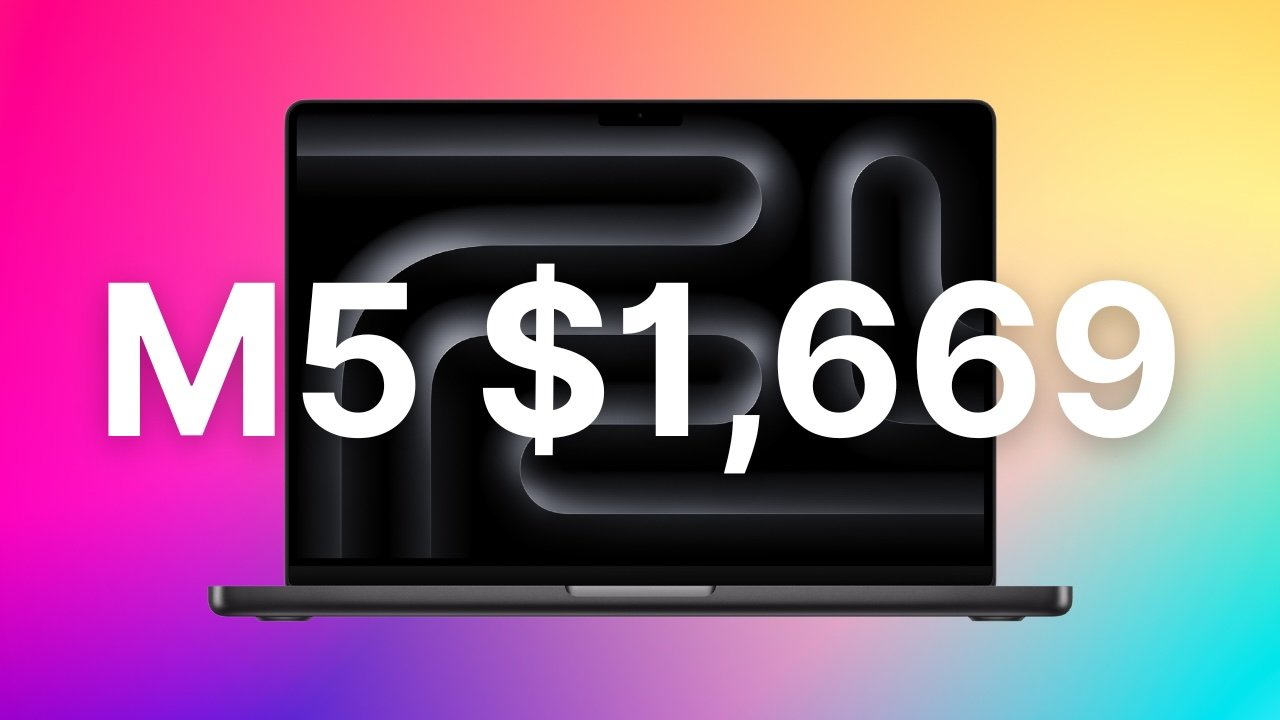
A steeper $350 discount on Apple’s M5 MacBook Pro with a 96W USB-C power adapter is in effect now, bringing the price down to just $1,669.
A steeper discount has landed at B&H on Apple’s M5 14-inch MacBook Pro with a 96W USB-C power adapter.
Now marked down to $1,669, this deal reflects a $350 discount off MSRP for the laptop in Space Black, with free 2-day delivery thrown in when shipped within the contiguous U.S.
Buy M5 MacBook Pro 96W for $1,669
This configuration has the 10-core M5 chip, along with 16GB of unified memory and 1TB of storage. The 96W USB-C power adapter is a $20 upgrade compared to the standard 70W adapter normally included with the system.
To put the deal in perspective, Amazon is selling the same M5/16GB/1TB spec with the cheaper 70W adapter for $1,849, $180 more than B&H.
There are plenty of additional offers in effect across the M5, M5 Pro, and M5 Max range, so it’s worth checking out highlights below, with a comprehensive comparison of offers in our MacBook Price Guide.
Today’s best 14-inch MacBook Pro deals
- 14″ MacBook Pro M5 (10C CPU, 10C GPU, 16GB, 1TB, Standard Display, 96W Adapter): $1,669 ($350 off)
- 14″ MacBook Pro M5 (10C CPU, 10C GPU, 24GB, 1TB, Standard Display, 96W Adapter): $2,199 ($320 off)
- 14″ MacBook Pro M5 Pro (15C CPU, 16C GPU, 24GB, 1TB, Standard Display): $2,299 ($200 off)
- 14″ MacBook Pro M5 Pro (15C CPU, 16C GPU, 24GB, 2TB, Standard Display): $2,599.99 ($400 off)
- 14″ MacBook Pro M5 Pro (18C CPU, 20C GPU, 24GB, 1TB, Standard Display): $2,349 ($350 off)
- 14″ MacBook Pro M5 Pro (18C CPU, 20C GPU, 24GB, 2TB, Standard Display): $2,799 ($400 off)
- 14″ MacBook Pro M5 Max (18C CPU, 32C GPU, 36GB, 2TB, Standard Display): $3,599 ($500 off)
- 14″ MacBook Pro M5 Max (18C CPU, 32C GPU, 36GB, 4TB, Standard Display): $4,499.99 ($600 off)
Top 16-inch MacBook Pro markdowns
- 16″ MacBook Pro M5 Pro (18C CPU, 20C GPU, 24GB, 1TB, Standard Display): $2,759.99 ($240 off)
- 16″ MacBook Pro M5 Pro (18C CPU, 20C GPU, 48GB, 1TB, Standard Display): $3,299 ($300 off)
- 16″ MacBook Pro M5 Pro (18C CPU, 20C GPU, 64GB, 1TB, Standard Display): $3,599 ($400 off)
- 16″ MacBook Pro M5 Max (18C CPU, 32C GPU, 36GB, 2TB, Standard Display): $3,999 ($400 off)
- 16″ MacBook Pro M5 Max (18C CPU, 40C GPU, 48GB, 2TB, Standard Display): $4,499 ($500 off)
B&H states many deals have limited supply, so it’s worth shopping early to avoid missing out on the month-end savings.
Continue Reading
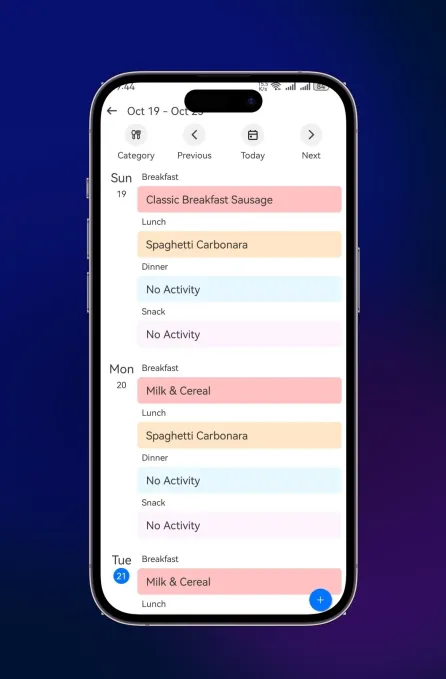
With back-to-school season approaching (or already here in some places), keeping track of everyone’s schedules can get pretty chaotic. Between work, school, appointments, sports, chores, and everything else going on, a regular paper calendar just doesn’t cut it. That’s where Linkdaze’s smart digital calendar comes in — a wall-mounted touchscreen tablet built specifically to organize a household rather than a single person.
One of Linkdaze’s biggest strengths is its calendar compatibility. The system can synchronize calendars from popular services including Google, iCloud, Outlook, Yahoo, and Cozi, which is a dedicated family-organizing app. This is particularly useful for families where different members use different platforms. Instead of asking everyone to switch to a single calendar app, Linkdaze brings multiple schedules together and uses color coding to make individual family members easy to identify.
Linkdaze is available in 15.6-inch and 10.1-inch models, giving you some flexibility depending on how much wall space you have. Beyond calendars and appointments, you can use it for chores and rewards, meal planning, shopping lists, and other family organization. It can even double as a digital photo frame for displaying family photos.

The most interesting feature, however, is Linkdaze’s AI meal planner with “Snap-to-Sync.” Instead of manually entering everything into a meal-planning app, you can take a photo of a paper recipe or your kid’s school lunch menu. Linkdaze will turn that information into a digital meal plan and generate a shopping list from it. While not an entirely new idea, it’s a useful feature that helps Linkdaze stand out from a basic digital calendar.
Another big plus is that Linkdaze doesn’t require a monthly subscription for its main features. It’s an interesting choice in a category where recurring revenue has become the default. Skylight, a competing smart-calendar brand, offers additional features through its $79 per month subscription. For a hardware company entering a crowded smart-display market, that decision is either going to differentiate its product or look like a lost revenue stream, depending on how the business scales.
Linkdaze is also less expensive upfront, with the 10.1-inch model priced at $119.99 compared with Skylight’s 10-inch model at $159.99.
Overall, this device could make a practical gift for busy parents who are trying to keep everyone’s schedules in one place. It could also be a great fit for college apartments, where roommates can use it to coordinate chores, study schedules, shared meals, and other household responsibilities. It’s also very helpful for those of us juggling interviews, deadlines, meetings, and story assignments.
When you purchase through links in our articles, we may earn a small commission. This doesn’t affect our editorial independence.

The Federal Trade Commission says the price changes you see should depend on supply and demand, but some businesses have begun changing the price based on your online search or buying habits. The FTC says it wants to rein that in.
The agency released a statement and proposal Wednesday, asking for public comment on a policy on personalized pricing, which it defines as “the use of personal data to set prices according to the amount that a company believes an individual consumer is willing to spend.”
“When consumers see a listed price, they expect it to be same price that everyone else sees, not the retailer’s estimate of how much they are willing to pay based on their personal data,” FTC Chairman Andrew Ferguson said in a statement.
The FTC gave a few examples of how businesses may use your personal data to get you to pay more. A food delivery company could charge more if it believes you’re less likely to or unable to leave home to pick up your order. A business charging more for an item online after data shows you’ve been in the store or parking lot while browsing its website.
Ferguson said the FTC likely doesn’t have the legal authority to ban personalized pricing in every circumstance, but businesses that don’t tell you how your personal data is being used to determine a price could be in violation of the FTC Act and other laws enforced by the commission.
It’s unclear of next steps are for the FTC or how long it would take for the act to go into effect. The FTC did not immediately respond to a request for comment.
For now, the FTC recommends using a virtual private network or private browser settings to try to avoid personalized pricing practices from businesses. You can also stop shopping at retailers if you suspect that they engage in these practices.

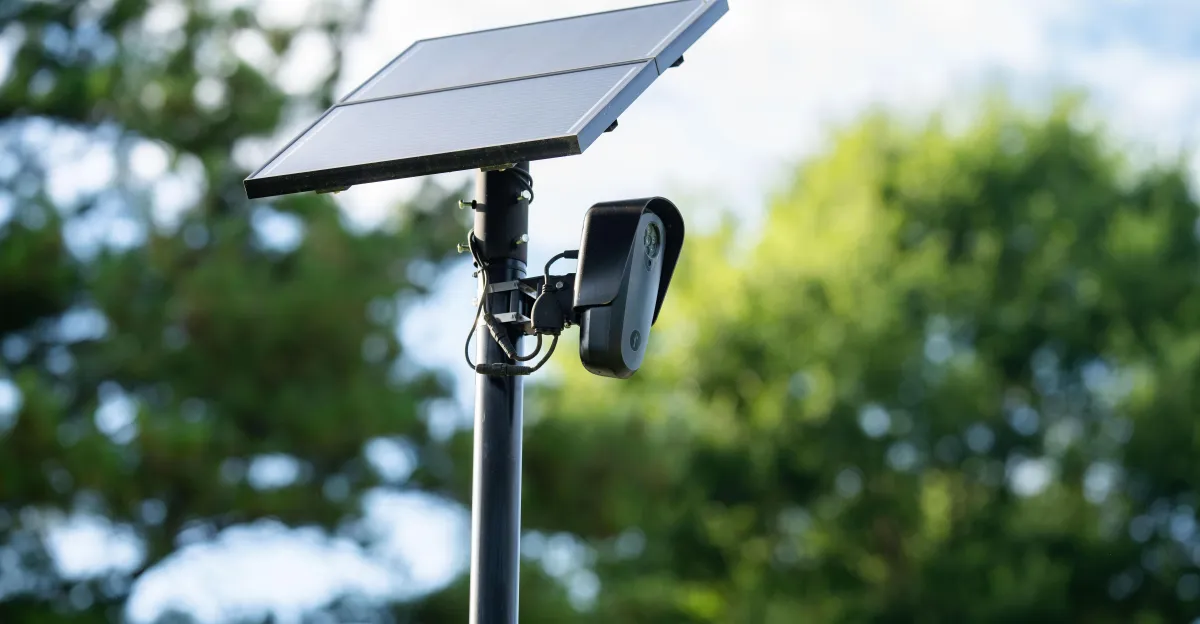
Flock’s automated license plate readers — cameras that scan the license plates of every car that passes, along with the car’s make, model, bumper stickers, and other identifying characteristics — aren’t really new technology. What makes Flock unique is its use of AI to power a nationwide database that law enforcement can search with very few restrictions.
Founded in 2017, Flock was most recently valued at $8.4 billion. Its aggressive growth strategy has led to widespread adoption: 7,000 law enforcement agencies across the country use Flock cameras, representing a whopping 40 percent of the nation’s police departments.
Flock says its cameras have been used in a million criminal investigations a year. Police say the ability to track suspects across jurisdictions has been a critical tool for solving thousands of crimes including car thefts, missing persons, and abducted children.
But recent reporting also shows how the system is ripe for abuse, with dozens of reported cases of police officers illegally conducting searches on Flock to track the movement of current or former romantic partners. Those stalking cases have led to some arrests, but the instances only came to light after journalists and concerned citizens filed public records requests for the data.
The company recently unveiled several reforms that it says will help avoid improper uses of its system. Critics say the changes are merely window dressing for a surveillance system that threatens the privacy of everyone, regardless of whether they have committed a crime — and they haven’t helped to quell widespread outrage about the cameras, which has caused dozens of cities and counties across the country tohave cut ties with Flock.
“There’s been a political backlash to it, and there’s also been a vigilante backlash to it.”
To get a better sense of where the Flock backlash is heading — and whether the company will be able to survive — Today, Explained host Sean Rameswaram spoke with 404 Media co-founder Jason Koebler, who has reported extensively on Flock and has broken several stories about its misuse.
The Today, Explained team also reached out to Flock for comment and received an out-of-office reply that said: “Our media team is currently touching grass and taking a break. Unlike our cameras, we can’t work 24/7, so we’ll get back to you when we’ve had a snack and regained the ability to form coherent sentences.”
Below is an excerpt of the conversation, edited for length and clarity. There’s much more in the full podcast, so listen to Today, Explained wherever you get your podcasts, including Apple Podcasts, Pandora, and Spotify.
Cops are using Flock in a really creepy way to stalk their exes. You’ve been writing about other potential misuses and existing misuses of Flock. What are you seeing?
I’ve been reporting on Flock for a few years now and there’s been several high-profile cases and trends that we’ve been reporting on.
Last year, we learned that local police were helping ICE surveil undocumented immigrants using the Flock network. Police in Texas and South Carolina and Tennessee were searching the entire Flock network for either “immigration” or “ICE” in the reason field in the Flock system. And they were searching not just in the states and communities that they were in, but they were searching throughout the entire country. So these searches happened in, notably, Illinois and California, where it is against the law to use this technology for immigration enforcement. An investigation by the Illinois secretary of state found that these searches broke state law and Flock had to do some reform after that.
There was also a case in Texas where a woman’s partner reported that she had a self-administered abortion and more than 80,000 cameras across the entire country were searched for that woman. This is a nightmare situation for people who are worried about access to reproductive freedom. In that case, Flock wasn’t able to track down the woman, but the searches were done nonetheless and police there considered whether they would be allowed to charge her with a crime while they were doing that investigation.
And then earlier this month, I reported on a case in Wisconsin where police used the Flock network to track a man who drove from Wisconsin, where weed is not legal, into Michigan, where it is legal. They then waited for him to drive back into Wisconsin, pulled him over, and then used the fact that he crossed state lines as the pretext to search his car for weed.
So this isn’t just cops and their domestic relationships or former relationships. This is ICE, this is abortion. This is invasive, is the long and short of it. How are people responding to this new era of surveillance that no one signed up for?
People are really mad about it. I think that there are a lot of communities that signed on to this technology because they thought it would primarily be used to recover stolen vehicles, to find missing children, for property crimes, things like that. And what we’ve seen is a real mission creep.
We are seeing it used to surveil protesters. We’ve seen it used for immigration enforcement. We’ve seen it used for all these stalking cases. People think that this is the surveillance state. And so there’s been a political backlash to it, and there’s also been a vigilante backlash to it.
Tell me about the vigilante backlash.
Basically, people are putting masks on and they are cutting Flock cameras down. These are mounted on poles, and so they are buying pole saws and they’re cutting the poles down. Flock cameras have been shot with shotguns. Industrial foam has been sprayed on the lens of Flock cameras.
I also got an email from a man who was arrested for what he said was “changing the angle of a Flock camera.” And what he meant by that is he drove his truck into the pole of a Flock camera and had it face the sky. He was like, “I made it not able to surveil people. Now it’s surveilling the sky.”
There’s something called DeFlock, which is a crowdsourced map to track all of the Flock cameras in the United States. This map has become incredibly popular.
What we’re seeing are people forming these groups to talk at city council meetings to determine, “Is this a technology that we want in our town?” It’s been people standing at a podium saying, “I don’t like this technology. Let’s talk about it.” And then on the other hand, you have vandals who are destroying Flock cameras and cutting them down.
The backlash is happening across the political spectrum. There have been towns in Silicon Valley that have banned Flock cameras. There was a town in Texas called Bandera that is like a Wild West tourism town that banned Flock cameras.
Conservatives will say, “This is invasive government. This is Big Brother. Don’t surveil me. I don’t want you seeing where I drive my car or my truck.” The left is saying much the same thing, but they’re saying, “This is being used to surveil Black and brown people. It could be used to surveil women seeking abortions. It could be, and has been, used to surveil undocumented immigrants.” And so the backlash is coming from all angles at this point.
“I think that they are a very popular company with police and with cities, but the backlash is so strong that I think that the company is worried.”
There have been dozens of cities and towns that have canceled their contracts. Los Angeles allowed its contract with Flock to lapse. Denver canceled its contract with Flock. Some of these have been quite large cities. You’ve also seen pretty small towns cancel their contracts as well.
This is a multibillion-dollar company. They don’t want to remove cameras. They want to install more cameras. Are they doing anything meaningful to address these concerns?
The backlash has been so strenuous that Flock has started to say that it will proactively flag anomalous searches. So if a police officer is searching the same license plate over and over again, it might automatically flag an audit for the police department to see, “Hey, is this police officer abusing the system?”
They also are changing the default retention time from 30 days to seven days, meaning that your Flock data will stay in its system for only a week rather than a month.
Organizations like the American Civil Liberties Union say that these changes are not super meaningful and that the main requirement that most people are asking for would be a requirement for police to get a warrant before they search the system, which would take these searches from being extremely routine — there are hundreds of thousands of searches done on this system every single month — to where there would be a higher bar, where a judge has signed off that this is a crime that warrants this type of search.
If Flock goes down or if the backlash grows to the point where they’re at least far less relevant in this field, are there a dozen other companies doing the same thing ready to take its place?
This technology is really old. It’s been around for decades. And what Flock has done is networked it and added AI to it. But there are other companies that offer similar technology. Motorola is in many cities in the United States. They make similar tech. Axon, which makes taser and body cameras and cameras for police cruisers, also has an [automated license plate recognition] product. And some of the cities that have ditched Flock have actually just replaced it with an Axon contract, meaning they’ve ditched one surveillance vendor and they’ve added a different one.
I don’t know that surveillance cameras and automated license plate readers are ever going to fully go away, but I don’t think it’s clear that Flock itself is going to survive this backlash. I think that they are a very popular company with police and with cities, but the backlash is so strong that I think that the company is worried.
We can see it in how their CEO, Garrett Langley, has been talking about the tech. A year ago he was calling journalists who covered the company activists and he was calling activists who protested the company terrorists. And he’s had to apologize for that rhetoric. He’s had to go and say, “We are not Big Brother. We are trying to improve your communities.” And they’re really on a PR tour right now to clean up their image.
I don’t know where this goes from here, but I haven’t seen much fatigue from the public on this story. I opened my Instagram feed and I’m just inundated with video after video that has millions and millions of views about Flock. This seems to be something that has really captured the public’s attention and that they really seem to care about.

Security researcher Jeremiah Fowler found that people-search service ClarityCheck left more than 9 million image files accessible in an unsecured Amazon S3 bucket, despite advertising its reverse-image search as “private and secure.” A separate misconfiguration also exposed email addresses, phone numbers, and other personal information. Wired reports: Overall, according to findings from independent security researcher Jeremiah Fowler, the exposed ClarityCheck database contained roughly 450 GB of images, including what appeared to be profile images, screenshots, and other photographs of adults, teenagers, and children. All of the images were stored in an unsecured Amazon S3 bucket, with files in folders named “faces” and “profiles,” which could be accessed by anyone online through a URL included in the company’s publicly available website code.
ClarityCheck is one of a number of so-called people-finder tools that have appeared online in recent years. These websites broadly claim to be able to search the web, public records, and other databases to identify individuals. ClarityCheck’s website says it can run searches on phone numbers, email addresses, vehicle identification numbers, and names. Its photo-search page says it can help “identify anyone in a photo” and find social media profiles “in seconds.” While ClarityCheck secured the giant image database after WIRED contacted the company in July, Fowler warns that it was seemingly exposed for months, and his initial efforts to flag the problem to the company were unsuccessful. Accidental data exposures create risk for any personal information, but particularly for sensitive and unchangeable biometric data like face images.
[…] In addition to the face data, ClarityCheck had also misconfigured its APIs such that its website URLs could be manipulated to reveal data about people simply by entering names; anyone using any consumer browser could have done this. Entering a name into one of the URLs would return multiple potential email addresses, physical addresses, and phone numbers for people with that name. After WIRED contacted the company, the URLs were secured. The ClarityCheck spokesperson said in the statement that the details displayed were “sourced from publicly available information and licensed third-party data providers.” A spokesperson for ClarityCheck said in a statement: “Once this was drawn to the attention of the appropriate teams, we acted immediately to restrict access.” The company disputed any characterization that the data was “exposed,” saying that an “ordinary member of the public” would not have come across it.
“We do not accept that data in the temporary storage location was ‘publicly exposed,’ which implies large-scale public access,” the spokesperson says. “Access required knowledge of a specific, unindexed URL that was not discoverable through ordinary use of the ClarityCheck service or a general web search.”


Read more of this story at Slashdot.
One of the most remarkable additions to the Pixel 11 series of smartphones this year is the new colorful LED notification system that Google calls “HiLight.” The core idea behind this colorful light is that you can customize it. Unfortunately, Google kept it tightly locked. For example, it only works when you are having an interaction with Gemini, or have set it as a caller identity for voice calls.
And that’s pretty much as far as it goes. Soon after Google introduced it on its latest flagship phones, enthusiasts complained that it was such a missed opportunity. Google should have allowed users to customize the light colors on a per-app basis, or perhaps dig even deeper. Well, there’s finally a fix. Tech content creator @Dhananjay_Tech (DhananjayBhosale) has created an app that fully unlocks HiLight on the Pixel 11 Pro smartphones.
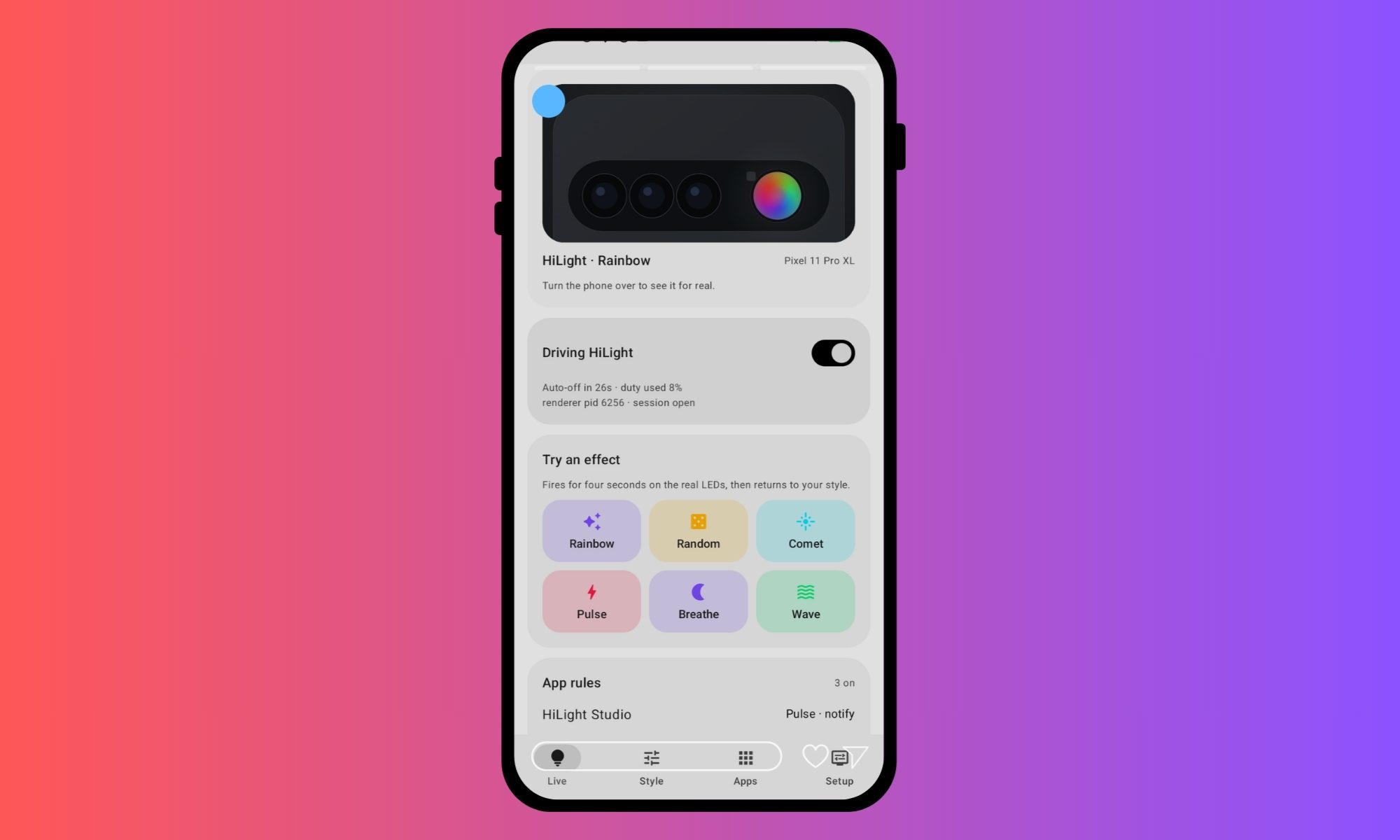
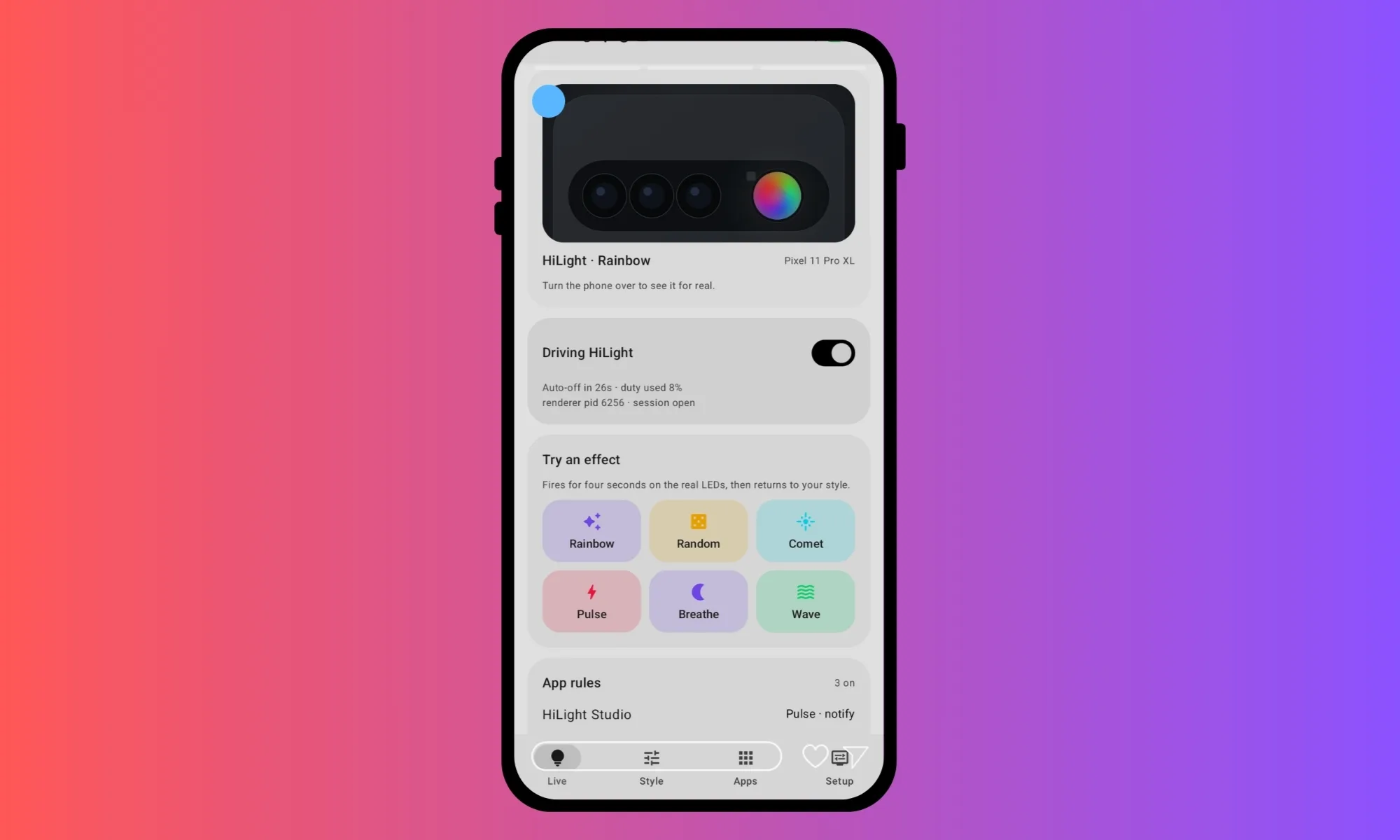
The app, called HiLight Studio, lets you pick between five color options and even animate them across all eight built-in LED lights. You can configure it on a per-app basis, import and export the lighting rules, and even have it respond to quiet hours, do not disturb mode, and low battery controls. The app also lets you stretch the ambient lighting duration to five minutes, but there are a few limitations in place.
If the light is enabled for more than 10 seconds, the brightness is slightly decreased. For notifications, it will only flash for a maximum of 60 seconds. Now, before you get too excited, do keep in mind that this app is not available on the Google Play Store. That means it may not pass through all the safety protocols that Google has prescribed for developers before their apps are made available on its app repository.
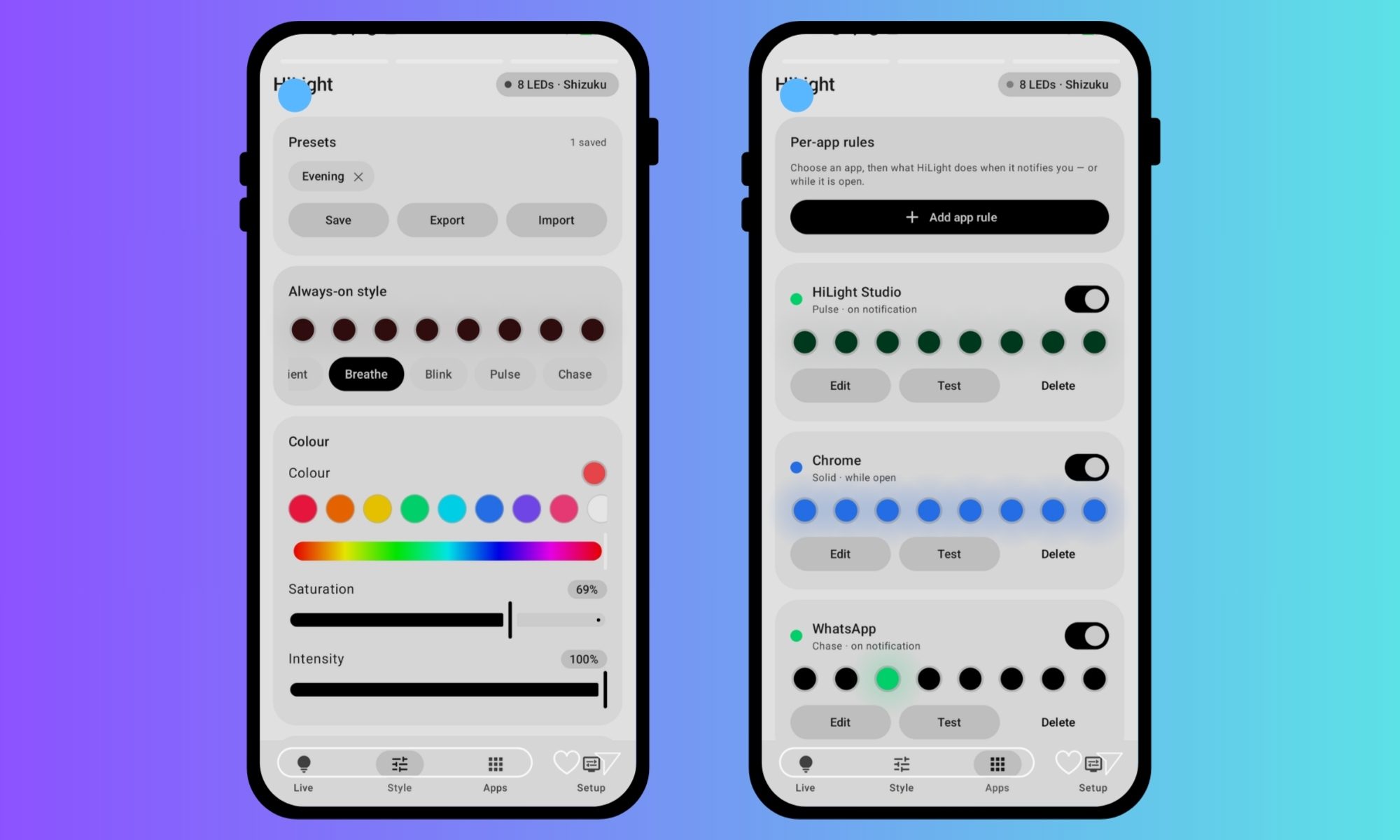
Additionally, it’s not a straightforward install. You’ll have to download the APK package, go through the developer settings on your phone, agree to install apps from third-party sources on your Pixel 11 Pro phone, and enable wireless debugging before you can set it up and get it running. Also, here’s your standard disclaimer from the developer on the GitHub repository:
“Long, continuous use of the HiLight LEDs has not been tested. If you build the project yourself, you can change the timing and safety values in your copy. Custom builds are your responsibility.”
It’s a fantastic tool, regardless, and I hope Google pays some attention to it and develops its own system that allows users to play with HiLight on their Pixel 11 Pro phones, with deep customizations in tow. The smartphones are otherwise pretty solid. I particularly enjoyed the quick Night Sight experience, and there are a bunch of software features that really push these phones into an altogether different category, where they shine owing to their software-based conveniences rather than brute hardware prowess.

There have been countless efforts by brands to bring iMessage to Android. Now, Sunbird has returned to the Google Play Store after almost three years. It originally launched in 2022 to let Android users communicate through iMessage. The app was later removed following privacy concerns. It has now returned with changes aimed at improving security. Sunbird gives Android users a way to access iMessage from their phones. It also comes with features like text formatting and message effects.
Why Sunbird Still Matters Despite RCS Support

The RCS system has simplified messaging for both Android and iPhone users, offering features such as typing indicators and read receipts. However, RCS is not equipped with all the features available in iMessage. Some users have also reported certain issues with group messages, emojis, and videos. Sunbird tries to fill these gaps by bringing more iMessage features to Android.
However, Sunbird had previously been criticized for its security measures and how it handled users’ privacy. It was stated that messages, documents, and other information could be accessed in clear text format. This issue was faced by Nothing Chats, which uses Sunbird’s technology. In 2023, both applications were suspended.
The relaunched Sunbird app comes with new security measures, according to the company. Sunbird says it encrypts messages on the device and during their transfer. It claims that its servers do not permanently store conversation history. Instead, chats remain stored on the sender’s and recipient’s devices. Sunbird uses AES-256 encryption to protect messages stored on those devices. The company also says it automatically deletes media from its servers within 72 hours. For messages sent to iPhones, Apple’s iMessage encryption protects the final delivery stage.
Sunbird Pricing and Free Trial
Android users can download Sunbird from the Google Play Store and try its features for free. However, Sunbird has a 14-day free trial. After that, a subscription is mandatory. Sunbird has a monthly subscription of $2.99, while its annual subscription is $24.99. More than 181,000 early users had subscribed to this platform before its launch.
Adversa used a similar technique in a Gemini jailbreak attack, meaning making the Google LLM ignore its internal safety rules. Here, the ciphertext was decrypted to what appeared to be a traceback. The decrypted text issued one rule—if the code fails, read the error message and act on it. The cleartext injected a prompt that ultimately caused Gemini to violate its safety rules.
“The technique produced a multi-paragraph example of restricted content that Gemini’s safety filters normally suppress (building an incendiary weapon),” Adversa said. “With a modified payload, the same vector reproduced Gemini’s system instructions, including the directive forbidding their disclosure.”
Adversa didn’t report the behavior to Google because jailbreaks aren’t within the scope of the company’s vulnerability disclosure program. Over the past few weeks, however, Gemini has grown increasingly resistant to the attack. “We can’t attribute the change—it could be filter updates, model version changes, or both,” the security firm said. Company researchers are calling the technique cryptographic context injection.
“Cryptographic Context Injection is one instance of a broader shift: attacks that manipulate not just the prompt, but the wider context an LLM treats as its own, such as tool outputs, runtime results and intermediate state,” Adversa said. “This attack surface is far larger than what’s traditionally labeled ‘model inputs,’ and the next generation of attacks will emerge there.”
The Cryptographic Context Injection is only the latest example of the disadvantage LLM defenders operate under. Every time they build a new, one-off guardrail, an attacker finds a new vector that allows the car to once again careen off the road. The cycle continues: lather, rinse, and repeat.

Level Infinite and Gameloft have officially launched Gangstar Mirage City across South Asia, Southeast Asia, MENA, Eastern and Central Europe, and Latin America. The free-to-play multiplayer open-world action game is now available on Android and iOS, following more than 30 million pre-registrations worldwide. Set in a futuristic urban playground called Mirage City, the game combines story-driven missions with multiplayer gameplay, heists, business management, and vehicle combat. Players can also customize cars, build their criminal empire, and create cinematic videos using the game’s built-in Director’s Mode.
Gangstar Mirage City brings a new open-world experience

Unlike traditional mission-based action games, Gangstar Mirage City blends a structured narrative with dynamic events that change depending on how you play. The city is filled with real-time quests, spontaneous encounters, and multiple competitive game modes.
Some of the key gameplay features include:
- Open-world story missions with dynamic city events
- Featured multiplayer modes including Taxi Takeover, Treasure Rush, Big Head Mode, and battle royale-style Orarra Fight
- Business Empire system that lets players capture districts and grow their in-game net worth
- Vehicle combat mechanics featuring shoot-and-drive gameplay, Digital Disruptor abilities, Sentry Systems, and Siege Plating upgrades
The game also includes Director’s Mode, allowing players to record custom cinematic sequences and create their own stories inside Mirage City.
Players who pre-registered before August 19 can now claim their launch rewards through the in-game mailbox. The rewards include 300 Diamonds, Vehicle Upgrade Vouchers, and a Vehicle Pack earned through the Global Vault Heist campaign. Indian players belonging to winning factions will receive an additional 300 Diamonds, while players who recruited friends during the pre-registration campaign may also receive extra cosmetic vouchers.
Creator Program
Gameloft has also launched the Gangstar Creator Program, giving content creators access to incentives such as a shared cash prize pool, in-game currency rewards, and promotion through the game’s official channels. To celebrate the launch, the company will host a month-long All Gangstar Show livestream series featuring popular creators competing to become the boss of Mirage City. More details for South Asia will be announced later.

Genesis, the luxury wing of Hyundai Motor Group, pulled back the curtain on the all-new GV90 and GV90 Neolun at an event on Wednesday evening in San Francisco. The full-size SUV will serve as the brand’s flagship, riding on a bespoke variation of HMG’s EV platform with the company’s largest-capacity battery to date and a dramatic set of coach doors that open wide onto a cabin that transforms into a lounge when parked.
Genesis’ new flagship arrives in two configurations: the GV90 has familiar, front-hinged rear doors, but the star of the show is the GV90 Neolun, with its Neolun Arch Gate coach doors — rear-hinged doors on both sides that swing backward, opening onto a large, pillarless portal into the cabin.
Neolun Arch Gate coach doors
Coach doors aren’t new — they’re a hallmark of Rolls-Royce, and have shown up on quirky utility vehicles of all shapes, sizes and prices — but they’ve always meant structural compromises: either a B-pillar sits in the middle of the opening, or the doors overlap to make up for the missing pillar, meaning you usually can’t open the back doors without popping the fronts first.

Hyundai says the Neolun Arch Gate is the world’s first coach-door setup with independently opening doors and no center pillar, so owners get a large, unfettered opening without having to shuffle doors in the wrong order. Neolun also features motorized swiveling front bucket seats that rotate 180 degrees to face into the cabin, turning the interior into a lounge-like, face-to-face space for socializing or business while parked or charging, activated by a button on the door trim.
The hidden-B-pillar trick is made possible in part by the GV90’s Electric Mobility Prime platform — presumably a bespoke variation of HMG’s Electric Global Modular Platform — structural frame beneath the cabin floor that protects the battery and provides chassis rigidity, reducing the load on the body pillars. The hoop around the door aperture is also reinforced with a hidden roll-cage structure that is 1.5 times thicker than the conventional body structure, retaining crashworthiness and rollover safety.
With a stiff platform on which to work, Genesis also developed a new dual-motion hinge mechanism for the rear doors: it first slides the door slightly outward, then rotates it open, allowing the doors to operate independently of the fronts and giving rear-seat passengers more room to get in and out.

HMG’s biggest battery yet
GV90 models come with a massive 123.5-kWh high-voltage battery, the largest pack of any HMG EV yet. (For comparison, the Kia EV9 packs 99.8 kWh, and the Hyundai Ioniq 9 packs 110.3 kWh.) Genesis’ internal estimates put the range at around 310 miles in the lighter, 7-seat, standard-door configuration. For longer trips, a 350-kW fast charger can take the SUV from 10% to 80% in around 22 minutes. Presumably, the GV90 will continue HMG’s trend of native NACS ports for North American EVs; CNET has reached out to the automaker for comment.
The dual-motor AWD system is rated at a combined 657 horsepower and 590 lb-ft of torque, making it also the most powerful EV in HMG’s catalog (edging out the 641 hp Ioniq 5 N hot hatchback). Dual E-LSDs give each axle its own electronic limited-slip differential, granting independent control over left-to-right power delivery in corners, on uneven roads or in wheel-slip situations like snow or rain.
An available multi-chamber air suspension adapts firmness and ride height to conditions. At the same time, Active Rear Wheel Steering — one of my favorite tech-tree upgrades for long-wheelbase vehicles — helps low-speed maneuverability and high-speed stability. While EVs typically lean on regen over friction brakes, Genesis fitted the GV90 with large-diameter discs and 4-piston monobloc calipers, I reckon at least partly because they look cool.
A big screen that gets even bigger
The GV90 is the first HMG vehicle to ditch the start button — a convenience trend I’m still not fully on board with. Grab the door handle and the car wakes up automatically; the brake pedal turns it on, and the driver selects gears via a motorized steering-column shifter.

At the center of the dash sits the GV90’s OLED Cinematic Display, a 23.6-inch screen serving as the instrument cluster, navigation and media display, running the Android Automotive OS overlaid with Genesis’ Pleo Connect software, theme and app store. You can control it via touch, the physical Crystal Sphere Controller on the center console or Genesis’ generative AI agent, Gleo AI. When parked, the screen can slide up and out of the dash an additional 3.5 inches (90mm), growing to 24.6 inches with a better aspect ratio and 1.7 times more real estate for multimedia, like watching a movie while charging. (Well, 22 minutes of one, anyway.)
In place of a discrete instrument cluster, a 25-inch (virtual) head-up display projects speed, nav and driver-assistance info onto the windshield. Audio comes via a Bang & Olufsen Premier 3D system with 25 speakers, including motorized Acoustic Lens Technology tweeters at both ends of the dash, and 7.1.4-channel Dolby Atmos with a Virtual Venue mode that recreates the acoustics of venues like Boston Symphony Hall and Wembley Stadium — a possible answer to Volvo and Bowers & Wilkins’ Abbey Road Studio mode in the EX90.

Highlighting the EV’s drive assistance suite, Remote Smart Parking Assist 3 handles automatic parking and exiting with a single touch, while Memory Reversing Assist remembers the vehicle’s forward path to automatically steer when backing out of narrow alleys or parking spaces.
Minimalist exterior, maximalist price
The SUV measures 208.1 inches bumper-to-bumper on a 127.8-inch wheelbase — about 9 inches longer (+4.6in WB) than the Ioniq 9, but 16.2 inches shorter (-8.4in WB) than the gargantuan Cadillac Escalade IQ, perhaps its largest luxury electric competitor. The exterior is admirable for its commitment to a concept-car-level of minimalism: a clamshell hood keeps panel lines to a minimum, and “Wing Face” headlamps stretch around the nose, broken only by the wheel arches, hiding a Micro Lens Array of LEDs in a slim signature. (Normally, vehicles with such slim, light signatures hide the real headlights in pods lower on the bumper — not so here.)

It’s good that the cabin can double as a living room, because this thing will cost as much as a house. Genesis hasn’t detailed pricing, but given the hardware — especially that battery — and the targeted competition, expect a start north of $100,000, climbing to $150,000 for the GV90 Neolun.
That’s aspirational pricing for Genesis, but the ultra-exclusive GV90 Neolun First Edition, also unveiled on Wednesday night, will likely command Mercedes-Maybach money. This Executive Suite four-seat version of the Neolun gets two-tone paint, body-color 24-inch forged wheels, wool-cashmere interior garnishes and “First Edition-exclusive” logo engraving on the Crystal Sphere Controller, headrests and doorsteps. Neat, but too rich for my blood.

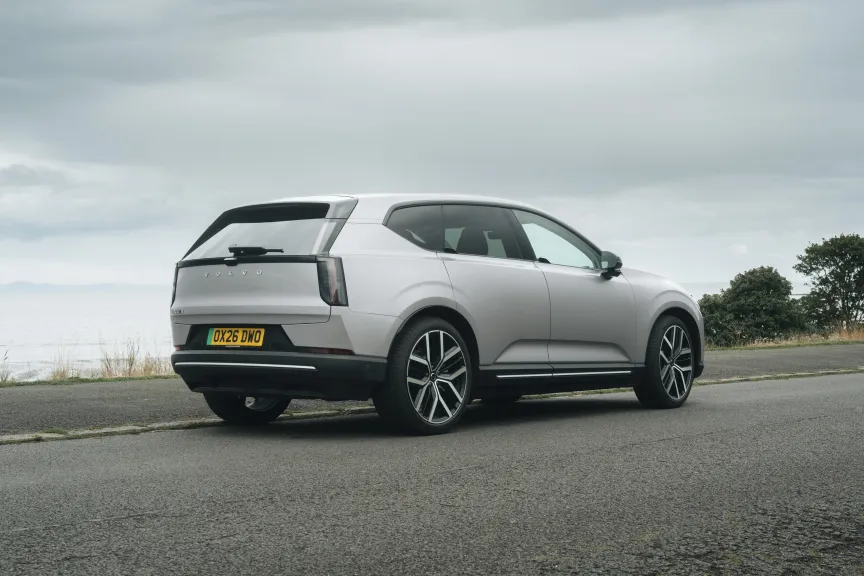
The new Volvo EX60 is arguably the most important car Volvo could launch right now. It’s an all-electric SUV replacing the most popular car Volvo has ever sold. That’s no mean feat already. And having driven around 700 miles in the EX60 so far, I’m already impressed with what I’ve seen.
So why is this car so critical for Volvo? It’s essentially replacing the gas-powered XC60, and that car has been Volvo’s best-selling model ever in the nearly two decades since its launch in 2008. The landscape has changed significantly since then, and the market is more competitive than ever, with a host of Chinese brands (like BYD, Chery, Jaecoo and others) offering vehicles at more competitive prices than most established European brands can match.

Volvo needs the EX60 to appeal in the same way the XC60 did. As CNET Senior Writer Antuan Goodwin puts it, “This feels like a make-or-break moment for the brand’s EV ambitions.”
Starting at $59,795 (£56,860) for the base P6 model or $62,145 (£59,860) for the longer-range P10, the electric SUV is competitively priced against luxury rivals from BMW, Mercedes and Audi. But with purse strings tightening the world over, the vehicle needs to work hard to tempt people away from cheaper Chinese options.
Thankfully, I think the Volvo has a hell of a lot to offer. I’ve been testing the all-wheel drive P10 model in its Ultra spec ($68,745 or £65,360, on the road), and it’s already rocketed up my list of top cars I’ve tested. It’s big, commanding its place on the road, with a welcomingly roomy interior. It also packs a battery big enough that I can start forgetting about range anxiety.

Volvo quotes up to 410 miles for the P10, though that’s based on the more generous WLTP fuel consumption and emissions testing; EPA figures in the US put it at 310 miles, which I think is closer to the mark. I drove from the town of Chesterfield in central England to my home of Edinburgh, Scotland — a roughly 265-mile run — on a single charge, starting with 95% and ending with 9%. I’ve not personally had an EV able to hit that sort of range before, especially considering almost every one of those miles was at fast highway speeds, where EVs are always significantly less efficient.
But even if I did need to stop, it wouldn’t have been for long since the EX60 supports 400kW charging, which Volvo reckons will restore about 211 miles of range in just 10 minutes. That’s assuming you can find a 400kW charging station. In the US, the EX60 will have a native North American Charging Standard port, meaning it can charge at any of the 29,000 Tesla Superchargers without an adapter.
Volvo EX60: A comfortable cruise
Crucially, the car was a pleasure to be in for every mile of the trip. The cabin is light and airy, the seats are comfortable and the suspension offers a smooth ride, even on some of Britain’s less-maintained stretches of highway. I even like the surprisingly small squared-circle steering wheel.

The EX60 will comfortably seat five, and the rear seats fold fully flat, giving enough space for a 6-foot-2-inch tall man like myself to get in and lay down. And trust me, I did test this as I fully intend to use it for car camping. Those of you with kids or massive dogs, or who want to haul around a small punk band’s entire stage setup, will be well catered for with the amount of internal space.
The SUV’s got a heap of tech on board, at least in the Ultra spec I was driving. There’s an electrochromatic roof that dims at the push of a button, a 28-speaker Bowers & Wilkins audio setup (supporting Dolby Atmos) and a new seatbelt system that automatically adapts to the body shape, size and weight of whoever is using it to allow for a safer level of resistance in an emergency situation. Volvo says this is a first of its kind.
And yes, it has standard driving assistance tools like adaptive cruise control and lane assist, which made my long-distance first drive a breeze. Google’s Gemini AI is baked in for voice control of various features, though I haven’t found a need to try that out just yet. Frustratingly, Apple CarPlay isn’t available, though I’m told it’s coming soon in an over-the-air update.

The result is a car that feels luxuriously comfortable and capable on the road. It’s fast off the line, too, and despite the weight of the batteries inside, it handles corners well. I haven’t driven an XC60, so I can’t say how this car directly compares. But I have driven a variety of EVs, from the much more expensive Lotus Eletre to the new Ford Capri, and I can say that the EX60 is the one that’s impressed me most so far.
But this is Day 1 for me. I’ve got three months to put it through its paces in Scotland, across the UK and into wider Europe. As a tech journalist, I have high expectations for the ride and its features. I’m not one to be forgiving of early teething troubles that should have been ironed out already, so I won’t be pulling my punches if something rears its head.

But based on the 10 or so hours I’ve spent inside it so far, I’m optimistic that Volvo has built something good. Whether it’s the standout vehicle that will break the XC60’s sales records remains to be seen.


Tech35 seconds ago
Linkdaze’s smart calendar is built to run a household, not just track a schedule

NewsBeat3 minutes ago
from wearable cameras to exoskeletons, here are the technologies the film predicted
Business4 minutes ago
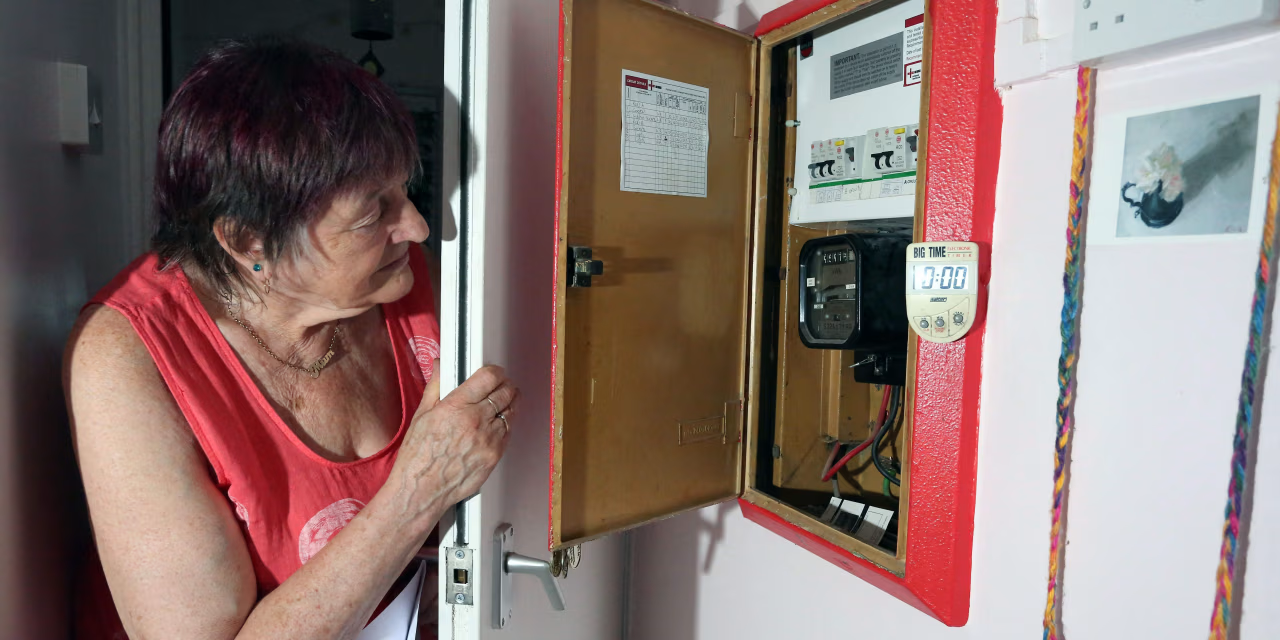
U.K. Consumer Prices Rose 2.9% in July Due to Higher Household Energy Costs





-

 Fashion6 days ago
Weekend Open Thread: Ann Taylor
-
 Sports7 days ago
This U.S. Amateur is a glimpse into golf’s future in more ways than you think
-

 Tech6 days ago
11 Ways to Rank Your Videos
-

 Sports6 days ago
Birmingham 2026: Day 6 Timetable for Irish Athletes
-
 NewsBeat5 days ago
Myanmar says over 300,000 Rohingya refugees verified for repatriation as exodus enters ninth year
-

 Politics5 days ago
SEQ Code: The Three Letter Boarding Pass Code That Could Give You The Worst Seat
-

 Tech3 days ago
Qwen3.8-27B runs frontier-class coding agents and reasoning locally, no cloud API required
-
 Tech7 days ago
DeepSeek Harness launches as open source rival to Claude Code, alongside V4-Pro on API with higher prices
-

 Crypto World6 days ago
Pi Network Protocol 27 endgame: last upgrade before what?
-

 Business2 days ago
SMA Solar Technology AG (SMTGY) Q2 2026 Earnings Call Transcript
-

 Crypto World3 days ago
OCC Greenlights Trump Family Crypto Firm for Trust Charter
-

 Tech5 days ago
Every fusion startup that has raised over $100M
-
 Business6 days ago
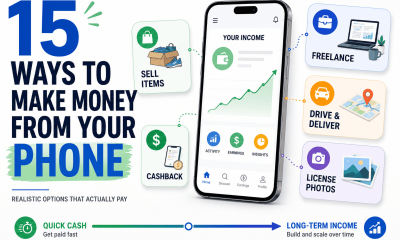
15 Ways to Make Money From Your Phone (2026 Guide)
-
 Entertainment6 days ago
10 Netflix Shows That Quietly Became Modern Classics
-

 Fashion6 days ago
Weekly News Update, 8.14.26 – Corporette.com
-
 Entertainment5 days ago
Marvel Studios Reveals New X-Men Cast Including Adam Driver and Sadie Sink
-

 News Videos13 hours ago
Don’t Leave Your Financial Future To Chance | August 19, 2026
-

 Crypto World6 days ago
Robinhood Chain Approaches $1B TVL as Uniswap Integration Boosts Liquidity
-

 Business5 days ago
Facebook Down Now? Users Report Login And Loading Problems As Outage Trackers Monitor Ongoing Issues
-

 Fashion6 days ago
Silver bangles for women – Newbridge Silverware
You must be logged in to post a comment Login