Tech
Pilot Radio 232 EL84 Tube Amplifier Debuts at Southwest Audio Fest for $4,790

Vintage audio is not short of famous amplifiers. We have covered the Pilot 602, Fisher 400, an RCA EL84 console amplifier, the Muzak 975A, vintage Marantz components and the McIntosh MC2105. Some were elegant. Others looked as though they had been removed from the basement of a municipal building during a fire drill. All earned their reputations because the circuits mattered more than the marketing.
The new Pilot Radio 232 Stereophonic Power Amplifier is interesting because it is not merely another old name purchased by people who found a logo and a container of generic electronics.
Pilot was relaunched by company founder Isidor Goldberg’s great grandson, Barak Isidor Epstein, with engineering by Damon Coffman of Coffman Labs. The $4,790 amplifier is based on Pilot’s 1959 “Curtain of Sound” design and is built in Portland and Dallas.
EL84 Tubes and 15 Watts Per Channel
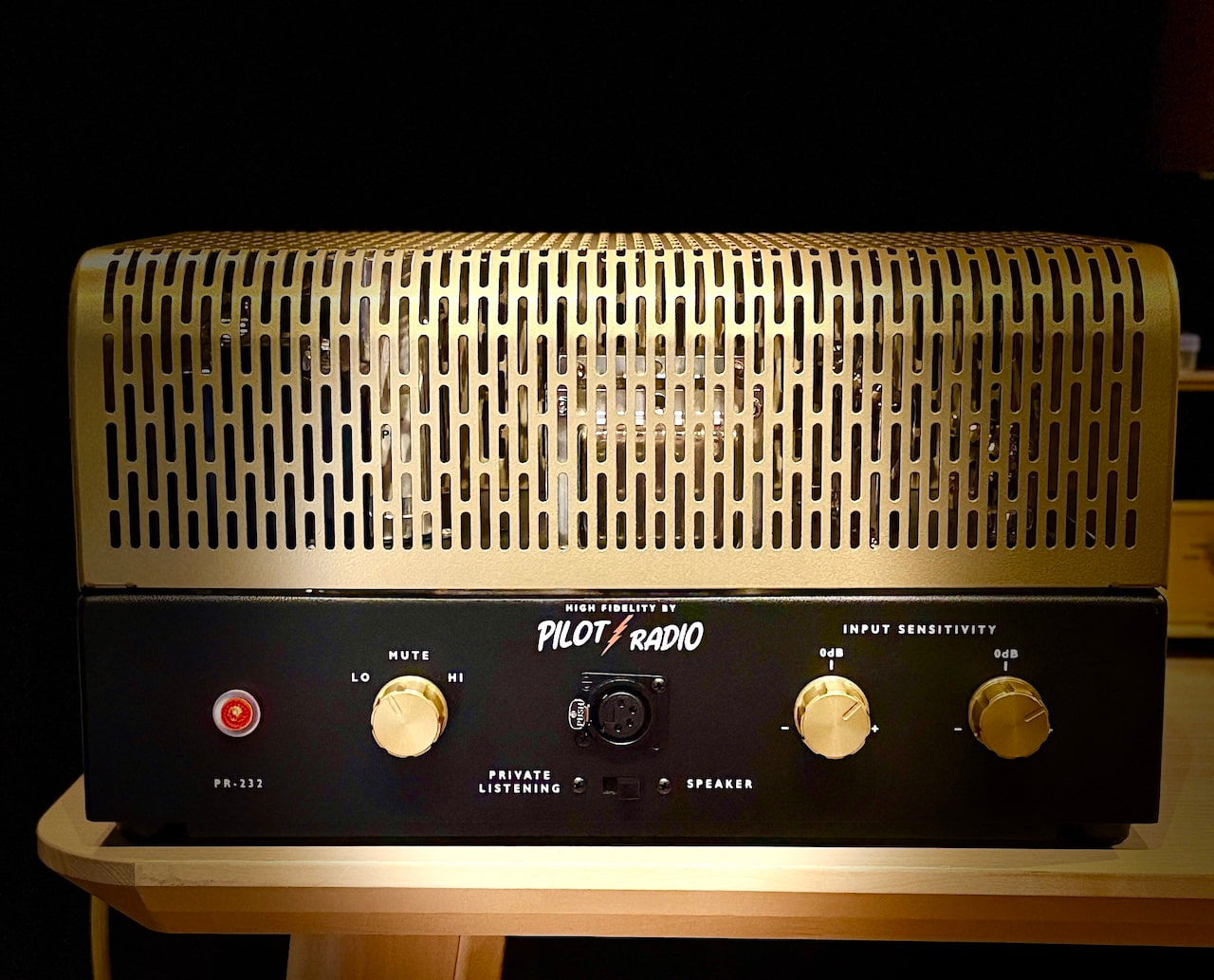
The 232 delivers 15 watts per channel from EL84 output tubes and is described by Pilot as a pure Class A design.
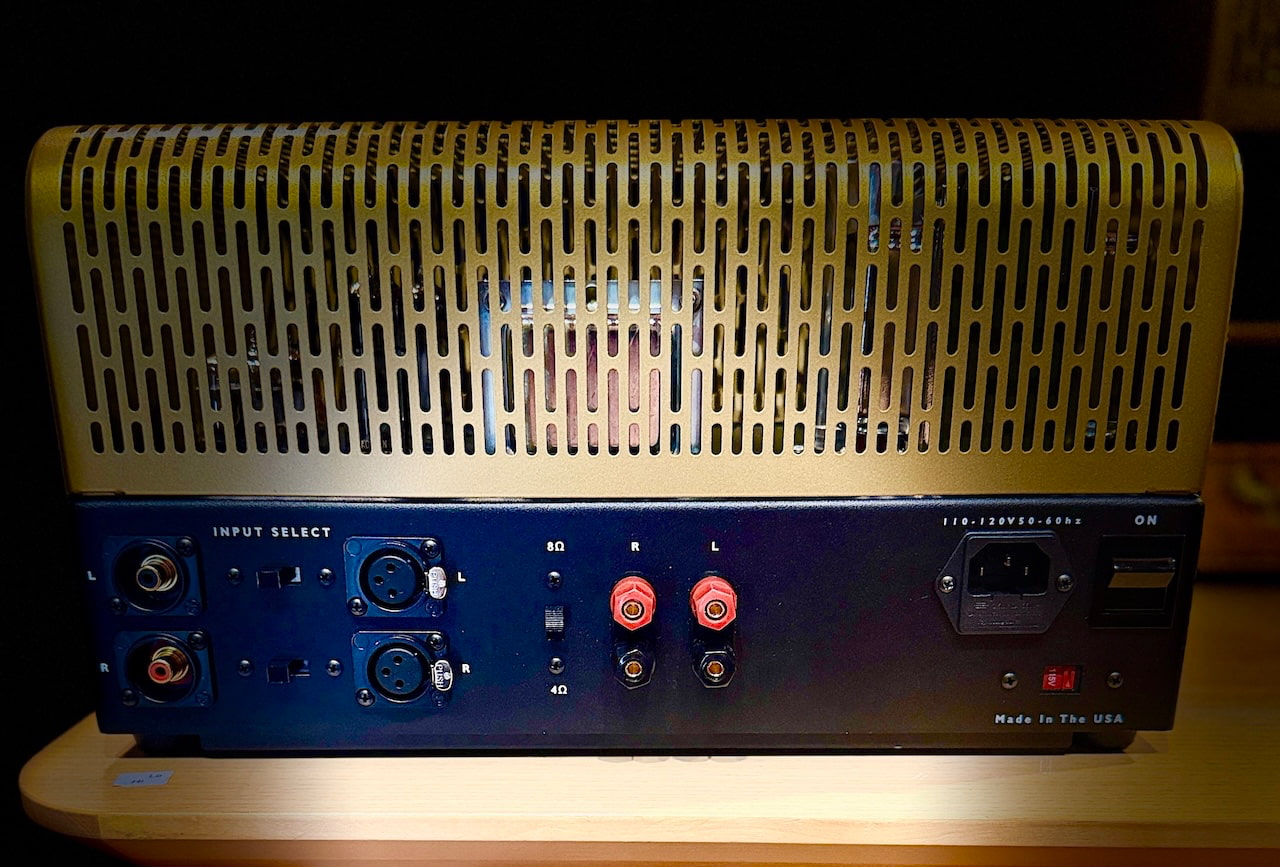
The construction includes custom transformers made in the United States, vintage oil in paper capacitors and point to point hand wiring. Speaker outputs are provided for 4 and 8 ohm loads, while separate sensitivity and balance controls are included for each channel.
Fifteen watts is not a lot, but it is enough with the right loudspeakers. The Pilot 602 we covered used the same EL84 tube family and worked best with speakers offering sensitivity around 90dB or higher. The new 232 should make sense with DeVore Fidelity, Klipsch Heritage, Audio Note, Omega, PureAudioProject and other efficient loudspeakers with relatively benign impedance curves.
This is not the amplifier for Magnepan owners, difficult four ohm floorstanders or anyone trying to recreate Madison Square Garden in a 400 square foot room. Sorry Swifties.

Balanced Inputs and a Real Headphone Output
Pilot provides both RCA and balanced XLR inputs, with the XLR connections feeding the differential amplifier stage directly.
The front panel also includes a four pin XLR balanced headphone output, which is highly unusual on a stereo tube power amplifier. That gives the 232 potential appeal for owners of balanced dynamic and planar magnetic headphones who want to use the same amplifier for speakers and private listening.
Pilot has not yet published headphone output power, output impedance or recommended headphone loads, so it would be premature to assume the 232 will drive every HIFIMAN or Audeze model with complete authority. A four pin socket is useful; it is not a substitute for specifications.
A Proper Family Revival
Pilot Electric Manufacturing Company was founded in Brooklyn in 1919 by Isidor Goldberg and produced radios, shortwave receivers, televisions, cinema electronics and hi-fi components. Pilot moved exclusively into high fidelity in 1952 and introduced the original “Curtain of Sound” stereo concept in 1959. The company also worked with Sid Smith and Dick Sequerra, both of whom later became associated with Marantz.
The company was sold in 1962 and disappeared during the following decade before being revived by the Goldberg family in 2025.
That family continuity does not guarantee great sound, but it gives the project more credibility than a trademark revival created around products that have nothing to do with the original company.
The Matching Pilot Preamplifier


Pilot currently offers one other major component: the Pilot Phono and Line Preamplifier, priced from $3,590.
It uses two 12AX7 and two 12AU7 tubes, passive RIAA equalization, two line inputs and selectable moving magnet and moving coil phono inputs. MC gain is selectable between 46dB and 52dB before the line stage, while the preamplifier can be ordered for 120V or 240V operation.
A complete Pilot electronics system therefore starts at $8,380 before cables or replacement tubes. Pilot also sells branded PSVANE tubes, RCA interconnects and speaker cables.
What Is Still Missing?
Pilot has published the core design information, but several specifications remain unavailable:
- Complete tube complement
- Frequency response
- Input sensitivity and impedance
- Total harmonic distortion
- Signal to noise ratio
- Headphone output power
- Dimensions and weight
- Power consumption
- Warranty details
Those are not unreasonable requests for a $4,790 amplifier. Pilot has done the difficult part by reviving a historically important circuit and building it domestically. Finishing the specification sheet should not require another 67 years.

Who Is It For?
The Pilot 232 is for listeners using efficient loudspeakers who want an American built tube amplifier without DACs, streaming apps or firmware updates. It should pair well with quality tube preamplifiers and simple active line stages, while the balanced headphone output gives it broader appeal than most vintage inspired power amplifiers.
Buyers with inefficient speakers or large rooms should look for more power.
Hear It at Southwest Audio Fest 2026
Pilot Radio will demonstrate the 232 in Room 732 at Southwest Audio Fest with DeVore Fidelity loudspeakers and Prosper Cables. The matching Pilot preamplifier will also be part of the system.
Southwest Audio Fest 2026
- Dates: July 23 through July 25, 2026
- Venue: Sheraton Dallas Hotel
- Location: Dallas, Texas
- Thursday: 2 p.m. to 8 p.m.
- Friday and Saturday: 10 a.m. to 6 p.m.
- Pilot Radio: Room 732
The Bottom Line
The Pilot Radio 232 is more interesting than the average vintage brand revival because the history, family connection and circuit are all real.
Its 15 watts will limit loudspeaker choices, but efficient speakers and EL84 amplifiers have been making beautiful music together for decades. The balanced inputs and headphone output also make the 232 far more useful than a strict reproduction of the 1959 original.
At $4,790, it is not inexpensive, but neither is it wandering into the absurd end of boutique tube amplification. Pilot now needs to publish the missing specifications and prove that the new company can provide the service and support that owners of vintage Pilot equipment have been forced to find elsewhere for half a century.
Heritage gets attention. Execution keeps the tubes glowing.
Price & Availability
The Pilot Radio 232 costs $4,790 and is available now through Pilot Radio and selected U.S. and Canadian dealers.
Orders ship from Texas with an estimated two week lead time. Ground shipping is included for U.S. customers, while Dallas Fort Worth buyers receive local delivery and setup.
For more information: pilotradio.com
You must be logged in to post a comment Login