Tech
Prime Video Launches HDR10+ Advanced on Samsung TVs and Tries to Fix Motion Smoothing

Prime Video and Samsung have decided that the HDR format war was not quite confusing enough.
Beginning in August 2026, Prime Video will become the first streaming service to offer HDR10+ Advanced on supported movies and television programs worldwide. The new format will initially be available through the Prime Video app on select Samsung 2026 televisions.
The promise is brighter and more detailed HDR, improved shadow reproduction and motion processing that changes according to what is happening in each scene.
The reality is that Amazon and Samsung have not revealed which titles will support it, precisely when the rollout begins or whether owners of older Samsung televisions will eventually be invited to the party.
Progress apparently still requires a scavenger hunt.
What Is HDR10+ Advanced?


Standard HDR10+ already uses dynamic metadata to adjust brightness, contrast and tone mapping on a scene by scene or frame by frame basis. That allows a compatible television to handle a dark interior differently from a sun drenched exterior instead of applying one set of HDR instructions across an entire movie.

HDR10+ Advanced expands that tool kit with six primary features:
- Enhanced overall brightness
- Intelligent motion smoothing
- Local tone mapping
- Genre based optimization
- Advanced color control
- Adaptive cloud gaming
The format supports brightness metadata up to 10,000 nits and color depth of up to 16 bits at the specification level, although current streaming video remains limited by the practical capabilities of existing displays and codecs.
Prime Video’s initial rollout is focused primarily on enhanced brightness and intelligent motion smoothing.
Enhanced Overall Brightness uses additional metadata to help capable televisions make better use of their available light output. Samsung says AI driven tone mapping can preserve shadow detail in darker scenes while allowing sports, action movies and other bright material to use more of a premium television’s brightness capability.
That could be useful on newer OLED, MiniLED and Micro RGB televisions capable of reaching substantially higher brightness levels than earlier generations.
It does not mean that every program will suddenly resemble a television showroom with the brightness control welded to its maximum setting. The goal is to use the available brightness more intelligently, not simply make everything brighter.
At least that is the theory.
Can Intelligent Motion Smoothing Avoid the Soap Opera Effect?
Motion smoothing remains one of the most divisive forms of television processing.
It can make sports, camera pans and fast moving action look cleaner, but excessive frame interpolation can also make an expensive movie resemble a daytime soap opera filmed in the back room of a furniture store.
HDR10+ Advanced attempts to address that problem with scene specific metadata. A compatible television can reduce smoothing during cinematic material while applying more processing to sports, action and other fast moving scenes where cleaner motion may be desirable.
That sounds far more sensible than forcing viewers to choose one motion setting for everything.
Whether it actually works will depend on how accurately the content is tagged, how Prime Video encodes it and how Samsung televisions interpret those instructions. Until we can test it, “intelligent” remains a job title rather than a performance guarantee.
Filmmaker Mode Is Not Invited
There is one significant catch.
Samsung confirms that HDR10+ Advanced will not operate when Filmmaker Mode is enabled.

Filmmaker Mode is designed to disable or reduce many forms of television processing so movies and television programs can be displayed closer to the creators’ original intentions. HDR10+ Advanced also claims to preserve creative intent, but requires Filmmaker Mode to be turned off.
That leaves viewers with an unusual choice: use the picture mode specifically designed for movies or activate the new HDR format designed to make movies look better.
Someone may want to workshop that.
It is also notable that HDR10+ Adaptive, introduced several years ago, was promoted as being compatible with Filmmaker Mode. The Advanced version adds more sophisticated motion and genre based processing, which may explain the conflict, but Samsung has not provided a detailed technical explanation.
Which Samsung TVs Support HDR10+ Advanced?
Samsung says the Prime Video rollout will begin on its 2026 television lineup, although the company’s U.S. announcement refers more cautiously to select 2026 models.
Samsung has already introduced HDR10+ Advanced support across portions of its 2026 OLED, Neo QLED and Micro RGB ranges, but the Prime Video announcement does not include a definitive model by model compatibility list. Owners should check the specifications and firmware status of their individual television rather than assuming every 2026 Samsung display is supported.
There is also no confirmation that 2025 or older Samsung televisions will receive HDR10+ Advanced through a firmware update.
Support is expected to spread beyond Samsung. HDR10+ Technologies says Roku intends to deploy the format across its platform, while MediaTek has also announced chipset support. Neither company has provided a product list or rollout date.
Why This Matters for Samsung Owners

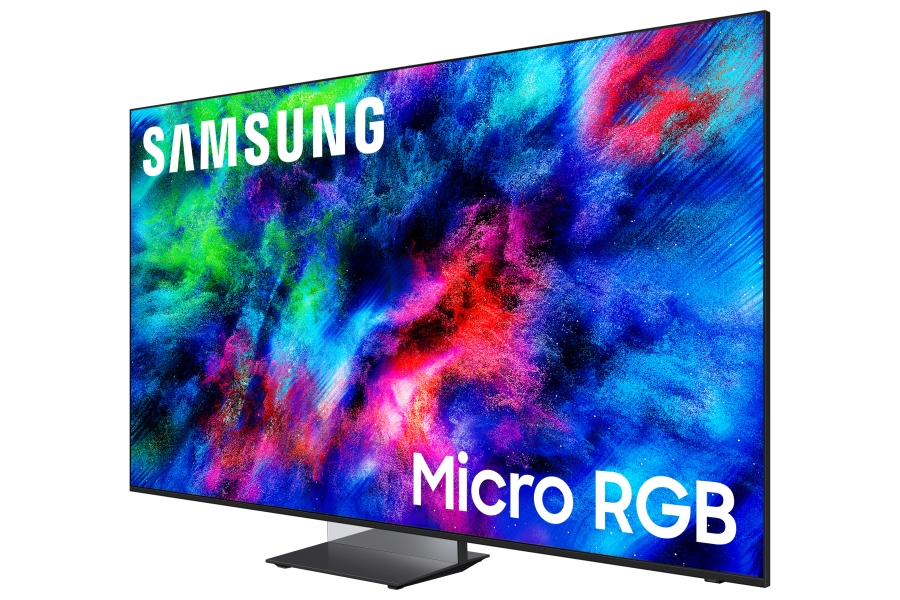
Samsung continues to support HDR10 and HDR10+ rather than Dolby Vision across its television lineup, making the success of HDR10+ considerably more important to Samsung owners.
Prime Video has supported the original HDR10+ format since 2017 and was the first major streaming service to adopt it. Netflix, Disney+ and Hulu have subsequently expanded their own HDR10+ support, giving Samsung television owners access to a much broader selection of dynamic HDR programming than they had only a few years ago.
HDR10+ Advanced is also royalty free, which could make it attractive to television manufacturers, streaming platforms and hardware companies looking for an alternative to Dolby Vision and its licensing costs. Samsung says the broader HDR10+ ecosystem now includes 183 adopter companies and more than 22,000 certified products.
The Bottom Line
HDR10+ Advanced could deliver meaningful picture improvements on newer premium televisions, particularly in scenes that combine intense highlights with dark shadow detail. Scene specific motion instructions also offer a more intelligent alternative to leaving one motion setting enabled for every type of content.
But the launch arrives with several unresolved questions.
Prime Video has not named any supported movies or shows. Samsung has not published a complete compatibility list. Older television support remains unknown, and HDR10+ Advanced cannot be used with Filmmaker Mode.
Samsung and Amazon have created a potentially smarter HDR experience. Now they need to explain why movie enthusiasts must disable the picture mode created specifically for movie enthusiasts to see it.
For more information: hdr10plus.org/advanced/
You must be logged in to post a comment Login