Tech
Qobuz Mobile App Adds Synchronized Lyrics, Translations and a Smarter Player

Qobuz has never had much trouble convincing audiophiles that it sounds good. Convincing them that its app was equally polished has occasionally required a more generous interpretation of the word “polished.”
The latest Qobuz mobile update addresses that problem with a redesigned player for iOS and Android, adding synchronized lyrics, lyric translations, improved queue management and more direct access to recommendations, credits, artist biographies and album descriptions. Version 10.0 reached Apple devices this week, followed by version 10.0.1, while the same feature set is now listed through Google Play.
What Is New?
The redesigned player adds:
- Time synchronized lyrics
- Lyric translations where available
- Recommendations directly from the playback screen
- Faster access to song credits
- Artist biographies and album descriptions
- Autoplay controls
- Swipe gestures
- Simplified queue management
The new interface keeps more of Qobuz’s editorial and metadata features close to the music rather than sending listeners through several menus to discover who played bass, produced the album or wrote the review.
That may sound like routine housekeeping, but Qobuz users have waited a long time for built-in lyrics. Until now, anyone determined to follow along had to use a third-party service or remember the words, which becomes increasingly unreliable somewhere after the second verse.

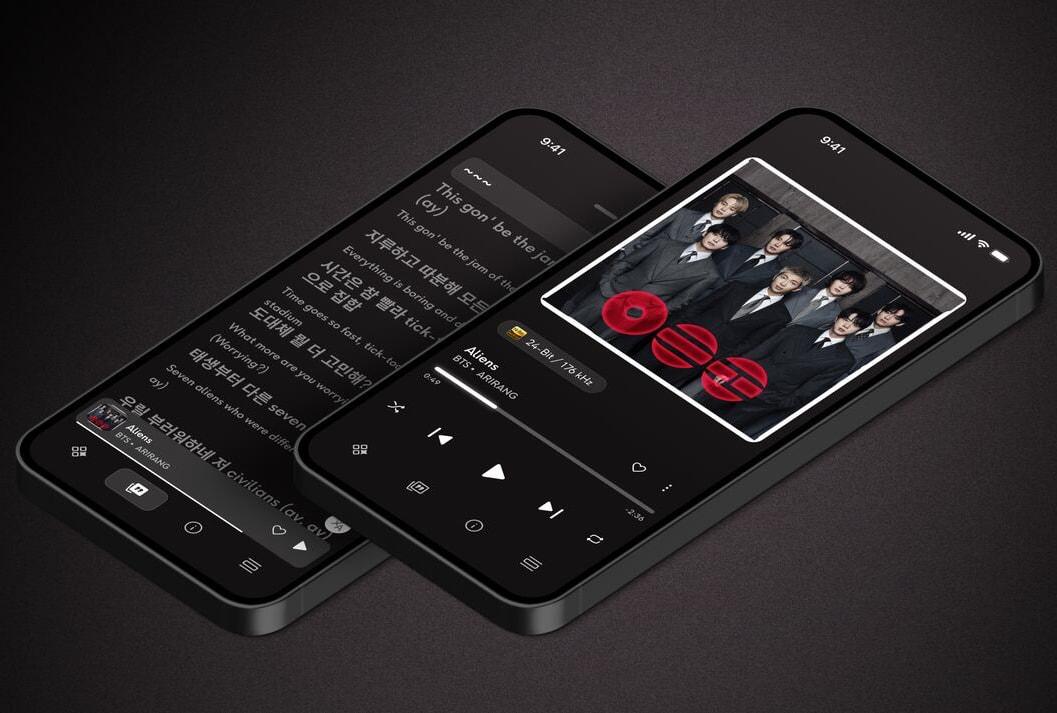
Lyrics Are Not Unique, but the Context Is
Apple Music and Spotify already offer synchronized lyrics and translations, so Qobuz is not inventing a new category.
What makes the update more interesting is how lyrics now sit beside the service’s existing editorial material, detailed credits, album reviews, biographies and high-resolution playback. Qobuz is trying to create a richer listening screen rather than merely enlarging the album cover and placing another AI button underneath it.
That approach fits the platform. Qobuz has consistently emphasized human curation and music journalism, with more than 500,000 pieces of editorial content alongside a catalog of more than 100 million lossless and high-resolution tracks.
Spotify remains stronger at social discovery and algorithmic recommendations. Apple Music integrates more naturally across Apple hardware. Qobuz’s advantage is that it still behaves as though listeners may want to know something about the album beyond whether the algorithm believes it is suitable for Tuesday afternoon.
Why Should Qobuz Users Care?
The new player reduces friction.
Listeners can examine lyrics, translations, credits, biographies and recommendations without constantly leaving the playback screen. Better queue controls and visible autoplay settings should also make it easier to understand what the app intends to play next, which has not always been one of streaming software’s great acts of transparency.
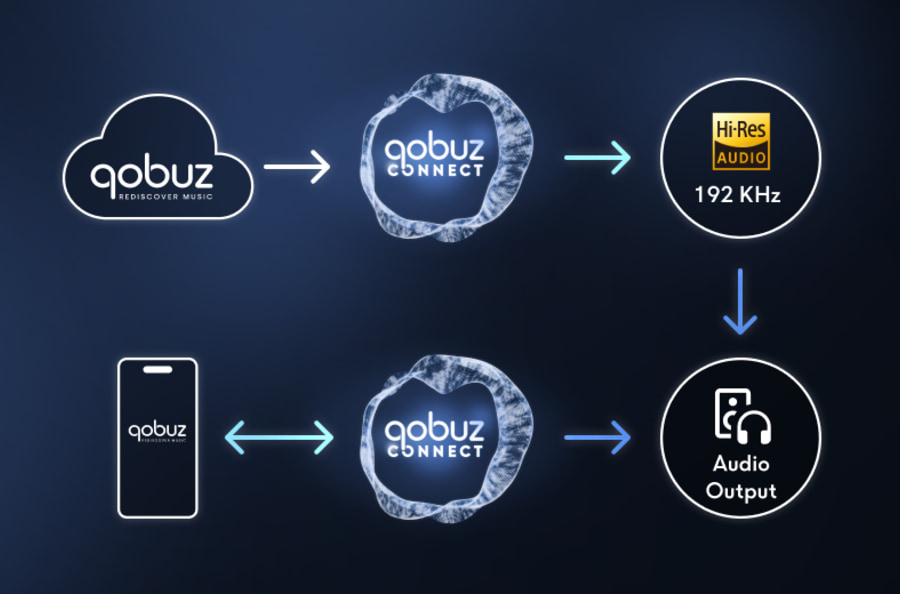
The update becomes more useful when paired with Qobuz Connect. A phone or tablet can serve as the control interface while compatible streamers, amplifiers and powered speakers pull the lossless or high-resolution stream directly from Qobuz. The mobile app therefore matters even when the phone is not the device producing the sound.
Qobuz Connect now supports more than 100 hardware and software partners, making the quality of the mobile control experience far more important than it was when listeners often had to use a manufacturer’s own app.

What Is Still Missing?
The update improves playback and discovery, but it does not solve every Qobuz weakness.
The service still trails Spotify and Apple Music in social features, collaborative listening and some forms of personalized discovery. Lyric availability and translations will also depend on the underlying catalog data, so users should not expect every obscure jazz pressing or regional release to suddenly become karaoke-ready.
Qobuz has also described this as a mobile redesign. Desktop and connected television users should not assume they are receiving the same interface immediately.

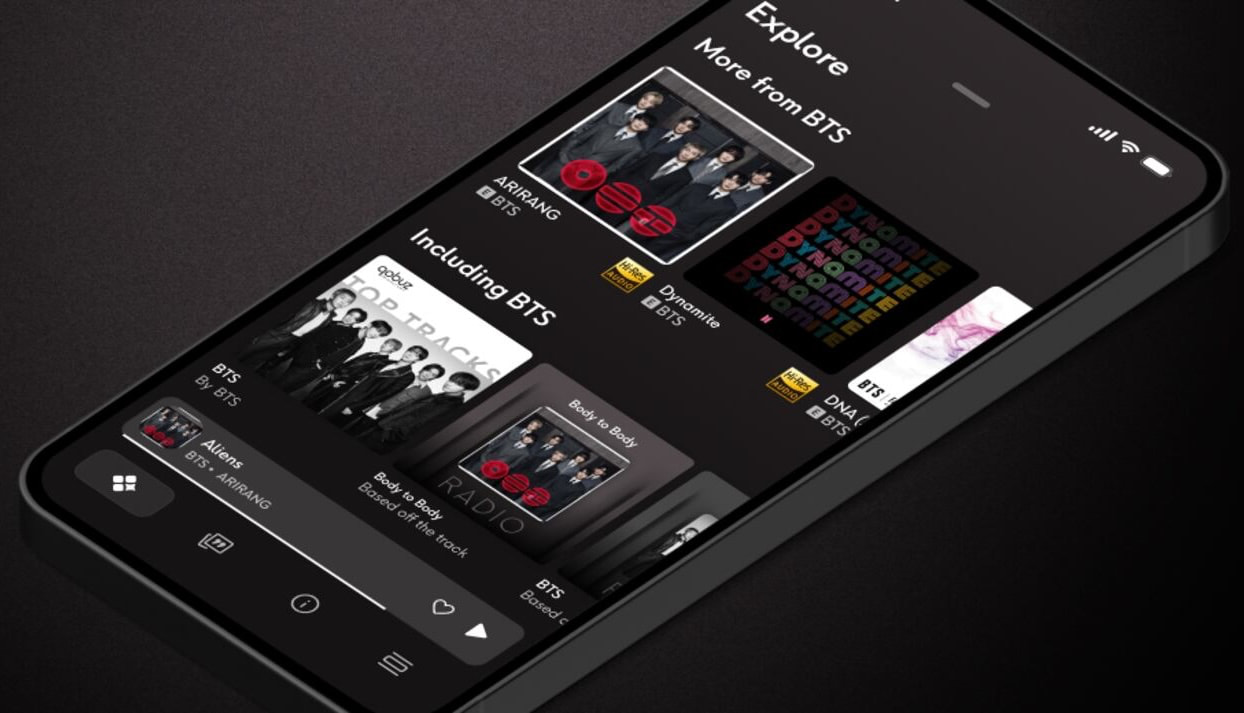
The Bottom Line
Qobuz did not need another audio-quality logo. It needed a better player.
Synchronized lyrics and translations bring the service closer to feature parity with Apple Music and Spotify, while the improved queue controls, credits and editorial access play directly to Qobuz’s actual strengths.
The update is not revolutionary, but it makes the app easier to use and gives subscribers more information without turning every listening session into a conversation with an AI assistant.
For a service that charges $12.99 monthly or an effective $10.83 per month with an annual Studio Solo subscription, that is a more convincing improvement than simply raising the price and blaming licensing costs.
Availability
The redesigned Qobuz player is available now through the latest Qobuz apps for iOS, iPadOS and Android. Try Qobuz for free.
You must be logged in to post a comment Login