Despite growing chatter about a future when much human work is automated by AI, one of the ironies of this current tech boom is how stubbornly reliant on human beings it remains, specifically the process of training AI models using reinforcement learning from human feedback (RLHF).
At its simplest, RLHF is a tutoring system: after an AI is trained on curated data, it still makes mistakes or sounds robotic. Human contractors are then hired en masse by AI labs to rate and rank a new model’s outputs while it trains, and the model learns from their ratings, adjusting its behavior to offer higher-rated outputs. This process is all the more important as AI expands to produce multimedia outputs like video, audio, and imagery which may have more nuanced and subjective measures of quality.
Historically, this tutoring process has been a massive logistical headache and PR nightmare for AI companies, relying on fragmented networks of foreign contractors and static labeling pools in specific, low-income geographic hubs, cast by the media as low wage — even exploitative. It’s also inefficient: requiring AI labs wait weeks or months for a single batch of feedback, delaying model progress.
Now a new startup has emerged to make the process far more efficient: Rapidata‘s platform effectively “gamifies” RLHF by pushing said review tasks around the globe to nearly 20 million users of popular apps, including Duolingo or Candy Crush, in the form of short, opt-in review tasks they can choose to complete in place of watching mobile ads, with data sent back to a commissioning AI lab instantly.
Advertisement
As shared with VentureBeat in a press release, this platform allows AI labs to “iterate on models in near-real-time,” significantly shortening development timelines compared to traditional methods.
CEO and founder Jason Corkill stated in the same release that Rapidata makes “human judgment available at a global scale and near real time, unlocking a future where AI teams can run constant feedback loops and build systems that evolve every day instead of every release cycle.””
Rapidata founder and CEO Jason Corkill. Credit: Rapidata
Rapidata treats RLHF as high-speed infrastructure rather than a manual labor problem. Today, the company exclusively announced to us at VentureBeat its emergence with an $8.5 million seed round co-led by Canaan Partners and IA Ventures, with participation from Acequia Capital and BlueYard, to scale its unique approach to on-demand human data.
Advertisement
The pub conversation that built a human cloud
The genesis of Rapidata was born not in a boardroom, but at a table over a few beers. When Corkill was a student at ETH Zurich, working in robotics and computer vision, when he hit the wall that every AI engineer eventually faces: the data annotation bottleneck.
“Specifically, I’ve been working in robotics, AI and computer vision for quite a few years now, studied at ETH here in Zurich, and just always was frustrated with data annotation,” Corkill recalled in a recent interview. “Always when you needed humans or human data annotation, that’s kind of when your project was stopped in its tracks, because up until then, you could move it forward by just pushing longer nights. But when you needed the large scale human annotation, you had to go to someone and then wait for a few weeks”.
Frustrated by this delay, Corkill and his co-founders realized that the existing labor model for AI was fundamentally broken for a world moving at the speed of modern compute. While compute scales exponentially, the traditional human workforce—bound by manual onboarding, regional hiring, and slow payment cycles—does not. Rapidata was born from the idea that human judgment could be delivered as a globally distributed, near-instantaneous service.
Technology: Turning digital footprints into training data
The core innovation of Rapidata lies in its distribution method. Rather than hiring full-time annotators in specific regions, Rapidata leverages the existing attention economy of the mobile app world. By partnering with third-party apps like Candy Crush or Duolingo, Rapidata offers users a choice: watch a traditional ad or spend a few seconds providing feedback for an AI model.
Advertisement
“The users are asked, ‘Hey, would you rather instead of watching ads and having, you know, companies buy your eyeballs like that, would you rather like annotate some data, give feedback?’” Corkill explained. According to Corkill, between 50% and 60% of users opt for the feedback task over a traditional video advertisement.
This “crowd intelligence” approach allows AI teams to tap into a diverse, global demographic at an unprecedented scale.
The global network: Rapidata currently reaches between 15 and 20 million people.
Massive parallelism: The platform can process 1.5 million human annotations in a single hour.
Speed: Feedback cycles that previously took weeks or months are reduced to hours or even minutes.
Quality control: The platform builds trust and expertise profiles for respondents over time, ensuring that complex questions are matched with the most relevant human judges.
Anonymity: While users are tracked via anonymized IDs to ensure consistency and reliability, Rapidata does not collect personal identities, maintaining privacy while optimizing for data quality.
Online RLHF: Moving into the GPU
The most significant technological leap Rapidata is enabling is what Corkill describes as “online RLHF”. Traditionally, AI is trained in disconnected batches: you train the model, stop, send data to humans, wait weeks for labels, and then resume. This creates a “circle” of information that often lacks fresh human input.
Rapidata is moving this judgment directly into the training loop. Because their network is so fast, they can integrate via API directly with the GPUs running the model.
Advertisement
“We’ve always had this idea of reinforcement learning for human feedback… so far, you always had to do it like in batches,” Corkill said. “Now, if you go all the way down, we have a few clients now where, because we’re so fast, we can be directly, basically in the process, like in in the processor on the GPU right, and the GPU calculate some output, and it can immediately request from us in a distributed fashion. ‘Oh, I need, I need, I need a human to look at this.’ I get the answer and then apply that loss, which has not been possible so far”.
Currently, the platform supports roughly 5,500 humans per minute providing live feedback to models running on thousands of GPUs. This prevents “reward model hacking,” where two AI models trick each other in a feedback loop, by grounding the training in actual human nuance.
Product: Solving for taste and global context
As AI moves beyond simple object recognition into generative media, the requirements for data labeling have evolved from objective tagging to subjective “taste-based” curation. It is no longer just about “is this a cat?” but rather “is this voice synthesis convincing?” or “which of these two summaries feels more professional?”.
Lily Clifford, CEO of the voice AI startup Rime, notes that Rapidata has been transformative for testing models in real-world contexts. “Previously, gathering meaningful feedback meant cobbling together vendors and surveys, segment by segment, or country by country, which didn’t scale,” Clifford said. Using Rapidata, Rime can reach the right audiences—whether in Sweden, Serbia, or the United States—and see how models perform in real customer workflows in days, not months.
Advertisement
“Most models are factually correct, but I’m sure you’re you have received emails that feel, you know, not authentic, right?” Corkill noted. “You can smell an AI email, you can smell an AI image or a video, it’s immediately clear to you… these models still don’t feel human, and you need human feedback to do that”.
The economic and operational shift
From an operational standpoint, Rapidata positions itself as an infrastructure layer that eliminates the need for companies to manage their own custom annotation operations. By providing a scalable network, the company is lowering the barrier to entry for AI teams that previously struggled with the cost and complexity of traditional feedback loops.
Jared Newman of Canaan Partners, who led the investment, suggests that this infrastructure is essential for the next generation of AI. “Every serious AI deployment depends on human judgment somewhere in the lifecycle,” Newman said. “As models move from expertise-based tasks to taste-based curation, the demand for scalable human feedback will grow dramatically”.
A future of human use
While the current focus is on the model labs of the Bay Area, Corkill sees a future where the AI models themselves become the primary customers of human judgment. He calls this “human use”.
Advertisement
In this vision, a car designer AI wouldn’t just generate a generic vehicle; it could programmatically call Rapidata to ask 25,000 people in the French market what they think of a specific aesthetic, iterate on that feedback, and refine its design within hours.
“Society is in constant flux,” Corkill noted, addressing the trend of using AI to simulate human behavior. “If they simulate a society now, the simulation will be stable for and maybe mirror ours for a few months, but then it completely changes, because society has changed and has developed completely differently”.
By creating a distributed, programmatic way to access human brain capacity worldwide, Rapidata is positioning itself as the vital interconnect between silicon and society. With $8.5 million in new funding, the company plans to move aggressively to ensure that as AI scales, the human element is no longer a bottleneck, but a real-time feature.
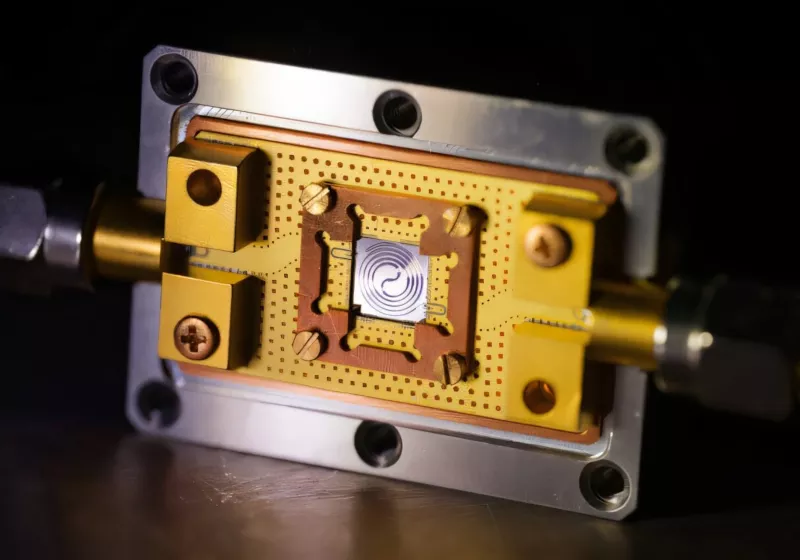
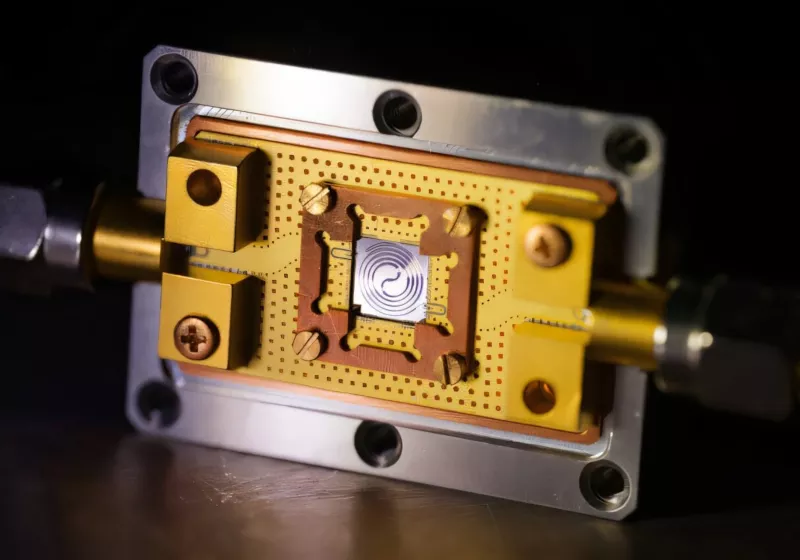
It is a crucial component in superconducting quantum architectures, where even minimal noise can overwhelm a qubit’s delicate state. In conventional designs, energy losses in dielectric materials have been a primary source of excess noise, adding more than a photon’s worth during amplification and blurring qubit measurement results. Read Entire Article Source link
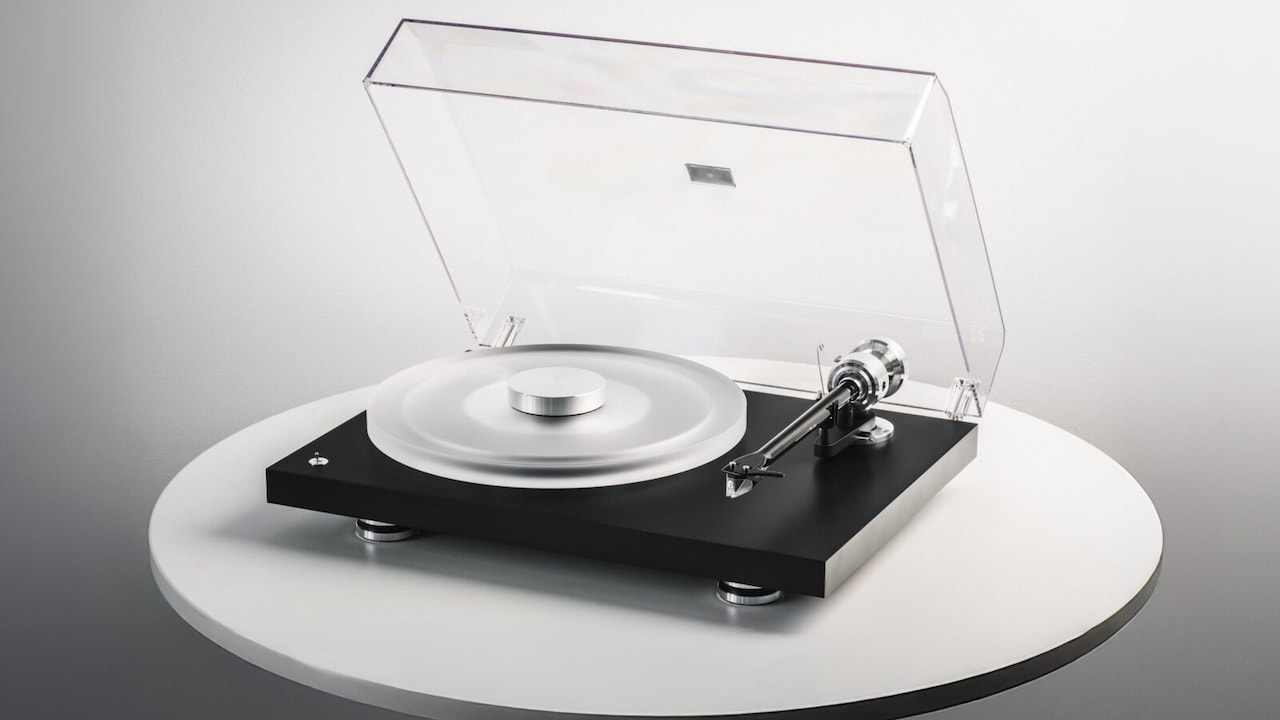
Big moves are unfolding for Pro-Ject Audio Systems on both sides of the Atlantic this weekend. At the Bristol Hi-Fi Show 2026, the Austrian analog specialist is set to unveil the Debut Reference 10, a new flagship for its long-running Debut turntable range. At the same time, the company has confirmed a major shift in its U.S. strategy with the appointment of a new exclusive distributor, effective March 1, 2026.
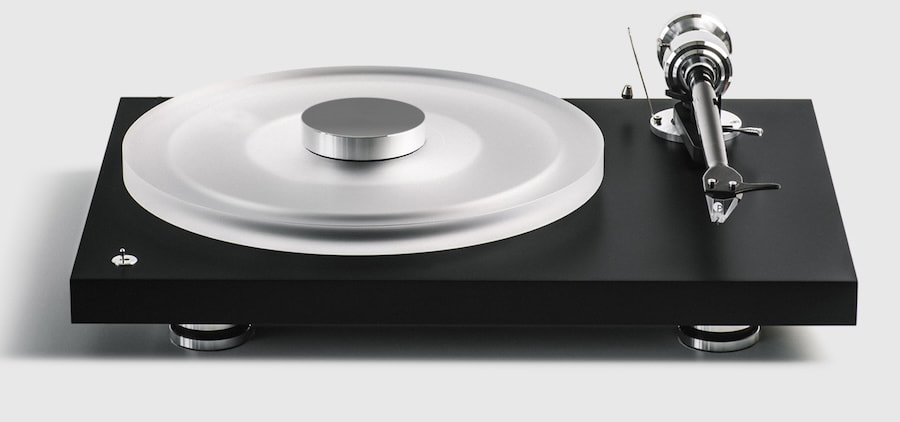
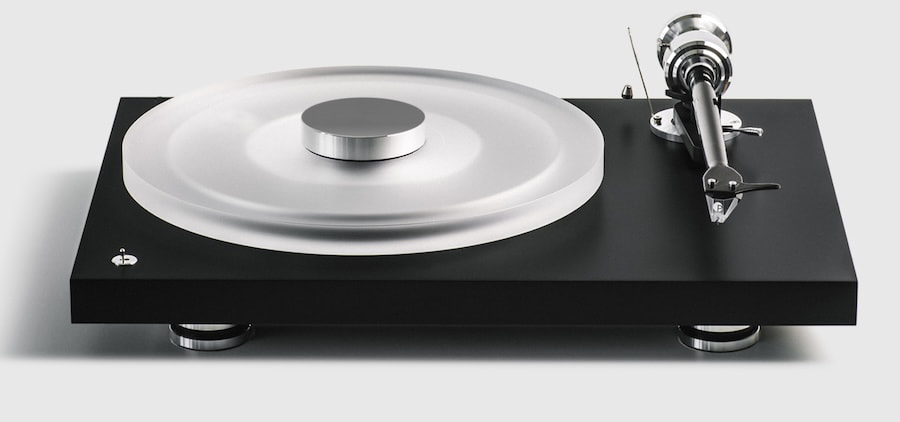
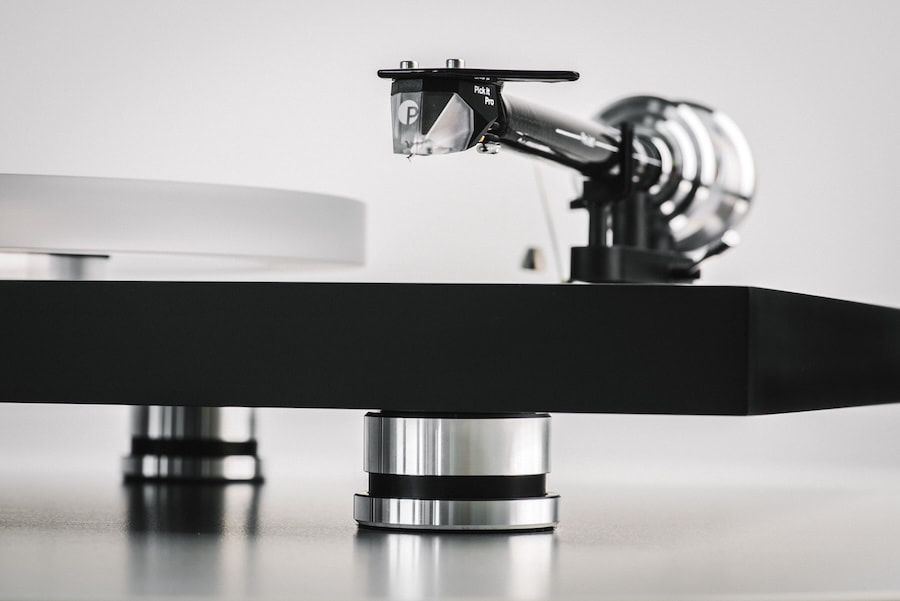
The Debut Reference 10 moves the series further upmarket with a 10-inch tonearm built from a carbon-fibre and aluminium sandwich construction, positioning it as the most technically ambitious model yet within the Debut lineup. It signals that Pro-Ject is not content to let its entry-level reputation define the brand’s ceiling; the original Debut PRO was awarded our Editors’ Choice Award twice in the turntable category and was replaced by the Debut PRO B in 2024.
Equally significant is the U.S. announcement. Pro-Ject Audio Systems, part of the Vienna-based Audio Tuning Group, has named Stereo Distribution LLC as its new exclusive American distributor. The move formalizes a new structure for the U.S. market and confirms that the previous Pro-Ject alignment within the McIntosh Group ecosystem, alongside brands such as McIntosh, Sumiko, and Sonus faber under the Bose Luxury Group umbrella is no longer in place.
Debut Reference 10 Specifications
Pro-Ject Debut Reference 10 Turntable
Pro-Ject Audio Systems positions the Debut Reference 10 as the most advanced model in its long-running Debut lineup, and the engineering choices reflect that step up.
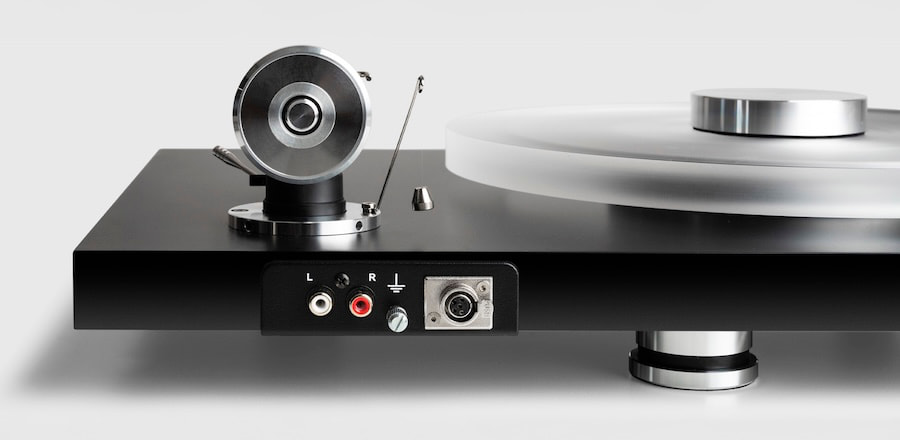
At its core, the turntable is fitted with Pro-Ject’s Pick it Pro Balanced cartridge and includes a Mini XLR balanced output. That combination allows for a true balanced signal path from cartridge to phono stage, which can reduce noise and improve signal integrity over longer cable runs. However, it does require a compatible balanced phono preamp to take advantage of the connection. Without one, you will not unlock the full benefit of the balanced design.
Advertisement
The Debut Reference 10 uses a 300 mm acrylic platter, chosen for its inherent resonance resistance. This sits atop a diamond cut aluminum sub platter, adding mass and rotational stability. The platter bearing consists of a high precision stainless steel axle seated in a bronze bushing, designed to maintain smooth rotation and long term durability.
The chassis is constructed from hand painted MDF and supported by three height adjustable, damped aluminum feet. These feet are designed to provide stable leveling while helping to reduce the risk of acoustic feedback, particularly in environments where speakers share the same surface or room structure.
This is a belt driven turntable with the motor fully decoupled and suspended within the base to minimize vibration transfer into the platter and tonearm assembly. Electronic speed control allows convenient switching between 33 and 45 RPM, while manually moving the included round belt enables playback of 78 RPM records.
A Puck E record weight is included in the box, designed to help secure records more firmly to the platter surface for improved contact and stability during playback.
Advertisement
The 10 inch one piece carbon aluminum tonearm measures 254 mm in effective length and has an effective mass of 16.6 g. It supports both adjustable azimuth and vertical tracking angle (VTA). By loosening two grub screws, users can continuously adjust tonearm height to accommodate cartridges of varying body heights or different platter mat thicknesses. This level of adjustability is not always standard in this price category and allows for more precise cartridge alignment.
Performance specifications are competitive for the class. Wow and flutter is rated at ±0.16 percent at 33 RPM and ±0.14 percent at 45 RPM. Speed drift is specified at ±0.4 percent at 33 RPM and ±0.5 percent at 45 RPM. Signal to noise ratio is listed at 68 dB.
Advertisement. Scroll to continue reading.
Physically, the Debut Reference 10 is not some oversized statement deck. It measures 462 x 145 x 345 mm, which translates to roughly 18.2 x 5.7 x 13.6 inches (W x H x D), and tips the scale at 6 kg, or about 13.2 pounds net. Manageable, solid, and realistic for the kind of racks and consoles most people actually own. In the box, you get the essentials: a dust cover, a dedicated 78 RPM belt, and a 7-inch single adapter.
Advertisement
The Bottom Line
Now here’s where it gets interesting.
The U.S. Supreme Court issued a ruling this morning related to tariffs that could have a meaningful impact on imported audio products. Could that work in favor of American buyers when this table finally lands? Possibly. But it’s far too early to know how that decision will ripple through distribution, freight, and final retail pricing. Anyone pretending they have clarity right now is guessing. It’s basically a mess.
And all of this unfolds against the backdrop of a bigger shift.
So while the Debut Reference 10 is the headline product, the more consequential story may be the business side. New flagship table. New U.S. distributor. Potential tariff recalibration. That is a lot of moving parts for one weekend and it suggests that the next chapter for Pro-Ject in the U.S. will look different than the last.
Advertisement
A new U.S. price list is expected shortly, and dealers are reportedly receiving updated pricing ahead of the March 1, 2026 transition. From what we understand, most existing Pro-Ject retailers should not see negative disruption as the new distribution structure takes effect. That said, whenever a brand shifts logistics, and billing systems, there is always the potential for short-term hiccups. It comes with the territory.
The current U.S. website, www.pro-jectusa.com, will be discontinued after March 1, 2026. Moving forward, product information will live on the global site at www.project-audio.com, aligning the U.S. more closely with the brand’s international presence.
Heinz Lichtenegger, CEO of Audio Tuning and the driving force behind Pro-Ject Audio Systems, has built the company over decades into one of the most dominant analog brands in Europe. With that kind of track record and with the U.S. market representing significant growth potential, there is little incentive to let this transition stumble. There is simply too much at stake, both commercially and reputationally.
Price & Availability
The finish is satin black, understated and safe. UK pricing is set at £999, with Australia confirmed at AU$2349. U.S. customers will have to wait a bit longer, and pricing is still to be announced.
OpenAI is reportedly developing its first consumer hardware product: a $200-$300 smart speaker with a built-in camera capable of recognizing “items on a nearby table or conversations people are having in the vicinity.” It’s also said to feature Face ID-style authentication for purchases. The Verge reports: In addition to the smart speaker, OpenAI is “possibly” working on smart glasses and a smart lamp, The Information reports. (Apple may also be working on a smart lamp.) But OpenAI’s glasses might not hit mass production until 2028, and while OpenAI has made prototypes of gadgets like the smart lamp, The Information says it’s “unclear” if they’ll be released and that OpenAI’s devices plans are in early stages.
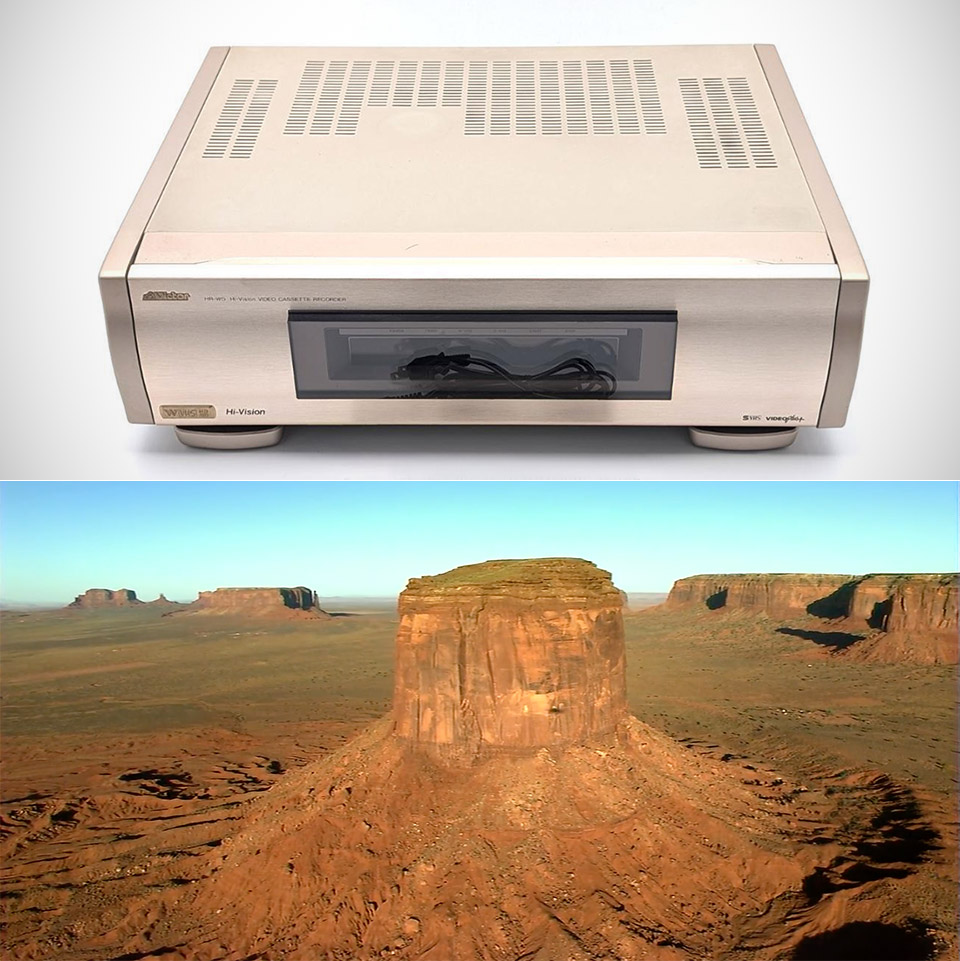
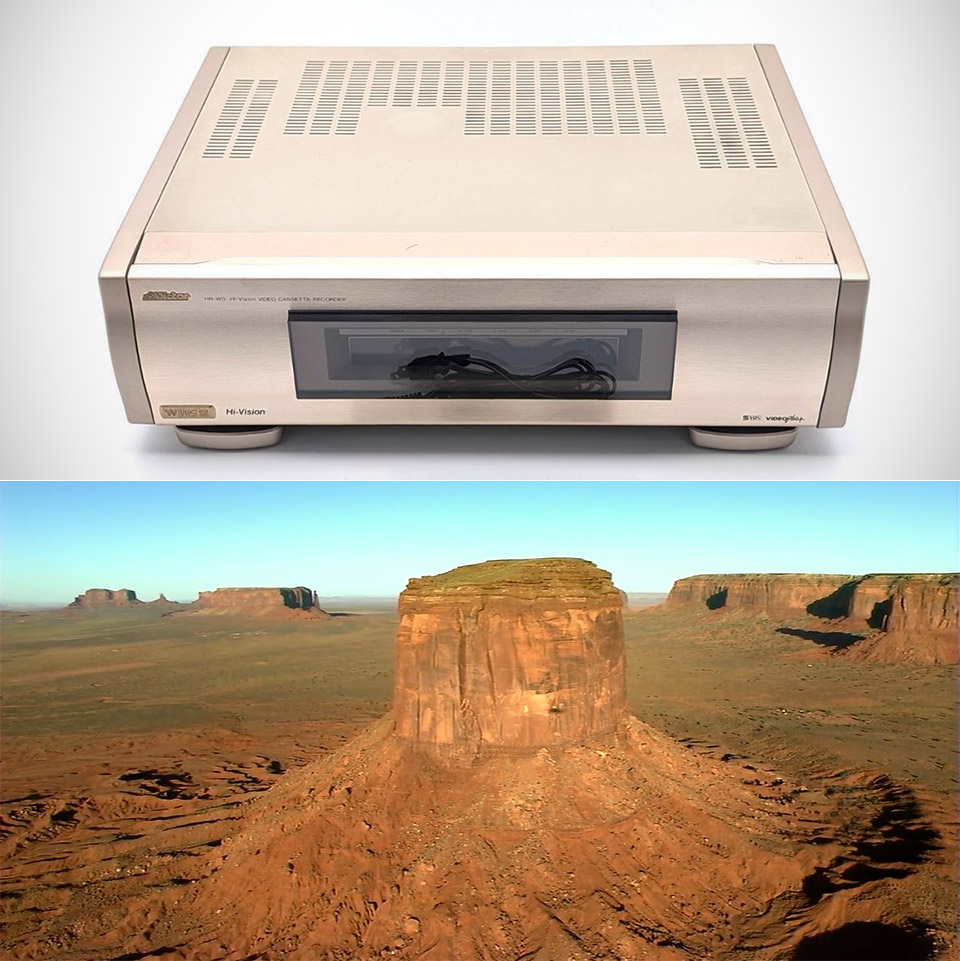
JVC’s W-VHS VCR made a splash in the analog tape world when it debuted in 1993, and with good cause. Engineers at the business decided to go all out on the tried-and-true VHS cassette casing, upgrading the tape and devising some ingenious ways to load high definition video onto it a few years before digital formats truly took hold. From the outside, the product appeared to be any ordinary VCR, but, surprise, under the hood, it is managing signals far beyond the capabilities of a standard VHS.
MUSE, the Japanese Hi-Vision broadcast system, required a mechanism to record its high-definition images at home, thus JVC developed W-VHS (short for Wide-VHS). Their first machine, the Victor HR-W1, was released on December 28, 1993. It receives the 1125-line interlaced signal from Hi-Vision tuners via analog component connections (separate channels for luminance and color difference), and when playback time arrives, it produces sharp, wide-screen images that dwarf anything you’d normally see on a television at the time.
Full HD Portable Monitor – MNN 15.6inch portable laptop monitor with 1920*1080 resolution, advanced IPS matte screen support 178° full viewing angle…
Double Type-C Port -For Plug & Play, the MNN monitor provides 2 Full Feature Type-C ports. Only One USB Type-C Cable is required to connect to the…
Lightweight Ultra Slim for Travel – As a portable external monitor,MNN portable laptop monitor easily accommodate to every suitcase and backpack and…
Standard VHS used to try to jam color and brightness onto the same tape, resulting in reduced detail and distortion. W-VHS turned the entire methodology on its head. It records in component form, keeping those two items distinct so they don’t interfere with one another. It then lays down two parallel tracks for each video field using a dual-track system, which can have up to 12 heads on the drum in some models.Luminance spans both tracks, whereas the two color signals are delivered in compressed bursts on either track. This ‘time-compression integration’ approach doubles data throughput without stretching the tape channel to its limit or speeding up the reels to breakneck speeds.
Advertisement
Bandwidth ended up being quite outstanding for a tape-based system, with luminance reaching roughly 12 MHz in high-definition mode, a far cry from the 3 MHz seen on consumer VHS. Horizontal detail reaches around 960 pixels equivalent per line, while vertical resolution approaches 1035 active lines per frame when the interlaced structure is taken into account. The chroma resolution suffers slightly as a result of the sequential recording, but the overall image remains clear and detailed. Then there’s the audio, which is presented as digital PCM files, providing a level of clarity that matches the video enhancement.
The best part is that W-VHS decks maintain a high level of compatibility with ordinary VHS and S-VHS cassettes, allowing you to play or record them without any issues. So, aside from capturing regular broadcasts or even two standard-def signals at once to help kickstart early 3D experiments, you’re looking at around 2+ hours on tape in high-def mode on the right cassettes, which use that higher-density metal particle coating inside the familiar shell.
Of course, the primary barrier that prevented W-VHS from catching on was the cost of the devices. They were pricey and were primarily purchased in Japan by Hi-Vision enthusiasts, with a few appearing worldwide for medical imaging purposes. By the time digital formats such as DVD appeared, analog high-definition tape seemed like a dead end. Production virtually ceased, and today, all these years later, a small group of ardent collectors and W-VHS machines appear on occasion, despite the fact that they have been largely forgotten. [Source]
The Men’s T20 World Cup moves into its next phase this week as the Super Eights get under way. The original 20-team field has been reduced to eight contenders, featuring many of the tournament’s heavyweights — though notably without Australia, who were knocked out by Zimbabwe.
The format is straightforward: two groups of four, with the top two from each progressing to the semi-finals, as India, South Africa, West Indies and Zimbabwe make up Group 1, while England, New Zealand, Pakistan and Sri Lanka form Group 2.
Platforms like Willow TV on Sling (US), JioHotstar (India), and Prime Video (Australia) will stream the World Cup matches, this’ll require you to get a paid subscription. But, fear not we have found a simple way that you can stream every match of the Super Eights for free from anywhere in the world…
Advertisement
How to watch the Super 8 for free
Every match of the Super Eight at the T20 World Cup is streaming live and free on ICC.tv in select countries and on Tamasha in Pakistan.
ICC.tv isn’t available in England, South Africa, New Zealand, Australia or India without a VPN, and Tamasha is Pakistan-only, but you can unlock both free streams in seconds with NordVPN.
A VPN lets you watch all your usual content as if you were back at home.
Advertisement
Sign up to ICC.tv or watch on Tamasha for free (no account required), switch on your VPN 🔐, and start streaming from anywhere in the world.
And right now you even get a free Amazon Gift Card (up to $50) included if you purchase one of their plans…
Advertisement
What devices and platforms are supported by NordVPN?
Amazon Fire Stick (Android TV OS 7.0 and up) Android (Android 7.0 and up) Chromecast iOS (iOS 15 and up) iPadOS (iPadOS 15 and up) Web browsers (Chrome, Edge, Firefox, Safari)
Although you can’t run NordVPN directly on other devices, such as PlayStation and Xbox consoles, TVs running Apple TV and various other smart TV systems, and VR headsets, an easy workaround is running NordVPN on your smartphone or computer and setting up a hotspot.
Advertisement
Super 8 Groups
Group A: India, South Africa, West Indies, Zimbabwe Group B: England, Pakistan, New Zealand, Sri Lanka
Super 8 Fixture List
Swipe to scroll horizontally
Date (2026)
Fixture
Advertisement
IST
GMT
ET
Feb 21
Advertisement
New Zealand vs Pakistan
7 pm
1.30 pm
8.30 am
Advertisement
Feb 22
England vs Sri Lanka
3 pm
9.30 am
Advertisement
5.30 am
Feb 22
India vs South Africa
7 pm
Advertisement
1.30 pm
8.30 am
Feb 23
Zimbabwe vs West Indies
Advertisement
7 pm
1.30 pm
8.30 am
Feb 24
Advertisement
England vs Pakistan
7 pm
1.30 pm
8.30 am
Advertisement
Feb 25
New Zealand vs Sri Lanka
7 pm
1.30 pm
Advertisement
8.30 am
Feb 26
West Indies vs South Africa
3 pm
Advertisement
9.30 am
5.30 am
Feb 26
India vs Zimbabwe
Advertisement
7 pm
1.30 pm
8.30 am
Feb 27
Advertisement
England vs New Zealand
7 pm
1.30 pm
8.30 am
Advertisement
Feb 28
Pakistan vs Sri Lanka
7 pm
1.30 pm
Advertisement
8.30 am
Mar 1
South Africa vs Zimbabwe
3 pm
Advertisement
9.30 am
5.30 am
Mar 1
India vs West Indies
Advertisement
7 pm
1.30 pm
8.30 am
We test and review VPN services in the context of legal recreational uses. For example: 1. Accessing a service from another country (subject to the terms and conditions of that service). 2. Protecting your online security and strengthening your online privacy when abroad. We do not support or condone the illegal or malicious use of VPN services. Consuming pirated content that is paid-for is neither endorsed nor approved by Future Publishing.
A wounded England and a galvanized Ireland face off at Twickenham this Saturday in what looks like a second-place decider – possibly more if France slip up somewhere down the line. Andy Farrell’s men had entered the Six Nations as title hopefuls, a tag that latched onto Steve Borthwick’s group when Ireland were annihilated in their opener… only for England to be shredded by an out-of-sorts Scotland.
More than any other fixture, this is the one both teams must win in order for their respective campaigns not to be written off as a complete failure. The line really is that fine. England’s Triple Crown hopes are gone, and they’ll want to ensure that Ireland aren’t able to claim it instead.
What’s most intriguing of all is that these are two strong teams with glaring weaknesses right now. When England’s kicking game doesn’t work, they don’t seem to have a Plan B, while Italy showed that Ireland haven’t yet fixed their well-known scrum issues.
Advertisement
Recognizing the need for an injection of positivity, Borthwick has handed England’s provocateur-in-chief Henry Pollock his first ever Test start. Wing Henry Arundell has an opportunity to redeem himself after leaving England a man down for 30 minutes of their shock 31-20 defeat to Scotland.
Farrell, meanwhile, has dropped the under-fire Sam Prendergast for Jack Crowley. The Munster fly-half steered Ireland to the title two years ago, and there’s a real possibility that Italy would have held on to beat Ireland last weekend if it wasn’t for his late introduction off the bench.
Read on below for our guide on where to watch England vs Ireland on TV and get Six Nations 2026 free streams online.
Advertisement
Watch England vs Ireland for FREE
This game – along with every other match of the 2026 Six Nations – will be streamed live and free across the UK and Ireland. The England vs Ireland live stream is set to be shown on:
What if you’re abroad? Use NordVPN to unlock your free stream — more on that below.
Advertisement
How to watch any England vs Ireland stream using a VPN
A VPN is handy piece of software that can make your device appear as if it’s back in your home country, so you can unlock your usual service. The best VPN right now? We recommend NordVPN – it does everything and comes with a 74% discount and Amazon Gift Card thrown in on some plans.
How to watch England vs Ireland live streams in the US
England vs Ireland and all 2026 Six Nations matches will be live streamed on Peacock in the US.
How to watch England vs Ireland live streams in New Zealand
Sky Sport NZ is the Six Nations 2026 TV rights holder in New Zealand.
You can access Sky Sport through satellite TV or get an England vs Ireland live stream, with the Sky Sport Now subscription service starting at $29.99 per day or $54.99 per month. You can also stream the T20 World Cup on the platform.
Missing the England vs Ireland game because you’re abroad?NordVPN will give you access to your home streaming service.
Advertisement
How to watch England vs Ireland in Japan
(Image credit: Future)
In Japan, England vs Ireland will be live streamed on Wowow. Prices start at ¥2,530 ($16) per month.
Visiting Japan from England or Ireland? Tap into your free coverage using a VPN like NordVPN.
What is the England vs Ireland start time?
The scheduled England vs Ireland kick-off time on Saturday, February 21 is 2.10pm GMT local time in London, which is 9.10am ET / 6.10am PT in the US.
Can I watch England vs Ireland on my mobile?
Of course, most broadcasters have streaming services that you can access through mobile apps or via your phone’s browser. For example, ITVX, Peacock and RTÉ Player all have dedicated apps.
Advertisement
You can also stay up-to-date with all things Six Nations on the official social media channels on X (@SixNations), YouTube (@Men’sSixNations) and Instagram (@SixNationsRugby).
We test and review VPN services in the context of legal recreational uses. For example: 1. Accessing a service from another country (subject to the terms and conditions of that service). 2. Protecting your online security and strengthening your online privacy when abroad. We do not support or condone the illegal or malicious use of VPN services. Consuming pirated content that is paid-for is neither endorsed nor approved by Future Publishing.
The round was backed by big names including Nvidia, AMD and Autodesk.
Fei-Fei Li’s AI start-up World Labs has raised $1bn to advance spatial intelligence – effectively, generative AI “world models” capable of interacting with complex virtual worlds.
Last November, World Labs launched its first commercial product called Marble that generates 3D virtual worlds from image or text prompts.
With this new funding, the start-up wants to continue building AI models to “revolutionise storytelling, creativity, robotics [and] scientific discovery”.
Advertisement
The round was backed by big name investors including Nvidia; AMD; Fidelity Management and Research Company; Autodesk; Emerson Collective; and Sea.
The start-up did not disclose its post-funding valuation, however, reports from last month estimated it to end up at $5bn. Autodesk has invested $200m in World Labs as part of the round, and with the funding, has also taken an advisory role in the start-up.
“Autodesk has long helped people think spatially and solve real-world problems and, together, we share a clear purpose – building physical AI that augments human creativity and puts more powerful tools in the hands of designers, builders and creators,” Li said.
Li is often referred to as the ‘godmother of AI’, thanks to her groundbreaking work on ImageNet. Her start-up World Labs came out of stealth in 2024, and was valued at around $1bn after a $230m investment round that included Andreessen Horowitz, Nvidia’s venture arm and Radical Ventures, where she is herself a scientific partner.
Advertisement
World Labs describes itself as a “spatial intelligence company, building frontier models that can perceive, generate, reason and interact with the 3D world”. It describes its AI products as “large world models”.
Li called AI a “civilisational technology” in an interview with Bloomberg late last year. “I believe spatial intelligence is as critical [as] – and complementary to – language intelligence,” she said.
The World Labs co-founder is a professor at the computer science department at Stanford University and has served as director of the university’s AI Lab. She is currently the co-director of the Stanford Human-Centered AI Institute and has previously served as the chief scientist at Google Cloud.
Don’t miss out on the knowledge you need to succeed. Sign up for the Daily Brief, Silicon Republic’s digest of need-to-know sci-tech news.
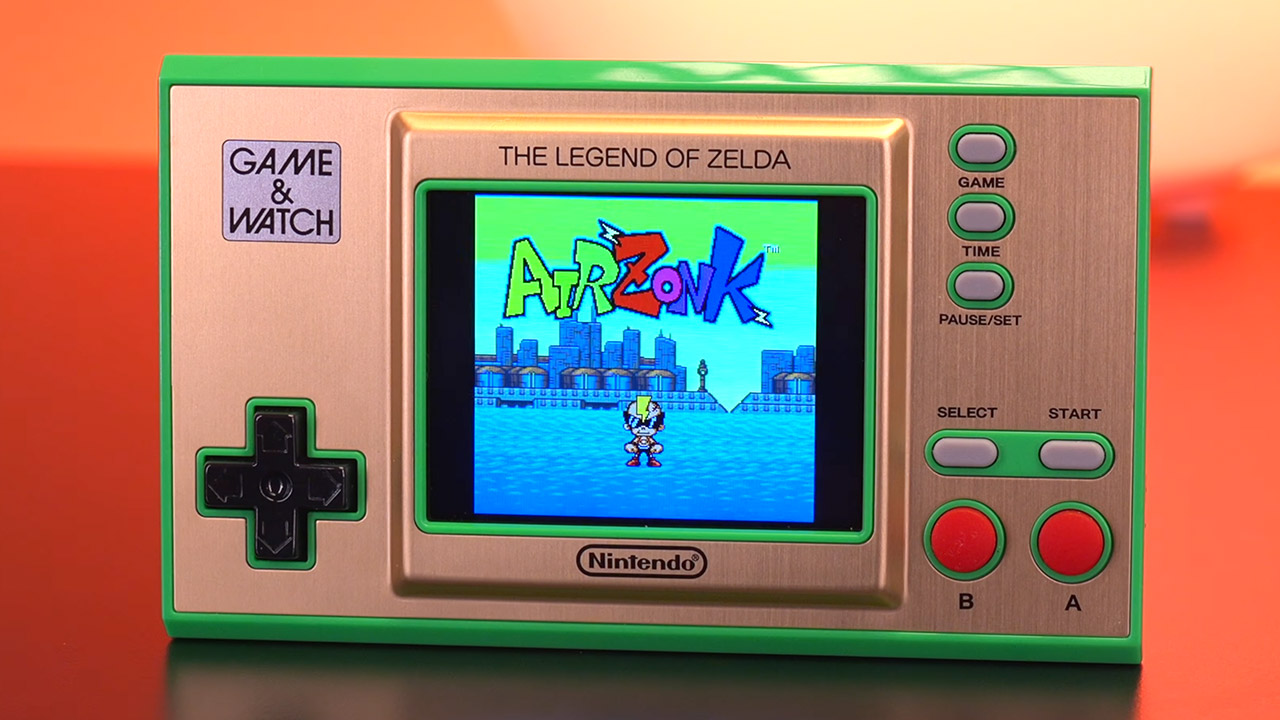
Tito of Macho Nacho Productions takes out his trusty screwdriver and goes to work on a limited edition Zelda Game & Watch from Nintendo that he received in 2020. This portable includes three iconic games: the original Legend of Zelda, Zelda II: The Adventure of Link, and Link’s Awakening from the Game Boy. It comes with a great collection of features out of the box, including a crisp LCD screen, a nice D-pad, and separate start and select buttons. The battery life is adequate, and it even has a USB-C charging connection, but Tito wants to take this device to the next level.
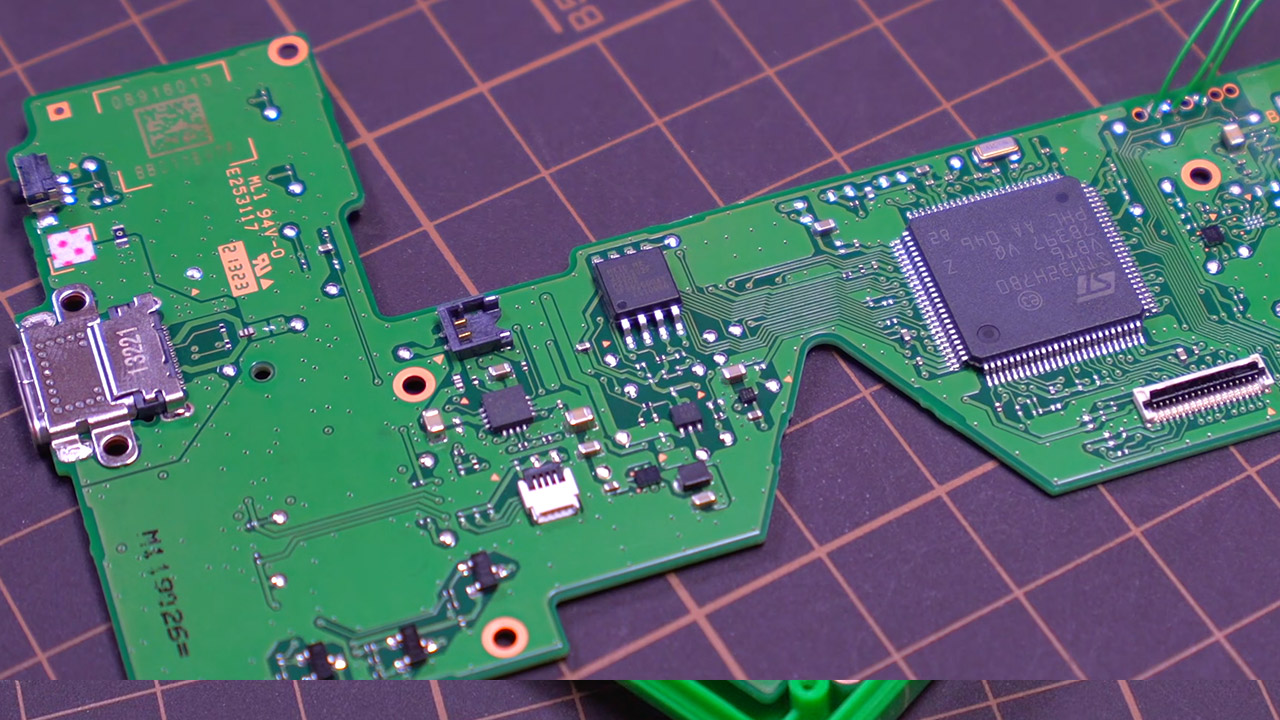
First, he removes four screws from the back plate, disconnects the battery, and then pulls out the two ribbon cables that link to the LCD. The speaker desolders, giving him some freedom to operate with. The motherboard is then released by removing ten additional screws. Tito connects an ST-Link programmer to the SWDIO, ground, and SWCLK pads as he boots up his PC and launches PowerShell as an administrator. He utilizes Chocolatey to install Python, Pipix, OpenOCD, and G&W Manager from GitHub. The unlock command is executed, and the device displays a blue screen. Everything appears to be in order.
With a retro look, legendary flourishes, and the power to save Hyrule, the Game & Watch: The Legend of Zelda system is a tribute to 35 years of the…
Included are three Full Legend of Zelda games; The Legend of Zelda, Zelda II: The adventure of Link, and the Legend of Zelda: Link’s Awakening.
There’s also a version of the Game & Watch classic, Vermin, starring Link, and a playable clock and timer.
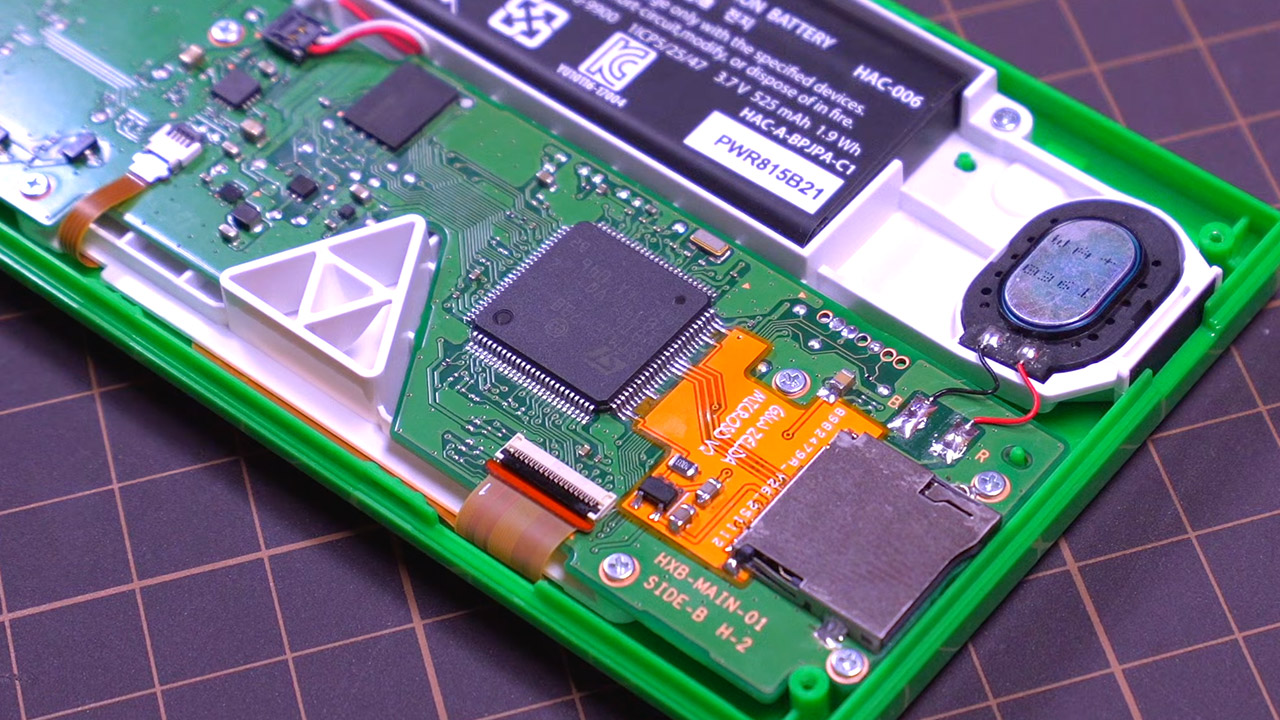
Tito removes the original 16MB flash chip, which is a bit of a bottleneck, and heats it with a hot air station before applying flux to the pads. Tin foil and Kapton tape protect the area to prevent the neighbors from becoming too hot, and then it comes off clean. He cleans the pads, inserts a new 64MB chip, and reconnects the cables. G&W Manager flashes some custom firmware onto the device, which actually works for a second before halting at step 13. A retry resolves the issue, and Tito resumes business.
The next step is to create a custom ribbon cable by soldering a couple of capacitors, a resistor, and an LDO regulator on. He inserts a microSD card slot and reduces the alignment posts flat. He aligns the ribbon pins with the CPU pads, connects a wire to a capacitor, and then uses a rotary tool to scrape off the soldermask and reveal the ground plane. With a little wire and some work, the microSD slot is fully operational. Tito next tackles the rear shell mods, removing the D-pad posts, drilling four holes with 3D-printed jigs, and smoothing out the edges with a file to ensure everything is nice and flush.
With all of the mod completed, it’s time to launch his own firmware. He downloads the firmware update binary from RetroGo SD on GitHub, places it on a FAT32 microSD card, and turns the device on to install it. Once completed, he restarts it and enters RetroGo – from there, it’s as simple as adding some ROMs for the Game Boy, NES, SEGA Genesis, TurboGrafx-16, and other systems. Super Mario World works well, and Zelda: A Link to the Past is as crisp as ever.
Ubisoft has had a turbulent few years, but its biggest franchises are clearly not going anywhere. In an interview with Variety, CEO Yves Guillemot confirmed that multiple Assassin’s Creed titles and two new Far Cry games are currently in development, signaling a renewed focus on the company’s most reliable blockbuster series.
Ubisoft
The update arrives during what Ubisoft has described as a major reset. The company has undergone layoffs, canceled projects, and reorganized studios as it tries to stabilize after several difficult years. Against that backdrop, Guillemot’s message was simple. Ubisoft plans to lean heavily on the franchises that consistently attract massive audiences. For Assassin’s Creed, Guillemot said “several titles” are in development, spanning both single-player and multiplayer experiences. The goal is to keep growing a community that already surpassed 30 million players last year. On the Far Cry side, Ubisoft confirmed two promising projects, widely expected to include the next mainline entry and a long-rumored multiplayer spin-off.
A future built around blockbuster franchises
This renewed emphasis ties directly into Ubisoft’s broader restructuring strategy. The company has created new “creative houses” designed to give major franchises more autonomy while improving accountability and production efficiency. One of those units, Vantage Studios, is responsible for Ubisoft’s biggest brands, including Assassin’s Creed, Far Cry, and Rainbow Six. The idea is to treat these series as long-term ecosystems rather than standalone releases, helping Ubisoft deliver a steadier pipeline of games and content over time.
Ubisoft
The shift also reflects lessons learned from the pandemic era. Ubisoft admitted it had launched too many projects and is now scaling back to focus on fewer, bigger bets. For players, that likely means a more predictable future. Instead of scattered experiments, Ubisoft’s roadmap looks increasingly centered on expanding the worlds fans already know.
Ubisoft
While Ubisoft did not share release windows or gameplay details, the confirmation alone matters right now. After months of layoffs and uncertainty, fans finally have reassurance that Assassin’s Creed and Far Cry remain core pillars of Ubisoft’s future. Whether that excites or worries players will depend on how Ubisoft balances quantity with quality.
For the past century, facial recognition technology (FRT) has existed largely in the realm of science fiction. From dystopian literature and film to speculative headlines and industry conjecture, FRT has long been portrayed as futuristic, invasive or experimental.
Yet behind the scenes, facial recognition has been quietly maturing, particularly over the past two decades.
Tony Kounnis
CEO of Face-Int UK and Europe.
In 2026, that maturation looks like it will reach a tipping point: FRT will no longer be perceived as cutting-edge or novel, but as a dependable, everyday enterprise technology.
This shift matters more than it might first appear. We talk about technologies becoming “boring”; it’s an important step, meaning the tech stops being treated as experimental, the hype starts to quieten down, and instead the actual solutions start to be relied upon as business-critical infrastructure.
Cloud computing followed this path. So did multi-factor authentication. AI is fast getting there. And facial recognition is now on the same trajectory.
The market signals are clear. For instance, the global facial recognition market size was valued at as estimated $8.83 billion in 2025, and this figure is projected to grow from $10.13 billion in 2026 to $30.52 billion by 2034 – a CAGR of 14.80% over the next eight years.
But a growth in investment and market value does not equal maturity. What marks 2026 as pivotal is how organizations are beginning to embed facial recognition into routine operations, not necessarily as a headline innovation but as a supporting layer that improves efficiency, security and decision-making.
Advertisement
Sign up to the TechRadar Pro newsletter to get all the top news, opinion, features and guidance your business needs to succeed!
FRT moves from pilot to production
Across sectors, FRT is moving out of pilot programs and into production environments. In border control, transport and travel, biometric identity checks are becoming a standard part of passenger flow management, helping organizations reduce friction while maintaining security.
In financial services, facial recognition is increasingly used to strengthen identity verification, protect against fraud and support remote onboarding, particularly as digital-only interactions become the norm.
Advertisement
In workplaces, healthcare environments and secure commercial premises, facial recognition is being deployed to manage access control and ensure that only authorized individuals enter sensitive areas.
What these use cases have in common is not novelty, but necessity. As organizations scale, operate across distributed environments and face increasingly sophisticated security threats, traditional methods of identity assurance are showing their limits.
Passwords can be stolen. Cards can be shared. Manual checks do not scale. Facial recognition, when implemented correctly, offers a friction-light alternative that fits modern operational realities.
Advertisement
However, becoming “boring” does not mean becoming invisible or unaccountable. On the contrary, as facial recognition becomes foundational, expectations around reliability, accuracy and governance rise sharply.
Businesses adopting FRT in 2026 will no longer be able to treat it as a specialist tool managed in isolation by IT teams. It will sit alongside core systems, subject to the same scrutiny as any other business-critical technology.
Expect scrutiny – embrace it
Scrutiny is a key word here. And this is where recent public debate offers important lessons.
Advertisement
The UK police have been using FRT with greater frequency. For instance, the Met Police announced in January that more than 100 wanted criminals were arrested by the Metropolitan Police within the first three months of a pioneering Live Facial Recognition (LFR) pilot in Croydon.
Meanwhile, Home Secretary Shabana Mahmood promptly followed the news by saying they the government would be going ahead with plans to expand facial recognition.
Yet this story came as campaigners have been appearing in the High Court, saying that the technology is expanding without adequate safeguards.
The debate in the policing sector mirrors broader concerns around privacy, bias and accuracy. They are not necessarily obstacles to adoption for businesses across other sectors, but they are certainly signals of where the FRT industry must continue to improve.
Advertisement
Facial data is inherently sensitive, and its use demands higher standards of protection and transparency. For business leaders, this means moving beyond a narrow focus on technical performance and considering the broader implications of deployment.
Accuracy, for example, is not a static metric. Performance can vary depending on lighting, camera quality, demographic diversity and operational context.
Organizations must understand that responsible deployment requires ongoing testing and monitoring, not one-off validation. Similarly, privacy cannot be bolted on after implementation. Principles such as data minimization, clear purpose limitation and secure storage need to be built into systems from the outset.
Advertisement
Trust must still be earned
Trust is another critical factor as facial recognition becomes mainstream. In enterprise environments, trust extends beyond end users to employees, partners, regulators and investors.
Businesses need to be able to explain why facial recognition is being used, what safeguards are in place, and how risks are managed. Transparency and accountability will increasingly differentiate responsible adopters from those who treat FRT as a black-box solution.
There is also a strategic dimension to this transition. As facial recognition becomes part of everyday operations, it shifts from being a purely technical decision to a business one.
Boards and senior leaders must understand how biometric technologies fit within their organization’s risk framework, data governance strategy and long-term digital roadmap. In this sense, the “boring” phase of facial recognition is also the most demanding.
Advertisement
In 2026, the organizations that succeed with facial recognition will be those that treat it with the same discipline applied to other mature technologies.
They will select solutions based not only on capability, but on compliance, resilience and ethical design. They will involve legal, security and data protection teams early, rather than as an afterthought. And they will recognize that earning trust is an ongoing process, not a one-time achievement.
Facial recognition is no longer science fiction, and it is no longer experimental. Its transition into everyday business technology is well underway. So, the challenge is not simply whether it works, but how responsibly it is used.
If organizations get that right, facial recognition will fade into the background of daily operations – not because it is insignificant, but because it is reliable, well-governed and fit for purpose. And that, ultimately, is what technological maturity looks like.
This article was produced as part of TechRadarPro’s Expert Insights channel where we feature the best and brightest minds in the technology industry today. The views expressed here are those of the author and are not necessarily those of TechRadarPro or Future plc. If you are interested in contributing find out more here: https://www.techradar.com/news/submit-your-story-to-techradar-pro