Tech
Rare Capcom 1996 Studio Tour Shows The Everyday Rooms Where Legends Took Shape

Capcom sat at the height of its creative run in 1996. Street Fighter Alpha 2 was packing arcades. Mega Man 8 and Mega Man X4 were preparing for home consoles. Breath of Fire III was taking shape as a major role-playing release. Star Gladiator was about to become the company’s first true 3D fighting game.


Resident Evil had already begun rewriting what horror could do on the PlayStation. In the middle of that surge, the company mailed a short VHS tape to members of its Japanese fan club. The tape offered something almost no one outside the company ever saw: a walk through the actual development floors where those games were being made.
Sale


Iconic Arcade Street Fighter II: The World Warrior XT – Home Arcade Machine
- Relive the Arcade Era: Celebrate the legacy of Street Fighter with a 9/10 scale cabinet that captures the look, feel, and excitement of the iconic 90s…
- Precision Gameplay: Perform your favorite combos with responsive joysticks and buttons, delivering authentic arcade-style control you know and love.
- 15+ *Legendary Games: Choose from *15+ classic Capcom titles, including Street Fighter favorites, for endless hours of competitive and nostalgic…
The tour begins with a warm welcome as members of the Capcom Friendly Club receive their membership cards, notebooks, and a bagpack full of extras, as well as a fan book or movie like this one every two months. The host explains the club, claiming its major goal is to keep gamers close to the individuals who create the games. The camera then takes us into the research and development building, which the voiceover refers to as Capcom’s heart.
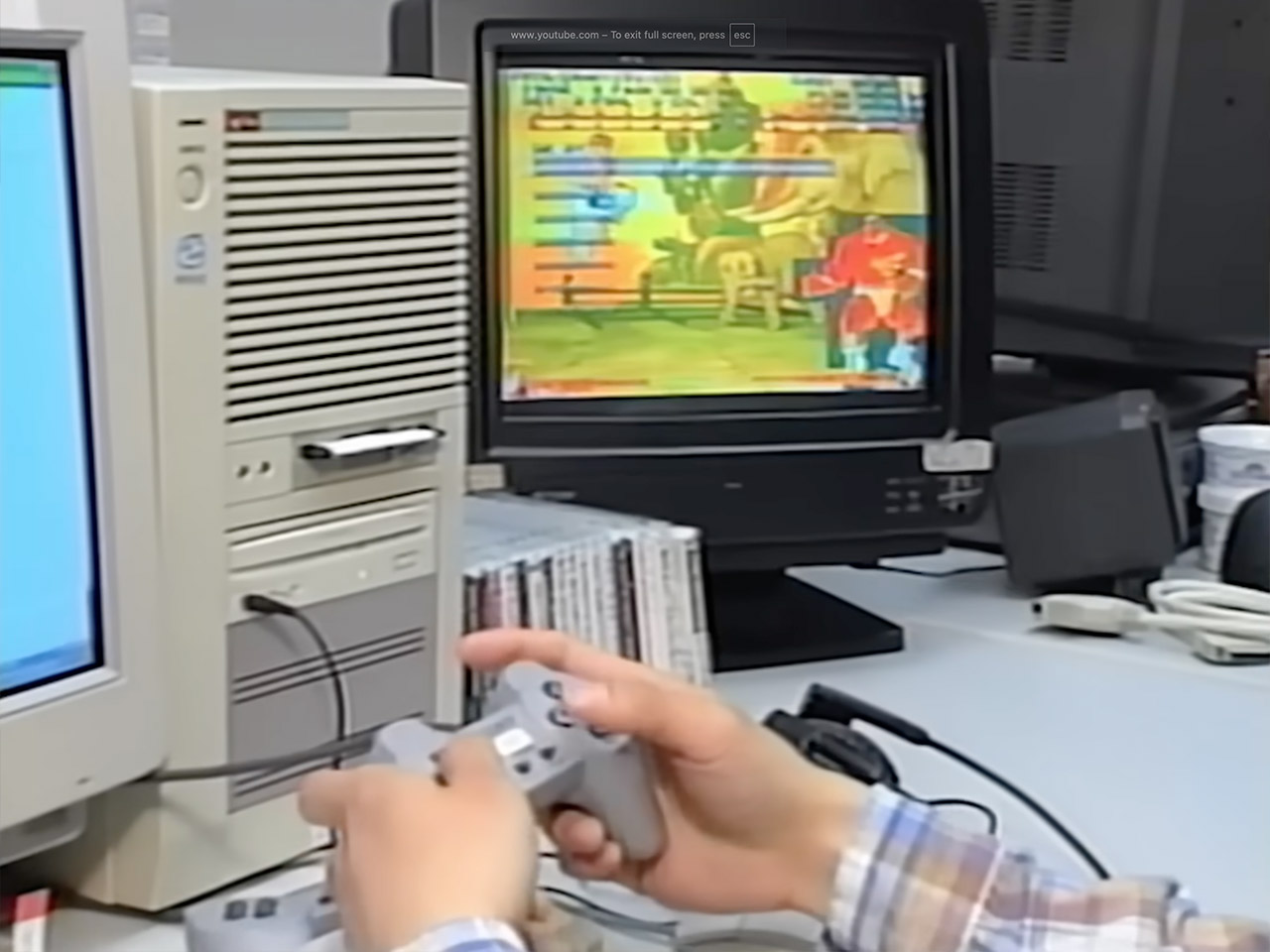
Things begin with planning, as the producers have the final say on each project, providing precise guidelines that guide all that follows. Staff are seated at tables packed high with documents and sketches. To the outside spectator, it appears to be business as usual: people speaking, pointing to papers, and making decisions that will determine whether a game simply feels good or utterly comes apart. The narrator portrays this as difficult and time-consuming, but those engaged make it sound like it’s just part of the process of transforming a concept into something tangible.

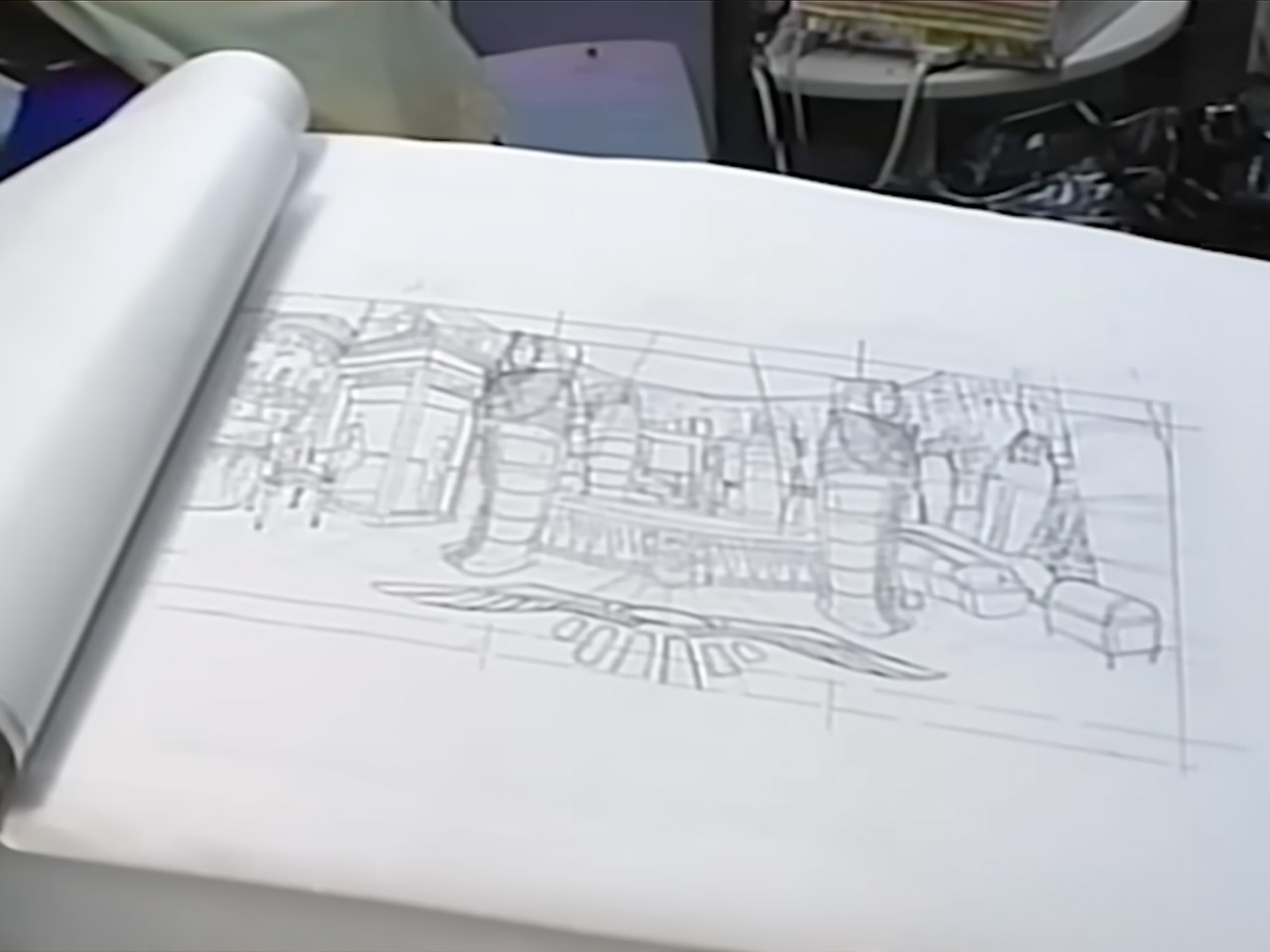
Next, we get to the artists, where character animators work with stacks of drawings, stitching together loads of separate frames to create a fluid jump or walk from a fighter or robot on screen. Meanwhile, the background designers are busily filling out papers with small details. Even the simplest elements attract attention. There’s a time when we see the artists focusing on the small items that help to make the game environment feel full. There are pencils, rulers, and reference photos all over the workstations.

Promotional illustrations have their own section, and artists are redrawing original character art for use on posters and periodicals. Many players will encounter a Capcom character for the first time thru one of these images rather than by playing the game. The staff claims to go all out on each item so that the completed product feels as good as the game. Old-school drawing equipment are scattered across the tables, and the room is quiet, with everyone concentrating on their work.
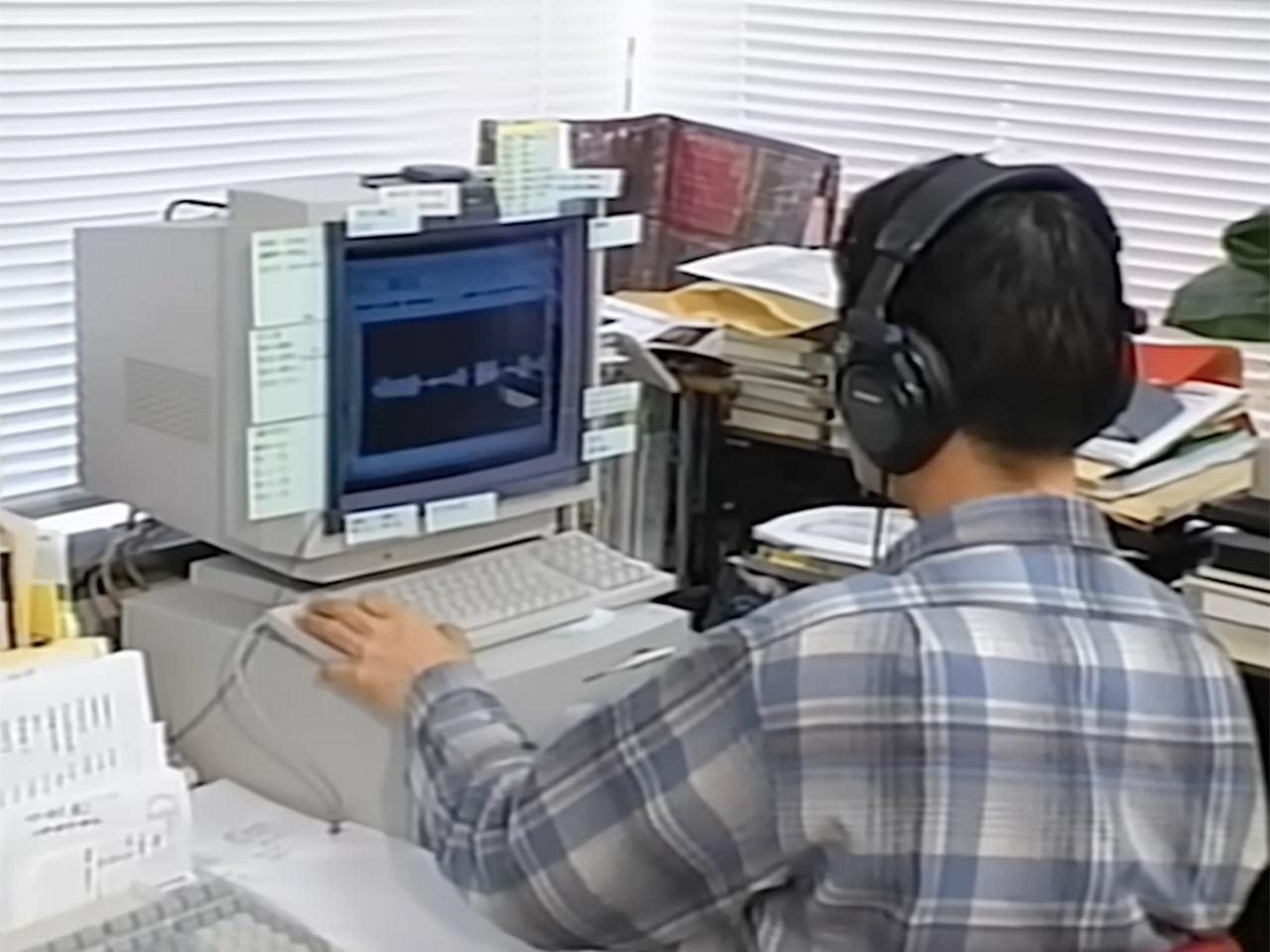
Sound work follows, in which composers are busy producing 100 pieces of music for a single title before cutting it down to the top fifty or so. They relate it to bringing extra water for a long journey. The tape includes a sample of the sharp, rising music for a well-known Street Fighter special move. Engineers sit at mixing equipment that appears to be out of date by today’s standards, with headphones connected to their desks. There are also the customary keyboards and ancient digital gear filling up the area, but it’s clear what they want: the sound should immerse the user in the experience.
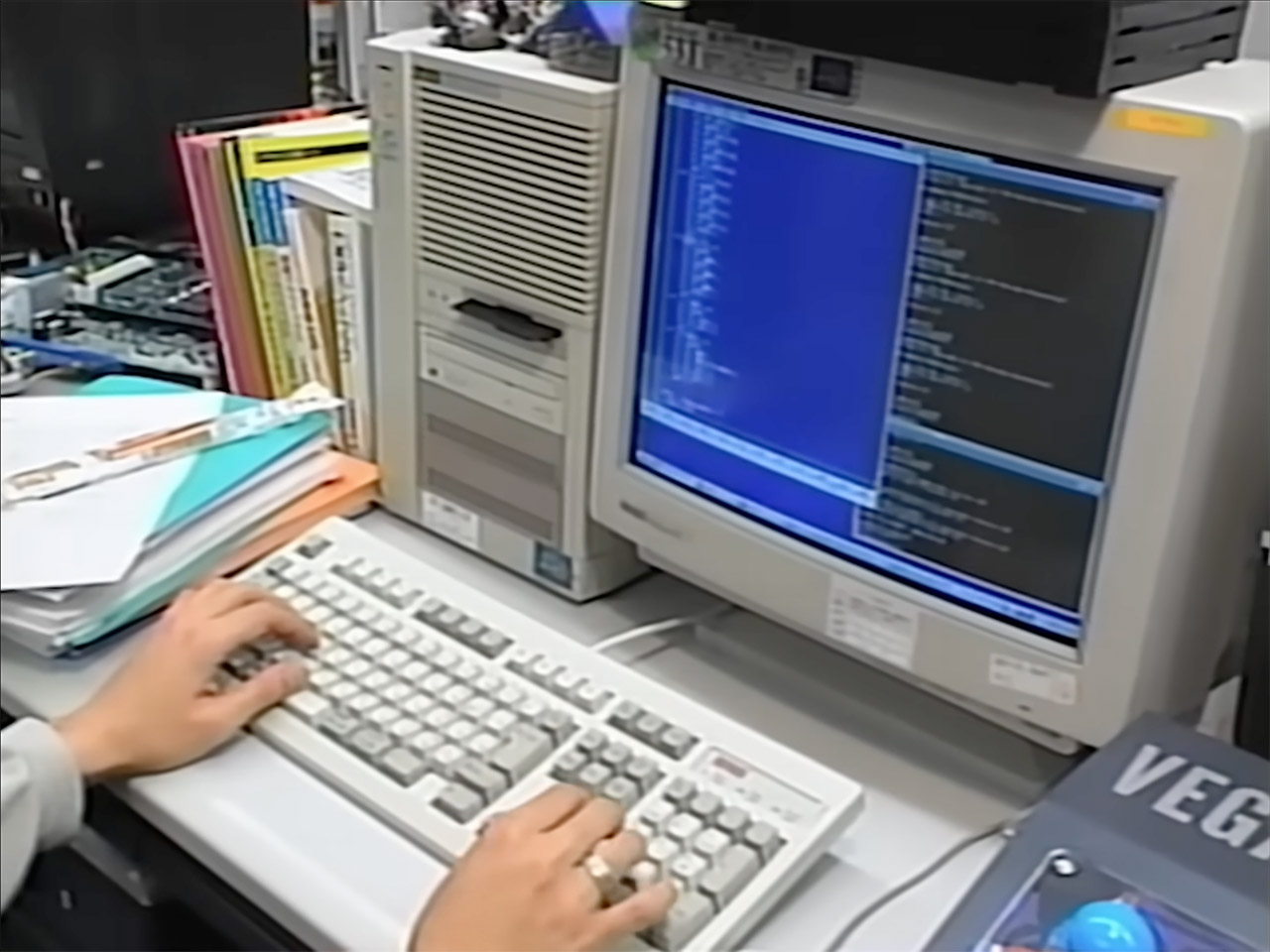
The next room over is where the programmers, or “software men,” do their job. Their goal is to get all of the animation, backgrounds, and music to work without crashing, and the screens are just one giant puzzle with lines of code that most people don’t understand. The problem is that one incorrect entry can bring the entire game to its knees. The camera shows them typing steadily, verifying the findings, and then moving on. It’s a job well done, but virtually unnoticed once the finished product reaches players.
You must be logged in to post a comment Login