Tech
Raspberry Pi CM5-Based Cyberdeck Looks Like a Computer Straight from The Matrix
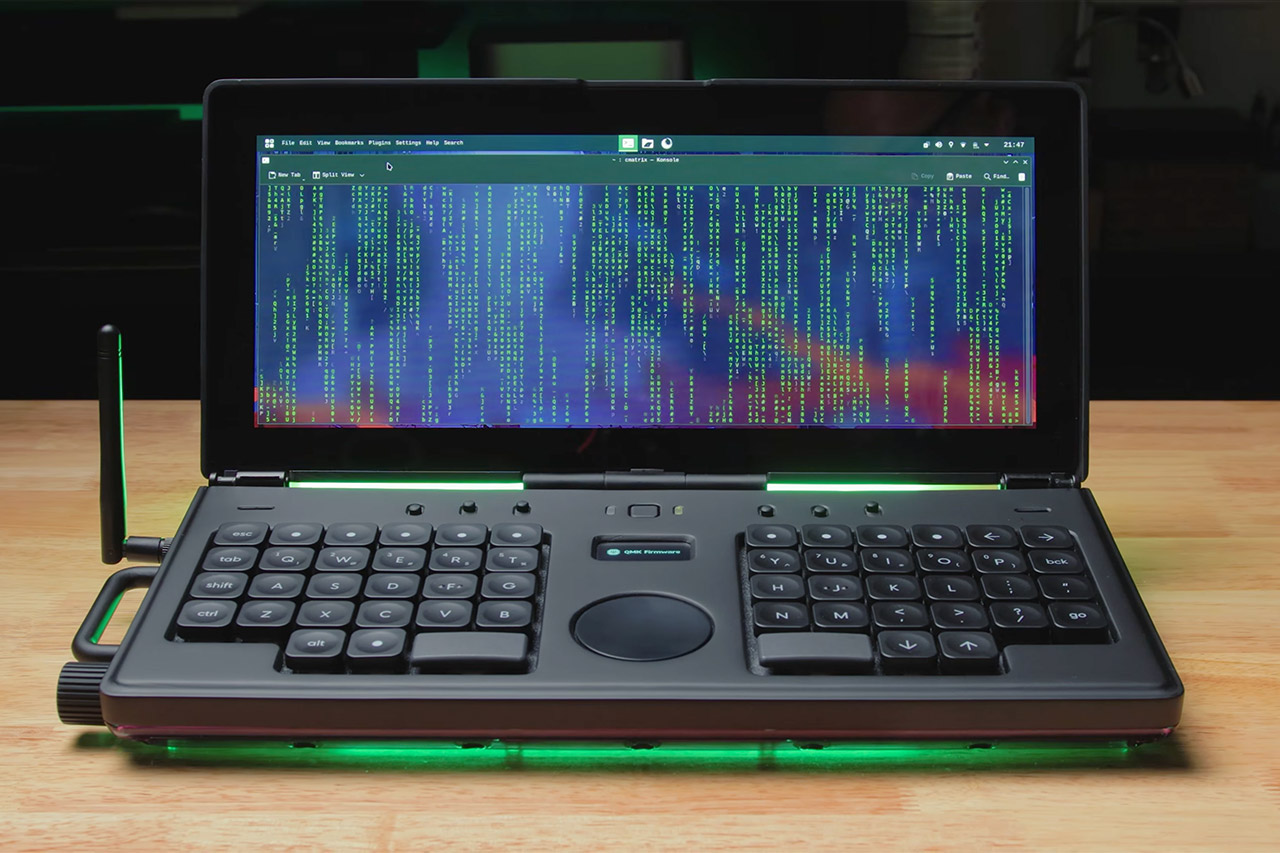
Salim Benbouziyane spent months obsessively designing a computer that folds up like a typical laptop but includes all sorts of custom features that you won’t find in any ordinary off-the-shelf machine. He refers to it as the CM Deck, and every aspect of its design stems directly from his decision to use the Raspberry Pi Compute Module 5 as the foundation of the project.


A standard Raspberry Pi includes everything you’d expect, such as ports and cooling, but the Compute Module 5 reduces those down to the bare bones, giving Salim a lot more creative freedom. He had to create his own unique carrier board to go with it, giving him complete control over where every component ended up on the board. This allowed him to fit everything inside a sleek clamshell form without adding unnecessary mass.
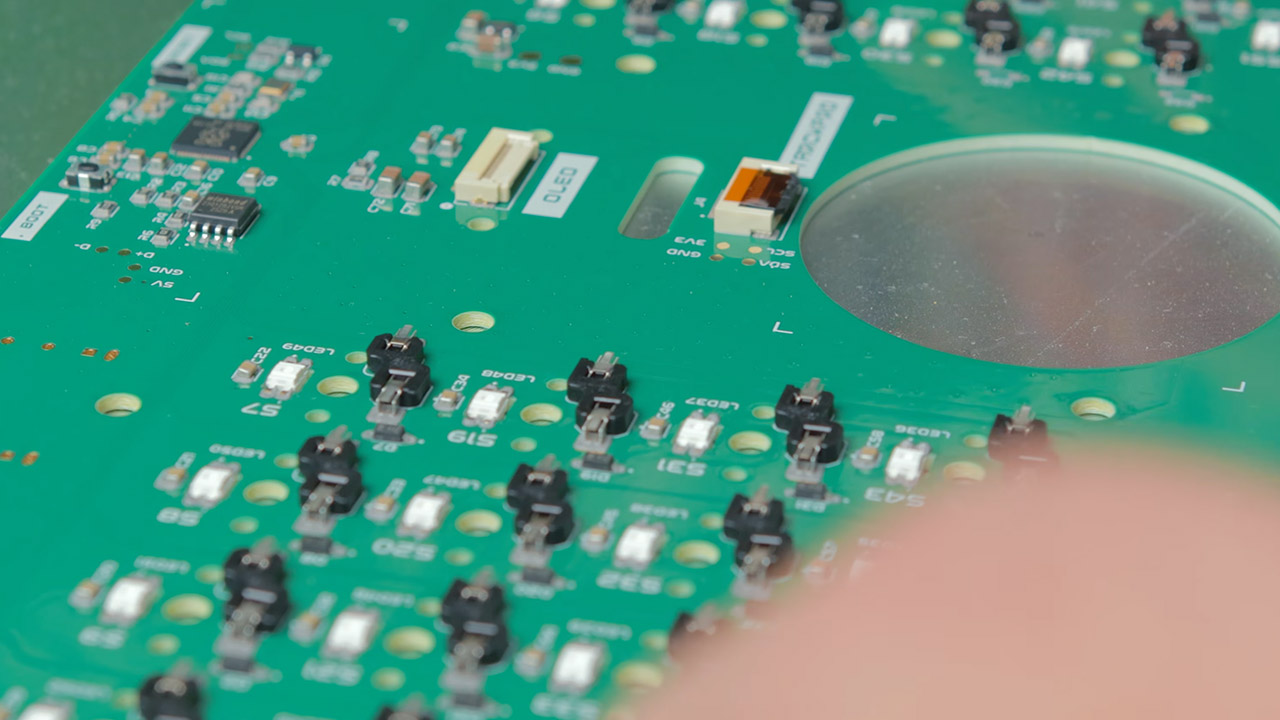
The modified PCB houses the operation’s brains, which are responsible for carefully handling high-speed signals, adhering to the official Raspberry Pi layout when necessary, and adding a few bits on the side to provide extra functionality. So there’s a built-in USB hub for connecting internal devices, some GPIO pins for further versatility, an audio circuit to power speakers and headphone jacks, and power management handled by a dependable UPS module. Two 5000 mAh batteries, slid in side by side, power the entire build and will keep it going for approximately 4 hours under normal use. Oh, there’s also some clever circuitry that monitors battery levels and ensures the machine shuts down securely when it’s time to pack up.

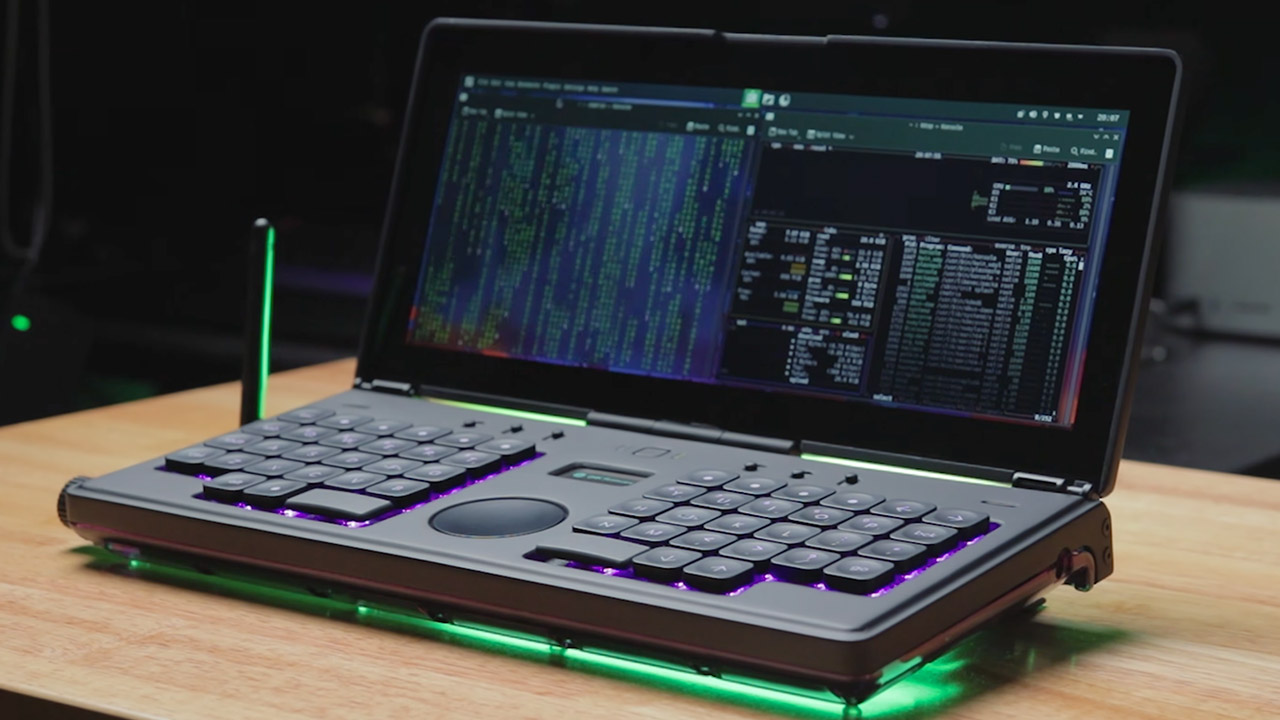
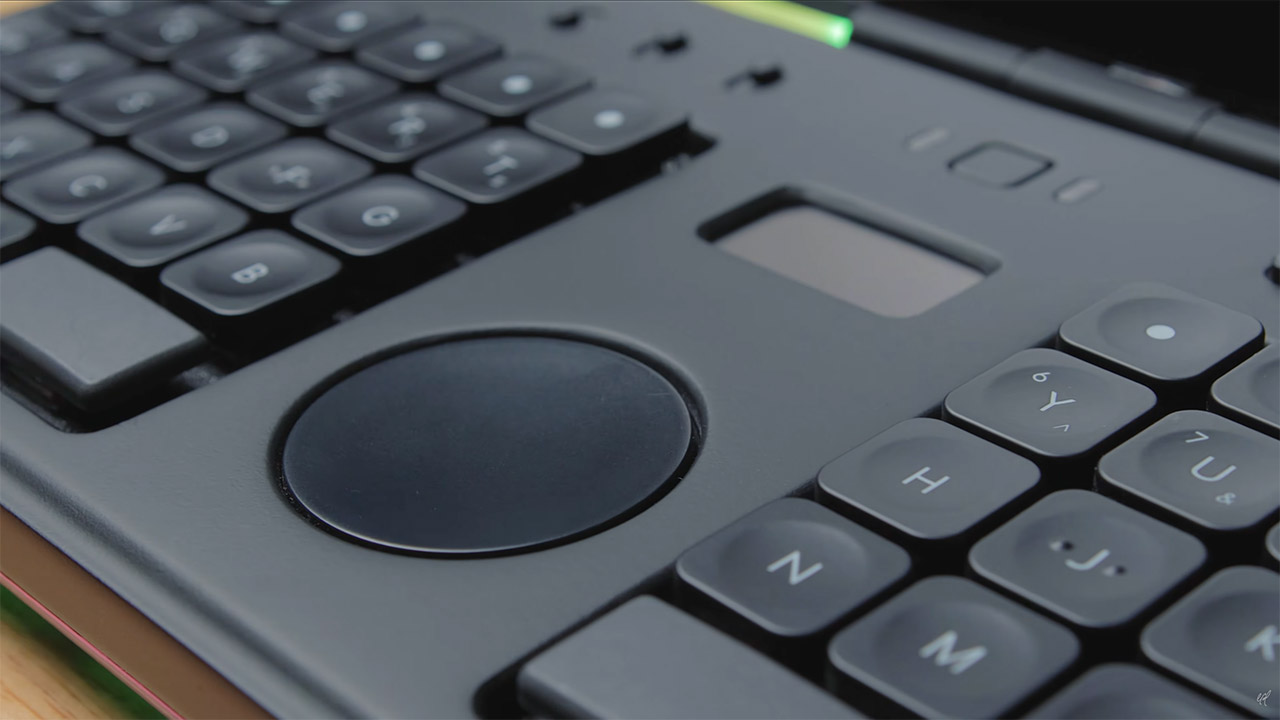
Salim paired the module with a stunning 12 inch IPS display from Waveshare. The screen employs a MIPI connection to keep the power consumption low, and the touch function still functions properly. He also took an effort to run cables neatly so that the lid could open completely without being pulled tight. The keyboard input is provided by a bespoke mechanical keyboard he built using an RP2040 microprocessor and QMK firmware. This keyboard’s layout has been designed in a neat and compact ortho style, with low profile switches, a trackpad in the center, and even a small OLED display to provide system status. There are a few extra keys on there for rapid commands, and he constructed the entire thing from the ground up, manually soldering the matrix and LEDs and testing each element before putting it together.
Meanwhile, the case tells its own story: Salim began by creating some 3D printed prototypes to ensure that everything fit together properly and felt right. In the end, he chose to use some solid industrial hinges to keep the lid open without sagging under the weight of the screen. The case’s bottom shell is made of translucent purple plastic that was milled with a CNC machine, which allows the small LEDs within to shine through and provide a pleasant soft glow when the deck is sitting on a desk with the lid open. Down at the bottom, there are some wonderful brass weights that keep the whole thing nice and sturdy, preventing it from rocking back and forth all the time.
[Source]
You must be logged in to post a comment Login