Tech
Red Bull Really Can Give a Rocket Wings

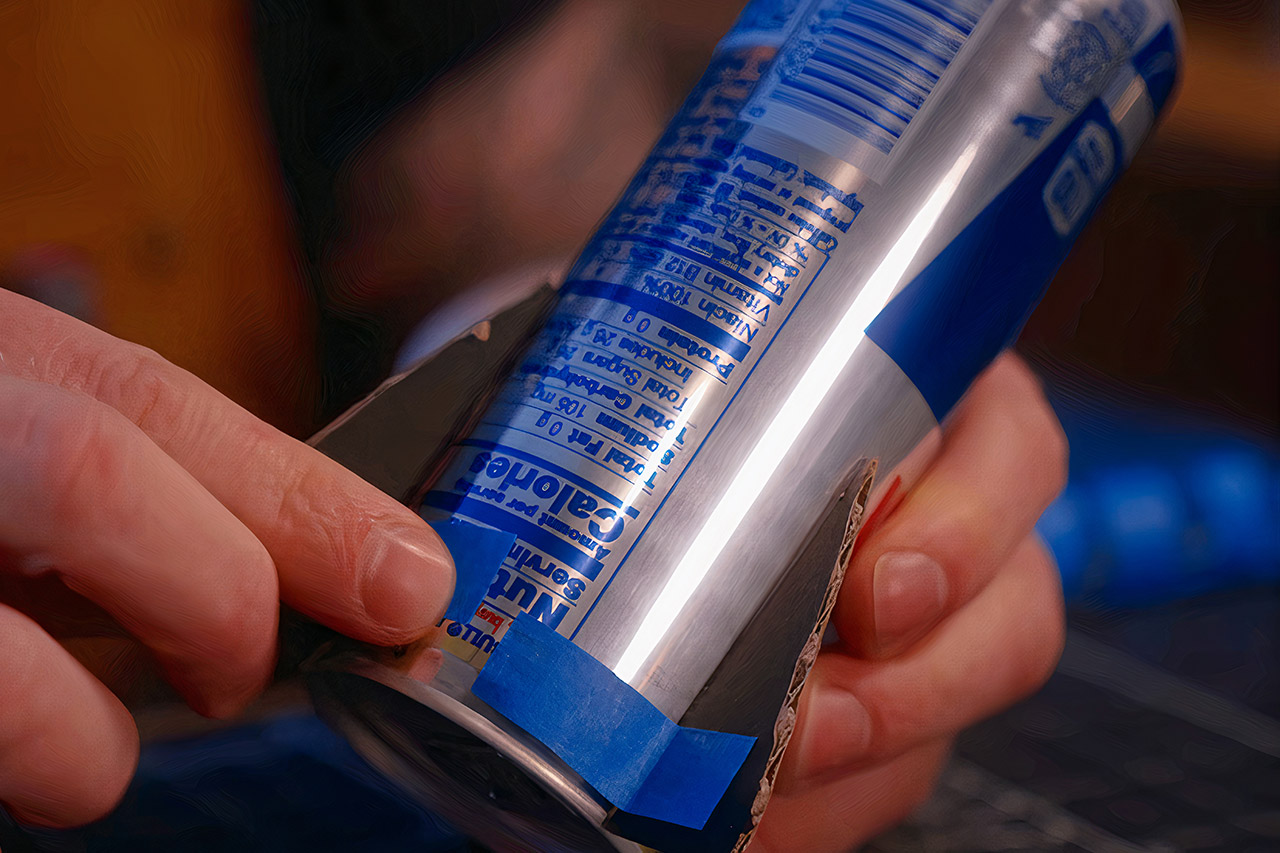
Nate Scovill decided the Red Bull slogan needed a proper test. He bought cans of the stuff, cleared space in his workshop, and set out to see whether an energy drink could actually launch something into the air. His recent video walks through three attempts, each more serious than the last, until one of them finally left the ground under its own power.


He started simple, with a can of Red Bull, which included 160 calories and 38 grams of sugar. After drinking it, he attached some cardboard fins to the empty can and tossed it into the air like a smart paper plane. Not surprisingly, the can flew barely a few feet at most. He added up the calories from drinking it as energy consumed and declared the entire thing technically valid, even if it seemed a little like cheating. It made for a humorous start and set the tone for the rest of the project.
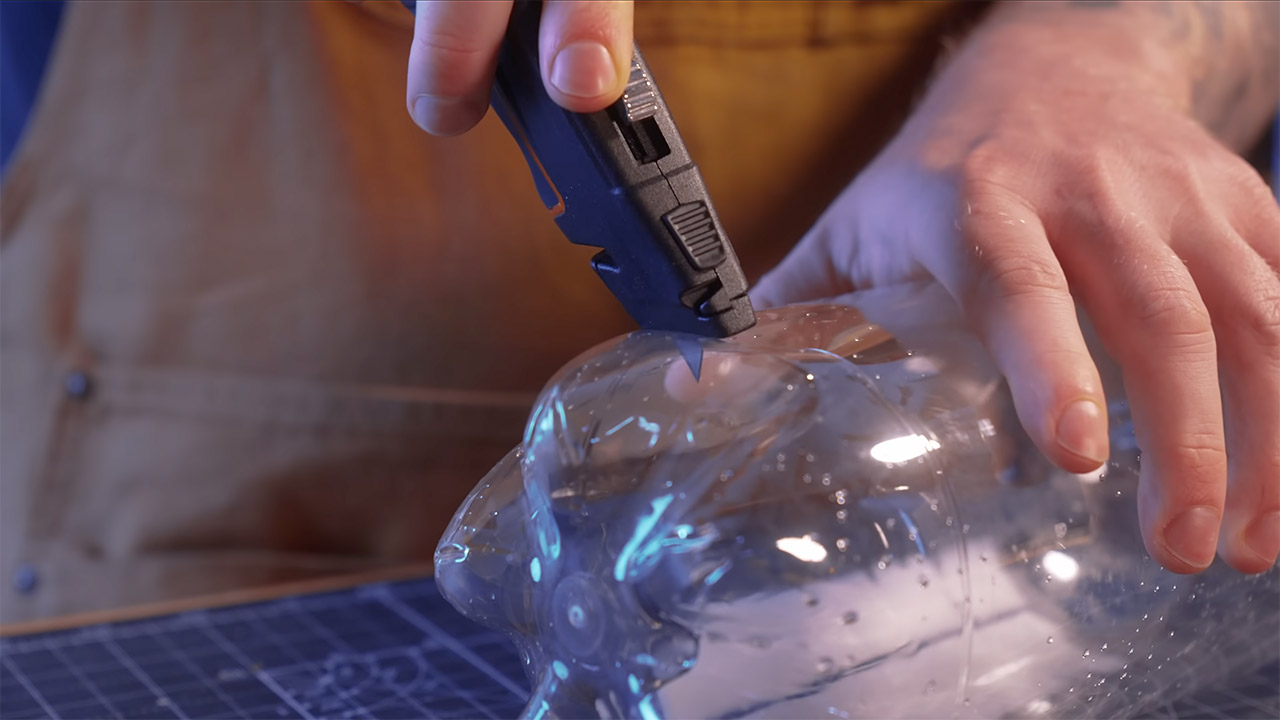
The next step was a proper-looking rocket. He took old soda bottles, cut and taped them into a pressure vessel, tacked on some cardboard fins, painted them red, blue, and silver, and created a primitive valve out of a wine cork, heat-shrink tubing, and a soccer ball needle. Nate filled the bottle with liquid, inflated it with a bike pump, and launched it into the woods. It went well until one of the fins snapped off. Nonetheless, the propulsion system was functioning perfectly, with compressed air driving the liquid out the nozzle. In the end, the Red Bull only added weight and color, which wasn’t too bad. So, in spirit, if not in reality, this was a pretty impressive water rocket powered by an energy drink.

The third attempt was when the magic happened. Old-school amateur rocketeers swear by rocket candy, which uses sugar as fuel and potassium nitrate (often sold as stump remover) as oxygen. When properly blended and put into a tube, the mixture produces a tremendous thrust. Scovill reasoned that since the Red Bull already had sugar dissolved in it, it would suffice if he could only get all the other things out of the way.
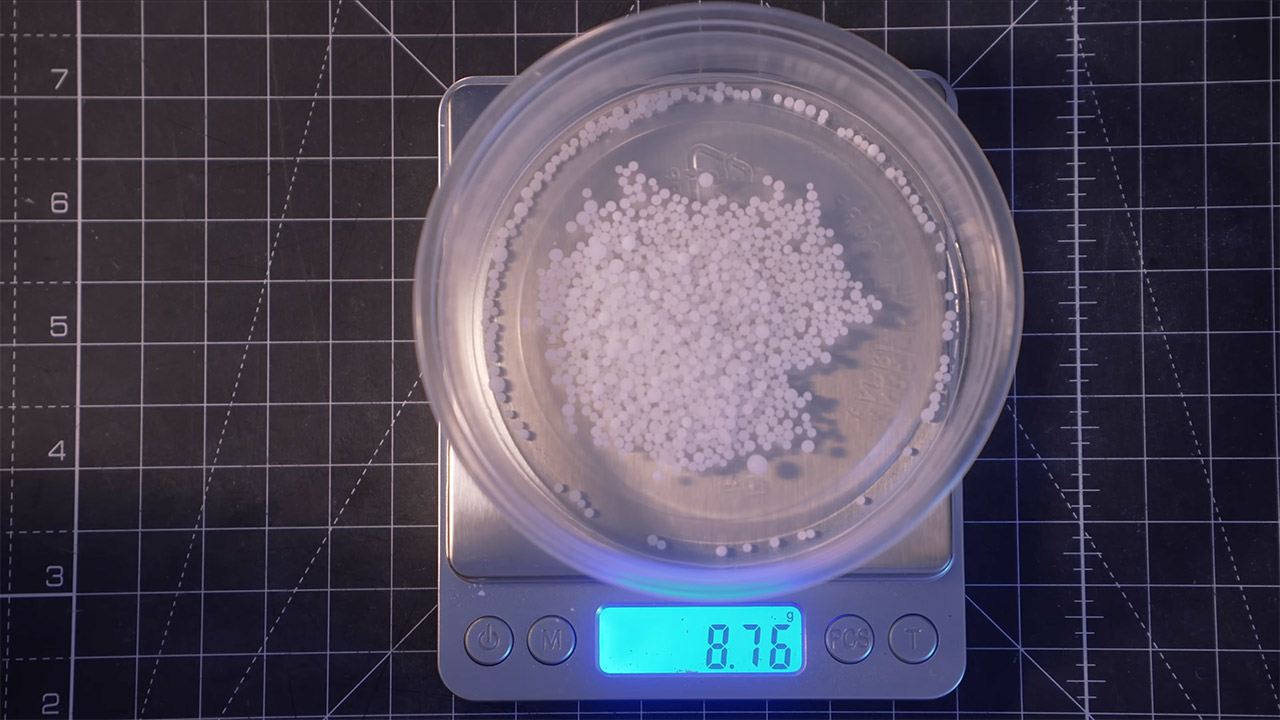
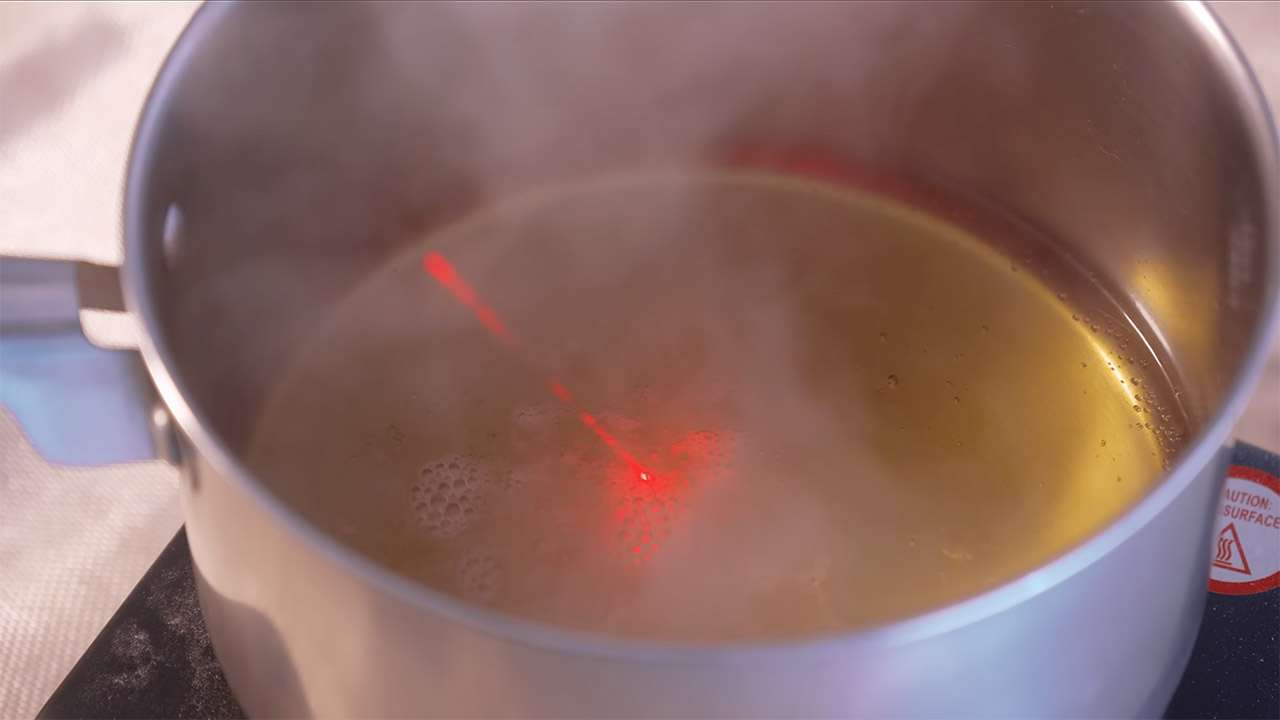
So he cooked it down in a pot at low heat until most of the water evaporated, leaving a thick syrup. Water is a major impediment to rocket fuel performance, hence this was a necessary step. However, there was still one issue to resolve, since the carbon dioxide remained trapped in the liquid. Bubbles in the mix are a real pain when you’re attempting to get a nice burn going. He solved the problem by putting the reduced liquid in a vacuum chamber and sucking out the gas. Then, using a coffee grinder, he finely ground the potassium nitrate and blended it with the syrup until it was like putty. The final combination was put into little tubes he’d created from rolled up newsprint. To provide some further insurance, he employed a cat litter base as both a safety buffer and an igniting assist. Finally, he created a small control panel with a key switch and a large red button, connected it to a model rocket igniter, and tested three different batches.
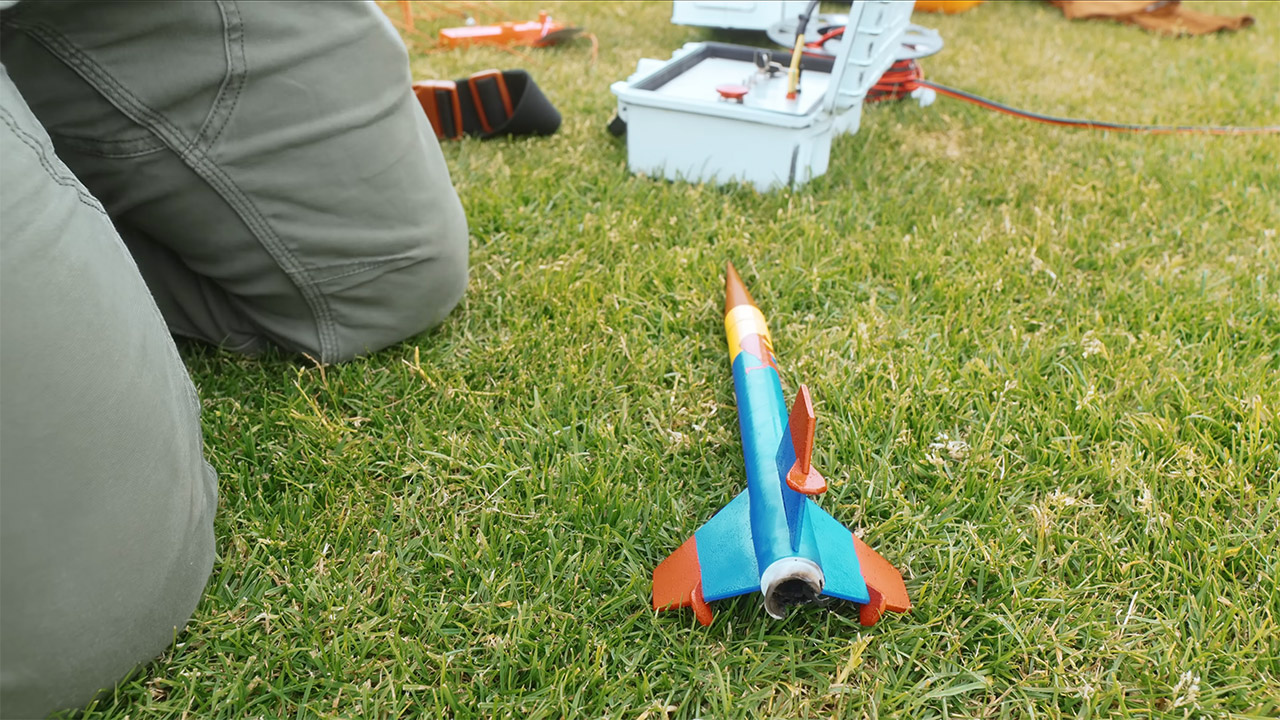
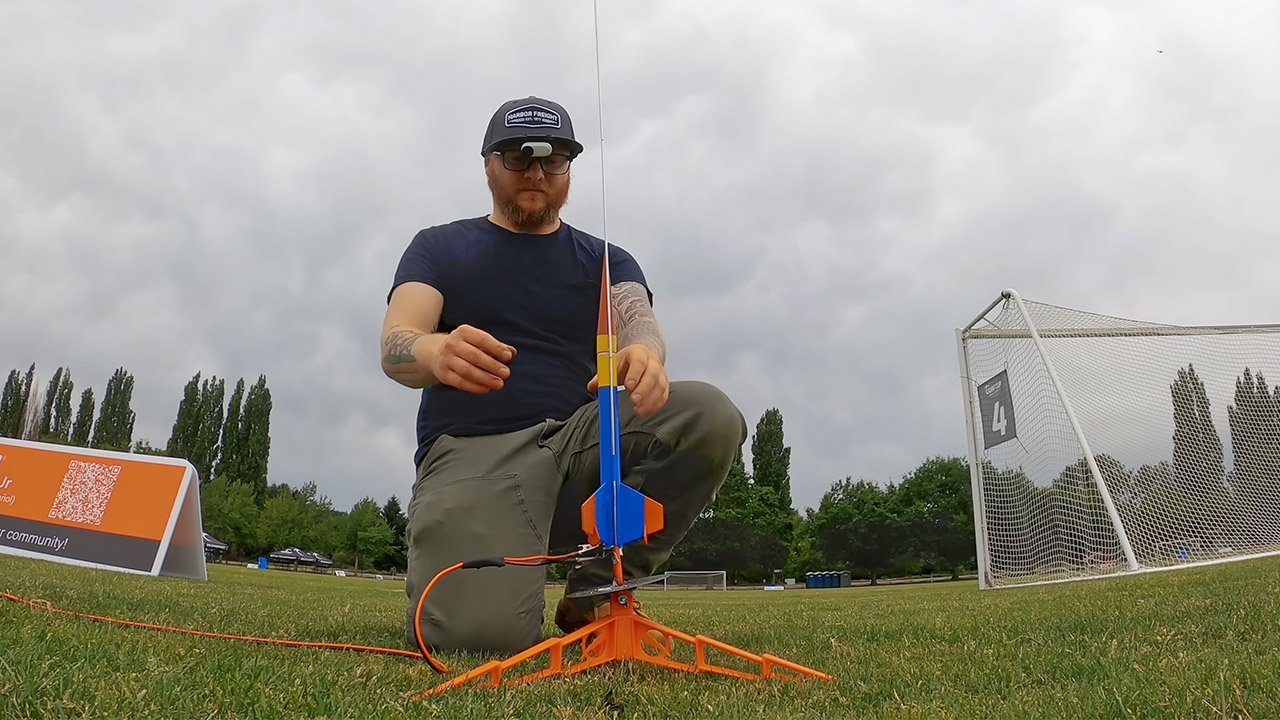
The first bunch of rockets refused to move, while the second one caught fire, but the paper tube it was in was so badly wrinkled that the pressure could escape sideways. As a result, flames erupted from the side, melting the outer nozzle, and the rocket sat still on the pad. On the third attempt, this time with a fully degassed syrup, they had it right. When Scovill clicked the ignition button, the motor screamed to life, the rocket jumped off the rail, and for a few seconds, a homemade motor powered by a Red Bull energy drink flew under its own power. To commemorate the occasion, he even created a mission patch.
When the water and gas are removed, the chemistry becomes much more straightforward. When the sugar molecules break down under heat and react with the oxygen released by the nitrate, they form an expanding hot gas that propels the rocket onward. It’s as simple as that, but the true issue is getting the ratio precisely right and keeping the moisture under control. That’s where Red Bull comes in; it’s not 100% sucrose, so determining the proper proportions requires some trial and error. Scovill’s successful motor demonstrated that the overall concept could function even with all of the additional additives contained in a commercial energy drink.
[Source]
You must be logged in to post a comment Login