Tech
Samsung Galaxy H1 Over-Ear Headphones? AirPods Max and Sony May Have a Galaxy Problem

Samsung owns enough audio brands to fill a respectable section of an audio show, yet Galaxy smartphone owners looking for a premium pair of Samsung-branded over-ear headphones have been staring at an empty shelf for years.
That might finally be changing.
Code discovered by SamMobile inside Samsung’s Galaxy Wearable app points to a new pair of full-size wireless headphones being developed under the internal name “Galaxy H1.” The code confirms Bluetooth connectivity, while accompanying graphics depict an over-ear headphone design. Samsung has not announced the product, Galaxy H1 may not be the final name, and there are currently no confirmed specifications, price, or release date. SamMobile believes the project is still relatively early and could surface sometime in early 2027.
That last paragraph matters because some reports have already started filling in the blanks with ANC, Bluetooth 6.0, Samsung Seamless Codec UHQ, AI integration, battery-life estimates and other features that would certainly make sense — but none of them have been confirmed for Galaxy H1. At this point, Bluetooth and the existence of the project are the solid parts. Everything else remains educated speculation.
Related Reviews:
Samsung Has Been Here Before


Galaxy H1 would not be Samsung’s first over-ear headphone. Back in 2014, Samsung introduced the Level Over, a premium wireless over-ear model with a 50mm dynamic driver, Bluetooth, touch controls and hybrid active noise cancellation. That product predates Samsung’s 2017 acquisition of HARMAN and therefore belongs to an entirely different period in the company’s audio history.
And that is what makes Galaxy H1 potentially interesting.
Samsung now sits above an enormous audio portfolio through HARMAN, including JBL, AKG and Harman Kardon, while HARMAN’s 2025 acquisition of Sound United added brands including Bowers & Wilkins, Denon and Marantz. There is no evidence whatsoever that engineers from any of those companies are involved with Galaxy H1, and suggesting otherwise would be pure speculation. What is fair to say is that Samsung in 2026 has considerably more audio expertise within the broader organization than it did when the Level Over appeared 12 years ago.
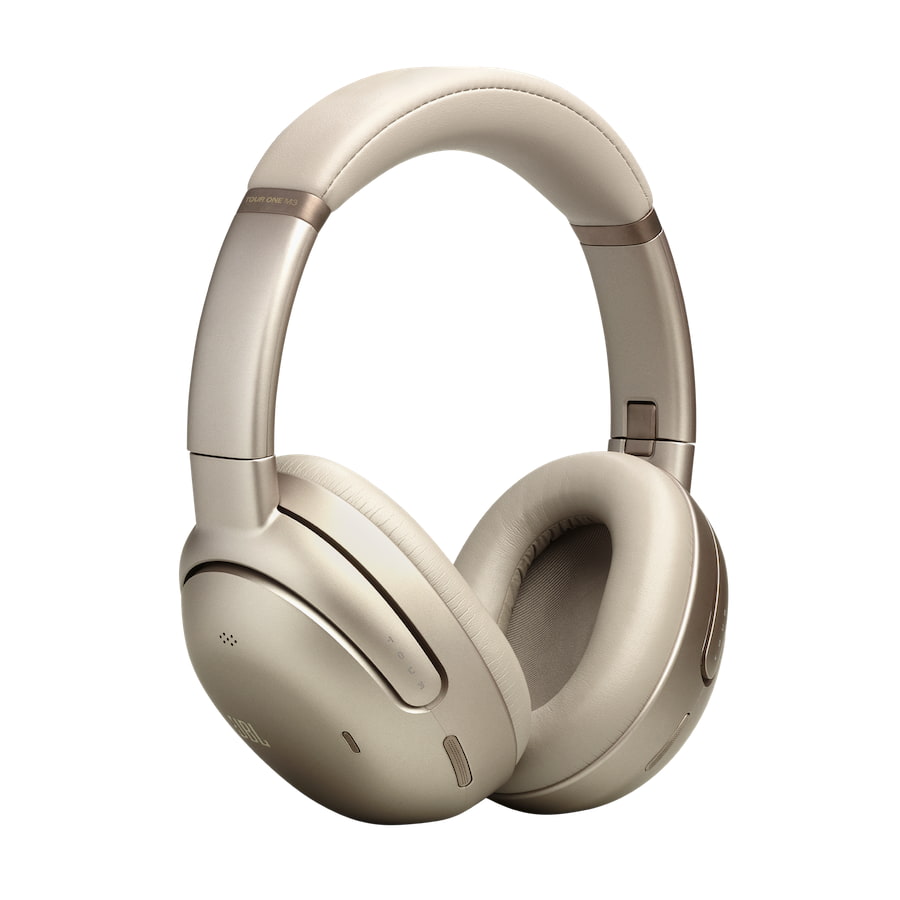
The amusing part is that Samsung already owns a formidable competitor to whatever Galaxy H1 becomes. The JBL Tour One M3 offers adaptive ANC, Spatial 360 with head tracking, Hi-Res Audio, Auracast and up to 70 hours of playback. Samsung therefore does not need another over-ear headphone simply to prove that someone inside the building knows how to make one.
It needs a Galaxy headphone.

What Could Make Galaxy H1 Different?
The opportunity is ecosystem integration rather than some magical new driver technology we know nothing about.
Samsung’s current Galaxy Buds4 Pro already support Samsung Seamless Codec UHQ at up to 24-bit/96kHz with compatible Galaxy devices, Auto Switch, 360 Audio, adaptive ANC and hands-free access to Bixby, Gemini and Perplexity. None of those features are confirmed for Galaxy H1, but they demonstrate the ecosystem Samsung has already built and what a flagship over-ear model could potentially inherit.
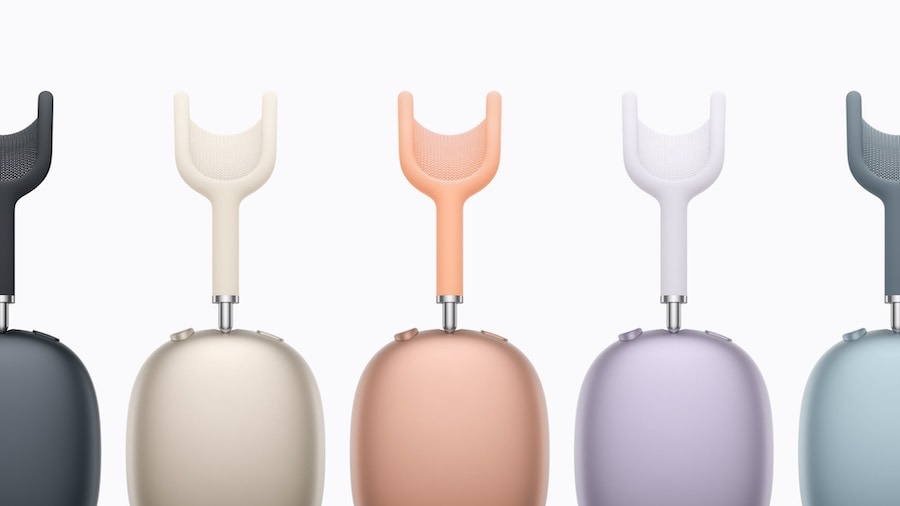
Apple understands this game extremely well. AirPods Max are not successful merely because they reproduce music; they are designed to work as an extension of Apple’s hardware and software ecosystem. Samsung has Galaxy smartphones, tablets, televisions, watches and an increasingly sophisticated AI platform, but no premium over-ear headphone carrying the Galaxy name.
That is a rather obvious hole.
Who Would Galaxy H1 Be For?
Assuming Samsung positions these as a flagship model, Galaxy smartphone and tablet owners are the obvious audience, particularly those who want better isolation, longer battery life and the more substantial presentation of an over-ear design without surrendering the convenience they already get from Galaxy Buds.
They could also appeal to Android users who have been choosing Sony or Bose largely because Samsung has offered no equivalent product. The larger question will be how many of Galaxy H1’s eventual features work outside Samsung’s ecosystem. Samsung notes that some advanced Buds4 features require compatible Galaxy hardware, and pushing that strategy too far with an expensive headphone could narrow the audience considerably.

The Competition Will Not Be Amused
If Galaxy H1 lands in the $400 to $600 range, Samsung will be walking directly into one of the nastiest fights in personal audio.
The Apple AirPods Max 2 are $549 and now offer improved ANC, Adaptive Audio, Personalized Spatial Audio, Live Translation and lossless USB-C playback. The Sony WH-1000XM6 remain one of the obvious benchmarks for ANC, portability and everyday usability, while the Bose QuietComfort Ultra Headphones (2nd Gen) sell for $449 and focus heavily on noise cancellation and comfort.
Listeners placing greater emphasis on sound quality also have the $799 Bowers & Wilkins Px8 S2, Sennheiser’s headphones, and ironically Samsung-owned JBL’s Tour One M3 to consider. And that’s before the rumoured Sonos Ace Ultra appear in September according to recently filed FCC documentation..
Samsung therefore does not need to make another perfectly competent ANC headphone with some AI sprinkled over the top like parsley.
It needs to explain why someone carrying a Galaxy S26 should stop buying Sony, Bose or Bowers & Wilkins and buy this instead.
The Bottom Line
The most interesting thing about the rumored Galaxy H1 is not anything we currently know about its drivers, battery life or noise cancellation — because we know almost nothing about those things.
It is that Samsung finally appears ready to close one of the most conspicuous gaps in the Galaxy ecosystem.
A decade ago, Samsung’s Level Over was competing in a very different headphone market. Today, Samsung owns HARMAN, has a mature Galaxy audio ecosystem and would be entering a category dominated by Apple, Sony and Bose at a moment when premium wireless headphones have become increasingly sophisticated and expensive.
Galaxy H1 could be extremely interesting. It could also be $500 worth of Galaxy AI looking for a reason to exist. Until Samsung actually announces it, keep both possibilities on the table.
You must be logged in to post a comment Login