
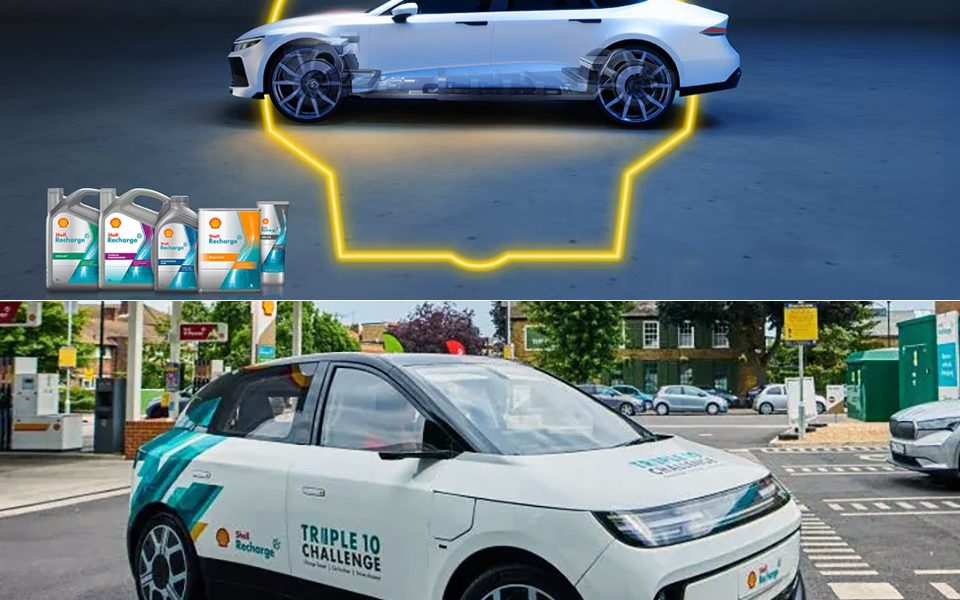
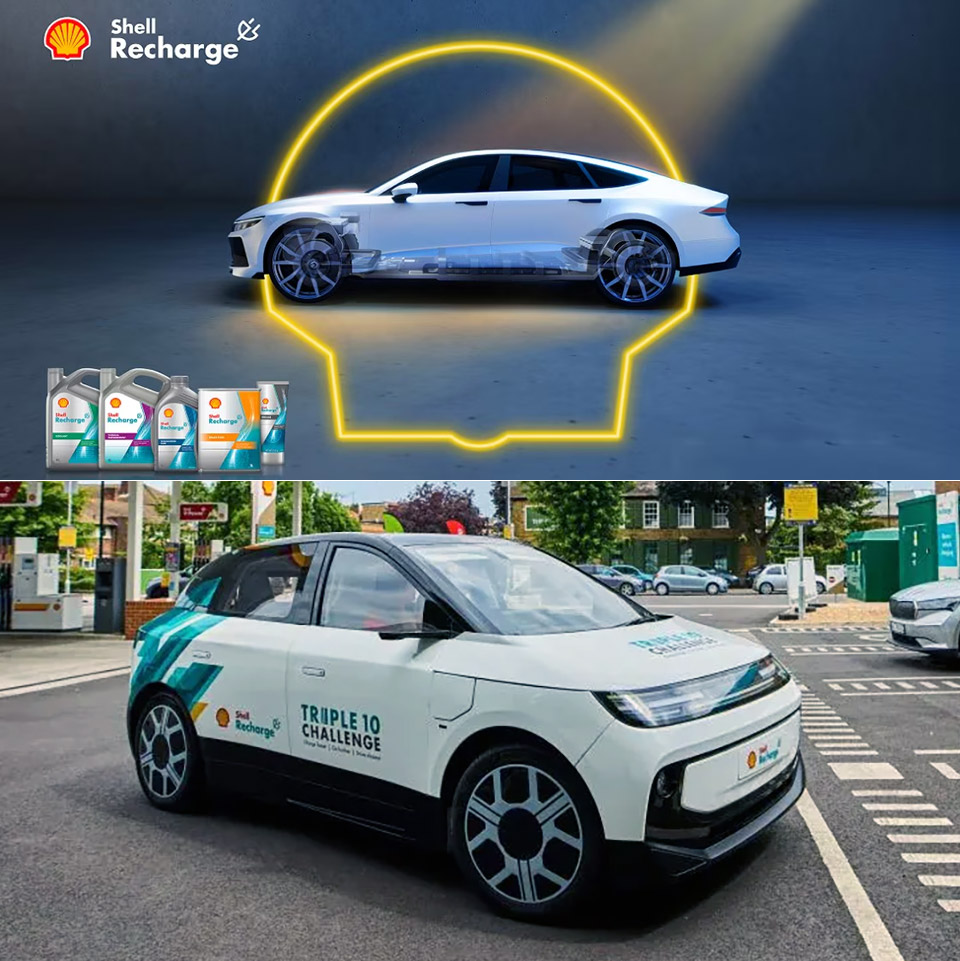
Shell built a working electric hatchback to prove that fast charging and strong efficiency can exist in the same vehicle without forcing buyers into painful compromises. The company calls the project the Triple 10 Challenge. Three targets sit at its center: 10 kilometers of range per kilowatt-hour of energy used, a lifetime carbon footprint of just 10 tonnes of CO2 equivalent, and a charge from 10 to 80 percent in less than 10 minutes.


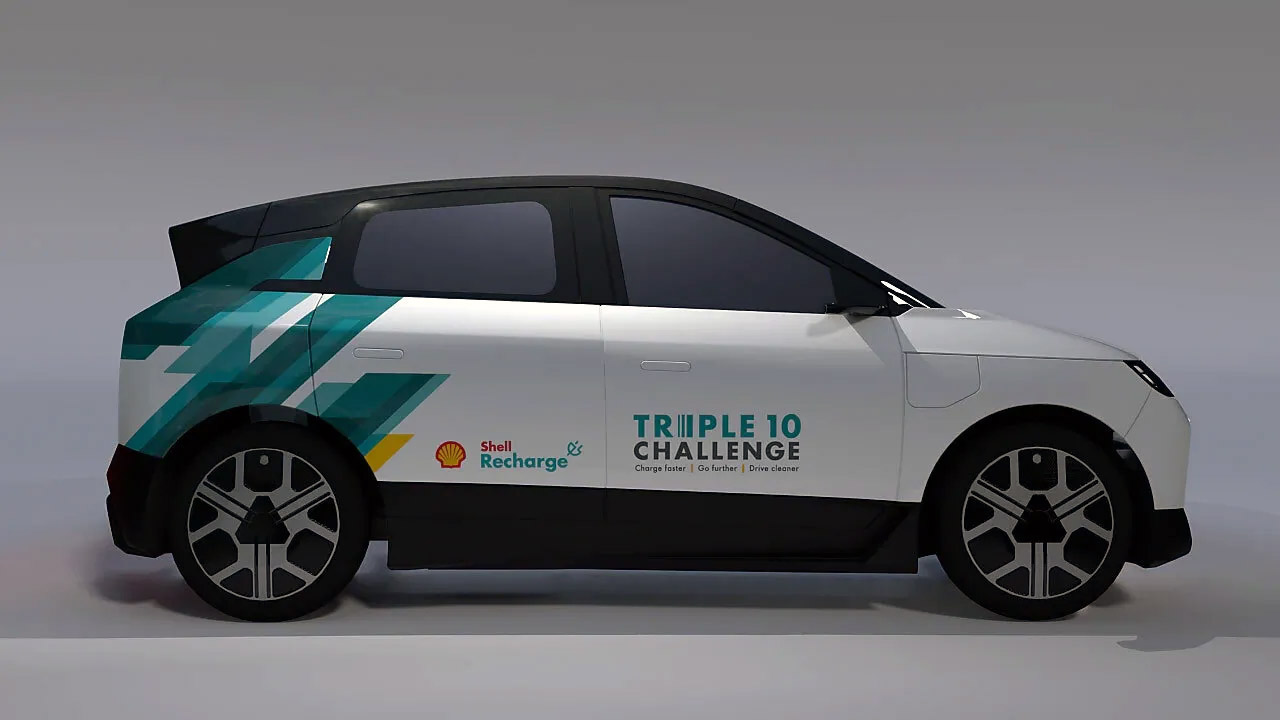
This compact vehicle is powered by a 32-kwh battery pack, which is around the same size as those seen in many modern electric vehicles. Despite not having the largest battery pack available, it delivers on its efficiency promises because to the designers’ painstaking attention to keeping the weight low and the cooling system as simple as feasible. The overall design is clean and utilitarian, with no frills, and the front end is simple, with a single wide light bar that sets the tone. Forget the standard glass for side mirrors; this one has a computerized version, and the doors are flat against the body. The wheels are all beautifully covered in alloy-like materials to keep everything operating smoothly.
Sale


Amphibious Remote Control Car, 1:18 Monster Truck Toys for Boys RC Cars, 2.4 GHz Waterproof RC Trucks…
- 2.4 GHz Remote Control Car – 1:18 scale cool design, waterproof RC truck toys made of premium material and sturdy, with LED lights, waterproof remote…
- High Quality & DIY Removable Toys RC Cars – This remote control monster truck structure design quality, flexibility and strength in one. The rc truck…
- All Terrain Amphibious Monster Truck – 4-wheel drive off-road design rc trucks for kids, with high-quality tires (shock absorption, strong grip…
The most striking feature is how they prevent the battery from overheating. Shell developed a natural gas-based liquid that does not conduct electricity, allowing them to simply submerge the cells in it and ensure that it remains in contact with the cell surfaces. This allows heat to escape much faster than it would in other systems with channels or plates.

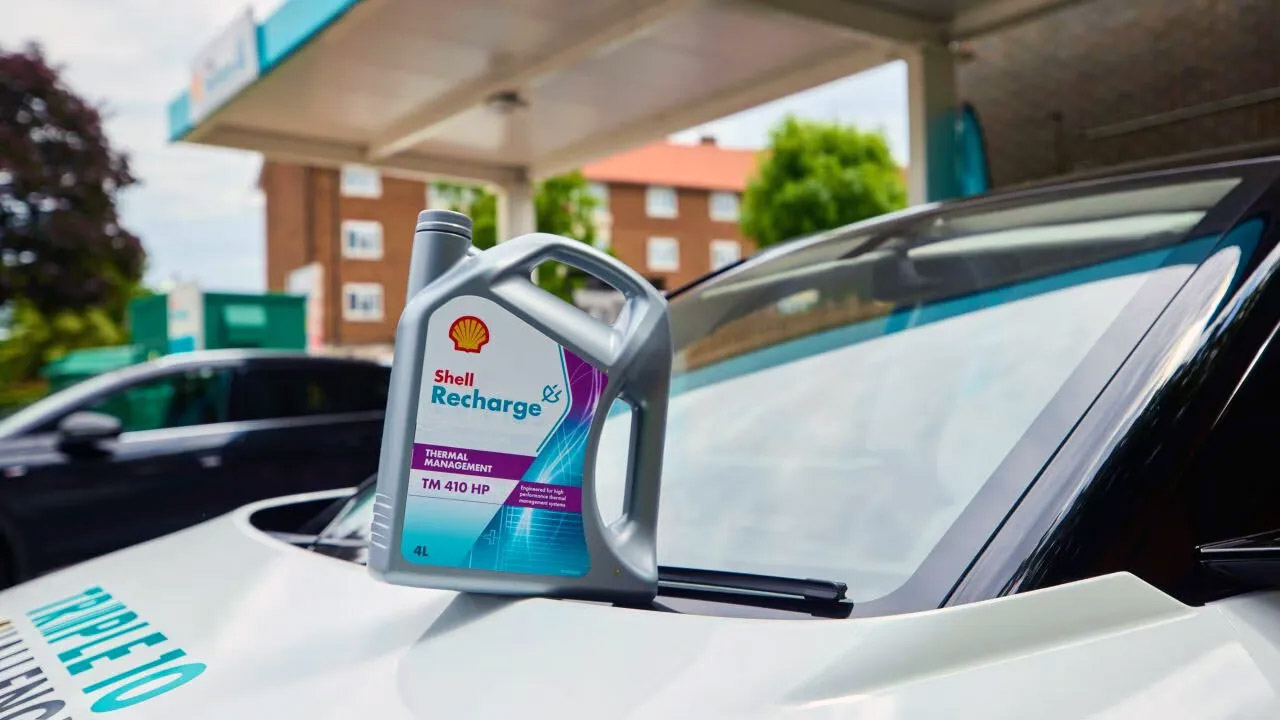
This same fluid travels via a single radiator and simultaneously cools the electric motor and other power electronics, eliminating the need for separate cooling loops. The ultimate result is a 25% reduction in battery pack cost due to the possibility to employ simpler housings and fewer modules. Even while charging on a full-tilt 175kW charger, cell temperatures remain as stable as rock.

This little EV can charge from 0% to 80% in 9 minutes and 54 seconds using a typical 175kW fast charger. That’s an extra 25km of range each minute, and most EVs will slow down their charge rate when they reach 80% because they become too hot… but not this one, which continues to charge as if nothing is wrong. Many thanks to the partners that helped develop our idea into a road-legal vehicle. Empel Systems handled the motor and drive unit, and RML handled the battery integration and final assembly, allowing them to test it in real-world settings rather than simply a lab.
[Source]


You must be logged in to post a comment Login