Tech
Sony PlayStation Pulse and Pulse Edge Go All In on Planar Magnetic Gaming Audio

Sony Interactive Entertainment is refreshing its PlayStation headset lineup with the PlayStation Pulse Wireless Headset and premium Pulse Edge Wireless Headset, and the company is making one thing rather clear: planar magnetic drivers are no longer being reserved for audiophiles willing to explain planar magnetic drivers to everyone else at dinner.
Both new models use larger custom planar magnetic drivers than the existing Pulse Elite, support lossless ultra-low-latency PlayStation Link, can maintain a simultaneous Bluetooth connection, and incorporate AI-enhanced microphone noise rejection. The regular Pulse arrives in select markets during the 2026 holiday season, while Pulse Edge follows in early 2027. Sony has not announced pricing, preorder dates or exact launch dates yet.
Related Reading:
Sony’s Audeze Strategy Is Becoming Much Easier to See


The new headsets continue a path Sony started with the $149.99 Pulse Elite, its first PlayStation wireless headset with planar magnetic drivers and PlayStation Link. Our Pulse Elite review found it delivered an unusually high level of sound quality for the price and worked surprisingly well beyond gaming.
There is also a much larger story behind that headset.
Sony acquired planar magnetic specialist Audeze in 2023, and we reported last month that Audeze is now deeply involved in the development of future PlayStation audio hardware. That does not mean we can state that Audeze designed the specific drivers inside Pulse or Pulse Edge; Sony has not made that claim. What we can say is that planar magnetic technology is clearly becoming central to Sony’s PlayStation audio strategy rather than remaining an expensive audiophile sideshow.
That strategy has already expanded beyond headphones. Sony’s upcoming Pulse Elevate wireless speakers also use planar magnetic drivers with PlayStation Link, pushing the technology into desktop gaming audio as well.
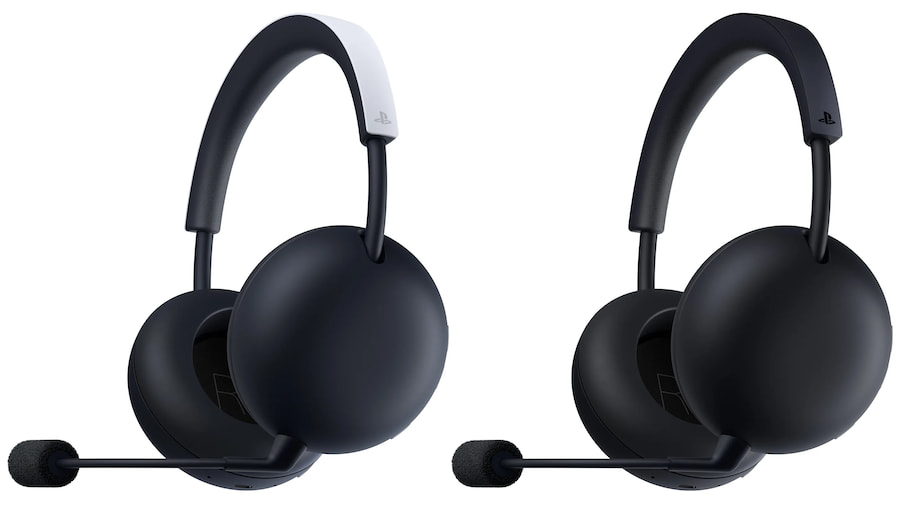
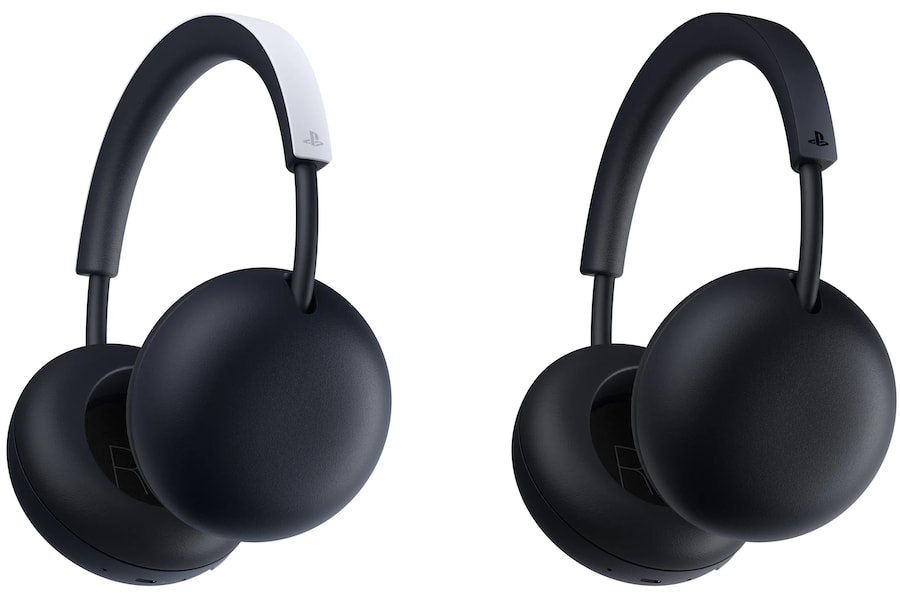
PlayStation Pulse Wireless Headset

The standard PlayStation Pulse gets larger planar magnetic drivers with four magnets per driver. Sony says the increased driver size produces fuller and deeper bass while maintaining the detail and separation associated with the Pulse Elite. No actual driver diameter has been disclosed, so resist the temptation to turn internet speculation into a specification.
PlayStation Link is supplied through an included USB-C adapter and supports lossless, ultra-low-latency wireless audio. An integrated microphone uses AI-enhanced noise rejection to filter background sound, while rotating earcups allow the headset to lie flat when you are not wearing it.
The regular Pulse is clearly the simpler model. It does not include ANC, PS5 game/chat balance controls, an analog audio/microphone jack or carrying case. Sony has also not disclosed battery life, Bluetooth codecs, weight or frequency response.
PlayStation Pulse Key Features
- Larger custom planar magnetic drivers
- 4 magnets per driver
- Lossless, ultra-low-latency PlayStation Link
- USB-C PlayStation Link adapter included
- Simultaneous Bluetooth connectivity
- Integrated microphone
- AI-enhanced microphone noise rejection
- Built-in volume control
- Rotating earcups
- White or Midnight Black
- Launching in select markets during Holiday 2026
- Price not yet announced
PlayStation Pulse Edge: Eight Magnets, ANC and a Proper Boom Mic
The Pulse Edge is where Sony starts spending more of the engineering budget.
Each planar magnetic driver uses eight magnets rather than four, which Sony describes as double the magnet volume of the standard Pulse. The objective is greater bass output without sacrificing the speed, separation and spatial precision that make planar drivers attractive for gaming in the first place.
Edge also adds active noise cancellation, along with a detachable boom microphone for voice chat. Remove the boom and a hidden microphone remains available, so you do not have to wander around looking like you are directing aircraft when listening to music.
There are also dedicated game/chat balance controls for PS5, an analog audio/microphone jack, more premium materials and an included carrying case. Those additions make Pulse Edge considerably more than a Pulse with ANC bolted onto the side.
PlayStation Pulse Edge Key Features
- Larger custom planar magnetic drivers
- 8 magnets per driver
- Double the magnet volume of PlayStation Pulse
- Active noise cancellation
- Lossless, ultra-low-latency PlayStation Link
- USB-C PlayStation Link adapter included
- Simultaneous Bluetooth connectivity
- Detachable boom microphone
- Hidden microphone when boom is removed
- AI-enhanced microphone noise rejection
- PS5 game/chat balance controls
- Built-in volume control
- Analog audio/microphone jack
- Rotating earcups
- Carrying case
- White or Midnight Black
- Launching in early 2027
- Price not yet announced
What Can You Use Them With?
Sony has officially confirmed PlayStation Link support with PS5, PlayStation Portal, Windows PC and Mac. Both headsets can also connect simultaneously to a supported Bluetooth device, meaning you can maintain the low-latency PlayStation Link connection while handling audio from something such as a smartphone.
Platform
Pulse
Pulse Edge
PS5
PlayStation Link
PlayStation Link
PlayStation Portal
PlayStation Link
PlayStation Link
Windows PC
PlayStation Link
PlayStation Link
Mac
PlayStation Link
PlayStation Link
Bluetooth Devices
Yes
Yes
Simultaneous PS Link + Bluetooth
Yes
Yes
Analog/Wired
Not listed
Audio/mic jack
Xbox
Not announced
Not announced
Nintendo Switch/Switch 2
Not specified
Not specified
That last part is important. Sony has not announced Xbox support, and PlayStation Link is not an Xbox wireless standard. Pulse Edge’s analog jack may broaden wired possibilities, but Sony has not yet published enough compatibility information for us to start declaring support for platforms it has not named.

What Makes These Different?
Planar magnetic gaming headsets are no longer unheard of, but having Sony make the technology standard across an expanding first-party PlayStation ecosystem is significant.
The advantage is not merely the word “planar” on the box. Gaming depends heavily on transient response, separation and spatial placement; hearing precisely where a footstep, reload or approaching opponent is located can matter rather more than whether the cymbal on track seven has sufficient air around it.
Sony is pairing those drivers with its own lossless low-latency wireless system, first-party PS5 integration and simultaneous Bluetooth. Pulse Edge adds ANC and a more serious microphone implementation without abandoning that architecture.
In other words, Sony is starting to treat gaming headsets like actual audio products. What a radical concept but it had to happen eventually.

The Competition
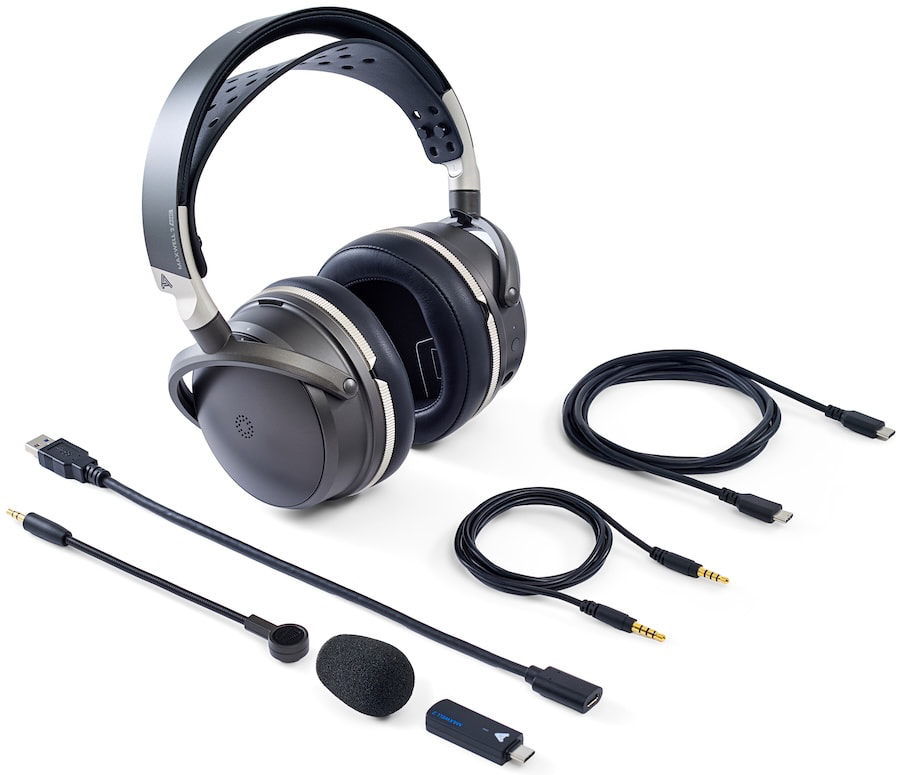
The obvious reference point is the $329 Audeze Maxwell 2, which uses 90mm planar magnetic drivers, supports low-latency wireless playback up to 24-bit/96kHz and offers more than 80 hours of claimed battery life. It remains one of the strongest examples of what happens when an audiophile headphone company decides gamers deserve something better than booming bass and flashing lights; which is why Sony purchased Audeze to begin with.
The $199.99 SteelSeries Arctis Nova 7 Gen 2 takes a different approach with broader platform options, simultaneous 2.4GHz/Bluetooth audio, more than 200 game-specific presets and up to 54 hours of battery life. It does not use planar magnetic drivers, but its flexibility makes it an obvious alternative for gamers who do not live entirely inside Sony’s ecosystem.
Pricing will ultimately determine where Pulse and Pulse Edge fit between those two approaches.

The Bottom Line
Sony’s acquisition of Audeze in 2023 made sense when it happened, but the larger strategy is becoming much easier to see three years later. Audeze was allowed to continue developing its own multi-platform products, while Sony gained access to a company with deep planar magnetic engineering expertise and a gaming business that had already become a major part of its success.
The Pulse Elite was an early indication of where this was going. Pulse Elevate pushed planar magnetic technology into desktop speakers. The new PlayStation Pulse and Pulse Edge now make larger planar drivers the foundation of Sony’s next generation of first-party gaming headsets. This is starting to look less like technology trickling down from Audeze and more like a deliberate attempt to raise the audio standard across the entire PlayStation ecosystem.
Which creates a rather entertaining problem for Sony.
The Audeze Maxwell 2 is already sitting there at $329 for PlayStation and $349 for Xbox, with 90mm planar magnetic drivers, more than 80 hours of claimed battery life, USB-C low-latency wireless, Bluetooth 5.3 and support across Windows, macOS, Android, iOS and Nintendo Switch. We have also spent enough time using the Maxwell 2 across multiple platforms to know that this is not some gaming headset wearing an audiophile costume. It is a seriously capable headphone.
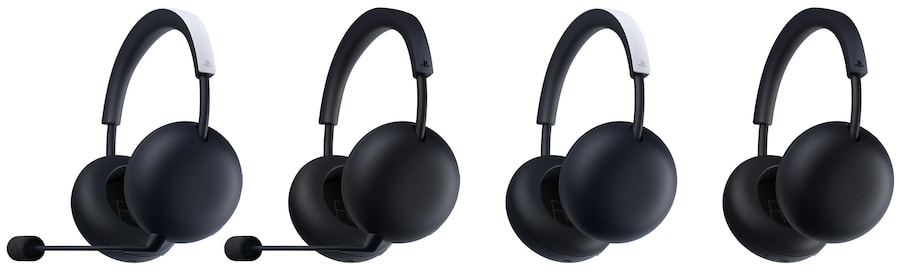

Will Pulse Edge compete directly with it? Very likely in terms of target customer and technology, although Sony’s refusal to disclose pricing makes a proper value comparison premature. Pulse Edge counters with deeper PlayStation integration, PlayStation Link, ANC, simultaneous Bluetooth and dedicated PS5 game/chat controls. Maxwell 2 answers with broader platform compatibility, extraordinary battery life and Audeze’s already proven planar magnetic implementation.
Having used the Maxwell 2 on more than a few platforms, I would not assume that is a fight the Pulse Edge automatically wins.
Then again, Sony may have constructed the rare competitive battle where the parent company has reasons to smile whichever headset you take home. Buy Pulse Edge and you are buying Sony’s increasingly ambitious first-party PlayStation audio platform. Buy Maxwell 2 and you are buying from Audeze, which Sony Interactive Entertainment acquired three years ago.
Heads Sony wins. Tails Sony checks the receipt.
That is the bigger story here and potentially a much more important one than whether Pulse Edge has eight magnets instead of four.
For more information, visit the product pages for PlayStation Pulse Wireless headset and Pulse Edge.
You must be logged in to post a comment Login