Tech
SpaceX Starship V3 Successfully Launches from Starbase and Splashes Down in Indian Ocean

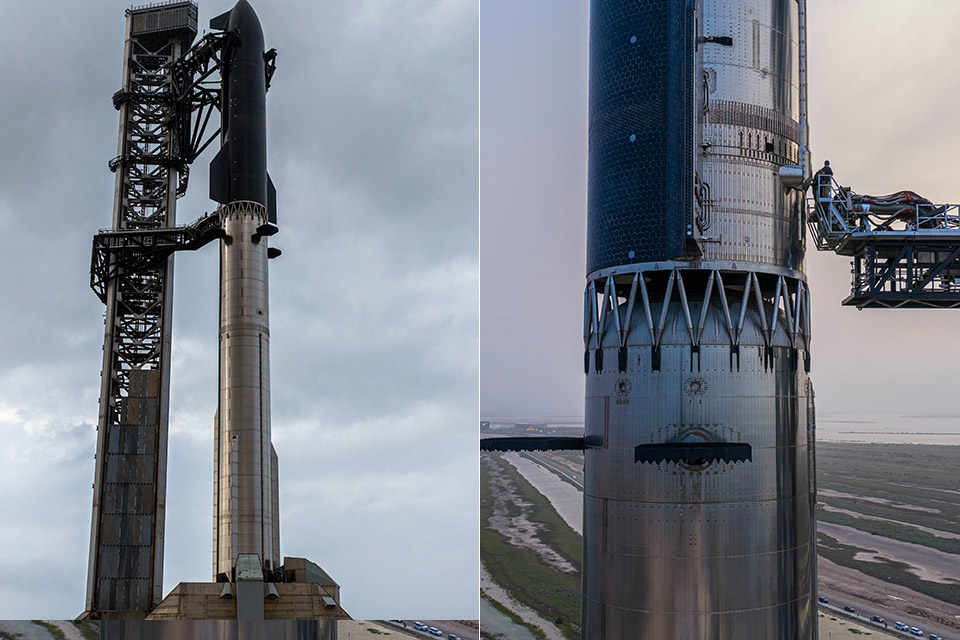
SpaceX lifted its upgraded Starship V3 rocket from the pad at Starbase in Texas late this afternoon for its first full test flight. At 407 feet tall and carrying more thrust than any rocket before it, the vehicle rose on 33 engines in the Super Heavy booster and six in the upper stage. One booster engine failed to ignite at the start, yet the stack cleared the tower cleanly and kept climbing.


The sound of an engine roaring on the coastal flats filled the air as the rocket began to accelerate. Only a few minutes in, the stages separated from each other high above the Gulf. The upper Starship ship continued to ascend, while the booster abruptly reversed course and returned to Earth. SpaceX had hoped to gently guide the booster back down to the Gulf’s surface with a controlled return and a soft landing, but the main brake burn engines failed to relight properly. So the booster tumbled through the air before colliding with the sea and breaking apart.


LEGO Technic NASA Artemis Space Launch System Rocket Building Toy for Boys & Girls – STEM Learning…
- BUILD AN OFFICIAL NASA ROCKET – Kids prepare to explore outer space with the LEGO Technic NASA Artemis Space Launch System Rocket (42221) building…
- 3-STAGE ROCKET SEPARATION – Young builders can turn the hand crank to watch the rocket separate in 3 distinct stages: solid rocket boosters, core…
- STEM BUILDING TOY FOR KIDS – This educational rocket kit was created in collaboration with NASA and ESA to showcase the authentic system that will…
However, attention quickly moved to the ship that was still on its way up. This one was carrying out a slew of test objectives, not the least of which was the launch of twenty dummy Starlink satellites and two actual ones outfitted with cameras to capture footage of the heat shield as it traveled through the skies. One of the six Raptor engines on board opted to shut down during the ascent, but the other five did a decent enough job to get them up to the height they planned, which was close to 195 kilometers. As they did so, the ship floated free and released each satellite exactly on time before beginning its long, arcing curve out over the Indian Ocean.

Re-entry produced the normal glow of plasma around the ship as it plunged lower into the atmosphere. The flight controllers watched as it flipped and calmed itself down with a succession of small, precise burns. In the final moments, it flopped onto its side in the sea, precisely where the engineers had hoped to land it for this test. Then, guess what? The ship exploded on contact. That was always part of the plan, of course, because the goal was to collect some data without taking too many risks, especially given this was the new hardware’s first trip.
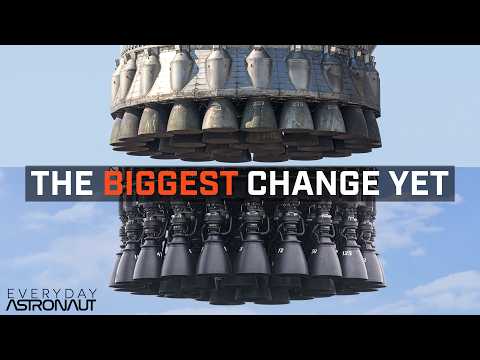
Meanwhile, engineers at Starbase had utilized the flight to test a whole new launch pad configuration. That pad kept its position despite the tremendous liftoff, which was a quiet but significant victory, especially if it will be used for future operations. The entire mission lasted about an hour, from liftoff to splashdown. Earlier, there had been some delays due to a minor hydraulic fault on the tower arm, forcing them to cancel the attempt the day before.

This was the first Starship flight since October of last year, and it marked the introduction of the V3 design. The version has third-generation Raptor engines, which are expected to be more easier to work with and have a faster turnaround. Although the booster did not return and the ship went up in the water, the hardware met a number of key objectives: it separated cleanly, delivered the payload on time, and ran steadily even after one of the engines failed. Now, the teams will review all of the data to see where they can make changes for the next round.
You must be logged in to post a comment Login