Tech
Startup Uses Neural Chips to Turn Live Pigeons Into Cyborg Drones

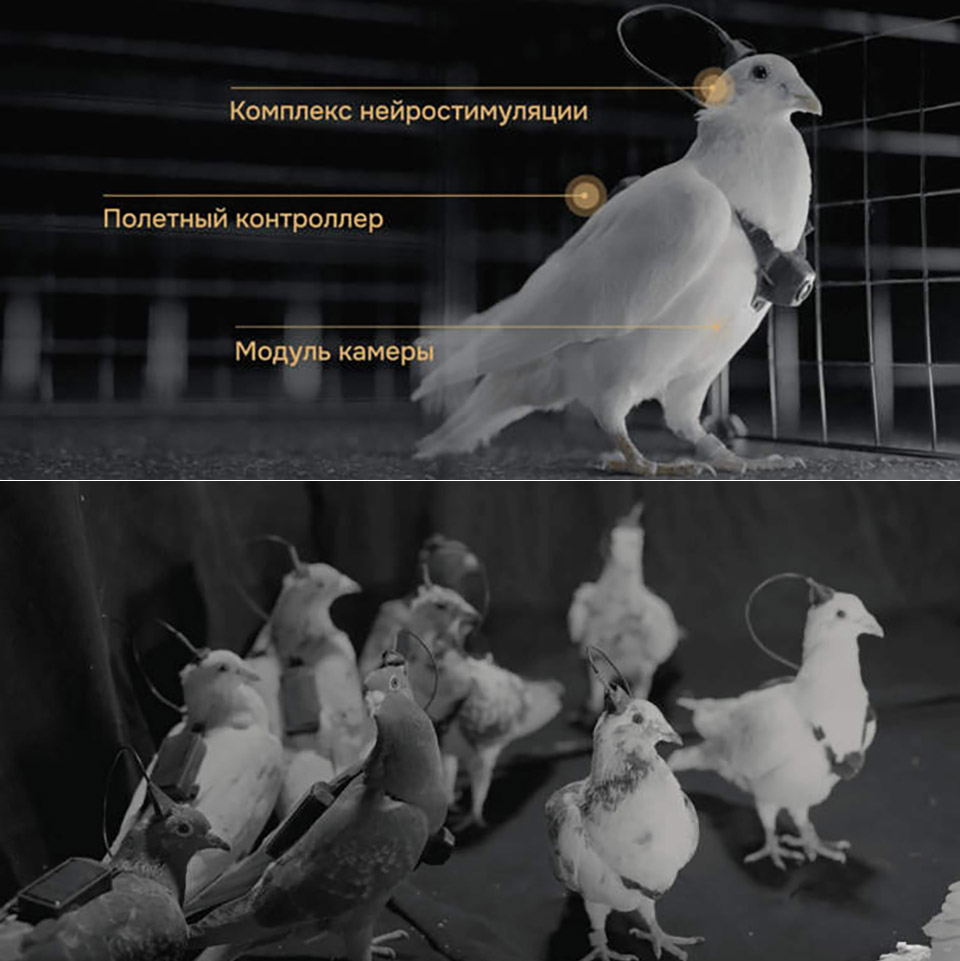
A Moscow-based startup has taken a big move into the area of animal-machine hybrids. Neiry, a Moscow-based neurotech company, claims to have already made progress on remotely operated pigeons by inserting electrodes into their brains.


In late 2025, there were reports of early flying tests in the city, in which the modified birds flew controlled routes before returning to base. The project is known as PJN-1, and while the company promotes it as a valuable tool for civilian occupations, this type of technology is gaining traction due to its potential for surveillance purposes.


DJI Neo, Mini Drone with 4K UHD Camera for Adults, 135g Self Flying Drone that Follows You, Palm Takeoff,…
- Due to platform compatibility issue, the DJI Fly app has been removed from Google Play. DJI Neo must be activated in the DJI Fly App, to ensure a…
- Lightweight and Regulation Friendly – At just 135g, this drone with camera for adults 4K may be even lighter than your phone and does not require FAA…
- Palm Takeoff & Landing, Go Controller-Free [1] – Neo takes off from your hand with just a push of a button. The safe and easy operation of this drone…
The surgeons utilize a specialized frame to delicately place these microscopic electrodes into specific areas of the pigeon’s brain. The electrodes are then linked to a mini-stimulator on the bird’s head. All of the bird’s electronics and navigation system are housed inside a lightweight backpack and powered by solar panels. A tiny camera is mounted on the bird’s chest to capture video. The operators can direct the bird to fly left or right by giving electrical signals to its brain. GPS devices, like a standard drone, track the bird’s location and control its trajectory. According to Neiry, the bird does not require training and may be operated immediately after the process, and the surgery has been reported to be 100% successful in terms of survival rate.
Pigeons have some significant advantages over regular drones in certain scenarios. For starters, they can fly hundreds of miles, perhaps 300 or more in a single day, without having to replace batteries or land frequently. They can simply navigate difficult environments, handle anything the weather throws at them, and even fit into small spaces. Neiry believes they can use pigeons to inspect pipelines or electrical lines, survey industrial regions, or assist with search and rescue efforts in difficult-to-reach areas. According to the company’s inventor, Alexander Panov, the same technology may be used with various birds, such as ravens for coastal monitoring, seagulls, or even albatrosses for operations over the ocean, as long as they can carry the burden and fly the distance required.
[Source]
You must be logged in to post a comment Login