Tech
Steam Machine Teardown Proves That Valve Knows How to Build a Compact Gaming PC That Owners Can Actually Service

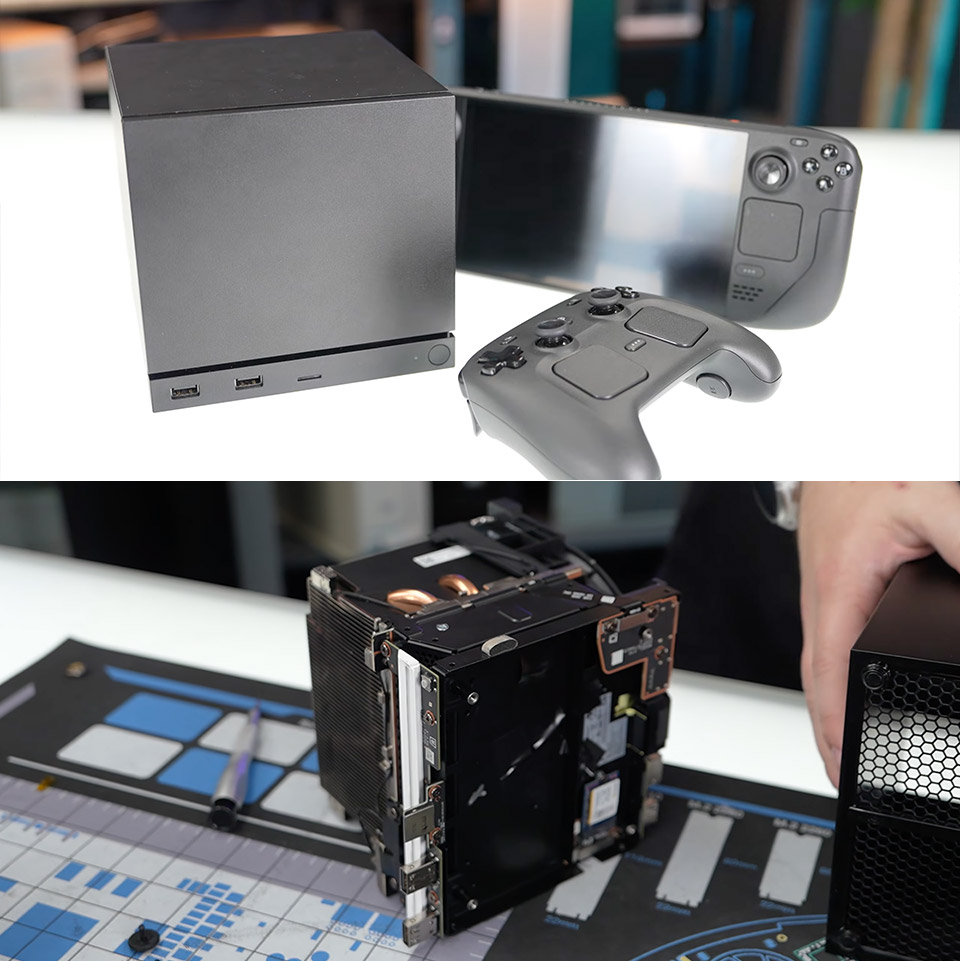
Valve released its Steam Machine as a compact desktop-style gaming system aimed at living room use with SteamOS. Even before units reached buyers, Gamers Nexus pulled one apart on camera and shared a detailed look at the internal layout, component choices, and assembly decisions.


Opening the chassis begins with simple steps that minimize the frequent difficulties of concealed clips or glued panels. After removing a few nuts, the front part lifts out. A hinged piece at the bottom is beneficial, and only a few screws are located at the back top edge. Once inside, the solid-state drive is visible and secured by captive Torx screws. There are no prying tools or delicate plastic tabs in the way. Feet on the bottom attach through rubber with screws rather than adhesive, ensuring that the replacement is clean and damage-free.
Sale


msi Claw A8 PC Gaming Handheld: AMD Ryzen Z2 Extreme, 8″ FHD+ 120Hz Display, 24GB LPDDR5x, 1TB NVMe SSD…
- High-Performance Computing: Harness the power of the AMD Ryzen Z2 Extreme processor to effortlessly handle demanding tasks. Enjoy reliable…
- Simplistic Design: Enjoy the latest generation of Windows 11 Home for your everyday needs. MSI recommends Windows 11 Pro for business use.
- Perfection Through Anthropometry: As a handheld device, Claw has achieved the optimal balance between its grip and weight. We have meticulously…
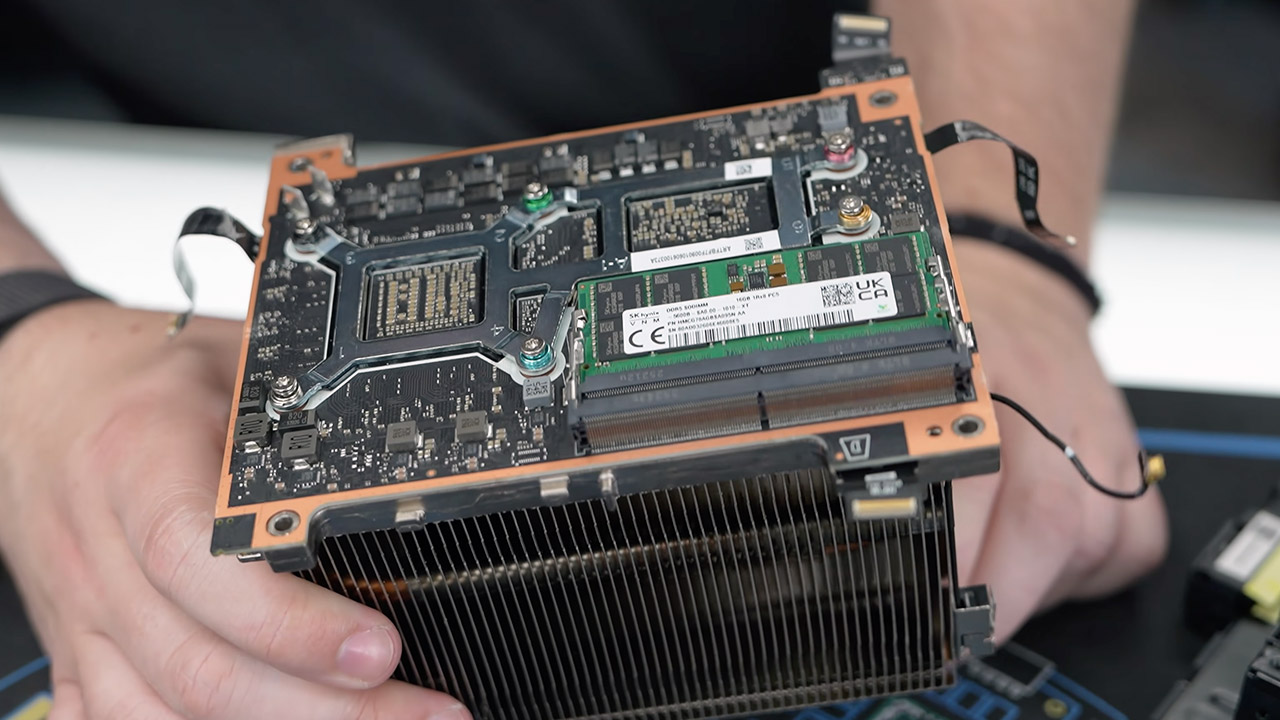
The mainboard stands out due to the amount of gear packed into such a small space. Digital Foundry examined photos from the teardown and described the board as a masterpiece of miniaturization. It’s comparable to Pico-ITX dimensions and substantially smaller than standard Mini-ITX boards, which measure 170 by 170 millimeters. An AMD CPU is at one end, and a graphics chip is at the other, both of which are covered in thermal paste during assembly. Four 2-gigabyte VRAM modules are located directly around the graphics processor. On the other side of the board, a single 16-gigabyte DDR5-5600 SODIMM module occupies one slot, leaving the second slot free for future upgrades. A unified backplate protects both major CPUs from the back.

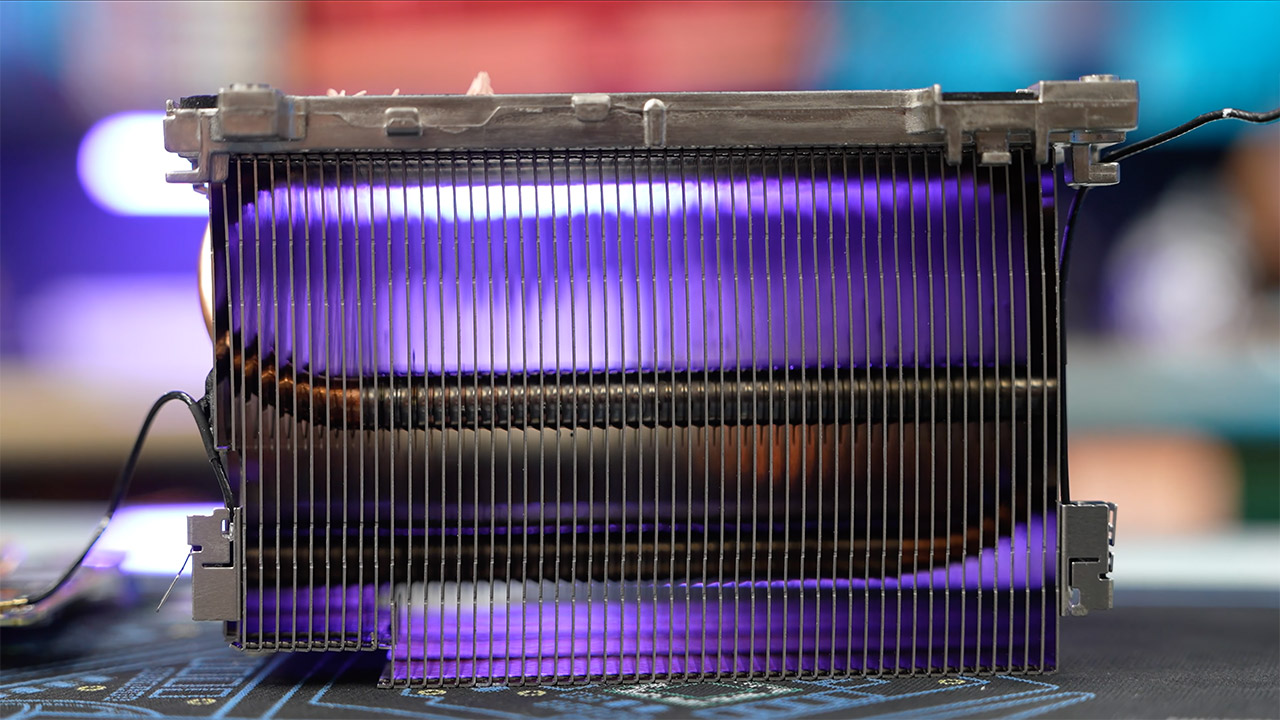
Cooling gets its own special treatment, with a custom fan sporting seven thick blades installed against a tall, vertically oriented fin stack in server architecture. The fins’ wide spacing decreases airflow resistance, while the blade shape prioritizes pressure to propel air through the dense stack. Thick heat pipes transport heat from processors to a copper sink. To increase contact across tight gaps, assemblers utilized thermal putty instead of hard pads on inductors, memory chips, and MOSFETs. Despite the fact that the machine is very small, the total system keeps temperatures under control.
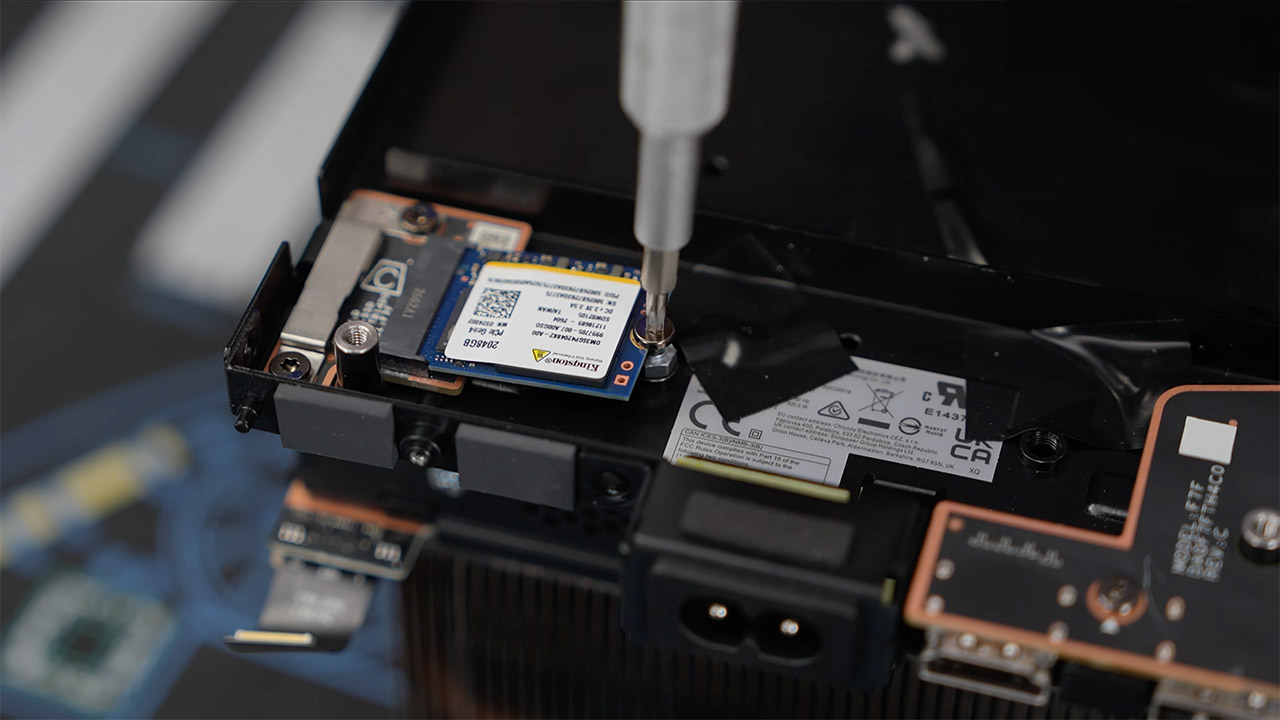
Access to memory follows a similar practical approach, with the single installed stick usually accessible without removing the entire heat sink. Some wires are bonded to the fin stack for compactness, as stated briefly during the disassembly. Still, the process remains far simpler than many other compact systems or consoles. Storage swaps prove even more straightforward once the outer shell is off.
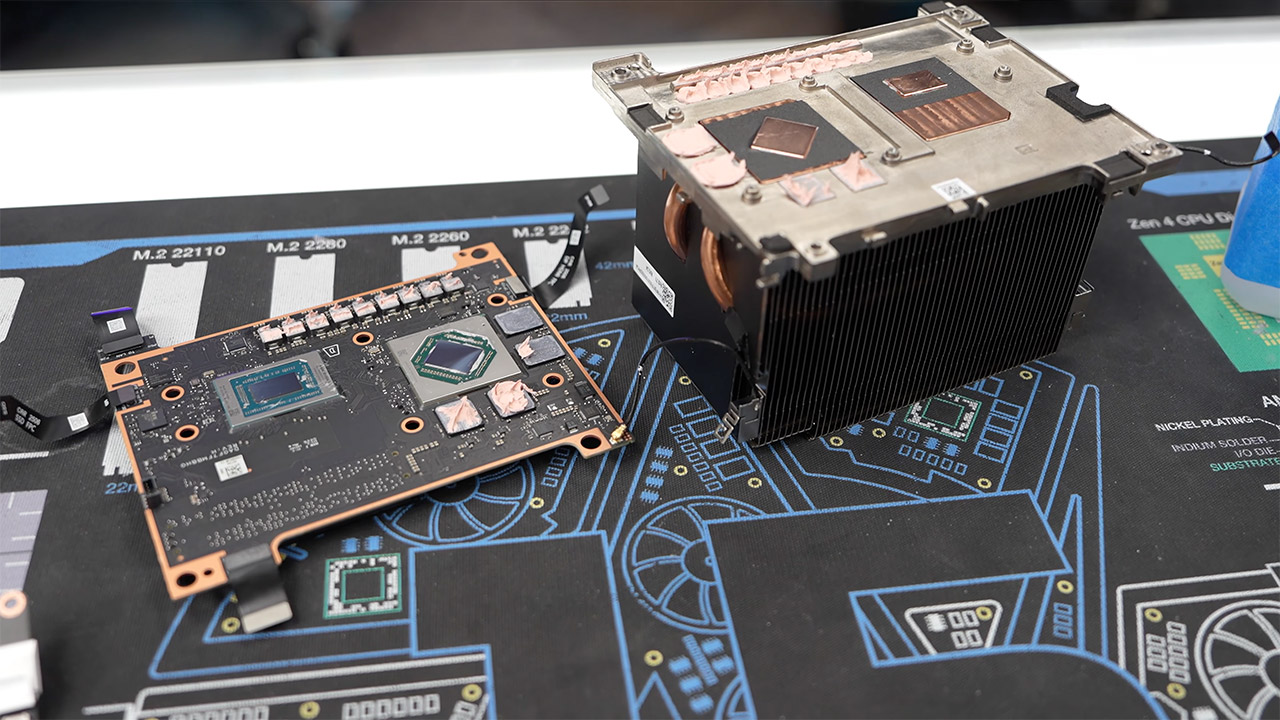
Labeling and documentation stand out as deliberate decisions. QR codes, plain text descriptions, revision numbers, directional arrows, and color-coded fasteners are employed throughout the inside. The numbers on the steps relate to the printed or screen-displayed instructions. The method is comparable to the repair-oriented thinking Valve used on the Steam Deck and previous controllers. According to Gamers Nexus, when it comes to critical components, the computer is easier to repair than most major game consoles, including the PlayStation 5.
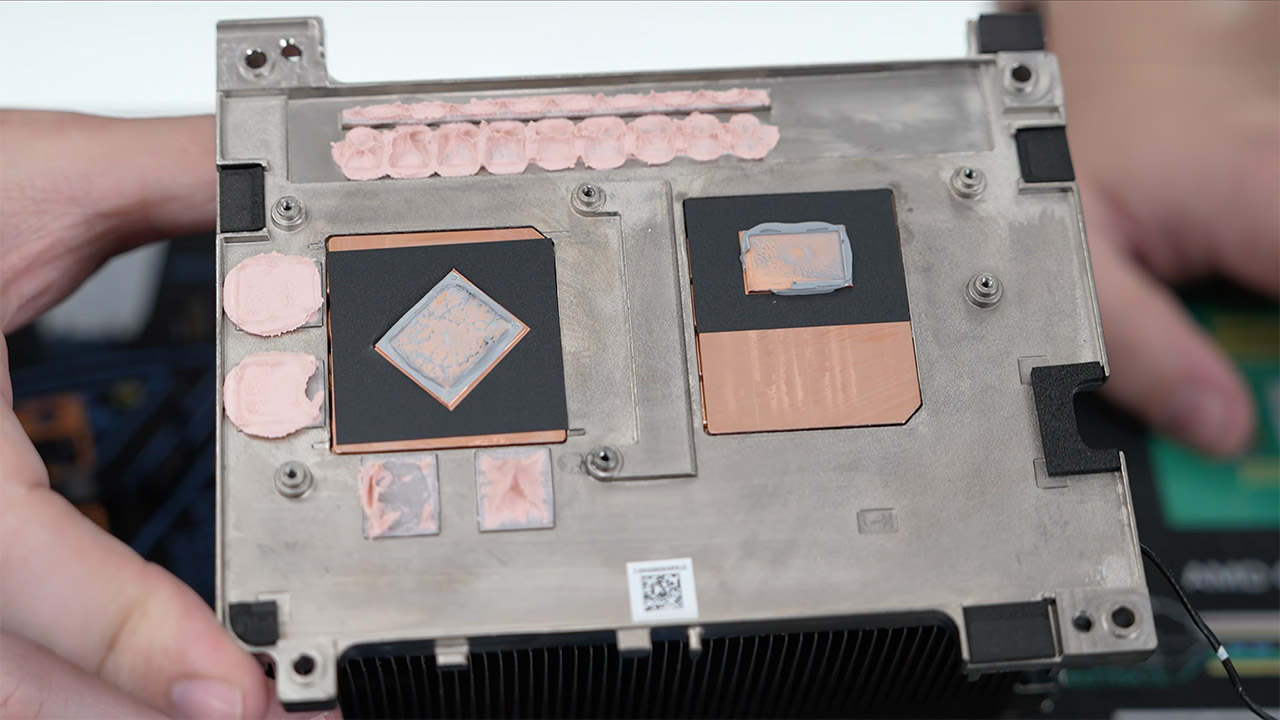
An internal power supply handles system needs through a custom blade-style connector. For safety reasons, the unit remains sealed, as is usual of high-voltage components. Input and output connectors are located on a separate board that also houses the display and wired networking capabilities. Some port sections appear modular, which may make repairs easier if a connector is damaged over time. Antennas are directly affixed to the fan frame, providing dependable WiFi and Bluetooth range without adding bulk.
You must be logged in to post a comment Login