Stellantis CEO says the company sees “space” for Chinese Leapmotor EVs in Canada and Mexico but “no space” in the US right now.
Stellantis CEO Antonio Filosa said on Thursday that the company sees opportunity to produce and sell Chinese-branded vehicles in Mexico and potentially Canada. In the United States, the answer is different. “Now there is no space in the United States. We don’t see that,” Filosa said at a news conference following the company’s investor day near Detroit.
The statement is remarkable for what it concedes. Stellantis, the parent of Jeep, Ram, Dodge, and Chrysler, is openly discussing using its own plants to produce vehicles designed by a Chinese competitor. The partner is Zhejiang Leapmotor Technology, in which Stellantis holds a 21% stake.
Stellantis also owns 51% of a joint venture with Leapmotor. The JV gives Stellantis exclusive rights to sell and manufacture Leapmotor products outside greater China. That structure makes Stellantis both a legacy Detroit automaker and a licensed distributor of Chinese EVs.
Advertisement
The 💜 of EU tech
The latest rumblings from the EU tech scene, a story from our wise ol’ founder Boris, and some questionable AI art. It’s free, every week, in your inbox. Sign up now!
The most obvious candidate for production is Stellantis’ assembly plant in Brampton, Ontario. The facility, a suburb of Toronto, has not produced a vehicle since the Dodge Charger and Challenger ended production in December 2023. Bloomberg reported in April that Stellantis was in discussions with Leapmotor about building EVs at the idled plant.
Canada’s trade deal with China allows 49,000 Chinese-made EVs to be imported annually at a 6.1% tariff. Building Leapmotor vehicles in Brampton would circumvent even that modest tariff. The cars would be Canadian-manufactured.
Advertisement
Filosa framed the partnership as a way for Stellantis to grow sales, learn from its Chinese counterpart, and share capital expenses. The learning dimension is as significant as the commercial one. Leapmotor’s engineering speed, cost structure, and software-defined vehicle architecture represent capabilities Stellantis has struggled to develop internally.
Leapmotor’s T03, a compact electric hatchback, has been selling through Stellantis dealerships across 13 European markets since September 2024. Prices start from approximately €18,900. The B10, an electric compact SUV from approximately €36,400, followed in early 2026.
Earlier this week, Stellantis expanded the partnership further. It also announced a European joint venture with a second Chinese automaker, Dongfeng. The Dongfeng deal covers shared sales, distribution, manufacturing, purchasing, and engineering.
Filosa’s distinction, “space” in Canada and Mexico, “no space” in the US, is a reading of political reality. It is not a reading of market demand. American consumers are paying $49,000 on average for a new car while Chinese models start below $15,000.
The company also announced a partnership exploration with Jaguar Land Rover for US product development. “JLR is a partnership that can work very well for both parties,” Filosa said. The JLR collaboration is designed for the US market where Chinese brands cannot go.
The Leapmotor and Dongfeng partnerships are designed for everywhere else. The strategy is clear: Chinese engineering for markets where politics permit, legacy brands for markets where they do not. Stellantis is playing both sides of the trade wall.
Chinese automakers produce vehicles that legacy manufacturers cannot match on price or technology. Stellantis’ response is not to compete head-on but to partner. Use Chinese engineering to fill its own plants and reach consumers who want affordable EVs.
Stellantis unveiled a $70 billion turnaround plan at investor day. It targets a 35% increase in North American sales led by Ram Trucks and a Chrysler revival. Positive cash flow is projected by 2027.
The Leapmotor and Dongfeng partnerships are a parallel strategy. While Stellantis invests in reviving legacy brands for the US, it is building a Chinese-powered vehicle pipeline for every other market. The Brampton plant, idle for two and a half years, may be where those two strategies meet.
Minecraft is a game about breaking and placing blocks. At first, players built simple structures to protect themselves from nocturnal monsters. But as the game grew, players began working together to create wonderful, imaginative things.
It can also be about adventuring with friends or watching the sunrise over a blocky ocean. It’s pretty. Brave players battle terrible creatures in The Nether, which is more scary than pretty. Or, if you’d prefer something calmer, you can visit a land of giant mushrooms – if that’s more your cup of tea.
How do I update Minecraft?
Open the Minecraft Launcher. Click on “Options,” next to the username text box, then press “Force update!” and login with your Minecraft credentials afterwards. Minecraft will start updating itself. This can also be used to get a fresh Minecraft installation, which will keep your saved games and texture packs, but not your mods.
Which version of Minecraft should I download (Java or Bedrock)?
Java Edition is popular for PC players who want mods and custom servers, while Bedrock Edition supports cross-platform play across consoles, mobile, and Windows.
Java is the more powerful and feature-rich version of Minecraft. PC gamers on the Java Edition have access to numerous communities and endless mods, which makes the multiplayer experience a lot more malleable. Java Edition also requires higher spec machines to run smoothly.
Advertisement
Bedrock Edition is multi-platform, which means Bedrock players can interact with each other be it console, mobile or PC. It comes packaged with microtransactions, RTX support, and a handful of other exclusive functions. Mainly its marketplace, where you can acquire skins and add-ons, and the option to use controllers. Parental controls via Xbox services can also provide peace of mind to parents.
How do I find other Minecraft players online?
To play Minecraft with others, you’ll need to join a server. Servers offer different gameplay styles – some focus on building, others mimic MMORPGs, mini-games, or survival challenges.
The easiest way to find servers is to use a search engine or browse popular Minecraft server lists like Minecraft Server List, Planet Minecraft, or MinecraftServers.org. If you’re after a specific experience (for example, GTA-style gameplay), just search something like “Grand Theft Auto Minecraft servers.” Once you’ve found a server you like, open Minecraft, go to Multiplayer, and select Add Server to enter the server’s address.
Do I need to download and install Java to play Minecraft?
Since Minecraft 1.18, the Java Edition installer includes its own bundled Java runtime (Java 17 for versions 1.19 and later), so most players don’t need to manually install Java anymore. However, if you’re using custom launchers, mods, or older versions, you might still need to install the correct Java version yourself.
Advertisement
Why can’t I install or run Minecraft after downloading?
Common issues include outdated Java versions (for Java Edition – see above), insufficient system requirements, or missing game updates – make sure your software and drivers are up to date.
Can I transfer my Minecraft worlds or progress to another device?
Yes, but the method depends on the edition. Java Edition worlds can be manually copied between devices, while Bedrock Edition worlds can often be synced through cloud saves or manually transferred.
Do I need a Microsoft account to play Minecraft?
Yes, new players need a Microsoft account to purchase and access Minecraft. Older Mojang accounts have been migrated to Microsoft accounts.
What’s New
Minecraft Java Edition 26.2
Advertisement
Chaos Cubed has landed in Minecraft Java Edition! Explore a striking cave biome filled with bubbling sulfur pools, build with sulfur and cinnabar, and discover the sulfur cube’s curious appetite for blocks! From bouncing and sliding to explosive surprises, this unpredictable mob unlocks exciting new ways to build, compete, and survive. Play Chaos Cubed today in Minecraft!
Happy mining!
New Features
Added the Sulfur Cube mob
Added the Sulfur Caves biome
Added the Cinnabar and Sulfur block sets
Added the Sulfur Spike and Potent Sulfur block
Added a new Music Disc with the track “Bounce” by fingerspit
Added 5 new music tracks by fingerspit
Added the Friends List
Added new settings for Friends List in Online Options
Added experimental support for rendering the game through Vulkan
Added new option “Graphics API” in Video Settings
Added Swiss French, Chuvash, Gallo, Uzbek, and Võro language support to the game
Sulfur Cube
Steve is riding a Pig in a Boat leashed to a Blue Ice absorbed Sulfur Cube, holding a Diamond Spear.
Advertisement
Added the Sulfur Cube mob
Spawns in the new Sulfur Caves biome
When a Player interacts with it while holding a block:
The Sulfur Cube absorbs the block
Its AI is disabled
While a block is absorbed:
The Sulfur Cube becomes a physical object:
It does not take fall or Player damage
Players can punch and push it
It assumes one of the archetypes (listed below), changing its physical properties to match the absorbed block
The Player can interact with it using Shears:
This removes the absorbed block
The Sulfur Cube’s AI is re-enabled
The Sulfur Cube will follow a Player holding a block it can absorb
The Sulfur Cube can look for nearby block items and move towards them to absorb them
When killed, the Sulfur Cube splits into two smaller Sulfur Cubes
Small Sulfur Cubes can be fed Slime Balls to grow into large Sulfur Cubes
A large Sulfur Cube can be picked up using an empty Bucket
Sulfur Cubes cannot enter Boats, but can ride Minecarts
Dispensers can:
Insert and swap blocks inside a Sulfur Cube
Use Shears to remove the held block
Spawn a Sulfur Cube from a Bucket of Sulfur Cube
Pufferfish are not scared by Sulfur Cubes
Sulfur Cube Archetypes
Noor and Sunny are playing football, using the birch absorbed Sulfur Cube as a ball in a stadium. Steve is goalkeeping.
Each archetype is characterized by the speed of the Sulfur Cube when hit, how bouncy it is when colliding with blocks and collidable entities, as well as its ground friction, air drag, and if it floats in liquids
There are the following archetypes:
Regular: medium speed, medium bounciness, medium ground friction, and low air drag
It is buoyant
Used when absorbing loose mineral and soil blocks
Bouncy: fast speed, high bounciness, medium ground friction, and low air drag
It is buoyant
Used when absorbing wooden blocks
Slow Bouncy: slow speed, high bounciness, medium friction, and medium air drag
Used when absorbing stone-like blocks
Slow Flat: slow speed, low bounciness, medium ground friction, and medium air drag
Used when absorbing metal blocks
Fast Flat: fast speed, low bounciness, medium ground friction, and low air drag
Used when absorbing organic blocks
Light: slow speed, high bounciness, medium ground friction, and high air drag
It is buoyant
Used when absorbing wool blocks
Fast Sliding: fast speed, no bounciness, low ground friction, and low air drag
Used when absorbing icy blocks
Slow Sliding: slow speed, no bounciness, low ground friction, and low air drag
Used when absorbing shroom blocks
There are also the following special archetypes:
High Resistance: very slow, low drag with low bounce with high friction
Used when absorbing Soul Sand and Soul Soil
Sticky: same properties as the Fast Flat archetype, but sticks with extremely high ground friction and no bounce to simulate stickiness
Used when absorbing a Honeycomb Block
Explosive: similar properties to the Regular archetype with a slightly higher air drag
Used when absorbing a TNT block
Absorbed TNT can be primed by Redstone, fire sources (including a Dispenser with a Flint and Steel), or nearby explosions
When primed by fire or Redstone, absorbed TNT uses a fuse time of 6 seconds
When primed by an explosion, absorbed TNT uses a randomized fuse time between 0.75 and 3 seconds
Sulfur Cubes with an absorbed, primed TNT block cannot be picked up with a Bucket
Absorbed, primed TNT blocks cannot be sheared out
On explosion, no small Sulfur Cubes are spawned
Hot: same properties as the Regular archetype, but damages entities on contact
Used when absorbing a Magma Block
Sulfur Caves Biome
Added Sulfur Caves biome
Generates naturally underground
The Sulfur Caves biome has bands of Sulfur and Cinnabar
Spawns the new Sulfur Cube mob as well as Cave Spiders
Generates with Sulfur Pools which contain Potent Sulfur
Sulfur Spring
Advertisement
Is a new feature which generates naturally above the Sulfur Caves biome
Consists of Sulfur, Potent Sulfur, and Magma Blocks
Sulfur Springs come in 4 different size variants:
Small
Medium
Large
Extra Large
Cinnabar and Sulfur Block Sets
A cute chimney made of Polished Cinnabar blocks and Cinnabar Bricks in a Forest Biome.
Added Cinnabar and Sulfur stone block sets
Each of them has Polished and Bricks variants
Each variant has its Slabs, Stairs and Walls blocks
Added Chiseled Cinnabar and Chiseled Sulfur blocks
Potent Sulfur
Is a new block that generates naturally in Water Pools inside the Sulfur Caves biome
Produces bubbles which rise up to 4 Water source blocks above it
When placed underneath up to 4 Water source blocks, it generates a cloud of nausea-causing gas on the water surface
This cloud spreads across adjacent water with a maximum radius of 3 blocks
Can be crafted from 9 Sulfur blocks
When placed above a Magma Block or a Lava Block, and under 1-4 Water source blocks, it creates a geyser
With Magma underneath, the geyser will erupt at random intervals, shooting a plume of water particles upwards and applying an upward impulse to entities above it
With Lava underneath, the geyser eruption is continuous, but with slightly muted sounds compared to the eruption from a Magma Block
Geyser eruptions emit game events at the beginning and at the end of the eruption that can be detected by Sculk Sensors
Sulfur Spike
Efe standing next to a cozy Cinnabar house, looking up to a Glowstone absorbed Sulfur Cube.
Is a new block that generates naturally on Sulfur blocks inside the Sulfur Caves biome
Forms a stalactite if placed on the ceiling or a stalagmite if placed on the floor
Can be combined to form longer stalactites & stalagmites
Stalactites and stalagmites merge if the tips are next to each other, unless you sneak while placing
Sulfur Spike stalactites can grow when placed under a Sulfur block
Stalagmites will break if they’re not attached to something below
Stalactites fall down if not attached to something above
Being hit by a falling stalactite hurts because they are sharp!
Stalagmites are not sharp and do not hurt more to land on
Thrown Tridents break Sulfur Spikes
Four Sulfur Spikes can be crafted into one Sulfur
Music and Sound
Added a new music disc:
“Bounce” by fingerspit
Has a chance of being found in Mineshaft Chest Minecarts that are located in a Sulfur Caves biome
Has a comparator output of 8 when played in a Jukebox
Added 5 new background music tracks by fingerspit:
“Shores”
“Memories”
“Nightly”
“Home”
“Ebb”
Added block sounds for Sulfur, Potent Sulfur, and Cinnabar
Added mob sounds for Sulfur Cube and small Sulfur Cube
Added sounds for when using a bucket on a Sulfur Cube
Added sounds for geyser eruptions
Advancements
Added new “Uh Oh” Husbandry advancement for having a Sulfur Cube absorb a TNT block
Friends List
Advertisement
Added a Friends List, accessible from a new Friends button on the Title Screen and the Pause Menu
The Friends List can be opened with a new key bind (default: “O”)
The Friends button shows a notification badge with the number of incoming friend requests, up to 5 (a “more” indicator is shown beyond that)
The Friends List is presented as an overlay with two tabs:
Friends: shows your current friends, lets you remove them, and lets you send a new friend request by Profile Name
Pending: shows incoming friend requests (which can be accepted or declined) and outgoing friend requests (which can be canceled)
The presence of your friends is shown under their name in the Friends List as one of the following:
“Offline”
“Online”
“Online (LAN)”
“Online (World)”
“Online (Realm)”
“Online (Server)”
Sending, accepting, declining, cancelling, and removing actions are confirmed in the UI and show a clear error message when the service is unreachable, rate limited, or the requested Profile Name does not exist
Friend changes that happen while the game is running are shown through toast notifications:
When a friend request is sent
When a friend request is received
When an outgoing friend request is accepted by the other player
Toasts show the other player’s face when the skin is available
The Friends List checks for updates once per minute while the Friends List is open, or every 5 minutes otherwise
The first time the Friends button is shown on the Title Screen, a confirmation dialog is presented to opt in to the Friends List
The Friends List, friend request privacy, and the Microsoft account safety settings link are managed from the new “Friends List” section in Online Options
Players that have their chat settings set to “Friends Only” on their Xbox profile will only see chat messages from other players if they are friends
Friends List Settings in Online Options
Added a setting to control the availability of the Friends List and its features in Online Options
Added an “In-Game Notification” toggle in Online Options to control whether Friends List toasts appear while in a world
Added an “Allow Requests” toggle in Online Options to control whether other players can send you friend requests
Added a “Visibility” option in Online Options screen to control how much activity is shared with friends (default: “All”)
“Full”: shares in-game activity
“Hidden”: no activity shared, appearing as “Offline” to friends
“Limited”: activity sharing limited to “Online” & “Offline”
Added an “Xbox Settings…” button in Online Options that opens the Microsoft account privacy and online safety settings
Vulkan Support
As previously announced, we intend to switch the game from OpenGL to Vulkan
Vulkan is not supported by older hardware or drivers – OpenGL will be used as a fallback on those cases
The current requirement is Vulkan 1.2 with dynamic rendering and push descriptors, but this requirement may increase or decrease over time
This is currently an experimental rendering backend, and may not be as performant or stable
Please report any bugs you find with it to our bug tracker
Under Vulkan, we will prefer your dedicated graphics card over any integrated graphics, which is a change from OpenGL
You can see which backend is being used in your F3 debug overlay (in the system_specs section)
On macOS, we use MoltenVK to translate Vulkan to Metal
“Graphics API” Video Setting
This is a new option available in the “Video Settings”
There are three values: Default, Prefer Vulkan (Experimental) and Prefer OpenGL
“Default” may be changed at our discretion, and we recommend this for all users unless you experience issues and need to change
Currently, it is the same as “Prefer OpenGL”
“Prefer Vulkan (Experimental)” will attempt to render using Vulkan, but fall back to OpenGL if it doesn’t work
Vulkan support is experimental for now, and using it might reduce performance or cause instability on some systems
“Prefer OpenGL” will attempt to render using OpenGL, but fall back to Vulkan if it doesn’t work
Startup and Fallback Behavior
If the game crashes at startup with “Prefer Vulkan (Experimental)” set, the setting will automatically be changed to “Default”
When set to “Default”, the game will still attempt to gather systems information about Vulkan at startup
If the game crashes at startup with “Default” set, the setting will automatically be changed to “Prefer OpenGL”
With “Prefer OpenGL” set, no interaction will be made with Vulkan in case that causes crashes
Changes
Tweaked various mobs hitbox, eye height, and rider positions
Hoglins are now considered hostile and do not spawn on Peaceful difficulty
Fixed baby Hoglin’s and Zoglin’s left ear texture so it’s properly mirrored
Updated the Main Menu background panorama
When the game is overwhelmed with particles, instead of removing existing particles in flight, it will now randomly select for particles to render or not render to stay under the particle limit
This change is especially visible with a large number of new geyser eruptions
As the host of a world, changing the game mode with F3 + F4 or with commands changes the default game mode of the world
Upgrading certain worlds from before 26.1 can now be faster
Respawning (as a spectator) in a hardcore world no longer turns off the spectators_generate_chunks game rule
Removed Touchscreen Mode
Minecraft Bedrock Edition 26.23 Hotfix
A new hotfix for Android and Realms is rolling out to address issues found in the latest update. It will become available on each platform as it’s approved, so please allow a little time for it to reach you.
Fixes:
Fixed an issue that caused black squares to appear on the screen when Vibrant Visuals was enabled on certain Android devices (MCPE-238627)
Fixed several crashes that could occur during gameplay
Minecraft Bedrock Edition 26.21 Hotfix
Gameplay
Advertisement
Various bug fixes and improvements
User Interface
Fixed a freeze when opening a furnace without recipes
Stability and Performance
Fixed Several crashes that could occur during gameplay
Fixed a crash that could occur on launch
Fixed a crash when clicking the ‘Search for people’ button while not signed in (MCPE-235488)
Minecraft Bedrock Edition 26.20
We’ve got an exciting release for you today – because alongside chaos and cubes in testing, we have Closed Captions coming in this release! Closed Captions have been a hotly requested feature – and now you can try it out for yourself alongside customisable positioning of the captions, duration, and sounds. Alongside this we’ve made some sound fixes and tweaks to the baby mobs after our Tiny Takeover drop, some texture and geometry fixes, and more. And don’t forget there’s plenty to test from our upcoming Chaos Cubed drop – including its hero mob, the sulfur cube, the home of said curious cube, the sulfur caves, plus sulfur springs and potent sulfur! With so much to talk about, we’d better dive in.
Chaos Cubed – Experimental Features
Please note: These features are still in development and may change. The physics for the Sulfur Cube is still a work in progress, and the directional knockback behavior is not fully implemented yet. Please keep sending us your feedback and bug reports!
Sulfur Cubes
Advertisement
Sulfur Cubes are a new mob coming to Minecraft with a curious appetite for… blocks! Found in Sulfur caves, this curious mob transforms depending on which block the player feeds it. Experiment and discover how to send Sulfur Cubes bouncing, sliding, and more!
When the Sulfur Cube is hit by a Player its knockback is now affected by the attacker’s hit angle, position and damage
When it is hit on the left it moves to the right and vice versa
When it is hit on the top it moves along the ground
When it is hit on the bottom it moves higher upwards
When it is hit with a greater damage it is knocked back more
When the attacker is positioned higher it moves downwards
When the attacker is positioned lower it moves upwards
Sulfur Springs
Found across the Overworld, you’ll know if you’ve spotted a Sulfur pool thanks to its Sulfur and Cinnabar blocks – and the noxious gas coming from it! But dig beneath these and you’ll discover a Sulfur cave, filled with new blocks to mine and a new mob to meet!
Potent Sulfur
Potent Sulfur is a new block you can use to create bubbling hot pools! Place potent Sulfur beneath water and you’ll soon spy bubble columns, as well as puffs of noxious gas. Build with caution – noxious gas will trigger nausea in players and nearby mobs!
Sulfur Caves
Discover this new cave type, with shallow pools of water and glow lichen. Sulfur caves are filled with yellow blocks of Sulfur, red blocks of Cinnabar, and a curious mob called the Sulfur Cube!
New Block Sets
You’ll find two new block sets in Sulfur caves – Cinnabar and Sulfur! These new blocks allow you to add rich reds and yellows into your builds, and each comes with its own full block set. Cobble them, craft with them, turn them into stairs or bricks – the choice is yours.
Features and Bug Fixes
Accessibility Features
Added closed captions with customisable sound, position and duration options
To provide feedback on the closed captions feature, please do so over at http://aka.ms/mcclosedcaptionsfeedback
Fixed incorrect UI scales when changing resolution
Damage tilt slider now affects rotation of player’s hands (MCPE-229437)
Accounts
Fixed issue where large values for player profile stats are incorrectly displayed (MCPE-185186)
Achievements
Fixed the Time Played stat briefly showing “-1 hours” on the Achievements screen while loading (MCPE-230285)
Blocks
Grass Blocks can now spawn Tall Grass when bone mealed
Tall Seagrass no longer breaks when generated using Bonemeal (MCPE-112509)
Bone Meal no longer produces Seagrass’s upper half above other plants (MCPE-224063)
Fixed issue placing leaves on top of leaves after decay (MCPE-237327)
Using Bone Meal on a Moss Block connected to Polished Diorite, Polished Andesite, or Polished Granite no longer replaces them with a Moss Block , (MCPE-129262) (MCPE-189928)
Blocks can now only be placed above a Flowerpot when sneaking (MCPE-237222)
Fixed interacting with a Jukebox or Composter while holding armor creating a ghost item (MCPE-227535)
Gameplay
Fixed knockback effect to behave more like Java edition (MCPE-190868, MCPE-170242)
Fixed an issue that caused players camera to rotate while interacting with blocks when using Full Keyboard Mode (MCPE-235656)
Fixed mouse camera sensitivity being higher than expected on Windows (MCPE-235748)
Fixed a bug to maintain aiming stick capabilities while the small emote screen is visible
Fixed a bug where Minecarts on the same track would not properly transfer momentum when colliding with each other
Smelting damaged armor now outputs nuggets (MCPE-237404)
General
Fall damage visual effects now trigger when the entity hits the ground
Fixed most cases where offline multiplayer would load infinitely (MCPE-173418)
Fall damage audio effects now trigger when the entity hits the ground
Fall damage visual and audio effects for non-player entities are no longer delayed past hitting the ground (MCPE-237211)
Graphical
Fixed an issue where Spyglass and Carved Pumpkin overlay were not being hidden while taking a screenshot in Vibrant Visuals. (MCPE-219934)
Fixed a bug where MERS textures were visible on the front of shields with banner patterns in Vibrant Visuals. (MCPE-235081)
Fixed a bug where emissive, metalness, and roughness values would not be loaded properly when switching to the Ray Traced graphics mode while in a world.
Added Vibrant Visuals support for all Shelf blocks
The baby Bees’ textures have been updated to match the adult Bees’ textures (MCPE-236685)
Fixed an issue where Static Colored Lighting wouldn’t propagate in chunks that were completely empty in Vibrant Visuals mode.
Fixed broken or incorrect textures after loading a world (MCPE-202009)
Fixed an issue that caused mushrooms on the back of mooshrooms to have incorrect illumination . (MCPE-225482)
Adding vibrant visual support for the following:
Shelf blocks
Nautilus Armors
Happy Ghast Ropes
Music Disc: Lava Chicken
Music Disc: Tears
Updated MERS texture for Baby Lazy Panda (MCPE-236812)
Fixed a bug where Bows and Crossbows used by players disappear with Texture Streaming enabled (MCPE-235735)
Fixed an issue where some devices would get artifacts on pixelated shadows in Vibrant Visuals
Fixed incorrect variation in block lighting during the slime jump animation in Vibrant Visuals
Fixed an issue causing cobweb blocks to not dither when player camera is nearby. (MCPE-235972)
Input
Fixed changing from handheld to docked Joy-Cons preventing input
Items
Baby Mobs no longer show green growth particles when being fed while their growth is stopped by a Golden Dandelion
The Torch recipe is now unlocked by acquiring a Stick, Coal, Charcoal, or a Pickaxe of any type
Golden Dandelion growth particles now emit from above Baby Mobs instead of from inside them
Marketplace
Fixed an issue where free trials were incorrectly being advertised for Marketplace Pass and Realms Plus on Nintendo Switch and Nintendo Switch 2 platforms
Mobs
Added Vibrant Visual support for Nautilus Armors
Baby Squid hitbox correctly bounds the mob
Baby Turtle now has swimming animations
Baby Glow Squid hitbox correctly bounds the mob
Baby Striders are no longer floating above ground (MCPE-236393)
Villagers move at correct speed when moving to workstations (MCPE-236656)
Fixed Baby Zombie Piglin snout texture to be front facing
Fixed adult Rabbit textures which had a line under their head
Got rid of extra pixels in Warm Baby Pig texture
Fixed Baby Hoglin’s crest texture so its on both sides
Updates the Brown Baby Panda texture to be more consistant with the other’s
Got rid of the dark stripe on the back of the Baby Panda’s heads
Fixed underside texture of Baby Goat and Baby Snifflet to be consistant with the adults. Fixed back of Baby Dolphin’s head which had inconsistent pixels
Updated the top of the Chainmail Baby Armor Helmet to match the adult’s
Mobs now correctly bounce after making contact with Slime Blocks and Beds, instead of bouncing mid-air before impact
Mobs now emit a vibration of frequency 2 when bouncing on Beds and Slime Blocks
Updated the Snow Fox baby’s sleeping texture; eyes are now dark blue to match adult’s sleeping texture (MCPE-236972)
Baby Zombies are no longer levitating when riding baby mobs
The rabbits’ idle animation has been disabled while they are leashed
The baby Wolves’ hind legs are now rotated correctly while sitting
Fixed a bug where Slime family mobs’ bounce animations would snap abruptly
Baby Camel hitbox size increased to match model geometry (MCPE-236077)
The baby humanoid Chestplate Armor is now centered on the mob
Baby Hoglin hitbox size increased to match model geometry
Baby Zoglin hitbox size increased to match model geometry
Adjusted the hitboxes for the following mobs, to better match Java:
Baby Villager
Baby Zombie Villager
Baby Zombie
Gurgle
Baby Husk
Baby Piglin
Baby Zombie Piglin
Baby Squid
Baby Glow Squid
Baby Fox
Adult Chicken
Librarians no longer offer Name Tags, and instead offer Red Candles or Yellow Candles on Master Level (MCPE-237281)
Party System (Beta)
The Party System is now available! Create a party, chat with your friends, and follow the party leader seamlessly from world to world – including into Realms and featured servers.
Available on Xbox, Windows, Android, PlayStation, and Nintendo Switch. iOS support is coming soon
Party Text Chat lets you stay connected with your party across worlds – separate from in-game world chat
The Party System is launching as a Beta as we continue to improve the experience – please give us your feedback at aka.ms/MinecraftPartyFeedback
Realms
Introducing Realm Hub, your new home base for all things Realms, accessible from the Realms Play screen.
Key features:
Administrator Role – Realm owners can promote trusted players to help manage the world, members, and settings.
Admin Log – Track actions administrators take, for full accountability.
Edit World Screen – A redesigned screen for world changes, add-ons, and pack management.
Story Feed – A social hub for sharing screenshots and auto-celebrating major Minecraft milestones.
Timeline – See who’s been playing on your Realm over the last month.
Subscription management – view and change your subscription to Minecraft Realms.
Note: Some screens like Member management are still to be updated. Stay tuned for more!
Other Realms changes:
Advertisement
Support added to join Realms with a Party.
Migrated pack management in the Realm edit world screen to OreUI.
Removed subscriptions tabs from in-game Realms settings
Fixed an issue where the save world modal would remain active after use.
Fixed issue where player can be softlocked trying to join a Realm they’re not a member of.
Fixed crash in Realms Stories for high member count Realms
Sounds
Adult Pigs and Baby Pig now have eating sounds
Trumpet note block instrument is now added to all Copper variants
Baby spawn sounds now play with the correct pitch for the following baby mobs:
Baby Pig
Baby Cat
Baby Chicken
Baby Horse
Baby Wolf
Fixed placement sound not playing when placing waterloggable blocks in water (MCPE-236601)
User Interface
Fixed PS4/5 store logo not appearing after navigating to the sidebar pages
Fixed caret movement acting twice and backspace deleting too many characters when using a physical keyboard on iOS
Improved how scrollable screen content is displayed in Ore UI menu screens on devices with notches, rounded corners or safe zones applied. Content now smoothly scrolls beneath the safe area instead of being cut off.
Furnace recipes will now unlock when you collect the corresponding material. The feature is available under “Experimental”
Fixed empty space appearing on screens with text input when using a physical keyboard on iOS
Fixed several issues with text input on iOS when using a physical keyboard
Updated the text on the beta feedback popup. (MCPE-236391)
Add missing closed captions for some baby mobs (MCPE-237205)
Added two missing strings that are only shown for a brief moment.
Fixed a bug where emojis were not rendering at the small text tooltip when selecting an item in the HUD’s hotbar
Fixed the Delayed Breaking Blocks setting visibility for the “Joystick & tap to interact” and “D-Pad & tap to interact” control modes of the Touch Tab of the New Settings Screen. (MCPE-236872)
Minecraft Java Edition 26.1.2 Hotfix
A new hotfix that addresses a couple of critical issues found in the release.
Minecraft Bedrock Edition 26.13 Hotfix
A new hotfix is rolling out to address issues discovered in the latest update. This update will be rolling out to various platforms as it becomes available, so please allow time for the update to reach you.
Fixes:
Advertisement
Fixed several bugs that could affect gameplay
Fixed an issue with custom entity components locked behind runtime IDs (MCPE-237713)
Selected emotes no longer revert to defaults when relaunching the title (MCPE-188449)
Minecraft Java Edition 26.1.1 Hotfix
It’s a sunny Wednesday in the shipping room and we’re starting the day off with releasing 26.1.1, a hotfix release that addresses an important issue reported in the 26.1 release. Happy mining!
Fixed bugs in 26.1.1
MC-307140 – Chat messages can no longer be reported if the chat is enabled
Minecraft: Bedrock Edition 26.11 Hotfix
A new hotfix has been released (only Windows only) to address issues discovered in the latest update. This update will be rolling out to the various platforms as they become available, so please allow time for the update to reach you.
Gameplay
Advertisement
Fixed mouse camera sensitivity being higher than expected on Windows (MCPE-235748)
Minecraft Java Edition 26.1
Ready or not, here comes the Tiny Takeover drop! New versions of baby mobs have stormed Minecraft, causing cuteness overload across biomes and builds. Listen out for heart-melting sounds, craft name tags for your pets, and keep babies forever young with the golden dandelion. The babies are officially on the loose, so get ready to collect, coo over, and create chaos with these tiny rascals!
New Features
Added new baby sounds for Wolf, Cat, Pig, Horse, and Chicken
Added Golden Dandelion
Added adult sound variants for the following animals:
Cats have one new sound variant
Pigs have two new sound variants
Cows have one new sound variant
Chickens have one new sound variant
The original sounds of each animal are used for the variant called classic
Every one of these animals will have a random sound variant assigned to it from the new variants and the original one
Added a trumpet instrument for when using a Note Block that is placed on a Copper Block
The sound is different based on the oxidation level of the Copper Block
Golden Dandelion
The Golden Dandelion is a new type of flower that can be used to stop baby mobs from agingInteracting with a baby mob while holding a Golden Dandelion will stop the mob from aging
When aging is stopped, green particles moving downwards will be shown
Interacting with a baby mob that has been stopped from aging while holding a Golden Dandelion will cause it to start aging again
When aging is started again, green particles moving upwards will be shown
It cannot be used on undead baby mobs and baby Villagers
Can be crafted using a Dandelion and Gold Nuggets
Changes
Revamped the visuals of most baby mobs
Name Tags are now craftable and can be crafted with 1 Paper and 1 of any Metal Nugget
Removed Name Tags from loot chests in Ancient Cities and Woodland Mansions
Deepslate can now be directly crafted into its cobbled, polished, brick, and tile variants in the Stonecutter
Stone can now be directly crafted into cobbled variants in the Stonecutter
Updated the Main Menu background panorama
Tweaked default JVM options
The algorithm that maps block and sky light levels to how bright things appear on screen has been fully rewritten
Removed baby Herobrine
Baby Mobs
Updated the models and textures of the following baby mobs:
Cow
Mooshroom
Sheep
Pig
Cat
Ocelot
Wolf
Chicken
Tweaked the bounding box to align with the new model
Rabbit
Both adult and baby Rabbits also received new animations
Tweaked the bounding box to align with the new model
The programmer art Rabbit textures have been removed following the remodeling of the Rabbit
Horse
Increased the bounding box of baby Horses to better fit the new model
Donkey
Mule
Zombie Horse
Increased the bounding box of baby Zombie Horses to better fit the new model
Skeleton Horse
Increased the bounding box of baby Skeleton Horses to better fit the new model
Camel
Llama
Bee
Fox
Goat
Armadillo
Polar Bear
Panda
Snifflet
Dolphin
Squid
Increased the bounding box of baby Squid to better fit the new model
Glow Squid
Increased the bounding box of baby Glow Squid to better fit the new model
Turtle
Axolotl
Increased the bounding box of baby Axolotls to better fit the new model
Strider
Hoglin
Zoglin
Zombie
Increased the bounding box of baby Zombies to better fit the new model
Husk
Increased the bounding box of baby Husks to better fit the new model
Drowned
Increased the bounding box of baby Drowned to better fit the new model
Piglin
Increased the bounding box of baby Piglins to better fit the new model
Zombified Piglin
Increased the bounding box of baby Zombified Piglins to better fit the new model
Villager
Increased the bounding box of baby Villagers to better fit the new model
Zombie Villager
Increased the bounding box of baby Zombie Villagers to better fit the new model
Baby Cats are now scaled up to be the same size as baby Ocelots
Baby Horses are now scaled up slightly
Baby Polar Bears no longer attack Foxes
Adult Horses’ Blackdot markings were updated to be visually closer to the new baby Horse markings
Small Armor Stands now display correctly by using the adult armor and scaling it down
Armor on baby Wolves will no longer render
Saddles on baby Pigs and baby Camels will no longer render
Camel Husks no longer have a baby model
Trades
Advertisement
The trades that are unlocked by Villager professions are now generated using deterministic random sequences, like loot drops and barter loot
Re-rolling a Villager’s trades still produces a randomized sequence of trades, but that sequence is now determined by the world seed
Master Librarians no longer offer Name Tags
Master Librarians now offer Red Candles and Yellow Candles for the price of three Emeralds
Master Librarians now have three available trades to ensure that an Enchanted Book trade is always offered when using the Rebalance experiment
The Wandering Trader will now offer Name Tags for the price of one Emerald
Minor Tweaks to Blocks, Items and Entities
Striders now correctly inherit the warmth of the Strider they are standing on, matching Bedrock
Zombie Horses no longer panic when hurt
Updated the dismount speed thresholds for Spears to match Bedrock
The Tripwire texture is now rendered as alpha cutout instead of transparent
Lightmap Algorithm Changes
The new algorithm mostly provides the same overall results as before, but:
It is simpler and more straightforward, and fixes multiple issues of the previous one, as listed in the Fixed Bugs section below
The Darkness effect and world darkening effect of the Wither fight now work the same way in all dimensions
The Night Vision effect now simply adds ambient light instead of scaling the resulting colors. This means that fully dark areas no longer look brighter than areas lit by block or sky light
More aspects of the algorithm such as block light tint, ambient light color and night vision color are now data-driven through environment attributes, as described in the Data Pack section below
UI
Along with large changes to the world data format in this release, worlds that need to be upgraded will now show Upgrade and Play instead of Play Selected World and the Edit World and Re-Create World buttons are disabled until the world has been upgraded
A new screen has been added to show upgrading progress
Changes were made to how the chat screen is handled when it’s restricted by settings
Input Method Editor (IME) candidates will now be shown in-game (on supported platforms, currently Windows and macOS) above the currently edited text field
The game will try to restore the last IME status when any text field is selected
If no text input is selected, IME input will be canceled and the status will not be updated
Added a new display option called “Exclusive Fullscreen” which controls if fullscreen mode should take full control of a monitor
Defaults to false (i.e. non-exclusive mode)
Any change will be applied only after the game restarts
Warning: exclusive fullscreen mode might prevent use of input methods (IME)
Fixed bugs in 26.1
MC-13187 – Water in water cauldrons is not transparent
MC-64087 – Revengeful zombies / Zombie reinforcements try to attack players in Creative mode
MC-91132 – No cross-platform CJK IME support
MC-98631 – The heights of shields in first person are different depending on what hand you have them held in
MC-99647 – The “below_name” scoreboard display slot doesn’t work with non-player entities
MC-102774 – You can respawn the ender dragon with only two end crystals
MC-129886 – Trying to place a block below the bottom of the world does not give an error message
MC-131745 – Shipwrecks sometimes generate split into different variants at chunk boundaries
MC-134573 – The game freezes while doing a world backup
MC-153831 – Trader llamas spawned from breeding can despawn
MC-163978 – Mobs can spawn on moving blocks
MC-178713 – Bone meal can be used on certain plants at build height, but they don’t grow
MC-179949 – You cannot edit the inventories of piglins by using ‘/item replace’
MC-181169 – Skeleton trapped horses with PersistenceRequired still despawn
MC-184432 – There is no warning when using bone meal on plants that try to grow above or below the world height limits
MC-184433 – When applying bone meal to grass / ferns / nether fungi at the upper build limit, there is no warning, and the taller part of the plant is cut off
MC-195237 – End portals and end gateways held by endermen or as block display entities are not rendered, but nether portals are
MC-197497 – The block light transition from level 1 to 0 is not smooth when there is no sky light and Smooth Lighting is enabled
MC-199559 – Light appears darker and orange when Night Vision is active
MC-199975 – Endermen holding bells or bell block display entities only render the bell frame
MC-219981 – Leader zombie-type mobs spawn with 20 health despite having an increased maximum health
MC-221510 – Dolphin would rather drown than get air when chasing items
MC-222949 – You can use tridents enchanted with Riptide while riding entities
MC-230139 – Typos in stonecutter recipe names
MC-230746 – Pointed dripstone does not grow with a waterlogged block 2 blocks above it but does fill cauldrons
MC-231663 – Dragon eggs do not check whether there is a block under their destination when teleporting
MC-233911 – Sleeping in a bed and waking up no longer instantly sets the daytime sky
MC-248092 – Untamed cats on lead despawn when attached to fence post
MC-254785 – Bone meal is consumed when used on a bamboo stalk with a block above it
MC-257362 – Particles from breaking frogspawn are transparent
MC-259032 – /data produces a positive result for low negative numbers
MC-260148 – show_notification only works for shaped crafting recipes
MC-263488 – The item texture of pink petals has a misplaced transparent pixel
MC-264155 – Bone meal doesn’t work on grass blocks beneath cave air or void air
MC-264187 – Spawners with their light limits set to ranges that don’t include 15 don’t spawn mobs under the night sky
MC-273228 – Crash when generating water lakes using a custom worldgen datapack
MC-274238 – Persistent trader llamas can despawn when leashed to wandering traders
MC-275014 – Weathered and oxidized copper bulbs cast stronger shadows on themselves when lit with smooth lighting enabled
MC-279187 – The “selectWorld.backupWarning.snapshot” string incorrectly pluralizes the word “corruption”
MC-297536 – Z-fighting occurs on the debug crosshair
MC-298136 – The aura of beacon beams now always renders behind block entities
MC-298745 – Unlocking new recipes or changing dimensions replaces the locator bar with the experience bar temporarily
MC-299730 – Dumping textures while using a TTF font crashes the game
MC-299992 – Unexpected behavior when giving or testing for an item with certain components manually specified as their default values
MC-300380 – Copper golems do not pathfind down blocks that are in between half a block and a block tall to a chest
MC-300465 – Maps with the maximum number of markers cannot be placed in item frames
MC-301003 – The bell part of bells worn on copper golems’ “saddle” slot is not visible
MC-301245 – Copper golem statues are displayed upside down in block displays
MC-302186 – Ambient lighting in the Nether appears discolored compared to previous versions
MC-302408 – Inconsistent underwater lighting with the Conduit Power effect applied
MC-302528 – Low sky & block light look outright broken when cast on the same area
MC-302635 – Semi-transparent blocks render in front of solid blocks when viewed through semi-transparent blocks being pushed by a piston
MC-302734 – Zombie horses constantly move in and out of water and burn to death
MC-303119 – Feeding a cat or wolf in Survival mode with only one item in the selected item slot does not restore as much health as it should
MC-303125 – Creepers can blow up after the player dies
MC-303344 – Tooltips for selected items in dialogs are displayed even when the item isn’t being hovered over
MC-303389 – The ender dragon’s velocity can be affected by attacks while perched
MC-303403 – Hanging sign block displays render dark and above other blocks and mobs
MC-303684 – Hoglins can despawn when attached to leads
MC-303685 – Zoglins can despawn when attached to leads
MC-303692 – The debug overlay text has an indent when “Improved Transparency” is disabled
MC-303749 – Dolphins can despawn when attached to leads
MC-303750 – Squids & glow squids can despawn when attached to leads
MC-304023 – Redundant level data fixer files are saved in worlds’ “data” folder
MC-304217 – Lunge’s hunger requirement applies to post_piercing_attack effects of custom enchantments
MC-304361 – The heads of zombie nautiluses have a massive empty gap on the back
MC-304446 – Activating a stasis chamber with a sponge deletes the ender pearl
MC-304599 – Dolphins don’t follow players riding nautiluses like in Bedrock Edition
MC-304631 – Anisotropic filtering set to 8x causes opaque translucent textures to become transparent in the distance when there are odd-sized block textures
MC-304683 – Wandering traders don’t spawn in single biome snowy plains worlds
MC-304705 – The E value in entity_render_stats in the debug overlay doesn’t work
MC-304725 – Zombie villagers summoned with default spawn eggs always spawn as their plains variant
MC-304761 – Spears’ charge animation takes too long to rotate sideways for slower spears
MC-304796 – Hovering over a disabled slider shows the pointing hand cursor instead of the forbidden cursor
MC-304991 – Clicking on a chest with loot that hasn’t been generated in Spectator mode makes the “block.chest.locked” sound
MC-305012 – The description of the “Universal anger” game rule still uses the old ID of the “Forgive dead players” game rule
MC-305040 – Nautili spawned as a result of a player breeding two other nautili can despawn
MC-305123 – Curse of Vanishing doesn’t work when the item is equipped on an armor stand
MC-305196 – Witches always miss their shots when close to their target
MC-305292 – Copper chests use the Christmas present texture
MC-305369 – Trying to attach a leash to a fence outside its reach places a ghost leash knot and plays a sound
MC-305388 – Bees never cease to be angry
MC-305451 – Tripwire is invisible through translucent blocks if “Improved Transparency” is disabled
MC-305471 – Cacti appear with seams on the edges and corners when using higher resolution texture packs with mipmaps enabled
MC-305580 – Baby zombie horses and baby skeleton horses grow into adults, unlike other baby undead mobs
MC-305699 – Piglins in groups fail to initiate hoglin hunting behavior
MC-305857 – Entity hitboxes now move jaggedly when the game is frozen
MC-305888 – Turtle eggs no longer hatch in the Nether or the End
MC-306123 – Wolves still try to attack players even in Peaceful difficulty
MC-306427 – Certain mobs holding items with empty “kinetic_weapon” components crash the game whenever target acquisition succeeds
MC-306566 – The totem of undying screen effect now jitters while the game is frozen
MC-306658 – Dolphins let themselves drown even with ample access to air
MC-306798 – Ender dragons with a DragonDeathTime of 200 or greater never disappear
Minecraft: Bedrock Edition 26.0
I’m not sure what to start with today – the baby mob redesigns and craftable name tags coming into testing? Or the fact that this release is the first that follows our new numbering system? Actually, why choose! In this release we’re entering 26.0, and thanks to the weeks we’ve spent teaching the nautilus some new moves, you’ll find some new swimming animations for this underwater mount. We’ve also fixed a bug with Nether Portals so you can light them with lava again. In testing, you’ll be able to try out crafting name tags, and meet new redesigns for baby mobs! And that’s not all, either. Let’s dive in!
Experimental Features
Advertisement
General
Added experimental toggle for Drop 1 of 2026
Items
Name Tags are now craftable, using paper and any metal nugget
Baby Mobs
Updated the models and textures of the following Baby Mobs:
Cow
Tweaked the bounding box of both adult and baby to align with Java Edition and the new model
Mooshroom
Tweaked the bounding box of both adult and baby to align with Java Edition and the new model
Pig
Wolf
Tweaked the bounding box of both adult and baby to align with Java Edition and the new model
Known Issue: The MERS texture of the tamed Wolf is currently a placeholder, and will be updated in a future Preview update
Rabbit
Both adult and baby Rabbits also received new animations
Tweaked the bounding box to align with the new model
Cat
Tweaked the baby’s bounding box to align with the new model
Ocelot
Chicken
Tweaked the bounding box to align with the new model
Sheep
Using a Spawn Egg on the corresponding Mob will now spawn the Baby form of that Mob
Sounds
Baby Pigs, Cats, and Wolves, now have a unique set of sounds
Known Issue: Adult Wolf sound variants are currently not working as expected, and will be fixed in a future release
Features and Bug Fixes
New Version Numbering System
Going forward, we’ll be numbering our versions based on the year. So, for both Bedrock and Java Edition, version numbers in the year 2026 will begin with ’26’
For a deeper look into the changes, check out aka.ms/MinecraftVersionUpdate
Accounts
Fixed player data becoming disconnected from account for Xbox players in split-screen mode (MCPE-233088)
Accessibility
The new Gameplay subtitles (closed captions) will remain in the Beta and Preview versions only for a while longer, while we work on polishing and bug fixing
Blocks
Bamboo Stalks no longer pop in as obviously, from a distance they have no transparency instead (like Sugar Cane and Cactus) unless on Simple graphics
Rotated Y axis orientation of blocks in hand rendered in third person to match Java (MCPE-231979)
Creator
Added command macro support
Adds toggle to the Creator Settings screen, which when enabled adds 10 new key mappings to the keyboard/mouse controls settings screen which each have a text input for what command to run when the input is pressed
Commands can only be run while in game
All re-mappable keys are coordinates of Alt plus the chosen key
Added guard to prevent mapping a command macro key to Alt, as Alt is the coordinates key already
Dressing Room and Character Creator
Fixed upgrade from UWP to GDK causing corrupt skin states
Updated Android Photo Picker instead of requesting media permissions.
While in a world, classic skins equipped within the marketplace will now be reflected in game after exiting the marketplace and unpausing
Loading cached appearances works while offline
Prefer loading cached appearance over random skin
Gameplay
Vindicator now correctly attacks all non-illager mobs when the nametag “Johnny” is applied (REALMS-13166)
Fixed an issue that caused Nether Portals to not get ignited by lava (MCPE-232906)
Fixed the End gateway portal that teleported the player to the void area (MCPE-228267)
General
The Adventuring Time achievement no longer unlocks after visiting fewer than 17 biomes on PC (MCPE-156784)
Fixed an issue on Windows where the window reset to a smaller size on reopening, even when a single monitor had sufficient space (MCPE-228875)
Graphical
Fixed a bug where screenshots taken with Ray Traced graphics mode selected did not render accurately
Fixed an issue where block highlight was not visible when the Outline Selection toggle was turned off in Vibrant Visuals (MCPE-222491)
Fixed an issue where the graphics mode options were changing after game updates (MCPE-226682)
Fixed water extinction being drawn over fog when the chunk behind it is missing in Vibrant Visuals
Fixed an issue that caused darker colors in some skins to appear washed out in Vibrant Visuals (MCPE-206669)
Fixed a bug with the ‘Hide Sky Flashes’ option causing The End entrance sound to loop
Fixed note effects on Note Blocks not displaying the correct color in darkness
Fixed an issue that caused lighting on End Portals to render incorrectly if a resource pack defined a Portal block as a point light in Vibrant Visuals
Made the fire effect on burning mobs and players dither when the player-camera is nearby
Fixed the Snow Golem’s pumpkin head not being dithered when the toggle is enabled (MCPE-228082)
Fixed dithered objects flickering when resolution is set to 50% in Vibrant Visuals (MCPE-231582)
Fixed a bug that would sometimes allow sunlight to shine through walls, e.g. near cave entrances, in Vibrant Visuals mode
The textures of Stripped Spruce Logs and Stripped Spruce Wood are now in parity with Java (MCPE-137379)
Fixed an issue where textures would not be correctly reloaded when changing between graphics modes in the main menu
Mobs no longer randomly flicker every few seconds (MCPE-220557)
Fixed shadow stripes appearing on the ground during sunset and sunrise with high FoV on low quality settings in Vibrant Visuals mode.
Fixed an issue that caused all player markers on locator maps to have the same color in Vibrant Visuals mode.
Fixed an issue which was causing textured items held-in-hand to be double-tinted in Vibrant Visuals mode.
Fixed an issue in the Editor that would cause the viewport to become distorted in Vibrant Visuals mode when using the Paste or Repeater tool
Fixed an issue where the screen would be completely black when the camera was inside of a block in Vibrant Visuals mode. (MCPE-221667)
Fixed an issue that caused banner poles to appear darker in Vibrant Visuals.
Fixed shields with banner designs rendering incorrectly when equipped in first person. (MCPE-232638)
Dithering
Added dithering to items held by Players and Mobs if dithering is enabled in Accessibility menu.
Added dithering to skulls, heads, chests, shulker boxes, banners, conduits, decorated pots and copper colem statues held by Players and Mobs if dithering is enabled in the Accessibility menu.
Added Cobweb block to the list of ditherable blocks.
Fixed dithering for equipped shields with banner designs when held by entities.
Data-driving
Added the ability to specify ambient light colors according to the time of day in the Vibrant Visual lighting configuration files.
Added the ability to specify ambient light illuminances according to the time of day in the Vibrant Visual lighting configuration files.
Added the ability to specify sky light intensity according to the time of day in the Vibrant Visual lighting configuration files.
Input
Fixed an issue where pressing the Alt key would cause the game to freeze display (MCPE-230294)
The on-screen keyboard will now close when typing with a physical keyboard (MCPE-228584)
Fixed not being able to type into a text box when hovered (MCPE-229178)
Fixed an issue on Windows where the camera would shift slightly after closing the pause menu (MCPE-227945)
Fixed a bug on Windows where scrolling could cause the camera to move (MCPE-230921)
Items
Spears now rotate in the same direction when charging in first and third person view
Fixed an issue where adding items to a Bundle in a Chest would sometimes not save after leaving the game (MCPE-187058)
Diamond and Netherite Horse Armor now provide toughness values of 2 and 3, respectively
Diamond and Netherite Nautilus Armor now provide toughness values of 2 and 3, respectively
Horse Armor, Nautilus Armor, and Wolf Armor now display their toughness, armor, and knockback resistance values when greater than 0
Piglin Spawn Egg and Piglin Brute Spawn Egg are now correctly sorted in alphabetical order (MCPE-231580)
Fixed an issue where the map marker was stuck when a Locator Map in an Item Frame was deleted (MCPE-185362)
Diamond Horse Armor now provides 2 points of toughness, while Golden Horse Armor provides none (MCPE-232700)
Carried item models will no longer be larger when using a HD texture pack (MCPE-169754)
Equipping an item with a storage item component in an armor or hand slot will no longer delete storage contents.
Fixed an issue where trimmed armor would not appear correctly after suspending and resuming the game. (MCPE-234122)
Items now flow properly in water again (MCPE-234749)
Mobs
Wolf shadow and model are now centered (MCPE-176018)
The baby variants of Zombies, Zombie Villagers, Drowned, and Husks now drop items when killed (MCPE-93172)
The baby variants of Squid and Glow Squid no longer drop items when killed (MCPE-189551)
Fixed an issue where Polar Bears recalculated their path to the target twice as often during the stomp attack
Improved movement logic for Nautili and other underwater mobs
They are now less likely to get stuck on block edges
When tempted, they navigate around obstacles instead of moving in a straight line toward the player
They no longer spin while moving vertically
They no longer move excessively slowly when moving vertically
Mob effect particles can now appear slightly outside of the mob’s bounding box
Tweaked the chance of Zombie Riders spawning with Copper Armor to more closely match Java (MCPE-229469)
Tweaked the chance of Husk Riders spawning with Copper Armor to more closely match Java
Players and baby Drowned no longer float on Nautili when riding them
Attachable items no longer render when equipped to a Zombie Nautilus via commands
Drowned, Skeleton, Stray, Bogged and Parched can no longer pick up spears
Zombies that spawn riding Zombie Horses now have a loot table with an armor chance matching that of regular Zombies (MCPE-232098)
Baby Horses, Donkeys, and Mules no longer gradually grow in size as they age, matching Java Edition (MCPE-121628)
Fixed a bug where baby Zombie Horses would shrink in size when they grew into adult Zombie Horses
They cannot now grow into adult Zombie Horses at all, matching Java Edition
Nautilus and baby Nautilus now have swim sounds
Zombie Nautilus now has swim sounds
Nautilus now has alternative ambient, hurt, and death sounds when on land
Baby Nautilus now has unique swim sounds, including alternative ambient, hurt, and death sounds when on land
Zombie Nautilus now has alternative ambient, hurt, and death sounds when on land
Baby Drowned can now spawn with Tridents
Adjusted the ratio at which Drowned spawn with Tridents and Fishing Rods, matching Java Edition
Creaking attack animation is no longer cut short (MCPE-187288)
The Water Breathing effect now prevents the Nautilus from suffocating outside of water, consistent with its behavior for other aquatic mobs (MCPE-232061)
Drowned can now control the Zombie Nautilus they ride, allowing them to actively chase their target (MCPE-232370)
The Baby Zombie Horse can no longer be ridden
The Baby Zombie Horse can no longer be equipped with a Saddle or Horse Armor
The following undead mobs will no longer panic when hit
Camel Husks
Skeleton Horses
Zombie Horses
Wolf Armor is now aligned to the Wolf when it has the Armor equipped (MCPE-232488)
Fixed a bug that prevented some zombie variants to form Chicken Jockeys, including: (MCPE-223845)
Baby Drowned
Baby Husk
Baby Zombie Villager
Baby Zombified Piglin
These now have the random ability to sometimes mount the following mobs:
Cat
Cave Spider
Chicken
Cow
Donkey
Horse
Husk
Mooshroom
Mule
Ocelot
Panda
Pig
Spider
Wolf
Zombie
Zombie Horse
Zombie Villager
Zombified Piglin
Zombie horses and Zombie Nautiluses no longer occasionally burn while swimming in water (MCPE-229542)
Fixed a bug where most mobs would stare at players, mobs or targets for an excessive amount of time
For more details see the technical section
Fixed bug where several mobs would look at players from a further distance than intended
Allay
Armadillo
Axolotl
Camel
Frog
Sniffer
Tadpole
Turtle
Wolf
All three Nautilus variants no longer have a gap between their head and shell (MCPE-231602)
Improved swimming animations for all three Nautilus variants:
The head now slightly retracts into the shell while swimming, creating a propelling motion
This only occurs when the Nautilus is moving and not being ridden
Nautilus and Zombie Nautilus no longer have permanently increased movement speed after becoming hostile
Skeleton Horse, Zombie Horse, Zombie Nautilus, and Husk Camel are no longer damaged by the Conduit
Skeleton Horse, Zombie Horse, Zombie Nautilus, and Husk Camel no longer prevent the Player from sleeping when nearby
Projectiles
Lingering and Splash Potions now deflect Ghast Fireballs and other deflectable projectiles on hit (MCPE-191655)
All projectiles now deflect Ghast fireballs and other deflectable projectiles on hit (MCPE-232731)
Realms
Fixed “Realm couldn’t load” error from occurring after joining a Realm via invite
Fixed input legends for Realms purchase reconciliation modal
Fixed issue where narration was not always reading the description for the “Free up space” popup dialog when using a mouse
The description and storage bar labels under the “Free up space” popup dialog are now treated as two separate objects for narration instead of one
For the Realms Edit World screen, the description of the Reset and Replace confirmation modals have been updated
Overwriting saves to create a new save while the “Automatic” tab is active no longer throws an error
The Realm Saves screen will now properly exit its loading state after encountering an error while performing a save, delete, or restore action
Realms feed moderation report notifiers is now a separate screen instead of a modal to fix visual bugs.
Fixed a bug where the game could crash if the player cancelled in the middle of creating a template world on a Realm.
The leading “1” is no longer displayed in the game server version for backups
Fix players potentially getting stuck between Realms timeline opt-in screen and play on Realms progress screen
Navigate players to a Realms Purchase Complete screen instead of showing a modal upon a successful purchase
Fixed bug in Realms where Villages would not generate until approached
Fixed a freeze that could happen when buying a Realm on Nintendo Switch
Sounds
Saddle equip sound is no longer played twice
Added underwater saddle sound for the Nautilus and the Zombie Nautilus
Equipping Nautilus Armor through the UI now plays the equip sound
Players can now hear the Nautilus riding sound at 16 blocks distance, and the sound volume is now lower
User Interface
Cancelling during transfer between servers will no longer softlock players
You can now change the world name in a new template world without unlocking settings (MCPE-188434)
Ambient mob effects in the Mob Effects screen now have a blue outline (MCPE-230838)
Fixed various interactions not swinging the player’s hand (MCPE-52105)
Leash interactions
Bucketing a mob
Feeding a mob its taming item
Feeding a mob its aging item
Feeding a mob its trusting item
Feeding a mob its breeding item
Feeding a mob its healing item
Feeding a mob its bribing item
Attaching/removing a Balloon
Using a Name Tag on a mob
Starting to ride a mob
Make a mob sit
Giving a mob an item
Starting to trade with a mob
Opening a mob’s inventory
Applying dye to a mob
Interacting with an Armor Stand
Interacting with a Redstone Ore block
Interacting with a Beehive or Bee Nest block
Curing a Zombie Villager
Shearing a mob
Milking a Cow or Mooshroom
Fixed a bug where the Escape key would not open the game menu when on the death screen
Changed Settings button on the Game Menu back to being a text button. The change will be rolled out over the course of a few weeks, so you might not see the new menu right away.
Newly bred and mounted baby Horses, Mules, and Donkeys now show the correct number of hearts when fully grown (MCPE-165899)
Fixed a misleading message shown when trying to sleep in a Bed (MCPE-184973)
Fixed a typo in the Minecoins section of Encyclopedia (MCPE-227680)
Fixed text inconsistency in the Navigation section of Encyclopedia (MCPE-228203)
Fixed typos in the Worlds section in Encyclopedia (MCPE-229652)
Fixed incorrect character follow-cursor behavior in the inventory (MCPE-228287)
Fixed incorrect character follow-cursor behavior in the inventory (MCPE-228287)
Marketplace behavior packs will not be listed as reason for achievements disabled in Create new world (MCPE-232391)
Fixed an issue where a text field would receive focus when the mouse hovered over it (MCPE-229178)
Fixed an issue where it was impossible to enter text into the always listening text field after it lost focus (MCPE-230779)
Reverted name of “Only add/see trusted skins” option in Ore UI General Settings to “Only Allow Trusted Skins” and removed attached description (MCPE-229312)
Fixed the wrong panorama movement direction in the main menu (MCPE-225208)
Fixed an issue that caused the graphics quality preset option under Vibrant Visual Options not to change to Custom the after adjusting the quality settings for the first time (MCPE-219844)
Fixed a bug that prevented strings within Storage Settings to update when changing language (MCPE-230775)
Reverted name of “Enter sleep mode when no inputs detected” option in Ore UI General Settings to “Lower framerate when controller is disconnected” and removed attached description (MCPE-229351)
Fixed an issue that caused the “Extra large UI” option in Ore UI Video Settings to set the wrong GUI scale
Removed the “recommended” value information for “Deferred render distance” option when Vibrant Visuals graphics mode is selected in Ore UI Video Settings (MCPE-232366)
Fixed the description of the “Show player names” option in Ore UI Video Settings (MCPE-232690)
Fixed a bug where the text to speech settings incorrectly auto enabled after restarting the game. (MCPE-232656)
Fixed an issue that caused the shield to appear colored if placed in a slot that previously contained a colored shield.
Windows light and dark theme is now supported correctly for the title bar (MCPE-230820)
Worlds that have periods in the folder name on Windows will now show on the Play screen (MCPE-231432)
Fixed a bug where global resource packs did not apply after leaving the settings screen. (MCPE-233214)
Fixed a bug where the social settings screen softlocks the game upon any dropdown selection. (MCPE-233215)
Settings
The new design for Settings will remain in the Beta and Preview versions only for a while longer, while we work on polishing and bug fixing
Vanilla Parity
The outline color of an active effect now changes if an ambient effect is replaced by an identical non-ambient effect, or vice versa (MCPE-230918)
Changed the updating logic for Mob Effects to be more aligned with Java Edition
Technical Updates
AI Goals
Spawning an entity with behavior.nearest_attackable_target no longer shows a content log error (MCPE-231095)
Made schemas for the following goals stricter when parsing and will fail to load an entity json that has invalid data in versions 1.26.0 and newer
minecraft:behavior.defend_village_target
minecraft:behavior.nearest_attackable_target
Float range field attack_interval in minecraft:behavior.nearest_attackable_target now only accepts an object with min and max values. Other formats will fail to parse
Made the schema for minecraft:behavior.guardian_attack stricter when parsing, now will fail to load an entity json that has invalid data in versions 1.26.0 and newer
Made schemas for the following goals stricter when parsing and will fail to load an entity json that has invalid data in versions 1.26.0 and newer
Float Range fields cooldown_range and duration_range in minecraft:behavior.timer_flag_1, minecraft:behavior.timer_flag_2, and minecraft:behavior.timer_flag_3 now only accepts an object with min and max values. Other formats will fail to parse
Made the schema for for the following goals stricter when parsing, they will now fail to load an entity json that has invalid data in versions 1.26.0 and newer
minecraft:behavior.delayed_attack
minecraft:behavior.dragonstrafeplayer
minecraft:behavior.dragonchargeplayer
minecraft:behavior.melee_attack
minecraft:behavior.melee_box_attack
minecraft:behavior.stomp_attack
Float Range field target_zone in minecraft:behavior.dragonchargeplayer and minecraft:behavior.dragonstrafeplayer now only accepts an object with min and max values. Other formats will fail to parse.
Added new fields to minecraft:jump.dynamicregular_skip_data: Used during normal skip movement
distance_scale: The multiplier applied to horizontal velocity when jumping
height: The force applied vertically when jumping
jump delay: Amount of ticks between sequential jumps
animation_duration: Duration of the jump animation
fast_skip_data: Used when travelling quickly with skip movement
distance_scale: The multiplier applied to horizontal velocity when jumping
height: The force applied vertically when jumping
jump delay: Amount of ticks between sequential jumps
animation_duration: Duration of the jump animation
API
Released @minecraft/server version 2.5.0
Fixed a issue where getComponents on ItemStack could return an undefined in the array, when used in older scripting versions
Added missing BlockComponentTypes enum values into 2.5.0:
Changed EntityHurtAfterEvent to send when damage amount is zero
Released PlayerSwingStartAfterEvent from beta to v2.5.0
Released PlayerSwingEventOptions from beta to v2.5.0
Released HeldItemOption from beta to v2.5.0
Released EntitySwingSource from beta to v2.5.0
Released BlockComponentRedstoneUpdateEvent from beta to v2.0.0
Released BlockCustomComponent.onRedstoneUpdate from beta to v2.0.0
Added getComponents to Block into beta
Added hasComponent to Block into beta
Fixed a issue where getComponents on Entity could return an undefined in the array, when used in older scripting versions.
Biomes
Biomes without a namespace in biomes_client.json will be applied to worlds below base_game_version 1.21.40 with the default namespace
Enabled the Biome Replacement feature in the Nether
Using Biome Replacement for Overworld and Nether for the same Biome is discouraged but not prohibited
Biome Replacement in Nether can only be used with minecraft:surface_builder of types: minecraft:overworld, minecraft:frozen_ocean, minecraft:capped, minecraft:the_end
Blocks
Updated minecraft:redstone_consumer renamed field propogates_power to propagates_power
The option alpha_masked_tint in minecraft:material_instances no longer requires “Upcoming Creator Features”
Released minecraft:redstone_consumer from experimental for format_version >= 1.26.0
Added use_liquid_clipping field to the detection_rules in minecraft:liquid_detection (MCPE-191655)
“true” means the block will use the “collision_box” to visually clip the water
“false” ignores liquid clipping, which will render water across the whole block
Defaults to true prior to format_version 1.26.0
Defaults to false for format_version 1.26.0 and after
Released the component minecraft:connection_rule from experimental for block format versions 1.26.0 or higher
Released the component minecraft:support from experimental for block format versions 1.26.0 or higher
The block component minecraft:leashable can be used with format_version 1.26.0 and higher without the “Upcoming Creator Features” toggle
The Block Trait minecraft:connection can now be used without the Upcoming Creator Features toggle
minecraft:corner_and_cardinal_direction in minecraft:placement_direction can now be used without the Beta APIs toggle
There is a known issue with the inside corner state not being set properly, MCPE-232019, that will have a fix in the next full release of 26.10
Updated documentation for the “use_liquid_clipping” field in “minecraft:liquid_detection” to better explain its use.
Updated minecraft:geometry block component to fix (MCPE-231979)
Changed minecraft:geometry.full_block so DOWN face is rotated 180 degrees, this brings it in parity with non data driven full blocks and Java full blocks.
Creators can still use the old geometry by explicitly using the identifier minecraft:geometry.full_block_v1.
Any existing blocks using minecraft:geometry.full_block that have a format_version less than 1.26.0 will look the same and internally be considered as minecraft:geometry.full_block_v1.
Released minecraft:collision_box improvements from experimental and removed requirement of format version 1.21.130 or higher for those improvements.
Can now have an array of collision boxes
Max height has been increased from 16 to 24
Game no longer crashes on initializing minecraft:collision_box component when the server sends invalid packets
Custom blocks intersecting with other blocks will have a better ambient occlusion
Camera
Provided the script API for supporting entity type families in the aim assist
Components
Fixed bug with minecraft:behavior.fire_at_target where the max_head_rotation_x and max_head_rotation_y were applied inversely
Updated the various “minecraft.behaviour.look_at_X” behavior componentsMade schemas stricter when parsing and will fail to load an entity json that has invalid data in versions 1.26.0 and newer”min_look_time” and “max_look_time” – deprecated and has been replaced properly with “look_time”
Uses of “min_look_time” and “max_look_time” will get upgraded automatically
“look_time” – takes “min” and “max” as a range
These changes affect the following behavior components:
“minecraft.behaviour.look_at_entity”
“minecraft.behaviour.look_at_player”
“minecraft.behaviour.look_at_target”
“minecraft.behaviour.look_at_trading_player”
Previous usage of the following definitions will not be automatically upgraded to preserve old behavior
“look_time” – this was not correctly parsed prior to version 1.26.0, and always resulted in default values being assigned to “min_look_time” and “max_look_time”
“target_distance” – was used in some definitions and it was never passed to the component
This would just silently fail and assign default values to the component
Editor
Added Edit Tags menu item in the structure panel, so tags for one or more checked structures can be edited
Added modal popup ‘Edit Tags’ to add new or remove existing tags from the selected structures
Added isActive property to IModalTool to check for the active state
Added onSelectedToolChanged property to IModalToolContainer to listen for global modal tool change events
Added settings persistence for the scripted extensions
Updated Elevation icons for Terrain Tool
Updated selected modal tool to toggle off when changing out of Tool mode, then toggle on after returning back
Fixed a bug where enabling “restrict smart fill to selection” in Smart Fill caused the project to crash and exit for large selection areas
Fixed a bug where cursor bound widgets triggered state change events while hidden
Fixed a bug where the game would freeze when using the Terrain Tool’s Elevation mode to Lower the terrain near the bottom of the world
Fixed the cursor distance limit to match the spherical view distance setting
Fixed a bug that caused Selection/quick-move mode to get into a bad state if you tried to use “enter” to make a selection while in Quick Move mode
Fixed an issue where opening the Vibrant Visuals pane and selecting a setting would not display the selected setting
Fixed an issue when Quick Move was used on a large brush selection, the client would freeze and crash
Fixed Vibrant Visual mode in the Editor not rendering water correctly
Added getDefaultProperties, popPropertiesById, pushPropertiesById and updatePropertiesById functions to Cursor API to manage stateful properties
Added dimensionId and ignoreEditorModeVisibilityOverride to the Widget API to control widget visibility without manual handling
Added a drawerPane API property to IRootPropertyPane for displaying a split-view drawer overlaid on the root pane’s contents
Added a style API property to IPropertyItemOptionsBase for overriding default styles of items
Added 3-point selection mode enabled by default (shift-click to make a 3D volume selection), added ‘2-Point Selection’ toggle to disable
Updated IListPanePropertyItem to dynamically adjust its size based on the number of entries until the maximum height is reached, unless the optional fixedHeight property is set
Updated LayoutAlignment API enum values to be Start and End, instead of Left and Right
Updated LayoutDirection API with PaneLayoutType, and Horizontal property will now be treated as a single row
Updated Grapple tool so it will work within the full view distance
Fixed a bug that caused Navigation panel selected location to not mark the list entry
Fixed a bug that caused the input field focus highlight to remain after a drag operation
Added Chunk Management panel to World menu for regenerating or deleting chunks.
Adds a dynamic limit for selection volumes that limits the volume to 1,000,000 blocks. This allows for non-cube rectangular volumes larger than the previous 100x100x100 cube limit. A larger cube limit is still present at 1024x1024x1024
Added Cinematic Tool for creating camera animation paths;
Create paths using control points with spline interpolation (Catmull-Rom or Linear).
In-game visualization of control points and spline paths with interactive gizmos.
Play/stop animation preview for camera movement along the spline path.
Export TypeScript code with validation for duplicate timestamps.
Added Flood Tool to Editor – a new tool for efficiently flooding or draining water and lava across large areas
The Vibrant Visuals Settings panel now supports editing settings for each biome
Blocks that leverage the minecraft:connection block trait now will connect when used in the Editor
Entity
All projectiles now deflect “reflect_on_hurt:true” projectiles on hit as outlined in the documentation (MCPE-232731)
This is in addition to damage causing these projectiles to be deflected
Entity Components
Changed the swing field to default to true in the minecraft:interact component
Fixed an issue where ‘on_equip’ and ‘on_unequip’ events on the ‘minecraft:equippable’ entity component would be executed on world load
The ‘on_equip’ and ‘on_unequip’ events now only execute as a result of an interaction in the game world
Split the minecraft:breedable component into two:minecraft:offspring_data which defines how an offspring of an entity is born, it contains the following fields moved from minecraft:breedable
blend_attributes
inherit_tamed
mutation_factor
mutation_strategy
random_variant_mutation_interval
random_extra_variant_mutation_interval
deny_parents_variant
breeds_with
combine_parent_colors
property_inheritance
parent_centric_attribute_blending
minecraft:breedable now only contains data about how an entity uses breeding behavior
Such as how it enters the “love” state such as the items it requires, if it must be tamed, or at full health
How it handles the pregnancy system and fires those events
The way it spawns the child entity is via the minecraft:offspring_data component which an entity must have
General
minecraft://connect?localLevelId= launch protocol requires the level id to be a url encoded value
Fixed an issue where development resource packs enabled globally would not reload when leaving and re-entering a world or using the /reload all command (MCPE-232054)
Added minecraft:village_type biome component that determines the type of the village in the biome
Fixed issue where marketplace content did not load correctly on PlayStation
Added new Biome tags
“slime” tag allows Slime to spawn higher than usual
“swamp_water_huge_mushroom” tag allows huge mushrooms to spawn in shallow swamp water
“fast_fishing” tag increases Fishing speed
“high_seas” tag alters Salmon behavior
“surface_mineshaft” tag changes Surface Mineshaft blocks to Dark Oak
Changed so that it is possible to reuse a keybinding for normal actions, macros, and coordinates
Graphical
Introduced new parameter biome_water_color_contribution to the Vibrant Visuals water effects configuration file. This new parameter controls the contribution of per-biome water colors provided by *.client_biome.json files.
Range: [0.0, 1.0]
Default value: 0.0
Fixed attachables not rendering correctly when the game is paused or when rendered in an NPC UI window.
Items
The item component minecraft:damage now supports values between 0 and 32767 (MCPE-180073)
JSON Schema
Fixed an issue where generated JSON Schemas included superfluous _array fields (e.g. on_bred_array, on_death_array) for certain components such as experience_reward
Molang
The pre_animation and initialize fields in minecraft:client_entity and minecraft:attachable\ now properly support {} brace scope delimiters across multiple lines
This change applies only when using format version 1.26.0 or higher
ActorType modified: renamed ActorType::UndeadMob to ActorType::UndeadMonster
ActorCategory modified: renamed ActorCategory::UndeadMob to ActorCategory::UndeadMonster
Added new Level Sound Event “saddle_in_water”
Levelsoundevent modified: added unique sound events for every spear type
Packs
Fixed issue on Windows where skin_packs and custom_skins weren’t migrated (MCPE-230229)
Added a migration step to move skin_packs, custom_skins, and development_skin_packs from user to Shared storage
Added a migration step to move development_resource_packs and development_behavior_packs from user_id to Shared storage (MCPE-230229)
Sounds
Every spear type now has its own unique sound event, allowing creators to define dedicated custom sounds
Stability and Performance
Fixed a bug where some low memory Android devices would crash at startup
Fixed a bug that was causing crashes when using the NPC component
Fixed might occur crash when suspended title during “Syncing user data” UI is running
Fixed a rare crash when trying to breed animals
Storage
Fixed an issue on Windows where the resource_packs and behavior_packs folders weren’t migrated to the new file directory (MCPE-230229)
Temporary files on Windows will now write to %LocalAppData%\Temp\Minecraft Bedrock Preview and %LocalAppData%\Temp\Minecraft Bedrock respectively (MCPE-232633)
Fixed issue where worlds in the “Shared” folder could not be duplicated or exported. (MCPE-231970)
User Interface
Updated the priority of stack_panel children to be bindable
UI Scaling
Consolidated JSON UI and Ore UI under one scaling approach
Ore UI screens use full-integer scaling for sharper visuals
Revised scaling range: new defaults, new min/max
Default scale uses DPI-based detection on handheld devices
Minimum scale set to half the maximum scale value
Minecraft 1.21.132 Bedrock Edition
A new hotfix has been released to address issues discovered in the latest update. This update will be rolling out to the various platforms as they become available, so please allow time for the update to reach you.
Advertisement
Fixes:
Accounts
Fixed player data becoming disconnected from account for Xbox players in split-screen mode (MCPE-233088)
Graphical
Fixed an issue where textures would not be correctly reloaded when changing between graphics modes in the main menu
Fixed an issue where add-on resources disappeared after a second Player joined a split-screen session (MCPE-233369)
General
Fixed a bug that could cause players to get disconnected if “/effect @e” command is used on too many entities (MCPE-233598)
Items
Fixed issue where compass sprite was occasionally invisible (MCPE-232933)
Realms
Fixed a freeze that could happen when buying a Realm on Nintendo Switch
Technical Updates
Graphical
Fixed attachables not rendering correctly when the game is paused or when rendered in an NPC UI window.
Minecraft – 1.21.131 Bedrock Edition
A new hotfix has been released to address issues discovered in the latest update. This update will be rolling out to the various platforms as they become available, so please allow time for the update to reach you.
Advertisement
Fixes
General
The Adventuring Time achievement no longer unlocks after visiting fewer than 17 biomes on PC (MCPE-156784)
Mounts of Mayhem
Spear
Increased the duration during which a Spear can apply knockback while charging
Charge attack animations now align more closely with the Spear’s gameplay phases (Engaged, Tired, Disengaged) for improved visual feedback
Marketplace
Fixed a bug that could cause the Escape key to not return to the main menu after searching the Marketplace (MCPE-232316)
Minecraft: Java Edition 1.21.11 – Mounts of Mayhem
Today Mounts of Mayhem charges into Minecraft, bringing a new weapon to wield, mounts to tame, foes to face, and strategies to master! Challengers await beneath scorching suns, night skies, and deep in the ocean’s depths – and each clash will demand a fresh strategy. Fight back with the spear, a new tiered weapon which deals damage based on your precision and the speed of your trusted steed. So, riders of the Overworld – mount up and lead the charge in the Mounts of Mayhem drop!
Advertisement
New Features
Added the Nautilus and the Zombie Nautilus mobs
Added Nautilus Armor
Added the Camel Husk mob
Added the Parched mob
Added Spear weapons
Zombie Horses now spawn naturally
Added new graphical options “Texture Filtering” and “Anisotropic Filtering”
Added Netherite Horse Armor that can be obtained by upgrading Diamond Horse Armor using a Smithing Table
Nautilus
The Nautilus is a new neutral aquatic mob
Spawns in all ocean biomes
Attacks using a Dash attack, if provoked
Occasionally attacks Pufferfish within range using the Dash attack
Takes suffocation damage on land
The Nautilus can be bred and tamed using a Pufferfish or a Bucket of Pufferfish
Despawns naturally, however becomes persistent when interacted with by a player
Has a chance to drop a Nautilus Shell when killed, with increasing chance for each level of Looting
A tamed Nautilus:
Can be equipped with a Saddle to ride
Has an inventory screen for managing Saddle and Armor
Has a Dash skill similar to Camels, used by pressing the Jump button
Adds the “Breath of the Nautilus” effect to mounted players
With a Saddle has a roaming restriction of 16 blocks
Without a Saddle has a roaming restriction of 32 blocks
Zombie Nautilus
The Zombie Nautilus is a new underwater mob that spawns with a Drowned rider wielding a Trident
The Zombie Nautilus is only hostile if ridden by a hostile mob
The Zombie Nautilus behaves similar to the Nautilus except that it cannot be bred
Drops 0-3 Rotten Flesh when killed, with 0-1 extra for each level of Looting
Coral Zombie Nautilus
The Zombie Nautilus has a Coral Zombie Nautilus variant that spawns in the Warm Ocean biome
Nautilus Armor
Equippable on the Nautilus and Zombie Nautilus
Comes in Copper, Golden, Iron, Diamond and Netherite versions
Copper, Iron, Golden, and Diamond Nautilus Armor now have a chance to be found in the Chests for the following Structures:
Buried Treasure
Ocean Ruins
Shipwreck
Netherite Nautilus Armor is created by upgrading from Diamond Nautilus Armor using a Smithing Table
Status Effects
Added Breath of the Nautilus effect
Pauses player oxygen consumption (but does not replenish oxygen)
Parched
The Parched is a new Skeleton variant
Spawns at light level 0 in Deserts replacing some of the regular Skeletons
Does not spawn in caves, following the Husk’s spawning rules
Does not burn in sunlight
Shoots Arrows of Weakness
Is immune to the Weakness effect
Has a slower rate of fire compared to normal Skeletons, similar to Bogged
Has a chance to drop Arrows and Bones when killed, as well as Arrows of Weakness when killed by a Player
Camel Husk
The Camel Husk is a new undead Camel variant
Spawns at light level 0 in Deserts with two riders: A Husk wielding a Spear and a Parched
Does not spawn in caves, following the Husk’s spawning rules
Does not burn in sunlight
Is hostile if the rider is a hostile mob
Passive without a rider
Despawns with other hostile mobs, however becomes persistent when interacted with
Can be fed Rabbit Feet to heal
Cannot be bred
Works like regular Camels when ridden
Drops 2-3 Rotten Flesh when killed, with extra 0-1 for each level of Looting
Spear Weapon
New weapon that can be crafted in Wood, Stone, Copper, Iron, Gold and Diamond versions
Also exists in a Netherite variant that is created by upgrading a Diamond Spear using a Smithing Table
Each material has different stats for timing, influencing how fast they are to use
Has a minimum reach for damage, being too close to a target will yield no damage
Has extended maximum reach compared to other tools and weapons
Bounces back visually on hit
Has two attacks: Jab and Charge
Does not cause item interact vibrations
Zombies, Husks, Zombified Piglins and Piglins can spawn with the Spear
Golden Spear is considered a preferred weapon by Piglins
Spears can be enchanted with the same Enchantments that can be used with Swords except Sweeping Edge
Spears can also be enchanted with the new Lunge Enchantment
Added various Spears to various loot chests around the world
Iron Spears can be found in Buried Treasure chests
Copper and Iron Spears can be found in Weaponsmith chests in villages
Stone Spears can be found in Ocean Ruin chests
Diamond Spears can be found in Bastion Remnant and End City chests
Jab Attack
Quick-press the primary action button to use
A low damage attack with knockback
Has a cooldown between attacks dependent on material
Wooden Spears have the fastest cooldown; Netherite the slowest
Can hit multiple enemies
Does not destroy blocks
Charge Attack
Press and hold the secondary action button to use
Damage is based on Spear material, the player’s view angle, and the velocity of both the player and the target
While holding down the button, the attack goes through three stages before returning to idle:
Engaged: The Spear can deal damage, knockback, and dismount mounted enemies if the speed is above the required thresholds
Tired: Indicated by the Spear rotating to a vertical position and shaking
The Spear can deal damage and knockback (but not dismount) if the speed is above the required thresholds
Disengaged: Indicated by the Spear being lowered, pointing downwards
The Spear deals damage but not knockback or dismount if the speed is above the required threshold
The Spear’s range when used by mobs is half of that when used by players, but they can deal damage, dismount and knockback at lower speeds than the players
Zombies, Husks, Zombified Piglins and Piglins know how to charge with a Spear
Lunge Enchantment
Spear exclusive enchantment
Only works with the Jab attack
When doing a Jab attack with Lunge, it propels the player horizontally in the view direction
The view angle needs to be perfectly leveled horizontally to achieve maximum lunge distance
Using Lunge has a durability cost of 1 for using Lunge across all Enchantment levels
Using Lunge consumes hunger points by exhausting the player, similar to sprinting or jumping
Level 1 Lunge consumes 1 hunger point, level 2 consumes 2 hunger points, and level 3 consumes 3 hunger points
Lunge can only be used if the player has at least 6 hunger points in their hunger bar
Does not work when the player is in water or flying with Elytra
Changes
Horses, Mules, Donkeys, and Camels no longer sink in water while ridden by a player
Skeleton Horses are an exception – they still sink
Bats no longer spawn more frequently and in higher light levels between October 20 and November 3
Items will no longer “bob” whenever their durability changes, such as when losing durability from an attack, or repaired by Mending
Horses, Mules, Donkeys, Camels, Zombie Horses and Camel Husks will not panic if controlled by Mobs
Parrots can now mimic the sounds of Zombie Nautilus, Zombie Horse, Camel Husk and Parched
Spawn Eggs have been reorganized into groups in the Creative Inventory
Chunks now fade in instead of appearing out of nowhere, with the fade-in time adjustable through Video Settings
Changes to visuals and visual options
Updated the Main Menu background panorama
Added splash text “One does not simply walk to the Far Lands”
Zombie Horse
Zombie Horses now spawn naturally
Zombie Horses spawn in darkness, and burn in sunlight like other undead mobs
Zombie Horses count towards the hostile mob cap and spawn with other hostile mobs
Zombie Horses do not display any hostile behavior towards players. Their hostility resides solely in their Zombie rider
Zombie Horses can be leashed when its mob jockey is removed
Zombie Horses despawn like other hostile mobs
However, they become persistent when interacted with by a player
Zombie Horses can be tamed in the same fashion as regular Horses, and can then be mounted and controlled by a player
Zombie Horses can be healed and tempted using Red Mushrooms
Tamed Zombie Horses can be equipped with a Saddle and Horse Armor
Horse Armor protects Zombie Horses from sunlight damage
Zombie Horses have 25 health points (12.5 hearts) of health
Zombie Horses have variable movement speed and jump strength, determined when they spawn
Zombie Horses drops 2-3 Rotten Flesh when killed, with extra 0-1 for each level of Looting
Zombies riding Zombie Horses now have a chance of dropping a Red Mushroom on death
Fixed bugs in 1.21.11
MC-2791 – The player model in the inventory screen renders in the wrong orientation when it’s not standing up straight
MC-22882 – Ctrl + Q doesn’t work on Mac
MC-53491 – The world border can change in size when the game is paused
MC-54988 – World border “warning” effect is not shown when graphics setting is set to “Fast”
MC-54989 – Sliders can be moved to positions between available values
MC-64087 – Revengeful zombies / Zombie reinforcements will try to attack you in creative mode
MC-73186 – Gaps between the faces of item models and complex block models
MC-80476 – On macOS, the “drop item stack” shortcut conflicts with the “quit Minecraft” shortcut
MC-114265 – Mipmaps are too dark around transparent edges in textures (e.g. side of grass)
MC-146862 – Long effect names cause text to appear outside the effect box
MC-147718 – F1, F3, F3+[char] combos cannot be rebound
MC-149630 – Some particles have very thin, vertical lines that flash in and out around the particles
MC-154651 – Boats and rafts can break off paintings and item frames
MC-159275 – Map player markers on maps of the nether don’t rotate when doDaylightCycle is disabled
MC-162573 – A white outline is rendered on composters’ edges when viewed from far away
MC-171688 – Invisibility status of LivingEntity is not updated when ActiveEffects are modified directly
MC-179383 – Leaves not culled with graphics set to Fast
MC-188602 – In non-natural custom dimensions, if “bed_works” is set to true, beds cannot be used to skip the night or set the spawn point
MC-189837 – Nether fog is dark after rejoining a world that is thunder storming in the Overworld
MC-195505 – Short grass is unaffected by mipmap levels
MC-199467 – Certain entity animations stop after they’ve existed in world for too long
MC-234358 – Moiré patterns / aliasing on certain objects when viewed from a distance
MC-237158 – Magma blocks can generate on the ceilings of caves below aquifers
MC-238715 – The “minecraft:block.chest.locked” sound cannot be heard by other players when attempting to open locked blocks
MC-241321 – Darkness vignette effect is not shown when graphics setting is set to “Fast”
MC-245854 – Fast graphics description is slightly misleading
MC-245895 – View Bobbing stops working after long elytra flight
MC-248499 – Potion UIs displayed within the inventory don’t have cyan outlines if the effects are granted by beacons or conduits
MC-259368 – Z-fighting occurs on trimmed armor items
MC-263562 – World types in Realms backup info screen are untranslatable
MC-264151 – Glass blocks do not use mipmapping, but glass panes do
MC-266425 – Recipes for new waxed copper blocks are not grouped
MC-267364 – Teleporting in the air is considered flying by server
MC-269295 – Jump bar progress renders unused pixels from dynamic texture atlas
MC-271729 – Armadillo scute drops are not affected by the mob_drops game rule
MC-271938 – Mace smash attack can push players in creative mode that are flying
MC-271941 – Music discs can sometimes spawn inside jukeboxes when ejected from them
MC-274828 – Horse armor item and entity model tint affects the entirety of the textures
MC-276382 – Leather horse armor leggings & helmet parts are untextured
MC-276445 – Highlighted text within the anvil and creative inventory interfaces renders blue making it difficult to read
MC-277768 – Mipmapping no longer affects items
MC-278742 – Creakings cannot be ridden by any entities using commands
MC-279076 – Certain mobs will always retarget the player upon reloading the chunks, regardless of distance or gamemode
MC-295949 – Flying through vines with an elytra cancels the flight
MC-296952 – F4 key to toggle shaders cannot be rebound
MC-297328 – Unloading and reloading an area causes invisible entities to be visible until you get close enough.
MC-297367 – Checkbox filled status isn’t narrated
MC-298405 – Text components in the “label” of input controls in dialogs don’t support “hover_event”
MC-298767 – Piercing arrows phase through mobs that are in the same block
MC-298915 – Multishot crossbows loaded in survival or adventure mode show their secondary charged projectiles on a separate line in the tooltip
MC-298942 – Character body moves instead of the head when riding a happy ghast
MC-299136 – Hyper Potions (Ian Tsuchiura) is not mentioned in the credits and splash texts
MC-299196 – Waypoints fade out when an advancement is granted
MC-299876 – Labels for booleans within dialogs are rendered in a slightly different shade of white than normal
MC-300588 – Waypoint modifications reset upon death
MC-300642 – When texture atlases are large, gaps are rendered between blocks that have a low resolution
MC-300979 – The movement and duration messages in the demo introduction screen now have a text shadow
MC-301127 – Music stops and restarts when trying to connect to a server when the music frequency is set to constant
MC-301271 – Object text components do not render in some places unless there are text glyphs on the same line
MC-301311 – The “Transfer Now” button no longer renders highlighted when the java realms information box is selected
MC-301424 – entity_data item component detection is broken in resource packs
MC-301516 – The mouse cursor doesn’t change to the hand shape when hovering over tabs in the “Create New World” menu and similar screens
MC-301517 – The mouse cursor doesn’t change to the hand shape when hovering over arrows in the singleplayer, multiplayer, resource packs, and data packs menus
MC-301518 – The mouse cursor doesn’t change to the hand shape when hovering over checkboxes
MC-301520 – The mouse cursor doesn’t change to the hand shape when hovering over the difficulty lock button
MC-301527 – The mouse cursor doesn’t change to the resize shape when scrolling in the advancements menu
MC-301557 – The shading direction of the bolts on single and large copper chests does not match
MC-301595 – Music toasts briefly appear in the pause menu after a song has finished
MC-301632 – Comparators measuring jukeboxes do not update when a music disc is taken out of a jukebox if the music disc has already finished its song
MC-301754 – The hand animation plays when right-clicking shelves with nothing in your hand
MC-301756 – The “This is a Snapshot Realm…” box outline is rendered above the delete realm interface
MC-301763 – The outline of the “Invited” element within the realms “Players” tab renders above other tabs when selected and when a scroll bar is present
MC-301805 – Selected item outline on statistics screen renders outside of scissor area
MC-301879 – Double weathered and waxed weathered copper chests’ bottom texture looks off compared to the other variants
MC-301988 – Buttons in the telemetry screen are not aligned properly in some languages
MC-302030 – Setting commandBlocksEnabled to false prevents command blocks from being edited
MC-302071 – Single and double copper chests have inconsistent side textures
MC-302111 – Elements within the resource pack and data pack menus are not selected in order when using the TAB key
MC-302184 – Copper golems in cave/void air never turn into statues
MC-302209 – Debug renderers stop working when changing dimensions
MC-302246 – Sprite object component does not render in server list depending on component tree
MC-302254 – Cursor changes do not work for command suggestions
MC-302288 – All shelves have the oak tan map color
MC-302325 – When the player toggles a debug renderer using its hotkey (F3+B, F3+G) while in the debug options screen, the corresponding entry is not updated
MC-302338 – The narrator button in the Accessibility Settings menu doesn’t update upon pressing Ctrl+B
MC-302362 – Clicking on “Singleplayer” or “Multiplayer” in the main menu then immediately clicking on a world or server joins it even when not clicking the play button
MC-302409 – Lightning that strikes waxed lightning rods do not deoxidize nearby unwaxed copper blocks
MC-302469 – Creepers at the player’s exact position with an explosion radius of 0 set the player’s velocity to NaN
MC-302477 – Loot tables stopped supporting SNBT as entity data
MC-302482 – Resource and data pack names can overlap selection boxes when the scroll bar is present
MC-302493 – The mouse cursor doesn’t change to the hand shape when hovering over the close button in the “Add Realm” screen
MC-302516 – Zombie villagers spawn as the variant matching the biome at 0, 0, 0
MC-302549 – Server main thread deadlock during respawn position resolution when the entire world spawn radius is filled with fluids
MC-302601 – A white outline is rendered on anvils’ top texture when viewed from far away
Minecraft: Bedrock Edition 1.21.130 – Mounts of Mayhem
Today Mounts of Mayhem charges into Minecraft, bringing a new weapon to wield, mounts to tame, foes to face, and strategies to master! Challengers await beneath scorching suns, night skies, and deep in the ocean’s depths – and each clash will demand a fresh strategy. Fight back with the spear, a new tiered weapon which deals damage based on your precision and the speed of your trusted steed. So, riders of the Overworld – mount up and lead the charge in the Mounts of Mayhem drop!
Advertisement
New Features
Mounts of Mayhem
Mount improvements
Horses, Zombie Horses, Donkeys, Mules, and Camels no longer sink when ridden by players while swimming
Added Netherite Horse Armor
Can be crafted at a Smithing Table using a Diamond Horse Armor, a Netherite Ingot, and a Netherite Upgrade
Provides 19 armor points
Nautilus
New neutral aquatic mob
Attacks using a Dash attack if provoked
Spawns in all ocean biomes
Tamed using Pufferfish or a Bucket of Pufferfish
Tamed Nautilus can be mounted using a Saddle
Has a Dash skill similar to Camels, used by pressing Jump button
Occasionally attacks Pufferfish within range using Dash attack
Adds “Breath of the Nautilus” effect to mounted player
Tamed Nautilus without Saddle has a roaming restriction of 32 blocks
Tamed Nautilus with Saddle has a roaming restriction of 16 blocks
Nautilus has a charge attack cooldown of 4 seconds
Takes suffocation damage on land
A Nautilus can spawn between Y-Level 38 and 58
Nautilus Armor
Equipable on Nautilus and Zombie Nautilus
Comes in Copper, Golden, Iron, Diamond, and Netherite versions
Using Shears on a Nautilus will first remove its armor, and then its Saddle
Breath of the Nautilus
Effect that affects mounted player
Pauses player oxygen consumption (but does not replenish oxygen)
Zombie Nautilus
New neutral underwater mob
Attacks using a Dash attack
Spawns with a Drowned rider wielding a Trident
Is hostile if the rider is a hostile mob
Neutral without a rider
Tamed using Pufferfish or a Bucket of Pufferfish
Tamed Zombie Nautilus can be mounted using a Saddle
Has a Dash skill similar to Camels, used by pressing Jump button
Occasionally attacks Pufferfish within range using Dash attack
Adds “Breath of the Nautilus” effect to mounted player
Cannot be bred
Tamed Zombie Nautilus without Saddle has a roaming restriction of 32 blocks
Tamed Zombie Nautilus with Saddle has a roaming restriction of 16 blocks
Takes suffocation damage on land
Coral Zombie Nautilus
New Zombie Nautilus variant
Spawns in Warm Oceans, replacing the normal Zombie Nautilus
Visual variant, functions identically to the normal Zombie Nautilus
Spear
New weapon that can be crafted in Wood, Stone, Copper, Iron, Gold, Diamond, and Netherite versions
Each material has different stats for timing, influencing how fast they are to use
Has a minimum reach for damage, being too close to a target will yield no damage
Has extended maximum reach compared to other tools and weapons
Zombies and Piglins can spawn with the Spear
Has two attacks: Jab and Charge
Animals defeated in one hit by the charge attack of a Spear with the Fire Aspect enchantment will drop cooked food
Charge Attack
Press and hold secondary action button to use
Damage based on Spear material, the player’s view angle and velocity of both player and target
While holding down button the attack goes through three stages before returning to idle:
Engaged: Spear can deal damage, knockback, and dismount mounted enemies if speed is above the required thresholds
Tired: Indicated by Spear rotating to a vertical position and shaking Spear can deal damage and knockback (but not dismount) if the speed is above the required thresholds
Disengaged: Indicated by Spear being lowered, pointing downwards Spear gives damage but not knockback or dismount if the speed is above the required threshold
Jab Attack
Quick press primary action button to use
Low damage attack with knockback
Cooldown between attacks
Wood spears have the fastest cooldown; Netherite the slowest
Can hit multiple enemies
Does not destroy blocks
Lunge Enchantment
Spear exclusive enchantment
Only works with the Jab attack
When doing a Jab attack with Lunge it propels the player horizontally in the view direction
View angle needs to be perfectly leveled horizontally to achieve maximum lunge distance
Using the Lunge attack consumes hunger
Level 1 Lunge consumes 1 hunger point, level 2 consumes 2 points, and level 3 consumes 3 points
Cost of 1 Durability point for using Lunge for all Enchantment levels
Zombie Horse
Spawns naturally at night in Plains and Savanna biomes
Spawns with a Zombie rider wielding a Spear
Is hostile if the rider is a hostile mob
Neutral without a rider
Tamed like normal Horses
Favorite food is Red Mushroom
Tamed Zombie Horse can be mounted using a Saddle
Cannot be bred
Zombie Horses avoid areas with sunlight
Zombie Horses can be leashed when they are untamed, but not when mounted by a Zombie
Parched
New Skeleton variant
Spawns at 0 light level in Deserts, replacing some of the regular Skeletons
Does not burn in sunlight
Shoots Arrows of Weakness
Has a slower rate of fire compared to normal Skeletons, similar to Bogged
Does not spawn in caves, following the Husk’s spawning rules
Parched have a chance of spawning riding Spiders and Cave Spiders in Deserts, instead of regular Skeletons
Camel Husk
New undead Camel variant
Spawns at 0 light level in Deserts
Does not burn in sunlight
Spawns with two riders: A Husk wielding a Spear and a Parched
Does not spawn in caves, following the Husk’s spawning rules
Is hostile if the rider is a hostile mob
Passive without a rider
Despawns like other hostile mobs, but becomes persistent when ridden by a player
Favorite food is Rabbit Foot
Cannot be bred
As a mount, they work similar to normal Camels
Zombie Husks that spawn riding a Camel Husk have a 50% chance of dropping a Rabbit Foot
The Camel Husk can not be leashed while being ridden by a hostile mob
Features and Bug Fixes
Audio
The swimming sound no longer plays when flying underwater
The critical hit sound now correctly plays when a player lands a critical hit
Blocks
Hanging Roots can now be waterlogged (MCPE-128957)
Crimson Roots and Crimson Fungus now generate in the Warped Forest biome (MCPE-83616)
Character Creator
Players are no longer prevented from loading into a world due to an Invalid Platform Skin error
Fixed an issue where remote player skins would sometimes change to a default skin when they moved in and out of render range (MCPE-222444)
Gameplay
Hoppers now have a short cooldown after being moved by a Piston that prevents interaction. This fixes a bug with Bundle duplication
Fixed a bug preventing players from growing Pink Petals, Wildflowers, or Leaf Litter by targeting the side of a block (MCPE-190684)
Added the Damage Tilt slider to Video settings, controlling how much the screen tilts when the player takes damage, in parity with Java
Hoppers can no longer stack multiple Bottles in one slot inside a Brewing Stand (MCPE-228374)
General
Fixed a bug where pressing ALT + F4 in-game opened the pause menu instead of closing the game (MCPE-228098)
Resolved an issue on Windows where shared worlds (those available to all players) did not load resource or behavior packs (MCPE-228607)
Reenabled missing music for several biomes
Fixed an issue where signing in at the exact wrong time would make many online features unable to load for 5 minutes
Added splash text “One does not simply walk to the Far Lands”
Developer’s Note: This statement was proven false on October 4, 2025.
Graphical
The first critical hit particle for Arrows is now slightly delayed
The nose of the Copper Golem is now rotated correctly while the Golem is sitting down (MCPE-228256)
Fixed large flipbook textures corrupting other textures
Fixed a bug where the fade command would fade to black instead of the specified color when Vibrant Visuals is enabled. Also fixed certain effects such as fire and the Spyglass overlay rendering in front of the fade effect (MCPE-223049)
Fixed snowflakes flickering during player movement
The partial transparency applied to mobs when close to the camera now also applies to players. (MCPE-227786)
Fixed Mooshroom’s mushrooms and armor on mobs not being affected by “Enable Dithering” setting (MCPE-228281) (MCPE-228296)
Fixed a regression where Torches and Lanterns weren’t emitting point lights in raytracing-enabled worlds
Input
Automatically selects the Chat screen text field on opening for Windows when using Keyboard and Mouse, enabling text input as soon as screen opens (MCPE-229046)
Fixed a bug on Windows where disabling the system setting “Scroll inactive windows when hovering over them” had no effect (MCPE-229088)
On-Screen Keyboard will no longer appear over the chat box when docked; Input screens, such as signs, will no longer close when switching between different input modes (MCPE-228584)
Fixed a bug on Windows where the game widgets would interact with the cursor when another window was focused (MCPE-229548)
Fixed an issue where Xbox controllers connected to ROG Xbox Ally did not work while built-in controller was active (MCPE-184251) (MCPE-180470)
Fixed a bug on Windows where the mouse cursor moved in the background during gameplay (MCPE-230832)
Items
Gold Horse Armor has been renamed to Golden Horse Armor (MCPE-101388)
Mobs
Fixed bug where Camels could not dash when standing in water
Pufferfish can now spawn in the Lukewarm Ocean and Deep Lukewarm Ocean biomes
Pufferfish and Tropical Fish can now be caught when fishing in Jungle biomes
Drowned attack now knockbacks attacked mob into air when mob is not in water (MCPE-133343)
Added chance for Zombie Horse Riders to spawn in Savannas and Plains
Camels now take fall damage starting 4 blocks higher when walking or dashing (MCPE-171996)
Phantoms can no longer drown (MCPE-101541)
Wolf shadow and model are now centered (MCPE-176018)
Fixed some Goat sounds not being controlled by the Friendly Mobs slider (MCPE-178232)
Piglins will no longer scream with enthusiasm while admiring gold MCPE-229509
They will instead do a courteous grunt of acknowledgement
Very polite, just like on Java
Only Baby Zombie jockeys and Baby Husk jockeys can ride the following mobs:
Adult Chickens
Untamed Ocelots
Untamed Cats
Untamed Wolves
Adult Zombies
Adult Husks
Adult Zombified Villagers
Adult Zombified Piglins
Cows
Adult unsaddled Pigs
Sheep
Adult untamed Horses
Adult untamed Donkeys
Adult untamed Mules
Adult Skeleton Horses
Adult Zombie Horses
Mooshrooms
Spiders that were not spawned as jockey mounts
Cave Spiders that were not spawned as jockey mounts
Zombies and Husks that have been spawned as their rider configuration can only ride Zombie Horses and Camel Husks, respectively
Dolphins no longer spawn in the Cold Ocean or Deep Cold Ocean biomes
It is no longer possible for two mobs to mount each other simultaneously
Profile
Removed unexpected Sign Out button on user profile on Windows. Players should sign out via the Xbox app (MCPE-228176)
Realms
Fixed Realm server selection behaving unpredictably
Fixed controller focus being cut off for the top of the Realms Timeline Opted-Out members list
Realms Manage Feed is now located within Realms Stories instead of Realms Settings
Fixed an issue where players could get temporarily stuck when adding members to a newly purchased Realm
Navigate players back to either the start screen or the settings screen when they confirm the message about not being able to connect to a network
Present players with the option to play using mobile data or to change their game settings if mobile data is disabled when attempting to join a newly purchased Realm
Introducing Realms Saves, a new and improved version of our previous backup system. Keep your Realms worlds safe with a new bank of cloud storage included with your Realms subscription. Realms saves come in two flavors:Automatic saves are functionally the same as our previous “backups” system:
They are on by default – no need to enable anything to keep your Realm world safe with automatic saves.
They are taken at the end of every Realms play session when the server shuts down, or every 30 minutes during a play session.
They are only retained for a limited time, according to our retention policy (which has not changed with this update): How Mojang Saves Backups for Your Minecraft Realm | Minecraft Help
They do not count towards your bank of cloud storage.
All previous Realms backups will be converted to automatic saves.
Manual saves are created by the Realm owner and count towards a bank of storage that comes with your Realms subscription.
Manual saves are retained as long as your Realm is. They are not automatically deleted by our retention policy*, but Realm owners can delete manual saves if they want to free up storage space.
Realms Plus subscriptions come with 10GB of manual save storage and Realms core subscriptions come with 5GB.
Automatic saves can be turned into manual saves by the Realm owner.
Realms saves can be found in the Realms settings menu accessed via the “Edit Realm” button rather than the Realms world settings menu that backups used to show up in. While playing on the Realm, saves can also be found in the in-game settings menu for the Realm owner.
Realms saves will also now list the world name and the packs that were applied at the time of the save.
Settings
Storage
Advertisement
Display “Unlisted Worlds” that cannot be loaded so they can be deleted (MCPE-223708)
Stability and Performance
If syncing world from cloud fails on Xbox, automatically attempt to join the local copy
Improved loading times when exiting worlds
Improved loading times when using the /reload all command
Fixed a crash from using a Data Driven Renderer
Improved loading times when re-entering similar worlds
Improved loading times when transferring between servers
User Interface
Touch Controls: The camera Y-sensitivity for D-Pad controls has been decreased, matching the sensitivity for Joystick controls
Hotbar hotkeys now also work when hovering over output slots of Grindstone and Anvil (MCPE-228276)
Touch Controls: There is now an option to increase the size of the top row of buttons in the HUD
New achievements page: Fixed a bug where some achievements could not be manually removed from the In Progress list
Touch Controls: Customizable controls are now always on
Updated the Add-Ons navigation button to have proper spacing between the icon and the text
Fix issue with rendering custom blocks as “flying items” and with quick move animation (MCPE-180489)
Text input in certain inputs such as Book and Quill, will now prevent new lines if it will push text out of the input window
Fix suggested commands in chat misplaced when resizing window (MCPE-147816)
Fixed the social drawer lacking a border when opened in-game (MCPE-227007)
Fixed a bug where the text to speech settings incorrectly auto enabled when starting a world
Fixed the Social drawer lacking a border when opened within a world (MCPE-227007)
Added a new joystick for touch controls when using the control schemes ‘player_relative_strafe’ or ‘camera_relative_strafe’
The new joystick is only available with “Joystick & tap to interact” and “Joystick & aim crosshair”
Players who are using “D-Pad & tap to interact” when entering into one of the two control schemes will be put into “Joystick & tap to interact” and then returned to “D-Pad & tap to interact” after they stop using one of the two control schemes
Added missing options to the new Accessibility settings page (MCPE-228101)
Accessibility option “Enable Open Chat Message” has been renamed to “Chat Instructions on Join”
Implemented the same HUD icon for ambient mob effects as Java (like the ones applied by Beacons, Conduits, or Breath of the Nautilus)
Fixed ambient mob effects constantly flashing like they are timing out
All items now show the Hit attack prompt when aiming at a Mob
Items with dedicated interaction prompts now show when aiming at a Mob if there is no other special Mob interaction prompt
Fixed a bug where holding up on the D-Pad would not continuously scroll in menus (MCPE-226509)
Fixed an issue where the paste button on some screens would paste text twice (MCPE-228233)
Title bar of game on PC will now respect Windows dark mode (MCPE-227846)
Fixed issue where game icon doesn’t show on taskbar and title bar on Windows (MCPE-227849)
The mob’s inventory panel is now hidden for all unchested mobs in the default UI
Open windows such as inventory, trading, or chat, will now close when you are hurt by a mob
Windows will not close repeatedly if you are attacked multiple times in quick succession
Items
Spawn Eggs are now sorted thematically in the Creative Inventory, according to the following categories:Overworld
Farm Animals
Mounts
Pets
Wild Animals
Aquatic
Miscellaneous
Golems
Villagers
Undead
Spiders
Monsters
Illagers
Nether
The End
Tools and weapons now lose durability when used to attack Armor Stands, just like they do when damaging other entities such as Minecarts, Paintings, Boats, or Leash Knots
Minecraft: Bedrock Edition 1.21.124
A new hotfix has been released to address issues discovered in recent releases. This update will be rolling out to the various platforms as they become available, so please allow time for the update to reach you.
Developer’s Note: We want to thank everyone again for keeping the feedback coming around game quality. The team is continuing to listen to what’s being reported and making improvements. With this hotfix, we’re addressing even more issues that have been identified. These changelogs are still the best place to stay updated on further improvements, and please keep your bug reports coming in through bugs.mojang.com. Thank you!
Fixes
Performance and Stability
Advertisement
Fixed various crashes
Fixed texture memory leak that occurred while users were on a server with multiple users joining and disconnecting
Input
Fixed a bug that could cause the mouse to interact with external windows (such as notification pop-ups) unexpectedly (MCPE-230832)
Fixed a bug that could prevent input controls from working when using an IME (MCPE-230785)
Network Protocol
Fixed a packet verification that could prevent players from joining a Realm using certain add-ons (MCPE-230711)
Minecraft: Bedrock Edition 1.21.123
A new update has been released to address issues discovered in the 1.21.120 release. This update will be rolling out to the various platforms as they become available, so please allow time for the update to reach you.
Developer’s Note: Huge thanks to everyone who has been sending us bug reports and feedback around the game on Windows! We’re actively investigating all the reports coming in and working to improve game quality. We’ll keep you all updated on further improvements through these changelogs. Please keep the reports coming in through bugs.mojang.com.
Known Issue
Mouse cursor moves in the background during gameplay (MCPE-230832)
Thank you for your patience while we continue to work on this issue. We’re pleased to hear it’s resolved for many of you, but we know more work is needed. Please be assured that we’re actively addressing the remaining problems and aim to have the bug fully fixed as soon as possible.
Fixes
Advertisement
Performance and Stability
Reduced increased memory utilization from using Improved Input Latency (MCPE-179496)
Fixed several crashes that could occur during gameplay
Fixed a crash when using hotbar hotkeys while hovering over the Stonecutter preview interface (MCPE-230558)
Graphical
Fixed an issue where pink textures could occur on Windows devices (MCPE-167489)
Input
Fixed an issue where IME Candidates would appear in the wrong monitor or misplaced in relation to text field
Fixed IME input when application lost and regained focus (switching from the app and back while editing)
World Generation
Blocks with the tick component tick when placed by Jigsaw Structure during world generation
Minecraft: Bedrock Edition 1.21.122
A new update for players on Windows has been released to address issues discovered in the 1.21.120 release. This update will be rolling out as soon as it becomes available, so please allow time for the update to reach you.
Fixes:
Fixed a bug that caused the mouse cursor to move in the background during gameplay, disrupting gameplay (MCPE-230832)
Achievements:
MOAR Tools is now awarded by Copper tools correctly instead of being awarded by other items
You Need a Mint is no longer awarded from items other than Dragon Breath
Minecraft: Bedrock Edition 1.21.120
This update will roll out to various platforms as they become available throughout the day. It may take up to 24 hours to appear for everyone – thank you for your patience. Also, please note that Vibrant Visuals enhanced Marketplace content can only be downloaded after updating to the 1.21.120 version on Bedrock. We apologize for the inconvenience.
Advertisement
While you’ve been having mayhem with mounts, we’ve been squashing bugs and implementing important fixes! Alongside adding animated lantern textures, the copper golem statues will now glow when placed in a glow item frame, and interacting with the copper golem will make it drop whatever its carrying. We’ve also done some work on older worlds for PlayStation 5 – which will now load in with the correct terrain and structures, as well as some work to make world generation more flexible for creators. Want to know what else we’ve been up to? Let’s dive into this week’s changelog.
Features and Bug Fixes
Blocks
Tadpoles now spawn in the water block below the Frogspawn block (MCPE-225997)
Fixed an issue with being unable to continue destroying valid blocks in Adventure Mode when they are behind water
Weathered Copper Bars no longer have pixels that look out of place
Tilling Coarse Dirt no longer sometimes tills the block twice converting it directly to Farmland
Copper Lantern and Copper Torch have new textures to make them easier to distinguish from regular Lantern and Torch
Copper Golem Statue item is no longer offset when dropped (MCPE-225213)
Copper Lantern textures are now animated (MCPE-226142)
Soul Fire Lantern textures are now animated (MCPE-89643)
Interacting with a Shelf while empty-handed in Creative mode no longer produces a sound effect (MCPE-227586)
The Copper Golem Statue now takes the custom name of the Copper Golem it came from (MCPE-227714)
Fixed Copper Trapdoor recipe giving an extra Trapdoor (MCPE-227893)
Double Copper Chest textures’ diagonal glint direction now match its single chest counterpart
Bolts on single and double Copper Chests are now shaded in the same way
Double and single Copper Chest now has consistent shading
Weathered Double Copper Chest bottom textures are now consistent with other Double Copper Chests
Shelf
Adding or removing Redstone power to or from the Shelf now emits vibrations
Anvil and Wall Blocks have been repositioned on the Shelf and Item Frame (MCPE-225309)
When a Player places/removes/swaps an item on an Unpowered Shelf, a vibration of frequency 3 is emitted
When a Player places/removes an item on a Powered Shelf, a vibration of frequency 3 is emitted
When a Player swaps item with one on a Powered Shelf, a vibration of frequency 6 is emitted
Commands
Fixed an issue where the Damage command would incorrectly report failure when applying damage to an Ender Crystal (MCPE-191379)
Fixed /locate biome command to no longer direct the player into wrong biome areas (MCPE-159992)
Gameplay
Fixed loading of text for Sign blocks from very old worlds
Mitigated an issue that the player can get pushed to the void after teleporting from end portal. (REALMS-12993)
Fixed the Shield taking damage when mining with it (MCPE-190339)
Fixed knockback from projectiles applying even when blocking with the Shield (MCPE-220733)
Fixed a bug where the contents of a Bundle would get deleted if placed in a container above a Hopper with all slots filled (MCPE-226250)
General
Starting a world with a missing Marketplace template will now correctly redownload the template and start the world
The first person camera will now offset backwards slightly when facing and climbing blocks such as Ladders and Vines
Marketplace content can now be searched for using Graphics filters for RTX and Vibrant Visuals
Graphical
Restored Java parity on how ambient occlusion is computed for partial blocks (MCPE-226160)
Added TAA upscaling to weather effects like snow
Fixed enchantment glint animation still playing when the game was paused (MCPE-190569)
Fixed snowflakes flickering during player movement
Improved quality of gamma correction on PC and Consoles and fixed the brightness of Creeper textures in the gamma calibration screen in Vibrant Visuals
Mobs will now become slightly transparent when the camera gets too close or passes through them
Glass blocks and panes will now become slightly transparent if the camera is very close to them
Reduced distortion on water surface reflections during the Nausea effect in Vibrant Visuals (MCPE-220700)
Fixed an issue that caused water surfaces to appear noisy and jittery when water waves were enabled in Vibrant Visuals (MCPE-221279)
The parameter “sampleWidth” was removed from the water configuration JSON file, and consequently the file has a new format and was upgraded to version 1.21.120
Fixed an issue where the Copper Golem’s eyes did not glow when viewed through water in Vibrant Visuals (MCPE-226550)
Adjusted rendering settings in Vibrant Visuals
Slightly reduced contrast across all biomes
Reduced the intensity of temperature-based color grading in certain biomes, such as Desert and Mesa biomes
Adjusted the sky color in the End dimension
Added unique biome settings for the Roofed Forest biomes
Fixed a bug that caused lighting to be too bright when the player was underwater in caves in Vibrant Visuals (MCPE-208089)
Fixed a bug with the “biome blending” system in Vibrant Visuals that caused non-surface biomes to be ignored. Biomes will now blend vertically as well as horizontally, meaning that custom rendering configurations for biomes such as Deep Dark and Lush Caves will now function properly
Note that this issue is only fixed for Atmospherics, Color Grading, Lighting, and Tone Mapping, while Water configurations still suffer from the issue
Fixed the sky appearing black on certain Android devices (MCPE-222915)
Fixed some missing pixels on the body texture of the Drowned mob (MCPE-169440)
Fixed the top of the Donkey’s ear being the wrong color (MCPE-166776)
Fixed missing pixels on Copper, Iron, Gold, and Diamond Horse Armor textures
Inventory empty Chest Armor slot and Brewing Stand empty Bottle background now match the items texture (MCPE-43234)
Fixed an issue with color grading in Vibrant Visuals that caused the white balance mode to become inverted (MCPE-228283)
Updated the mers for the Gray, Light Blue, Light Gray, and Green Dye items (MCPE-226433)
The textures of Chests and Saddles on Llamas, Donkeys, Mules, and Skeleton/Zombie Horses now match between Java and Bedrock (MCPE-154327) (MCPE-165390)
When the Vibrant Visuals renderer is enabled, particles now receive correct ambient lighting regardless of whether or not they have the “minecraft:particle_appearance_lighting” component. Particles can be made to glow in Vibrant Visuals by supplying emissive values via MERS uniforms or textures (MCPE-220830)
Items
Suspicious Stew is now present in Creative Mode with effect description (MCPE-51173)
Copper Golem Statue now glows when placed in a Glow Item Frame
Shields, Decorated Pots, and Maps now glow when placed in a Glow Item Frame (MCPE-147418)
Mobs
Chicken Jockeys now drop the Lava Chicken music disc when killed by the player or tamed Wolves
Copper Golem now drops its carried item when player interacts while holding an item in offhand, or when player has armor equipped (MCPE-225249)
Copper Golem Statue no longer has cutoff pixels when in the sitting pose (MCPE-225999)
The Lead now attaches to the body of the Copper Golem instead of the top of its Lightning Rod (MCPE-227208)
The hitbox of the Copper Golem Statue block is now in parity with Java (MCPE-225669)
Copper Golems with a flower on their head now drops a Poppy when becoming a statue
The size of Tadpoles’ shadows are now in parity with Java (MCPE-154318)
Copper Golem Statue no longer renders incorrectly in the UI (MCPE-225212)
Wither Skeletons can now pick up Copper Swords
When interacting with a Copper Golem, Scraping and Waxing particles now appear at the Copper Golem’s location instead of at the Block location
The Copper Golem now takes the custom name of the Copper Golem Statue it came from (MCPE-227714)
Drowned no longer drop Tridents to pick up Nautilus Shells (MCPE-155739)
Drowned can now spawn with enchanted Tridents
Parrot imitating hostile mob sounds are now affected by the “Friendly Creatures” volume slider in settings
Absorption Effect is now cleared immediately when all Golden Hearts are lost from damage (MCPE-55449)
Drowned right arm and overlay layer no longer intersects with chest (MCPE-82082)
PlayStation 4
Shifted download storage to new location. Players may need to redownload Marketplace content
Sounds
Copper Chest Opening and Close sounds now use a natural attenuation curve (MCPE-224011)
Copper Golem Step and Spin sounds now use a natural attenuation curve
Unique ambient sound effects are now played when the player is underwater (MCPE-79532)
Stability and Performance
Improved stability around Hopper Block destruction
Fixed issue that could cause excess critical hit particles to spawn
Fixed a bug that caused some world data saved by previous PlayStation 5 releases to be loaded incorrectly, resulting in missing or altered terrain and structures (MCPE-228500)
User Interface
Clicking on text fields now places the cursor in the correct spot even for scrolled message boxes (MCPE-186409)
Keyboard button on the chat screen is now only visible for touch controls (MCPE-105710)
Fixed a bug that could cause Armor Trims to appear applied to untrimmed armor in the inventory
Updated the text that is shown when more players are required to sleep to skip to dawn (MCPE-183832)
Brightness adjustment was renamed to gamma adjustment in Vibrant Visuals
A “Reset to Defaults” button was added to the gamma adjustment screen in Vibrant Visuals
The slider widget that controls the Vibrant Visuals gamma value shows the current gamma value, and the center of the slider corresponds to the default value
Fixed issue where worlds backed by Xbox cloud storage would show a default tile when local data was present but invalid
Fixed a bug where players could not move items from the Creative inventory to inventory in Pocket UI (MCPE-226829)
The Game Menu has been updated with a new layout and design
Any feedback on this change can be added here
Copper Chests are no longer sometimes named “Chest” in the chest UI (MCPE-226332)
Fixed a bug preventing the deletion of Miscellaneous content from the storage management screen (MCPE-226999)
Fixed a bug where the death screen could be shown for a short while after using a Bed (MCPE-226081)
Touch Controls: Sneak button now has its proper outline when activating Swap Jump and Sneak. (MCPE-185069)
Accessibility and Language Settings are now updated with a new layout and design
We’d love to hear your thoughts on this here
Text to Speech with Device Settings and Improved Input Response toggles are now available from settings screen on Windows (MCPE-227865)
Items can now be transported to hotbar slots using their corresponding hotkeys (MCPE-105889)
Hotbar hotkeys now also work when hovering over output slots (MCPE-228275)
Fixed a bug where a sound played on certain screens after an invalid navigation with gamepad or keyboard even when Text To Speech was disabled
The paper doll on the inventory screen should now look at the cursor (MCPE-227626)
Added a toggle to the Accessibility menu to enable/disable the dithering effect on mobs
Fixed an issue that prevented playersfrom creating a new world from templates inside the Play Screen (MCPE-227855)
General Settings have been updated with a new layout and design
We’d love to hear your thoughts on these changes at the feedback site
Items can now be transported onto hovered empty slots from hotbar slots using their corresponding hotkeys (MCPE-228289)
Fixed an issue where keyboard input would not register if the game window is unfocused while loading a world (MCPE-227839) (MCPE-228288)
World Generation
Structures no longer build on top of features (e.g. trees) at chunk borders
Minecraft: Bedrock Edition 1.21.114
A new update has been released to address issues discovered in the 1.21.111 release. This update will be rolling to the various platforms as they become available, so please allow time for the update to reach you.
Advertisement
Fixes
Fixed several crashes that could occur
Fixed various issues related to player skins and character creator
Editor
Fixed a bug that prevented Summon tool from spawning custom entities
Minecraft: Bedrock Edition 1.21.113
A new update has been released to address issues discovered in the 1.21.111 release.
Fixes:
Fixed a bug where the contents of a Bundle would get deleted if placed in a container above a Hopper with all slots filled (MCPE-226250)
Copper Golem now drops its carried item when player interacts while holding an item in offhand, or when player has armor equipped (MCPE-228459)
Fixed a crash when using %.s specifier with a length longer than the multiplied string
Fixed a potential crash if an Actor query in script was happening during world load
The “all_slots_empty”, “any_slot_empty”, “has_equipment” filters now support “main_hand” as an equipment location
Minecraft: Java Edition 1.21.10
It’s hotfixin’ time in the shipping room this week! Today we are releasing 1.21.10 to address some important issues that have been reported for 1.21.9.
Advertisement
And for those of you that were hoping for a Snapshot release today, fret not! We are planning on releasing that one later this week. Exciting times!
Happy mining!
Fixed bugs in 1.21.10
MC-211096 – Entities in cobwebs clip though pistons
MC-278182 – Items glitch inside the piston head when pushed through powder snow or cobwebs
MC-301916 – The behavior of wind charges when colliding with certain blocks is different
MC-302321 – Chunks don’t load while the player is being teleported
MC-302383 – Rooms with carpet on the floor cannot have maps in item frames placed on walls touching the floor
MC-302405 – Repeating/chain command blocks with any form of a ‘/tp ‘ command doesn’t constantly teleport the player to one spot
Minecraft: Java Edition 1.21.9 – The Copper Age
Minecraft: Bedrock Edition 1.21.111 – The Copper Age
Advertisement
Minecraft has entered The Copper Age! Express yourself in every shade of copper as you transform this versatile metal into handy tools, shiny armor, gleaming light sources, oxidizing decor, smart storage, and even lively mechanical companions known as copper golems.
In addition to these shiny new features, this drop comes with a bunch of technical news and fixes. The End now has a flashing skylight, you can populate the world with NPCs called mannequins, and item sprites can now be added into text. Whether scraped or oxidized, this is the start of a new clonking era of creativity!
New Features
Added Copper Chest
Added Copper Golem
Added Copper Golem Statue Block
Added Copper Equipment
Added Copper Decorations
Added Shelf
Added light flashes to The End dimension
Added Chat Drafts
Added sound previews to the Music & Sound Options sliders
Added the Minecraft Server Management Protocol
Added support for servers to have an in-game Code of Conduct
Added Halychian language support
Developer’s Note: Did you know that Minecraft: Java Edition is available in over a hundred languages? And it’s all thanks to you, our community, and your vital contributions keeping the translation project running. If you would like to help translating the game, join us on Crowdin. Happy International Translation day!
Copper Chest
Advertisement
The Copper Chest is a new type of chest that has waxed and oxidized variants
Copper Chests oxidize over time and can be waxed like other Copper blocks
A Copper Chest can be crafted using a Chest and 8 Copper Ingots
Copper Golem
The Copper Golem is a new mob which can be spawned by placing a Jack o’Lantern or Carved Pumpkin on top of a Copper block
Copper Golems oxidize over time and can be waxed like Copper blocks
If the Copper Golem is fully oxidized and not waxed it will turn into a Copper Golem Statue
Upon turning into a statue, the Copper Golem will drop any item it may be holding
The statue retains the Copper Golem’s name
Copper Golems can help with sorting items into Chests
Interacting with the Copper Golem with an empty hand will make it drop its carried item
Iron Golems will occasionally plant a decorative flower onto a nearby Copper Golem
The flower can be removed with Shears
This flower is dropped when the Copper Golem turns into a Copper Golem Statue
Copper Golem Item Sorting
If the Copper Golem is not holding an item, it will look for nearby Copper Chests to try to pick up an item
The Copper Golem will look in any oxidized and waxed Copper Chest variant to pick up items
It can pick up at most 16 items in a stack at a time
Any item in a Copper Chest can be picked up
If the Copper Golem is holding an item, it will look for nearby Chests to try to place the item in
The Copper Golem will look in Chests and Trapped Chests to try to place items
It can place an item in a Chest if it’s empty, or if it contains the same type of item that it is holding in its hand
The Copper Golem will visit at most 10 Chests or Copper Chests in sequence to try to pick up or place an item
If no matching chest is found the Copper Golem will idle for 7 seconds before trying again
The search area for chests from the Copper Golem’s position is horizontally 32 blocks and vertically 8 blocks
Copper Golem Statue Block
The Copper Golem Statue is a new type of decorative block which has waxed and oxidized variants
The Copper Golem Statue oxidizes over time and can be waxed like Copper blocks
If the Copper Golem Statue has no oxidation when interacted with using an Axe, the statue will turn into a Copper Golem
The Copper Golem Statue can be in one out of four poses: standing, sitting, running, and star
The pose of the statue can be changed by interacting with it
Each pose emits a Redstone Comparator signal
Copper Equipment
Added Copper Nugget
Added Copper armor
Added Copper Helmet, Copper Chestplate, Copper Leggings and Copper Boots
Copper armor has higher durability than Leather and Gold
Copper armor has slightly less enchantability than Iron
Copper tools and weapons do the same amount of damage as Stone, but have higher durability
Copper tools work faster and last longer than Stone
Copper tools have higher enchantability than Diamond, but slightly less than Iron
Copper equipment can be crafted using Copper Ingots
Copper equipment can be repaired with Copper Ingots
Copper equipment turns into a Copper Nugget when smelted
Added Copper Horse Armor
Has the same loot table and chance of generating as Iron Horse Armor
Armor toughness: 4
Copper Decorations
Advertisement
Added Copper Torch
A green variant of the Torch crafted from a Copper Nugget, Coal, and Stick
Functionally identical to the Torch
Added Copper Bars
Functionally identical to the existing Iron Bars block
Made from copper and oxidizes over time
Added Copper Chain
Functionally identical to the existing Chain block (now renamed to Iron Chain)
Made from copper and oxidizes over time
Added Copper Lantern
Crafted similarly to a regular Lantern but uses Copper and a Copper Torch
The lantern itself oxidizes, changing its look as it ages
Functionally identical to the Lantern
Shelf
The Shelf is a new type of decorative block which comes in the following variants:
Oak
Spruce
Birch
Jungle
Acacia
Dark Oak
Mangrove
Cherry
Pale Oak
Bamboo
Crimson
Warped
The Shelf can be crafted from six matching blocks of any Stripped Log, Stripped Stem or Block of Stripped Bamboo, filling the top and bottom row
This recipe produces 6 Shelves
The Shelf can store up to 3 item stacks:
Interacting with any of the 3 slots on its front swaps the player’s main hand item with the content of that slot
The Shelf displays all items it contains in front of it, similar to an Item Frame
While a Shelf is powered by Redstone, its front texture changes to reflect that it’s powered
When powered, up to 3 Shelves will connect to each other
Interacting with a single powered Shelf swaps all its contents with the 3 rightmost items in the player’s hotbar
Interacting with two connected Shelves swaps their contents with the 6 rightmost items in the player’s hotbar
Interacting with three connected Shelves swaps their contents with all items in the player’s hotbar
It does not matter which of the connected Shelves the player interacts with
Lightning Rod
Lightning Rods now oxidize like other Copper blocks
The End Light Flashes
The End dimension now has skylight
Normally the skylight does not affect how the dimension looks
From time to time flashes in the sky happen and produce a rumbling sound
When they happen skylight intensity increases, flooding the dimension with purple light
While the Ender Dragon fog effect is active the flash source in the sky is not visible and the brightness of the light affecting the world is reduced
The “Hide Sky Flashes” accessibility option disables the End flashes
When the flash is disabled by the setting the world is not lit by the flash but the flash source is still visible in the sky and the sound effect still plays
Changes
Performance improvements
The Chain block has been renamed to “Iron Chain”
Monster Spawn Eggs now have a tooltip warning when the difficulty is set to Peaceful
The mob no longer spawns for one tick when an attempt is made to use the Spawn Egg
Changes to world loading and the “Spawn Chunks”
A dimension that has any player activity, forceloaded chunks, active portals, or Ender Pearls in flight will be considered “active” and will keep processing chunks and entities
Previously, this would only apply if a player was in the dimension or a chunk was forceloaded
Reworked the debug overlay to be less cluttered and more configurable
Players seen in the game world of the current server are now always shown in the Social Interactions screen even if they are offline
Players now stop flying when switching from Spectator Mode to Creative Mode if they are near the ground
A player is considered to be near the ground if there is a collidable surface (i.e. blocks, Happy Ghasts, boats…) within 1 block below them
Flight will not get disabled if the player was inside a block or collidable entity
This is to prevent players from suddenly falling through the ground
Migrated several server properties into game rules
OpenGL 3.3 is now required to play the game, up from 3.2. This does not change our posted Minimum Requirements
Developer’s Note: We do not expect the update to OpenGL version to affect many people, if any at all. Our posted Minimum Requirement has been OpenGL 4.0 since 2017, and OpenGL 3.3 turned 15 years old recently.
Performance Improvements
Advertisement
Entity rendering order was improved for significantly better performance
You’ll notice much smoother gameplay in areas with lots of mobs, like mob farms
FPS won’t improve much if most of your lag comes from things other than entities, like playing with high render distance while not being near many mobs
Particles outside the player’s view are not rendered anymore, which provides a performance improvement in some cases
World Loading and Spawn Chunks
The concept of fixed “Spawn Chunks” has been removed
The game will ensure that the following chunks are fully loaded before the player joins or the server starts, in the same way as spawn chunks formerly were:
Chunks loaded by the forceload command
Chunks active due to portal activity
Thrown Ender Pearls (Singleplayer only)
A small area of chunks around the player (Singleplayer only)
Chunks required to assign the global world spawn (World creation only)
The world loading screen now shows the chunks that the player is about to be placed into, rather than chunks loaded around world spawn
The loading screen now has a progress bar
Minecraft: Java Edition 1.21.8
Nothing beats graphical corruption and freeze issues like a blazing, steamy hotfix. Today we are releasing 1.21.8 fixing various issues experienced on certain graphics devices.
Fixed bugs in 1.21.8
MC-295947 – The game screen occasionally freezes while the game keeps running on Intel graphics of Gen11 architecture
MC-296107 – Entity and block entity textures become corrupted over time on Intel graphics of Gen11 architecture
MC-296585 – Flickering and other graphical corruption appears after summoning one or multiple text_display entities on some Intel devices
MC-296908 – Texture atlases, most notably those of text, become corrupted over time on Intel graphics of Gen11 architecture
MC-297784 – Entities and block entities are lit incorrectly after a while on Intel graphics of Gen11 architecture
MC-298903 – Items in the inventory and text are rendered in a solid color after a while, and the items sometimes become invisible, on Intel graphics of Gen11 architecture
MC-298908 – Items in the inventory are lit incorrectly after a while on Intel graphics of Gen11 architecture
MC-299144 – The game crashes when loading a resource pack with an invalid shader on some AMD graphics
The idea to pursue this came from off-the-shelf panel displays commonly used for power supply builds and other such equipment. These come in relatively standard sizes and are designed from the outset to slot neatly into a panel with a bezel that covers any ugly edges or awkward gaps.
The build began with a 48 x 29mm enclosure grabbed from an off-the-shelf power panel meter. There are two PCBs—one holding the regulator and other equipment to run the display, the other carrying a set of screw terminals that make it easy to wire up the display to a piece of equipment. The SSD1306-copmatible OLED screen itself connects to the first board with a flat flex cable, as is the norm.
Advertisement
If you find yourself often wanting to pop a small display into a piece of custom test equipment, this might be relevant to your interests. Files are on Github for the curious.
An Apple Watch works perfectly well for everyday chores, but it may occasionally freeze or fail to respond to touch commands. There are various reasons your Apple Watch might freeze or fail to respond. One of the most common causes is a fault in any application. Software bugs caused by new updates could also be responsible for causing such problems. On the other hand, having a critically low battery life can lead to the same issue. This guide explains how to restart a frozen Apple Watch and what to do if the issue persists.
Restart Your Apple Watch Normally
If your Apple Watch is responding normally, you can restart it using the built-in power options. Follow these steps:
Hold down the side button until the power options are displayed.
Select the power icon in the top-right corner of the screen.
Slide the Power Off slider to switch the device off.
Wait for a while before releasing the side button.
Finally, press the side button again until the Apple logo appears.
Another option is to go to Settings > General > Shut Down and follow the on-screen instructions.
Force Restart a Frozen Apple Watch
If your Apple Watch is frozen and stops responding completely, try a force restart using these steps:
Press the Digital Crown and side button simultaneously.
Press and hold these two buttons for 10 seconds straight.
Look out for an Apple logo appearing on your screen.
Let go once you see that logo.
Let the device boot up normally.
Check whether the issue persists after a restart.
Unpair and Pair Your Apple Watch Again
If the Apple Watch freezes even after you have restarted your device, unpairing and then re-pairing it might resolve the issue. Here’s how you can do this:
Open the Watch app on your iPhone.
Tap All Watches to view connected devices.
Select the Apple Watch you want to unpair.
Press the information icon next to the watch.
Tap Unpair Apple Watch and confirm your choice.
When the process finishes, pair the watch again and restore your backup.
If none of the above work, there are several more things you can try. Make sure that your Apple Watch has enough battery power; maybe our watch just stopped working. It is also very important that you do not forget to update both your Apple Watch and the corresponding smartphone to prevent potential issues caused by outdated software. If your problem persists and your device freezes on the Apple Watch logo, you might need to seek professional assistance.
Experts from Accenture discuss Generating Impact, the organisation’s latest AI research report.
For many organisations in the process of implementing and using artificial intelligence (AI), despite best efforts there is often a gap between the adoption of advanced technologies and their overall impact within a company.
In gathering the data for its report, Accenture surveyed more than 2,000 UK- and Ireland-based employees between February and March of this year, as well as 510 business executives from mid-market and large enterprises during the same period.
Advertisement
The report gauges where Ireland stands currently, the factors holding back organisations and the steps companies will need to take to bridge the growing divide between AI potential and performance.
At a recent AI Futures Forum event, Liam Connolly, the managing director for AI and data at Accenture in Ireland, said: “18 months ago, 40pc of all working hours in Ireland could be augmented by AI.
“Today, that number is 82pc. The challenge that organisations are seeing is they’re not seeing the impact. Only one in 10 organisations have embedded AI into their core operations and are actually seeing real value.”
He added: “The research is basically built all around the gap between adoption and impact, and we cover that across several dimensions. One is strategy, two is work itself, three is the workforce, four is digital core, and then finally then it’s all about safety and security.”
Advertisement
Transformative skills
Accenture’s research found that AI has begun to reshape the skills being prioritised in the modern working landscape. Namely, evidence suggests that the demand for routine, structured cognitive skills is on the decline, while AI-related skills are among the fastest growing in terms of what is sought after.
Other skills considered to be of value were firmly rooted in people-centric capabilities, such as skill in people management, judgement, compliance, quality assurance, control and domain-specific process execution.
Commenting on the skills that are becoming vital to the proper implementation and adoption of AI, Aisling Campbell, a human resources lead for Accenture in Ireland, said: “The skills that are really important today to stay on top of the technological transformation of the workplace are, first of all, knowing the technology and having the skills to use that technology and to use it with confidence as well.
Advertisement
“But also what I think is very important is the ability to learn and unlearn what we know as well, and being able to constantly evolve and adapt our learning and being able to stay ahead of what is coming, not just already here, but what is coming as well in technology developments.”
Campbell noted the importance of not treating AI as a standalone technology within an organisation’s business operations; rather, it should be viewed as critical that it is an accessible and understood resource throughout a company.
“In Accenture, AI is core to our business strategy. It doesn’t belong to one particular function. It’s not being done in a silo. It’s core to our business structure and our business strategy, and with that in mind, we are bringing our people on a journey to be the most AI-enabled workforce,” she said.
“In many organisations, teams already exist of humans and agents, and as we go forward, it’s really important that we keep focused on inclusion, collaboration and what that looks like in this new world as well.”
Advertisement
Don’t miss out on the knowledge you need to succeed. Sign up for the Daily Brief, Silicon Republic’s digest of need-to-know sci-tech news.
Threat actors targeting cryptocurrency wallets have been distributing clipboard-stealing malware with self-spreading capabilities and using the Tor network to conceal communication.
The campaign has been active since at least February and relies on LNK (shortcut) files on USB drives to push clipper malware that monitors clipboard contents and replaces cryptocurrency wallet addresses with ones controlled by the attacker.
Additionally, it monitors for seed phrases and private keys, and can capture screenshots that are exfiltrated over Tor.
Infection and worm propagation
Microsoft says that the infection process starts with the victim opening the LNK file, triggering the malware on the USB drive. Additional payloads are staged from a .ONION address.
A local scan searches for document files on the system. When such files are found, the malware hides the originals and replaces them with malicious shortcuts bearing the same names. This causes the malware to execute when users attempt to open the documents.
Advertisement
The worm creates a scheduled task that monitors for newly connected USB storage devices. When a removable drive is connected, the malware it copies itself to the device and creates additional malicious shortcut files.
Execution flow overview Source: Microsoft
Data stealer
The stealer component in the malware executes after checking that Task Manager is inactive, establishing communications with the command-and-control (C2) host using a Tor executable (ugate.exe).
Every half a second, the malware checks the clipboard for the following data:
12-word BIP39 seed phrases
24-word BIP39 seed phrases
Ethereum private keys
Bitcoin WIF keys
Bitcoin legacy, P2SH, Bech32, and Taproot wallet addresses
Tron wallet addresses
Monero wallet addresses
The targeted addresses are chosen based on their starting digits or characters to partially resemble the attackers’ wallet addresses, to lower the chance of the user discovering the fraud at a quick glance.
Function to replace the wallet address Source: Microsoft
Apart from monitoring the clipboard, the malware also captures five screenshots of the victim’s screen every ten seconds and sends them to the C2 using the curl tool.
According to Microsoft, there is also support for remote code execution, which can be triggered by a C2 EVAL instruction. Specifically, the malware downloads JavaScript content into a file named ‘cfile,’ and executes it on the infected machine.
The researchers say that the strongest indicators of an infection are behavioral rather than signature-based, and recommend monitoring for process activity on wscript.exe and cscript.exe, unexpected launches of curl, PowerShell, and cmd.exe, along with unusual child processes.
Advertisement
Also, connections to ‘localhost:9050’ and Tor proxy activity are red flags associated with this campaign.
Security teams log 54% of successful attacks and alert on just 14%. The rest move through your environment unseen.
The Picus whitepaper shows how breach and attack simulation tests your SIEM and EDR rules so threats stop slipping by detection.
Recently I placed an empty cardboard box in the center of my preschool classroom of 4-year-olds. No label. No instructions. No purpose given. A few years ago, that simple box would have instantly transformed into something magical — a castle, a race car, a pirate ship, a cozy home for tiny animals. Instead, my students stood around it, waiting. One finally asked, “What is it supposed to be?”
In that moment, I realized something deeper than a simple change in play had occurred. When a box is no longer a castle, it isn’t just imagination that is missing, it is wonder. And in a world filled with screens, schedules and endless stimulation, wonder no longer appears on its own. It must now be intentionally restored.
Hema Khatri
Children today are just as bright, curious and capable as ever. What has changed is the way they engage with the world. Many of my students now hesitate to begin open-ended play without direct instruction. They wait for something to be defined for them instead of defining it themselves.
I often see children repeating lines from television shows or mimicking characters from online videos instead of creating their own stories. The pause before pretend play is longer. The ideas come slower. The confidence to imagine feels weaker.
Advertisement
This is not a sign of laziness or lack of intelligence. It is simply a reflection of the environment they are growing up in, one that is fast paced, highly structured and heavily influenced by screens. When children spend more time consuming content than creating it, the part of the brain responsible for imagination gets less opportunity to grow. Like any skill, imagination weakens when it is not practiced regularly.
Ready-Made Creations
Technology is not the enemy. Screens can teach, connect, entertain and inform. Many children learn letters, numbers, languages and songs through digital tools. But when screens begin to replace play instead of supporting it, something essential begins to disappear.
Screens provide ready-made worlds: characters, voices, sounds, colors and stories are already created. There is nothing left for the child to imagine. They move from being creators to being viewers.
In the past, boredom often led to creativity. A child with “nothing to do” would invent something. A stick became a wand. A blanket became a cape. A cardboard box became a castle. Today, even a few seconds of boredom is quickly filled with a device.
Advertisement
The silence that once gave birth to imagination is replaced by noise, movement and constant stimulation. Over time, children become more comfortable being entertained than entertaining themselves. Wonder does not disappear; it simply falls asleep.
Why Wonder Matters
Imagination is not just child’s play. It is essential to development. When children pretend, they practice:
communication and language
emotional expression
empathy and understanding
planning and problem-solving
cooperation and negotiation
confidence and independence
Wonder teaches children how to think, not just what to think. In a world that demands creativity, adaptability and emotional intelligence, imagination is not optional. It is foundational.
Restoring Wonder — Together
The responsibility to protect imagination does not belong to teachers alone. Nor does it belong only to parents. It lives in the space between them.
Advertisement
Restoring wonder in children requires partnership. When home and school move with the same intention, magic begins to return. Children feel safe enough to imagine freely again. Imagination does not return because we demand it. It returns when the adults in a child’s life agree to protect the space for it together. Here are simple yet powerful ways families and educators can work together:
Make space for unstructured play. Children need time with no agenda, no instructions, and no screen. Even thirty minutes a day can make a difference.
Offer open-ended materials. Boxes, fabric, paper, paint, blocks, tape, water, and natural items invite imagination far more than expensive, pre-designed toys.
Let boredom exist. When a child says “I’m bored,” it is not a problem to fix. It is an invitation to imagine. Instead of offering a screen, try asking: “What could you do?”
Ask open-ended questions. Instead of correcting, wonder with them: “What is this becoming?” Who lives here?” “What happens next in your story?”
Create screen-free moments. Choose a time each day when screens are put away. Protect it as imagination time.
Communicate across home and school. A simple conversation with the teacher helps: “What is my child interested in lately?” “What do you see them creating in class?” “How can we support that at home?”
A Quiet Call Back to Wonder
The world is louder now. Faster. More digital than ever before. But a box is still a box. A child is still a child. And inside every child, a castle is still waiting to be built.
Wonder is not gone. It is waiting.
Waiting for silence. Waiting for time. Waiting for trust. Waiting for space.
Advertisement
Perhaps the real question is not what children have lost, but what we, as adults, are willing to return to them. And maybe the moment we choose to slow down, to listen, and to leave a box unlabeled, we will begin to see castles rising again.
Hema Khatri is an early childhood educator in Michigan and a TEACH scholarship recipient currently completing her bachelor’s degree in education. Her work centers on social-emotional learning, family partnerships and nature-based, child-led approaches.
Adobe is making one of its biggest bets yet on AI-powered creativity. The company has announced a major expansion of its creative agent across Firefly and Creative Cloud, introducing AI assistants capable of handling complex, multi-step workflows across applications, including Photoshop, Premiere Pro, Illustrator, InDesign, and Frame.io.
The move positions Adobe’s AI agent as a central layer connecting every stage of the creative process, from brainstorming and content generation to editing and final production. Rather than simply generating images or text, Adobe’s vision is to create an assistant that can understand a creator’s goal and execute a series of actions across multiple tools.
According to Adobe, creators will be able to describe what they want to achieve in natural language while the AI handles repetitive tasks behind the scenes. The company says the goal is to let creators spend less time on technical workflows and more time focusing on creative decisions.
Firefly gets smarter with new AI-powered creative tools
Adobe is also expanding the capabilities of Firefly, its AI-powered creative platform, with several new tools aimed at creators, marketers, and small businesses.
Advertisement
One of the biggest additions is AI-powered brand kit generation. Users can describe their brand style, colors, and identity, and Firefly will automatically generate logos, color palettes, and branding assets that can be reused across projects.
Adobe
The platform can also create short product videos from static images, automatically edit clips into rough video cuts, generate storyboards from ideas, and even turn those storyboards into videos.
Adobe is also previewing a redesigned Firefly creative AI studio experience that combines content generation and editing within a single workspace. The new experience introduces “Elements” and “Projects,” allowing creators to save characters, locations, objects, and other assets for reuse across multiple projects while maintaining visual consistency.
The upgraded Firefly experience is currently available in private beta through a waitlist.
AI assistants are coming to Creative Cloud apps
Beyond Firefly, Adobe is embedding AI assistants directly into several Creative Cloud applications.
Advertisement
In Photoshop, users can request actions such as replacing backgrounds, resizing assets for different platforms, or organizing complex layer structures. Illustrator users can automate repetitive production tasks such as creating multiple design variations, reorganizing layers, and checking files for print issues.
Adobe
Premiere Pro’s AI Assistant focuses on video workflows, helping editors organize footage, rename clips, identify interview segments, place markers, and even assemble rough cuts automatically.
InDesign users can apply branding updates across layouts, while Frame.io gains AI tools for managing creative assets, tracking feedback, and organizing project revisions.
Adobe says the expansion reflects how creators are increasingly embracing AI in their workflows. According to the company’s latest creator survey, 75 percent of creators now consider AI an important or essential part of their work. However, 85 percent also believe the final creative decisions should remain in human hands.
That philosophy appears central to Adobe’s strategy. Rather than replacing creators, the company wants its AI agents to function as creative collaborators that handle the busy work while leaving artistic judgment to the people behind the projects.
The Gentlemen ransomware-as-a-service (RaaS) is actively developing and maintaining a suite of endpoint detection and response (EDR) killers to help affiliates evade detection in attacks.
The gang employs a collection of EDR-killing tools, most notably a utility that researchers dubbed GentleKiller. The tool has at least eight variants and impersonates various legitimate security products, including Kaspersky, Valorant, Javelin, and WatchDog.
The gang is using a suite of EDR killers, the most frequently used being a custom tool that researchers named GentleKiller, which has at least eight variants impersonating various legitimate products.
An EDR killer is typically used to disable defenses in the early phases of an attack, and in ransomware incidents, they ensure that data theft or encryption processes run unencumbered.
These tools work by leveraging the ‘bring your own vulnerable driver’ (BYOVD) technique to elevate privileges and disable security engines.
Advertisement
According to ESET researchers, each GentleKiller variant uses different vulnerable drivers to achieve kernel-level privileges. However, they all share common strings, identical code obfuscation techniques, and similar process-killing logic and targeting scope.
The analysis of the variants indicates that the framework is designed to allow easy driver swaps or weaponization of newly disclosed flaws without requiring major code changes.
Variant names and drivers used Source: ESET
ESET states that GentleKiller targets more than 400 processes associated with approximately 48 security vendors/products, such as Microsoft, CrowdStrike, SentinelOne, Palo Alto, Sophos, Trend Micro, ESET, Bitdefender, McAfee/Trellix, and Kaspersky.
GentleKiller process Source: ESET
The binaries for the EDR killer tool are protected by the commercial Enigma and Themida packing and code-protection tools. ESET notes that the threat actor also uses stolen digital signatures from legitimate software, although they are invalid.
Although GentleKiller is a standardized tool used in Gentlemen ransomware attacks, ESET reports that the threat group’s collection of EDR killers also incorporates at least three external tools:
HexKiller, previously used by the Warlock gang
ThrottleBlood, linked to MesudaLocker and DragonForce attacks
HavocKiller, also seen in ransomware operations
Gentleman RaaS may have added them for redundancy, attribution complexity, or for use in specific cases where the effectiveness of GentleKiller might be limited.
Additionally, ESET documented the use of OxideHarvest, a Rust-based credential-stealer tool that the researchers believe, based on the programming language choice, was developed externally.
Advertisement
The researchers’ analysis indicates that Gentlemen ransomware picks targets based on the configuration of their FortiGate endpoints. This is particularly interesting given the recent discovery of “FortiBleed,” a collection of nearly 74,000 FortiGate VPN credentials.
Long trips into the backcountry or extended stays at a campsite often hit the same wall once phones, laptops, and cameras start running low. Most standard power banks simply run out of capacity or lack the wattage to charge current electronics at a reasonable rate. Jackery designed the Explorer 240D, priced at $129 (was $179), to tackle just those scenarios, with a focus on real-world portability and convenience.
The unit has an impressive 256 watt-hours of energy stored within it, but it weighs only 4.85 pounds. That means it has the power of several ordinary power banks combined, all wrapped up in a compact body that fits easily into a backpack or the side of a vehicle. One of the reasons it’s so svelte is that it lacks a traditional AC inverter, so it’s lighter and smaller than comparable models with wall outlets.
𝐌𝐢𝐠𝐡𝐭𝐲 𝐏𝐨𝐰𝐞𝐫 𝐢𝐧 𝐎𝐧𝐞. The Jackery Explorer 240D portable power station packs 256Wh of energy…
𝐌𝐮𝐥𝐭𝐢-𝐮𝐬𝐞 𝐒𝐭𝐫𝐚𝐩 & 𝐔𝐒𝐁-𝐂 𝐂𝐚𝐛𝐥𝐞. The Explorer 240D Power Bank Station includes a…
𝐔𝐥𝐭𝐫𝐚-𝐥𝐢𝐠𝐡𝐭𝐰𝐞𝐢𝐠𝐡𝐭 & 𝐏𝐨𝐫𝐭𝐚𝐛𝐥𝐞. Engineered for ultimate portability, the…
A thick braided USB-C cable links directly to the unit while also serving as a high-power charging line and carrying handle. This means that users can take the unit by the cable and sling it over their shoulder, or clutch it while moving between the tent and the picnic table, eliminating the need to hunt around in the backpack for the proper cord at the wrong time. At 140 watts, the connection can sustain fairly demanding devices such as laptops without ever being a limiting issue.
Advertisement
Three USB-C ports and one USB-A port are lined up on the front panel, and they can deliver a total of 200 watts of electricity at once. That means a laptop can charge swiftly from one port while phones and tablets continue to charge without noticeably slowing down. There’s a little front display that shows you how much power you have left and how long it will last, allowing you to plan the rest of your day.
Recharging the unit is rather flexible, providing a wide range of scenarios that you may encounter on the road or trail. Dual-input AC charging can charge it from empty to 80 percent in roughly an hour, with the extra benefit of being able to charge gadgets at the same time using the pass-through feature, but if you’ll be off-grid for an extended period of time, you can also utilize solar input to recharge the unit’s battery. If you’re on the go, vehicle charging makes it simple to recharge between destinations, or you may connect it to another power source via USB-C.
If you intend to use it for camping, the 240D is an excellent choice because it can easily recharge a laptop many times, keep your phone and tablet charged for days on end, power your camera or drone during a shoot, and even support a Starlink Mini for extra connectivity. It’s all thanks to the LiFePO4 battery inside, which can withstand high temperature swings, which is useful because the device is frequently left lying in a tent overnight or riding around in a truck bed during shoulder seasons. Combine that with some solid safety measures and a lengthy cycle life, and you should expect the battery to last for years of frequent usage.
Most singles looking for love aren’t interested in building a romantic connection with an AI chatbot.
A new study from Match Group, the dating company behind popular dating apps like Tinder and Hinge, found that nearly half (47%) of the roughly 1,000 people ages 18-39 it surveyed “view AI in romantic contexts negatively.” And it’s a hard pass for most singles if you’re interested in AI companion apps, like Kindroid and Replika. Two in five singles aged 18 to 39 refuse to date someone who uses these apps, including over half (51%) of women aged 18 to 24, according to Match Group’s findings.
Finding love with AI can be tricky, whether you’re using AI to keep you from saying the wrong thing to a new connection, spruce up your dating profile or act as your soulmate to help you practice for the big moment (which we don’t advise, more on which below).
Advertisement
Despite all the ways you can use AI on the dating scene, singles have some serious concerns. Most singles in the survey said they use AI for everyday productivity tasks, but when it comes to dating, the bots can’t tag along for the ride. Most want purely human connections.
Most singles don’t want someone interested in an AI companion
AI is creeping into personal relationships more than in the past. Imagine going to ChatGPT to decide who is right in an argument with your spouse. Or even dating a bot. It’s not far-fetched when there are AI apps that resemble personal relationships. Some even have avatars.
The Match Group survey found that dating an AI bot is a no-go for singles — 4 to 1 opposed. The survey found that only 12% of singles have tried companion apps in the past three months — mainly to try something new, not as a substitute for finding love. Most used them for boredom and entertainment (45%), and roleplay and simulation (43%). Fewer used AI to build a genuine connection (38%) or process emotions (26%).
Instead of relying on bots, singles are getting advice from friends and family (60% respectively), whereas only 20% are using AI. That’s not surprising, considering a study published in March in the journal Science found AI is more likely to agree with you and less likely to help with things like repairing relationships. The study shows you may depend on AI more instead.
Advertisement
Michael Salas, a relationship therapist, agrees that seeking advice from family and friends rather than AI is a better move. Salas tested using AI on a complicated situation he was having with a friend, and the bot’s response may surprise you.
“It told me this friend clearly didn’t care about me. Verbatim, it told me this,” says Salas. “This wasn’t something I was even questioning, and I know it was wrong. When I told it that, it immediately course-corrected, told me I was right, and shifted to a new framework. That’s not wisdom.”
Salas advises being careful when using AI in dating. “I think you really have to be careful because it will take liberties and give advice that is incorrect or unwarranted. Save that for actual people who know you. Ask them instead.” Instead, Salas recommends using AI for editing and generating ideas, like ways to show someone you care — not as a substitute for humans.
Using AI for dating has limitations
Match found that most (74%) singles ages 18 to 39 use AI tools, such as ChatGPT, regularly. And 69% use AI for productivity tasks like summaries, problem solving and writing content. Most find their use of AI positive across several use cases. But not when it comes to finding love.
Advertisement
There are some exceptions. Over half (64%) can see AI helping them find love, like helping keep a conversation going and building a stronger profile (27%), starting a conversation (26%) and planning a date (27%). Some AI features already lean toward those preferences, like Tinder’s AI-powered matching to get connection suggestions based on your interests and camera roll (if you allow it). And there are date-planning apps, like the Date Idea Generator and My Spicy Vanilla. And Hinge debuted Convo Starters to ease the pressure of sending the first message.
It all still boils down to how comfortable singles feel about using AI to help with matchmaking. Based on Match Group’s survey findings, the percentage using AI assistance remains below half across many use cases, making it clear that most people don’t want bots meddling in their love lives.
It’ll be interesting to see how Match Group alters or creates AI features for its dating apps in the future based on these findings and how singles respond. Match Group didn’t immediately respond to a request for further comment.





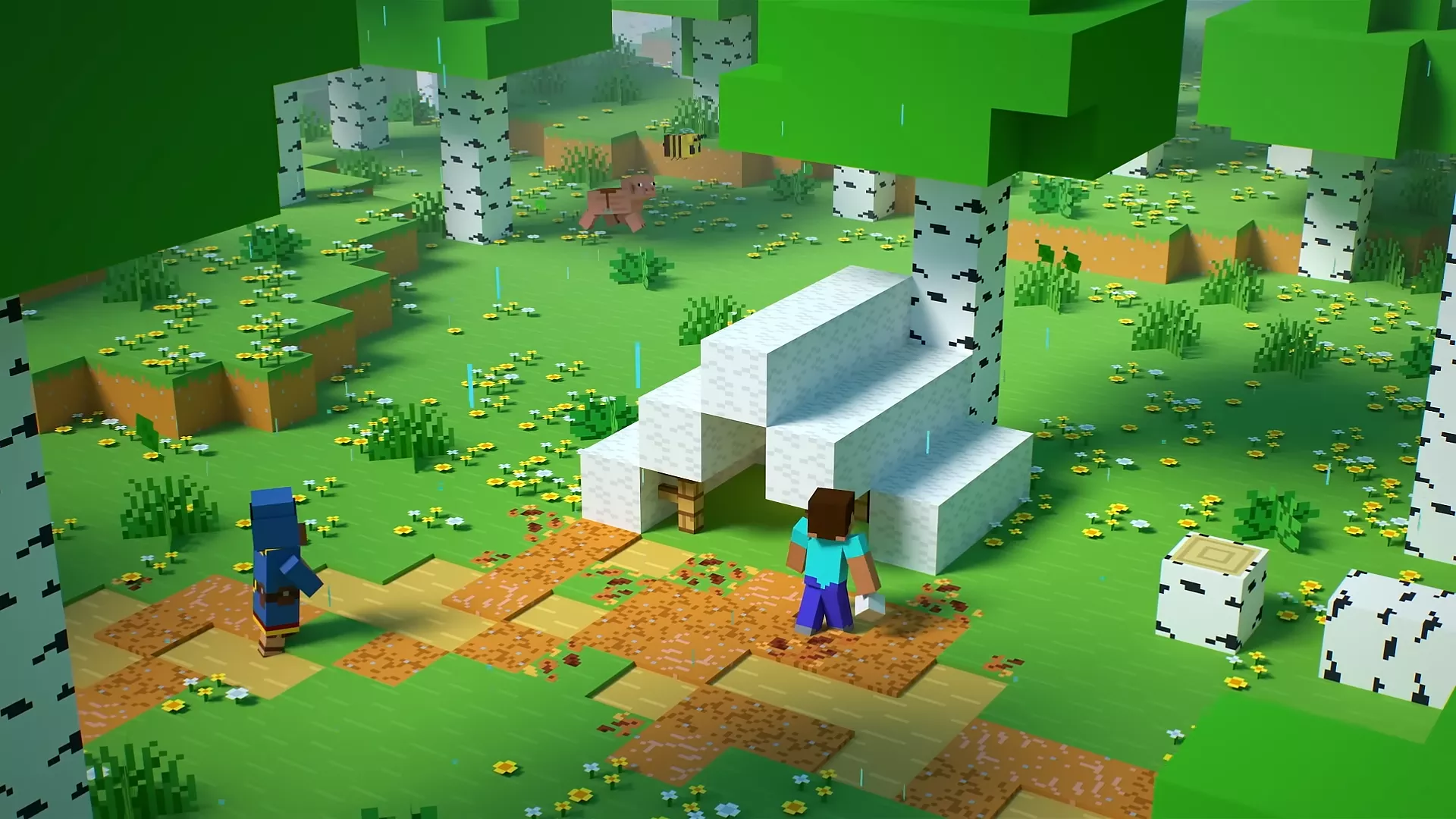
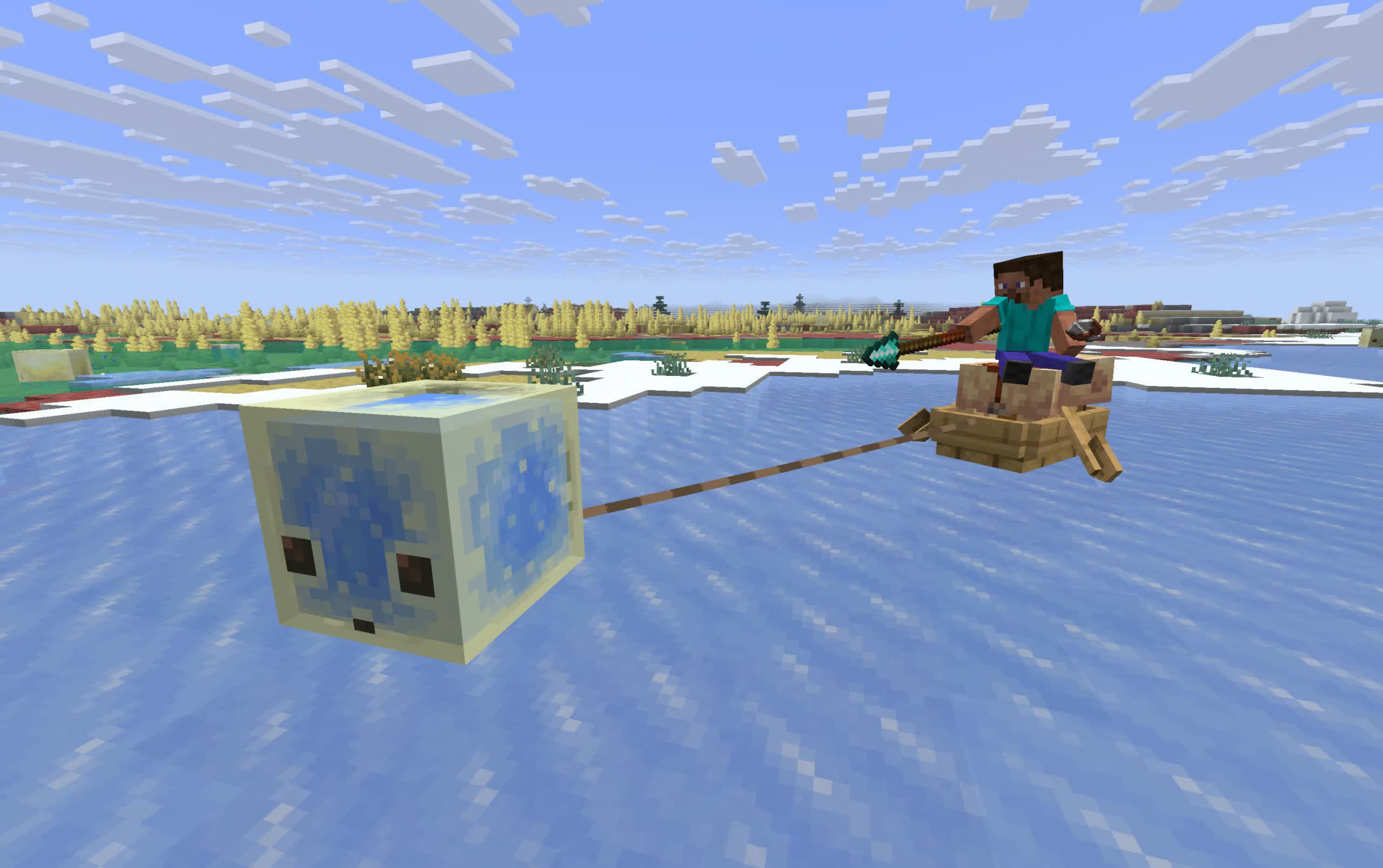
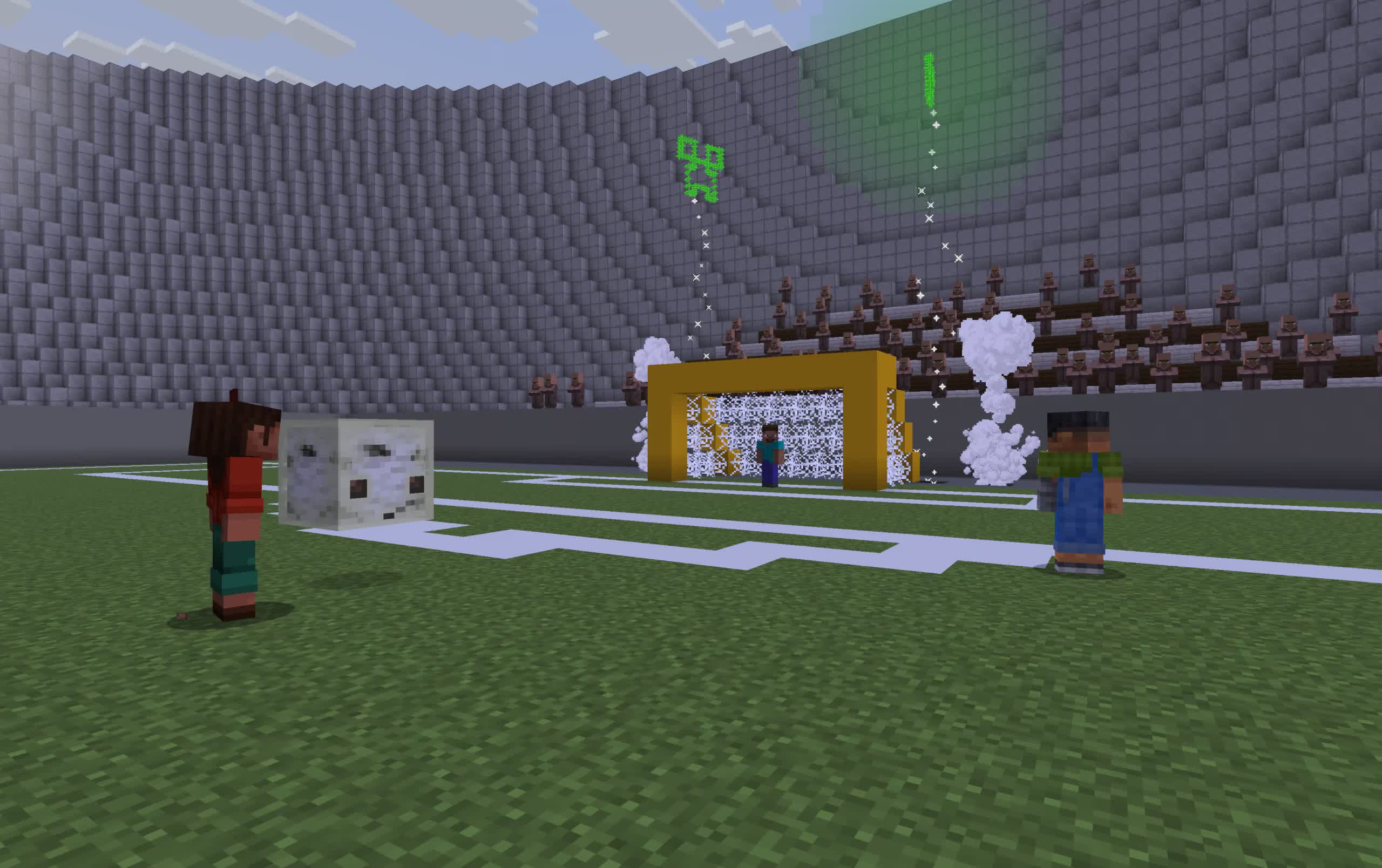
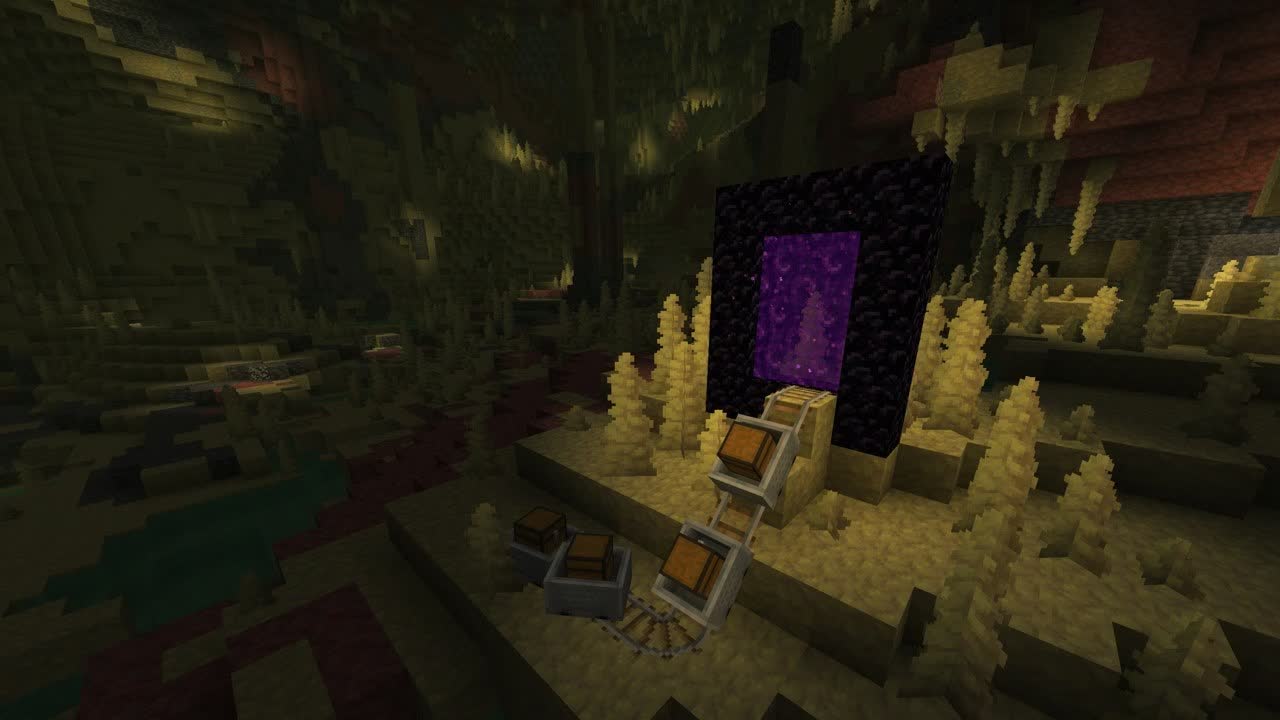
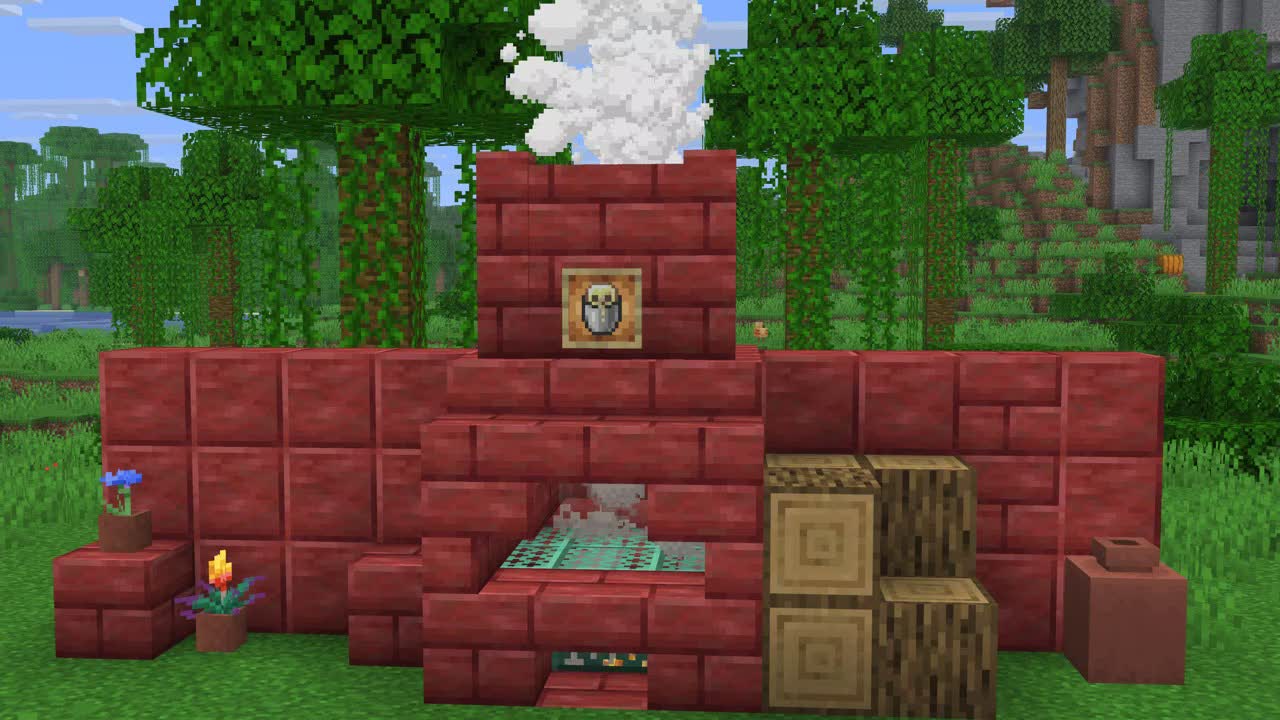
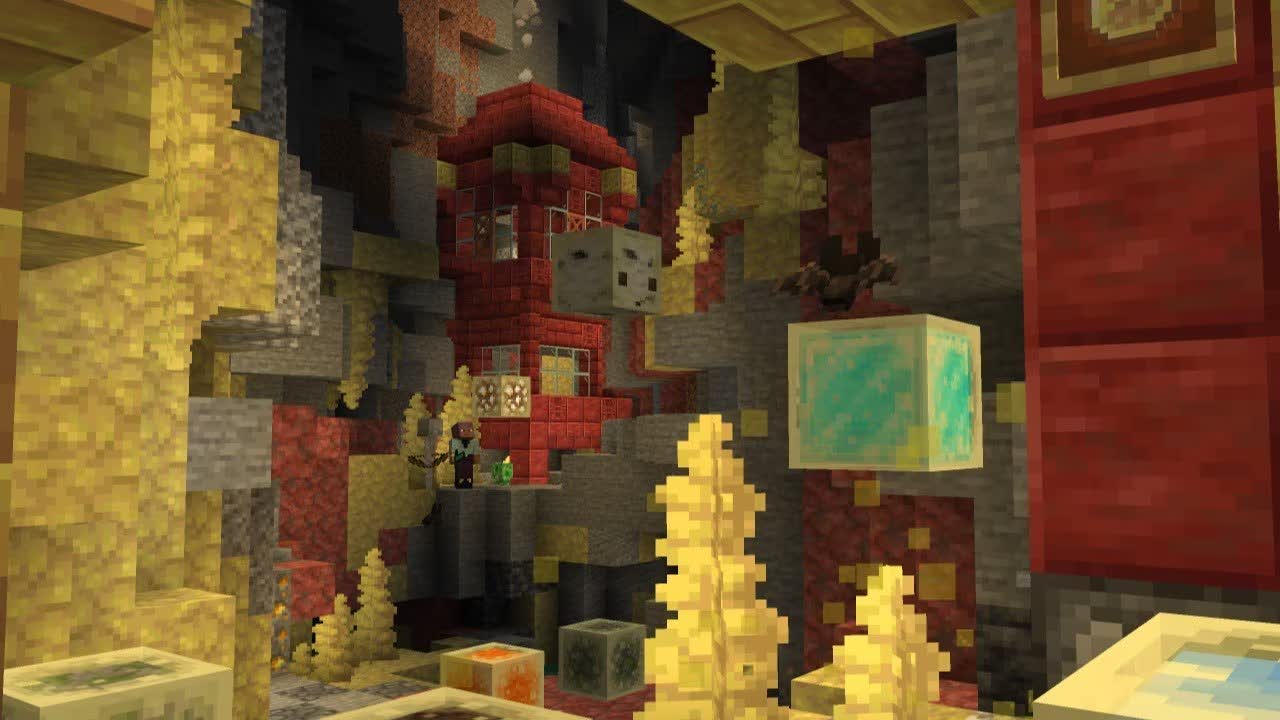
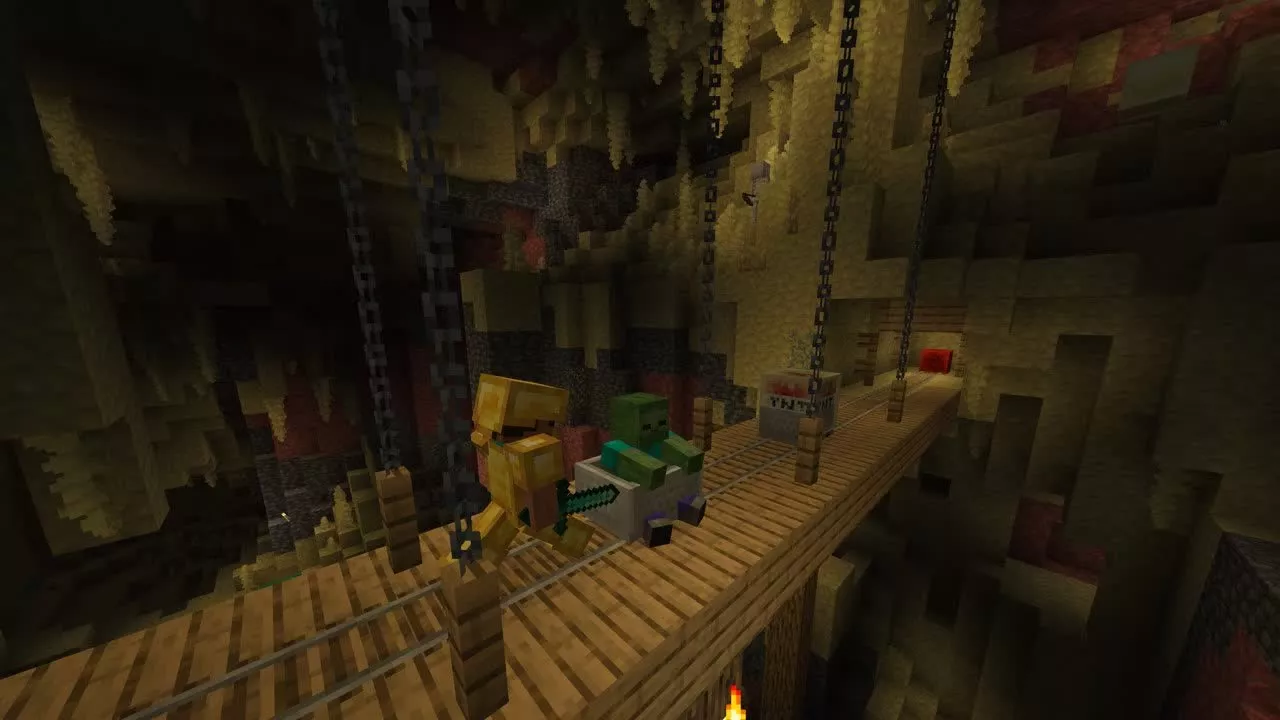
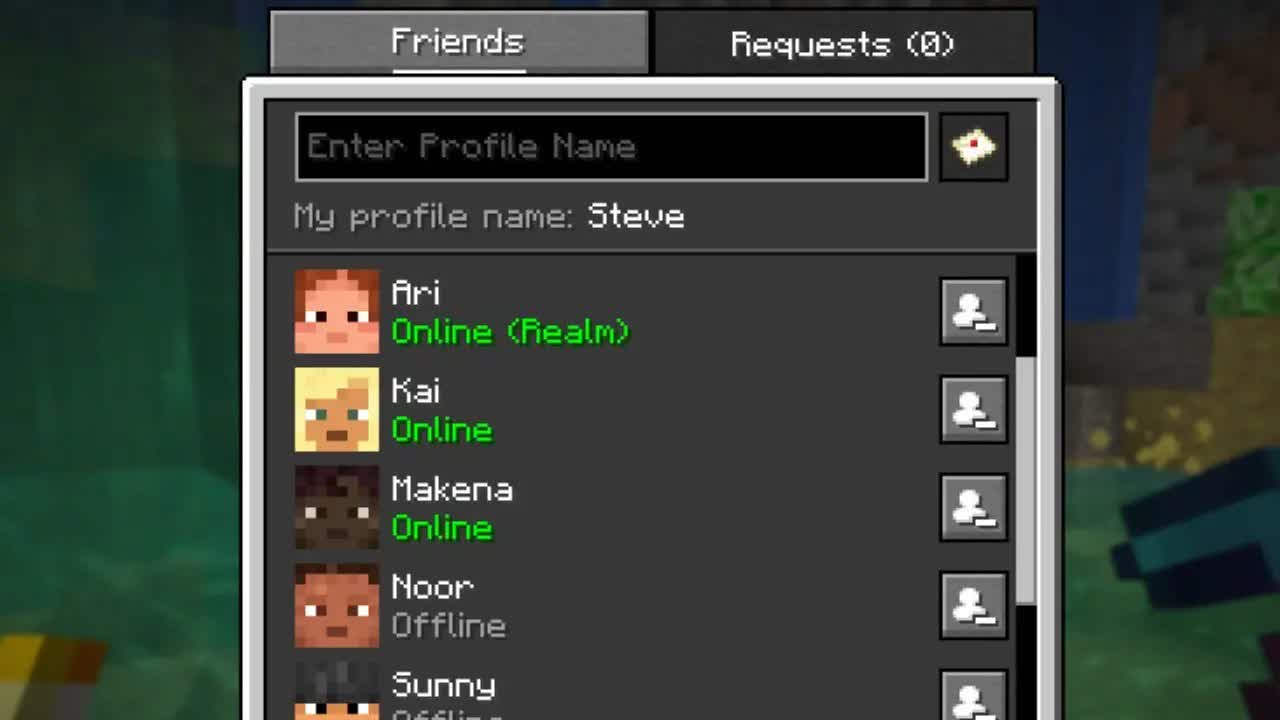
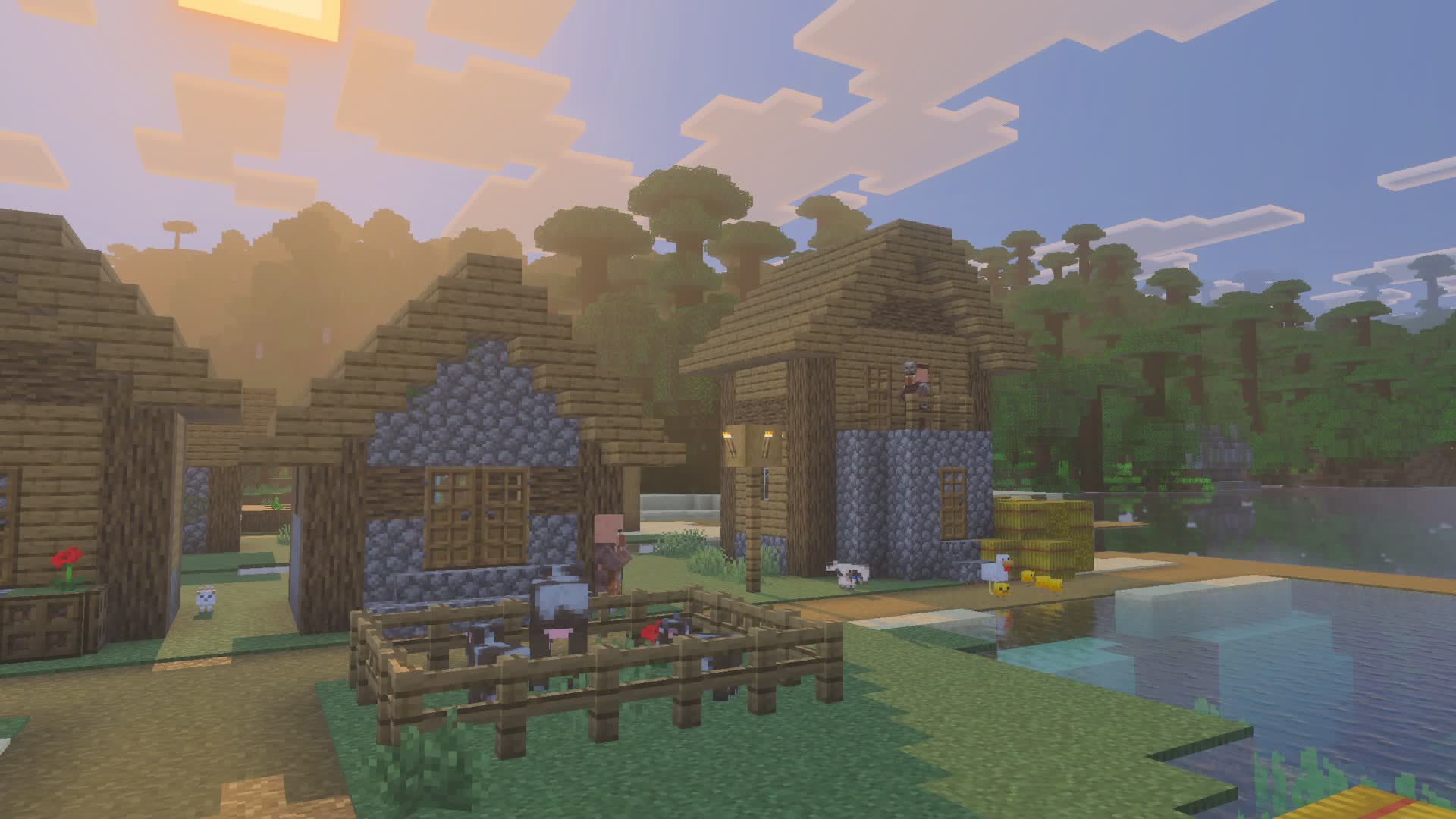
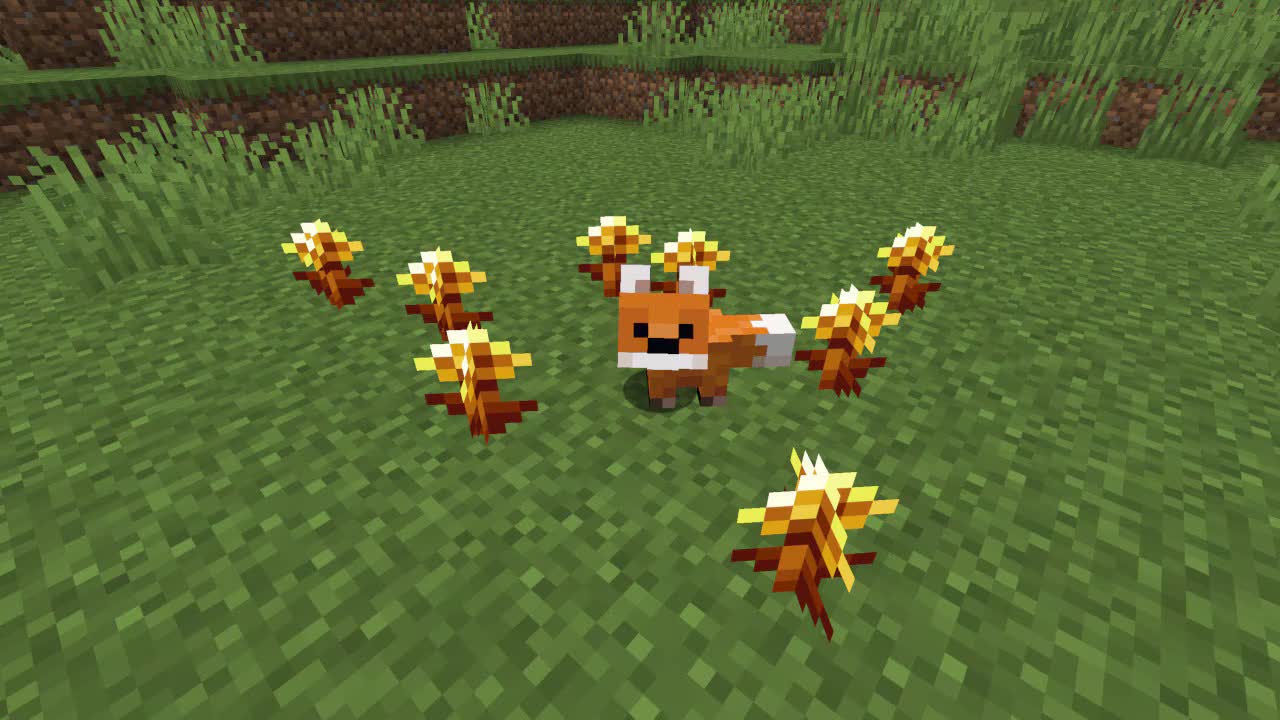
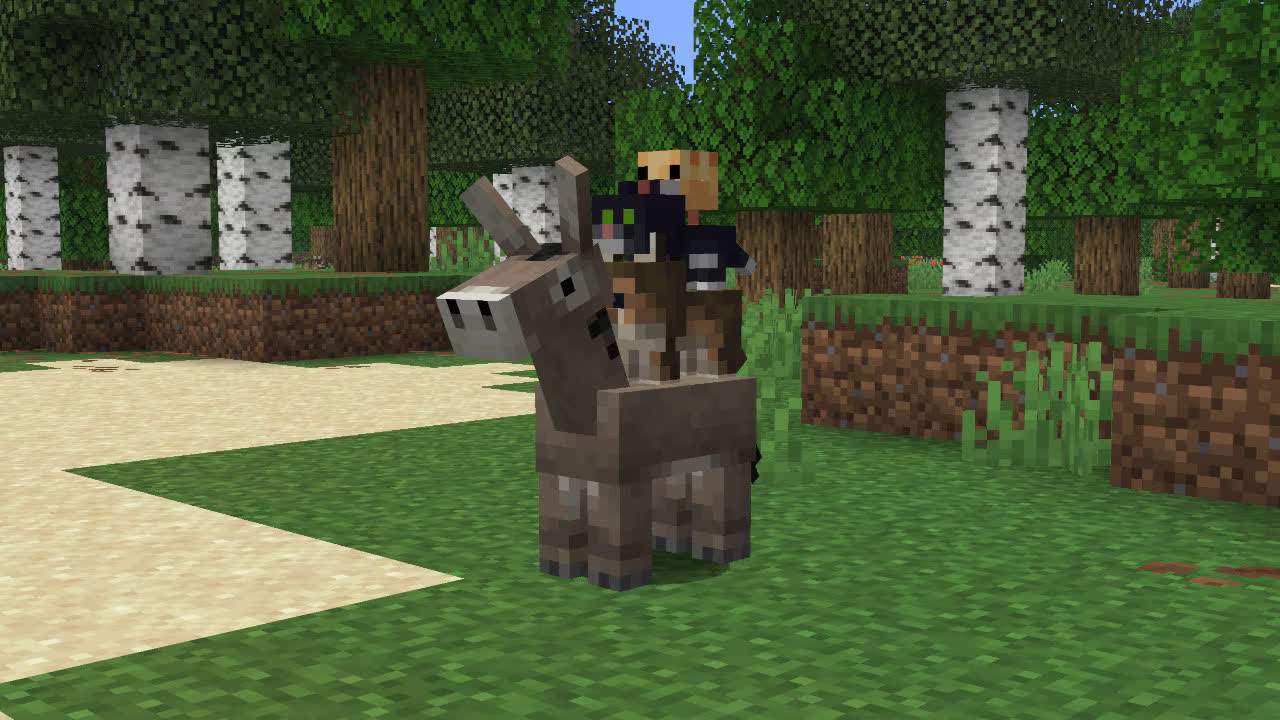
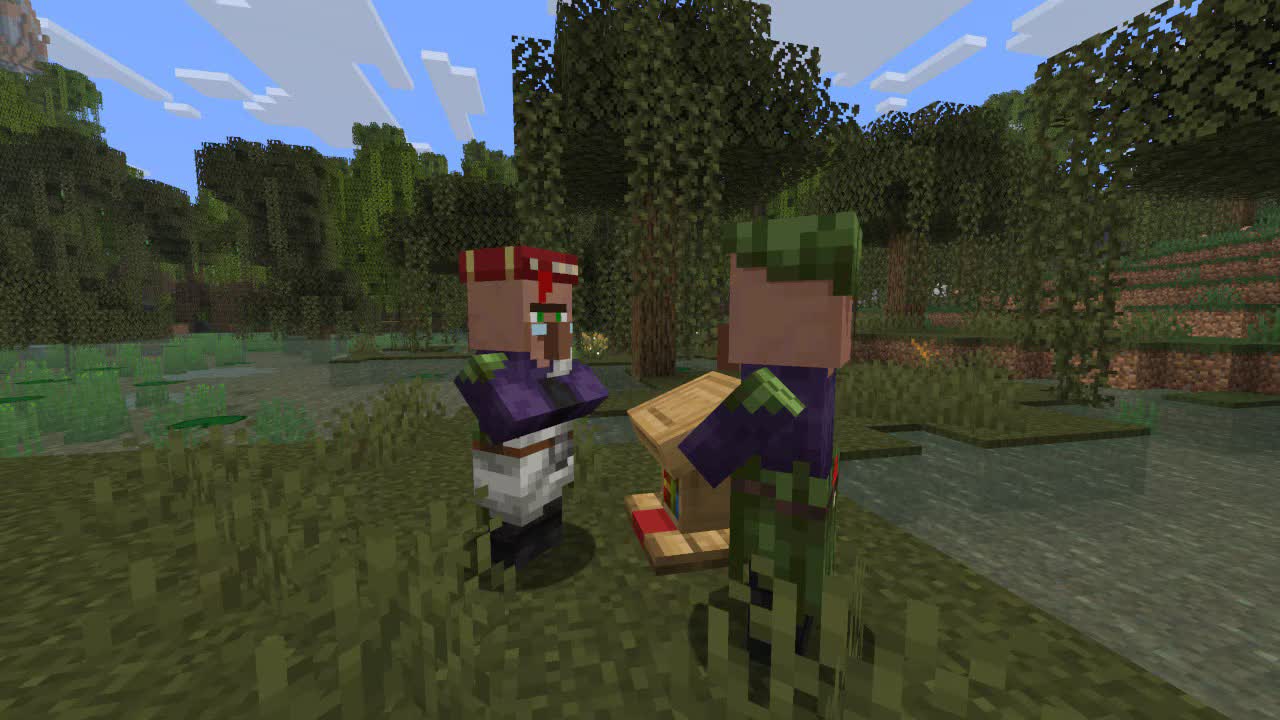
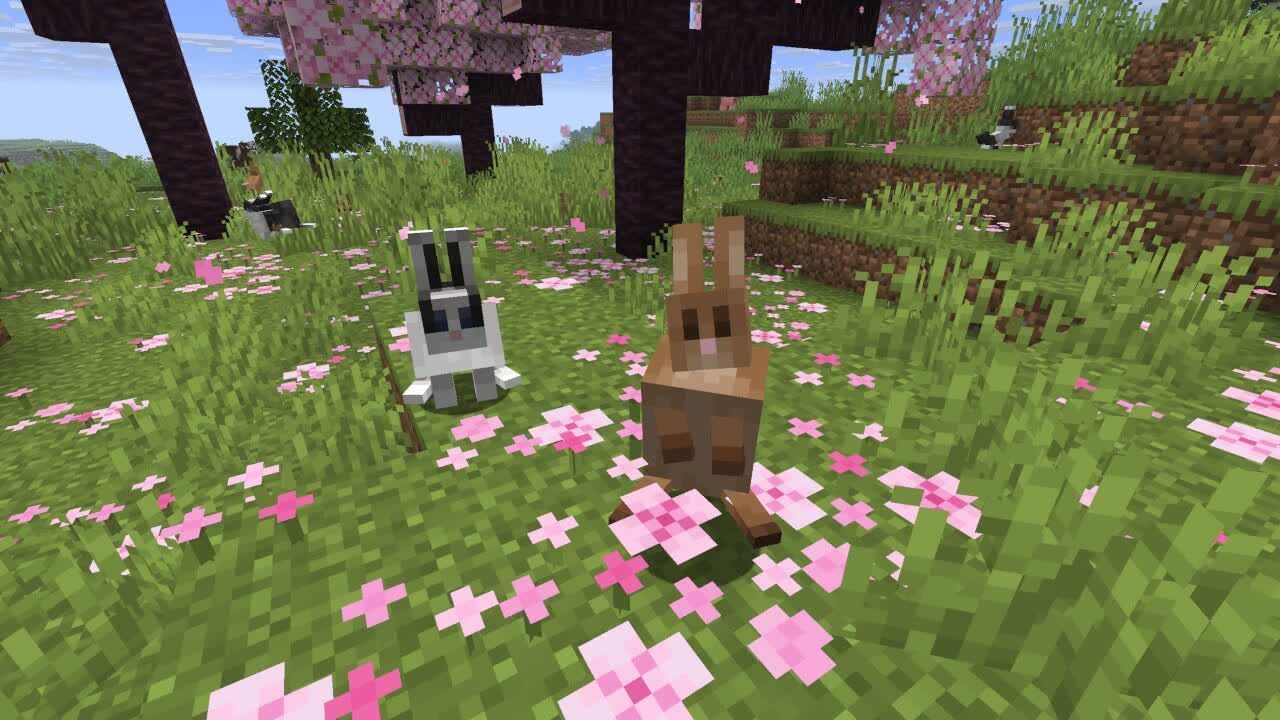

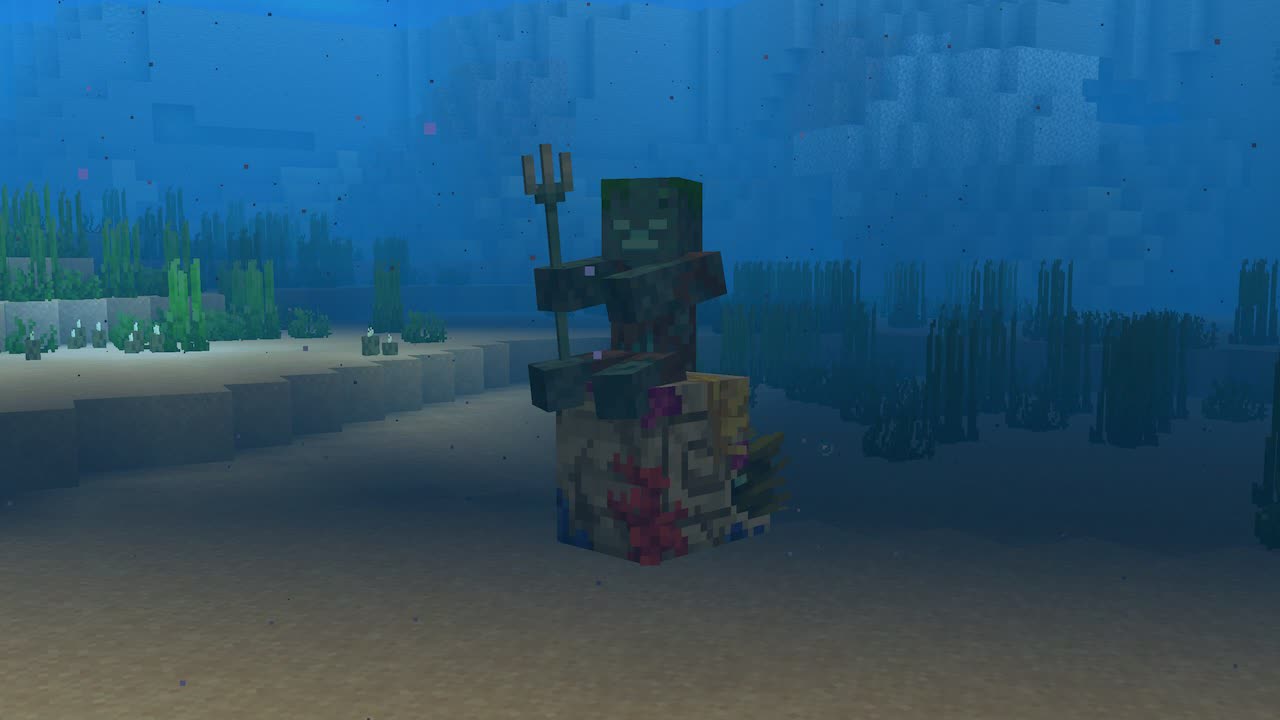
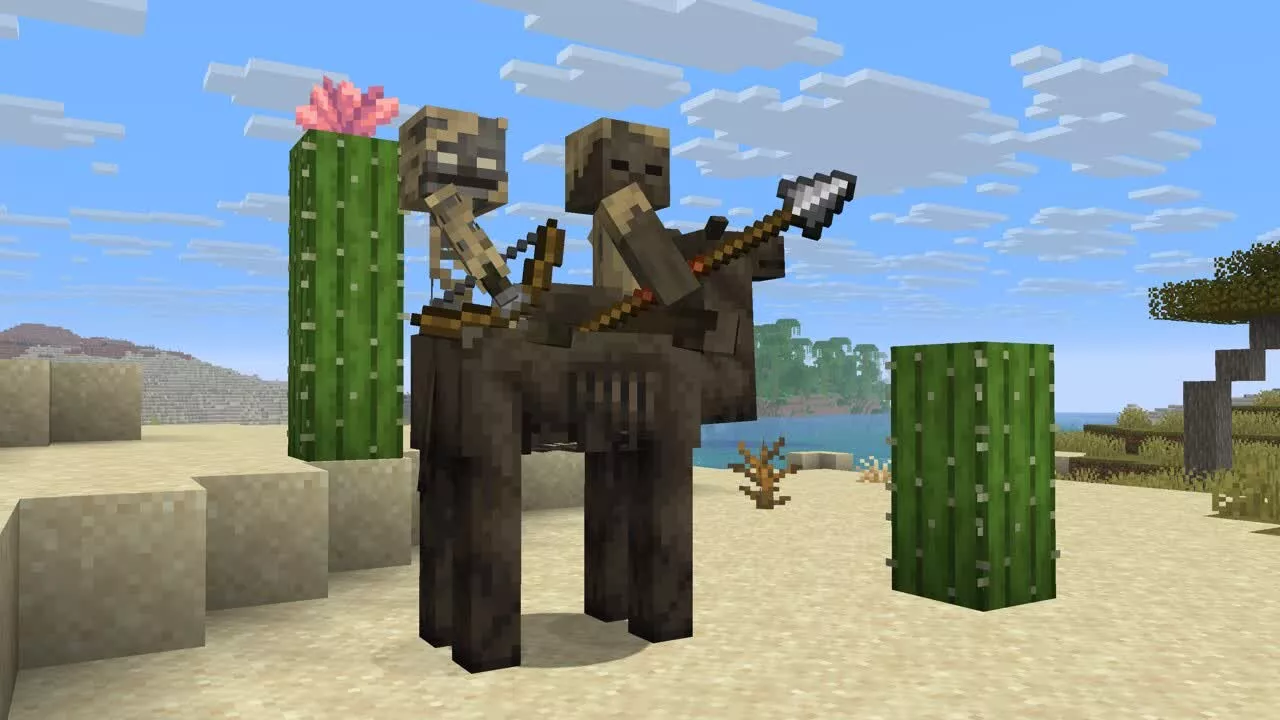
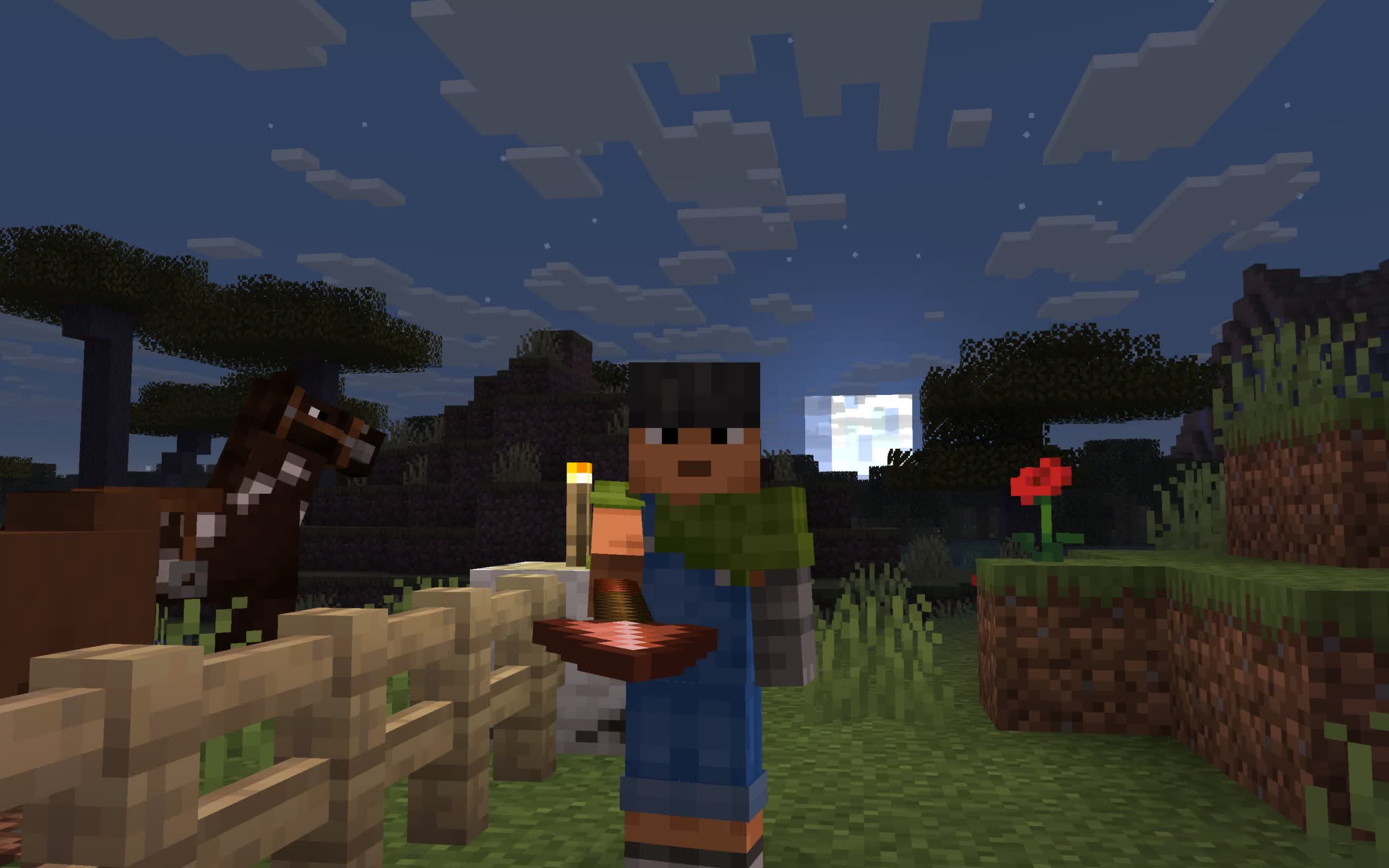
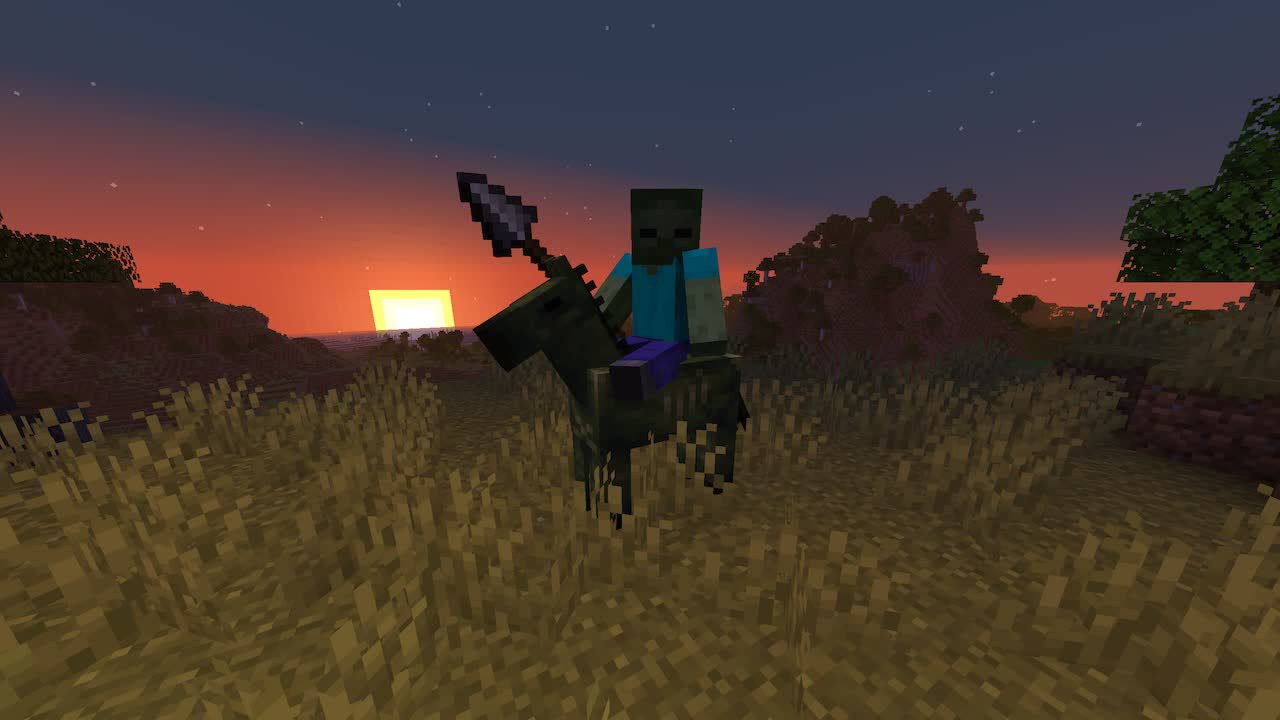
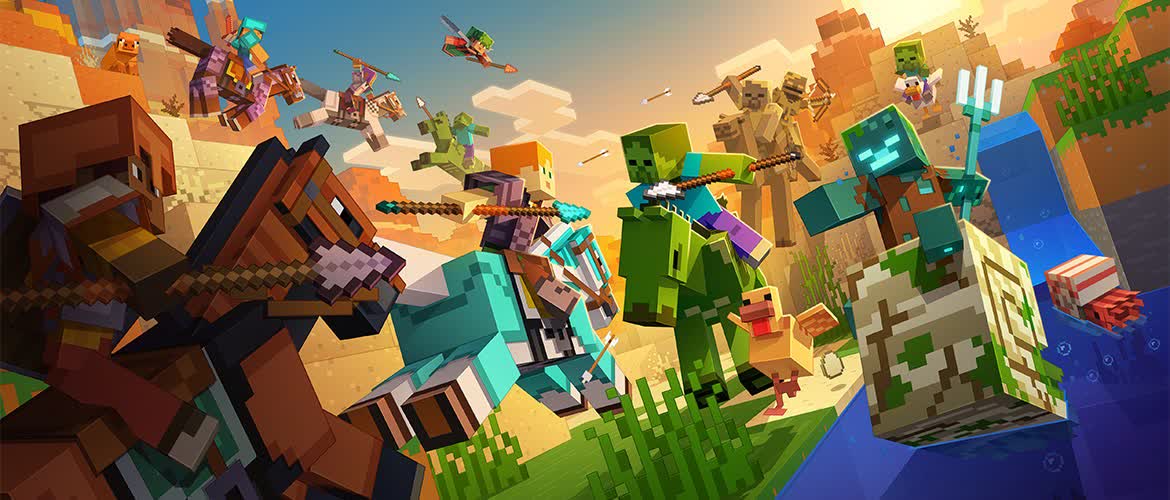

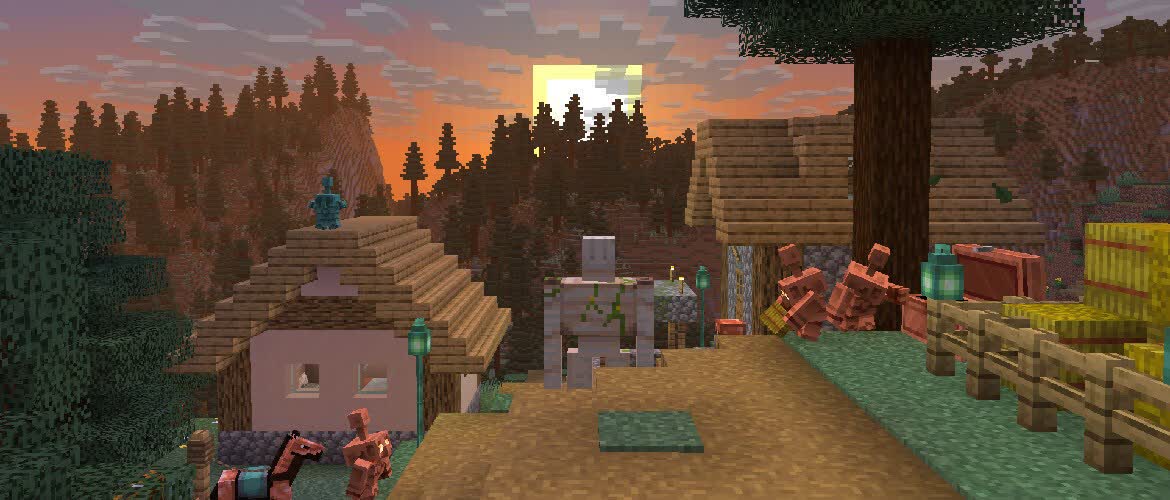
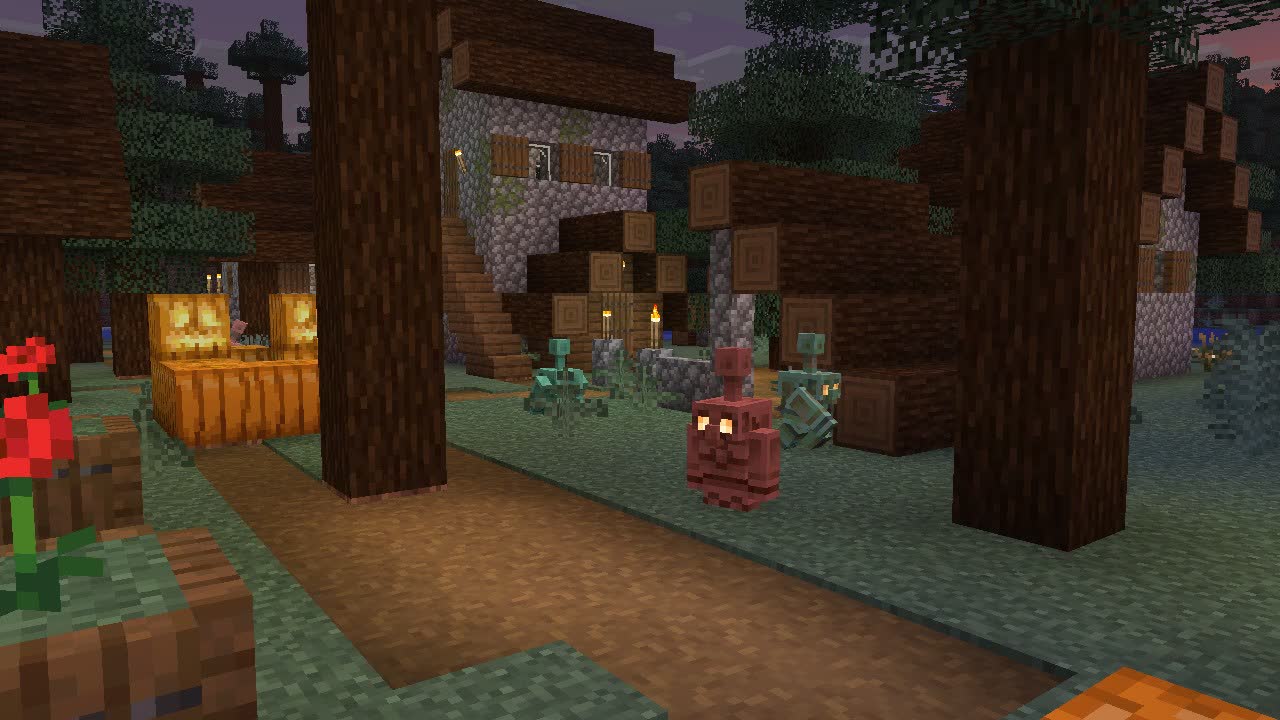
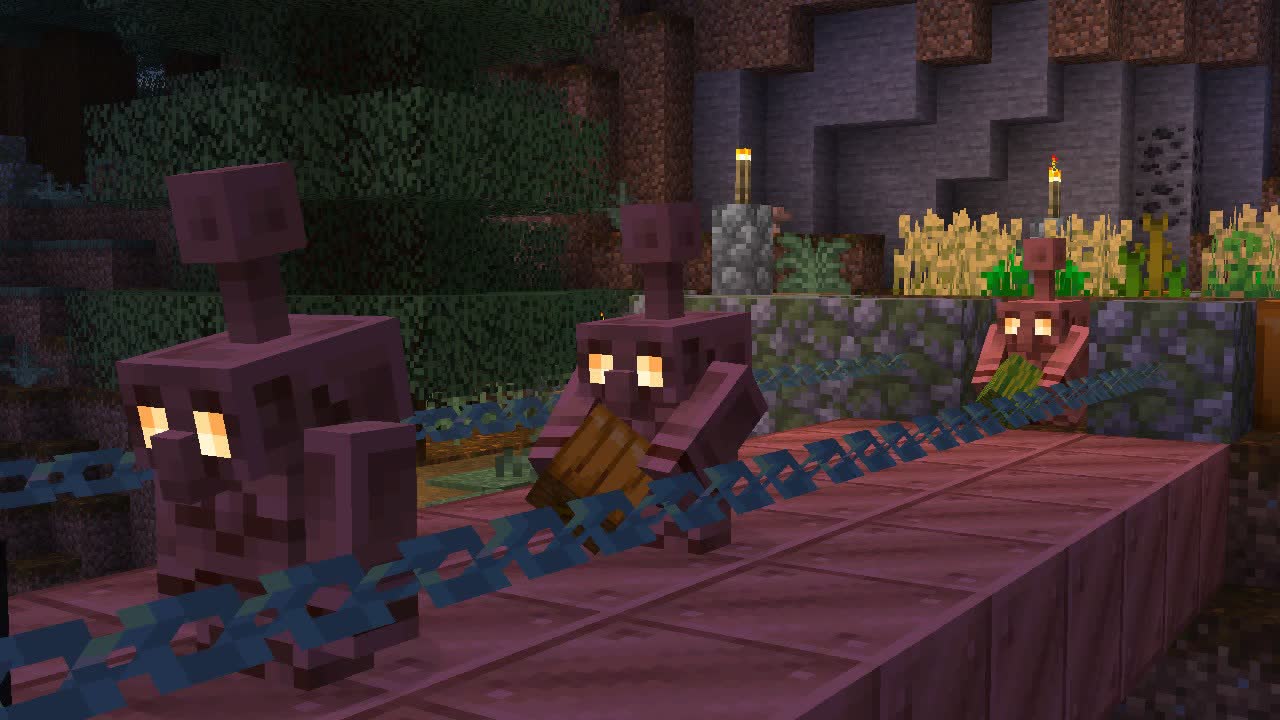
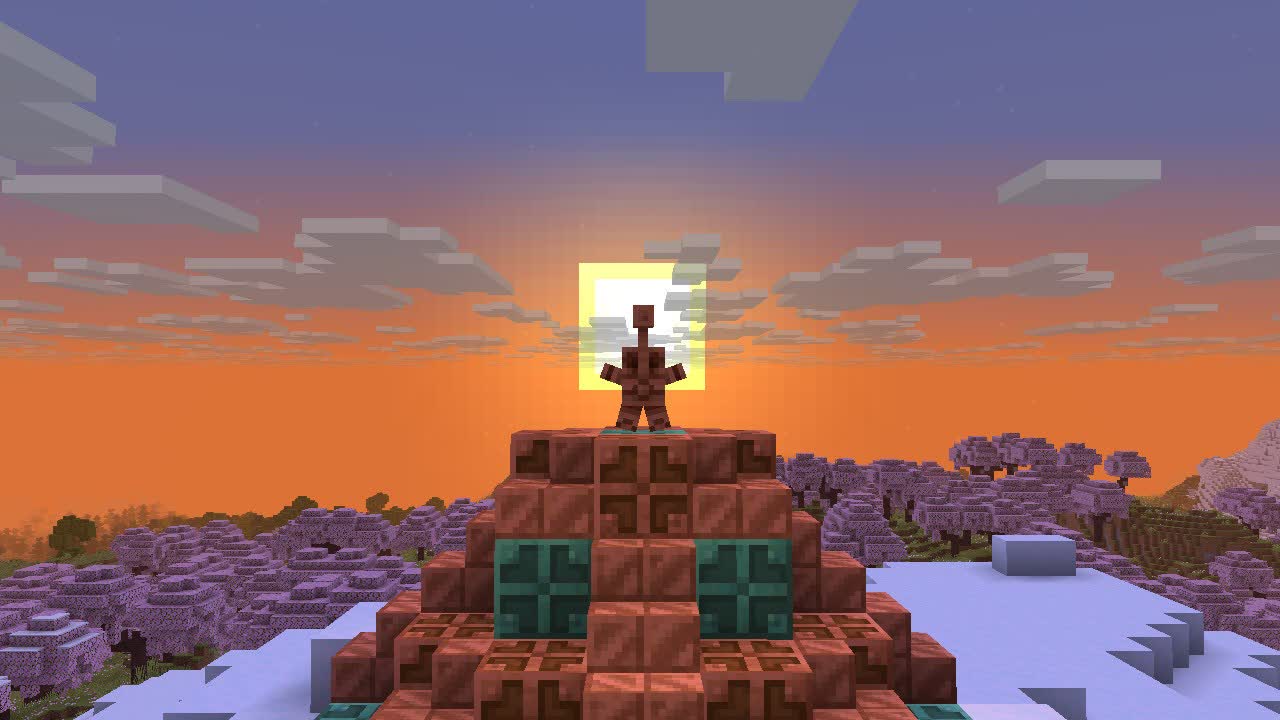

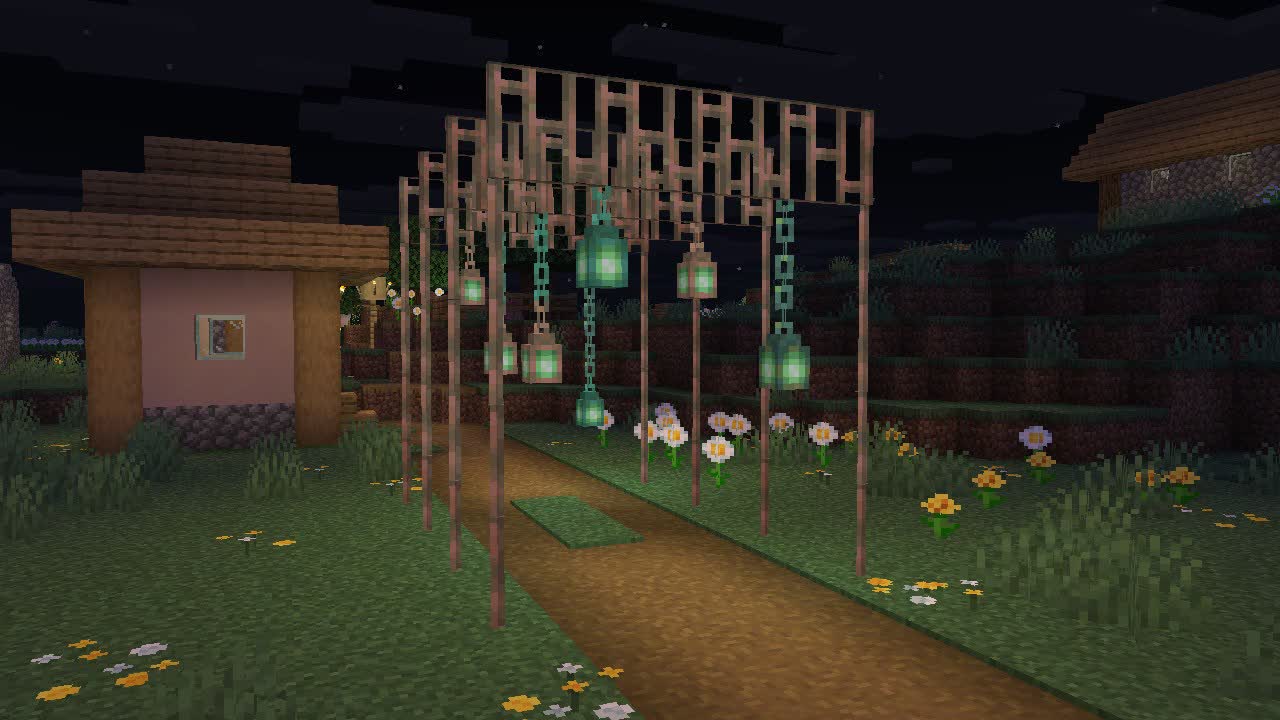
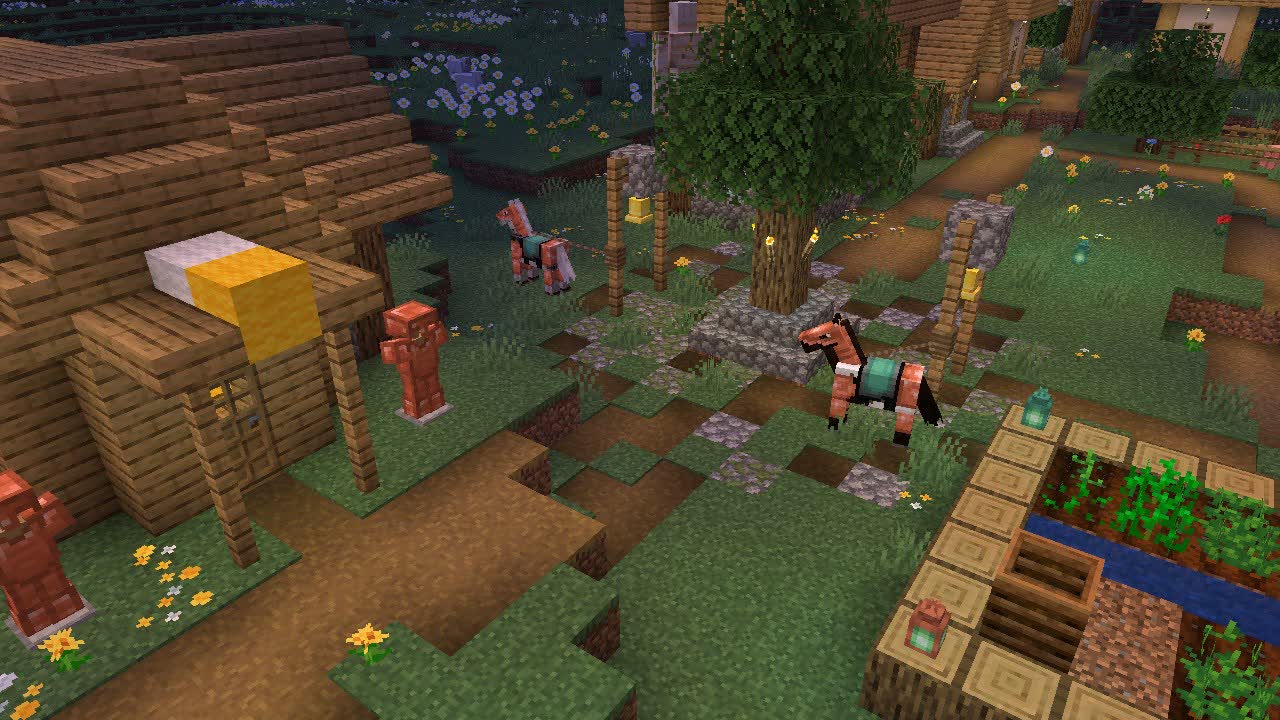
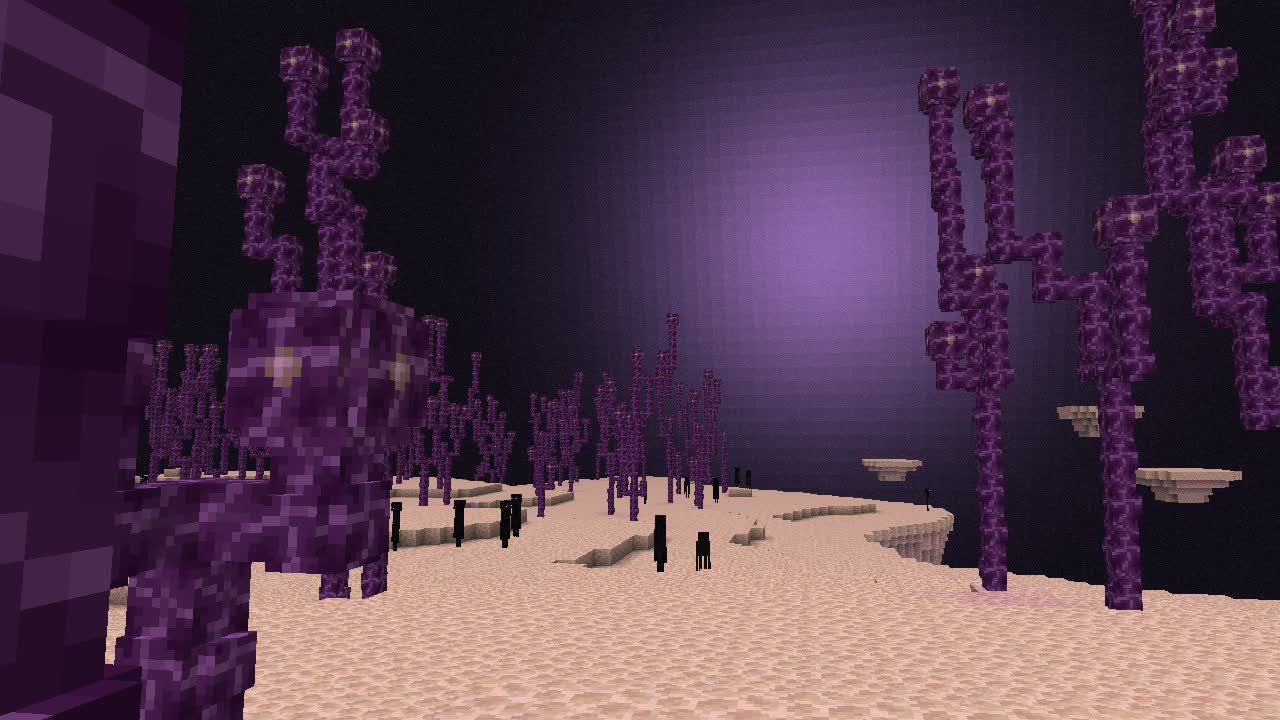


















































You must be logged in to post a comment Login