Connect with us
DAPA Banner
DAPA Coin
DAPA
COIN PAYMENT ASSET
PRIVACY · BLOCKDAG · HOMOMORPHIC ENCRYPTION · RUST
ElGamal Encrypted MINE DAPA
🚫 GENESIS SOLD OUT
DAPAPAY COMING

Tech

‘STEM is not just about formulas and calculations, it is also about creativity’

Published

on

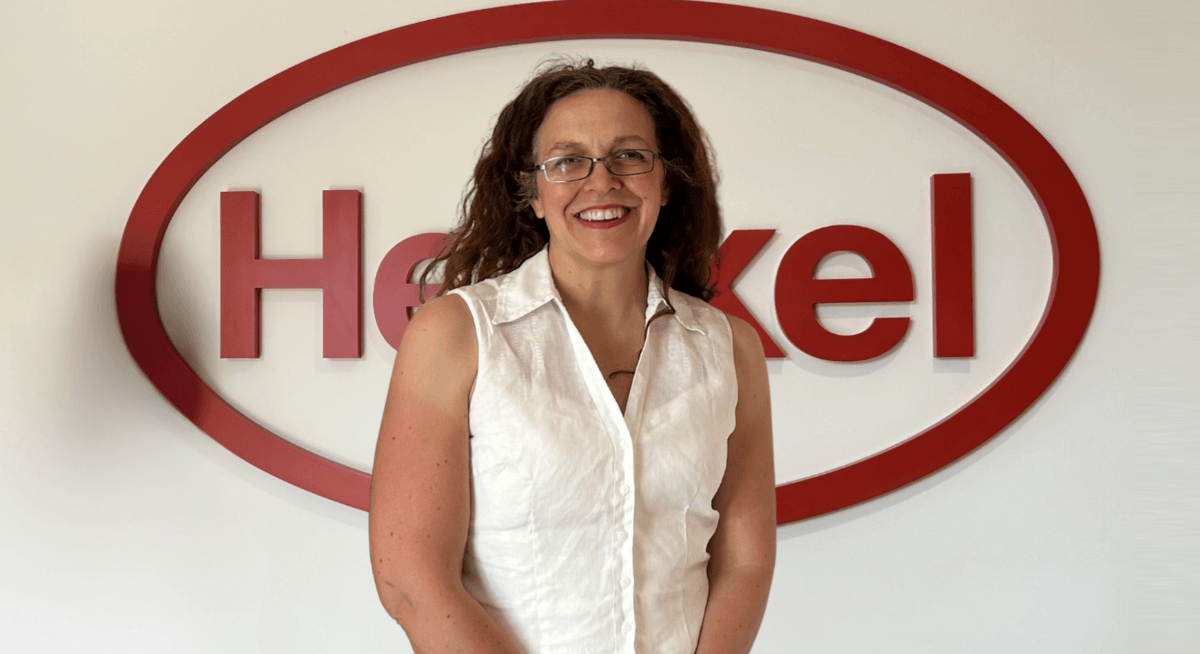
Henkel’s Julie Joseph explores the aspects of the sector she would change and the personality traits most suited to a career in this space.

“What drew me towards this career area was my enjoyment of problem solving and understanding how things work. I have always been naturally curious, so I could easily have ended up in many different STEM careers,” explained Julie Joseph, a technology specialist at Henkel.

Particularly interested in chemistry and how it combines scientific thinking with practical applications that can make a real difference in industry and manufacturing, she went on to complete a PhD in polymer chemistry and developed specialist technical knowledge.

She said, “After finishing my studies, I initially worked in research and development for many years. Those roles suited my background well because they involved experimentation, innovation and continuous learning. I enjoyed investigating scientific problems and helping develop new materials and technologies. 

Advertisement
What drew you to this career area?

Later in my career, I was given the opportunity to move into a more customer-focused role, where I now work with customers to solve design and production issues involving Henkel’s adhesives. That move was a major turning point for me because it allowed me to combine technical problem solving with communication and collaboration. One of the things I enjoy most is that I work with many different people and industries and no two challenges are exactly the same. There is often a stereotype that STEM careers involve sitting alone in a laboratory, but my experience has been very different. I regularly work with engineers, manufacturers and customers and I enjoy helping people find practical solutions to complex problems.

What do you enjoy most about your job?

The thing I enjoy most about my job is the variety. Every day is different, which means the work never becomes repetitive. I help current and potential customers solve technical and manufacturing problems, so there is always a new challenge to investigate and a different solution to develop. I enjoy the satisfaction that comes from helping someone overcome an issue and improving the way a product or process works. Another part of the role that I enjoy is meeting and working with different people. Some meetings take place in person while others happen online through Microsoft Teams, but communication is always a huge part of my work. 

Technical knowledge is important, but it is equally important to explain ideas clearly, listen carefully and collaborate effectively. I enjoy that balance between science and communication because it makes the role much more dynamic and rewarding.

I also enjoy the fact that I am constantly learning. STEM industries evolve quickly, with new technologies, materials and manufacturing methods being introduced all the time. There is always something new to understand, which keeps my brain active and makes the work interesting.

Advertisement
What’s the most exciting development you’ve witnessed in your sector since you first started?

There have been many exciting developments since I started working in the sector, particularly in materials science and computing. New adhesive technologies have allowed manufacturers to create stronger, lighter and more efficient products across industries such as automotive and electronics. However, the biggest development I have witnessed has been the continued rise of computing and digital technology. When I first started working in research and development, many processes were slower and more manual. Today, advanced software, modelling systems and digital communication tools have completely changed the way scientists and engineers work. We can now analyse data more quickly, collaborate globally and solve problems far more efficiently than before. 

More recently, generative AI has created another major shift in the industry. AI tools can help generate ideas, process information and improve productivity at incredible speeds. I find this development particularly fascinating because it is transforming the way people work with technology. At the same time, human judgement and expertise remain essential.

If you had the power to change anything within the STEM sector, what would that be?

If I could change one thing within the STEM sector, it would be the perception that scientists and engineers lack communication skills or creativity. In reality, successful STEM careers require much more than technical knowledge alone. Collaboration, innovation and communication are all extremely important. In my own role, communication is essential. I work closely with customers to understand their challenges and help them find practical solutions. That means I need to explain technical concepts clearly, listen carefully and build strong working relationships. Without effective communication, even the best technical ideas may not succeed.

I would also like people to recognise how creative STEM careers can be. Problem solving often involves thinking differently, experimenting with new ideas and developing innovative solutions. STEM is not just about formulas and calculations, it is also about creativity and imagination.

Advertisement
Which personality traits make you best suited to your job and this sector?

I think curiosity is one of the personality traits that makes me best suited to my role. I enjoy learning about new technologies, understanding how products are manufactured and finding ways to improve processes. In STEM careers, curiosity is extremely important because industries are constantly evolving. Adaptability is another key trait. Throughout my career I have moved from research and development into a more customer-focused role, which required me to develop new skills and approaches. STEM careers change rapidly, so being willing to adapt and continue learning is essential. I also believe communication skills are important. I enjoy working with people, discussing ideas and helping customers solve problems, which makes the work both engaging and rewarding.

What advice would you give to someone thinking about a career in your area?

My main advice would be to stay curious, adaptable and open to opportunities. STEM careers are constantly changing because technology and scientific knowledge continue to evolve. Being willing to learn and develop new skills is extremely important. I would also encourage people not to think of STEM careers as purely technical. Modern STEM roles often involve teamwork, communication and collaboration with many different people and industries. Developing interpersonal skills can therefore be just as valuable as developing technical expertise. Finally, I would encourage people not to be discouraged by challenges. STEM careers often involve solving difficult problems, but overcoming those challenges is also what makes the work rewarding. For anyone who enjoys learning, problem solving and innovation, STEM can be an exciting and fulfilling career path.

Don’t miss out on the knowledge you need to succeed. Sign up for the Daily Brief, Silicon Republic’s digest of need-to-know sci-tech news.

Advertisement

Source link

Continue Reading
Click to comment

You must be logged in to post a comment Login

Leave a Reply

Tech

New in iOS 27 beta 3: Siri AI voice customization options

Published

on

The third developer beta of iOS 27 is here, with added customization options for Siri AI, visual tweaks, and more. Here’s what’s new.

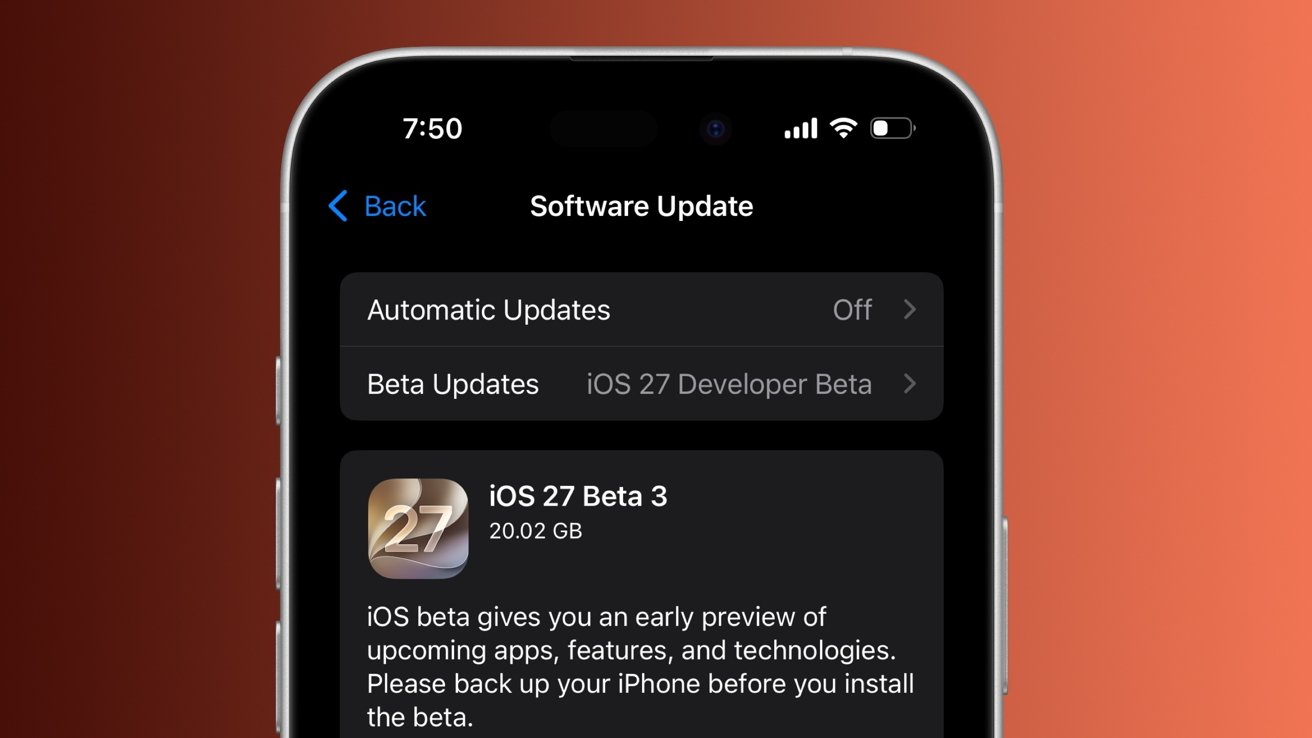
iPhone screen showing Software Update page with iOS 27 Beta 3 selected, 20.02 GB download, dark mode interface, and a gradient red background behind the phone
iOS 27 beta 3 delivers new customization options for Siri AI.

On Monday, two weeks after the arrival of iOS 27 beta 2, Apple made the third developer beta available for download. While iOS 27 beta 1 delivered the long-overdue Siri AI, the second beta included enhancements for the Apple Home and Apple Wallet apps.

Notably, for most, the entire Siri AI model needs to be redownloaded between beta 2 and beta 3. For some users, this has made the features gated behind a wait-list again.
Continue Reading on AppleInsider | Discuss on our Forums

Source link

Continue Reading

Tech

Why Are People Ditching Wireless Earbuds, And Are Wired Headphones Really Making A Comeback?

Published

on

You may be noticing something while out and about: people are wearing wired headphones again. After years of declining sales, wired headphones are back in a major way. Sales surged throughout the latter half of 2025 and this trend continues today. What’s going on? Why are people ditching Bluetooth headphones in favor of wires? Let’s take a look at the issues impacting wireless headphones and what factors may be playing into this shift.

Wired headphones offer better sound for the money

Modern wireless headphones and earbuds can sound absolutely fantastic, but not everyone can afford the latest Bowers & Wilkins product or Apple’s AirPods Max. Many wired headphones offer similar sonic performance to high-end Bluetooth products, but don’t cost $400 to $500. For instance, Sennheiser’s latest HD400U wired headphones cost $100 and handle 24-bit audio at a sample rate of 96kHz. That’s the same metric as the wireless Bowers & Wilkins Px7 S3, which costs $450. Money is tight nowadays. 

Bluetooth isn’t always more convenient

Bluetooth headphones are often advertised as the easiest and simplest way to listen to music. There are no wires, so no headaches, right? However, that’s not exactly true in real life. Battery life can be a real sticking point for some, myself included. The juice always seems to run out right when I’m in the middle of a walk, forcing me to pay attention to the (yuck) outside world.

This is compounded by the audio source. Bluetooth drains a phone’s battery, which could also cut the music short. Wired headphones offer a solution to both of these battery issues. Batteries also decay and fail, and most headphones aren’t designed for them to be user-replaceable. When the battery goes, the headphones tend to hit the trash heap.

Advertisement

Bluetooth devices also rely on the crowded 2.4GHz frequency band for transmission. In other words, they are prone to signal interference, audio stuttering, lag and dropped connections. Once again, wired headphones don’t experience any of that, unless the wire gets frayed or something. (Keep wired headphones away from cats. Trust me on this one.) 

Consumers have grown weary of modern tech

We all feel it. People are getting a little sick of modern tech and opting for vintage-style substitutes. Dedicated point-and-shoot cameras surged in sales throughout 2025, even more so than wired headphones. Vinyl records have been in the midst of a comeback for years now, surpassing $1 billion in sales in 2025. Even mechanical watches are in the middle of a resurgence.

There’s no one reason for this. Some people are turned off by AI being stuffed into everything, while others are turned off by the unsavory people doing the stuffing. Economic factors also come into play here. It’s simply too expensive for a regular person to stay on top of the latest tech trends, especially given how prices have been skyrocketing on just about everything. For wired headphones and old-school gadgets that don’t use RAM or any of the other components AI continues to gobble up, prices have remained fairly static.

Advertisement

Others are simply tired of predatory algorithms, IP theft and surveillance machines disguised as must-have fashion accessories. All of this taken together kind of puts a patina of ooze on the whole industry, especially for younger generations. Tech is perceived as kind of lame right now.

Wired headphones have become a fashion statement

There’s one final piece of the puzzle here. Celebrities and influencers have jumped into the wired headphone thing pretty aggressively, turning them into something of a fashion statement. 

Celebrities like Ariana Grande, Charli XCX, Robert Pattinson and Lily-Rose Depp have all been spotted wearing wired headphones in recent months, among others. There’s even a popular Instagram account called Wired It Girls that shows off women wearing this type of headphone.

Downsides still exist with wired headphones

It’s not all sunshine and roses in wired headphone land. There’s the issue of interoperability. Modern gadgets typically offer a USB-C port, and there are newer wired headphones that take advantage of this. However, many devices still use traditional headphone jacks, USB-A ports and Lightning ports. It’s highly unlikely you’ll be able to use a pair of wired headphones with every gadget in the home without springing for a dongle or two.

Advertisement

In the case of modern smartphones, you likely won’t be able to listen to music via a wired connection and charge the device at the same time. This is the kind of thing that caused Bluetooth headphones to blow up in the first place.

It’s also worth noting that despite the recent spike in popularity, wired headphones are still a niche product, especially when compared to wireless models. Wireless headphones still account for around 60 to 72 percent of the market, depending on the study. Wired models have, however, taken a bite into that over the past year or so. 

Advertisement

Source link

Continue Reading

Tech

Nintendo to End New Sales of Every Original Switch Model in Europe by Mid-February 2027

Published

on

Nintendo Discontinue Original Switch 1 Europe 2027
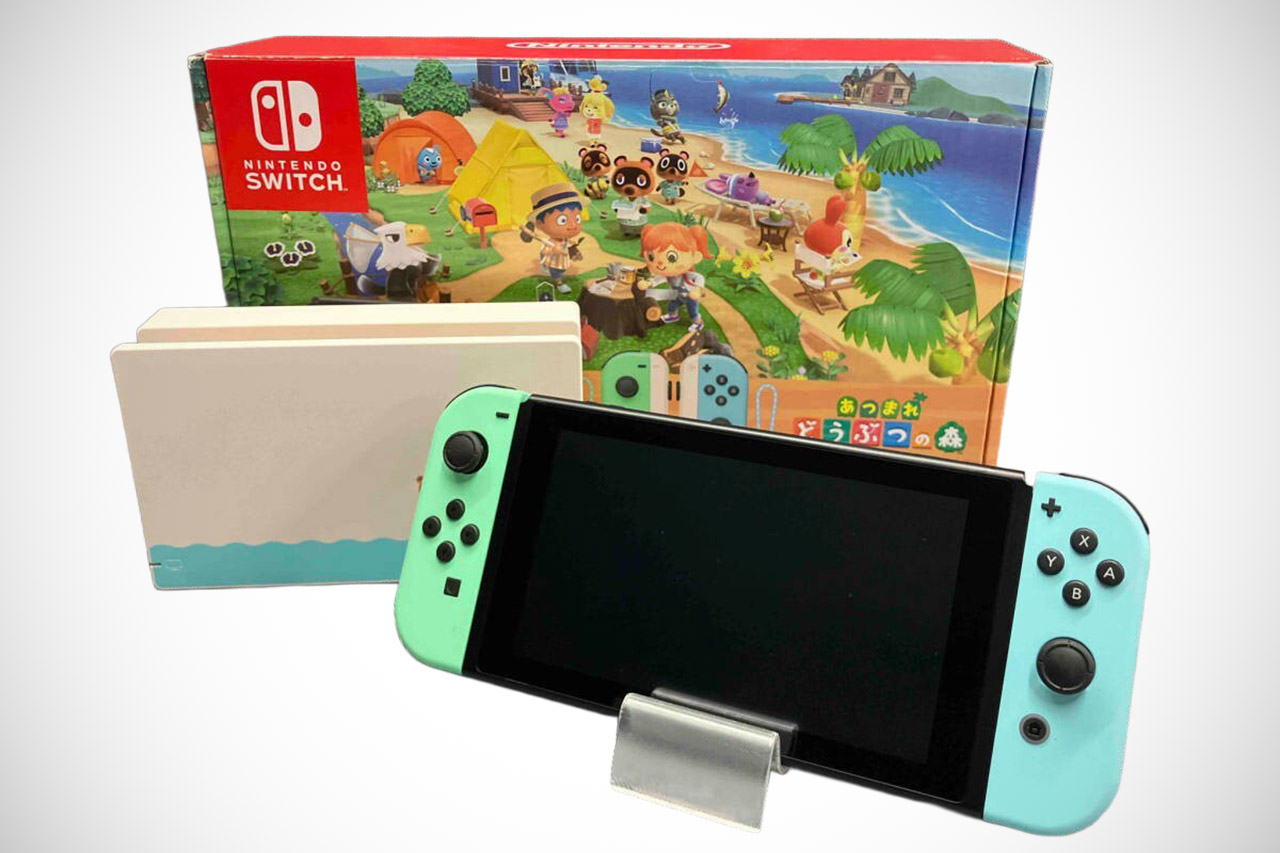
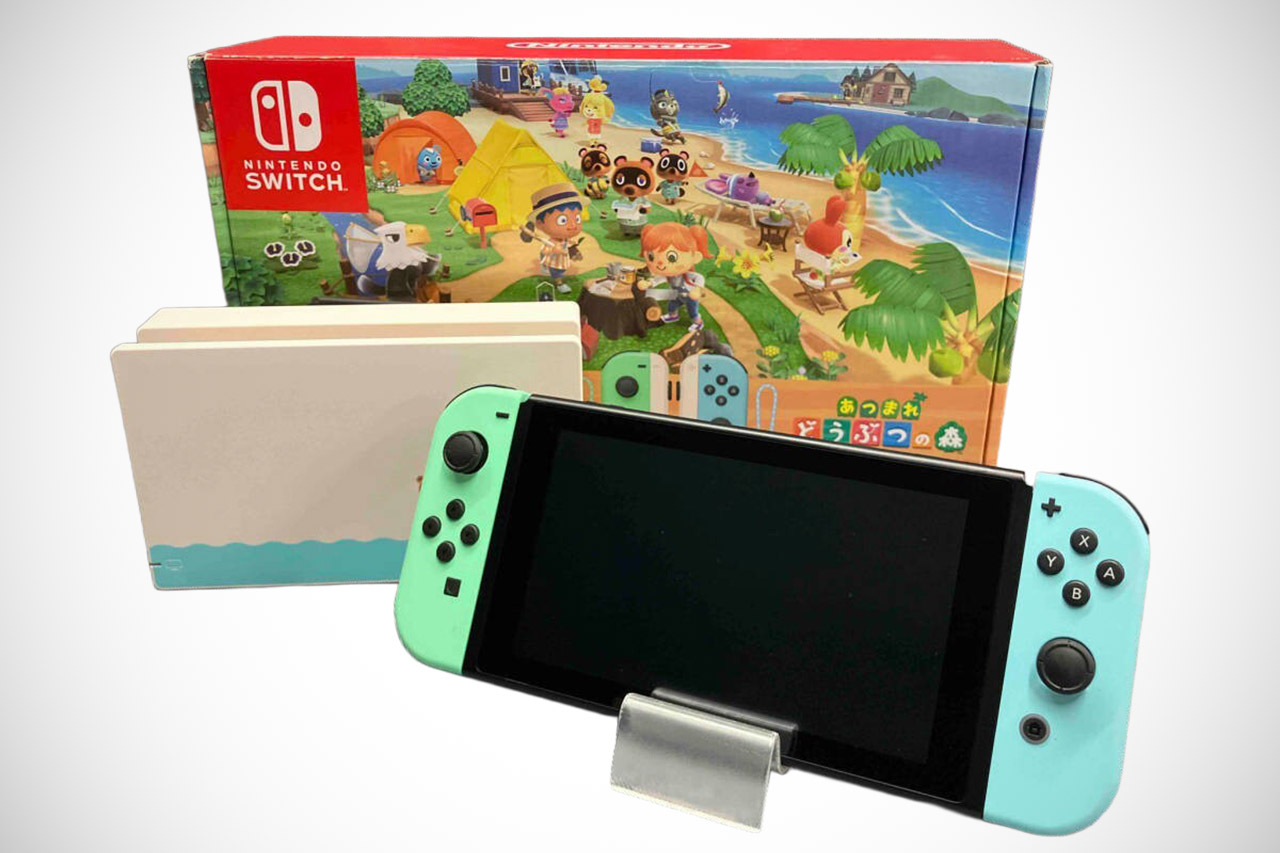
Nintendo confirmed this week that it will stop selling the original Switch, the Switch Lite, and the Switch OLED Model to retailers and on its own European store starting in mid-February 2027. The decision appears in an updated company FAQ that also covers battery changes across its current hardware lineup.


Since the release of the original Switch in March 2017, the three models have served as Nintendo’s primary portable and home gaming range. In 2019, the Lite version was released as a smaller, less expensive option that did not include detachable controllers. The OLED Model was introduced in 2021, featuring a larger, higher-quality screen and enhanced acoustics. All three will continue to ship from manufacturers until the end of 2026, so stores around Europe should still have plenty of stock for the majority of next year.


Nintendo Switch 2: Choose Your Game Bundle
  • Kick off the fun with a Nintendo Switch 2 system, your choice of a select digital game, and a savings* of up to $29.99!
  • Includes choice of either the Mario Kart World, Donkey Kong Bananza, or Pokémon Pokopia digital game download
  • One system, three play modes: TV, Tabletop, and Handheld

From mid-February 2027 onward, the company will simply discontinue shipping new units to retailers or selling them directly. The cutoff was clearly stated in Nintendo’s support pages: the original Switch family would no longer be available from retailers or the Nintendo Store in the region after that date. The time is almost exactly ten years after the system’s initial debut.


The change is the result of new European Union legislation requiring many electrical products to use replaceable batteries. Those rules will go into force around February 18, 2027. Nintendo has already begun updating their newer items to match this requirement. Later this year, Nintendo will release revised Switch 2 consoles with user-replaceable batteries, as well as upgraded Joy-Con 2 controllers and other accessories. The previous Switch models did not get the same updates. Nintendo decided not to update them with changeable batteries and instead established a definite date to discontinue sales in Europe. According to the company, current versions of the Switch 2 and accompanying accessories will work similarly to the upgraded versions, with the addition of a repair option.

Advertisement


Existing Switch owners will see no immediate change. Nintendo stated that support for games, accessories, the eShop, and online services will continue for the foreseeable future. The majority of new first-party releases have already been shifted to the Switch 2 platform, while shoppers looking to purchase a brand-new original Switch, Lite, or OLED Model after early 2027 will have to rely on remaining supplies in retailers or resort to the used market.

Source link

Advertisement
Continue Reading

Tech

Bentley Torcal EV: Price, Specs, Availability

Published

on

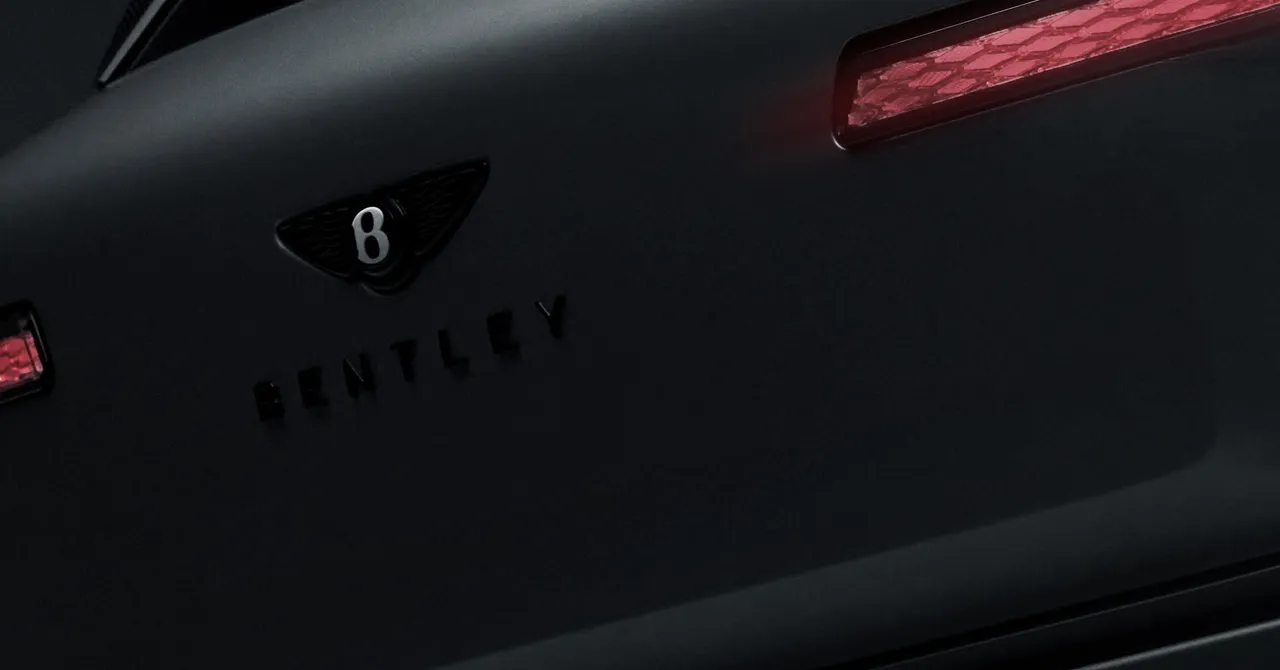
Bentley has a name for its first fully electric car: Torcal. The British marque confirmed this today, alongside a teaser image of the EV’s rear, promising a full reveal on September 23. Far more important than the name, however, is that this is Bentley’s first ever full electric car. Specs are thin on the ground until the official reveal, but Bentley is prepared to let slip that this 5-meter-long SUV will have a range of more than 300 miles.

The word Torcal was already on Bentley watchers’ radar. Earlier this year, trademark filings showed Bentley had registered both “Torcal” and “Barnato” in Europe and the UK, filed against motor vehicles including electric cars, charging cables, and charging stations. Barnato, a nod to 1920s Bentley obsessive and racing driver Woolf Barnato, was tipped as the front-runner. Bentley has gone the other way.

Like the Bentayga and other Bentleys before it, the Torcal name comes from a natural landmark, El Torcal de Antequera in Andalusia, Spain, a limestone landscape of stacked rock formations. Conveniently, Torcal also has auto connotations, as it is derived from the latin torquere, meaning to twist, which is where the word torque, describing rotational force, comes from.

First Look

WIRED was invited to a secret reveal of the Torcal, near Bentley’s headquarters in the UK. While much of the information handed out that day cannot be shared yet, I can say that this new electric SUV is similar to the Bentayga, in that the lineage between the two is obvious. The Torcal is slightly smaller, with the signature long hood and upright front. Bentley’s familiar rear haunches over the wheel arches feature as well, of course, but perhaps not as well resolved as on the Bentayga.

Advertisement

Still, it’s an attractive, powerful, and purposeful-looking SUV, with a switchable glass sunroof and new light clusters. You can see how different the rear lights are from the Bentayga in the tease image—going from the familiar oval shape to a clean line. However, unlike the Bentayga, the roofline at the rear drops down, which is now becoming commonplace in electric vehicle design as it means less drag, which increases range.

At the front, perhaps the most striking visual element of the Torcal is the new grille: Ventilation to a radiator is replaced by a solid wall of illuminated crystals with a design apparently influenced by the face of the Continental T. It’s a bold touch that is deliberately unsubtle, a far cry from the move toward quiet luxury.

Once inside, thanks to the all-round power doors, it’s pleasing to see that Bentley’s designers have got the message regarding switchgear. Buttons for important functions are mixed with OLED screens. The central display curves pleasingly downward in a similar manner to that of the new Cayenne. Interestingly, Bentley hasn’t followed other high-end manufacturers in offering a separate passenger screen, and I’m assured there won’t be an option for this.

The Graveyard Torcal Is Driving Into

Bentley chairman and chief executive Frank-Steffen Walliser calls Torcal “the most considered car” in Bentley’s history, and it’s going to have to be. Whatever the EV’s final specs, it arrives at possibly the worst moment to date to sell a premium electric car.

Advertisement

Lamborghini shelved its Lanzador electric GT this year after concluding, in the words of CEO Stephan Winkelmann, that demand among its buyers is “going almost to zero, if not to zero.” Ferrari’s first EV, the Luce, wiped billions off the company’s market value within hours of its reveal in Rome, and Ferrari has now pushed its second electric model back to 2028.

Source link

Continue Reading

Tech

EU urged to act after Pegasus hit its spyware inquiry

Published

on

TL;DR

Civil society groups and MEPs are demanding urgent European Commission action on spyware after Citizen Lab confirmed that Stelios Kouloglou, a member of the Parliament’s PEGA spyware inquiry, was himself hacked with Pegasus in 2022 and 2023. The attacker is unknown, the Commission is silent, and the PEGA committee’s 2023 recommendations remain largely unanswered. This is the follow-up beat to TNW’s earlier story on the hack itself.

Pressure is mounting on the European Commission to act on spyware, after forensic evidence showed one of the EU’s own spyware investigators was hacked with Pegasus. Civil society groups issued a joint statement demanding the abuse be met with accountability, “not impunity”.

Advertisement

Citizen Lab confirmed last week that Stelios Kouloglou, a Greek former MEP, was infected in October 2022 and again in March 2023. The infections hit while he served on the PEGA committee, the European Parliament’s inquiry into exactly this kind of abuse.

The attacker remains unidentified, and Citizen Lab says it has no indication the Greek government was responsible. The same Pegasus-linked email address appeared in an earlier campaign against journalists across Europe, suggesting a customer authorised to deploy the NSO Group tool in multiple countries.

Whoever was behind the hack could have accessed confidential committee documents and deliberations. Lawmakers have described the incident as an attack on the rule of law, and the Parliament’s left grouping is demanding strict EU-wide limits on spyware use.

The Commission did not respond to requests for comment from TechCrunch. It has yet to publicly account for its implementation of the PEGA committee’s 2023 recommendations, the gap campaigners now want closed with a public roadmap.

A rap sheet, not an isolated case

The statement’s signatories list a pattern of European scandals: spyware used against exiled journalists in Latvia, Lithuania, and Poland, the targeting of the Parliament’s president with Predator, and Graphite infections in Italy, where spyware-laced fake WhatsApp apps have also surfaced. EU public money has meanwhile flowed to the surveillance industry itself, according to EUobserver.

Advertisement

Enforcement of the bloc’s dual-use export rules remains patchy, as leaked Bulgarian export licences to governments accused of repression showed. On paper the EU regulates spyware sellers, and in practice it sometimes funds them.

NSO Group has meanwhile explored selling Pegasus altogether, a prospect that raises its own accountability questions. The tool’s customers, whoever they are, keep finding European targets.

The PEGA committee spent two years documenting Europe’s spyware problem, and one of its own members was bugged while doing it. If that does not trigger the urgent response campaigners want, it is hard to imagine what would.

Advertisement

Source link

Continue Reading

Tech

Xbox spins off four studios, including Senua-maker Ninja Theory, as mass layoffs begin

Published

on

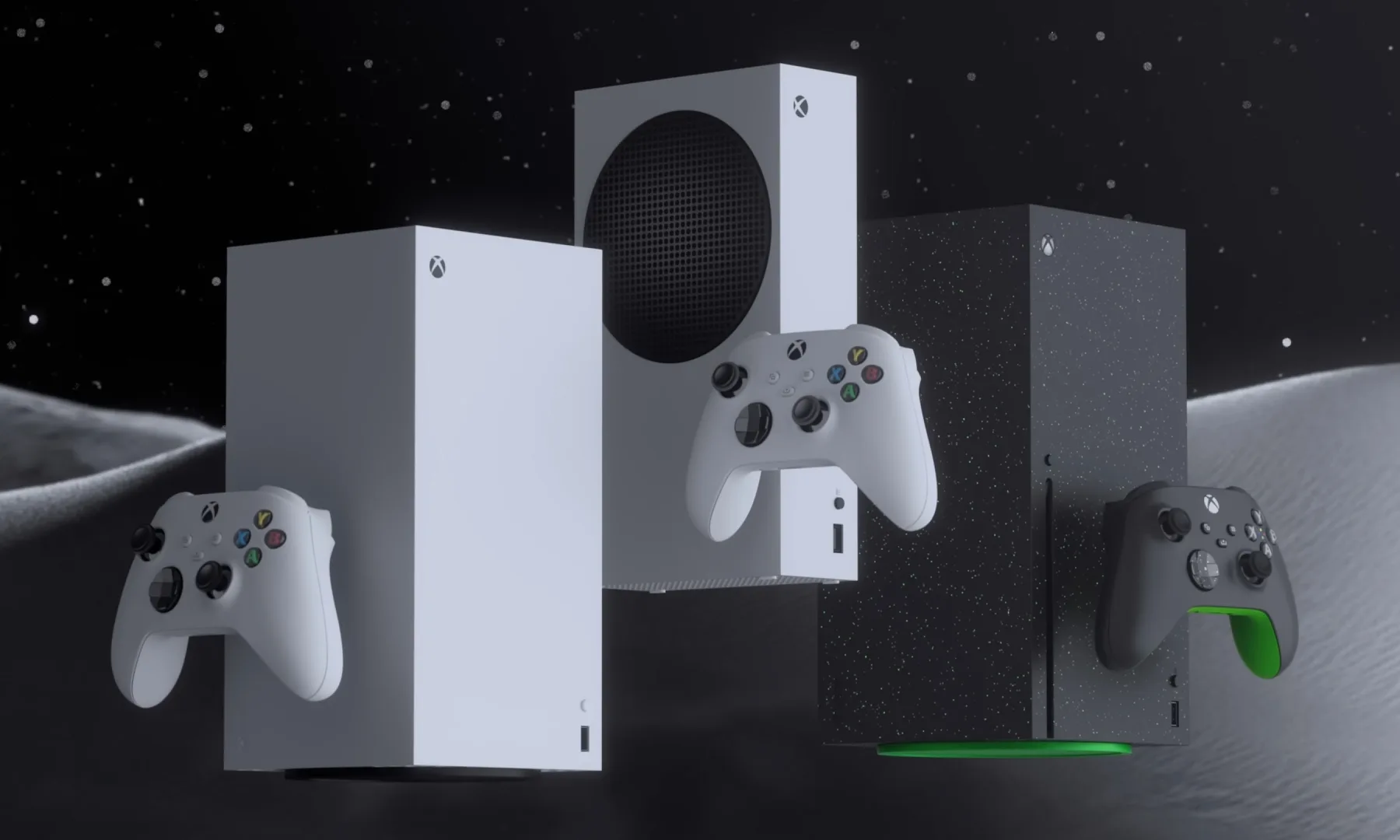
Microsoft’s Xbox division has kick-started a big reset today, a move it has been hinting at for weeks. The company has announced layoffs covering approximately 3,200 roles throughout 2027, of which nearly half of the roles are being terminated starting today. Additionally, the gaming arm is letting go of four studios, including Ninja Theory, which developed the smash hit Senua series of games. Notably, the company assures that none of the first-party games that have already been announced will be affected or cancelled.

What’s happening?

This is an important email I sent today to all employees at XBOX:

Team,

We are beginning the most significant restructure in XBOX history. After careful consideration, I’ve made the difficult decision to reduce our team by approximately 3,200 throughout FY27. This will include…

— ASHA (@asha_shar) July 6, 2026

Advertisement

Xbox is entering a year-long restructuring phase, something that has been making the rounds of the rumor mill for a while now. The company argues that its operating margin is 3-10x lower than rival platforms (read: PlayStation and Nintendo). And to make matters worse, the install base was lower, and the cost of its ninth-generation platform was higher than ever. The company also notes that Xbox Game Pass and its multi-platform game strategy didn’t yield the kind of results they had hoped for.

Our business today is not healthy.

“I know this is painful. These changes will directly affect people who have poured their creativity into building XBOX. Many joined us through acquisitions, while others were recruited here, or sought us out because they loved this industry and loved XBOX. Today’s decisions do not reflect their talent or dedication,” Xbox chief Asha Sharma wrote in an official blog post. This is the second major lay-off following restructuring that happened back in 2024.

What about the studios?

The biggest shift that comes as part of the reset is the studio culling. Compulsion Games (South of Midnight, We Happy Few, and Contrast) and Double Fine Productions (Psychonauts 2, Kiln, Keeper, and Broken Age) are going independent, which means they are officially moving out of the Xbox Games Studio banner. These studios will also be moving out with their IP, catalog, and runway intact.

More importantly, Ninja Theory and Undead Labs are also finding new owners. Ninja Theory developed some of the most recognizable Xbox games of the past few years, including Senua, Senua’s Saga : Hellblade II, Hellblade: Senua’s Sacrifice, and Bleeding Edge, to name a few. Undead Labs, which developed the State of Decay series, has also been shown the exit door.

Advertisement

Source link

Continue Reading

Tech

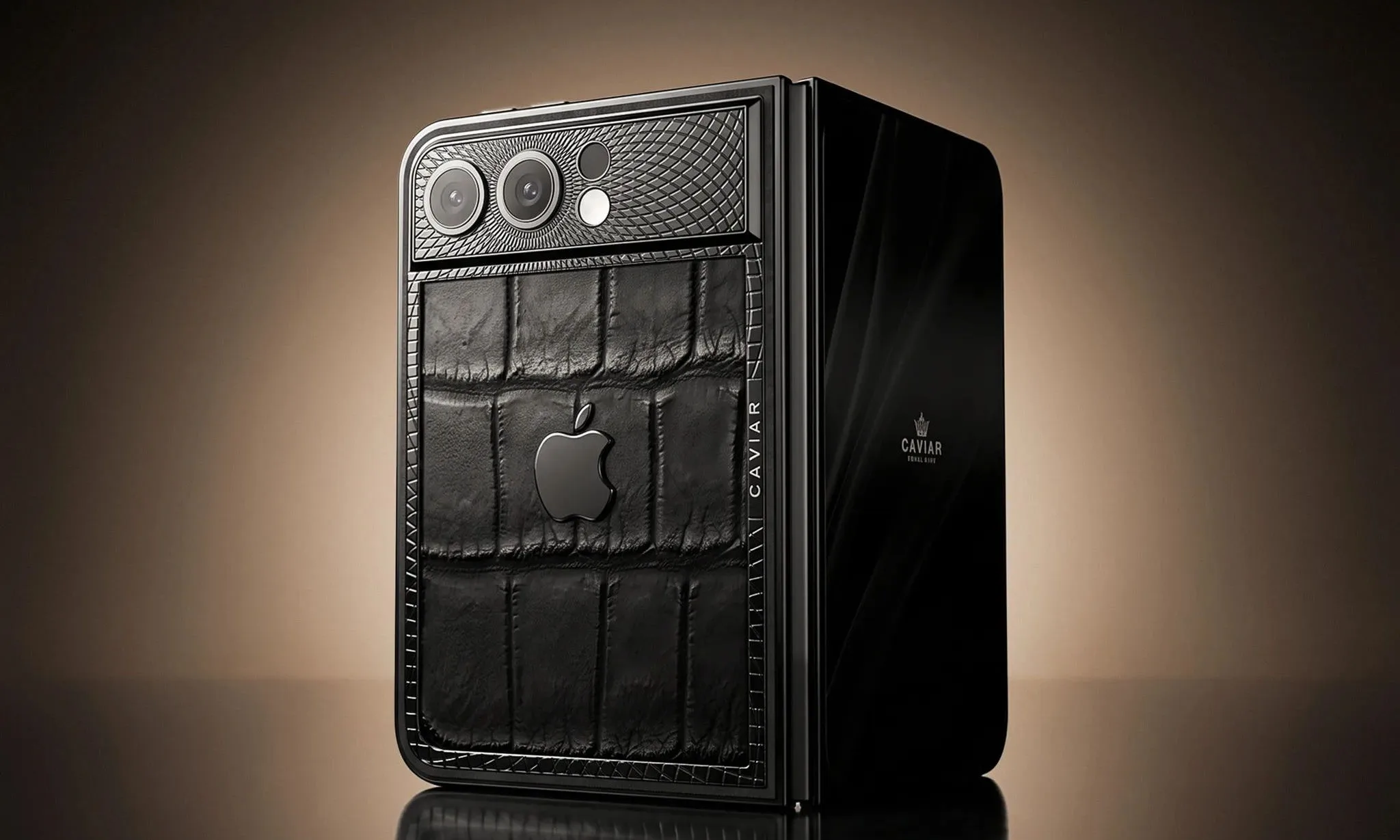
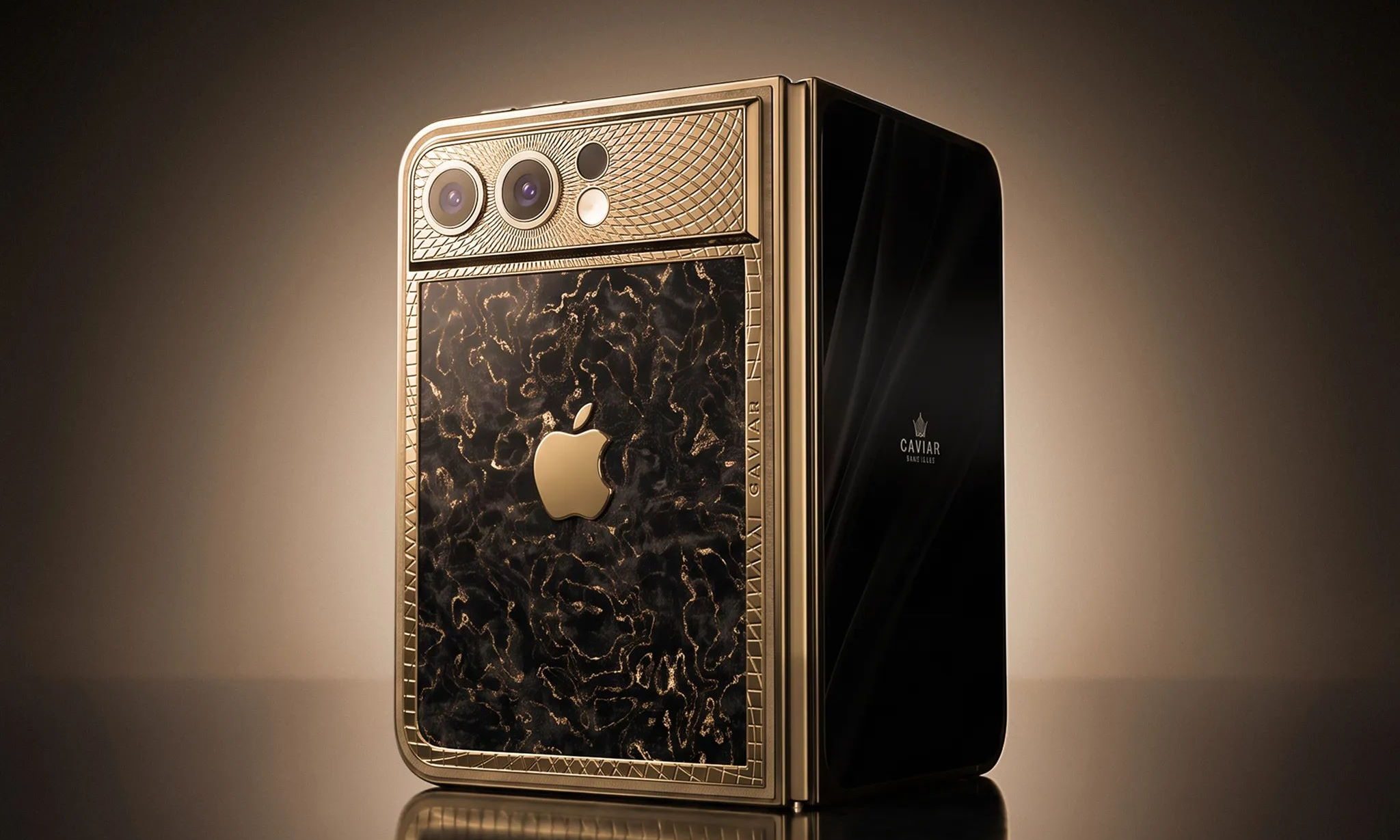
Ahead of Apple, Caviar is showing off the foldable iPhone Ultra with a tinge of luxury

Published

on

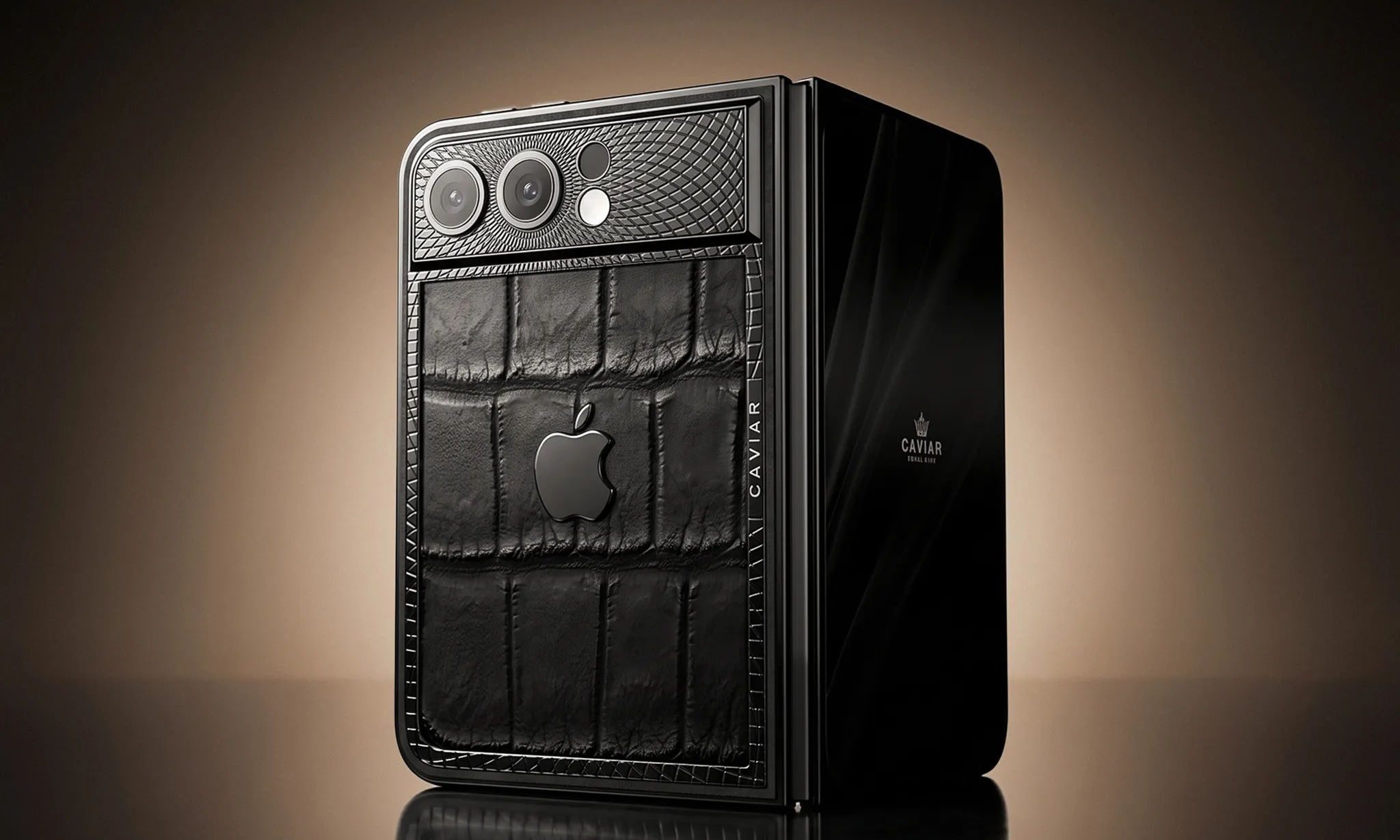
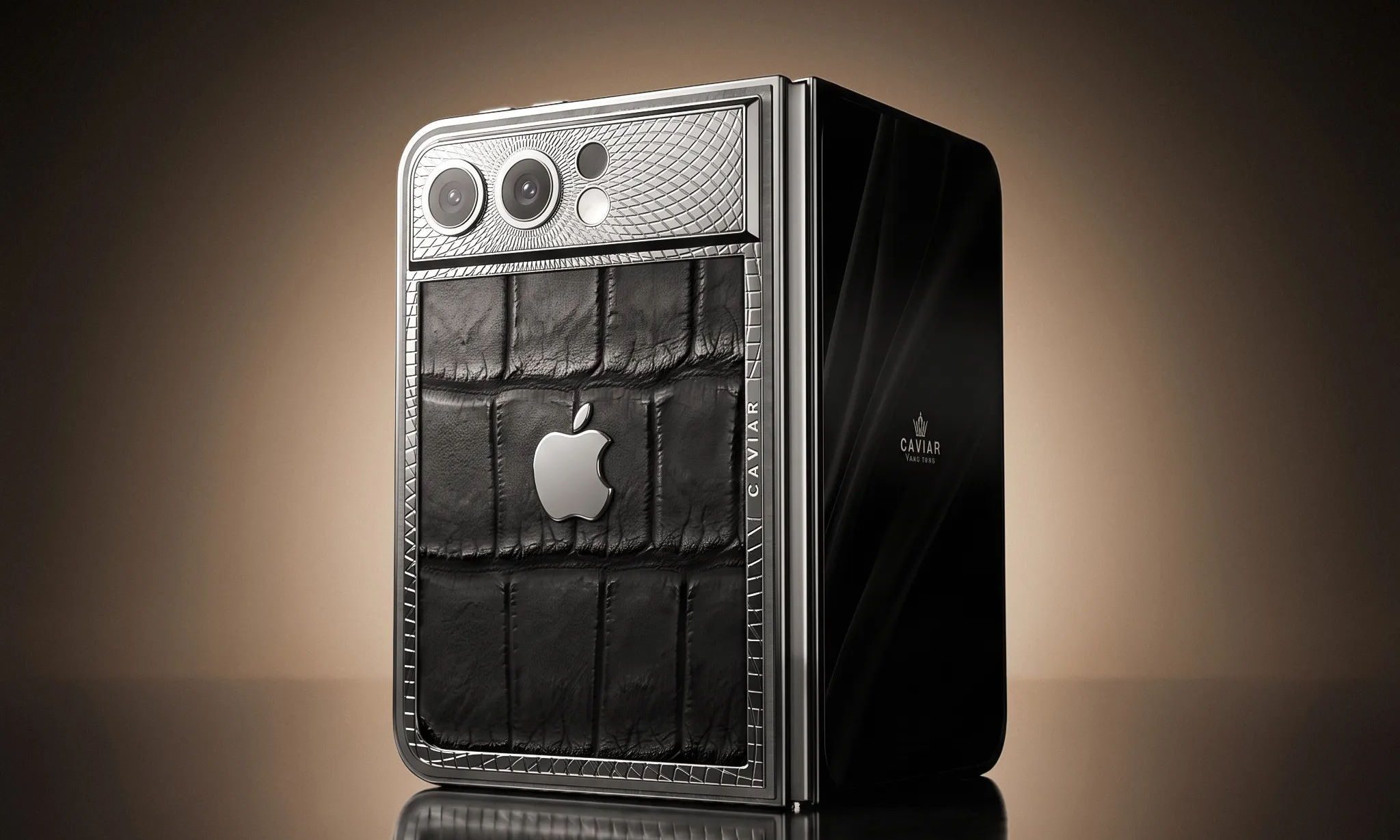
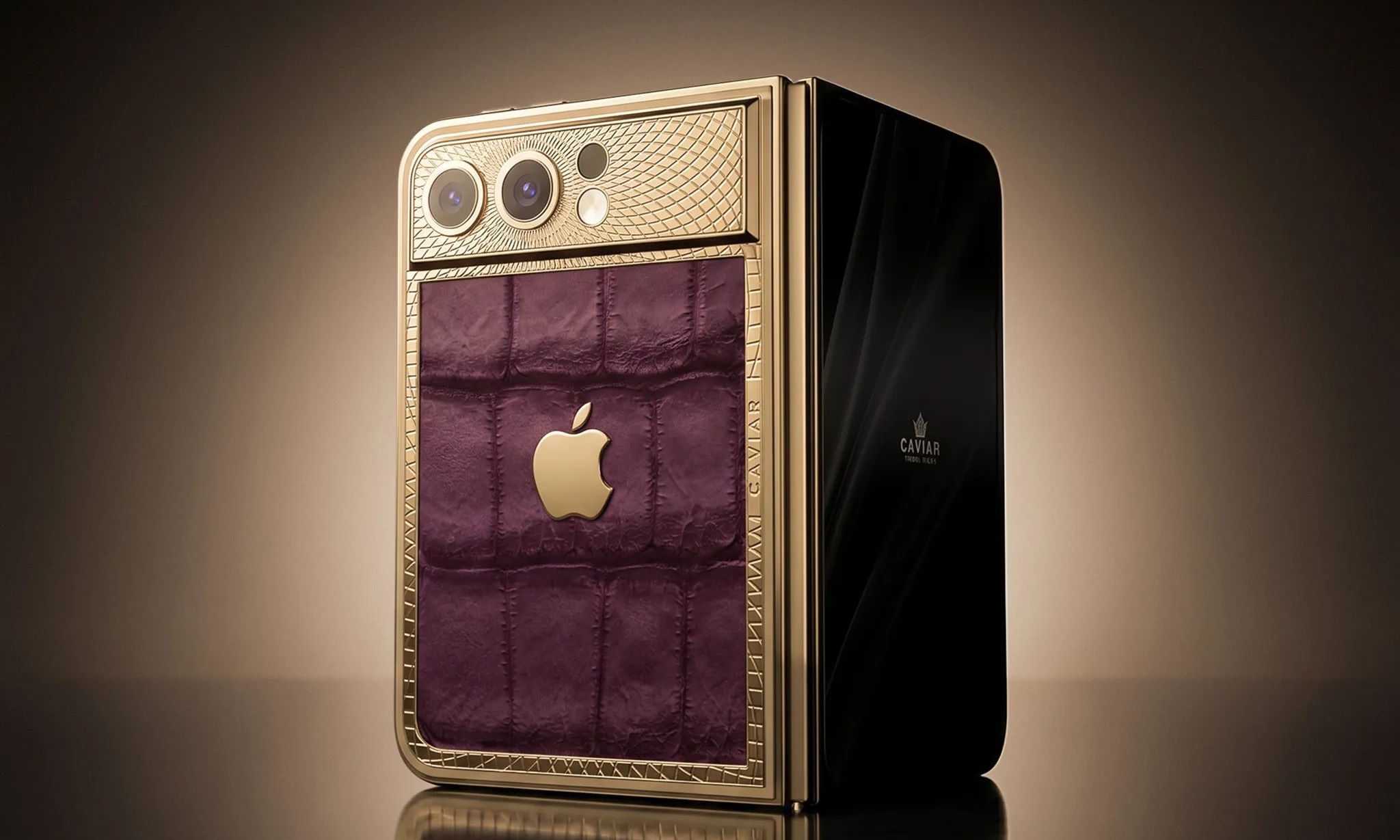
Apple has not announced its first foldable iPhone yet, but Caviar is already trying to sell a luxury version of it. The custom phone brand has revealed its “Flagship” collection for the rumored iPhone Ultra, giving Apple’s expected foldable a gold, silver, leather, and carbon fiber makeover months before the real device is likely to appear.

Caviar has made plenty of wildly expensive Apple accessories and custom phones before. We recently saw the company put a Tyrannosaurus fossil fragment into a $4,490 magnetic case for the iPhone 17 Pro Max. Its foldable iPhone Ultra collection is playing in the same absurdly expensive territory, only this time the luxury treatment is arriving before Apple’s own version.

A luxury iPhone before the real one

The collection includes four versions of the foldable iPhone Ultra. The Dark Cherry model uses purple crocodile leather and decorative elements plated in 24K gold. Caviar says the color is inspired by the Dark Cherry shade expected on the iPhone 18 Pro. The Titan model goes fully black, while the Silver version uses a silver upper panel, crocodile leather, and a three-dimensional Apple logo made from sterling silver.

The most lavish option is the Gold model, which uses carbon fiber and a three-dimensional Apple logo made entirely of 18K gold. Caviar says this version is dedicated to Apple’s 50th anniversary.

Some of the technical details on Caviar’s page appear to be based on rumors rather than official Apple information. The page mentions a titanium body roughly 4.5mm thick, an A20 Pro chip, 12GB of RAM, a 24MP under-display selfie camera, and two 48MP rear cameras. That camera detail is worth treating carefully, since other rumors have pointed to a punch-hole camera instead.

Advertisement

The expensive iPhone gets even more expensive

The regular foldable iPhone Ultra is already expected to be Apple’s most expensive iPhone yet. Analyst Ming-Chi Kuo has pointed to a price of around $2,300 to $2,500, and early supply could be extremely limited.

Caviar is pushing the price far beyond that. The Flagship collection will be limited to 19 units, and delivery is expected only after Apple launches the real iPhone Ultra. The brand has listed preorder pricing from $13,840, while the top Gold model with 1TB storage is priced at $16,270.

Source link

Advertisement
Continue Reading

Tech

The Cost of Tool Sprawl: Why Businesses Are Ditching Multiple Apps

Published

on

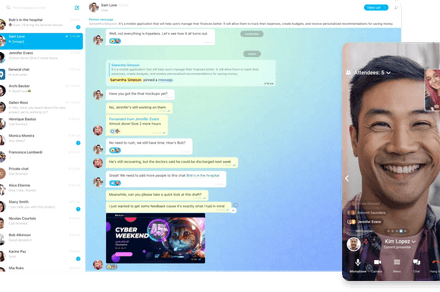
Every company starts with a few simple tools. You pick one app for messaging, another for projects, and a third for file storage. At first, this setup works well. Over time, however, these pieces create a fragmented picture that makes everyday work difficult. This is the hidden cost of scaling. As a business grows, departments adopt specialized software, and every new hire must navigate a dozen different platforms. Managing this sprawling tech stack eventually turns into a full-time job. More importantly, many of these tools charge per user, so every new employee increases costs, while flat-rate platforms such as Bitrix24 keep pricing predictable as you grow. At the same time, leaders are realizing that having fewer, more capable tools is just as important as the way those tools are priced. 

The Financial Drain of Per-Seat Billing

Growing a company often brings a persistent and frustrating tax on your SaaS and software budget. As the organization expands, monthly overhead swells quickly, and each additional seat adds another line to your bill. When these fees stack up across several different apps, expenses soon feel out of control. Bitrix24 directly solves this “scalability penalty” by offering fixed-price commercial plans such as Basic, Standard, and Professional that accommodate a set or even an unlimited number of users. Instead of watching costs hike every time your team grows, you can keep your software budget flat and predictable. 

Creating an All-in-One Digital Workspace

Instead of juggling multiple apps simultaneously, Bitrix24 places your entire operation in one environment. When your project management, CRM, team chat, contact center pipelines, and file storage all live in a single system, you can finally end the nonstop, tiring cycle of switching between tabs. Consolidation does more than reduce your monthly software bill. It easily removes the hassle of digital clutter that slows your team down. With one simple and unified interface, your team no longer wastes time trying to manage a complex software setup. People can focus on the work that actually helps the business grow. Because everything shares the same interface and design language, employees only need to learn one system in place of many. This shortens training time and helps teams adopt the software much faster. 

Unified Data Tracking for a Consistent Experience

Bringing everything together also keeps your data moving smoothly. When your marketing, sales, and management tools do not communicate with one another, crucial information becomes trapped in silos. This often leads to manual errors and missed opportunities. Bitrix24 prevents this by creating a connected path in which a form fill from your website becomes a live CRM lead, then a contact, then a project task, and finally an automated invoice. You do not need to move the data by hand. Such consistency makes new workflows easier to learn and reduces the frustration that comes from jumping between disconnected platforms.

Advertisement

Simplifying IT Security and Compliance

Managing numerous separate subscriptions creates a heavy burden for IT teams. Every platform becomes a potential vulnerability that needs to be monitored, patched, and regularly audited. A single consolidated platform significantly reduces this risk. IT departments spend far less time managing user permissions, offboarding employees, and running security audits when all data lives in one secure environment. This change not only protects company assets but also allows IT staff to focus on strategic initiatives rather than routine maintenance.

Why Bitrix24 Is Worth Considering

The era of chasing one more app for every problem is coming to an end. Modern businesses now prioritize integration over fragmentation. By shifting to a unified and flat-rate platform, organizations can escape the cycle of rising costs and declining efficiency. Scaling should feel like progress and not like a growing burden of subscriptions. When the tech stack is simple, businesses gain the agility they need to compete in a crowded market while keeping their attention on growth. As leaders search for ways to elevate their operations, the choice becomes clear. They can reduce the noise, streamline their tools, and invest in a system that grows with the business without adding unnecessary overhead.

Source link

Advertisement
Continue Reading

Tech

AI Golem Tilly Norwood Is Reportedly ‘Starring’ In A Feature-Length Movie

Published

on

The details are beyond fuzzy, so don’t hold your breath for this one.

Tilly Norwood is an AI “actor” that pops up every now and again in various marketing stunts. Now she’s starring in her own movie, according to a report by Variety. It’s called Misaligned and is being made by Particle6 Productions, the same company behind the uncanny valley-adjacent Norwood.

It’s being described as a “coming-of-age story infused with existential AI chaos.” It’s set in, and this is not a joke, the “Tillyverse” and involves Norwood trying to become more human as she encounters a “seductive rogue bot from the dark web.” CEO Eline van der Velden says “the film will absolutely be funny, chaotic and self-aware — very Tilly.”

Advertisement

This would be the first full-length feature film from Particle6. Particle6 thus far has specialized in short-form AI marketing videos that are fairly heavy on the slop.

I’m no expert, but I happen to think there’s a wide gulf between a 15 second AI-generated perfume ad on Instagram and a feature-length movie. The company does offer a service to film studios that leverages AI for landscape generation and VFX, but we aren’t sure how successful it’s been. It did recently make this Tilly Norwood music video that made me feel trapped inside of a nightmare, so there’s that.

The company hasn’t announced any human collaborators from the film industry, but has suggested it’ll be a hybrid production that pairs traditional filmmakers with “AI specialists.” We don’t know if there’s a script or anything like that. 

Advertisement

I am highly skeptical this will ever get made, and this isn’t me railing against AI. It’s me railing against Tilly Norwood. The AI-generated character has always seemed more like a ragebait machine than a serious attempt to bring this technology to the film industry.

When Norwood was first introduced via a publicity stunt at the Zurich Film Festival, it stirred up real fear in Hollywood. Particle6 responded to this with some short-form videos and captions that seemed to mock those fears.

I’m not sure Particle6 is interested in doing anything with Norwood other than making announcements that, in turn, grab headlines. It definitely worked today. In any event, we’ll have to wait and see if Misaligned actually gets made.

Advertisement

Source link

Advertisement
Continue Reading

Tech

A New Challenger Approaches The Open Source Vehicle

Published

on

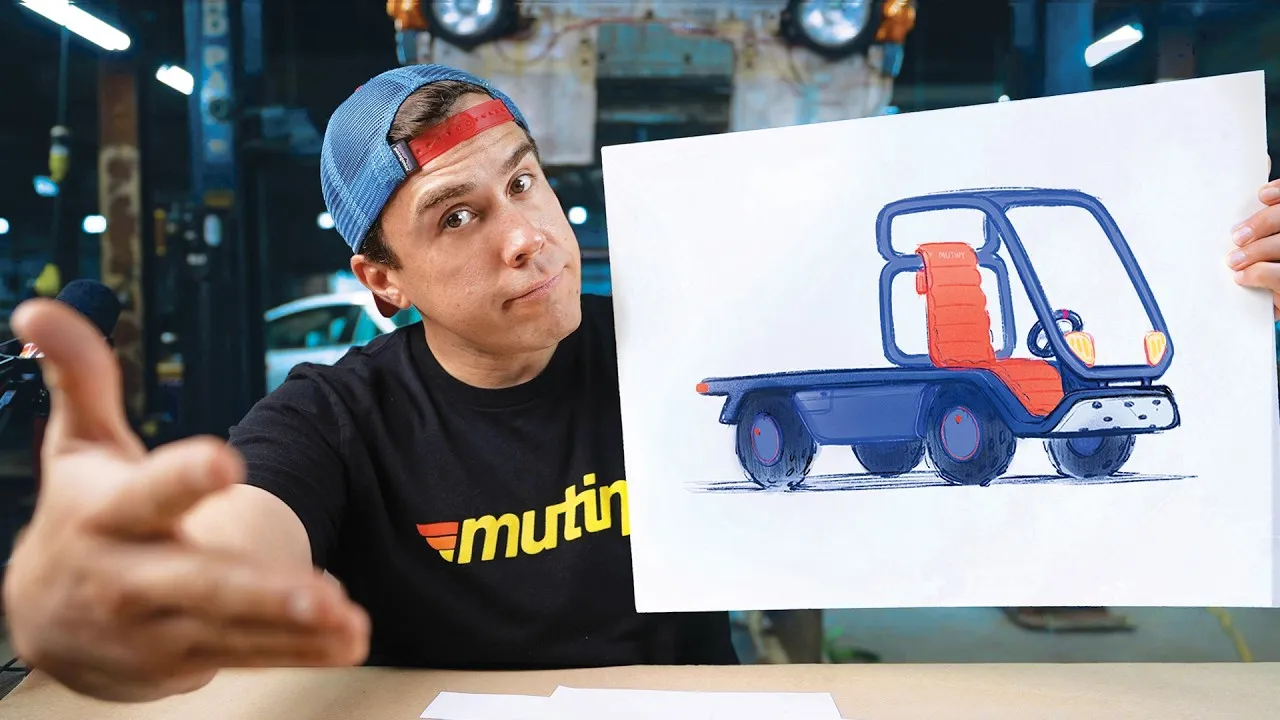
Cheap vehicles are thin on the ground in 2026, but [Andy Didorosi] thinks he has the answer for low-speed applications with an open source kei truck.

Still in the early design phase, [Didorosi] has an old factory in Detroit that has been home to his bus transportation business for the last several years, as well as the Sendpai kei truck project to make the world’s fastest kei truck. His vision is to make an affordable kit car truck that anyone can build in the comfort of their own garage. The current plan includes hub motors, which have so far not made it into any production EVs in the US, likely due to the problem with high unsprung weight.

While making a new vehicle from scratch is difficult, the project is targeting a modest set of capabilities at the beginning. The truck will be eschewing safety for low cost, which is probably fine for low-speed off-road use as a utility vehicle. Safety will of course get more important as speed increases. Once the design is sufficiently nailed down, [Didorosi] hopes to sell fully assembled trucks that are compliant with US Low Speed Vehicle (LSV) requirements. This would allow it on roads with posted speed limits below 35 mph.

Advertisement

Will Mutiny succeed where efforts like OScar, CarBEN, or Wikispeed could not prevail? Only time will tell. We hope they’ll keep the Minimal Motoring Manifesto in mind, and in the meantime, you should check out this kei camper or an EV-swapped kei truck that looks like it runs on a giant drill battery.

Advertisement

Source link

Continue Reading

Trending

Copyright © 2025