Tech
Students Covered a Car in Solar Cells and Finished the Day With Extra Miles, Called Deep Orange 17

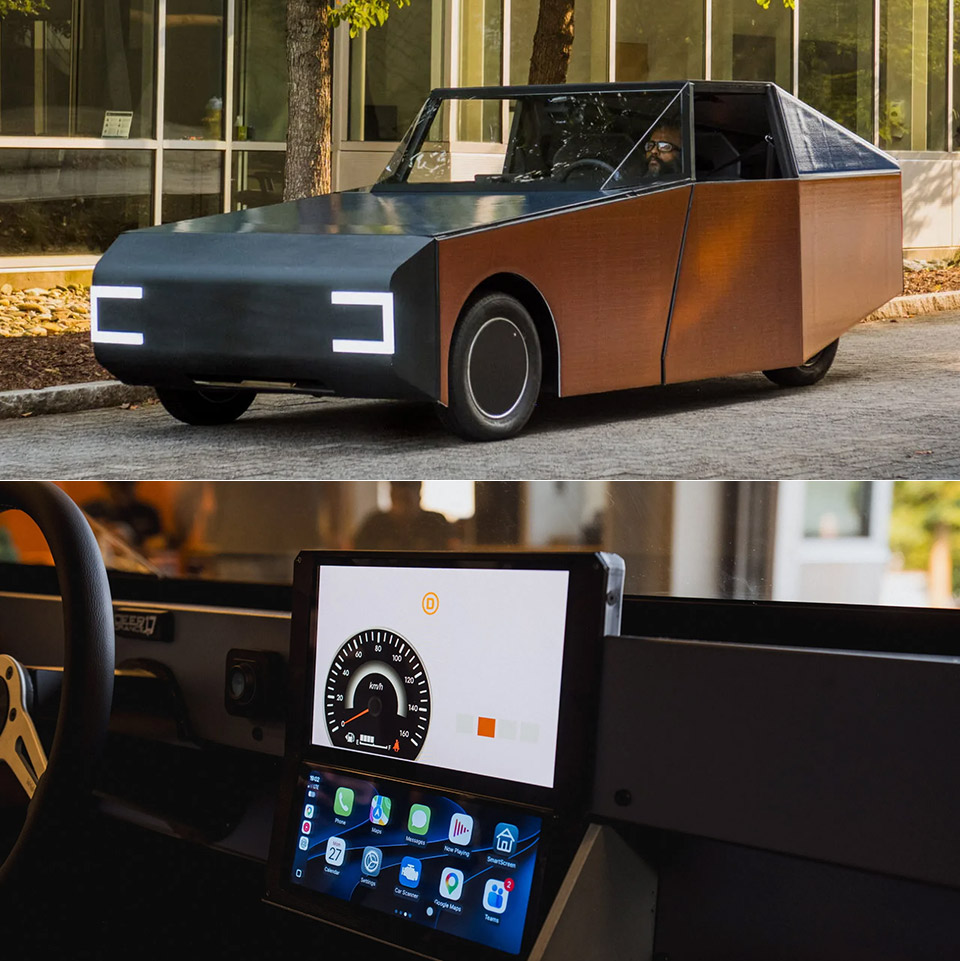
Graduate students at Clemson University spent nearly two years answering a direct challenge from BMW. Build a working electric vehicle that gathers more energy from the sun than it spends on a normal day of city driving. They delivered Deep Orange 17, also known as Luminetta, a two-seat coupe that does exactly that under the conditions they tested.


Almost every surface of the car is covered in solar cells. More than 1700 of them were developed in collaboration with the Fraunhofer Institute for Solar Energy Systems and are incorporated into the façade rather than slapped on top. Even if a portion of the automobile is shaded by a tree or a structure, the cells will continue to function. Protective orange film is stretched over the cells, giving the prototype a strange appearance but also shielding the cells from regular wear and tear.


LEGO Technic Fast and Furious Mitsubishi Eclipse Car 42229
- BUILD AN ICONIC CAR – The LEGO Technic Fast and Furious Mitsubishi Eclipse Car (42229) building set for teen boys and girls ages 14 years old and up…
- SPOT ICONIC MOVIE REFERENCES – Movie fans can discover many fun details packed throughout the model, including the custom paint design, driver…
- REALISTIC FUNCTIONS – Teens can test the working steering by turning the knob on top, prop open the hood to watch the engine’s pistons move and open…
The car was built to resemble a boxfish, which was an intentional choice because it allows them to pack a lot of surface area for the solar skin while still gliding smoothly thru the air and allowing adequate space in the cabin. It has a strange appearance, similar to a miniature shoebox on wheels, but it nonetheless appears to be a sleek coupe with a hint of BMW’s design language. It weighs only 1,212 pounds, thanks to a unique combination of materials, including steel for the passenger compartment, where safety is critical, aluminum elsewhere, carbon fiber for bracing, and 3D-printed metal parts that connect everything. By keeping the weight low, they can use significantly less energy to move the automobile, giving the solar panel more power to work with.

The team modeled a 12-mile daily commute on a bright day with sunshine and weather from Greenville, South Carolina, Frankfurt, Germany, Madrid, Spain, and Mumbai, India, and found that on average, the solar system would produce enough extra energy to cover an additional 31 miles of driving. In other words, this car can cover its own expenses and still have money left over at the end of the day. The beauty of it is that the energy is collected not just while driving, but also while the car is parked, so the entire period of time spent sitting there watching the hours tick by becomes helpful rather than squandered.
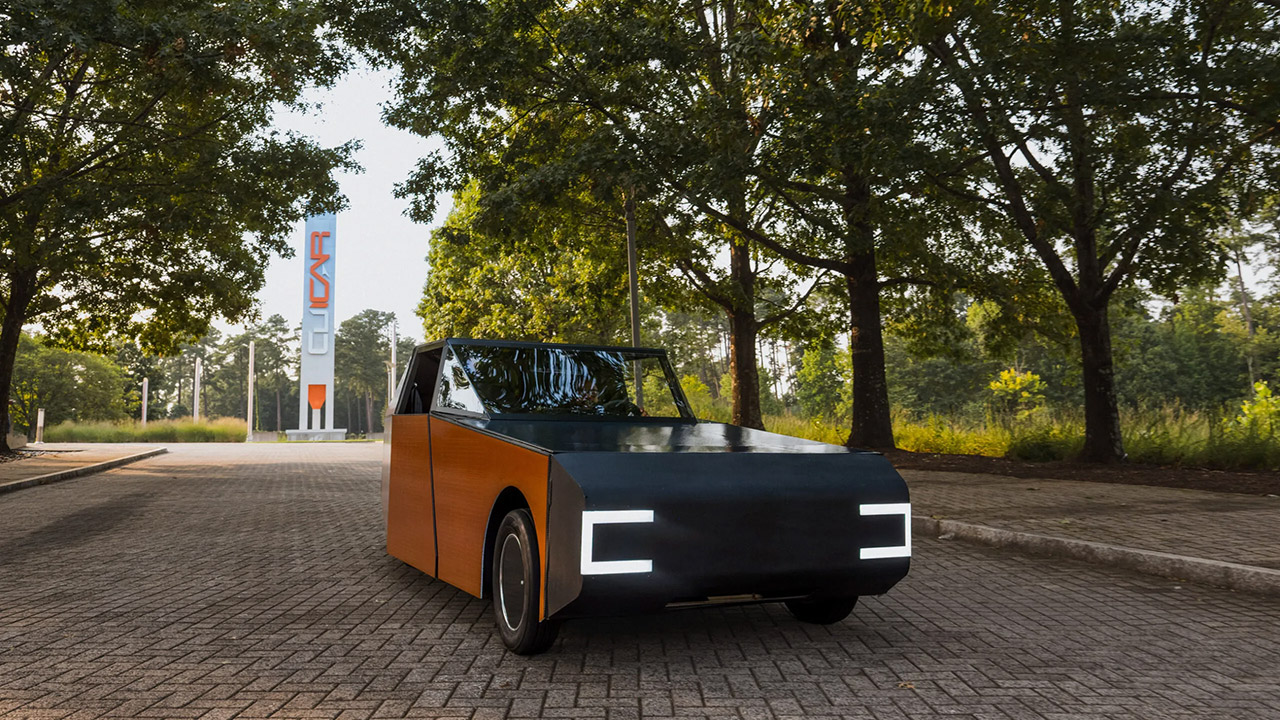
To save even more energy, the team used some fancy tricks like regenerative braking, super smart torque management, and tweaked the drivetrain. If that wasn’t enough, the drivers can see live data on the car’s energy systems in real time thru a special interface inside the car, and they can also connect their phone for good measure.

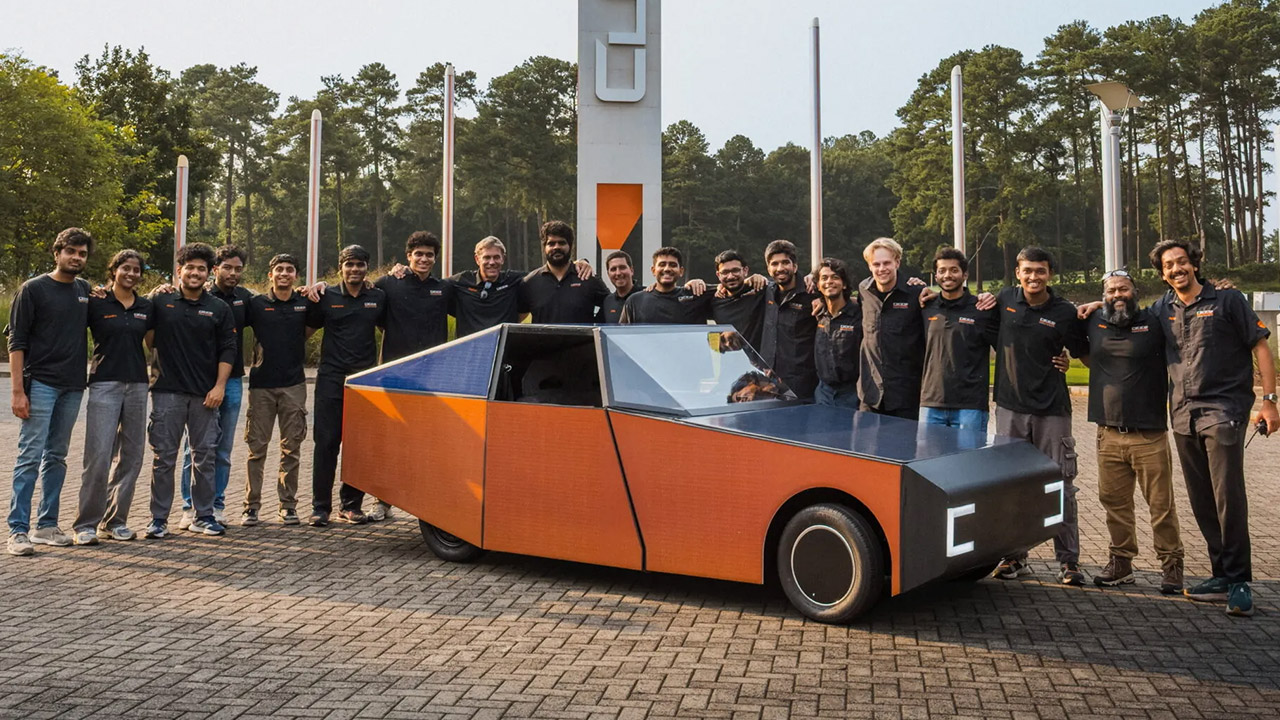
Sixteen students completed the entire project, from research to engineering and testing, and graduated with master’s degrees in automotive engineering on the same day it was shown to the public. BMW provided funding, assistance, and engineering expertise to keep the project on pace. The finished prototype is still on display at Clemson’s CU-ICAR campus as a research tool, and it is scheduled to appear at the 2027 CES trade show in Las Vegas.
[Source]
You must be logged in to post a comment Login