Tech
Styrofoam Turned Gasoline Can Be Used to Run a Generator

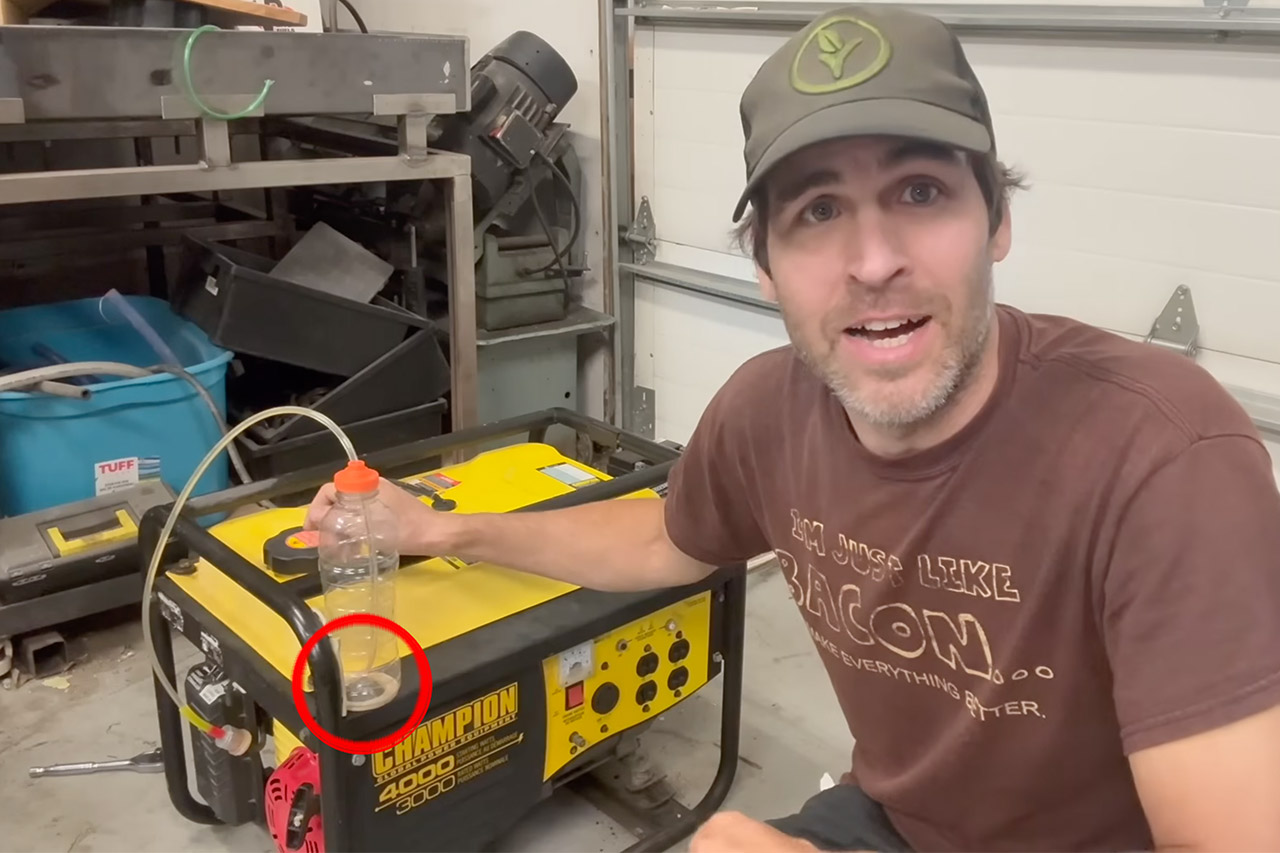
Most people toss old packaging foam in the trash without a second look. Joel from the Lowered Expectations channel decided to turn a pile of it into something that powers a small engine instead. His recent experiment starts with ordinary closed-cell extruded polystyrene, the same light material used for shipping and insulation, and ends with a liquid that lights off in a generator and produces real electricity.


Joel began with a respectable 356 grams of foam, or approximately 12 1/2 ounces, which he dissolved in some gasoline rescued from a previous distillation of used fuel. The foam was extremely thirsty, and it simply crumbled into a thick gloopy sludge after absorbing the liquid. Around 240 cc of gasoline became caught inside the mixture. That sludge was then poured directly into a boiling flask, which was outfitted with a rudimentary glassware setup and a fractional column to keep things from getting out of hand.
Sale


GTPLAYER Gaming Chair, Computer Chair with Footrest and Lumbar Support, Height Adjustable Game Chair with…
- Most Comfortable And Relaxing: Equipped with headrest and lumbar pillow. When your neck feels sore from gaming or working with head down for a long…
- More Stable Than Others: Common gaming chairs are equipped with plastic legs generally to save costs, but we still insist on applying the same…
- Liberate Your Feet: Will you feel tired for sitting all the time? Sure. Then you can choose the chair with footrest to relax your feet. When you…
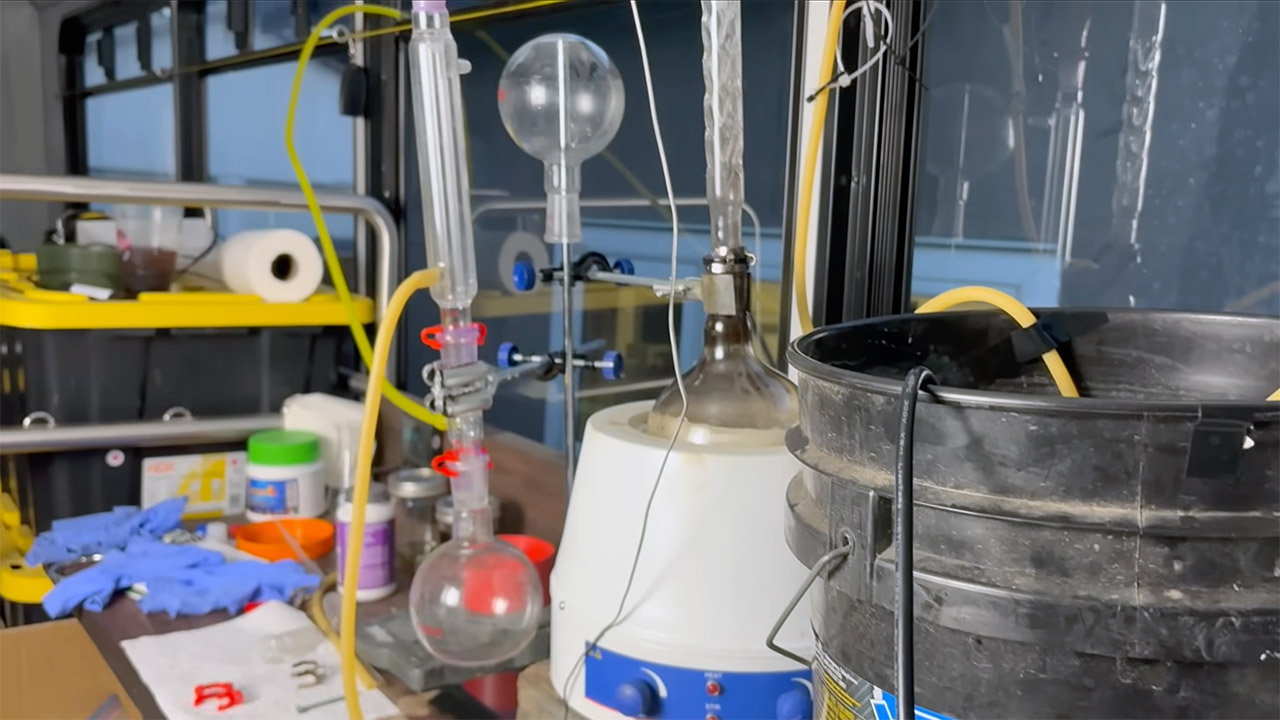
A mantle with a thermostat provided heating to keep things from becoming too wild. Early fractions began to emerge about 60 degrees Celsius, with more liquid appearing as the temperature rose over 100 degrees. The majority of the good material began to collect around 120 degrees, and the process continued to 220 degrees. He performed a second, simpler distillation of the collected liquid to clean it up a little more, stopping at 150 degrees. Before calling it a day, he added some fuel stabilizer to the finished product. There were some concerns about styrene monomers recombining, so he had to exercise caution, as he had proposed using inhibitors in the larger approach discussion.

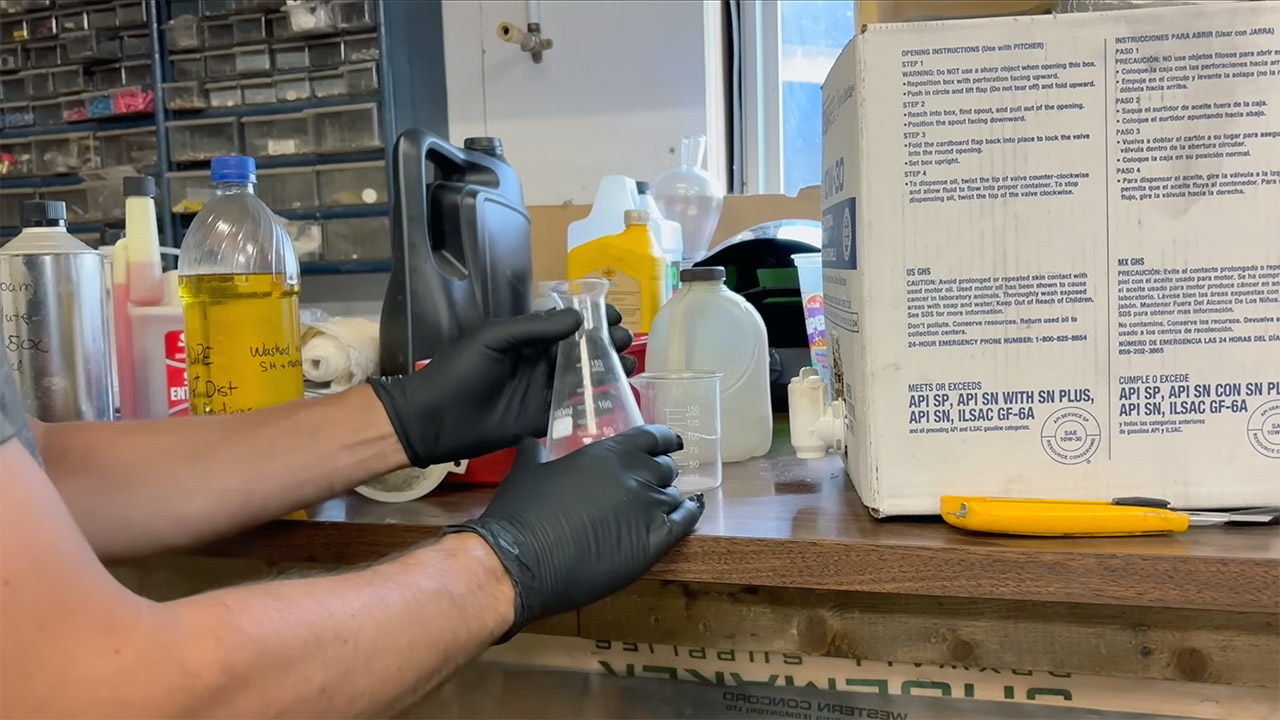
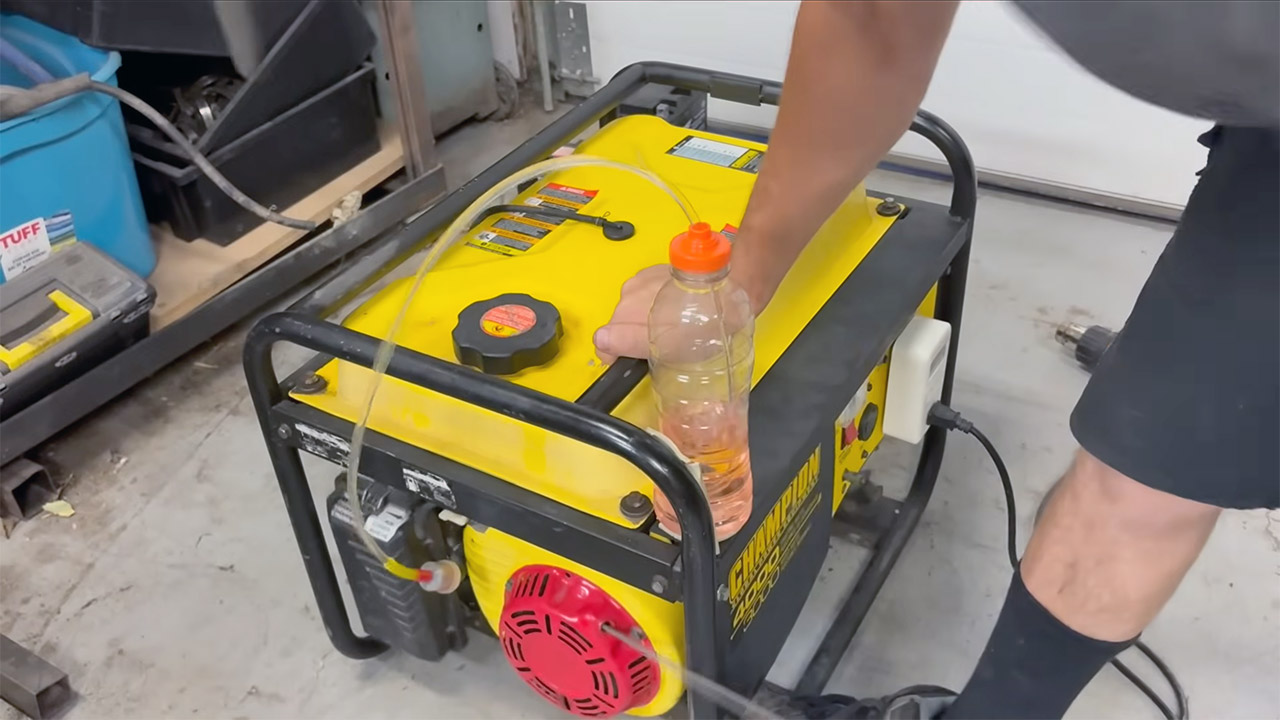
He was able to blend 300 milliliters of the completed distillate with a modest amount of automatic transmission fluid before stuffing it into a generator. Starting with a cold engine, the machine fired up immediately on the first pull, with the choke still on. Once warm, it began on its own and ran well under load for 18 minutes, producing 0.42 KWH. A matched test with regular fuel yielded 0.41 KWH in the same time frame. The power output was nearly identical across the brief run.
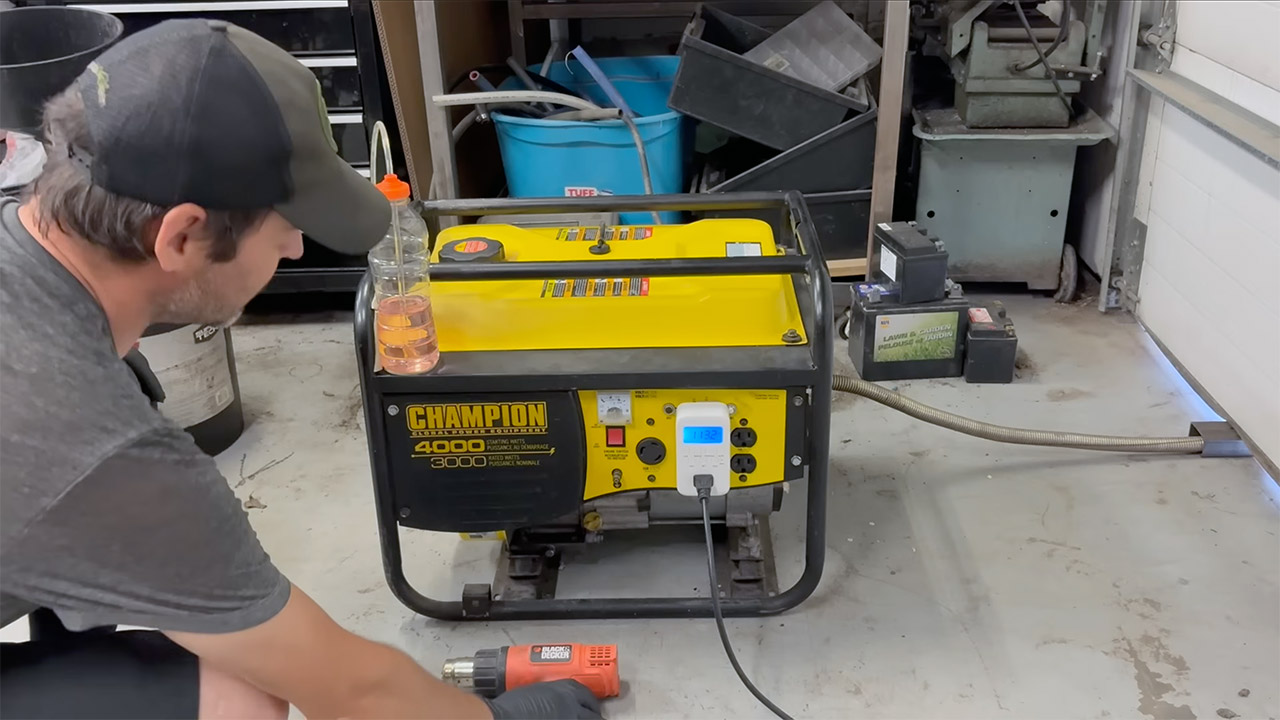
In terms of energy, the entire pyrolysis and distillation process consumed 2.06 KWH over 13 hours and 27 minutes, equating to around 37 cents of electricity. That’s a rough calculation, but it works out to roughly 3.17 KWH per liter of product. The published energy density for similar polystyrene pyrolysis liquids is usually between 10.5 and 11.5 KWH per liter, so even with my clunky setup, the values look fairly decent.
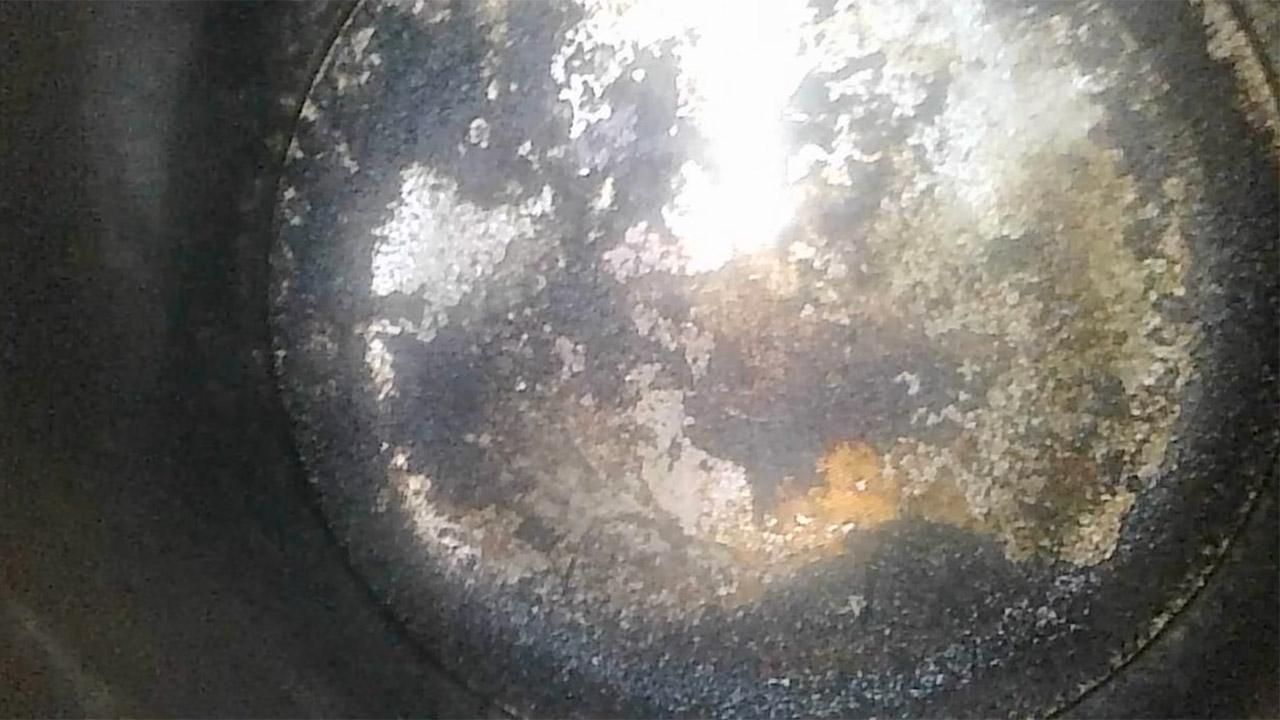
Then, after the test, he looked inside the engine, and the situation grew much less promising. A borescope revealed a shiny, gloopy deposit all over the piston, rather than the typical carbon buildup. Instead of the typical pure pump gasoline, the foam created a complex mixture of hydrocarbon chains and leftover styrene pieces. Make no mistake: the longer you run it, or the tighter / more delicate the tolerances and injectors are, the more probable you are to have residue problems.
Joel is extremely open about the risks involved. Styrene is a known health hazard, the fumes are not pleasant to be around, auto-polymerisation may be rather frightening if the inhibitors aren’t ideal, and the overall situation is far beyond what most people would consider safe household chemistry. He emphasizes that no one should replicate his efforts, since this is only a display of chemistry curiosity, not a plan for running a backyard fuel business.
[Source]
You must be logged in to post a comment Login