Tech
Sunlight Turns Into Hot Air That Dries Clothes in an Hour While Using Only a Fraction of Normal Power

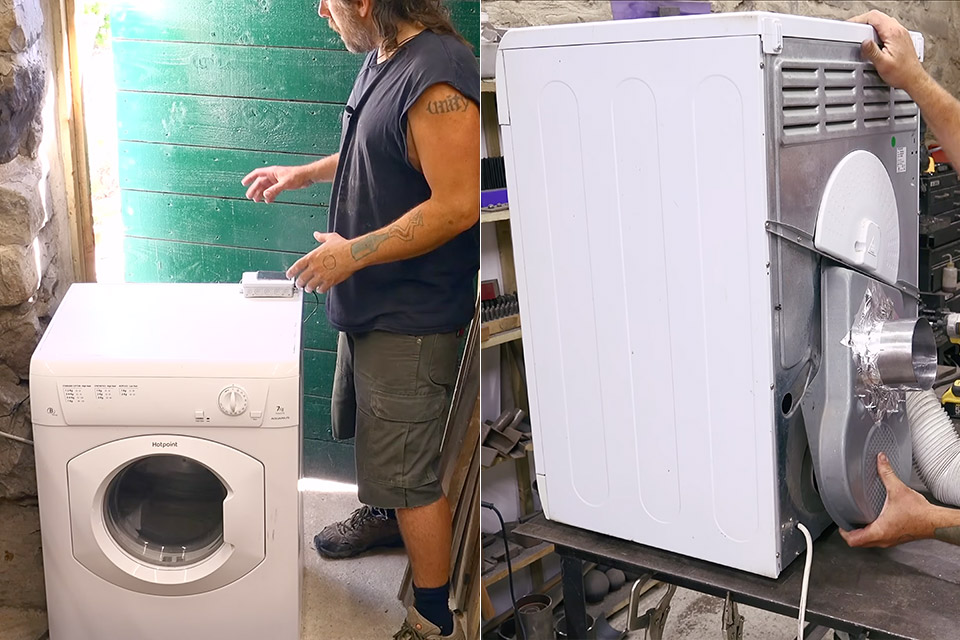
Greenhill Forge wanted to find out whether solar air heating could handle actual laundry drying without relying on a big electric heating element. The short answer from his latest build and test is yes, and the numbers make a strong case for it. He connected an upgraded solar air collector panel directly to a standard clothes dryer. The panel supplies heated air that replaces the usual 2,400-watt electric element. In the real-world trial, a test shirt came out completely dry after one hour. The only electricity consumed during that hour went to spinning the drum. Total draw sat around 155 watts.

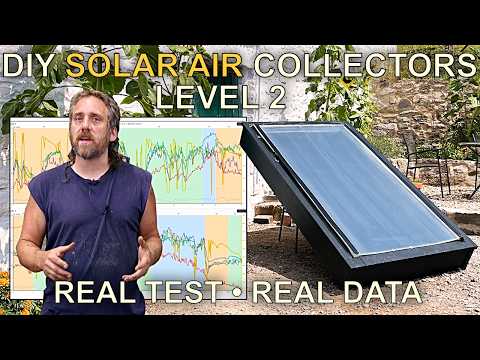
This corresponds to more than ten times less power as a standard electric dryer. The heating burden just evaporated, replaced by free solar energy harvested on-site. Greenhill Forge has been experimenting with solar air heating on his little rural homestead for a long time. Previously, he conducted side-by-side studies on five distinct collection designs, each measuring approximately two square meters square. The panels used insulated boxes with clear polycarbonate on top to trap heat, and dark absorber surfaces like black painted corrugated steel or dark insect netting pushed air past or through them.


BigBlue 28W Solar Panel Charger with Dual USB-C and USB-A, Portable Solar Phone Charger for Camping…
- Advanced Performance: BigBlue 28W portable solar charger provides 20% more power from every ray, thanks to shadow-free surface design (No metal lines…
- Upgraded Triple-Port: Dual USB-C and one USB-A ports deliver a maximum output of 5V/3A each, collectively achieving 5V/4.8A. This solar panel charger…
- High-Efficiency & IP44 Waterproof: 28W USB solar panel phone charger converts 25.4% sunlight into free energy – industry-leading efficiency. Our…
These tests made it clear that performance varied substantially. The versions with transpired designs (in which air passes through small holes in the absorber) and many layers of black bug net screen functioned remarkably well regardless of sun angle or flow rate. When conditions were good, peak output was around 1400 to 1500 watts of useable heat, with overall collector efficiency ranging from 70 to 80 percent under full sun. This research influenced the design of the new collector for the dryer duty. They built it with a plywood frame, appropriate insulation, a black absorber surface (sheet metal or the better insect net solution), and windows. New fans were placed to double air flow over earlier generations, and they even incorporated some extra instruments like a data logger and temperature probes to get a true picture of how it was working rather than speculating.
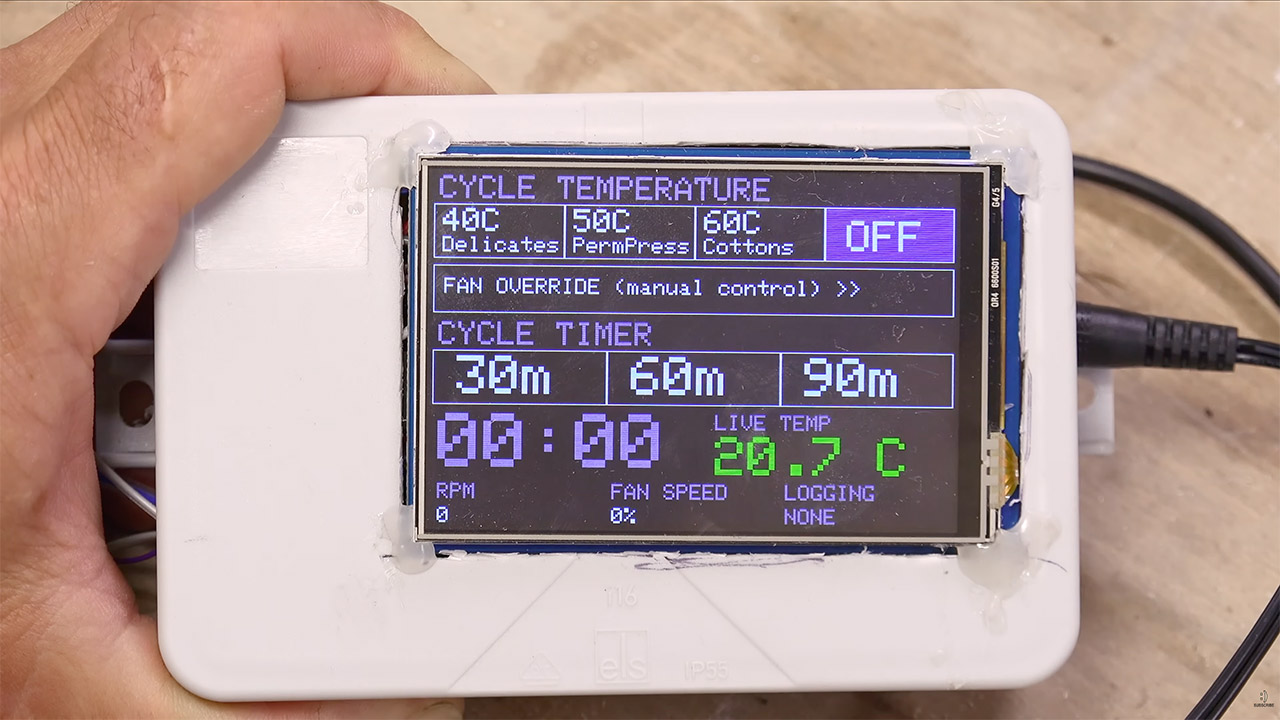
Air enters the collector, gathers up heat from the sun-warmed absorber, and exits at a usable temperature. A duct then transports the air to the dryer. The only item needed on the dryer side was a modified flange that could handle warm air, and a blower fan was removed or repurposed to accomplish the job. The electric heating element was pulled out of the circuit. Temperature control was critical since clothing can easily be scalded if the air is too hot, and efficiency suffers if the air is too cold. Greenhill Forge created a custom controller using an Arduino board to fix this. It simply monitors the temperature of the air entering the dryer and changes the fan speed to keep the air at the appropriate drying temperature without requiring constant adjustment.

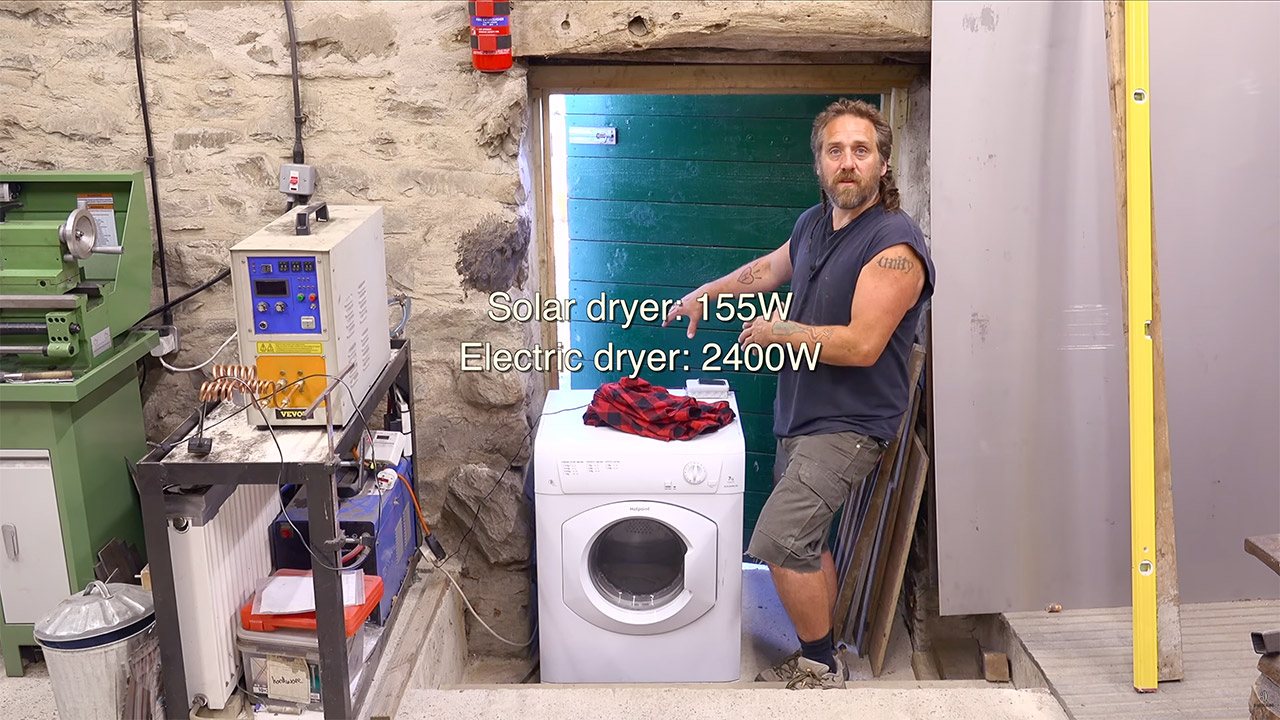
During the test run, the system maintained the heat levels exactly where they needed to be while the drum tumbling the load. 60 minutes later, the clothing were completely dry. The collector did all the hard lifting on the heat side, while the drum motor and controller required only 155 watts in total. This method avoids the losses associated with initially creating power and then converting it back to heat. A solar air collector simply absorbs heat energy and circulates it using a fan. The materials are basic and inexpensive; previous panels cost roughly $100 to construct. The improved version maintained the same down-to-earth approach while ticking boxes to improve durability and output consistency.
[Source]
You must be logged in to post a comment Login