Tech
Super Mario 64 Conquers the Dreamcast After All These Years

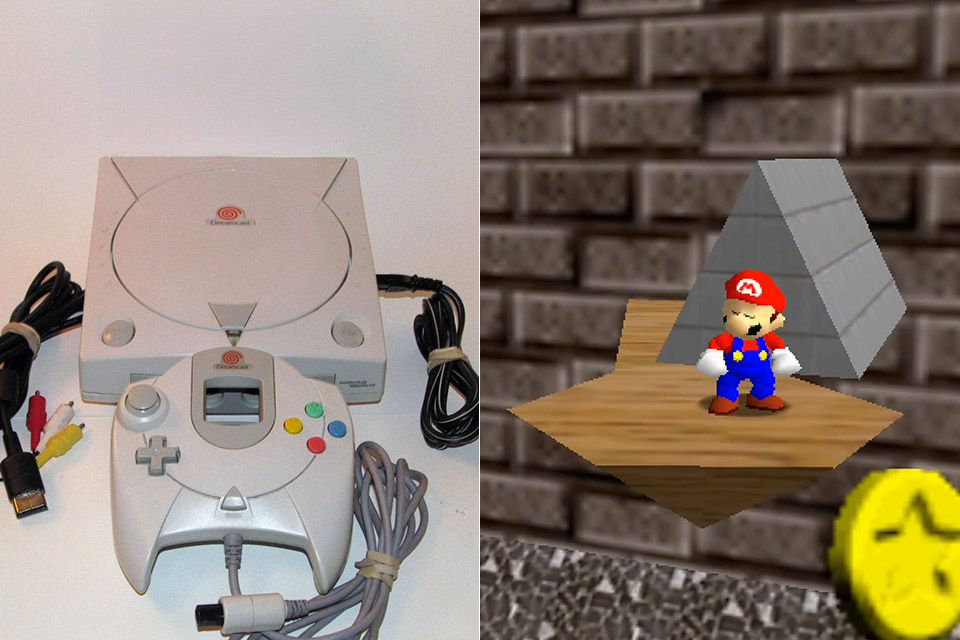
SEGA’s Dreamcast may have met an early demise, but the console’s legacy lives on among fans. Now, a small crew has ported Super Mario 64 to the console. That’s right, programmer jnmartin84 finished what mrneo240 started in 2020, resulting in a game based on the original and burned onto a CD-R for crisper visuals as well as richer sound.


This was accomplished using a process known as decompilation, in which a team of volunteers spent years going over the original Nintendo 64 code line by line. This clean source code enables the existence of ports like this one. jnmartin84 improved the Dreamcast version by fixing the weird audio glitch, graphics issues, and adding the option to save to the VMU.
Sale


My Arcade Sonic Joystick Player: Sonic The Hedgehog Retro Game Console, 2 Games in 1, Sega Classic…
- 🕹️ Officially Licensed: This is an officially licensed SEGA Game Console, ensuring an authentic gaming experience. High resolution 3.5” full…
- 🎯 Games Included: Includes Sonic the Hedgehog and Sonic the Hedgehog 2. Capable of traveling at the speed of sound, Sonic is known for his speed,…
- 🕹️ Iconic Characters: A true hero, he calls upon his skills to save the world from Dr. Eggman. Sonic has a big heart and is always ready to help…
To begin, get the source from GitHub and extract the textures and models from their own US version of Super Mario 64, as no resources are included in the source code to ensure that everything is totally legal. Next, a Dreamcast toolchain compiles everything into a binary that can be burned to a disk and loaded into the Dreamcast console, and voilà! Mario appears in his full 480p magnificence. Of course, emulators are supported as well, but let’s be honest: playing on real hardware is a whole different experience.

The transition from the N64’s muddy 240p to a gorgeous and sharp 480p is an improvement in itself. Not only that, but the textures, while identical to the original, appear slightly crisper due to the increased output. Not only does Mario’s world feel larger than ever before, but the framerate remains at a steady 30fps, just as it did in 1996.
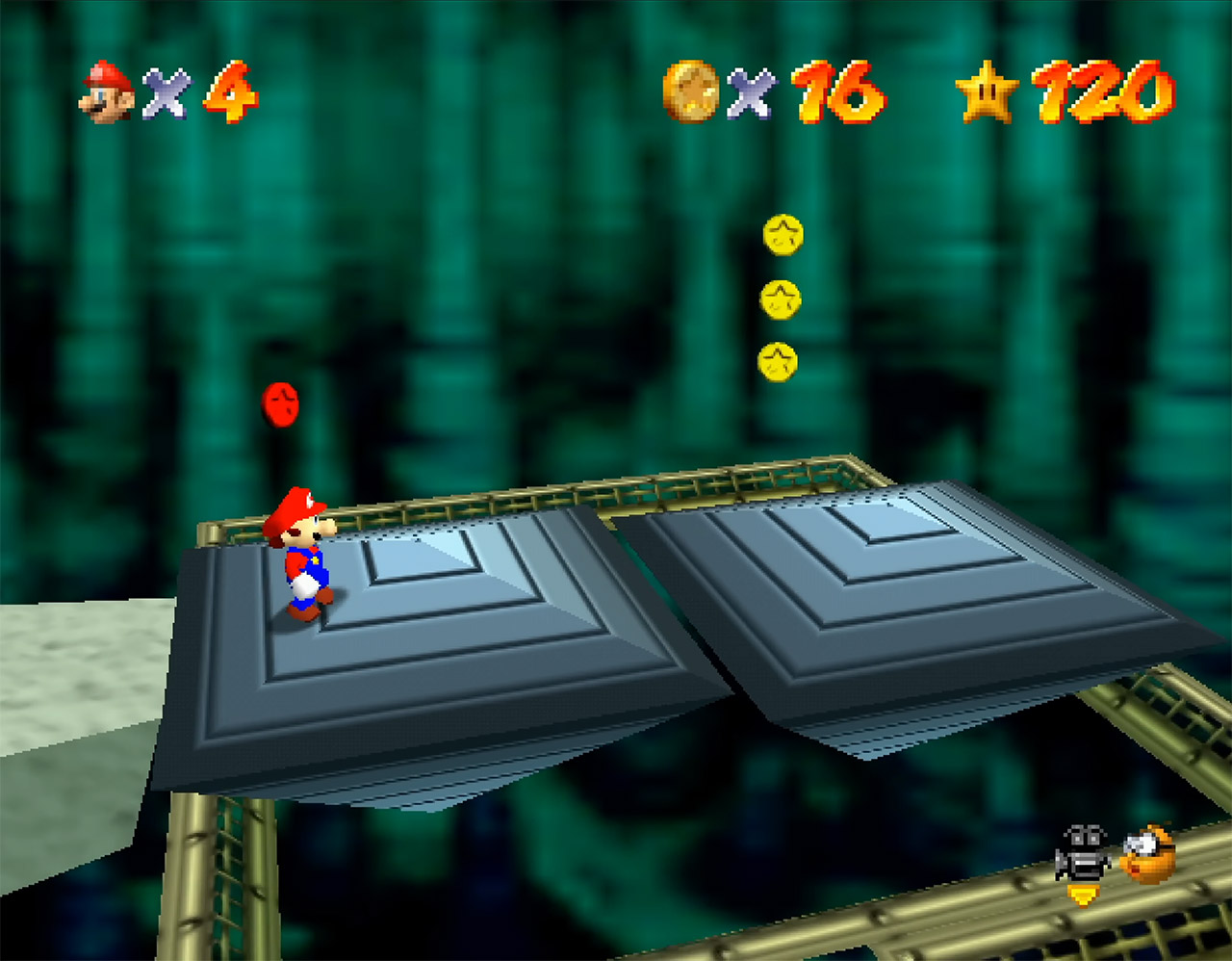
One of the hardest tasks was sound, as the N64 has a dedicated chip for mixing sound, while the Dreamcast lacks one and has to use the SH4 CPU for everything. Early tests were putting a lot of stress on the CPU, so John Brooks, a veteran coder, came in and helped out with some vector math and floating-point code to get everything running smoothly.

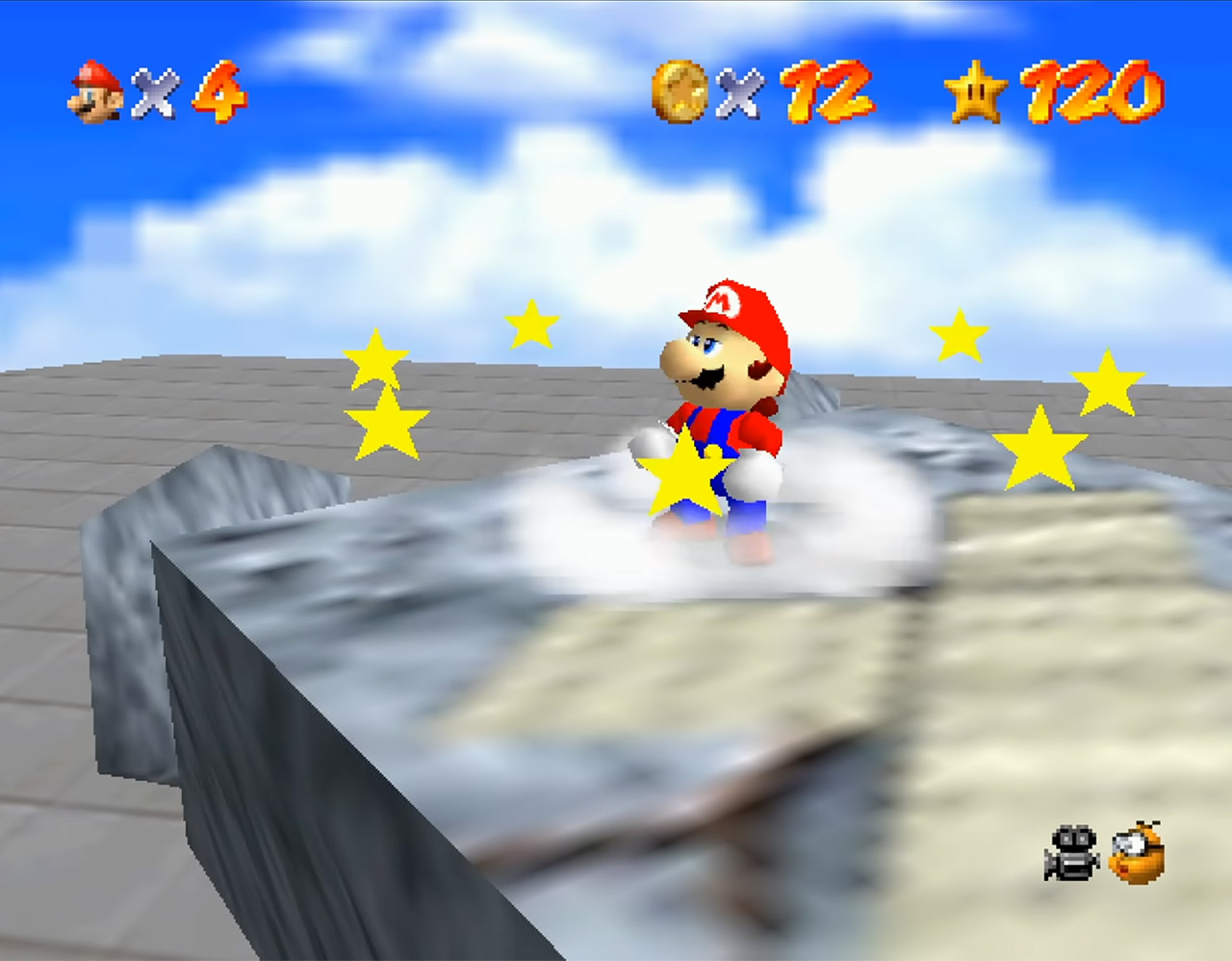
The controls on this version snap neatly into place, as the Dreamcast’s stick steers Mario around with precision, while the button for jumps, the B button for braking, and the D-pad for switching cameras all function as expected. Because the VMU can save your game in the middle of a run, you can continue where you left off without having to restart from the beginning, no uncomfortable remapping required.
You must be logged in to post a comment Login