“I never started out wanting to win 23 Grand Slams. I wanted to win the US Open, and then I made that scalable,” joked Serena Williams, managing partner of investment firm Serena Ventures, at SXSW.
Typically, panels made up of venture capitalists focus on profits and returns on investment. But with tennis legend Serena Williams as Reckitt Catalyst’s entrepreneur-in-residence, the conversation centered on how funding tech startups could drive tangible community impact.
Another panelist included Mika Eddy, the co-founder of Malama Health, a community-based telehealth company that connects pregnant people with local doulas and remote-monitoring tech to support them during their pregnancy and postpartum. Malama, which means “care” in Hawaiian, aims to improve maternal health outcomes.
Eddy said she was inspired to build the company after watching her OB-GYN grandmother care for patients in rural Japan while growing up.
Advertisement
“The US was truly not built for healthy outcomes for women, and particularly if you do not have privilege or a platform, oftentimes these outcomes are left to chance,” said Eddy. “We built Malama in order to help fill the gaps.”
Also on the panel was Kwamane Liddell, an emergency department nurse who founded Thrivelink to help patients across the country find the housing, medication and other vital social service resources. The company is focused on accessibility — you don’t need the internet, smartphones or reading skills to use it. For example, Thrivelink uses AI voice tech rather than relying on text, which may be harder for some patients to use. Liddell’s uncle, who had a stroke and was part of the inspiration for Thrivelink.
“People might not be able to text or type within the app, but they can say their address,” said Liddell. “So we built a telephonic AI agent that allows people to talk. Since then, we’ve helped thousands of families access healthy food.”
Health tech, venture capitalism and policy have a long, complicated history in the US. Health technology is often designed to fill gaps or address major issues left by the health care and insurance industries. Big companies in the AI revolution, such as OpenAI, Amazon and Microsoft, are also building health AI tools along with startups like Malama and Thrivelink.
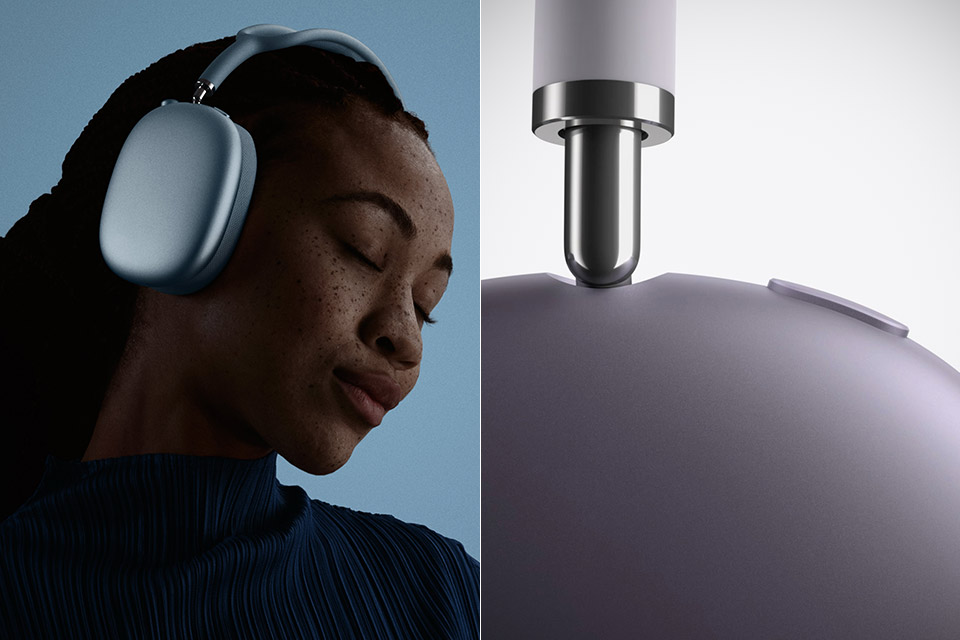
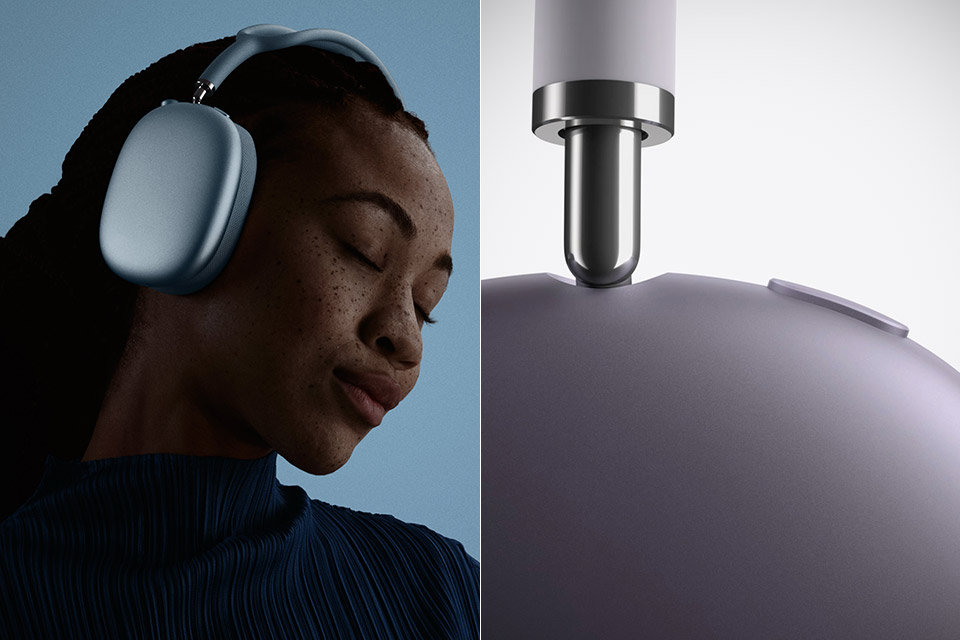
Five years have passed since Apple initially began selling its over-ear headphones, and many people were left wondering if a true update would ever happen. The wait is over for AirPods Max 2, and most of the changes trace back to one quiet upgrade.
Powering the whole thing is the new H2 chip, a single component responsible for some meaningful improvements across the board. Noise cancellation has taken a significant step forward, blocking out twice as much background noise as the previous generation. Jet engines and train rumble are dealt with far more convincingly now, which should make long haul travel considerably more bearable. Transparency mode has also been sharpened up considerably, with voices and ambient sound coming through with noticeably less distortion and a much greater sense of clarity and precision than before.
WORLD’S BEST IN-EAR ACTIVE NOISE CANCELLATION — Removes up to 2x more unwanted noise than AirPods Pro 2* so you can stay fully immersed in the…
BREAKTHROUGH AUDIO PERFORMANCE — Experience breathtaking, three-dimensional audio with AirPods Pro 3. A new acoustic architecture delivers…
HEART RATE SENSING — Built-in heart rate sensing lets you track your heart rate and calories burned for up to 50 different workout types.* With…
Sound quality has taken a step forward across the board, helped along by a new amplifier that keeps the output clean and consistent even at higher volumes. Instruments sit exactly where they should in the mix, the bass is tight and controlled, and the mids and highs carry a natural warmth without any harshness creeping in. Plugging in via USB-C unlocks lossless audio at full 24 bit, 48 kilohertz resolution, and wireless gaming gets a notable boost as well, with the gap between on screen action and audio response cut down significantly.
Advertisement
The H2 chip also unlocks a handful of genuinely useful listening modes. Adaptive audio uses the built-in microphones to read the environment around you and adjust noise control levels on the fly without any input needed. Conversation awareness picks up when someone nearby starts talking and eases the volume down while softening background noise so you can engage naturally without pulling the headphones off. Calls benefit from voice isolation, which keeps your voice front and center while pushing room noise well into the background. Personalized volume learns your preferences over time and adjusts levels automatically, and in particularly loud environments the AirPods Max 2 will gently dial things back while keeping the character of the music intact.
Live translation is one of the more exciting additions for anyone who travels frequently or works across language barriers. It handles real time translation during face to face conversations, letting you speak in one language and hear the response in another without any awkward pauses or reaching for your phone. An up to date iPhone or iPad running the latest software is required, and it is worth noting that the feature is still in its early stages, currently supporting a limited number of languages with a gradual regional rollout underway.
Creators get some useful tools to work with as well. The microphones are capable of capturing studio quality audio, making them a solid option for podcasts or voiceover work without needing dedicated recording gear. A single press of the digital crown triggers the camera shutter or starts and stops video recording in both the native camera app and supported third party options. Siri integration has also picked up a neat trick, letting you nod to confirm or shake your head to decline without having to say a word out loud, which turns out to be more useful than it sounds.
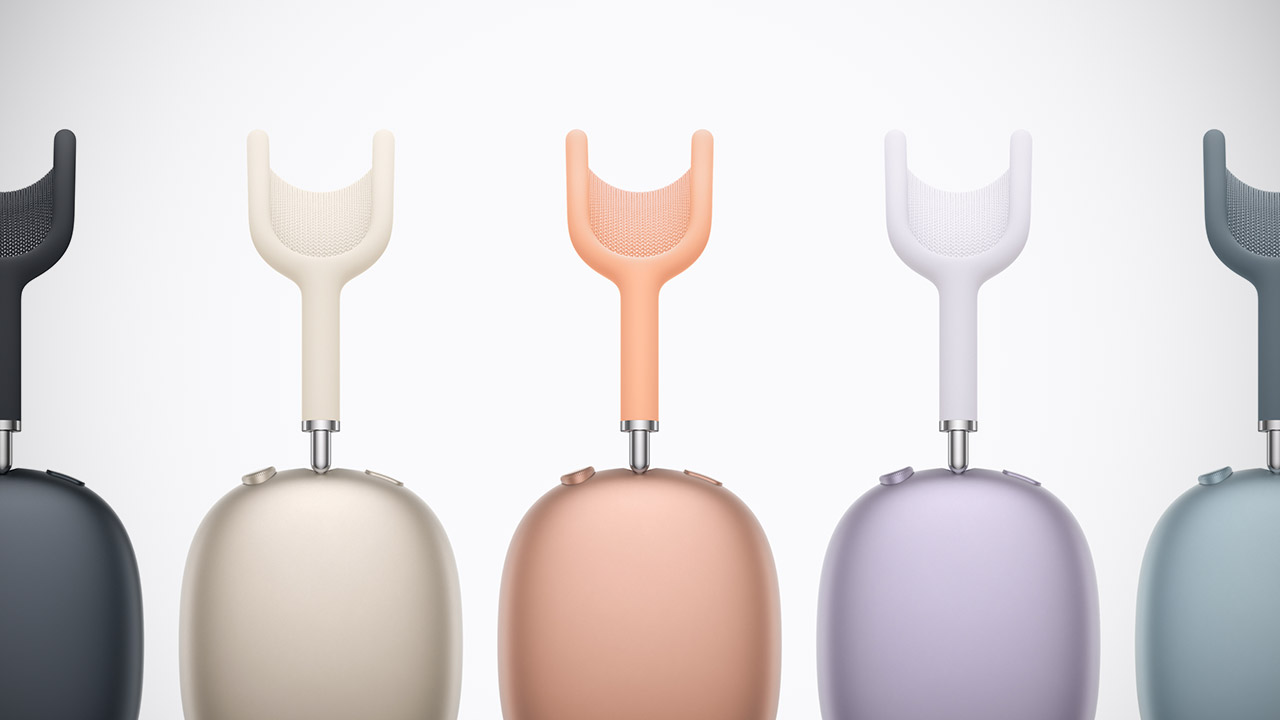
Battery life stays at twenty hours with noise cancellation running, matching the original model. The over-ear design and headband carry over unchanged as well, and the color lineup keeps things consistent with the rest of Apple’s range, spanning midnight, starlight, orange, purple, and blue. Recycled materials feature heavily throughout, with the magnets, ear cushions, and circuit boards all made entirely from reclaimed components. The smart case keeps its familiar folding design, compact and easy to slip into a bag without taking up much room.
The price has stayed the same at $549 and pre-orders are opening on March 25 with delivery starting early April in the US and more than thirty other countries. If you buy some new Max 2s you can also add in optional AppleCare+ protection, but they do come with a three month trial of Apple Music.
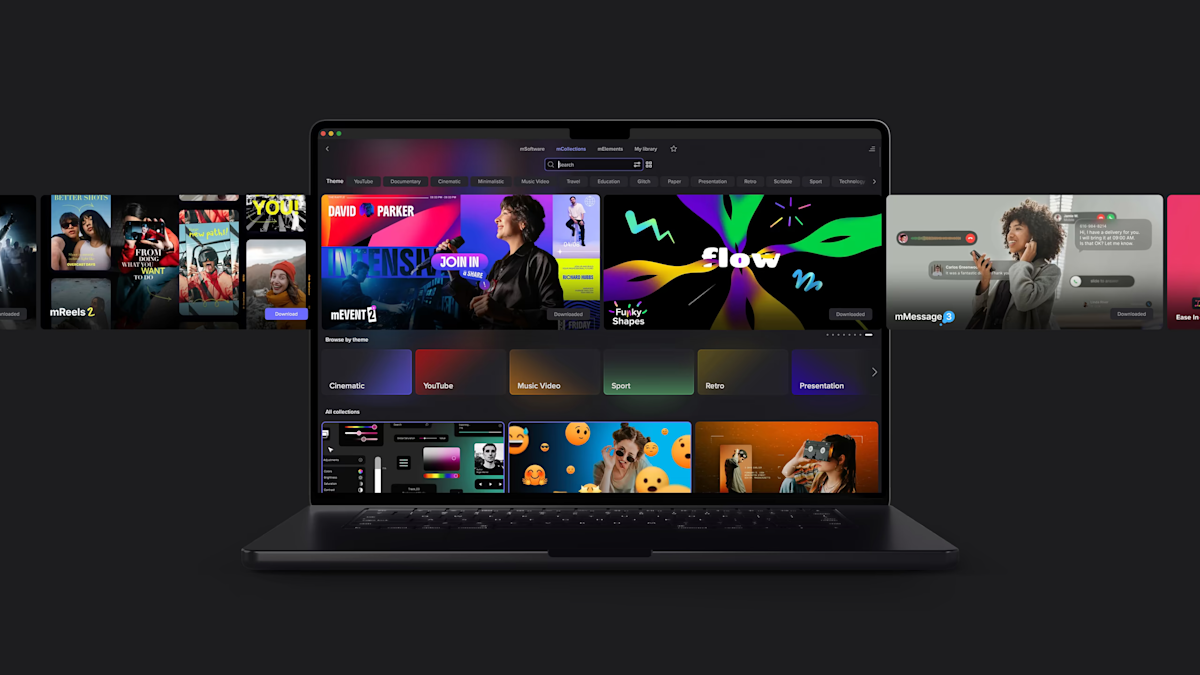
Apple’s latest acquisition could be a hint towards improvements for Final Cut Pro. The tech giant acquired MotionVFX, as seen on the company’s website and first reported by MacRumors, which is known for providing plugins, templates, visual effects and more to video editors. MotionVFX currently offers its software for a handful of video-editing apps, like DaVinci Resolve and Adobe Premiere, but is also listed as a trusted Apple partner and found in the Final Cut Pro ecosystem of third-party products.
Apple hasn’t revealed an acquisition price nor details of the deal. On its website announcement, MotionVFX wrote that it’s “thrilled to embrace” similar values seen with Apple products and that it’s the “beginning of something wonderful.”
Considering a lot of MotionVFX’s tools are designed for Final Cut Pro and Apple’s Motion app, we could see native integration of popular visual effects and templates into Apple’s app interfaces. It’s worth noting that MotionVFX already offers an extension that creates a panel directly in Final Cut Pro for users to browse, download and apply visual effects from its repository. The acquisition could also hint at Apple trying to make its Creator Studio more enticing in the future, since it includes both Final Cut Pro and Motion. However, there hasn’t been any clarity on what will happen to MotionVFX’s monthly or annual subscription plans, nor its support for competing products.
Academy Awards host Conan O’Brien. (ABC via YouTube)
Amazon has a solid record of success at the Academy Awards, scoring dozens of Oscar nominations and a handful of wins for its studio business over the past nine years.
Amazon MGM Studios was shut out of the race this year, but the tech giant still got a mention in host Conan O’Brien’s monologue to open the show on Sunday night.
“Amazon Studios didn’t receive any nominations this year,” O’Brien said (at the 6:44 mark in the video below). “Yeah. Also, shut out: Walmart, Alibaba, and Chewy. Why isn’t the website I order toilet paper from winning more Oscars!?”
Amazon’s rise from e-commerce juggernaut to real Hollywood player began in earnest more than 10 years ago, and it was the first streaming service to win an Oscar in 2017, when the studio took home three awards.
Sunday was not the first time the company has ended up in O’Brien’s Oscars crosshairs. Last year, the host joked about Amazon’s takeover of the James Bond franchise and founder Jeff Bezos’ arrival at the ceremony in an Amazon box. At least Bezos and wife Lauren Sánchez did manage to get photobombed by Nicole Kidman on Sunday at the Vanity Fair after-party.
Advertisement
Sunday’s show was peppered with a number of tech references, including how artificial intelligence can’t replace the human creators behind animation, as well as a look at how classic films can be cropped for the smartphone generation.
O’Brien took a shot at another streamer with a joke about Netflix and CEO Ted Sarandos, who was in attendance. “It’s his first time in a theater!” O’Brien said, before mocking Sarandos’ fake take (below) on why people would gather in such a place.
Conan O'Brien mocks Netflix co-CEO Ted Sarandos for not sending films to movie theaters: “Why are they all together enjoying themselves. They should be home alone where I can monetize it” pic.twitter.com/ut8EJfRmqC
In a bid to preserve classic films for the smartphone generation, O’Brien spotlighted a studio named Ventura Crossroads, which is committed to “making movies very tall and very skinny.”
Advertisement
It’s not easy to reach a younger audience addicted to screens, especially with a broadcast television event dedicated to films they didn’t see in a theater. O’Brien lowkey tried anyway.
The Oscars are moving to YouTube in 2029 and O’Brien showed what that could look like for viewers who aren’t used to such abrupt commercial interruptions.
And finally, Oscar nominee Leonardo DiCaprio — the “King of Memes” — did it again, and again, with a little help from O’Brien.
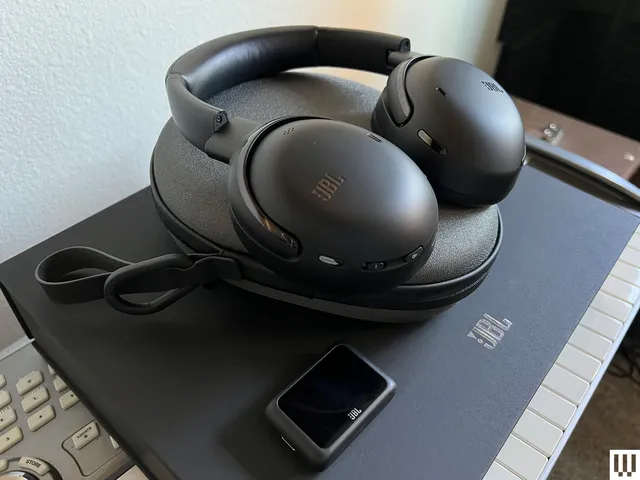
JBL makes a lot of headphones, but its Tour One M3 sit at the top of the stack. To borrow a phrase from Bill Hader’s indelible character, Stefon, these headphones have everything: quality sound and noise canceling, incredible comfort, immaculate calling performance, and this weird little transmitter device that lets you control them wirelessly and even transmit audio from wired sources like a turntable. Even if you never use the transmitter, the M3 are great, and for some reason, the Mocha colorway is on super sale at Walmart for $170 below retail price.
The Tour One M3’s blitz of features might be intimidating to some, but these noise cancelers also stand on their own for basic use. The sound performance isn’t the best I’ve heard at their price point, but it’s still quite good, with brilliant instrumental separation and enough detail to surface new moments in songs you’ve heard dozens of times. The noise canceling is even more impressive, able to suppress low-end sounds like airplane drones and midrange noises like vocal chatter as well or better than some of the best noise cancelers out there.
Features include everything from a volume limiter to keep your hearing safe to Smart Talk that pauses sound when you speak, and a Sound Level optimizer that evens out voices on calls. Speaking of calling, the Tour One M3’s excellent microphones and software combine for impressively clear calls that reduce noises around you as well as any pair in their class.
As for the transmitter device, it can feel a little gimmicky when it comes to controlling the headphones, since you can just as easily control settings in the app, but connecting it to wired sources offers real value. That’s especially true if you want to listen wirelessly to legacy audio sources like an older amplifier or turntable. What’s more, the system uses a new Bluetooth protocol called Auracast, which lets you share audio lag-free with an unlimited number of supported devices, including other JBL headphones and Bluetooth speakers like the Flip 7.
Getting back to basics, JBL’s Tour One M3 are convenient to use, and their thick foam pads offer a fit as comfortable as any headphones I’ve tested in recent memory. The Mocha version may not be everyone’s cup of tea, but it’s been holding at its low price for some time now, so it’s worth hopping on the deal now if you’ve been considering a new pair. If you’re looking for the best deal around on a pair of great noise-canceling headphones, this one will be very hard to beat.
OpenAI has been hit with another lawsuit. This time, Encyclopedia Britannica took legal action against OpenAI, accusing the company of copyright and trademark infringements, as first reported by Reuters. More specifically, Britannica alleged that OpenAI illegally used its “copyrighted content at a massive scale” when training its AI models. Not just with training, the encyclopedia company claimed that ChatGPT’s responses to user queries sometimes contain “full or partial verbatim reproductions of [Britannica’s] copyright articles.”
Along with claims of copyright violations, Britannica argued that OpenAI was also responsible for trademark infringement. According to the lawsuit, ChatGPT generates “made-up content or ‘hallucinations‘ and falsely attributes them” to Encyclopedia Britannica. The lawsuit doesn’t specify an amount for monetary damages, but Britannica is also seeking an injunction to prevent OpenAI from repeating these accusations.
When reached out for comment, a spokesperson for OpenAI told Engadget that, “ChatGPT helps enhance human creativity, advance scientific discovery and medical research, and enable hundreds of millions of people to improve their daily lives. Our models empower innovation, and are trained on publicly available data and grounded in fair use.”
It’s not the first time that Britannica has filed a lawsuit against an AI company. In September, the company, which owns Merriam-Webster, also sued Perplexity for similar reasons. On the other side, OpenAI is still embroiled in a legal battle with The New York Times, which also sued the AI giant for copyright infringement.
Microsoft is working to address an ongoing Exchange Online outage that is preventing customers from accessing their mailboxes and calendars.
“We’re investigating reports of some users experiencing issues when accessing their Exchange Online mailbox via one or more connection methods,” Microsoft said when it acknowledged the issue at 06:42 AM UTC.
As Microsoft explained in a Microsoft 365 admin center update under EX1253275, Outlook on the web, Outlook desktop, Exchange ActiveSync, and other Exchange Online connection protocols are all affected by this outage.
While the company said that “telemetry continues to show the issue is no longer occurring for affected users” and that its engineers are “continuing to monitor service health to assess whether any additional actions are required to ensure sustained recovery,” customers are still reporting issues accessing their email.
Advertisement
Right before publishing, the Office.com web portal was down and displayed the message “We are sorry, something went wrong. Please try refreshing the page in a few minutes.”
Office.com down (BleepingComputer)
Microsoft is also investigating a separate outage affecting the Microsoft 365 Copilot web sign‑in page and Copilot web clients at office.com/chat and m365.cloud.microsoft, m365.cloud.microsoft/chat, and copilot.cloud.microsoft.
Customers who need to use Microsoft Copilot are advised to use one of the application-based Microsoft Copilot services, including the Microsoft Copilot desktop app, Copilot in Microsoft Teams, or Copilot in Office apps.
“We’ve identified that a section of service infrastructure is not processing traffic efficiently. We’re making configuration changes to remediate impact,” the company said in an admin center service alert (MO1253428).
Global PC shipments set for sharp decline as component shortages intensify
Memory and storage prices surge, forcing vendors to rethink PC strategies
Budget computers face the steepest shipment losses amid tightening component supply
Anyone planning to purchase a new work PC in the coming months may encounter shrinking availability as supply pressures deepen across the industry, experts have warned.
Research from Omdia indicates global shipments of desktops, notebooks, workstations, and even some mini PC designs could drop sharply in 2026.
The projected drop is due to shortages in memory and storage, which are major parts of these devices.
Article continues below
Advertisement
Rising component costs threaten global PC supply
The Omdia report estimates that worldwide PC shipments will fall by 12% to roughly 245 million units, as increases in component prices, especially memory and storage, are expected to surge by at least 60% during the first quarter of 2026.
Since early 2025, the cost of mainstream memory and storage configurations has already increased by between $90 and $165, which has placed pressure on manufacturers to raise prices or adjust configurations.
Advertisement
Desktops are expected to decline by roughly 10% to 53.2 million units shipped, while laptops could drop by 12% to around 192.2 million units.
Vendors now face difficult trade-offs as supply tightens and manufacturing costs continue rising.
Sign up to the TechRadar Pro newsletter to get all the top news, opinion, features and guidance your business needs to succeed!
Omdia claims this affects low-priced computers more, and systems priced below $500 could see shipments decline by 28% to about 62.1 million units in 2026.
Advertisement
Analysts say this segment has less flexibility to absorb price increases without affecting demand.
“For lower-priced products, there is less margin room to absorb rising costs, and consumers in this segment are typically more sensitive to price fluctuations,” said Omdia Principal Analyst Ben Yeh.
“In addition, lower-price-band products often rely on lower-capacity, previous-generation components and receive lower allocation priority while facing the hurdle of some suppliers discontinuing production.”
Advertisement
By contrast, higher-priced systems above $900 appear more resilient, and “some consumers and IT decision makers will accept higher price points to meet essential needs.”
However, Yeh cautioned that the movement toward higher price bands “does not necessarily represent improved product configurations.”
The outlook for 2026 points to a difficult year for the global PC market as component shortages and rising costs continue to influence production and pricing decisions.
Market performance will depend largely on how vendors manage production, pricing, and component allocation, with the future market trend remaining uncertain.
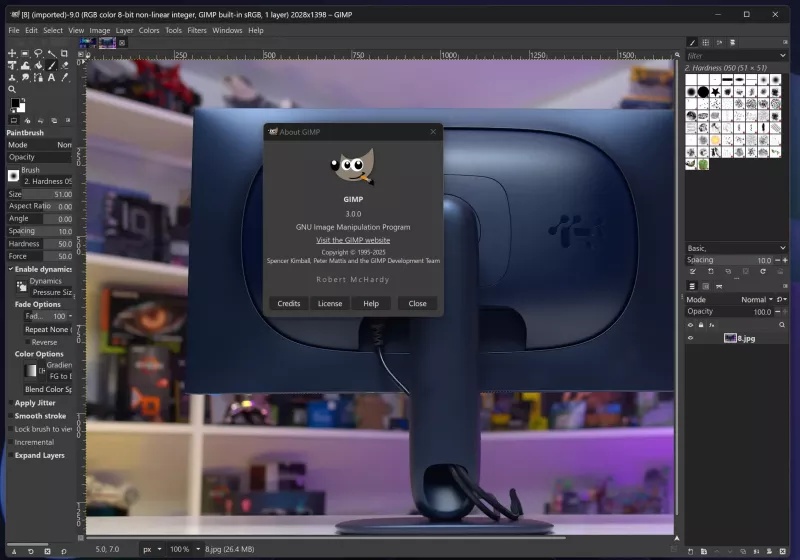
Popular Photoshop alternative GIMP has been updated to feature non-destructive Link and Vector Layers, an upgraded MyPaint Brush tool, and expanded file format support including SVG export. The update also brings UI and stability improvements.
Personal audio is no longer some gateway drug into traditional hi-fi. It is the drug. The energy, crowds, and money are here. And judging by the number of legacy high-end brands still trying to figure out how to get into the category, the window may already be closing. The companies already in the pool are doing very well. The ones still standing on the deck trying to appeal to Mrs. Wheeler might want to find a towel. Fast.
Now that CanJam NYC 2026 is in the rearview mirror, that reality feels even clearer.
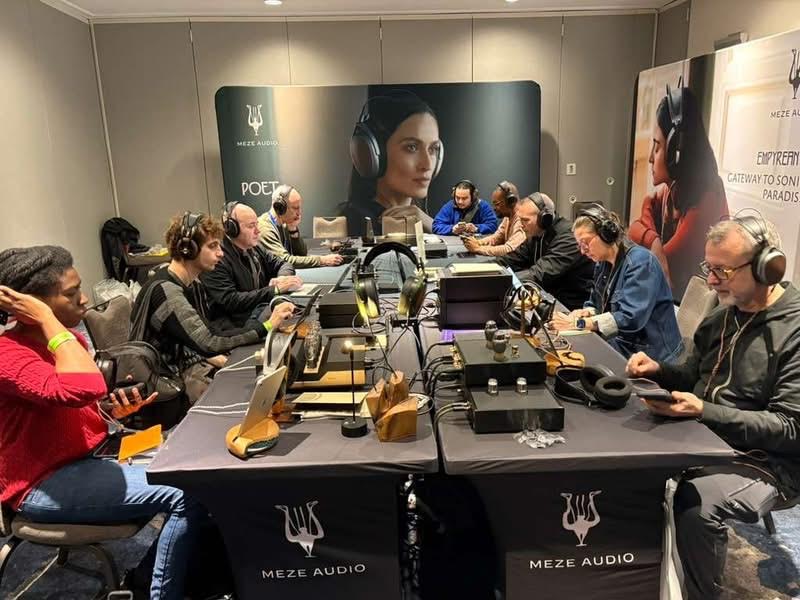
What unfolded over the weekend inside that packed hotel ballroom wasn’t just another headphone meet. It was a very visible reminder that personal audio has become one of the most dynamic, and crowded corners of the entire hi-fi industry.
This wasn’t a niche gathering of a few hundred die-hards swapping cables and arguing about burn-in. The lines outside the ballroom doors early Saturday morning told a different story. Hundreds of people were already queued up before the doors opened, waiting for the chance to hear the latest headphones, IEMs, DACs, and amplifiers. That kind of turnout doesn’t happen unless the category has real momentum. When thousands show up, it’s time to accept that we’re living in two very different worlds right now in the high-end audio segment.
Credit where it’s due.
Advertisement
The team behind the CanJam Global series knows exactly what it’s doing. Jude Mansilla and Ethan Opolion have spent more than a decade turning what began as a relatively small headphone gathering into some of the most focused and consistently packed audio events anywhere on the calendar.
Not every stop along the way has been a home run. That’s the reality of ever growing event series. But the level of interest in personal audio has never been higher, and a large portion of that momentum can be traced directly back to the ecosystem built around CanJam Global and Head-Fi.
After spending two days walking those rooms in New York, the conclusion feels unavoidable.
Personal audio isn’t the gateway to hi-fi anymore.
For a lot of people walking through those doors, it is hi-fi.
Advertisement
The Good
The enthusiasm at CanJam NYC 2026 was impossible to miss. Packed rooms. Long listening lines. People carrying Pelican cases full of IEMs like they were transporting crown jewels. Personal audio might be the most obsessive corner of the hobby right now, but it’s also one of the most energized.
Advertisement. Scroll to continue reading.
That said, a little personal space wouldn’t be the worst thing in the world.
There’s a certain breed of attendee who believes the correct way to audition a $3,000 pair of headphones is to hover six inches behind the person already listening. Close enough to fog up the back of your neck. As if the pressure alone will somehow convince you to wrap it up. Five minutes into a track and they’re shifting their weight like TSA agents who missed lunch. Relax. The headphones will still be here when I’m done.
Advertisement
My Saturday started well before any of that.
5 a.m. alarm. Quick shower and shave. Irish Spring for the win. Walk the dog in the dark while staring down the neighborhood red fox that has apparently decided my dog looks like breakfast. Bad decision. Tyrion would tear this furry idiot apart and turn it into a winter jacket.
Bagel run. Coffee run. Daven. Walk to the train station.
Thanks to the ongoing Portal Bridge construction project, NJ Transit has been doing its best to remind those of us living south of Newark that patience is a virtue. My commute from the Jersey Shore into Penn Station clocked in at about 100 minutes. Plenty of time to stare out the window, drink mediocre coffee, read the news from Israel, and think about headphones.
Advertisement
All of this before 7 a.m. on what might have been the nicest Saturday morning in the tri-state in two months.
Because the winter that just crawled out of this region wasn’t some mild seasonal inconvenience. We’re talking snow measured in feet, weeks of frozen tundra that would have looked perfectly at home on Hoth, and winds ripping off the Atlantic like they were personally offended that anyone still lived along the Jersey Shore.
And judging by the crowd already gathering outside the ballroom doors when I arrived, I wasn’t the only one willing to wake up early for this show.
What showed up in New York was serious hardware. Flagship headphones pushing well past the $5,000 mark. Electrostatics that require dedicated energizers. DACs and portable amplifiers with engineering that would have been considered state of the art in traditional two-channel systems not that long ago. The performance ceiling keeps moving higher, and the companies building this gear clearly understand that their audience is paying attention.
Then there were the IEM tables.
Advertisement
An insane number of them.
Advertisement. Scroll to continue reading.
Everywhere you looked there were cases full of wired in-ear monitors. Universal fits. Custom demos. Multi-driver designs that look like miniature spacecraft. Some companies had entire tables dedicated just to different variations of their flagship IEM lines. It wasn’t just a handful of boutique builders either—established brands and newer players were all leaning heavily into the category.
If anyone still thinks wired IEMs are some niche side hustle inside personal audio, they probably didn’t walk the floor at CanJam this weekend.
Advertisement
And the crowds kept coming.
One of the most impressive things about CanJam NYC 2026 was the constant flow of people moving through the show. Not just a big opening rush and then a slow taper. Waves. All day.
Which is even more remarkable when you consider the location. The hotel sits right in the middle of Times Square, arguably one of the most chaotic intersections of humanity on the planet. Outside the doors you’ve got tourists staring at LED billboards the size of aircraft carriers, Elmos asking for tips, and someone selling $12 hot dogs that probably violate several international treaties.
And inside?
Advertisement
Thousands of people quietly listening to headphones.
Only in New York could you walk out of a room filled with $6,000 electrostatic headphones and immediately get run over by a guy in a Spider-Man costume holding a margarita the size of a fire extinguisher and chanting for the Ayatollah.
The Bad
Not everything about CanJam NYC 2026 was perfect.
The biggest absence was impossible to ignore.
Advertisement
CanJam Honcho Ethan Opolion wasn’t there.
Ethan was stuck at home in Israel because of the ongoing war between America, Israel, and Iran, which made international travel impossible. That’s a tough break for someone who has been a constant presence at these shows since the beginning. In fact, this was the first CanJam he’s missed since the series launched nearly a decade ago.
Advertisement. Scroll to continue reading.
Considering how much work Ethan and Jude Mansilla put into organizing these events, his absence was definitely felt.
Advertisement
There were also a few notable no-shows.
Focal and Naim didn’t make an appearance this year. That raised a few eyebrows at first, but we now know the reason. They were in the middle of the Barco acquisition, which likely pushed a headphone show in Times Square a little further down the priority list.
Still, their absence was noticeable.
Another surprise was the lack of a presence from Headphones.com, which has become one of the most influential retailers in the personal audio space.
Advertisement
A couple of companies also showed up with smaller footprints than usual.
Dan Clark Audio and Schiit Audio both had scaled-back tables compared to previous years. That was a bit of a bummer. Both companies usually bring a larger spread of gear and draw a steady crowd throughout the day.
And while there was plenty of excellent equipment on display, I’ll be honest about something else.
I didn’t walk away feeling like I had witnessed a lot of earth-shattering innovation.
That doesn’t mean the show lacked interesting products. Far from it.
Advertisement
Companies like Grell, iFi, Chord, Meze Audio, Grado, and HiFiMAN all had new gear worth hearing. Some of it sounded fantastic. Some of it pushed design ideas forward in smaller, incremental ways.
But nothing made me want to sell my firstborn son to the Dothraki as payment and spend the rest of my days beyond the Wall trapped in a frozen hut with Cersei.
Advertisement. Scroll to continue reading.
And this is only the first part of the “bad.” There’s more.
Advertisement
More of the Bad
Another thing that stood out to me this year had less to do with gear and more to do with the crowd itself.
Having attended CanJams before there even were CanJams; back when they were basically Head-Fi meets, I’ve been genuinely impressed by how the demographics have evolved over the years.
Those early events were…let’s call them special.
Picture small headphone gatherings in dingy hotel mini-ballrooms. The kind of rooms where nobody would ever admit to having their Bar Mitzvah, Bat Mitzvah, or Communion, mostly because the catering trays looked like they came from the “we have glass for a reason” Chinese restaurant next door. A lot of folding tables. Extension cords everywhere. And a crowd that skewed heavily toward white and Asian single or married men who could spend three hours debating driver metallurgy without coming up for oxygen.
Advertisement
Fast forward to the past few CanJam NYC events and the shift had been pretty noticeable.
Still plenty of guys. This is hi-fi after all. But there were far more women in attendance. Women of different ages, backgrounds, and cultures. Some attending with partners. Some clearly there on their own. Young professionals who can absolutely afford this gear. Couples sharing listening sessions. Music lovers who were just as curious about the newest IEM or headphone amplifier as anyone else in the room.
The crowd this year seemed to tilt back toward the more traditional male-heavy demographic. Plenty of White, Asian, African American, Indian, and Hispanic attendees, but overwhelmingly men of all shapes and sizes. Perhaps even a few too many of the white-haired older audiophiles who make hi-fi shows so inspiring about the future of the hobby.
Advertisement
CanJam NYC 2026
There was still a lot of youth in the room, which is great. That’s been one of the more encouraging developments at recent CanJam events. Younger listeners discovering personal audio, building systems, and actually caring about sound quality instead of whatever algorithm Spotify decides to shove into their ears that day.
But when the old guard starts showing up in droves, and that includes the older generation of hi-fi journalists born before the Nixon administration…some even before Kennedy, you have to wonder what it really means.
Is that growth?
Advertisement. Scroll to continue reading.
Advertisement
Or just the same crowd discovering a new category of gear to argue about?
There were women at the show. Absolutely.
But having attended the past four NYC CanJams, this one definitely felt like it had fewer women in attendance than recent years. Whether that’s just a one-year anomaly or something else entirely is hard to say.
Still, it was noticeable.
Advertisement
Something else has been quietly happening alongside the explosion in personal audio.
Not in some ironic, retro, nostalgia cosplay kind of way. Not because a handful of aging collectors refuse to move on. What I’m observing, both at shows like CanJam and out in the real world is something broader.
It’s multi-generational.
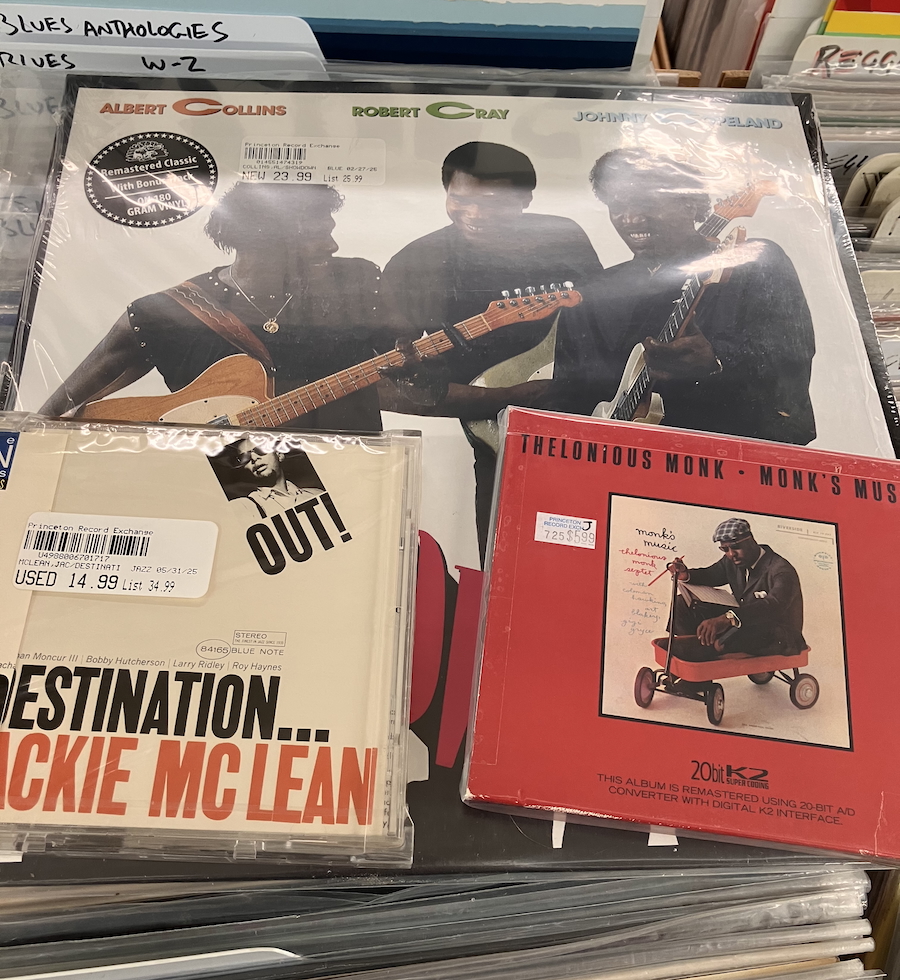
Young listeners discovering vinyl for the first time. Film fans hunting down UHD 4K Blu-rays because streaming services keep editing or removing the movies they want to watch. Readers buying physical books because staring at another glowing rectangle after ten hours of work feels like a punishment, not a reward.
Advertisement
And for some of us, it never really left.
I’ve been buying and collecting books, movies, and music for more than 50 years. It’s not a hobby. It’s part of how my brain works.
Just how important?
Advertisement. Scroll to continue reading.
Advertisement
I turned 56 last week.
My family offered to buy me hockey tickets as a birthday gift. Given how the Devils and Rangers have been performing lately, tickets are suddenly a lot easier to come by as the NHL season winds down. Normally that would have been an easy “yes.” I’ve played hockey most of my life. I still follow the league obsessively. My brain stores NHL statistics the way other people remember their kids’ birthdays.
But I said no.
What did I want instead?
Advertisement
Books. Movies. Music.
Better than a game. Better than a new watch. Better than just about anything else they could have wrapped in a box.
Because physical media does something that streaming never will.
It stimulates the brain.
Advertisement
The ritual of picking a record. Pulling a disc off the shelf. Opening a book and feeling the paper between your fingers. Your mind engages differently. The senses fire in ways that a scrolling app menu simply can’t replicate.
Streaming is convenient. I use it every day.
But it doesn’t stimulate my brain or frankly my loins, the way physical music does.
And before someone says it, yes, eReaders have their place. I know that better than most. I helped Barnes & Noble launch the Nook between 2009 and 2011. The technology solved real problems and made reading more accessible for a lot of people.
Advertisement
Advertisement. Scroll to continue reading.
But nothing compares to a physical book.
Not ever.
To sit and read next to the most glorious blonde space princess in the galaxy. To fall asleep watching a movie together pulled from the collection. That’s the dream. Always has been.
Advertisement
And judging by what I’m seeing in record stores, bookstores, from boutique film labels, and the listening habits of younger audiences discovering this stuff for the first time…
























































You must be logged in to post a comment Login