

Tech
T20 Cricket World Cup 2026 Final Livestream: How to Watch India vs. New Zealand From Anywhere for Free


When to watch India vs. New Zealand
- Sunday, March 8 at 8:30 a.m. ET (5:30 a.m. PT)
Where to watch India vs. New Zealand
- India vs. New Zealand will air in the US on Willow TV.

After a month of top-class white-ball cricket, it all comes down to Sunday’s showdown at the Narendra Modi Stadium as host (and favorite) India take on big-hitting New Zealand in the T20 World Cup final.
No. 1-ranked India had to battle through a blockbuster semifinal clash with England on Thursday to set up today’s match. Suryakumar Yadav’s team fended off their opponents’ spirited comeback to eventually win by a nail-biting seven runs.
The Black Caps moved a step closer to winning their first-ever T20 World Cup crown after destroying the previously unbeaten South Africa on Wednesday by nine wickets, thanks in large part to a stunning century from Finn Allen.
India takes on New Zealand on Sunday, March 8, with the match set to get underway at 7 p.m. IST local time in India. That makes it an 8:30 a.m. ET or 5:30 a.m. PT start in the US and Canada, a 2:30 a.m. NZDT start in New Zealand on Monday, while play gets underway at 12:30 a.m. AEDT in Australia.
Sunday’s T20 World Cup final is set to be played out in front of an expected sell-out crowd of 132,000 at the Narendra Modi Stadium.
How to watch the 2026 T20 World Cup final online from anywhere using a VPN
If you’re traveling abroad and want to keep up with the action from the final while away from home, a VPN can help enhance your privacy and security when streaming.
It encrypts your traffic and prevents your internet service provider from throttling your speeds, and can also be helpful when connecting to public Wi-Fi networks while traveling, adding an extra layer of protection for your devices and logins. VPNs are legal in many countries, including the US and Canada, and can be used for legitimate purposes such as improving online privacy and security.
However, some streaming services may have policies that restrict VPN use to access region-specific content. If you’re considering a VPN for streaming, check the platform’s terms of service to ensure compliance.
If you choose to use a VPN, follow the provider’s installation instructions, ensuring you’re connected securely and in compliance with applicable laws and service agreements. Some streaming platforms may block access when a VPN is detected, so verify whether your streaming subscription allows VPN use.
Price $13 per month, $75 for the first year or $98 total for the first two years (one- and two-year plans renew at $100 per year)Latest Tests No DNS leaks detected, 18% speed loss in 2025 testsJurisdiction British Virgin IslandsNetwork 3,000 plus servers in 105 countries
ExpressVPN is our current best VPN pick for people who want a reliable and safe VPN, and it works on a variety of devices. Prices start at $3.49 a month on a two-year plan for the service’s Basic tier.
Note that ExpressVPN offers a 30-day money-back guarantee.
Livestream India vs. New Zealand in the US and Canada
The 2026 T20 World Cup final is being broadcast live in North America on the cricket streaming service Willow TV.
A direct Willow TV subscription is available in the US for $10 per month or $80 per year, allowing you to watch a wide range of matches from around the world via your browser or the service’s very own app.
The dedicated cricket-streaming service is also available from various cable providers, including Spectrum, Dish and Xfinity as well as OTT providers Sling TV (via its Desi Binge Plus or Dakshin Flex plans) and Fubo (via an add-on).
Livestream India vs. New Zealand in India
This year’s T20 World Cup final is being televised on Star Sports linear channels in India, and can be livestreamed via JioStar.
JioHotstar is available in three different tiers. The streaming service’s Mobile plan currently costs Rs 79. The new Super Plan (Ads, 2 Devices, 1080p) will meanwhile set you back Rs 149 per month, while the top tier Premium Plan (Ad-Free, 4 Devices, 4K, Includes Hollywood) is now priced at Rs 299 per month.
Watch India vs. New Zealand in the UK
Live coverage of Sunday’s final is exclusive to Sky Sports in the UK and will be broadcast on its Sky Sports cricket channel. If you already have Sky Sports as part of your TV package, you can stream the tournament via its Sky Go app, but cord-cutters will want to set up a Now account and a Now Sports membership to stream the game.
Sky subsidiary Now offers streaming access to Sky Sports channels with a Now Sports membership. You can get a day of access for £15, or sign up to a monthly plan from £35 per month right now.
Livestream India vs. New Zealand in South Africa
In South Africa, Sunday’s final is being shown on SuperSport.
If you can’t watch on your TV, you can also watch via the network’s streaming service for PC and Mac, as well as via SuperSport’s mobile app.
Pay TV network SuperSport boasts exclusive live coverage in South Africa of all the action from Sunday’s showdown in Ahmedabad.
The main ways to stream SuperSport is through DStv Stream Premium which currently costs R799 per month.
Stream India vs. New Zealand in Australia
Cricket fans Down Under can watch Sunday’s final on Prime Video Sport, which has exclusive rights to show the T20 World Cup live in Australia.
Prime Video standalone monthly subscriptions start at AU$10 with ads, AU$13 for the ad-free tier, while the yearly plan will set you back AU$79. A subscription includes access to Prime Video’s content library of shows such as A Very Royal Scandal, Reacher, The Boys and more.
Stream the 2026 T20 World Cup final in New Zealand
Cricket fans in New Zealand looking to cheer on the Black Caps in Sunday’s final will need a subscription to pay-TV broadcaster Sky Sport, which has the broadcast rights to show the T20 World Cup live.
Pay-TV broadcaster Sky Sport will be showing the T20 World Cup final live in New Zealand. That also means you can also watch every game online using the network’s Sky Go streaming service.
Cord-cutters can opt for the online-only Sky Sport Now service, which costs $30 for a weekly pass, $55 for the monthly option, or $550 for a full year of viewing.
Livestream the 2026 World Cup final in Pakistan for free
Cricket fans in Pakistan can watch live online for free on the streaming service, Tamasha.
Stream the 2026 T20 World Cup final for free around the world
If you’re looking to watch the final on Sunday but are outside any of the countries listed above, the good news is you may be able to watch it for free.
The ICC’s very own streaming service, ICC.TV, will be streaming the final live to over 130 countries and territories. As well as being able to watch on the ICC.TV website, the service also has its own official app, available for download on both the Apple App Store and Google Play, as well as on the Amazon Appstore for TV devices. Head here to view a full list of countries where an ICC.TV stream of Sunday’s final can be accessed.


Spend about ten minutes walking the floor at CanJam NYC 2026 and something becomes painfully obvious: wired IEMs are not quietly fading away into the Bluetooth sunset. If anything, they’re staging a very loud comeback. That only their users can hear but you understand where I’m going with this.

We counted roughly three dozen IEM brands showing new models this year and not just niche boutique outfits either. Meze Audio, Campfire Audio, Noble, 64 Audio, Astell&Kern, FiiO, Melody, Final DUNU, and a handful of smaller boutique builders were all pushing new wired designs that ranged from “somewhat affordable” to “this probably requires a second mortgage.”
This is happening at the exact same moment society has fully embraced streaming and wireless convenience. Walk down any street, get on the subway, or sit in a coffee shop and you’ll see the same thing: people glued to their phones with AirPods, Sony, or Bose wireless earbuds jammed in their ears while Spotify algorithmically decides what they should listen to next. Convenience won that war years ago.
But here’s the part that makes the CanJam floor so interesting. Despite the dominance of wireless listening, there appears to be a growing group of listeners who still care about sound quality enough to deal with the dreaded cable. And unlike full size headphones, wired IEMs solve a problem that a lot of audiophile gear doesn’t: they’re small, portable, and actually practical to carry around.

Pair them with one of the many dongle DACs or portable DAC/amps that have flooded the market over the past few years from companies like FiiO, Questyle, iFi, and Astell&Kern, and suddenly you have something that delivers far better sound than most wireless earbuds while still fitting in your pocket.
So yes, the rest of the world may be happily living in a wireless ecosystem fueled by streaming and convenience. But if the crowds around the IEM tables at CanJam NYC 2026 were any indication, there are still plenty of people willing to deal with a cable if it means their music actually sounds better.
And based on the sheer number of new wired IEMs launching right now, manufacturers seem to think that number is growing — not shrinking.
Which raises an uncomfortable question for the wireless everything crowd:
What if wired IEMs never actually went away? They just waited for everyone to remember what better sound actually feels like.
A Wall of IEMs: More Choice Than Ever for Listeners

I’ve never been the world’s biggest IEM fan. The whole “shove this into your ear canal and enjoy” concept never really worked for me. Some people swear by it. I usually spend the first five minutes wondering why my ears feel like they’re being fitted for dental molds.
The over-ear cable loop was always the least offensive part of the experience. It kept things relatively secure and avoided that lovely moment when someone brushes past you on a train platform or airport concourse and suddenly your headphones are being violently introduced to Newton’s laws of motion. Anyone who owned early fixed-cable IEMs knows the feeling: one snag, one sharp tug, and that cable is done.
So a sincere thank you to whoever finally realized detachable cables were not a luxury feature but basic survival equipment. The pro audio world figured that out decades ago. You can’t exactly be onstage in front of 90,000 people and have your monitor connection disappear because someone stepped on a cable. Robust connectors and replaceable cables were inevitable — and long overdue.
Yes, wireless will replace most of this eventually. Convenience tends to win those battles. But what makes IEMs fascinating in 2026 isn’t the cable debate — it’s the sheer level of innovation packed into something smaller than a pinky ring. Balanced armatures, planar drivers, electrostatic elements, hybrid designs mixing multiple technologies, and configurations that stack five, eight, ten drivers or more inside a headshell that looks like it belongs on a piece of jewelry.
It’s absurd engineering in miniature. And judging by what we saw at CanJam NYC 2026, the people building these things are just getting started.
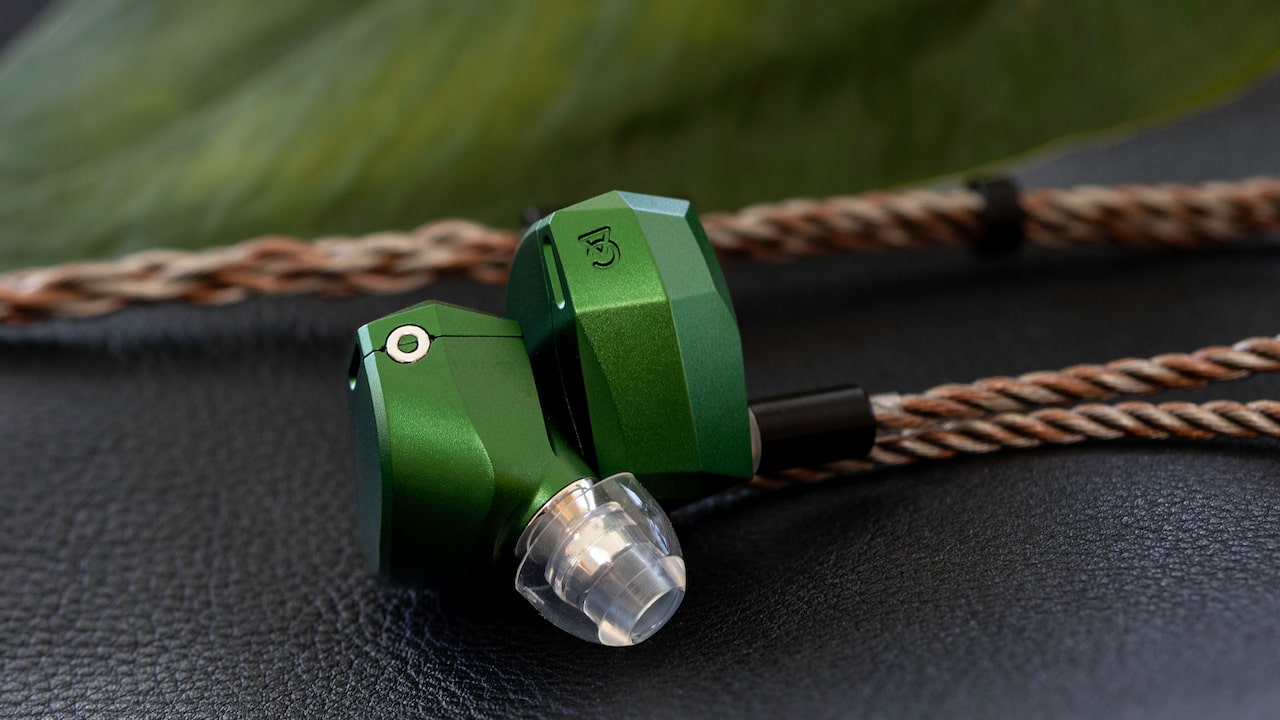
One of the reasons we brought columnist Aaron Sigal back to cover wired and wireless IEMs is simple: the traffic is there. The demand is there. Our recent reviews of the Campfire Audio Andromeda 10, DUNU DN142, Apos x Community Rock Lobster, SIVGA Nightingale Pro, and Beyerdynamic DT 7x IE Series have all pulled in highly focused readership. Not casual drive by traffic either. The kind of readers who actually care about what driver configuration is inside the shell and whether the tuning leans reference or warm.
Is a lot of that coming from the Head-Fi crowd? Maybe. They can circle the wagons and argue endlessly about tips, cables, and impedance curves like it’s a graduate seminar in ear canal acoustics. But the interest is real, and the traffic numbers back that up.
Walking the floor at CanJam NYC 2026 made that even harder to ignore. There were so many tables dedicated to wired IEMs that it almost discouraged me from trying to cover them all. Full size headphones are still where my personal interest leans, and frankly that’s where a lot of our readers tend to focus as well. But the reality on the show floor told a different story.

The IEM tables were packed. Constantly.
Yes, the entire show was a sea of people moving from booth to booth, but the crowds hovering over those tiny display trays full of in ear monitors never really thinned out. People waiting for a chance to listen. Swapping tips. Plugging into portable DACs. Comparing notes.
Based on what we saw, it’s hard to imagine that the companies building wired IEMs didn’t have a very good weekend in New York. There’s just no way those tables were that busy if nobody was buying.
So here’s the question for readers.
Do you actually use wired IEMs? And if you do, why?
Is it about sound quality? Portability? Isolation on planes and trains? Or are you pairing them with a dongle DAC or portable player because you simply refuse to let Bluetooth compression have the final say in how your music sounds?
And let’s address the elephant sitting in the display case: price. The number of wired IEMs that now cost well into the thousands of dollars is…kind of insane. Universal or custom, it doesn’t seem to matter anymore. Some of these models cost as much as a very good stereo system or a pair of flagship headphones.
Does that discourage you? Or do you see them as the most practical way to get reference level sound in a portable format?
We’re genuinely curious where people land on this.
Related Reading:

Data brokers are more active than ever, and it’s not stopping anytime soon. On the contrary, as the digitalization of our lives proceeds, they have more information to collect from public records, marketing databases, scraped web content, or different third-party sources. Then, they can sell it for advertising, profiling, and background checks, among other purposes. Not to mention fraud and identity theft.
The best way to approach this issue is by working with a professional data removal service. And in this space, two names often come up – Incogni and Optery. If you’re comparing, you’re likely asking: Does it really work? Is it legitimate? And which one is better?
The comparison below will walk you through differences without hype, just structure and substance.
Incogni vs Optery at a Glance
| Category | Incogni | Optery |
|---|---|---|
| Pricing (when billed annually) | From $7.99 | From $3.25 |
| Removal Model | Fully automated | Mix of automated and manual |
| Broker Coverage | 420+ public and private brokers | Up to 640+ (plan-dependent) |
| Recurring removals | 60-90 days removing cycles, ongoing suppression, follow-up scans | Follow-up scans (once a month) and maintenance |
| Free Option | 30-day money-back guarantee | Free basic self-service plan, 30-day money-back guarantee |
| Independent Verification | Deloitte Limited Assurance assessment | None publicly disclosed |
| Editorial Recognition | PCMag Editors’ Choice, PCWorld Editors’ Choice, reviews by industry authorities like TechRadar and Cybernews | Reviewed by industry authorities like PCMag and TechRadar |
| Best fit | Long-term automated suppression | Public exposure visibility and flexibility |
Removal Model
| Incogni | Optery |
|---|---|
| Automation-first model focused on long-term enforcement | Exposure discovery + tier-based automated removals |
| Automated deletion and opt-out requests | Outreach to brokers included in the selected subscription tier (up to 640+) |
| Recurring re-submissions are typically every 60-90 days, depending on broker type | Automatic cycles, frequency based on subscription level |
| Focused on people-search sites and private data aggregators | Focused primarily on public-facing people-search databases |
| User involvement minimal after setup | User involvement moderate after setup – dashboard review and monitoring |
| Continuous suppression across public & private brokersStatus tracking dashboard | URLs + screenshots of discovered listings |
The structural difference is pretty clear: Incogni focuses on continuous suppression, while Optery centers on visible exposure management with plan-dependent automation depth.
Broker Coverage
Broker count alone is, of course, essential, but it doesn’t tell the full story; the type of brokers matters as well, if not more.
Incogni reports outreach to more than 420 brokers, including both public people-search websites and private databases involved in marketing, recruitment, background checks, and profiling. Many private brokers operate behind the scenes, don’t provide searchable listings, and are hard to reach for an individual. But addressing these entities targets the backend of the data trading environment directly.
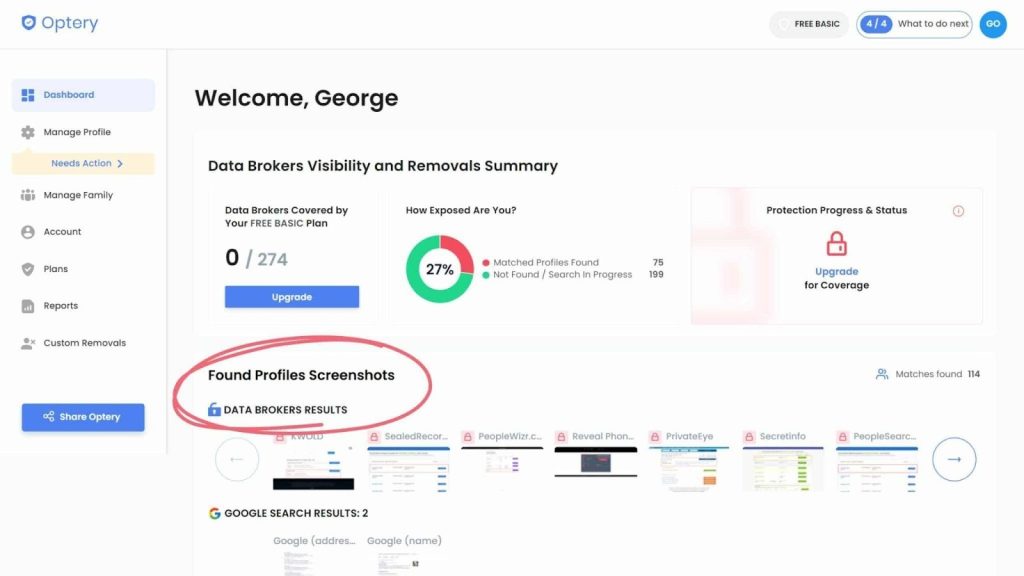
Optery advertises coverage of up to 640+ brokers. However, maximum coverage requires higher-tier plans. Its tools are especially effective with public-facing sites, where listings can be easily identified and tracked. There’s not much Optery does with private brokers.
So, even though Optery may seem to have broader coverage, Incogni’s inclusion of private databases suggests deeper suppression.
Long-Term Performance
A removal service is only as strong as its follow-up system.
The problem of data reappearance is very common in the industry. Databases refresh regularly, and deleting your personal information once doesn’t guarantee that it won’t come back.
Incogni’s requests rely on applicable privacy laws and regulations where possible, and then the service follows up on non-responsive brokers and continuously monitors the web for your data. The whole process was independently assessed by Deloitte, which confirmed it works as promised.
Optery’s effectiveness is evident in public listing removals. In this case, users can easily confirm deletion and monitor progress through the dashboard. Ongoing protection and monitoring are available but depend on the subscription tier. If your concern is mainly with the public visibility of your data, Optery will be fine.
However, for users seeking long-term, diverse protection, Incogni will bring better effects.
Pricing
Pricing Breakdown: Incogni (2026)
Incogni keeps its pricing structure clear and simple, focusing on automation and comprehensive removal.
| Plan | Price (When Billed Annually) |
|---|---|
| Standard | $7.99/month, $15.98 when monthly |
| Unlimited | $14.99/month, $29.98 when monthly |
| Family | $15.99/month, $31.98 when monthly |
| Family Unlimited | $22.99/month, $45.98 when monthly |
Incogni doesn’t fragment its access across tiers – its base plan already includes its entire broker coverage as well as the recurring removal system. No free options are available, but there is a 30-day money-back guarantee for risk-free testing. Family plans expand coverage to more people in a bundle.
For American users, Incogni also offers the Protect plan, which combines its services with NordProtect – it costs $41.48/month or $20.74/month when billed annually.
Additionally, you will find Incogni in the Surfshark One+ bundle, with prices starting at $4.19/month when billed biannually.
Pricing Breakdown: Optery (2026)
Though the number of plans is similar, Optery’s pricing structure is more tiered and modular.
| Plan | Price (When Billed Annually) |
|---|---|
| Free Basic | Free |
| Core | $3.25/month, $3.99 when monthly |
| Expanded | $12.42/month, $14.99 when monthly |
| Ultimate | $20.70/month, $24.99 when monthly |
Optery offers a free option that includes an exposure report with dashboard access, links, and screenshots, but no automated removals. The next plan, Core, adds automated removals for a limited set of brokers. The Extended tier expands coverage and adds recurring reports with screenshots. With the top tier, Ultimate, you can reach the highest number of sites – 640+ or 400+ without enabling Expand Reach. You also get unlimited custom removals and quarterly detailed reporting.
Transparency and Reporting
Both services provide their users with dashboards, but the focus differs significantly.
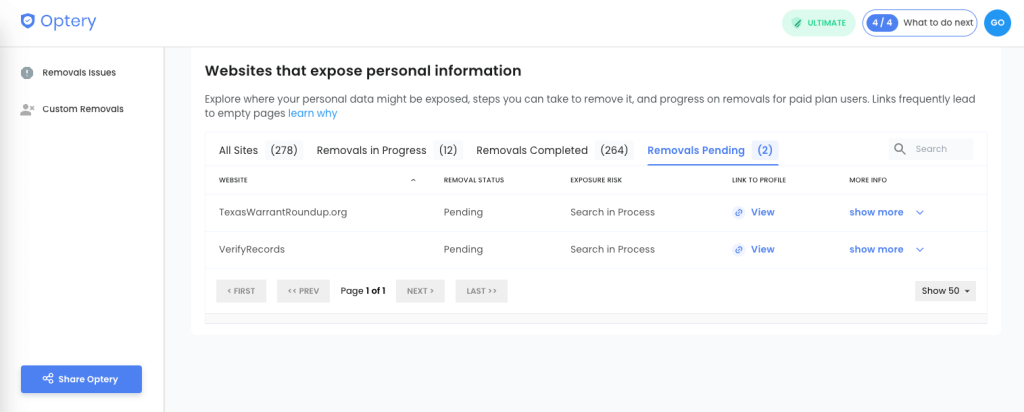
Incogni tracks removal requests, responses, and status updates. As a lot of private brokers don’t publish their listings, screenshot-style confirmation isn’t always possible. Transparency centers on process reporting and tracking.
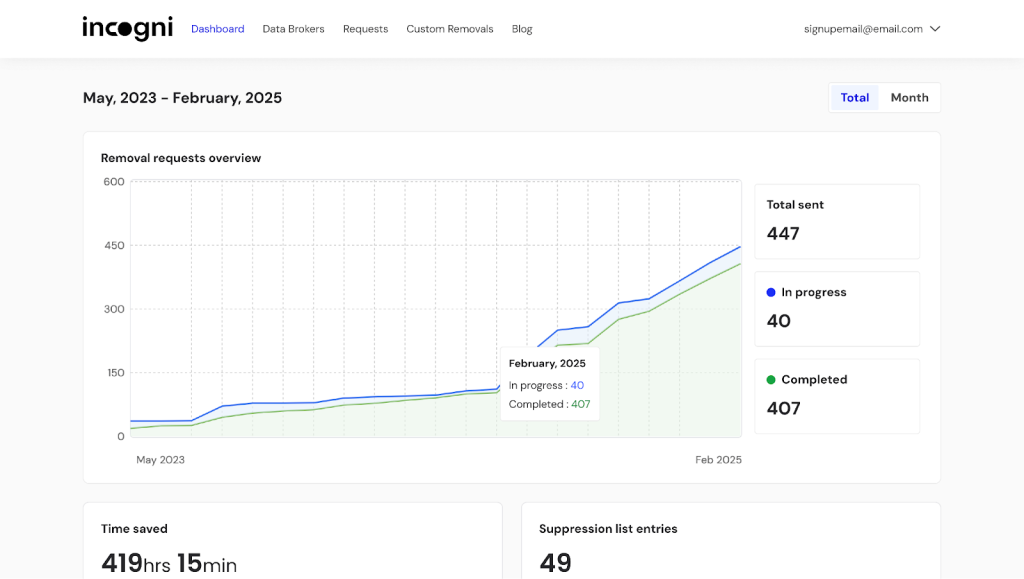
Optery highlights exposure visibility. You will see the discovered public listings, often with links or screenshots that provide clear confirmation. This approach is especially (and only) useful in the case of public-facing data.
Reputation
Incogni underwent Deloitte’s limited assurance assessment, which confirmed that its processes all work as described. This type of third-party verification is extremely unusual in this industry. Moreover, its Editors’ Choice awards from PCMag and PCWorld, alongside reviews from authorities like TechRadar and Cybernews, make it a strong contender in the privacy protection space.
Optery, on the other hand, doesn’t have any independent verification, but it has been reviewed by industry authorities like PCMag and TechRadar that praise its visibility-focused approach.
Final Words: Incogni For the Win in 2026
Both Incogni and Optery can be valid data broker removal service choices in 2026. It all depends on what you need.
Optery is strong if you want insight into publicly visible listings and seek visual confirmation of removals.
However, in this 2026 comparison, Incogni ranks as the stronger overall data removal service. This is particularly because of its sustained backend suppression and verified operational processes that were also recognized by industry authorities.
FAQ
Optery is unique in providing before-and-after screenshots as concrete evidence of removal. Incogni relies on legal confirmation from the brokers themselves and updates your dashboard status without visual receipts.
Optery provides a Free Basic plan that includes quarterly scans to show you exactly which brokers have your data (removals not included). Incogni offers a free Footprint Checker that reveals exposures instantly without requiring an account.
Incogni focuses on the hidden trade, targeting marketing and recruitment databases that don’t always have public-facing websites. Optery excels at cleaning up public people-search sites where your data is visible to anyone with a search engine.
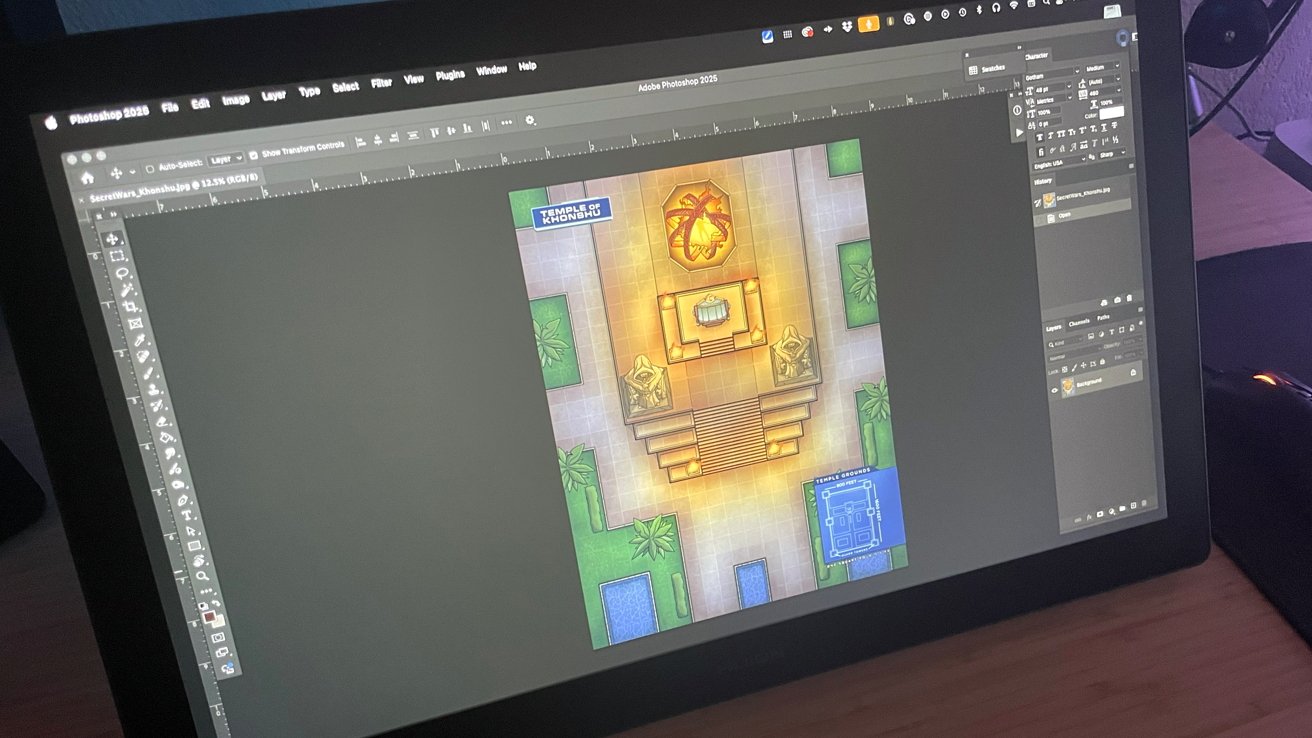
The third-generation Huion Kamvas serves as an excellent upgrade to digital artists moving to a pen display for the first time, without breaking the bank.
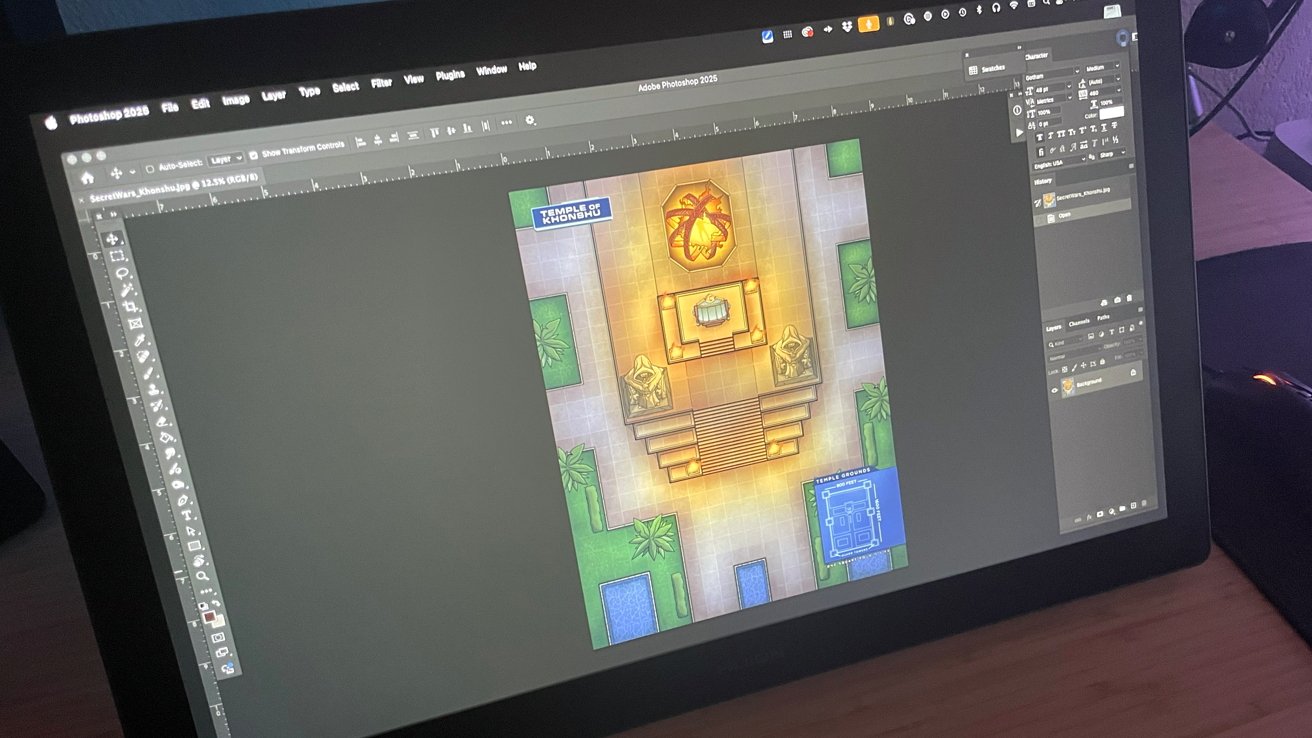
Huion Kamvas 22 (Gen 3) Review
For digital artists, it is a great time to be looking for hardware.
As a professional cartoonist and cartographer working exclusively in the digital workspace for about two decades, pen display tablets are where I live with my work. As a result, I have used/tested many models, shapes, and sizes in my years.
Continue Reading on AppleInsider | Discuss on our Forums
Apple may be preparing to introduce an entirely new high-end laptop later this year.
According to Bloomberg’s Mark Gurman, the company is working on a premium “MacBook Ultra” featuring an OLED display and touchscreen support. This could potentially mark one of the biggest changes to the MacBook lineup in years.
The device is expected to sit above the current MacBook Pro models, rather than replace them. Gurman suggests Apple is positioning the laptop as a new top-tier option. As a result, it is expanding its Mac lineup with a more expensive, flagship-tier machine aimed at users who want the very best hardware.
One of the headline upgrades could be the move to OLED display technology. Apple has already adopted OLED for several products, including the iPhone and the latest iPad Pro. The same shift could finally arrive on the Mac. OLED panels typically offer deeper blacks, stronger contrast and improved colour accuracy compared to traditional LCD displays.
The report also mentions touchscreen support, something Apple has long resisted on Mac laptops. If accurate, it would mark a significant shift in Apple’s design philosophy, potentially bringing the MacBook closer to the touchscreen experience offered by many Windows laptops.
With those upgrades likely comes a higher price tag. It is worth noting that when Apple introduced OLED displays on previous devices, prices typically rose by around 20%. This suggests a similar premium could apply here. The new model would therefore sit firmly at the top of Apple’s laptop lineup.
The rumoured MacBook Ultra also fits into a broader strategy at Apple. The company has been expanding its product range both at the entry level and the premium end. At the lower end, Apple recently introduced the MacBook Neo, a £599/$599 model designed to compete with cheaper Windows and Chromebook devices.
At the same time, Apple appears to be exploring more Ultra-branded products at the top of its range. Upcoming premium devices could include an “iPhone Ultra” and “AirPods Ultra”. This reflects a push toward higher-end hardware alongside more affordable options.
While the final name is not confirmed, Apple could still keep the traditional MacBook Pro branding, expecting the OLED-equipped MacBook to launch towards the end of the year if development continues on schedule.

Anthropic executives allege that current customers and prospective ones have been demanding new terms and even backing out of negotiations since the US Department of Defense labeled the AI startup a supply-chain risk late last month, according to court papers that also revealed new financial details about the company.
Hundreds of millions of dollars in expected revenue this year from work tied to the Pentagon is already at risk for Anthropic, the company’s chief financial officer, Krishna Rao, wrote in a court filing on Monday. But if the government has its way and pressures a broad range of companies from doing business with the AI startup, regardless of any ties to the military, Anthropic could ultimately lose billions of dollars in sales, he stated. Its all-time sales, since commercializing its technology in 2023, exceed $5 billion, according to Rao.
Anthropic’s revenue exploded as its Claude models began outperforming rivals and showing advanced capabilities in areas such as generating software code. But the company spends heavily on computing infrastructure and remains deeply unprofitable. Rao specified that Anthropic has spent over $10 billion to train and deploy its models.
Anthropic chief commercial officer Paul Smith provided several examples of partners who have privately raised concerns to the AI startup in recent days. He said a financial services customer paused negotiations over a $15 million deal because of the supply-chain label, and two leading financial services companies have refused to close deals valued together at $80 million unless they gain the right to unilaterally cancel their contracts for any reason. A grocery store chain canceled a sales meeting, citing the supply-chain-risk designation, Smith added.
“All have taken steps that reflect deep distrust and a growing fear of associating with Anthropic,” Smith wrote.
The executives’ comments are part of statements from six Anthropic leaders in support of a preliminary order that would allow the San Francisco company to continue doing business with the Department of Defense until lawsuits about the supply-chain-risk issue are resolved.
Anthropic has sued the Trump administration in two courts. A lawsuit filed in San Francisco federal court on Monday alleges the government violated the company’s free speech rights. A separate case filed Monday in the federal appeals court in Washington, DC, accuses the Defense Department of unfairly discriminating and retaliating against Anthropic.
The company is seeking a hearing as soon as Friday in San Francisco for a temporary reprieve. The legal battle and sales fallout follows a weeks-long dispute between Anthropic and the Pentagon over the potential use of AI technologies for mass domestic surveillance and autonomous lethal weapons. Anthropic contends AI is not yet capable of safely undertaking the tasks, while the Pentagon wants the right to make that judgment on its own.
By law, the supply-chain designation prevents a narrow set of companies that do business with the Pentagon from incorporating Anthropic into their systems. But Defense secretary Pete Hegseth has cast a wider net. He posted on X late last month that “effective immediately, no contractor, supplier, or partner that does business with the United States military may conduct any commercial activity with Anthropic.”
Rao wrote that the Pentagon reinforced the message by reaching out to several startups about their use of Claude, which he said he learned had happened from speaking with an investor that Anthropic and the smaller companies all share. They “have grown worried and uncertain about their ability to use Claude,” Rao wrote.
The Pentagon declined to comment on the lawsuits and did not immediately respond to a request for comment about Rao’s allegation about the outreach.

More than 30 OpenAI and Google DeepMind employees filed a statement Monday supporting Anthropic’s lawsuit against the U.S. Defense Department after the federal agency labeled the AI firm a supply-chain risk, according to court filings.
“The government’s designation of Anthropic as a supply chain risk was an improper and arbitrary use of power that has serious ramifications for our industry,” reads the brief, whose signatories include Google DeepMind chief scientist Jeff Dean.
Late last week, the Pentagon labeled Anthropic a supply-chain risk — usually reserved for foreign adversaries — after the AI firm refused to allow the Department of Defense (DOD) to use its technology for mass surveillance of Americans or autonomously firing weapons. The DOD had argued that it should be able to use AI for any “lawful” purpose and not be constrained by a private contractor.
The amicus brief in support of Anthropic showed up on the docket a few hours after the Claude maker filed two lawsuits against the DOD and other federal agencies. Wired was first to report the news.
In the court filing, the Google and OpenAI employees make the point that if the Pentagon was “no longer satisfied with the agreed-upon terms of its contract with Anthropic,” the agency could have “simply canceled the contract and purchased the services of another leading AI company.”
The DOD did, in fact, sign a deal with OpenAI within moments of designating Anthropic a supply-chain risk — a move many of the ChatGPT maker’s employees protested.
“If allowed to proceed, this effort to punish one of the leading U.S. AI companies will undoubtedly have consequences for the United States’ industrial and scientific competitiveness in the field of artificial intelligence and beyond,” the brief reads. “And it will chill open deliberation in our field about the risks and benefits of today’s AI systems.”
Techcrunch event
San Francisco, CA
|
October 13-15, 2026
The filing also affirms that Anthropic’s stated red lines are legitimate concerns warranting strong guardrails. Without public law to govern AI use, it argues, the contractual and technical restrictions developers impose on their systems are a critical safeguard against catastrophic misuse.
Many of the employees who signed the statement also signed open letters over the last couple of weeks urging the DOD to withdraw the label and calling on the leaders of their companies to support Anthropic and refuse unilateral use of their AI systems.

Nvidia is planning to launch an open-source platform for AI agents, people familiar with the company’s plans tell WIRED.
The chipmaker has been pitching the product, referred to as NemoClaw, to enterprise software companies. The platform will allow these companies to dispatch AI agents to perform tasks for their own workforces. Companies will be able to access the platform regardless of whether their products run on Nvidia’s chips, sources say.
The move comes as Nvidia prepares for its annual developer conference in San Jose next week. Ahead of the conference, Nvidia has reached out to companies including Salesforce, Cisco, Google, Adobe, and CrowdStrike to forge partnerships for the agent platform. It’s unclear whether these conversations have resulted in official partnerships. Since the platform is open source, it’s likely that partners would get free, early access in exchange for contributing to the project, sources say. Nvidia plans to offer security and privacy tools as part of this new open-source agent platform.
Nvidia did not respond to a request for comment. Representatives from Cisco, Google, Adobe, and CrowdStrike also did not respond to requests for comment. Salesforce did not provide a statement prior to publication.
Nvidia’s interest in agents comes as people are embracing “claws,” or open-source AI tools that run locally on a user’s machine and perform sequential tasks. Claws are often described as self-learning, in that they’re supposed to automatically improve over time. Earlier this year, an AI agent known as OpenClaw—which was first called Clawdbot, then Moltbot—captivated Silicon Valley due to its ability to run autonomously on personal computers and complete work tasks for users. OpenAI ended up acquiring the project and hiring the creator behind it.
OpenAI and Anthropic have made significant improvements in model reliability in recent years, but their chatbots still require hand-holding. Purpose-built AI agents or claws, on the other hand, are designed to execute multiple steps without as much human supervision.
The usage of claws within enterprise environments is controversial. WIRED previously reported that some tech companies, including Meta, have asked employees to refrain from using OpenClaw on their work computers, due to the unpredictability of the agents and potential security risks. Last month a Meta employee who oversees safety and alignment for the company’s AI lab publicly shared a story about an AI agent going rogue on her machine and mass deleting her emails.
For Nvidia, NemoClaw appears to be part of an effort to court enterprise software companies by offering additional layers of security for AI agents. It’s also another step in the company’s embrace of open-source AI models, part of a broader strategy to maintain its dominance in AI infrastructure at a time when leading AI labs are building their own custom chips. Nvidia’s software strategy until now has been heavily reliant on its CUDA platform, a famously proprietary system that locks developers into building software for Nvidia’s GPUs and has created a crucial “moat” for the company.
Last month The Wall Street Journal reported that Nvidia also plans to reveal a new chip system for inference computing at its developer conference. The system will incorporate a chip designed by the startup Groq, which Nvidia entered into a multibillion-dollar licensing agreement with late last year.
Paresh Dave and Maxwell Zeff contributed to this report.

Verdict
The Ryobi RY18BLCXA-125 blower is a powerful yet lightweight garden tool. With an extremely comfortable grip shape like to the ones you’d find on Ryobi’s drills, it’s easy to manoeuvre around with minimal hand fatigue. It lacks a bit of raw power but makes up for it by being so easy to handle.
-
Comfortable grip shape -
Light and manoeuvrable -
Comes with two nozzle tips
-
Can only be locked on full power
Key Features
-
Cordless
Uses the same batteries as Ryobi’s cordless tools -
Powerful for smaller jobs
Blows air up to 7m/s (from one metre away), making it good for smaller jobs
Introduction
Compatible with the company’s range of batteries, the Ryobi RY18BLCXA-125 is a flexible and versatile leaf blower. A little limited in power, it’s still a good choice for smaller jobs, particularly for those who own Ryobi tools already.
Heading
Design and Features
- The grip shape is ergonomically designed and very comfortable
- Supplied with two nozzle tips for focus and wide sweeping
- Can be locked on full power
If you’re familiar with Ryobi’s bright green offerings, then the RY18BLCXA-125 is another cleverly designed tool to join the family. It feels sturdy, well-thought-out and is more like holding a drill than a leaf blower. This choice makes it supremely easy to point the nozzle tip at individual leaves that stick to wet grass.
Weighing just 1.5 kg with the battery in place, this blower is ultra lightweight and very easy to hang on to. It boasts a variable speed trigger that is sensitive and responsive. The trigger can be locked on, a bit like cruise control on a car, but it only locks on full power.

The Ryobi RY18BLCXA-125 comes with a 2.5 Ah battery and charger, as well as a pair of nozzle tips and extension tubes. The standard round tip is for focused blowing, while the wide tip works a bit like a broom. You lose a bit of air speed, but the wide stream of air is great for jobs like clearing a path of fallen leaves.

And because it comes with a battery and charger, you can use it in any one of hundreds of Ryobi tools. You can take apart the extension pieces and nozzle tips to store the blower away neatly, and hang it up by the handle to save floor space.

Performance
- Excellent focused air stream
- Lightweight yet powerful
- Loud and harsh on full power
What stands out about the RY18BLCXA is how easy it is to point at the target. Thanks to the excellent grip shape and overall light weight, it’s a doddle to use. Unlike some of the big and chunky blowers, anyone could use this tool without getting tired after a few minutes.
At high speed from one metre away, I measured the air speed at 7m/s, which is enough of a gust to blower lighter debris around. This blower lacks the raw strength of the Einhell GP-LB 36/270 but has an impressive power-to-weight ratio. Overall, this kind of power is good for smaller jobs in smaller gardens, but you’ll need something larger and more powerful for bigger piles of leaves or bigger gardens.
I like the idea of being able to lock the trigger on, but as it only does so on full power it will drain the battery in less than 10 minutes, so it’s not always ideal. Keeping the blower on about half power extends the runtime to a decent 15 minutes.
The real downside of this blower is the noise that it makes. The noise levels of 80dB on the lowest power setting and 98dB on the highest are not ideal. The tone is quite high too – on full power, it’s quite piercing.
Should you buy it?
You want a lightweight yet powerful little leaf blower
If you already own Ryobi tools, it’s an easy decision to make.
You want to move big piles of leaves around
More suitable for focused blowing, this leaf blower lacks the raw power of bigger machines.
Final Thoughts
I like this blower for its lightness and ease of use. The two nozzle tips make it useful for focused blowing as well as path clearance too. The brushless motor is mighty enough for smaller jobs, but annoyingly loud on full power. If you need something more powerful, read the guide to the best leaf blowers.
How We Test
We test every leaf blower we review thoroughly over an extended period of time. We use standard tests to compare features properly. We’ll always tell you what we find. We never, ever, accept money to review a product.
Find out more about how we test in our ethics policy.
- Tested with a variety of garden debris
- We measure wind speed and air flow
FAQs
Yes, you can use the standard batteries you use with the cordless drills and so on with this leaf blower.
Test Data
| Ryobi RY18BLCXA-125 | |
|---|---|
| Sound (normal) | 93 dB |
| Air speed 15cm (low) | 10 m/s |
| Air speed 15cm (high) | 15 m/s |
Full Specs
| Ryobi RY18BLCXA-125 Review | |
|---|---|
| UK RRP | £129.99 |
| Manufacturer | – |
| Weight | 1.53 KG |
| Release Date | 2026 |
| First Reviewed Date | 03/03/2026 |
| Accessories | Two nozzles |
| Leaf blower type | Cordless |
| Speed settings | Variable speed trigger, trigger lock |
| Max air speed | 15 m/s |
| Adjustable length | – |

Samsung’s long-rumoured smart glasses may finally be getting closer to reality.
Speaking at MWC 2026 in Barcelona, Samsung executive vice president Jay Kim confirmed that the company is actively developing the wearable. He also hinted that a launch could happen sooner than many expected.
While details remain limited, Kim did confirm one key feature: the glasses will include a camera positioned at eye level. That camera will capture what the wearer is looking at and send the information to a connected Galaxy smartphone. The phone then processes the data and returns relevant insights to the user.
The approach keeps the glasses lightweight by shifting the heavy lifting to the phone. It’s a similar concept to Meta’s Ray-Ban smart glasses. In this case, the wearable acts mainly as the sensor while the smartphone handles computing tasks.
What Samsung didn’t confirm is whether the first version will include a built-in display. When asked about screens, Kim pointed toward Samsung’s existing devices including its smartphones and smartwatches. This suggests the glasses may rely on them instead of embedding a display directly in the frames.
That doesn’t necessarily rule out a display in the future. Reports suggest a more advanced version with integrated visuals could arrive later. Possibly around 2027, with the first model focusing more heavily on camera and AI-driven features.
Samsung’s broader vision for the product appears to centre on context-aware AI. The glasses could recognise what you’re looking at and provide helpful information instantly. For example, they could translate a menu, identify landmarks, or help with tasks like navigation and messaging without needing to pull out your phone.
The project has reportedly been in development since 2023, with Qualcomm and Google involved in building the underlying chips and software platform.
Samsung hasn’t given a precise launch date yet, but executives at MWC suggested the company aims to bring the glasses to market sometime in 2026. If that timeline holds, Samsung could soon be stepping into the fast-growing smart glasses space. Rivals like Meta are already establishing an early lead.
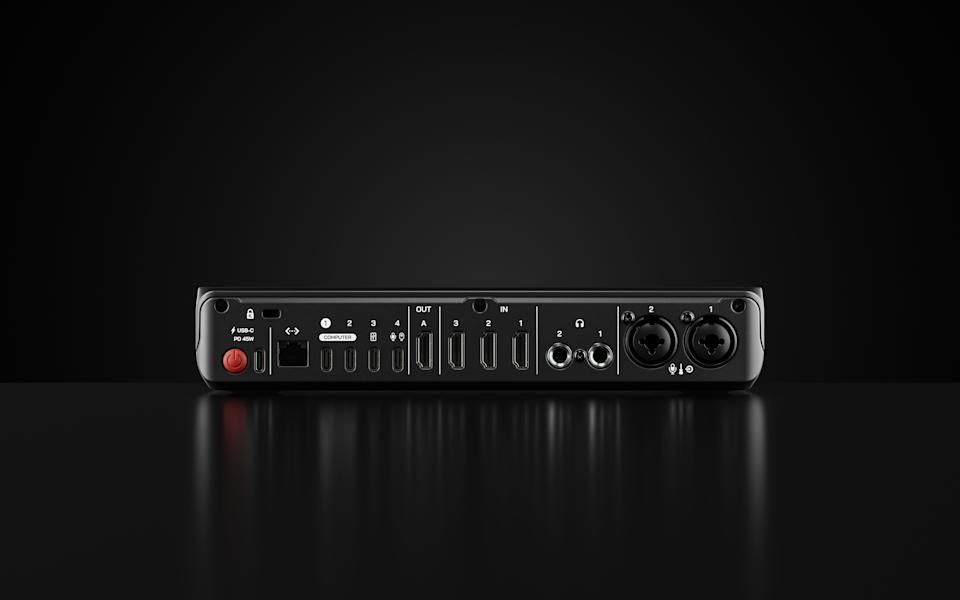
Rode’s not done releasing trimmed-down versions of its production tools with an eye on budget conscious creators. Today, it’s launching Rodecaster Video Core, an all-in-one studio setup which sits below its flagship Rodecaster Video and its (now) mid-range Video S. It’s aimed at folks who are either dipping a toe into this world, or already have audio gear and just want to broaden out to HD video as well. Arguably, the biggest change is the lack of any controls on the hardware itself, as you’ll be running the show entirely from inside the Rodecaster App.
In terms of connectivity, you’ll find three HDMI-in, one HDMI-out, four USB-C, two 3.5mm and two Neutrik combo ports ‘round back. Connect a compatible video device to a USB-C port and you’ll be able to run up to four sources at a time, and you can even use network cameras via Ethernet. Plus, you’ll be able to use the Rode Capture app to wirelessly connect the feed from an iOS device to your setup. And you’ll even be able to set it up to automatically switch between feeds based on audio inputs, reducing your need to micromanage multi-person feeds.
Rode
And, if you’re already rocking one of Rode’s audio consoles, the Rodecaster Sync app will make your life a lot easier. Essentially, if you’ve got a Rodecaster Pro 2 or Duo, you’ll be able to hook it up to your Video Core, allowing you to set shortcuts directly to your pads. In fact, you can run your audio and video setup from the one desk, hopefully reducing the amount of fiddling you need to do in the middle of your stream.
Core is designed to stream straight to YouTube, Twitch and any other platforms you’d care to use instead. You’ll be able to record your footage to an external drive and, thanks yo a new firmware update across the range, you’ll also be able to output a EDL file for DaVinci Resolve. Oh, and you’ll now be able to import media in non-standard resolutions and aspect ratios — such as square footage from social media — which will be automatically scaled and optimized for your show.
Rodecaster Video Core is available to pre-order now for $599, but there’s no word yet on when the sturdy boxes will start winging their way around the world.

MARKETS in the MORNING, 3/4/2026, BTC $71,300, XRP $1.39, Gold $5,177, RTY 2,623, DXY 98.8

Glasgow Central fire to cause disruption ‘for several days’ as warning issued

Vail Resorts, Inc. (MTN) Q2 2026 Earnings Call Transcript


-

 Politics7 days ago
Alan Cumming Brands Baftas Ceremony A ‘Triggering S**tshow’
-
Business3 days ago
Form 8K Entergy Mississippi LLC For: 6 March
-

 Fashion3 days ago
Weekend Open Thread: Ann Taylor
-

 News Videos13 hours ago
10th Algebra | Financial Planning | Question Bank Solution | Board Exam 2026
-

 Crypto World10 hours ago
Paradigm, a16z, Winklevoss Capital, Balaji Srinivasan among investors in ZODL
-

 Tech5 days ago
Bitwarden adds support for passkey login on Windows 11
-
 Sports4 days ago
499 runs and 34 sixes later, India beat England to enter T20 World Cup final | Cricket News
-

 Sports2 days ago
Three share 2-shot lead entering final round in Hong Kong
-

 Sports2 days ago
Braveheart Lakshya downs Lai in epic battle to enter All England Open final | Other Sports News
-

 Business6 days ago
Guthrie Disappearance Enters Fifth Week as Family Visits Memorial
-

 NewsBeat4 days ago
Piccadilly Circus just unveiled ‘London’s newest tourist attraction’ and it only costs 80p to enter
-

 Politics4 days ago
Top Mamdani aide takes progressive project to the UK
-

 Business1 day ago
Search for Nancy Guthrie Enters 37th Day as FBI Probes Wi-Fi Jammer Theory
-

 Entertainment3 days ago
Hailey Bieber Poses For Sexy Selfies In New Luscious Lip Thirst Traps
-
 Sports7 days ago
Jack Grealish posts new injury update as Man City star enters crucial period
-

 Tech11 hours ago
Despite challenges, Ireland sixth in EU for board gender diversity
-
 NewsBeat44 minutes ago
Pagazzi Lighting enters administration as 70 jobs lost and 11 stores close across Scotland
-

 Crypto World5 days ago
New Crypto Mutuum Finance (MUTM) Reports V1 Protocol Progress as Roadmap Enters Phase 3
-
 Tech5 days ago
ACIP To Discuss COVID ‘Vaccine Injuries’ Next Month, Despite That Not Being In Its Purview
-
Entertainment5 days ago
Harry Styles Has ‘Struggled’ to Discuss Liam Payne’s Death