Tech
TCL X11L SQD Mini-LED TV Review: The Brightest TV You Can Buy

The TCL X11L is the company’s flagship TV for 2026, and it takes a different path than previous TCL mini-LED TVs. A key difference is TCL’s use of Super Quantum Dots (SQD), a new, enhanced quantum dot formulation that allows for full coverage of the BT.2020 color gamut – a claim several other TV brands are also making, but for their new RGB LED sets. If high brightness was the previous goal for flagship TVs, then extended color has become the new frontier.
Assisting the TCL X11L on its extended color quest is an Advanced Color Purity algorithm and new Ultra Color filter. The latter features 5 nanometer particles compared to the 60 nanometer particles in standard mini-LED TVs, and this allows for “more accurate pixel-level color” and more “consistent color saturation,” according to TCL. Moving beyond 100% BT.2020 coverage, the X11L’s specifications cite peak brightness at up to 10,000 nits, with up to 20,000 local dimming zones.


Note that both those numbers are for the 98-inch X11L, not the 75-inch version that TCL sent me for review. The 75-inch model instead features around 11,500 zones, which is still a considerably greater number than you’ll find on other flagship mini-LED TVs. In general, more local dimming zones means higher brightness and deeper, more uniform blacks, and the X11L is helped on that front by TCL’s Halo Control System. This uses a new 26-bit backlight controller and a Dynamic Light Algorithm, along with a reduced optical distance between the TV’s mini-LED backlight modules and light diffuser layer, to virtually eliminate backlight blooming. As you’ll see in the Viewing Impressions section below, the results here are seriously good for a mini-LED TV.
As attention-grabbing as the X11L’s specs are, all that technology comes at a price. The 75-inch version lists for $6,999.99, while the 98-inch X11L clocks in at $9.999.99. Even with recent price drops (the 75-inch X11L can now be found for $3,999.99) that is a big premium over the company’s stepdown SQD Mini-LED TV, the TCL QM8L series. The QM8L has a lower specified peak brightness at 6,000 nits and a lower local dimming zone count at 4,000 (for the top 98-inch screen size), but it provided an excellent overall level of performance when we tested it. The QM8L also has a mostly similar feature set, leaving its much pricier X11L SQD Mini-LED big brother with a lot to prove.
What Is It?
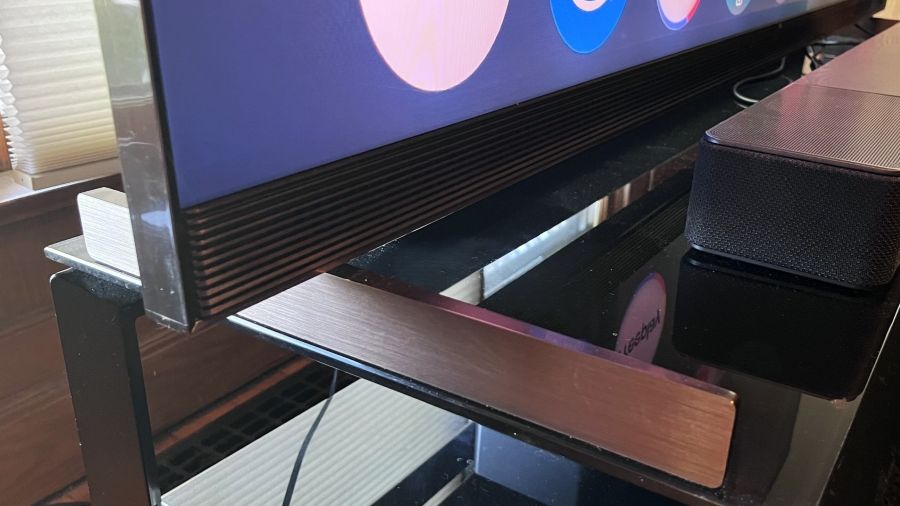
The TCL X11L is the top series in the company’s 2026, SQD Mini-LED TV lineup, followed by the QM8L and QM7L series. It features Super Quantum Dots for extended color, up to 20,000 backlight local dimming zones, and TCL’s high-contrast WHVA 2.0 Ultra Panel with an anti-reflective screen filter. Similar to the QM8L series, X11L TVs are outfitted with TCL’s TSR AI Pro processor, which provides AI-enhanced contrast, color, motion, and upscaling.
Dolby Vision, HDR10+, HDR10, and HLG high dynamic range formats are all supported by the X11L, and a planned software update for summer 2026 will add Dolby Vision 2 Max compatibility, providing enhanced features such as bi-directional tone mapping and Authentic Motion de-judder processing. The X11L also has Filmmaker Mode and IMAX Enhanced picture presets plus Intelligent picture and sound modes that make automatic adjustments based on content.
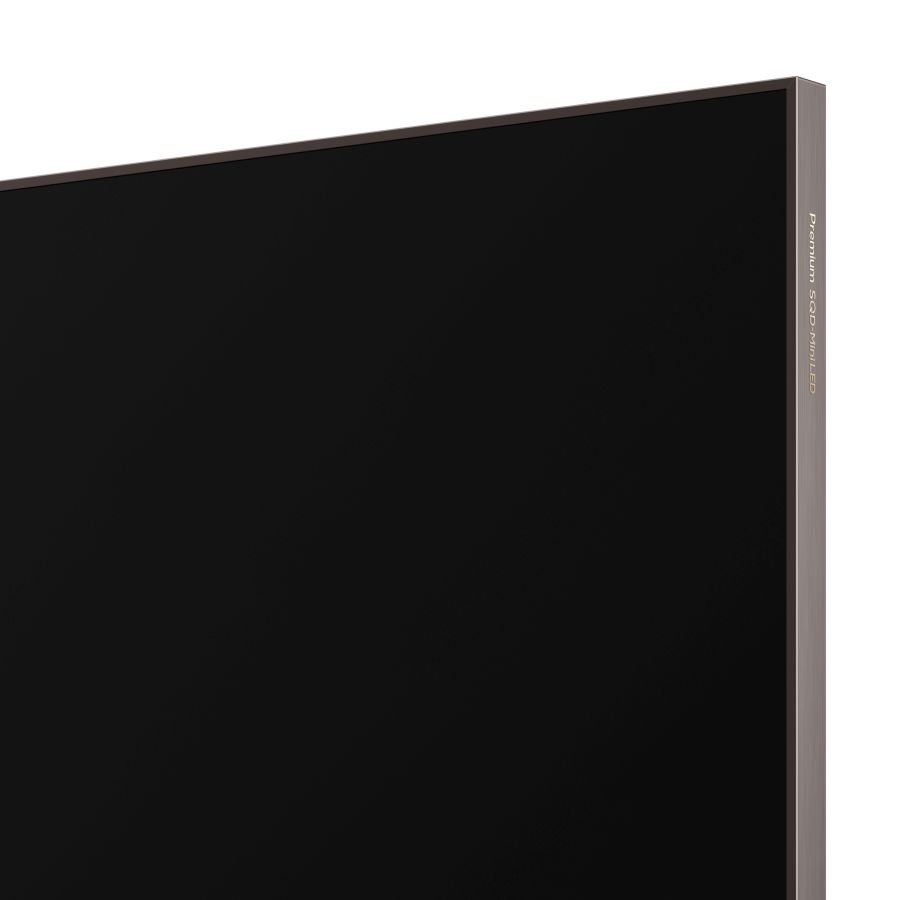
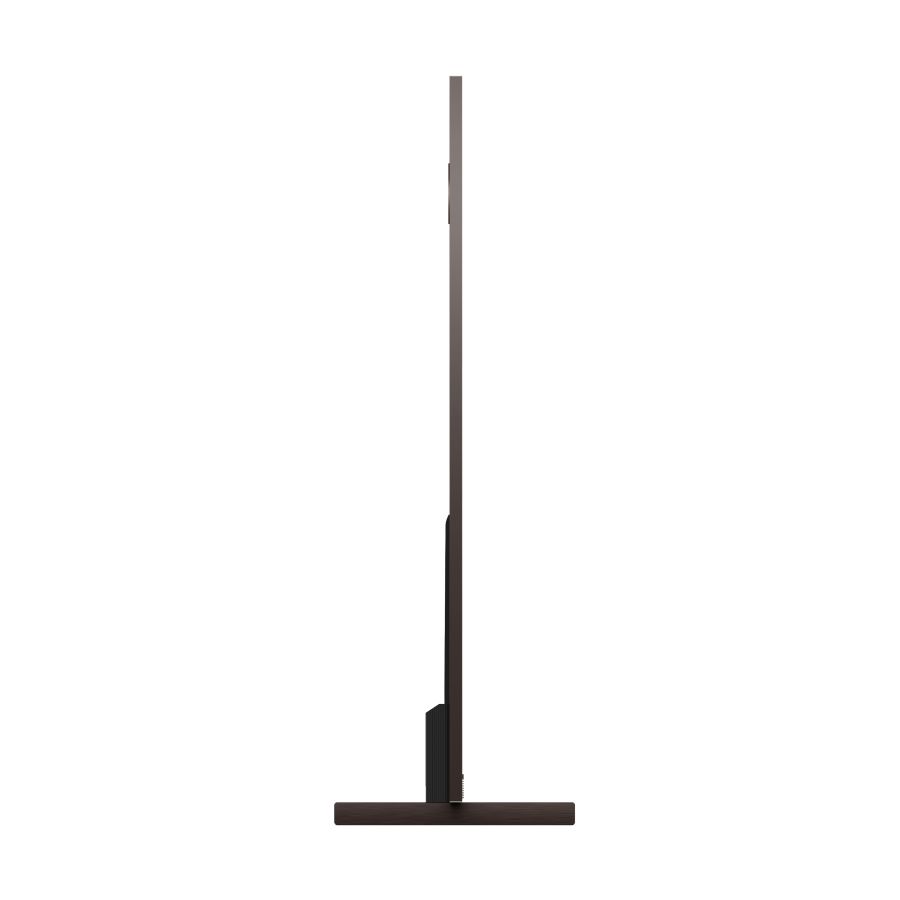
The X11L is the first TCL TV to feature four HDMI 2.1 ports for gaming. These support a 4K/144Hz refresh rate and there’s also 1080p/288Hz and FreeSync Premium Pro support for PC gaming. The TV’s Game Master mode provides a Game Bar pop-up menu for making easy gaming-related picture adjustments, and it also reduces input latency.
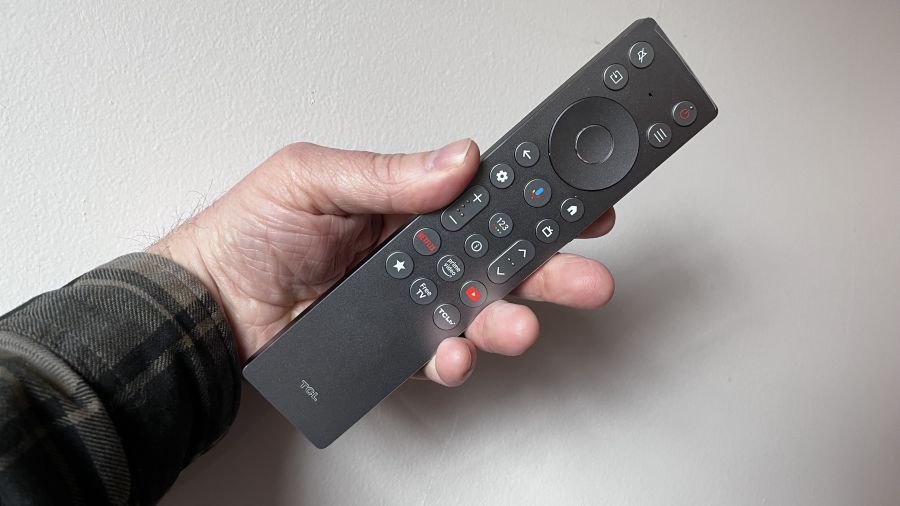
TCL clearly put a lot of work into the X11L’s physical design. Its 0.9-depth is alluringly slim for a mini-LED TV, and its polished aluminum side, top and bottom panels give it a luxury look. The support feet carry over the aluminum theme and also provide a solid foundation for the TV. TCL’s ZeroEdge design minimizes the screen’s bezel for a near “all-picture” appearance and there’s a fully backlit remote control with a built-in mic for voice commands.
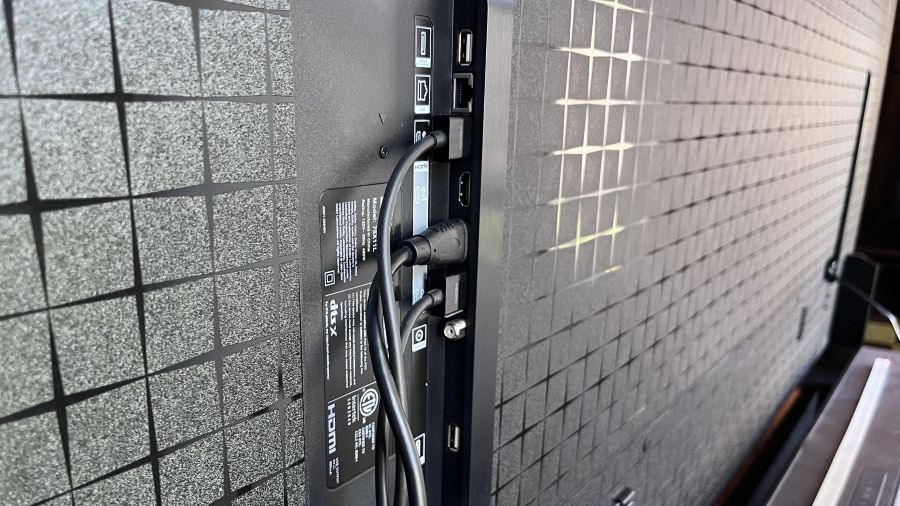
In addition to its four HDMI 2.1 ports (one with eARC), the X11L has an optical digital audio output, USB 2.0 and 3.0 ports, an Ethernet jack and an RF input for an antenna. The connections are all located on a side-facing panel on the TV’s back, allowing easy access for wall-mount installations.
Google TV with Gemini
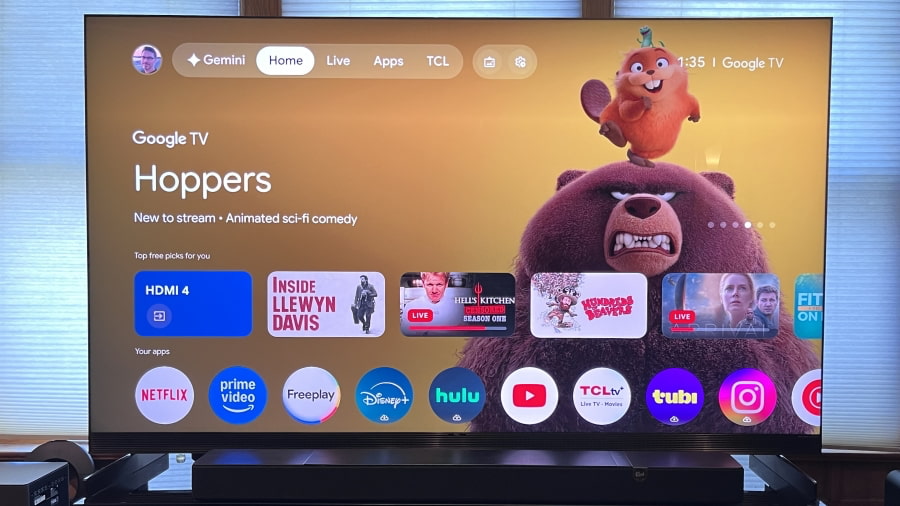
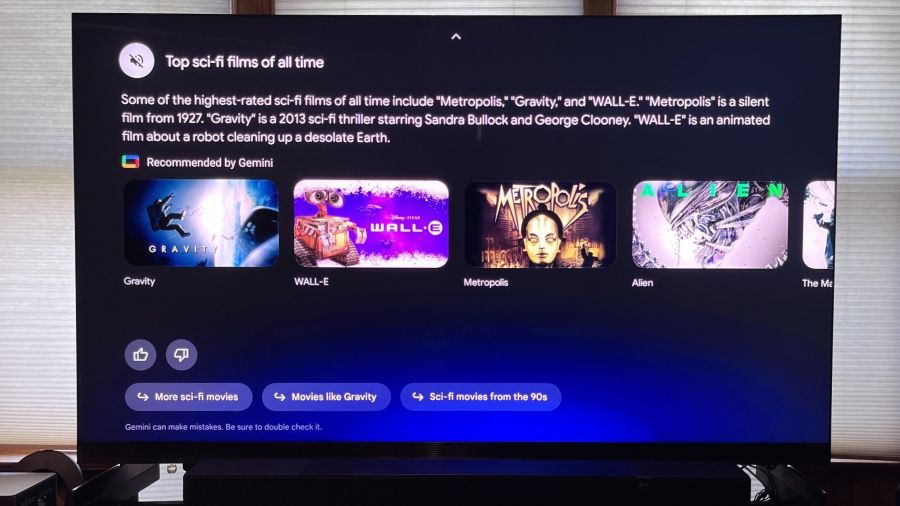
The X11L is the second TCL TV series to feature Google TV with the Gemini AI assistant. That feature is also available on the TCL QM8L, and it makes content searching easier and more enjoyable via its conversational format. Using either the mic button located on the remote, or the far-field one located on the TV itself, you can ask, “What are the best Sci-Fi movies?” and then drill deeper with additional queries such as, “Which are the best ones from the past decade?” to get a more refined list.
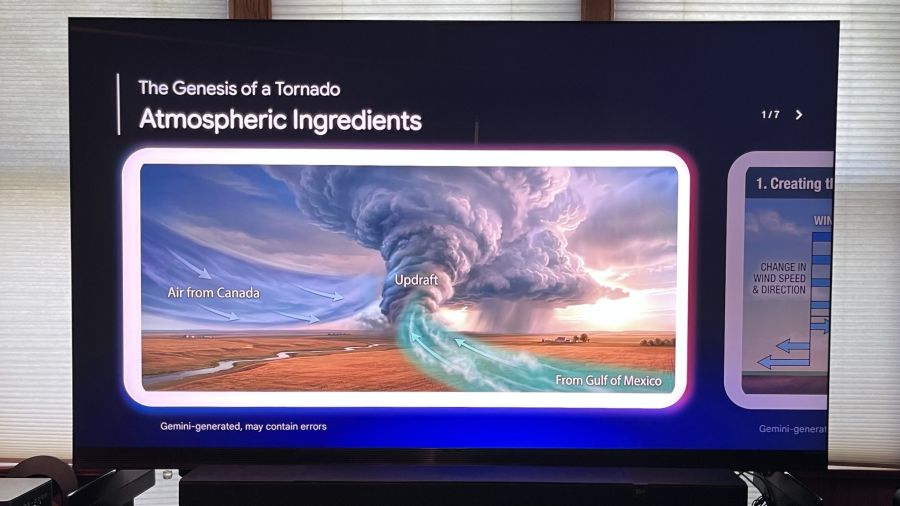
Google TV with Gemini isn’t just for content searches; like the Gemini app on your phone or laptop, it can be used to research anything. I asked the TV how tornadoes get formed, and it created a multi-slide, multimedia presentation on the topic (adding the caveat that Gemini can make mistakes, of course).
Aside from Gemini, the Google TV platform itself is easy to customize so it presents relevant apps and personalized content recommendations based on your viewing and browsing history. You can play screensavers pulled from the Google TV library, as well as images from your Google Photos account and also Gemini AI-created ones. Additionally, there’s a Live tab on the home screen that lets you view a grid guide of both Freeplay free-to-stream programs and local broadcast channels pulled in by an antenna connected to the TV’s built-in ATSC 3.0 tuner.
Audio by Bang & Olufsen
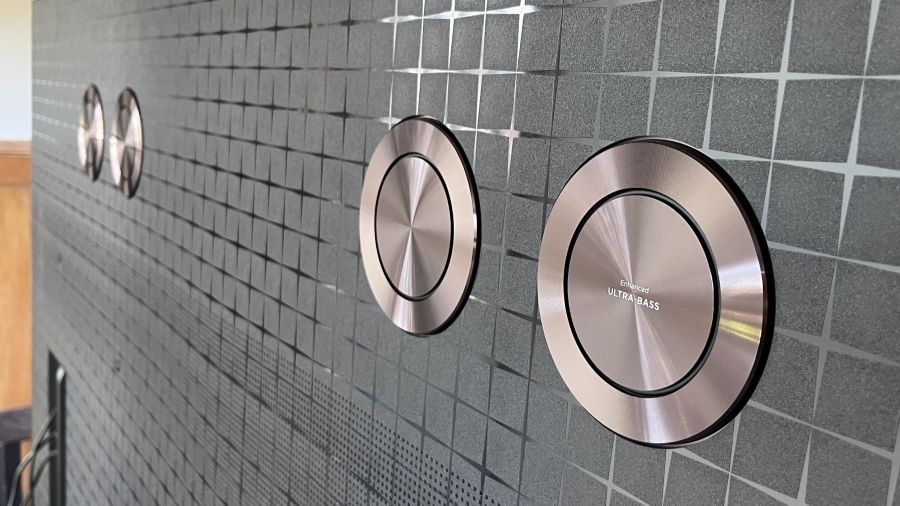
TCL doesn’t provide much in the way of specs for the X11L’s built-in speakers other than it has Audio by Bang & Olufsen. There is processing and pass-through support for both Dolby Atmos and DTS:X, and a quartet of “Ultra Bass” drivers on the TV’s back panel are used to reinforce bass effects in movie soundtracks. Equalizer adjustments in the TV’s Sound menu provide Center and Surround level sliders, and these indicate that there is a dedicated center channel driver in the TV’s front-firing speaker array, alongside dedicated drivers for surround channel information in soundtracks.
Another Sound menu highlight is the Beosonic interface. This lets you customize the TV’s sound to your liking by moving a slider up and down between Bright, Energetic, Warm and Relaxed quadrants. Overall, I found that the X11L’s built-in speakers delivered clear dialogue, clean bass and a decent sense of surround ambience, but the sound also had a somewhat thin quality.
Emphasizing Warm and Relaxed on the Beosonic interface helped a bit here, but the X11L should ideally be paired with a soundbar or external speakers. To that end, support is provided for connecting an optional TCL wireless subwoofer for extended bass, and the X11L is also Dolby Atmos FlexConnect capable, supporting a 4.1.4-channel Atmos speaker configuration using TCL’s Z100 wireless FlexConnect speakers and Z100-SW wireless subwoofer.
Setup & Viewing Impressions
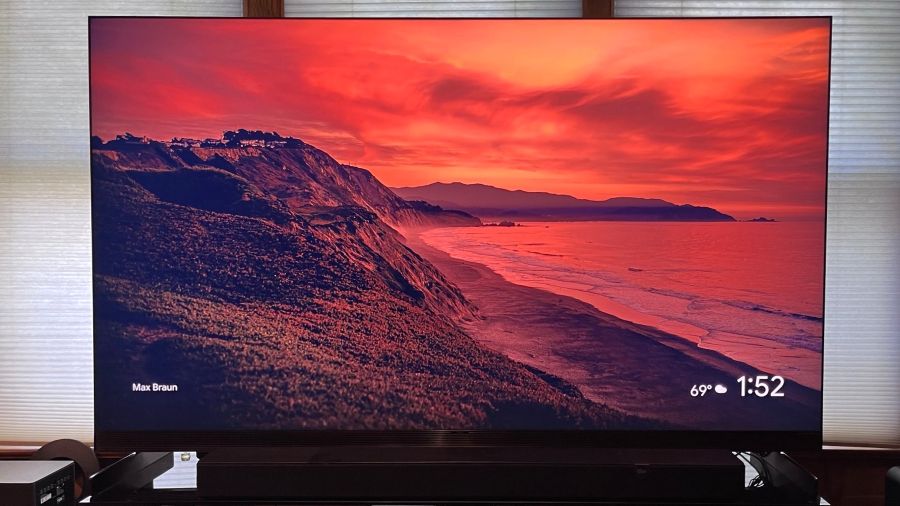
After doing some casual viewing with the X11L, I started my testing by making measurements using Portrait Display’s Calman Color Calibration software. Other than disabling the Adaptive Brightness feature, which adjusts brightness automatically based on room lighting, I left the Filmmaker Mode and Standard presets at their default settings for the measurements.
Peak HDR brightness measured on a white 10% window pattern in Filmmaker Mode was 2,174 nits and 465 nits on a 100% (fullscreen) white pattern. In Standard mode, peak HDR brightness on 10% and fullscreen patterns was 4,011 and 407 nits, respectively. The X11L’s peak SDR brightness was notably high, measuring 1,958 nits on a 10% window pattern in Standard mode and 669 nits on a 100% pattern. Those results indicate that the X11L will be a great bright room option for viewing sports, much of which is broadcast or streamed in high definition/standard dynamic range.
So, what about TCL’s 10,000 nits peak brightness specification for the X11L? The highest brightness measurement I recorded was 4,860 nits in Vivid mode, which is roughly half of what TCL claims for the series. Still, the 75-inch X11L’s overall brightness is exceptional, even if there were some odd brightness-related artifacts that I noticed during my subjective viewing tests.
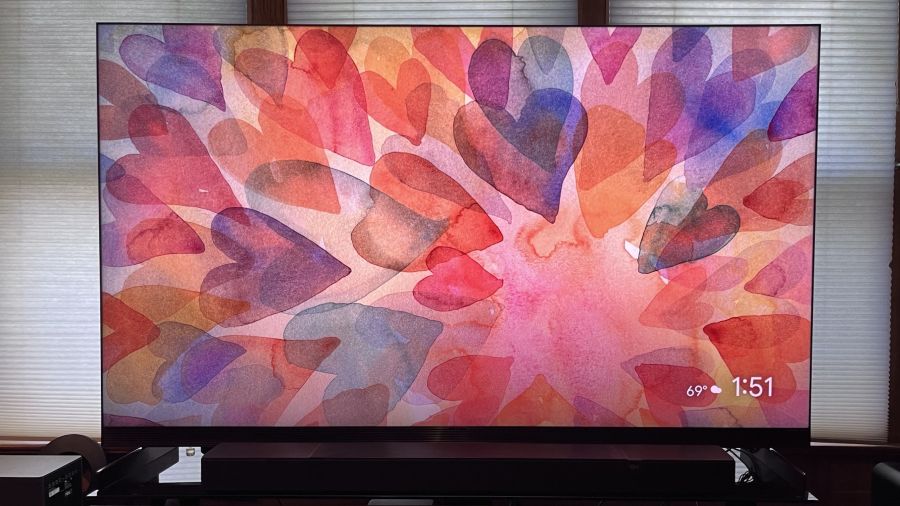
Specifically, the X11 sometimes displayed brightness “pumping” effects where the picture would be super-bright, particularly on a cut from a dark to a bright scene, and then gradually get dimmer. I mainly noticed this when viewing the demonstration footage on the Spears & Munsil Ultra HD Benchmark 4K Blu-ray disc with the HDR10 option selected. The same pumping effect did not show up when I watched the 10,000 nits Dolby Vision version on the disc, however, and I also didn’t see it on any other Dolby Vision HDR content I watched.
A listed benefit of TCL’s SQD Mini-LED tech is 100% BT.2020 color gamut coverage, and while the 89.7% I measured in Filmmaker Mode came up short of that number, it’s still an excellent result and one that’s comparable to the TCL QM8L SQD Mini-LED TV. P3 color gamut coverage was 97.8, another excellent result that matches what I measured on the QM8L.
Delta-E (the margin of error between the test pattern source and what’s displayed on-screen) averaged 3.9 for grayscale and 5.0 for color, both of which are higher than the 3.0 result considered to be the threshold for what’s indistinguishable from perfect to the human eye. Unfortunately, the TV’s White Balance (2- and 20-point) and Color adjustment menus didn’t provide sufficient range to let me fully calibrate the picture, though I was able to make minor improvements to gamma and color point accuracy.
Gamers will want to select the X11L’s Game picture preset and also turn on the Game Master mode in the System menu settings for lowest input lag while gaming. Using a Leo Bodnar input lag meter, I measured 14.5ms for a 4K 60Hz input. With the exception of the QM8L, which measured 9.8ms on the same test, that result is comparable to past TCL TVs I’ve tested.
Running through my regular slate of 4K Blu-ray demo clips post-adjustment, the X11L’s picture looked fantastic on the James Bond movie No Time to Die. Skin tones were accurate, and there was impressive black depth and shadow detail in dark scenes. A scene where Bond traverses a rocky hillside cemetery did show a degree of judder, though this could be fixed without adding any soap opera effect by setting both the Judder and Blur sliders in the Clarity menu’s Custom Motion mode to 3.
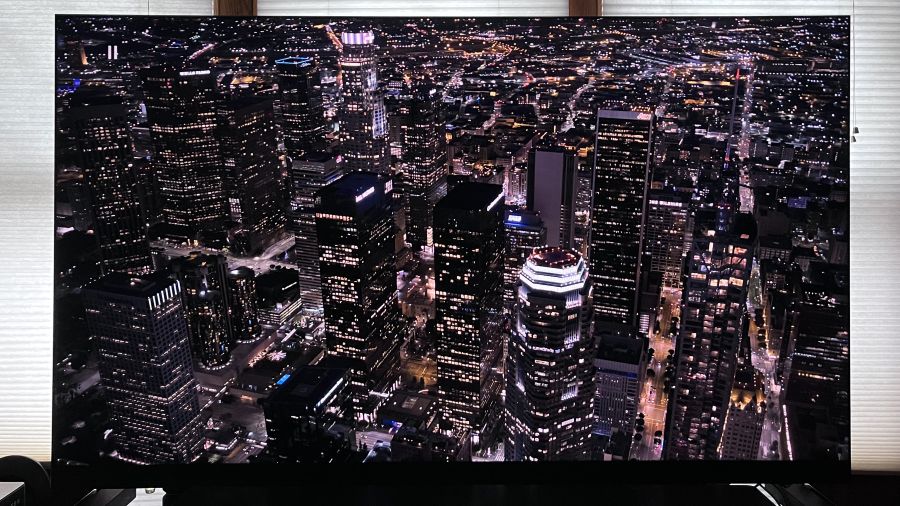
Switching back to the Spears & Munsil disc, demo clips showing flowers, birds, and lizards against a stark black background revealed virtually no backlight blooming. Equally impressive was the TV’s micro-contrast in an overhead shot of a city at night. A mini-LED TV with average local dimming control will typically show some degree of light bleeding in this sequence, which limits the overall contrast level and softens detail. On the X11L, however, the black level remained rock solid, and highlight detail was clearly defined.
Spider-Man: Into the Spider-verse has been one of my recent go-to 4K discs for testing color on TVs, and the X11L looked every bit as good as the QM8L when it came to color saturation and detail. Overall, I thought the computer-animated picture here looked punchier and overall better owing to the X11L’s superior contrast and shadow detail. I had similar thoughts when I watched scenes from Alien: Romulus, another movie with plenty of scenes with bold colors and bright objects pitted against dark backgrounds.
The X11L’s 4K upconversion of standard HD programs was excellent. When I watched a PBS documentary on the American naturalist and writer Henry David Thoreau, fine details in shots of the Massachusetts and Maine woods were clearly defined, and so was the inky scrawl in close-up shots of Thoreau’s journals. The set’s anti-reflection screen also did a good job of minimizing glare from lights and open windows when I watched this doc during the day, and its color saturation was mostly maintained when viewing from far off-center seats.
The Bottom Line
TCL’s flagship X11L SQD Mini-LED TV is as bright as TVs get, and with its extended color gamut coverage and refined local dimming, it delivers truly attention-grabbing picture quality. TCL has claimed the X11L to be the “best overall TV in the industry,” and there’s plenty here to back up that statement.
With a discounted price of $3,999.99 for the 75-inch model I tested, the X11L is still about as expensive as TVs get. At that cost, you’ll be wondering what else it has to offer other than a great picture, and in this case the extras include a slim, premium design, better-than-average built-in sound, and Google TV enhanced with the Gemini interactive AI assistant. The X11L will also be made Dolby Vision 2 Max compatible with a software update scheduled for later in the year, and that same update will also add an Intelligent Device Control feature that will let you adjust picture and sound settings using voice commands.
About the only thing stopping me from giving the TCL X11L a full two thumbs up recommendation is the TCL QM8L, which provided nearly as impressive performance when I tested it, and was much easier to calibrate for an accurate picture. It also packs many of the same features as the X11L. The price for the 75-inch QM8L dropped from $2,999.99 to $1,999.99 since I reviewed it, making it a dramatically less expensive option than the X11L. The TCL X11L is undeniably a great TV, but there are clearly better values to be had.
Pros:
- Exceptional brightness
- Extended P3 and BT.2020 color gamut coverage
- Refined local dimming (up to 20,000 zones)
- Effective anti-relection screen
- Good off-axis color uniformity
- Dolby Vision 2 support (pending)
- Google TV with Gemini AI assistant
- Audio by Bang & Olufsen front-facing speaker array
- Dolby Atmos FlexConnect support
- Wireless subwoofer support
- Four HDMI 2.1 ports with 144Hz support
- Premium design
- ATSC 3.0 tuner
Cons:
- Higher than average grayscale and color point errors in Filmmaker Mode
- Occasional brightness “pumping” effect
- Expensive
You must be logged in to post a comment Login