— Elizabeth Scallon, a longtime leader in Seattle’s startup ecosystem, has left HP after serving for nearly four years as director of technical and business incubation and strategy.
“At HP, I had the privilege of diving deep into technologies ranging from microfluidics and chip cooling to edge systems, security silicon, collaboration platforms, biometrics, authentication, and computer vision. I loved supporting and building new ventures from idea to prototype to customer hands,” Scallon said on LinkedIn.
Scallon is also an affiliate instructor at the University of Washington and has held leadership roles at Amazon and WeWork. She was director of the UW’s CoMotion Labs for five years and co-founded Find Ventures, an investment firm that emphasized equitable access to capital. Scallon did not say what she’s doing next.
Chris Blandy. (LinkedIn Photo)
— Chris Blandy retired from his role at Amazon Web Services where he was global leader of strategy and business development for media and entertainment.
Blandy’s position was based in Santa Monica, Calif. Past roles include executive leadership at Walt Disney, Fox and Hulu.
“After a bit more than 4 years at AWS and 35 years in the workforce, I’ve decided to take a step back from full-time employment. I’ll be focused on investments and some advisory work, but most importantly getting more involved in parenting!” Blandy said on LinkedIn.
Advertisement
Milkana Brace. (LinkedIn Photo)
— Milkana Brace joined SageOx as co-founder and chief product officer. The early stage Seattle startup is building tools for AI-native teams where humans and coding agents work side-by-side.
In April 2025, Brace left Remitly as executive vice president of consumer product to take a sabbatical. She had previously founded and led Jargon and held leadership roles at Expedia and Groupon.
Braced said on LinkedIn that “out of nowhere” Ajit Banerjee reached out and “asked me to build something with him. I cut my sabbatical short. On my first day back, we pivoted the entire company. Thirty days later, we shipped.”
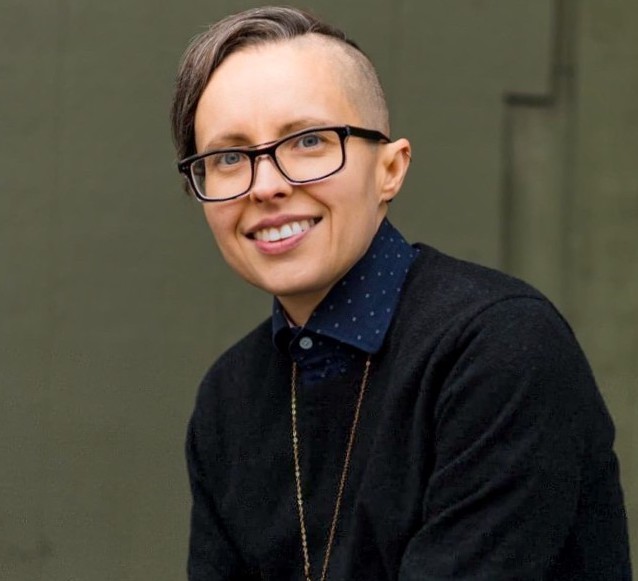
Courtney Blodgett. (LinkedIn)
— Edo co-founder and former director of strategy Courtney Blodgett has left the Seattle-based energy software company.
“I’ve had the privilege of helping grow an idea into a company delivering demand flexibility and customer support to utilities and 7,000+ buildings across the country,” Blodgett said on LinkedIn.
The startup launched six years ago to allow commercial buildings to contribute energy to the grid during times of high demand. Blodgett is working as principal and founder of Cordelette Consulting while she explores “the next chapter of building climate solutions that work.”
Advertisement
— Seattle-area health data company Truveta hired a slate of new employees, including multiple senior leadership positions:
John Seeger, senior vice president of evidence services
The company in January named Dr. Johnathan Lancaster as it president and chief scientific officer.
Yoon Loong Wong. (LinkedIn Photo)
— Sustainable tech startup Bayou Energy named Yoon Loon Wong (Andrew) as chief of staff. The Seattle-based business offers technology that pulls customer data from U.S. utilities to provide real-time information on energy use as well as consumption over time.
“Andrew brings a blend of strategy, operations, and startup experience. He was an early employee at a clean energy startup, where he built the sales strategy and operations function from the ground up and helped launch an $8M EPC [engineering, procurement and construction] marketplace,” Bayou leaders said on LinkedIn.
Wong’s past employers include Lumen Energy and Google, where he was a strategy and operations manager for go-to-market.
— Brian Hansford is senior vice president of marketing at the National Cybersecurity Alliance, a Seattle-based nonprofit supporting cybersecurity education and safety for individuals and businesses. He joins from Pontara, a generative engine optimization platform for marketers, where he was founder and chief growth officer. Other past roles include leadership at LiveRamp, Icertis, MediaPRO and others.
Advertisement
— Seattle-based Scott Schliebner is chief operating officer at P1 Trials, a startup that describes itself as “a network of world-class, community-based oncology investigative sites capable of performing complex Phase 1 clinical trials.”
Schliebner has held multiple advisory and consulting roles in recent years, and was senior vice president of scientific affairs and therapeutic expertise for PRA Health Sciences for a decade ending in 2022. He also held leadership roles at Cancer Research and Biostatistics, MedSource and Seattle Genetics.
— After more than four years, Rob Moore left his role as vice president of order-to-cash transformation at Seattle payment tech company Remitly. He is now a financial professional at None, a California-based wellness and fitness services company. Moore’s past employers include Nordstrom and Deloitte.
“What an adventure, and on to the next. It was my honor to fight alongside the ‘good guys’ at Remitly day in and day out, on behalf of our resilient and inspiring customers,” Moore said on LinkedIn.
Advertisement
Remitly co-founder Matt Oppenheimerlast month announced that he is stepping down as CEO after nearly 15 years.
— Manisha Arora was promoted to vice president of the California-based cloud company ServiceNow. Arora, who works in the company’s Kirkland, Wash. offices, has been with ServiceNow for nearly 10 years. She was previously at Microsoft for more than a decade in program management roles.
— Monod Bio, a Seattle biotech company performing computational protein design, named Robert Bujarski to its board of directors. Bujarski previously served as EVP and chief operating officer at QuidelOrtho Corporation for 20 years.
— Fred Hutch Cancer Center announced 12 recipients of the Harold M. Weintraub Graduate Student Award, named after the molecular biologist who helped establish Fred Hutch’s Basic Sciences Division and died of brain cancer in 1995. They are:
Advertisement
Keene Abbott, a biology PhD student at Massachusetts Institute of Technology
Gabriella Chua, who is enrolled in a tri-institutional PhD program in chemical biology at Rockefeller University
Lifei Jiang, a molecular biology PhD student at Princeton University
Won Jun Kim, a PhD and MD student in the Memorial Sloan Kettering Cancer Center Weill Cornell/Rockefeller/Sloan Kettering tri-institutional program
Ruchita Kothari, a PhD student in the Biochemistry, Cellular and Molecular Biology (BCMB) graduate program at Johns Hopkins University School of Medicine
Ayush Midha, a PhD student at the UCSF Tetrad Graduate Program at University of California, San Francisco
Rohith Rajasekaran, a PhD student in the integrated program in Biochemistry at University of Wisconsin-Madison
Yusha Sun, a PhD student in the Neuroscience Graduate Group / Medical Scientist Training program at the University of Pennsylvania
Andrea Terceros, a PhD student in the David Rockefeller Graduate Program at Rockefeller University
Wendy Valencia Montoya, a PhD student in Organismic and Evolutionary Biology at Harvard University
Zachary Walsh, a PhD student in the Integrated Program in Cellular, Molecular and Biomedical Studies at Columbia University Vagelos College of Physicians and Surgeons
Peter Yoon, a PhD student in molecular and cell biology at the University of California, Berkeley
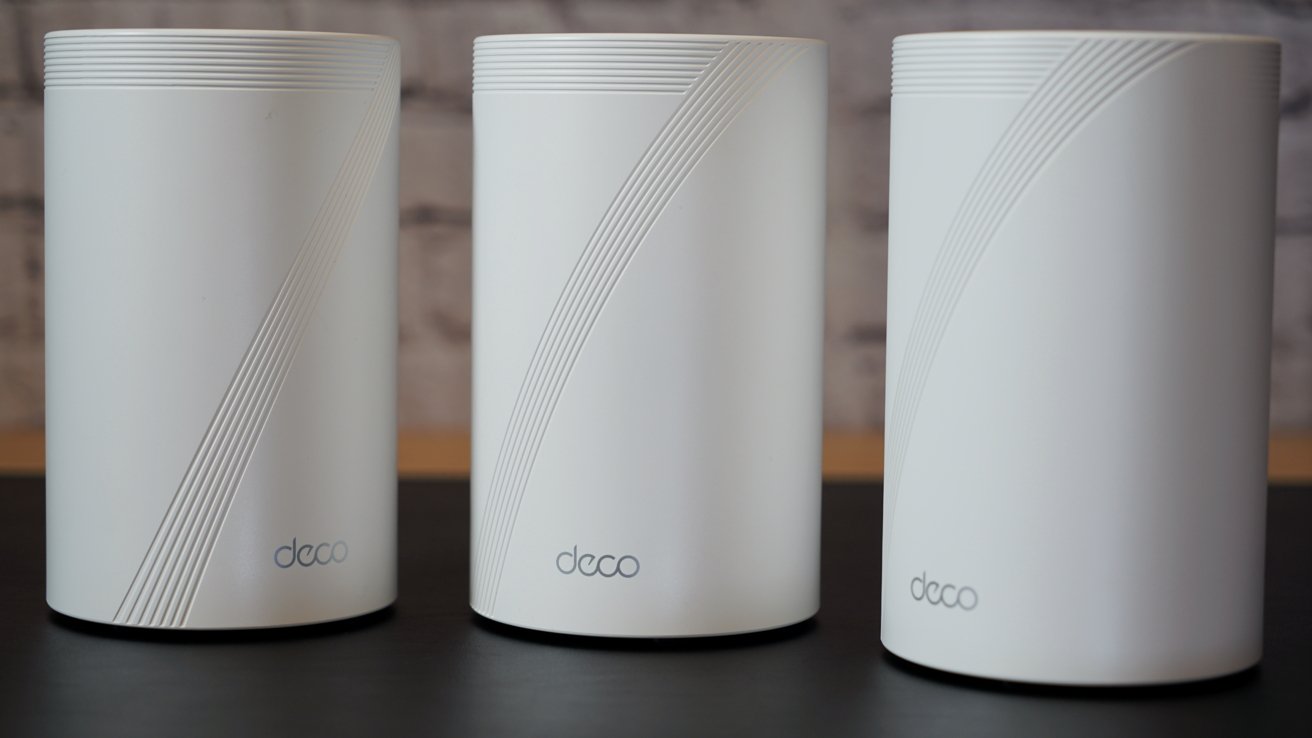
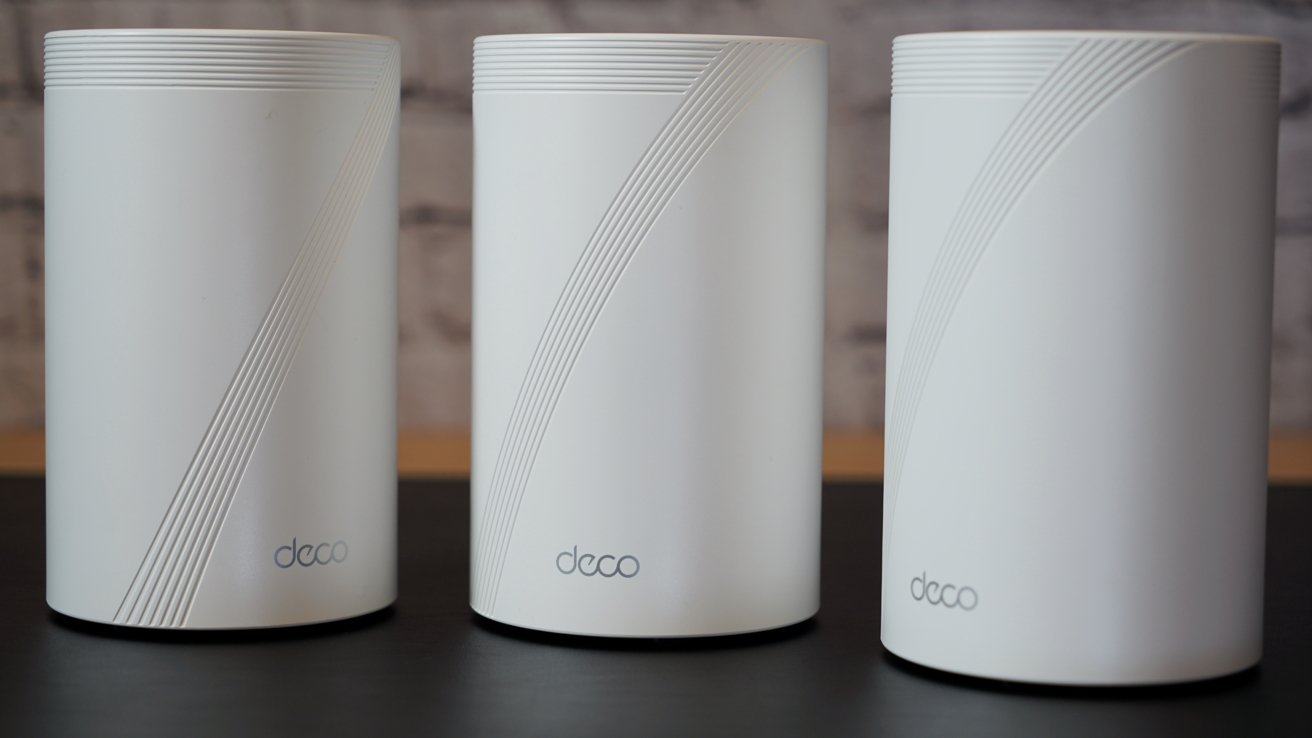
After pressure from regulatory committees about fears of Chinese spies and botnets, the FCC has placed a ban on all new foreign-made consumer routers.
TP-Link may be affected by latest US ban
Regulators have become increasingly interested in routers after Chinese brands took more than 65% market share during the pandemic. US router makers like Netgear pushed back with lawsuits and lobbying, and it seems to have borne some fruit, though the result may cause problems for everyone. According to a report from Reuters, the FCC has deemed all foreign-made routers a national security concern. This seems to imply that the United States wants all routers manufactured in the country via “secure supply chains.” Continue Reading on AppleInsider | Discuss on our Forums
The controversy, detailed last week in a Substack post by an anonymous whistleblower known as “DeepDelver,” has also apparently led Insight Partners to scrub an article explaining its $32 million investment in the startup. DeepDelver, who claims to be a former client, alleged that Delve, which was valued at $300 million during its Series A funding round last year, fabricated compliance data for its customers.
The original text of the article, written by Insight Partners managing directors Teddie Wardi and Praveen Akkiraju, among others, and titled, “Scaling AI-native compliance: How Delve is saving companies time and money on compliance busywork,” remains viewable here via the Wayback Machine, an internet archive that preserves snapshots of web pages.
Delve’s co-founders Karun Kaushik and Selin Kocalar, as well as Insight Partners, did not immediately respond to TechCrunch’s request for comment.
Advertisement
On its website, Delve claims to have helped customers such as Microsoft, Chase, PayPal, American Express, and the AI search company Perplexity cut “hundreds of hours” of compliance busywork. However, it remains unclear how many of these companies are still active users of the platform.
Founded in 2023, Delve says it leverages AI to automate the process of obtaining security and regulatory certifications, including SOC 2, HIPAA, and GDPR — standards that govern data security, health information privacy, and European data protection, respectively.
In their Substack post, DeepDelver alleged that Delve “fabricated evidence of board meetings, tests, and processes that never happened,” then forced customers to “choose between adopting fake evidence or performing mostly manual work with little real automation or AI.”
Techcrunch event
Advertisement
San Francisco, CA | October 13-15, 2026
The post further alleges that Delve’s platform rubber-stamps its own reports rather than undergoing a second layer of independent auditing.
Advertisement
Delve responded to the accusations by saying it does not issue compliance reports at all, and that instead it is an “automation platform” that ingests information about compliance and then provides auditors with access to that information.
Delve also said that its customers “can opt to work with an auditor of their choosing or opt to work with one from Delve’s network of independent, accredited third-party audit firms.” Those auditors, the startup said, are “established firms used broadly across the industry, including by other compliance platforms.”
In response to the accusation that it’s providing customers with “fake evidence,” Delve countered that it’s simply offering “templates to help teams document their processes in accordance with compliance requirements, as do other compliance platforms.”
While the company is denying DeepDelver’s allegations, the disabling of the “book a demo” function and the scrubbing of Insight Partners’ investment thesis article suggest that the startup is in damage control, and that investors may be distancing themselves from the company.
Ask most truckers about their must-haves in a good semi-truck, and you might get answers like quality seats, a reliable power supply, and practical storage space. Having tires on the wheels might seem like too obvious an answer, although it seems one trucker in Canada didn’t have “make sure all the tires are still there” on their checklist. The Ontario Provincial Police recently issued a warning on social media to remind drivers that they should always check their tires before traveling after pulling over a truck on Highway 17. According to the post, the truck had driven more than 60 miles with one tire missing.
The driver of the vehicle is now facing multiple charges of unsafe operation of a vehicle as a result. According to CTV News, the unnamed 41-year-old driver was from Calgary, while the tractor and trailer were operated by a company in Steinbach. The company was also hit with charges due to the vehicle’s unsafe condition. Police took the vehicle off the road after the stop, with repairs required before it could resume service.
Advertisement
U.S. truckers can remove one tire in certain situations
However, that is assuming they have four tires on an axle to begin with. Images provided by the Ontario Provincial Police show the stopped truck did not have dual tires, leaving one rim in contact with the road. As such, it would have quickly attracted the attention of local law enforcement on either side of the border.
Advertisement
Even drivers who meticulously keep track of the condition of their tires will eventually have to replace them, and changing a truck tire is harder than you’d think. Attempting to change a semi-truck tire without knowing what you’re doing can result in injury, and so it’s best left to the professionals.
In the blue corner, we have the VENUS FLYTRAP! In the red corner, we have the underdog of the century, AN ENTIRE PARTICLE ACCELERATOR. Yes, you read that right. When you have a particle accelerator, it’s only second nature to throw anything you can into it. That’s why [Electron Impressions] put a poor fly-eating trap into their accelerator.
Chloride and potassium ions leaving cause osmotic pressure in neighboring cells
The match-up isn’t quite as arbitrary as it might seem at first. The flytrap’s main mechanism of trapping and digesting insects relies heavily on intracellular ion movement. Many cells along the inside of the trap have hair-activated calcium channels that respond to a fly landing on its surface. This ion movement then creates an action potential, which propagates along the entire surface, triggering closing. As the potential moves across different cells, other ions leave and create osmotic pressure. This pressure is what creates the mechanical movement.
Of course, this makes it no surprise when the plant finds itself under the ionizing radiation that every single head closes at once. While this is a cool demonstration, there is a slight side effect of killing every single cell by ripping apart the trap’s DNA.
Well, who would have guessed that the underdog accelerator would have won… Anyways, the DNA being ripped apart is far from ideal for repeatability. If you want to learn more about genetic features that SHOULD be repeated, then make sure to check out the development of open-source insulin!
Only revealed publicly last week, X rival Bluesky has confirmed it raised a $100m Series B round in April last year under Jay Graber, led by Bain Capital Crypto.
The April 2025 funding round was led by Bain Capital Crypto, with participation from Alumni Ventures, Anthos Capital, Bloomberg Beta, Knight Foundation and True Ventures.
“In the months since, we’ve focused on scaling our team to meet the rapid growth of both the AT Protocol (atproto) and Bluesky app,” Bluesky said in a statement revealing the funding. “We’re excited to share more as we move into a new era of leadership and further growth.”
Bluesky confirmed the raise was led by Jay Graber, who recently announced she was stepping aside as CEO to become chief innovation officer and to focus on “building the future of open social infrastructure”.
Advertisement
It said the funding has given the social media platform “the foundation upon which to build the future of the open social web without compromising our mission and values”.
Bluesky raised its Series A round in October 2024, and has since grown from 13m users to more than 43m. Bluesky says the “Atmosphere” – the ecosystem of builders, apps and users on atproto – has also been expanding.
“Every week, people use over a thousand apps built on atproto,” the statement said. “Every month, we see over 400,000 SDK downloads. The Atmosphere currently contains about 20bn public records – the posts, likes, comments and other interactions that bring the ecosystem to life.”
Bluesky was first announced in 2019 as a Twitter-funded project that aimed to create an “open and decentralised standard for social media”. It began as an invite-only app and had more than 3m sign-ups before it went open access.
Advertisement
Graber had led the decentralised social media platform since 2021, having worked on it when it was a research project.
On March 9 she said Bluesky needed “a seasoned operator focused on scaling and execution”, while she returns to what she does best – “building new things”.
“As part of this transition, Toni Schneider, former CEO of Automattic [the company behind WordPress] and partner at True Ventures, will join our team as interim CEO, while our board runs a search for a permanent chief executive,” said Graber.
When Elon Musk’s ownership of X led to the removal of moderators and previously banned extreme voices were allowed back onto the platform, many flocked to Bluesky as a more palatable social network, and it saw rapid growth in users. However, in recent times its growth has slowed somewhat, although it has a considerable user base of 43m.
Advertisement
Don’t miss out on the knowledge you need to succeed. Sign up for the Daily Brief, Silicon Republic’s digest of need-to-know sci-tech news.
Malaysia’s digital asset scene is getting a fresh wave of attention after a royal linked project moved into the spotlight with a major stablecoin plan. The development has put crypto back at the center of financial conversations in the country, especially because it involves a ringgit backed token tied to a member of the Johor royal family and an initial 500 million ringgit investment, which is about 121 million US dollars. Bloomberg reported that the project is linked to Bullish Aim and its RMJDT stablecoin, a token designed for payments and backed by local currency cash deposits and short term Malaysian government bonds.
For Malaysia, this is not just another digital token story. It lands at a time when the country is exploring how blockchain, regulated digital finance, and real world payment systems can fit into a more modern financial ecosystem. That is why the market is taking notice. A royal linked endorsement brings visibility, credibility, and curiosity, and it immediately raises questions about how crypto stablecoins could eventually be used in payments, trade, and domestic business activity.
Why This Announcement Matters in Malaysia
The stablecoin story matters because Malaysia has often taken a cautious and structured approach to financial innovation. Local regulators, banks, corporate groups, and investors have generally preferred measured progress rather than uncontrolled hype. When a high profile figure becomes associated with a ringgit backed stablecoin, the conversation shifts from speculation alone to practical use cases and long term relevance.
A high profile signal for digital finance
The royal connection gives the project a different kind of weight in the Malaysian market. It does not automatically mean mass adoption will happen overnight, but it does increase public awareness. Many people who may have ignored digital assets in the past are now more likely to pay attention because the initiative appears more serious, more visible, and more connected to national financial interests.
Advertisement
A ringgit focused narrative
What makes this especially important for Malaysia is that the token is built around the ringgit rather than a foreign currency. That local angle changes the discussion. Instead of being seen only as another global digital asset play, it starts to look like a Malaysia centric financial experiment that could one day support payments, settlements, and cross border activity in a way that reflects local priorities. Bloomberg said the token is pegged to the Malaysian ringgit and backed by ringgit linked reserves, which makes the project stand out from dollar based stablecoin narratives that usually dominate headlines.
This is why the market reaction goes beyond simple excitement. Investors and businesses are trying to understand whether this could become a stepping stone toward more localized digital finance infrastructure.
What the $121 Million Figure Is Signaling
The reported 500 million ringgit commitment has become one of the biggest reasons the story is drawing attention. In financial terms, the number matters because it suggests scale, ambition, and long term planning. Smaller token launches can often be dismissed as experiments, but a project linked to 121 million US dollars immediately signals something more substantial. Bloomberg reported that the initial 500 million ringgit investment was tied to plans for a digital asset treasury company alongside the stablecoin effort.
A move that feels bigger than publicity
The size of the investment creates the impression that this is not only about headlines. Market participants tend to take larger commitments more seriously because significant capital usually implies detailed planning, legal structuring, and an intention to build something durable. In Malaysia, where trust and credibility are essential in finance, that matters a lot.
Advertisement
A bridge between traditional wealth and new technology
The deal also carries symbolic importance. It represents a meeting point between traditional influence and emerging technology. That combination often grabs attention because it suggests digital finance is no longer limited to startups and niche investors. Instead, it begins to enter spaces associated with established power, legacy capital, and institutional thinking.
For Malaysia, that symbolism could be just as powerful as the money itself. It tells the market that blockchain based finance is being noticed at the highest levels, and that alone can shift sentiment.
What This Could Mean for Malaysia’s Financial Future
The real question is not whether the headline is big. It clearly is. The deeper question is what happens next and whether the stablecoin can contribute to meaningful financial use cases inside Malaysia.
Payments and business settlement potential
Stablecoins are often discussed as faster and more efficient tools for moving value. If a ringgit backed token is properly structured and used within defined ecosystems, it could help support more efficient settlement between businesses, digital commerce platforms, or cross border commercial networks. That possibility is one reason stablecoins continue to attract attention globally.
Advertisement
Corporate interest is already growing
This story also arrives against a broader backdrop of rising corporate curiosity in Malaysia. In February, DRB Hicom said it had signed a memorandum of understanding with Geno to explore a ringgit backed stablecoin for use within its ecosystem and selected external participants. That shows the idea of a Malaysian stablecoin is no longer limited to one headline grabbing project.
Trust will decide everything
Still, visibility alone is not enough. For this project to matter beyond the news cycle, the market will want clarity, compliance, reserve transparency, and a clear understanding of how the token will actually be used. Malaysians are increasingly open to digital finance, but they are also more alert to risks than before. Confidence will depend on governance and execution, not only on prestige.
That is why this moment feels important. It may mark a shift in perception, but the next stage will depend on whether the project can convert attention into practical value.
Conclusion
A royal family linked stablecoin backed by a reported 500 million ringgit commitment has given Malaysia one of its most talked about digital finance stories in recent months. The size of the investment, the ringgit based structure, and the high profile backing have combined to create real market interest rather than passing curiosity. Bloomberg’s reporting on RMJDT and the parallel corporate interest seen in Malaysia suggest that stablecoins are now being discussed in a more serious national context.
Advertisement
For Malaysia, the significance of this story lies in what it represents. It shows that digital assets are moving closer to mainstream financial conversation, with local currency relevance and stronger institutional visibility. The market is taking notice because this no longer looks like a distant global trend. It looks increasingly like a Malaysian story.
Users can now text Claude Code using Discord and Telegram.
Anthropic is responding to the OpenClaw frenzy by connecting Claude Code into text channels, allowing users to control the bot via a two-way chat.
Peter Steinberger’s open source project OpenClaw has managed to capture a large audience since launching in November. The tool is especially popular in China, where OpenAI and Anthropic do not provide their services commercially.
Chinese technology leaders, including Alibaba, Baidu, ByteDance, Tencent and MiniMax have already launched OpenClaw-based apps in the country. Tencent launched a new tool on Sunday (22 March) that lets its WeChat messaging platform integrate with OpenClaw agents.
Advertisement
OpenClaw’s appeal to a large audience lies in its low barrier to entry. It lets users create personal AI agents – for a variety of tasks – that can be accessed and instructed via chat apps such as WhatsApp, Telegram and Discord.
However, personal agents such as OpenClaw need to be given access to a user’s computer (the extent varies, depending on the use case), increasing the risk of cybersecurity incidents.
The recent strong agentic AI uptake has moved China to restrict state-run enterprises and government agencies from running OpenClaw apps on office computers.
Anthropic is trying to counter OpenClaw’s appeal by offering a similar feature called ‘Claude Code Channels’, with a stronger brand identity and added security features. According to Anthropic, admins can manage channels, and every approved channel plugin maintains a sender ‘allow-list’.
Advertisement
A channel is a model context protocol server, the standard for connecting AI apps to external systems.
The channels let users text and instruct the coding bot via Discord and Telegram. Previously, Claude Code users could only interact with the agents via the Claude desktop app, terminal, supported developer environments or the Claude mobile app.
The potential security issues associated with OpenClaw have also inspired other offshoots, including Nvidia’s open source stack NemoClaw, AI start-up Kilo’s KiloClaw, and NanoClaw.
Meanwhile, Google plans to develop an AI agent that can navigate the Chrome browser and complete tasks on behalf of a user, reported Wired recently.
Advertisement
Earlier this month, Meta snapped up the viral ‘human-free’ platform for AI agents called Moltbook, developed using OpenClaw technology. A month earlier, OpenAI had poached its creator.
Don’t miss out on the knowledge you need to succeed. Sign up for the Daily Brief, Silicon Republic’s digest of need-to-know sci-tech news.
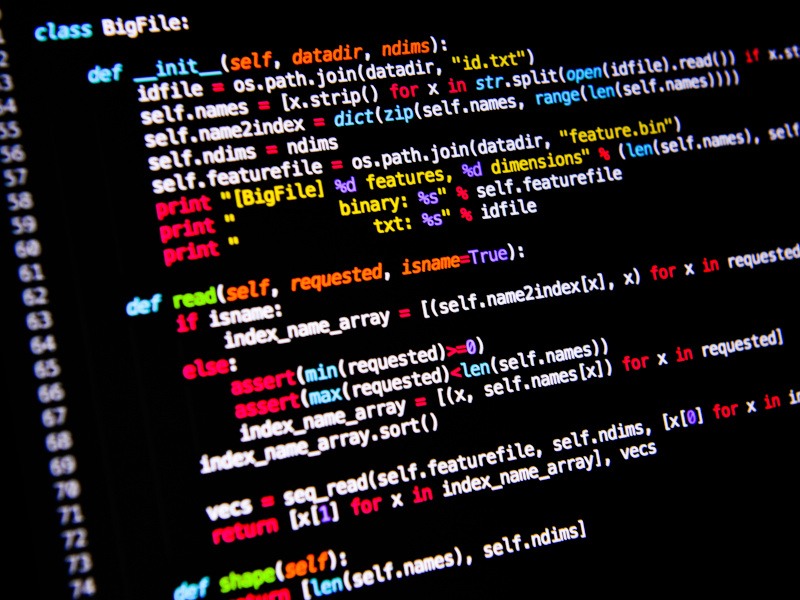
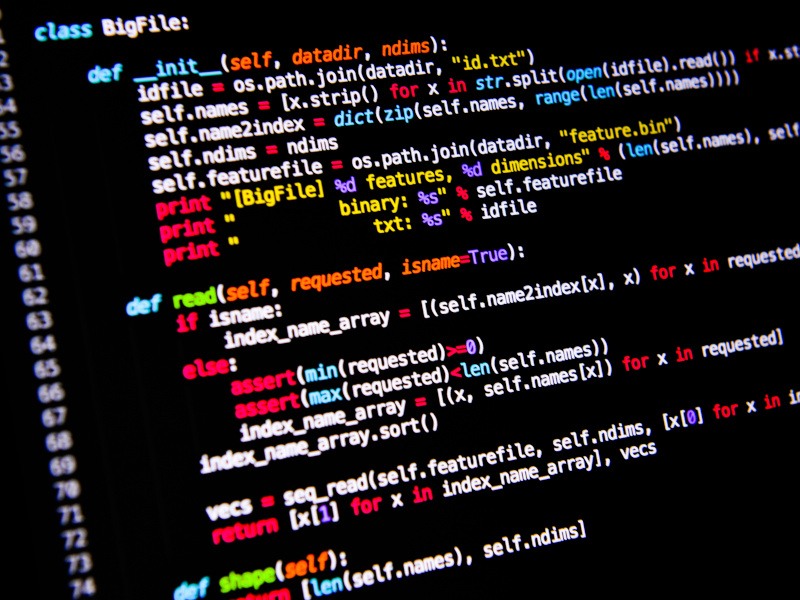
Graphics calculators are one of those strange technological cul-de-sacs. They rely on outdated technology and should not be nearly as expensive as they are, but market effects somehow keep prices well over $100 to this day. Given that fact, you might like to check out an open-source solution instead.
NumOS comes to us from [El-EnderJ]. It’s a scientific and graphic calculator system built to run on the ESP32-S3 with an ILI9341 screen. It’s intended to rival calculators like the Casio fx-991EX ClassWiz and the TI-84 Plus CE in terms of functionality. To that end, it has a full computer algebra system and a custom math engine to do all the heavy lifting a graphic calculator is expected to do, like symbolic differentiation and integration. It also has a Natural V.P.A.M-like display—if you’re unfamiliar with Casio’s terminology, it basically means things like fractions and integrals are rendered as you’d write them on paper rather than in uglier simplified symbology.
If you’ve ever wanted a graphics calculator that you could really tinker with down to the nuts and bolts, this is probably a great place to start. With that said, don’t expect your local school or university to let you take this thing into an exam hall. They’re pretty strict on that kind of thing these days.
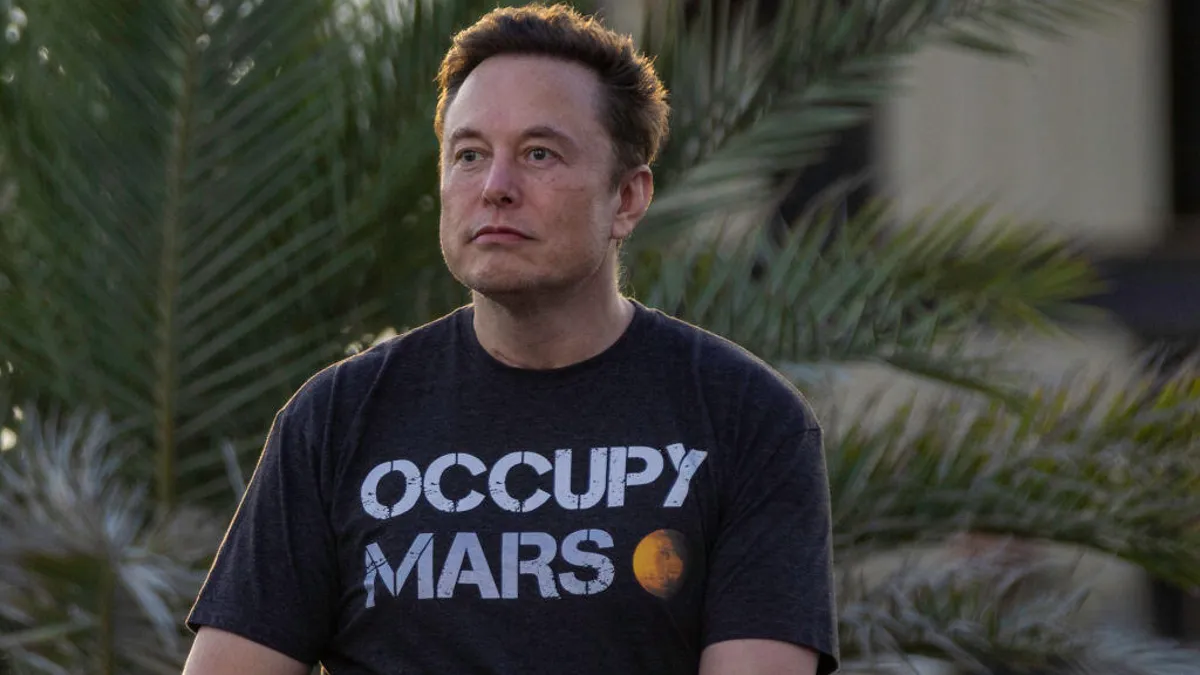
Elon Musk took the stage over the weekend to announce a new partnership between Tesla, SpaceX and xAI to build a $25 billion chip-making factory in Austin, Texas, called Terafab.
Acknowledging Samsung, TSMC and other chipmakers, Musk said the Terafab project needs to get off the ground because existing semiconductor partners aren’t making chips fast enough. If built, Terafab would be the largest semiconductor manufacturing plant in the world.
Bringing more semiconductor facilities to the US isn’t new. The CHIPS Act of 2022 saw a dramatic rise in announcements for further investments in such facilities on American soil. Nvidia began manufacturing chips in its Arizona factory last year, and the motivation wasn’t only due to tariffs.
Advertisement
The CHIPS Act has paid out for several chip-making projects, including Intel’s massive $8 billion factory, though the introduction of additional semiconductor fabs in the US has been slow. Terafab would be a significant addition to the infrastructure for onshore chip making in the US, and by far the most expensive. There’s no word yet on whether Terafab would receive funding under the CHIPS Act.
Powering all of your electronic devices are chips that serve as their brains. They vary from the likes of Apple’s M series to Nvidia’s Vera Rubin CPU and beyond. The Terafab project aims to ease the current shortage of chips powering devices that will bring AI robotics and more to life. (The AI boom has also brought about a massive RAM shortage, with no expected relief until 2028, affecting prices on electronics like smartphones and laptops.)
Musk gave details on two of the chips he plans to build, the AI5 and AI6, which would power the likes of existing earthly ventures, such as Tesla’s Optimus robots and self-driving cars. Also detailed was the D3 chip, which he said would be made for orbital satellites in space. This type of ambition isn’t just coming from Musk, either. Nvidia announced similar goals to build orbital AI data centers during its GTC conference last week.
The project aims to have every piece of the manufacturing process take place at the facility to churn out chips by the billions, targeting the 2-nanometer process. Musk believes the project will help propel us into becoming a “galactic civilization.”
Advertisement
It sounds like an ambitious project, though not everyone is buying it. Musk has historically announced wild projects, like the “million-mile” battery that never quite got off the ground. Whether the Terafab facility actually becomes a reality is a waiting game for now.
Looking for the most recent Mini Crossword answer? Click here for today’s Mini Crossword hints, as well as our daily answers and hints for The New York Times Wordle, Strands, Connections and Connections: Sports Edition puzzles.
Need some help with today’s Mini Crossword? It helps to know a little about birds. Read on for all the answers. And if you could use some hints and guidance for daily solving, check out our Mini Crossword tips.
If you’re looking for today’s Wordle, Connections, Connections: Sports Edition and Strands answers, you can visit CNET’s NYT puzzle hints page.


















































You must be logged in to post a comment Login