Tech
The Best Drive-In Movies Ever Made: Monsters, Muscle Cars and Bad Taste

The drive-in movie theater was born in New Jersey on June 6, 1933, which feels exactly right. Only this state could give America Sinatra, The Sopranos, the Pine Barrens, the Taylor Ham versus pork roll blood feud, Wawa parking-lot diplomacy, Friday the 13th, and the drive-in, then look at the rest of the country like it needs to merge faster or get out of the left lane.
Richard Hollingshead Jr. tested the idea in his own driveway with a Kodak projector, a screen, some cars, and the very American belief that almost any activity can be improved if you don’t have to leave your vehicle. By the late 1950s and early 1960s, thousands of drive-ins were scattered across the country, glowing in weird places that eventually became strip malls, storage facilities, car washes, vape shops, and urgent-care centers with suspiciously cheerful signage.
Today, the surviving number is somewhere between “fewer than 300” and “roughly 330,” depending on who is counting, which theaters are still operating, and whether anyone picked up the phone. That is a long fall from the glory days, but maybe inevitable. Land became too valuable, multiplexes got bigger, VCRs happened, and eventually someone decided the drive-in needed gourmet snacks, $11 coffee, artisanal pretzels, and the kind of concession menu that uses the word “curated” without shame.
No.
The real drive-in was not about prestige. It was not about black levels, Dolby Atmos, recliner seats, or a lavender oat latte served by a man with a tiny hat and a screenplay. It was about monster movies, fast cars, biker gangs, radioactive insects, beach-party nonsense, slashers, revenge, bad science, worse decisions, and movies loud enough to survive the speaker bolted to your window.
And yes, that speaker sounded terrible. Nobody cared. You were in a car. The windshield was the screen. The audio was an afterthought. Sometimes the movie was too.
Unless you were a movie nerd, and some of us were already broken that way, the drive-in was also a place where teenagers discovered that privacy was relative, bench seats were a design miracle, and horniness was not a gendered activity. Some people came for the movie. Some came for the date. Some came in the trunk, which used to be called “sneaking in” and in 2026 is probably an ICE raid.
But the films mattered. Not always because they were “great” in the respectable sense. Many were too cheap, too lurid, too strange, too violent, too stupid, or too poorly supervised to survive inside polite cinema. Outside, under the stars, with bad popcorn and worse judgment, they became something else.
They became drive-in movies.
Not every great movie is a great drive-in movie. And not every great drive-in movie is technically good.
That is not a flaw.
That is the business model.
Midnight Movies and Cult Damage
The Rocky Horror Picture Show (1975)

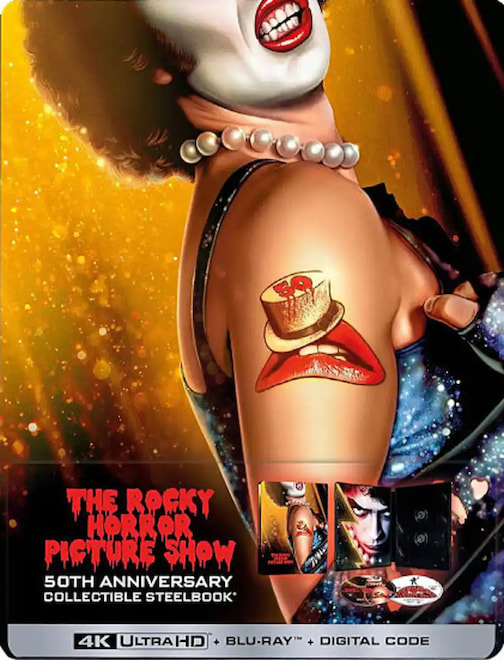
The Rocky Horror Picture Show is less a movie now than a civic disturbance with fishnets, and Tim Curry’s Dr. Frank-N-Furter is the reason it still walks into the room before anyone else does.
It belongs here because it turned midnight screenings into participatory chaos: costumes, callbacks, rice, newspapers, toast, toilet paper, and behavior that would get you removed from most respectable theaters. At a drive-in, I’m still not sure how you hit the screen from your car with toast, but ambition deserves respect.
Scary? Not really. Essential? Absolutely.
Where to buy: $39.99 at Amazon
Pink Flamingos (1972)

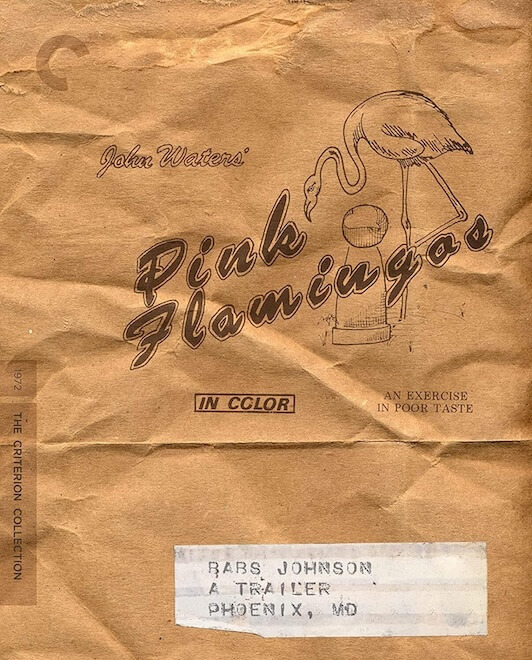
John Waters did not make Pink Flamingos to win approval. He made it to contaminate the water supply.
Divine stars as Babs Johnson, competing for the title of “filthiest person alive,” which is not exactly AFI Top 100 material unless the AFI was having a breakdown. It is gross, funny, aggressive, and proudly allergic to good taste.
This belongs in the drive-in conversation because midnight movie culture needed films that felt dangerous, transgressive, and slightly illegal even when you paid for the ticket. Bring disinfectant. Maybe a priest.
Where to buy: $39.95 at Amazon
Eraserhead (1977)

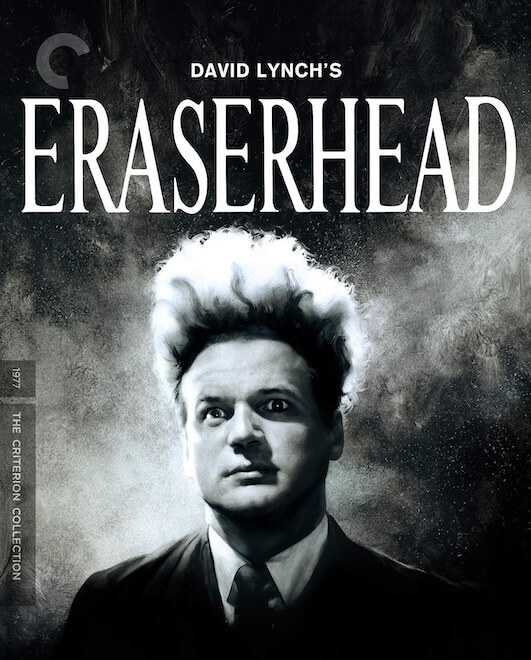
David Lynch’s Eraserhead is what happens when anxiety gets pregnant and moves into an industrial apartment with no windows and worse plumbing.
It is not a monster movie, car movie, or exploitation picture in the usual drive-in sense, but midnight movie culture runs straight through it. The film is strange, funny in the way bad dreams are funny, and deeply unpleasant in ways that suggest your nervous system has filed a formal complaint.
This is not popcorn horror. This is “why is my soul making that noise?” horror.
Where to buy: $29.99 at Amazon
Monsters, Mutants and Bad Science
Them! (1954)

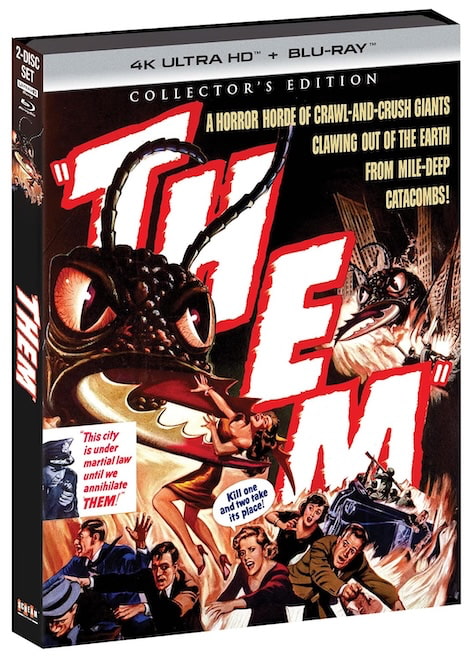
Before giant bug movies became easy punchlines, Them! did it properly.
Nuclear testing creates giant ants in the New Mexico desert, because apparently irradiating the planet had a few side effects. Imagine that. What makes Them! endure is that it plays the material straight. The ants are ridiculous if you are determined to be joyless, but the film treats the threat with real tension.
Personal favorite for a reason. Them! has legs. Six of them on the ants, and two rather memorable ones on Joan Weldon, who brings actual poise to a movie about irradiated insects eating their way through the Southwest.
And unlike Grease, which later turned the L.A. River basin into Thunder Road with leather jackets and hair product, Them! made better use of the city’s concrete nightmare fuel. The climax moves into the Los Angeles spillways and storm drain system, turning civic infrastructure into a giant ant colony. That is urban planning with mandibles.
Where to buy: $44.98 at Amazon
Creature from the Black Lagoon (1954)

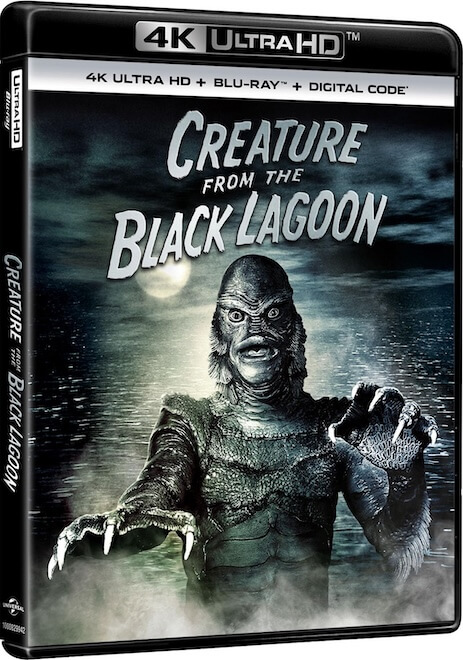
The Gill-man remains one of Universal’s great monsters because he is both ridiculous and elegant.
Creature from the Black Lagoon has everything the drive-in era needed: jungle atmosphere, underwater photography, scientists making poor choices, and a monster who clearly did not ask to be dragged into humanity’s nonsense. It is short, atmospheric, and visually strong enough to survive distance, bad projection, windshield glare, and someone walking back from the snack bar with fries.
A good drive-in monster needs a silhouette. The Gill-man has one.
Where to buy: $29.98 at Amazon
X: The Man with the X-Ray Eyes (1963)

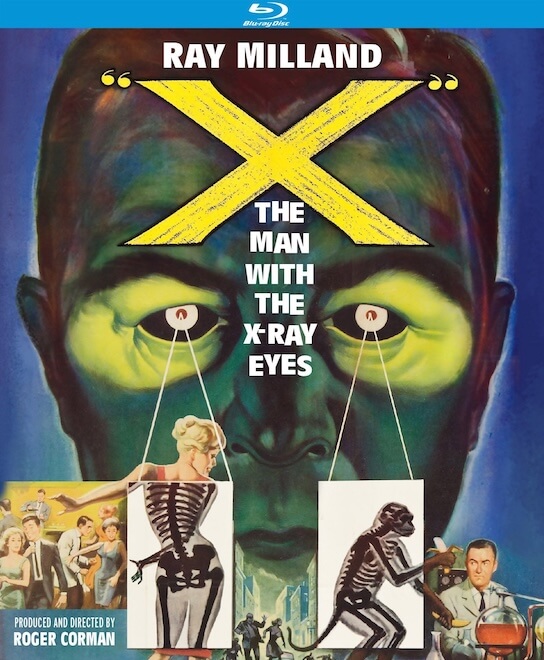
Roger Corman and Ray Milland give drive-in science fiction an unusually nasty philosophical edge.
Milland plays a doctor who develops eye drops that let him see beyond normal human vision. At first, it sounds useful. Then it becomes a curse, because in Corman’s world, knowledge is wonderful right up until it starts peeling your sanity like an onion.
X: The Man with the X-Ray Eyes has the title of a cheap exploitation picture, but it is smarter, stranger, and more unsettling than the poster suggests. Corman sold the sizzle and still delivered steak. Thin steak, but steak.
Where to buy: $43.98 at Amazon
The Blob (1958)

Before Steve McQueen became the Cooler King in The Great Escape and made a motorcycle, a baseball glove, and solitary confinement look cooler than most actors’ entire careers, he was here fighting space jelly in small-town Pennsylvania.
The Blob is classic drive-in marquee bait: a monster from outer space, adults who refuse to listen, teenagers forced to save the day, and a creature that looks like dessert fighting back. The fact that the climax ends up around a diner only makes it more perfect. Of course the Blob attacked a diner. Even alien goo understands that late-night pie is where America lets its guard down.
The genius is that nobody overcomplicates it. Blob lands. Blob eats. Town panics. McQueen squints heroically. The diner gets involved.
Where to buy: $25.99 at Amazon
The Scary Ones That Still Have Teeth
Carnival of Souls (1962)
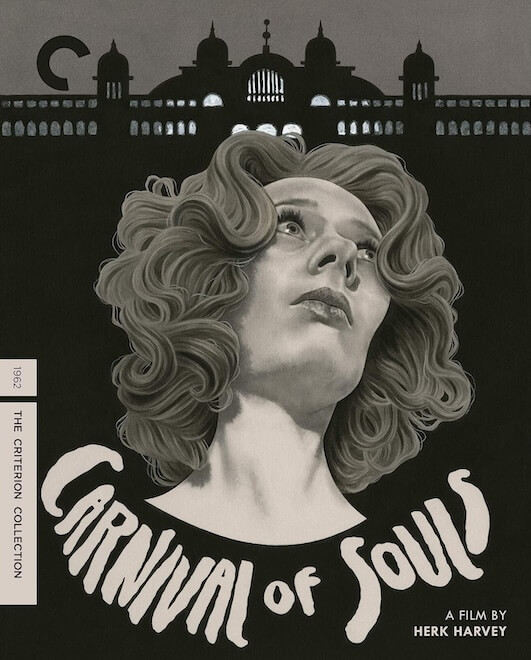
Carnival of Souls is proof that you do not need money to make something deeply unsettling. You need atmosphere, patience, and a face in the dark that looks like it has been waiting for you since birth.
Herk Harvey’s low-budget horror film follows a woman who survives a car accident and becomes drawn to an abandoned carnival pavilion. The plot is simple. The mood is everything.
This is not loud drive-in monster business. It is a ghost story with freezer burn, and it still feels like something you found on late-night television after everyone else in the house went to bed.
Where to buy: $39.95 at Amazon
Messiah of Evil (1973)
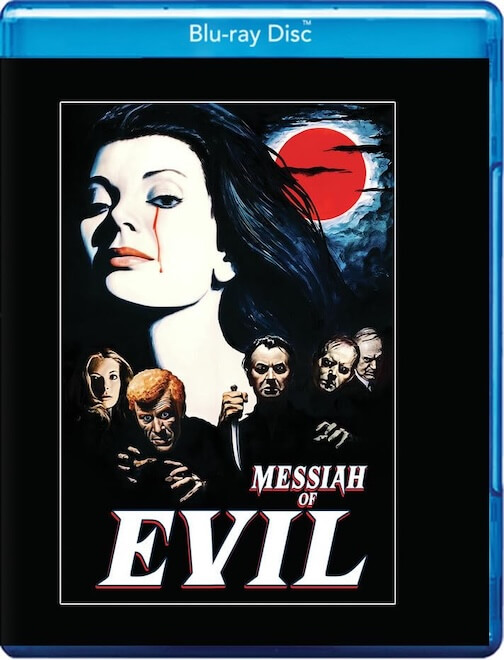
Messiah of Evil is the kind of 1970s horror film that makes wallpaper feel suspicious.
A young woman travels to a coastal town looking for her missing father and finds locals who seem less like residents and more like people waiting for a signal from something awful. The film is dreamy, disjointed, and genuinely creepy, with a supermarket sequence that deserves more respect than it gets.
It feels like a nightmare taking place in a town that forgot to wake up. Explanation would only ruin it, and horror already has enough paperwork.
Where to buy: $22.16 at Amazon
Black Christmas (1974)


Before Halloween, before the slasher rules hardened into formula, there was Black Christmas.
Bob Clark’s film is still one of the creepiest slashers ever made because it does not over-explain its killer. The obscene phone calls are vile, the sorority-house setting is claustrophobic, and the ending remains brutally effective.
And yes, this is the same Bob Clark who later directed Porky’s and A Christmas Story, because apparently one career could contain obscene phone calls, shower peeping, and Ralphie nearly shooting his eye out without anyone in Hollywood asking for a wellness check.
Porky’s also gave Kim Cattrall her infamous “Lassie” moment, which is probably not the scene you want to use when evaluating Mark Levinson electronics unless you enjoy explaining things to your neighbors and local law enforcement.
Where to buy: $39.98 at Amazon
Phantasm (1979)

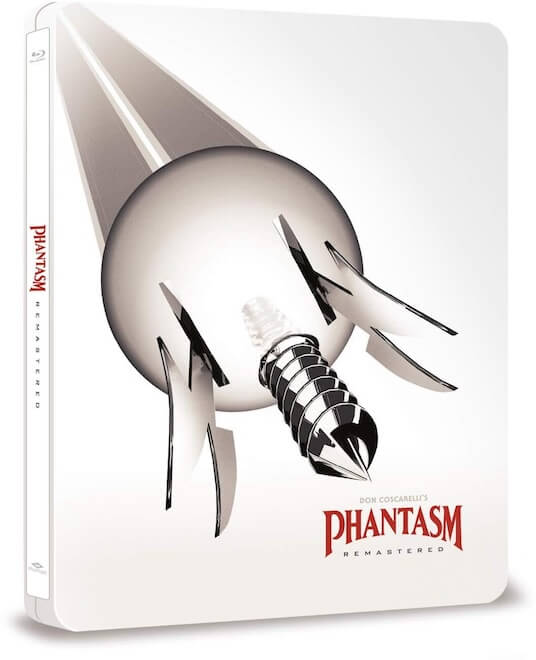
Phantasm does not explain itself.
Don Coscarelli’s cult horror classic has graveyards, alternate dimensions, flying silver spheres, Jawas from hell, and Angus Scrimm as the Tall Man, one of the great horror figures of the era. It operates on dream logic, which is a polite way of saying you may not know what is happening, but you will remember it.
A normal movie gives you plot. Phantasm gives you a chrome ball drilling into someone’s skull and dares you to complain.
Where to buy: $49.98 at Amazon
Cars, Bikers and Bad Decisions
Faster, Pussycat! Kill! Kill! (1965)


Russ Meyer’s Faster, Pussycat! Kill! Kill! is not subtle, polite, or especially interested in behaving itself. Good. Drive-in movies were not built for manners.
Three go-go dancers tear across the desert in sports cars, leaving violence, seduction, and bad decisions in their wake. Tura Satana’s Varla remains one of exploitation cinema’s great screen presences: dangerous, stylish, and fully aware that everyone else in the movie is already losing.
Personal favorite. Obviously. The title alone has better posture than most actors.
Where to buy: $39.95 at Amazon
The Wild Angels (1966)

Roger Corman understood the biker movie before polite culture knew what to do with it.
The Wild Angels stars Peter Fonda as Heavenly Blues, leader of a motorcycle gang that tears through California with nihilism, noise, and a general disregard for anyone’s insurance premiums. It is crude, influential, and essential because it helped turn biker films into a full-blown exploitation lane.
This is not romantic outlaw nonsense. It is ugly, chaotic, and half in love with the very thing it claims to critique.
In other words, very drive-in.
Where to buy: $11.54 at Amazon
Vanishing Point (1971)

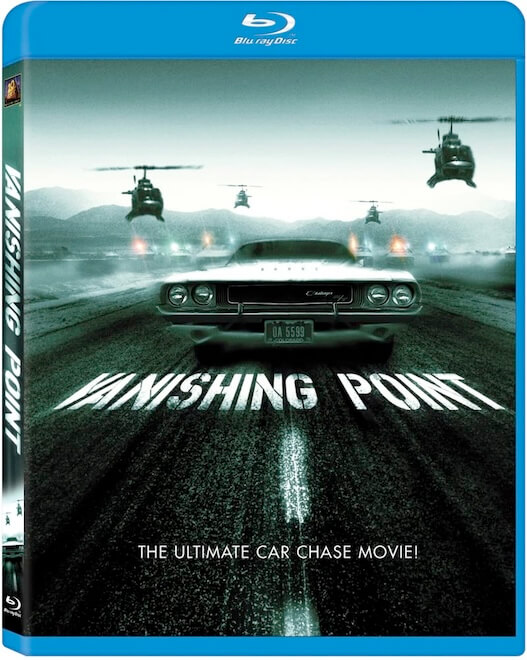
Barry Newman plays Kowalski, a former cop, race-car driver, and Vietnam veteran hired to deliver a white Dodge Challenger from Denver to San Francisco, because apparently FedEx was too emotionally stable.
Newman was never a household name, unless your household had strong opinions about Vanishing Point or watched Petrocelli in the 1970s, but that helps the movie. He looks less like a star and more like a man who has already accepted that speed, drugs, bad decisions, and state troopers are now the same problem.
The open road is not freedom here. It is a trap with better scenery and worse gas mileage.
Where to buy: $29.99 at Amazon
Dirty Mary Crazy Larry (1974)
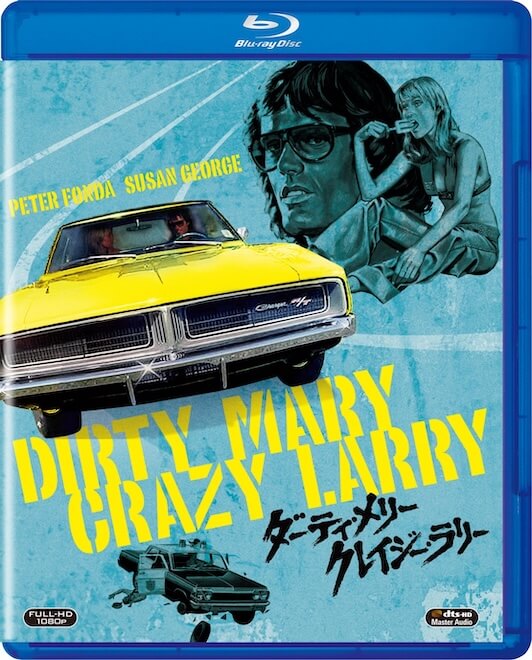
That title sounds like three nicknames found on a police blotter, which is exactly the point.
Dirty Mary Crazy Larry is drive-in car-chase junk food: loud, greasy, fast, and probably terrible for you if consumed too often. Peter Fonda and Susan George play criminals on the run after a supermarket heist, with Adam Roarke along for the ride and Vic Morrow chasing them down.
Morrow, best known for Combat! and later as Jennifer Jason Leigh’s father, brings some gravel as the lawman in pursuit. He was killed in 1982 during the filming of Twilight Zone: The Movie, along with two child actors, in one of Hollywood’s most infamous on-set disasters. Different helicopter tragedy than the one that killed Boris Sagal, Katey Sagal’s father, because apparently Hollywood needed two of those.
Where to buy: $34.28 at Amazon
Death Race 2000 (1975)

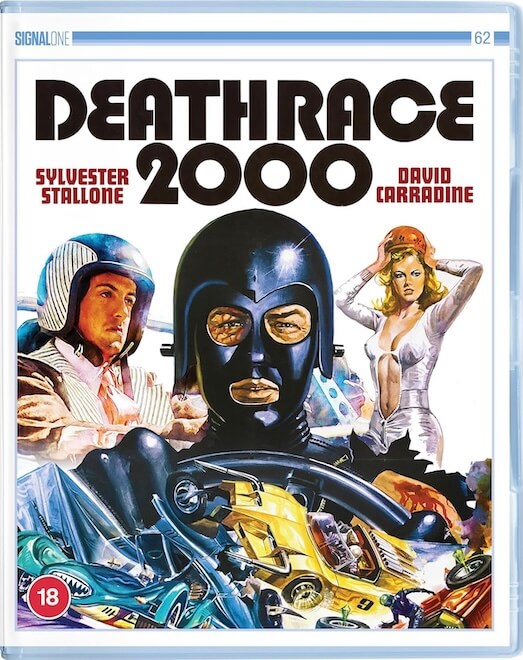
Roger Corman produced a movie about a future America where vehicular homicide is national entertainment, and somehow we still call it satire.
Death Race 2000 is cheap, nasty, funny, and smarter than it looks, which is the Corman sweet spot. David Carradine brings the cool as Frankenstein, Sylvester Stallone brings the volume as Machine Gun Joe, and the whole thing turns bloodsport into media spectacle with all the delicacy of a cinder block through a windshield.
Cars, violence, politics, jokes, and a title that screams poor citizenship.
Where to buy: $39.95 at Amazon
Trash, Revenge and Exploitation
The Toxic Avenger (1984)


Troma’s most famous creation is a mop-wielding mutant from New Jersey, because of course he is.
The Toxic Avenger is disgusting, juvenile, violent, and frequently indefensible. It is also weirdly sincere beneath the sludge. A bullied janitor falls into toxic waste, mutates into a hideous hero, and starts cleaning up Tromaville with a level of force that would make most municipal agencies nervous.
This is not polished cult cinema. This is radioactive garbage with a cape.
It belongs here because sometimes the drive-in needed a hero who looked like a lawsuit.
Where to buy: $39.99 at Amazon
Surf Nazis Must Die (1987)

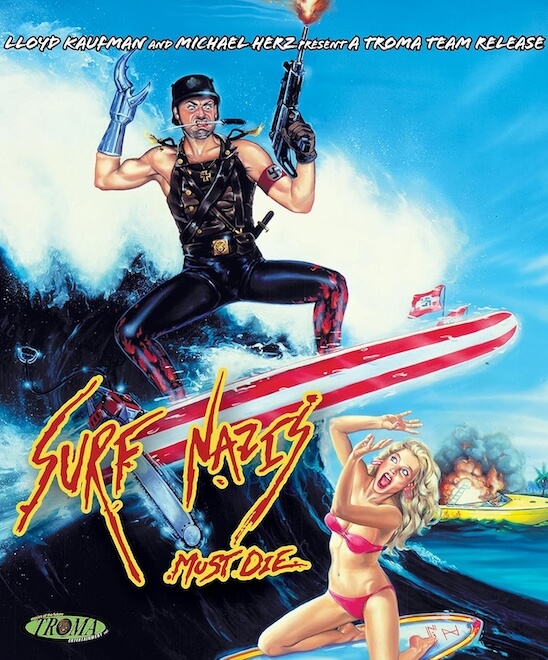
Surf Nazis Must Die is not here because it is great.
It is here because the title alone could sell tickets to people who had already made several poor decisions that evening.
A post-apocalyptic California coastline is overrun by neo-Nazi surf gangs, and revenge eventually arrives in the form of a woman who has had enough. It is a Troma-distributed artifact of bad taste, cheap anger, and exploitation marketing so blunt it practically hits itself with a folding chair.
The movie is clumsy. The title is immortal.
Sometimes that is enough to earn a parking space.
Where to buy: $39.95 at Amazon
The Stuff (1985)

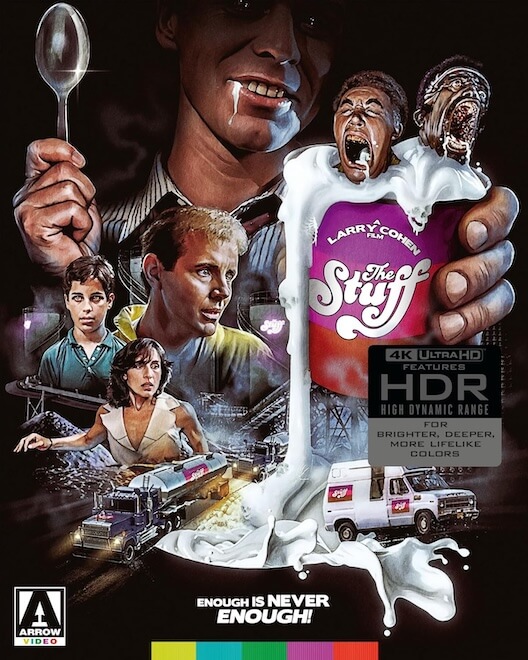
Larry Cohen’s The Stuff is one of the great junk-food horror satires.
A mysterious dessert-like substance bubbles out of the ground, gets marketed to the public, and becomes a national obsession. It is delicious, addictive, and possibly alive. Which, given the state of some supermarket shelves, feels less like fiction every year.
The film works because it turns consumer culture into a monster movie without losing the B-movie hook. The title is perfect. The premise is ridiculous. The satire has teeth.
If dessert climbs out of the earth, maybe do not build a brand around it.
Where to buy: $24.99 at Amazon
Coffy (1973)


Pam Grier did not enter exploitation cinema. She kicked the door open and made the room behave.
In Coffy, she plays a nurse who goes after the drug dealers and criminals responsible for destroying her sister’s life. The movie is violent, stylish, angry, and built around Grier’s charisma. She is not just the star. She is the engine, the steering wheel, and the brick through the windshield.
The film is very much of its era, with all the complications that brings, but it remains one of the essential revenge films of the drive-in and grindhouse circuit.
Where to buy: $32.40 at Amazon
Switchblade Sisters (1975)


Jack Hill’s Switchblade Sisters is teen-gang melodrama with knives, betrayal, power struggles, and the kind of leadership problems that would make a school board meeting look serene.
The film follows a girls’ gang navigating loyalty, violence, and internal politics, and it has far more energy than polish. That works in its favor. It feels dangerous, theatrical, and proudly overheated.
This is exploitation cinema with attitude. Not realistic. Not respectable. Not asking for either.
A proper drive-in movie should occasionally make you wonder who approved this and whether they were later promoted.
Where to buy: $17 at Amazon
The Bottom Line
The best drive-in movies were not trying to impress critics. They were trying to get cars through the gate.
They had titles you could read from the road, posters that lied with confidence, monsters that wobbled but still worked, cars that sounded better than the dialogue, and revenge plots that required neither nuance nor a therapist. They were loud, cheap, weird, horny, scary, and occasionally brilliant by accident.
Today, you can buy craft coffee and gourmet popcorn at a “reimagined outdoor cinema experience” where nachos apparently need a mission statement. Good for them. I hope the margins are excellent.
Give me the old version: giant ants, murderous surfers, toxic waste, biker scum, go-go dancers with bad intentions, radioactive dessert, and a movie title that sounds like it was shouted by a man selling fireworks out of a van.
That was the drive-in.
Not respectable.
Better.
You must be logged in to post a comment Login