Tech
The Future Of Smart Rings Looks A Lot Like Its Present

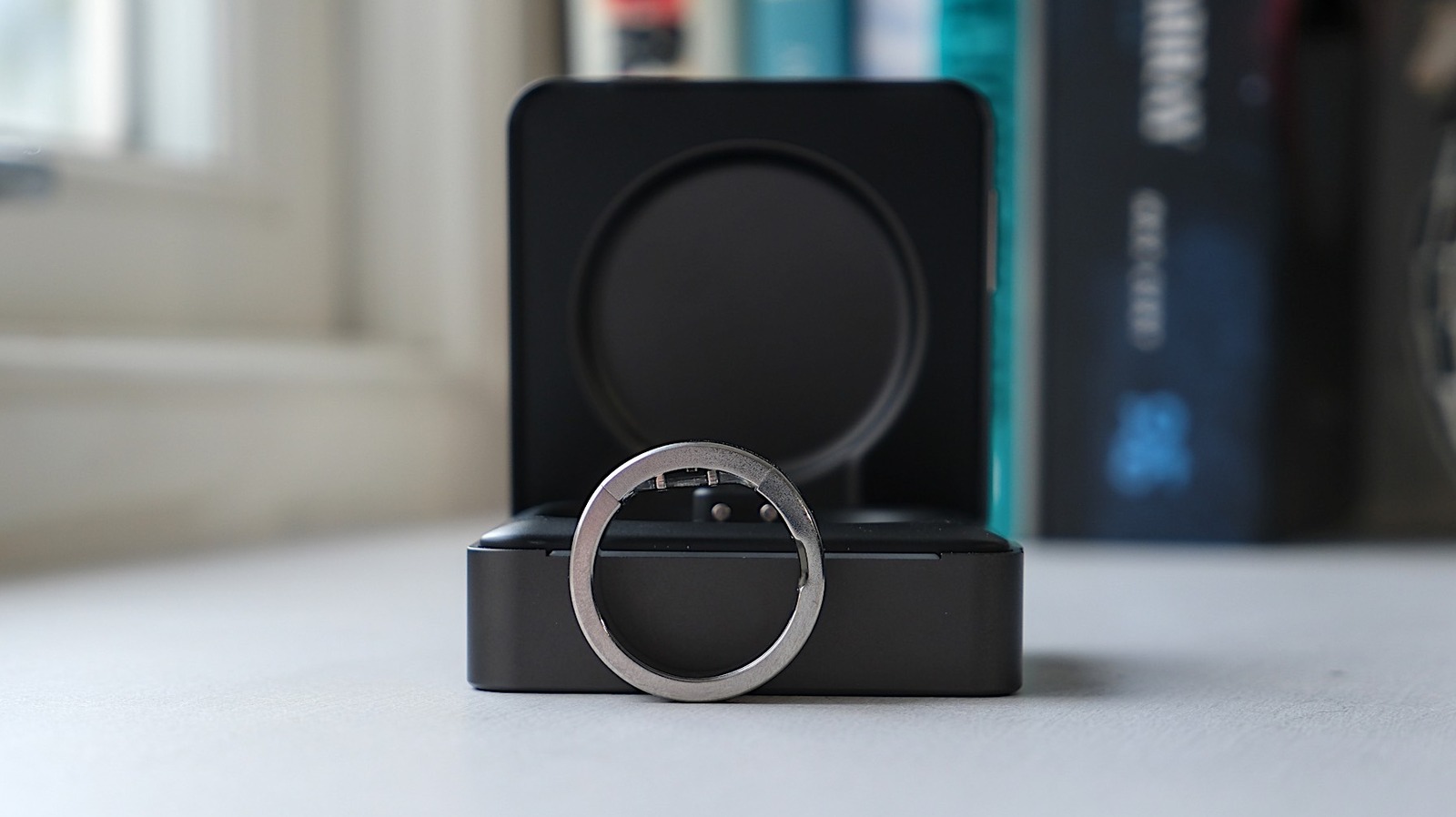

Ultrahuman’s Ring Pro is a smart fitness tracking ring weighing between 3.3 and 4.8 grams (approx 0.1 oz) (available in sizes 5 to 14. It’s the company’s first major hardware update since 2023’s Ring Air, and has been redesigned from the ground up. Two things prompted the change: First, Ring Air fell foul of an Oura-owned patent which saw it contentiously blocked from sale in the US. Second, the company realized it had done all it could with the Air and needed to radically increase the ring’s processing power. The Pro has upgraded silicon to hopefully offer plenty of new insights further down the line.
Consequently, the new model comes with a dual-core chip with onboard machine learning and 250 days of internal storage. That’s a big leap from the Air’s single-core unit which had just four days of memory to keep track of your vitals. Ultrahuman hopes Jade, the company’s new AI, will be able to delve deep and pluck out plenty of conclusions based on these long historical trends. Plus, the company expects to be able to launch a wider variety of Power Plugs — paid-for add-ons tailored to monitoring specific stats — as the ecosystem matures.
It’s instantly obvious the Pro is a different beast to the Air, which was made with a titanium outer ring and an epoxy resin interior. When you looked down your finger at the side of the ring you could see the two materials side by side. The Pro is clad in titanium inside and out, except for the resin section housing the PPG sensors. If you’re the sort to get your calipers out, you’ll find the Pro is just 0.25mm thicker than its predecessor. But the all-titanium body makes it feel a lot chunkier. I didn’t notice any meaningful difference while wearing it, but folks with daintier digits than mine may.
As for tracking, you’ll get temperature, movement and a PPG sensor the company says is redesigned for better accuracy. Given that’s pretty much all the laws of physics will allow you to include in a smart ring these days, there’s not much more to say about them. After all, it’s not the data you collect but the insights you’re able to generate from it that’s important. Battery life is rated for 12 days in “Turbo Mode,” but you can extend that to 15 days or so with “Chill Mode,” which reduces the amount of tracking to prolong longevity.
The Ring Pro doesn’t charge wirelessly. Instead, it uses a physical pin connection on the charging case to reduce thermal issues caused by wireless charging. The ring itself has also been designed to be easily cut open to free your finger in a hurry should the battery start to swell. Naturally, it’s rare for a wearables company to talk about these things, so Ultrahuman deserves props for foregrounding it.
I suspect people will be looking for direct comparisons between the Ring Pro and the Oura 4. Depending on your finger size, they’re both a shade under 3mm (0.1 inch) thick and virtually indistinguishable. Up close, the Oura’s silver coated titanium is a tad shinier than the raw titanium found on the Pro, but that’s about it. The only real differences are in the Pro’s slightly more visible sensor zone or the Oura’s orientation notch.
You must be logged in to post a comment Login